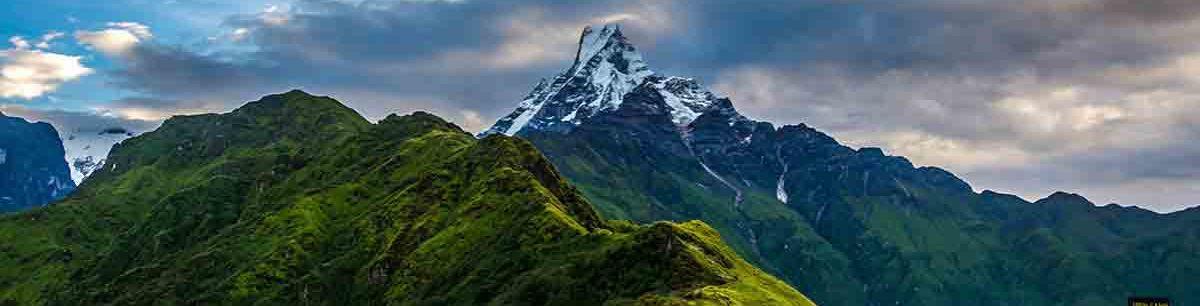
Why Nepal Is More Than a Destination: A Journey That Changes Your Life

When people think about Nepal travel, they often picture the towering Himalayas, Mount Everest, colorful prayer flags, and adventurous trekking routes. While these iconic images certainly represent Nepal, they tell only part of the story. Nepal is much more than a place to visit—it’s a destination that has the power to transform perspectives, inspire personal growth, and create memories that last a lifetime.

Nestled between India and China, Nepal is a country where ancient traditions blend seamlessly with modern life. Every village has a story, every mountain has a legend, and every smiling local reminds visitors that genuine hospitality still exists. Whether you’re trekking through the Annapurna region, exploring centuries-old temples in Kathmandu Valley, watching the sunrise over snow-covered peaks, or simply sharing tea with local families, Nepal leaves a lasting impression on your heart.

Unlike many tourist destinations where attractions are simply checked off a list, Nepal invites travelers to slow down, connect deeply with people and nature, and experience life differently. It is a country where adventure, spirituality, culture, wildlife, and human connection come together in ways that few destinations can match.

If you’re searching for a destination that offers more than beautiful scenery, Nepal deserves to be at the top of your travel list.


A Country Where Nature Inspires Every Step

Nepal may occupy only a small portion of the world’s map, but it contains an incredible variety of landscapes. Within a single journey, travelers can experience lush jungles, fertile plains, rushing rivers, alpine forests, glacial lakes, and the world’s highest mountains.

Home to eight of the world’s fourteen peaks above 8,000 meters—including Mount Everest—Nepal has become synonymous with mountain adventures. Yet its natural beauty extends far beyond famous summits.

Imagine waking up before dawn to watch the first rays of sunlight illuminate the Himalayas in shades of gold and pink. The crisp mountain air, the peaceful silence, and the sheer scale of the landscape create moments that are difficult to describe but impossible to forget.

For nature lovers, Nepal offers experiences such as:

  • Trekking through rhododendron forests.
  • Walking alongside crystal-clear mountain streams.
  • Witnessing glaciers and high-altitude lakes.
  • Exploring national parks rich in biodiversity.
  • Watching rare wildlife in tropical jungles.
  • Enjoying panoramic mountain viewpoints.
  • Experiencing peaceful hill villages untouched by mass tourism.

Each region reveals a different side of Nepal, ensuring that no two journeys ever feel the same.


The Mountains Teach More Than Endurance

People often associate Nepal with trekking, but trekking here is about much more than reaching a destination.

Every trail becomes a lesson in patience, resilience, and appreciation. As you gradually climb higher into the mountains, distractions disappear. Mobile signals become weaker, schedules become less important, and the simple rhythm of walking takes over.

Many travelers describe trekking in Nepal as a form of meditation. The mountains encourage mindfulness, helping people reconnect with themselves while surrounded by some of the most spectacular scenery on Earth.

Popular trekking regions include:

Whether completing a short five-day trek or a challenging multi-week expedition, travelers often return home with greater confidence, mental clarity, and a renewed appreciation for life’s simple pleasures.


Nepal’s Rich Culture Makes Every Visit Meaningful

One of the greatest strengths of Nepal travel is its remarkable cultural diversity.

Despite its relatively small size, Nepal is home to more than 120 ethnic groups and over 120 languages. Each community preserves unique traditions, festivals, music, clothing, architecture, and cuisine.

Walking through Nepal feels like exploring living history. Ancient temples stand beside busy marketplaces, centuries-old rituals continue daily, and traditional craftsmanship thrives despite rapid modernization.

Some unforgettable cultural experiences include:

  • Exploring Kathmandu Durbar Square.
  • Visiting Bhaktapur’s medieval streets.
  • Witnessing evening prayers at Pashupatinath Temple.
  • Spinning prayer wheels at Boudhanath Stupa.
  • Watching monks perform Buddhist ceremonies.
  • Celebrating Dashain or Tihar with local families.
  • Sampling authentic Nepali cuisine, including dal bhat, momo, sel roti, and Newari specialties.

These authentic experiences create meaningful connections that go far beyond sightseeing.


Genuine Hospitality That Stays With You

One reason travelers repeatedly return to Nepal is the warmth of its people.

Hospitality is deeply rooted in Nepali culture. Visitors are often welcomed with genuine smiles, heartfelt conversations, and generous acts of kindness.

Whether staying in a luxury hotel, a family-run guesthouse, or a remote mountain teahouse, guests frequently experience hospitality that feels personal rather than transactional.

Trekkers often remember the people they meet just as vividly as the mountains they climb. Local guides, porters, lodge owners, and villagers share stories that enrich every journey.

Even simple interactions—sharing tea after a long day of hiking or learning traditional customs from local families—can become some of the most memorable parts of a trip.

These human connections are what truly distinguish Nepal from many other travel destinations.

Spiritual Experiences That Go Beyond Religion

One of the most remarkable aspects of Nepal travel is the country’s spiritual atmosphere. Whether you follow a particular faith or simply seek moments of peace and reflection, Nepal has a unique way of helping visitors reconnect with themselves.

As the birthplace of Lord Buddha and home to some of Hinduism’s most sacred temples, Nepal has welcomed pilgrims for thousands of years. However, you don’t need to be religious to appreciate the sense of calm that surrounds its monasteries, stupas, temples, and mountain landscapes.

Many travelers find themselves slowing down naturally. The sound of monks chanting, the fluttering of prayer flags in the Himalayan breeze, and the fragrance of incense create an environment that encourages mindfulness.

Some of the country’s most significant spiritual destinations include:

  • Lumbini, the birthplace of Lord Buddha and a UNESCO World Heritage Site.
  • Pashupatinath Temple, one of the holiest Hindu temples dedicated to Lord Shiva.
  • Boudhanath Stupa, one of the largest Buddhist stupas in the world.
  • Swayambhunath (Monkey Temple), offering panoramic views of Kathmandu and centuries of spiritual history.
  • Muktinath Temple, revered by both Hindus and Buddhists.
  • Tengboche Monastery, located in the Everest region and surrounded by breathtaking Himalayan peaks.

These sacred places are not merely attractions—they are living centers of worship where visitors can witness traditions that have remained unchanged for centuries. For many people, these experiences become some of the most meaningful moments of their journey.


Adventure Exists Around Every Corner

Although Nepal is best known for trekking, adventure here takes many forms. The country’s dramatic geography creates endless opportunities for outdoor enthusiasts, making it one of the world’s top destinations for adrenaline-filled experiences.

If trekking isn’t your preference, you’ll still find plenty of exciting activities to enjoy.

Popular adventure activities include:

White Water Rafting

Nepal’s snow-fed rivers offer thrilling rafting experiences ranging from beginner-friendly rapids to world-class white-water expeditions.

Paragliding

Pokhara is considered one of the best paragliding destinations in the world. Flying above Phewa Lake with the Annapurna range in the background is an unforgettable experience.

Mountain Biking

Ride through ancient villages, scenic hills, forest trails, and challenging mountain routes while experiencing Nepal’s diverse landscapes.

Jungle Safaris

National parks such as Chitwan and Bardia provide opportunities to see one-horned rhinoceroses, Bengal tigers, elephants, crocodiles, deer, and hundreds of bird species.

Bungee Jumping

Nepal offers one of Asia’s most spectacular bungee jumping locations over a deep river gorge surrounded by dramatic scenery.

Ziplining and Rock Climbing

Adventure hubs like Pokhara also offer world-class zipline experiences and climbing opportunities for both beginners and experienced climbers.

This incredible variety means every traveler can create an itinerary that matches their interests, whether they seek relaxation, exploration, or adrenaline.


Nepal’s Wildlife Is Just as Impressive as Its Mountains

Many first-time visitors are surprised to discover that Nepal is home to extraordinary wildlife as well as towering peaks.

The country’s unique geography ranges from subtropical forests in the south to alpine ecosystems in the north, creating habitats for thousands of plant and animal species.

Protected areas cover a significant portion of Nepal and play a vital role in conservation.

Highlights include:

  • Spotting the endangered one-horned rhinoceros in Chitwan National Park.
  • Searching for the elusive Royal Bengal tiger.
  • Observing wild elephants in their natural habitat.
  • Watching gharial crocodiles along riverbanks.
  • Birdwatching, with more than 890 recorded bird species.
  • Exploring Bardia National Park for a quieter and less crowded safari experience.

Nature enthusiasts often find that combining mountain adventures with wildlife experiences provides a more complete understanding of Nepal’s incredible biodiversity.


Every Season Reveals a Different Nepal

One of the reasons travelers return again and again is that Nepal changes dramatically with the seasons.

Spring (March–May)

Spring transforms the hills into vibrant landscapes covered with blooming rhododendron forests. Clear skies and moderate temperatures make it one of the best seasons for trekking.

Summer/Monsoon (June–August)

Although rainfall is frequent, the countryside becomes incredibly green and lush. Fewer tourists mean quieter attractions, while regions such as Upper Mustang remain excellent destinations due to their rain-shadow location.

Autumn (September–November)

Widely regarded as the best time for Nepal travel, autumn offers crystal-clear mountain views, pleasant temperatures, and numerous cultural festivals, including Dashain and Tihar.

Winter (December–February)

Lower-elevation trekking routes remain accessible, while snow-covered mountains create spectacular scenery. Winter is also ideal for cultural sightseeing in Kathmandu, Pokhara, and Lumbini.

Each season offers its own beauty, ensuring there is never a bad time to experience Nepal.


Sustainable Tourism Helps Preserve Nepal’s Beauty

Modern travelers increasingly want their journeys to have a positive impact, and Nepal offers many opportunities to travel responsibly.

Community-based tourism has become an important part of the country’s tourism industry. Many trekking lodges, local guides, family-run guesthouses, and village homestays directly benefit local communities.

Visitors can support sustainable tourism by:

  • Hiring licensed local guides and porters.
  • Staying in locally owned accommodations.
  • Purchasing authentic handmade crafts.
  • Respecting local customs and traditions.
  • Reducing plastic waste by carrying reusable water bottles.
  • Following Leave No Trace principles while trekking.
  • Choosing ethical wildlife experiences.

Responsible travel not only enhances your experience but also helps preserve Nepal’s natural and cultural heritage for future generations.


Nepal Changes Your Perspective on Life

Perhaps the most profound reason why Nepal is more than a destination is the way it changes how people think.

Travelers often arrive expecting spectacular mountains and adventurous treks. They leave with something much more valuable.

Nepal teaches patience through long mountain trails.

It teaches gratitude through the kindness of strangers.

It teaches resilience by showing how communities thrive in challenging environments. And teaches simplicity by reminding visitors that happiness doesn’t always depend on material possessions.

Watching farmers work terraced fields, sharing meals with local families, listening to ancient stories, or witnessing sunrise over the Himalayas creates moments that inspire reflection long after the journey ends.

Many visitors describe Nepal not as a vacation but as a life experience—one that continues to influence their values, priorities, and outlook long after they return home.

For some, it sparks a passion for adventure. For others, it becomes the beginning of a lifelong connection with the Himalayas. Whatever your reason for visiting, Nepal has a remarkable way of leaving a lasting imprint on your heart.

Practical Tips for Planning Your Nepal Travel

A memorable journey begins with thoughtful planning. While Nepal is welcoming to travelers of all experience levels, preparing in advance can help you make the most of your visit.

Choose the Right Time to Visit

The best time for Nepal travel depends on your interests.

  • Autumn (September–November): Ideal for trekking, mountain views, and festivals.
  • Spring (March–May): Excellent weather, blooming rhododendrons, and comfortable trekking conditions.
  • Winter (December–February): Great for cultural tours, wildlife safaris, and lower-altitude treks.
  • Monsoon (June–August): Best for lush landscapes, photography, and rain-shadow regions like Upper Mustang and Dolpo.

Plan an Itinerary That Matches Your Interests

Nepal offers something for every traveler.

  • Adventure seekers can trek in the Everest, Annapurna, or Manaslu regions.
  • Spiritual travelers can explore Lumbini, Pashupatinath, Muktinath, and ancient monasteries.
  • Wildlife enthusiasts can visit Chitwan or Bardia National Park.
  • Families can enjoy Kathmandu, Pokhara, and Nagarkot.
  • Luxury travelers can combine boutique hotels, helicopter tours, and premium trekking experiences.

Avoid trying to see everything in one trip. Nepal rewards slow and immersive travel.

Respect Local Culture

Nepal is culturally rich and deeply rooted in tradition.

Remember to:

  • Dress modestly when visiting religious sites.
  • Remove shoes before entering temples where required.
  • Ask permission before photographing people.
  • Walk clockwise around stupas.
  • Use both hands when giving or receiving something as a sign of respect.

Small gestures of cultural awareness are greatly appreciated.

Pack Smart

Depending on your itinerary, essentials may include:

  • Comfortable walking shoes or trekking boots
  • Layered clothing
  • Rain jacket
  • Reusable water bottle
  • Sunscreen and sunglasses
  • Basic first-aid kit
  • Power bank
  • Travel insurance documents
  • Personal medications

If trekking, consult your trekking company about specialized gear.

Travel With a Reputable Local Operator

Experienced local tour operators provide valuable insights, professional guides, logistical support, and enhanced safety. They can also customize itineraries based on your interests, fitness level, and travel style while ensuring your visit benefits local communities.


Frequently Asked Questions About Nepal Travel

Is Nepal safe for tourists?

Yes. Nepal is generally considered one of the safest countries for travelers. Like any destination, use common sense, stay aware of your surroundings, and follow guidance from local authorities and professional guides, especially during trekking or adventure activities.

Do I need to be physically fit to visit Nepal?

Not at all. While high-altitude trekking requires preparation, Nepal also offers cultural tours, scenic drives, luxury experiences, wildlife safaris, and easy hikes suitable for travelers of all ages.

How many days should I spend in Nepal?

A 7–10 day trip is ideal for first-time visitors, while 12–16 days allows time for trekking or exploring multiple regions. Those looking for a deeper experience often stay even longer.

Is Nepal expensive?

Nepal is considered one of the best-value travel destinations in Asia. Accommodation, food, transportation, and guided tours are available across a wide range of budgets, making it accessible to backpackers, families, and luxury travelers alike.

Can I visit Nepal year-round?

Yes. Every season offers unique experiences. Your ideal travel period depends on whether you prioritize trekking, festivals, wildlife, photography, or cultural exploration.


Final Thoughts

Some places impress you with beautiful scenery.

Others entertain you for a week before fading into memory.

Nepal does something different.

It invites you to pause, reflect, and reconnect—with nature, with culture, and often with yourself.

The towering Himalayas inspire humility. Ancient temples reveal centuries of living history. Colorful festivals celebrate traditions passed down through generations. Friendly conversations with local people remind visitors that genuine hospitality still exists.

Every sunrise over snow-capped peaks, every peaceful monastery, every mountain trail, and every shared meal becomes part of a story that continues long after the journey ends.

That is why Nepal is more than a destination.

It is a place that broadens perspectives, strengthens resilience, deepens appreciation for different cultures, and encourages travelers to embrace life’s simple joys. Whether you come seeking adventure, spirituality, wildlife, or cultural discovery, Nepal has a remarkable ability to give you far more than you expected.

In the end, the souvenirs you bring home may fade, but the experiences, friendships, and lessons gained through Nepal travel will remain with you for a lifetime.


Call to Action

If you’re ready to experience breathtaking Himalayan landscapes, vibrant cultures, unforgettable adventures, and genuine hospitality, now is the perfect time to start planning your Nepal travel journey.

Partner with a trusted local travel company to design an itinerary tailored to your interests—whether that includes trekking, luxury holidays, cultural tours, wildlife safaris, pilgrimage, or family vacations. Your life-changing adventure begins the moment you choose Nepal.

Quick Inquiry Form

7 Ways a Journey to Nepal Can Help You Escape Stress, Heal Emotionally, and Find Inner Peace

In today’s fast-paced world, stress, anxiety, emotional exhaustion, and burnout have become part of everyday life. Constant work pressure, endless notifications, financial concerns, and personal challenges often leave us feeling disconnected from ourselves. Sometimes, what we truly need isn’t another weekend at home—it is a complete change of environment that allows our mind and body to heal.

Nepal travel offers exactly that opportunity. Nestled between India and China, Nepal is more than a destination filled with breathtaking Himalayan landscapes. It is a country where spirituality, adventure, culture, and nature come together to create life-changing experiences. Whether you’re seeking quiet moments in ancient monasteries, peaceful hikes through mountain villages, yoga retreats, or thrilling trekking adventures, Nepal has something that can restore your emotional well-being.

Thousands of visitors arrive in Nepal every year not only to admire Mount Everest or explore Kathmandu but also to reconnect with themselves. The country’s peaceful atmosphere, welcoming people, and slower pace of life make it one of the world’s most therapeutic travel destinations.

In this article, we’ll explore 7 powerful ways a journey to Nepal can help you escape stress, heal emotionally, and discover lasting inner peace.


Disconnect from Daily Stress and Reconnect with Yourself

Modern life rarely gives us time to pause.

Many people wake up checking emails, spend hours staring at screens, battle traffic, and go to sleep thinking about tomorrow’s responsibilities. This constant stimulation keeps the brain in a state of alertness, making relaxation increasingly difficult.

Nepal offers something many destinations cannot—a genuine opportunity to disconnect.

Imagine waking up to:

  • Snow-capped Himalayan peaks
  • Fresh mountain air
  • Birds singing instead of traffic noise
  • Prayer flags fluttering in the breeze
  • Peaceful villages untouched by city life

Away from the pressures of everyday routines, your nervous system naturally begins to slow down.

Whether you’re trekking through the Annapurna region, staying in a mountain lodge, or enjoying a peaceful morning overlooking Phewa Lake in Pokhara, Nepal creates space for self-reflection and emotional recovery.

Without constant digital distractions, you become more present, more mindful, and more aware of what truly matters.


Experience the Healing Power of Nature

Nature has long been associated with reduced stress levels and improved mental health. Nepal provides some of the most spectacular natural environments on Earth.

From lush forests to towering Himalayan peaks, every landscape invites you to slow down and breathe deeply.

Popular natural escapes include:

  • Everest Base Camp Trek
  • Annapurna Base Camp Trek
  • Langtang Valley
  • Rara Lake
  • Upper Mustang
  • Chitwan National Park
  • Bardia National Park

Walking through forests filled with rhododendron trees, listening to mountain rivers, and watching breathtaking sunrises naturally reduces stress hormones.

Scientific research has shown that spending time in nature can:

  • Lower cortisol levels
  • Improve mood
  • Reduce anxiety
  • Enhance creativity
  • Improve sleep quality
  • Increase mindfulness

Nepal’s landscapes make these benefits even more profound because of their scale, beauty, and tranquility.


Discover Inner Peace Through Nepal’s Spiritual Heritage

Nepal is one of the world’s oldest spiritual destinations.

It is the birthplace of Lord Buddha and home to countless temples, monasteries, stupas, and sacred pilgrimage sites.

Visitors often report feeling an overwhelming sense of calm while exploring places such as:

  • Lumbini
  • Boudhanath Stupa
  • Swayambhunath (Monkey Temple)
  • Pashupatinath Temple
  • Kopan Monastery
  • Namo Buddha

Whether you practice meditation or simply enjoy peaceful surroundings, these sacred places encourage introspection.

Many monasteries also offer:

  • Meditation retreats
  • Mindfulness sessions
  • Buddhist teachings
  • Silent retreats
  • Spiritual counseling

Even travelers with no religious background often leave feeling emotionally lighter after spending time in Nepal’s spiritual communities.

The peaceful chants, spinning prayer wheels, burning incense, and centuries-old traditions create an atmosphere unlike anywhere else.


Trekking Builds Emotional Strength and Self-Confidence

One of the most transformative aspects of Nepal travel is trekking.

Walking through the Himalayas is not just a physical journey—it is an emotional one.

Each step teaches:

  • Patience
  • Determination
  • Resilience
  • Gratitude
  • Confidence

Climbing mountain trails requires persistence.

There will be difficult moments, tired legs, and steep climbs, but every challenge you overcome makes the journey even more rewarding.

But each challenge overcome becomes a reminder that you are stronger than you imagined.

Many trekkers describe finishing their trek as a turning point in their lives.

The experience often helps people:

  • Recover from burnout
  • Process grief
  • Overcome personal setbacks
  • Build self-esteem
  • Gain mental clarity

Reaching a mountain viewpoint after days of trekking creates a powerful sense of accomplishment that stays with you long after returning home.


Connect with Warm, Genuine Local Communities

One of Nepal’s greatest treasures is its people.

Nepalis are known worldwide for their hospitality, kindness, and genuine warmth.

Traveling through villages allows visitors to experience authentic cultural exchanges rather than commercial tourism.

Simple interactions can become deeply meaningful:

  • Sharing tea with local families
  • Learning traditional customs
  • Watching village festivals
  • Visiting local schools
  • Listening to mountain stories
  • Enjoying homemade meals

These moments remind travelers of the importance of human connection.

Many visitors arrive feeling emotionally exhausted but leave inspired by the resilience, generosity, and happiness of people living simple lives.

This change in perspective often helps reduce unnecessary worries and encourages gratitude.

Practice Yoga, Meditation, and Mindfulness in Peaceful Surroundings

One of the greatest benefits of Nepal travel is the opportunity to slow down and focus on your mental and emotional well-being. Nepal has become a popular destination for yoga enthusiasts, meditation practitioners, and wellness travelers from around the world. The country’s peaceful atmosphere provides the ideal environment for self-reflection and personal growth.

Many retreats are located in tranquil settings such as the Kathmandu Valley, Pokhara, Nagarkot, Dhulikhel, and the Himalayan foothills. Imagine beginning your day with gentle yoga while overlooking snow-capped mountains or practicing meditation as the sun rises over quiet valleys. These experiences encourage mindfulness and help calm an overactive mind.

Yoga and meditation can offer several benefits, including:

  • Reducing stress and anxiety
  • Improving emotional resilience
  • Enhancing concentration and mental clarity
  • Promoting better sleep
  • Increasing self-awareness
  • Supporting overall physical well-being

Several wellness centers also combine yoga with sound healing, Ayurvedic treatments, breathing exercises, and nature walks, creating a holistic approach to relaxation. Whether you are a beginner or an experienced practitioner, Nepal offers welcoming spaces where you can focus on healing without distractions.


Gain a Fresh Perspective and Return Home Renewed

Travel has a remarkable ability to change the way we see the world—and ourselves. A journey through Nepal often becomes more than just a vacation; it becomes a personal transformation.

Standing beneath the world’s highest mountains, walking through centuries-old villages, or watching monks in quiet prayer can remind us how vast the world is and how many possibilities still exist. Problems that once seemed overwhelming may feel more manageable after experiencing a different way of life.

Many travelers return home with:

  • Greater confidence
  • Renewed motivation
  • A more positive outlook
  • Stronger appreciation for simple living
  • Improved emotional balance
  • Lasting memories that inspire future growth

Rather than escaping reality, Nepal helps many visitors return to everyday life with renewed purpose and a healthier mindset.


Best Destinations in Nepal for Relaxation and Emotional Healing

If your goal is to reduce stress and reconnect with yourself, consider including these destinations in your itinerary:

Pokhara

Known for its peaceful lakes, mountain views, and relaxed atmosphere, Pokhara is one of Nepal’s top wellness destinations. Enjoy boating on Phewa Lake, visit the World Peace Pagoda, or simply unwind at a lakeside café.

Lumbini

As the birthplace of Lord Buddha, Lumbini offers a calm environment ideal for meditation, spiritual exploration, and quiet reflection.

Annapurna Region

Whether you choose a short trek or a multi-day adventure, the Annapurna region combines breathtaking scenery with welcoming mountain communities.

Langtang Valley

Less crowded than some of Nepal’s famous trekking routes, Langtang provides peaceful trails through forests, rivers, and traditional villages.

Nagarkot

Located just outside Kathmandu, Nagarkot is famous for panoramic Himalayan sunrises and serene resorts, making it perfect for a short wellness getaway.

Dhulikhel

Dhulikhel offers a blend of mountain views, cultural heritage, and wellness retreats, making it an excellent choice for travelers seeking relaxation.

Chitwan National Park

If wildlife and nature bring you peace, Chitwan offers jungle safaris, canoe rides, birdwatching, and opportunities to reconnect with the natural world.


How to Plan a Stress-Free Nepal Travel Experience

A little planning can make your trip even more enjoyable and restorative. Consider these practical tips:

  • Travel during the best seasons, typically spring (March–May) and autumn (September–November), for pleasant weather and clear mountain views.
  • Choose an itinerary that matches your fitness level and travel goals.
  • Include rest days instead of trying to visit too many places.
  • Pack comfortable clothing, walking shoes, and essential medications.
  • Stay hydrated, particularly at higher elevations.
  • Limit screen time to fully immerse yourself in the experience.
  • Keep a travel journal to reflect on your experiences and emotions.
  • Consider traveling with a reputable local company for logistics, safety, and cultural insights.

Why Choose a Local Nepal Travel Company?

Partnering with an experienced local travel operator can greatly enhance your experience. A trusted Nepal-based company understands the country’s geography, culture, weather, and trekking regulations, allowing you to focus on enjoying your journey.

Benefits include:

  • Personalized itineraries tailored to your interests
  • Experienced guides with local knowledge
  • Reliable transportation and accommodations
  • Assistance with permits and logistics
  • Cultural insights and authentic experiences
  • Enhanced safety during trekking and sightseeing
  • Support for local communities and sustainable tourism

Whether you’re interested in cultural tours, trekking, wildlife adventures, spiritual retreats, or luxury holidays, a local travel company can help create a seamless and memorable experience.


Sustainable Travel: Healing Yourself While Respecting Nepal

As you explore Nepal, remember that responsible tourism benefits both travelers and local communities. Sustainable travel practices include:

  • Respecting local customs and traditions
  • Supporting locally owned businesses
  • Reducing plastic waste by carrying reusable bottles
  • Staying on designated trekking trails
  • Conserving water and energy
  • Hiring licensed local guides and porters
  • Leaving natural and cultural sites as you found them

Traveling responsibly helps preserve Nepal’s unique landscapes and cultural heritage for future generations while contributing positively to local livelihoods.


Conclusion

Modern life often leaves little room for rest, reflection, and emotional healing. A journey to Nepal offers far more than breathtaking landscapes—it provides opportunities to reconnect with nature, embrace mindfulness, experience genuine hospitality, and discover renewed purpose.

Whether you’re trekking through the Himalayas, meditating in a peaceful monastery, exploring ancient temples, or simply watching the sunrise over snow-covered peaks, Nepal travel has the power to transform both your outlook and your well-being.

Every traveler’s journey is unique, but many leave Nepal with something that cannot be packed in a suitcase: inner peace, emotional resilience, and unforgettable memories. If you’re searching for a destination that nourishes both the body and the mind, Nepal may be exactly the fresh start you’ve been looking for.


Frequently Asked Questions (FAQs)

1. Is Nepal a good destination for stress relief?

Yes. Nepal’s combination of peaceful mountain landscapes, spiritual heritage, wellness retreats, and welcoming communities makes it an excellent destination for reducing stress and improving emotional well-being.

2. Do I need trekking experience to enjoy Nepal?

No. Nepal offers experiences for all fitness levels, including cultural tours, short hikes, wildlife safaris, yoga retreats, and scenic sightseeing.

3. What is the best time to visit Nepal?

Spring (March to May) and autumn (September to November) are generally considered the best times due to comfortable weather and excellent mountain visibility.

4. Can solo travelers safely visit Nepal?

Many solo travelers enjoy Nepal each year. Booking with a reputable local travel company and following standard travel precautions can make the experience safer and more enjoyable.

5. Are there wellness retreats in Nepal?

Yes. Nepal offers a variety of yoga, meditation, mindfulness, and holistic wellness retreats in destinations such as Pokhara, Kathmandu Valley, Nagarkot, and Lumbini.

Quick Inquiry Form

How Climate Change Is Changing Nepal’s Trekking Seasons: Best Time to Visit the Himalayas

Climate change is changing Nepal’s trekking seasons in ways that every traveler, trekker, and adventure enthusiast should understand before planning a Himalayan journey. For decades, Nepal has welcomed trekkers with predictable spring blooms, crystal-clear autumn skies, and reliable weather windows that made iconic routes like the Everest Base Camp Trek, Annapurna Circuit Trek, and Manaslu Circuit Trek accessible to thousands of adventurers every year. Today, however, those seasonal patterns are becoming less predictable.

Warmer temperatures, shifting monsoon patterns, rapidly melting glaciers, unpredictable snowfall, and an increase in extreme weather events are reshaping the best time to visit the Himalayas. While Nepal remains one of the world’s premier trekking destinations, successful trekking now requires more careful planning, flexible itineraries, and awareness of changing mountain conditions.

Fortunately, climate change does not mean trekking in Nepal is no longer possible. Instead, it means travelers must choose their trekking seasons more wisely, stay informed about weather conditions, and work with experienced local guides who understand the changing Himalayan environment.

This guide explains how climate change is affecting Nepal’s trekking seasons, what these changes mean for visitors, and how you can still enjoy a safe and unforgettable Himalayan adventure.


Understanding Nepal’s Traditional Trekking Seasons

For generations, Nepal’s trekking calendar has revolved around four distinct seasons.

Spring (March to May)

Spring has long been considered one of Nepal’s best trekking seasons because of:

  • Mild temperatures
  • Stable weather
  • Rhododendron forests in bloom
  • Excellent mountain visibility
  • Longer daylight hours

Popular spring treks include:

  • Everest Base Camp
  • Annapurna Base Camp
  • Langtang Valley
  • Manaslu Circuit
  • Mardi Himal

Spring also attracts mountaineers attempting Everest and other Himalayan peaks.


Autumn (September to November)

Autumn traditionally offers:

  • Dry weather
  • Crystal-clear mountain views
  • Comfortable daytime temperatures
  • Low rainfall
  • Excellent trail conditions

Many experienced trekkers consider autumn the absolute best time to visit Nepal.


Winter (December to February)

Winter trekking provides:

  • Quiet trails
  • Beautiful snow-covered landscapes
  • Clear skies
  • Lower trekking costs

However, higher passes often receive heavy snowfall, making some routes inaccessible.


Monsoon (June to August)

The monsoon season typically brings:

  • Heavy rainfall
  • Landslides
  • Leeches
  • Cloud-covered mountains
  • Slippery trails

Nevertheless, rain-shadow regions like Upper Mustang and Dolpo remain excellent trekking destinations during this period.


How Climate Change Is Affecting Nepal’s Trekking Seasons

Climate change is altering these traditional weather patterns in several noticeable ways.

Warmer Temperatures Across the Himalayas

Average temperatures in Nepal’s mountains have gradually increased over recent decades.

Higher temperatures result in:

  • Faster snowmelt
  • Reduced snow accumulation
  • Longer warm seasons
  • Less predictable winter conditions

Trekkers now frequently experience unusually warm afternoons, even at higher elevations.


Delayed and Unpredictable Monsoon Seasons

Historically, Nepal’s monsoon followed a fairly reliable schedule.

Today, the rainy season often arrives:

  • Earlier
  • Later
  • With irregular rainfall
  • In shorter but more intense bursts

This makes it increasingly difficult to predict ideal trekking windows.

A trek planned for late September may still encounter lingering monsoon rains, while October generally continues to provide favorable conditions.


Heavier Rainfall Events

Rather than consistent rainfall spread across the season, climate change is producing:

  • Sudden cloudbursts
  • Flash floods
  • Road washouts
  • Increased landslides

Mountain roads leading to trekking regions can become temporarily blocked after intense storms.


Changing Snowfall Patterns

Snowfall is becoming less predictable.

Some winters produce:

  • Very little snow

Others bring:

  • Heavy snowstorms
  • Avalanche risks
  • Blocked mountain passes

High passes such as Thorong La and Larkya La may close unexpectedly depending on seasonal snowfall.


Faster Glacier Melting

Nepal’s Himalayan glaciers are retreating at an accelerating rate.

Consequences include:

  • Formation of unstable glacial lakes
  • Increased flood risks
  • Changes in river systems
  • Altered trekking landscapes

Trekkers visiting Everest and other glacier regions often notice visible changes compared to photographs taken only a decade ago.


Which Trekking Seasons Are Changing the Most?

Spring

Spring remains an excellent trekking season, but:

  • Temperatures are warmer.
  • Afternoon haze has become more common.
  • Early snow melts faster.
  • Weather changes more rapidly.

Morning starts have become increasingly important.


Autumn

Autumn continues to be Nepal’s most reliable trekking season.

However:

  • Monsoon withdrawal is less predictable.
  • September sometimes remains wet.
  • November nights are becoming colder in certain regions.

Late October has become one of the safest periods for many Himalayan treks.


Winter

Climate change has produced mixed effects.

Lower elevations experience:

  • Milder temperatures

Higher elevations may experience:

  • More intense snowstorms
  • Sudden weather shifts
  • Increased avalanche danger

Monsoon

The monsoon now tends to feature:

  • More extreme rainfall
  • Longer dry breaks
  • Unpredictable storm timing

Trekkers should monitor weather forecasts more closely than ever.


Best Time to Visit the Himalayas Today

Despite changing weather patterns, Nepal still offers outstanding trekking opportunities throughout much of the year.

March to Early May

Ideal for:

  • Rhododendron blooms
  • Moderate temperatures
  • Mountain photography
  • Everest Base Camp
  • Annapurna Base Camp

Late October to Mid-November

Currently regarded as one of Nepal’s most reliable trekking windows because of:

  • Stable weather
  • Excellent visibility
  • Comfortable temperatures
  • Lower rainfall risk

December

Perfect for travelers seeking:

  • Quiet trails
  • Crisp mountain views
  • Peaceful trekking experiences

Lower and mid-altitude treks remain especially enjoyable.


Popular Trekking Regions and Climate Change

Everest Region

Climate-related changes include:

  • Faster glacier retreat
  • Less predictable snowfall
  • More variable temperatures
  • Increased risks from glacial lake activity

Everest Base Camp remains one of the world’s premier trekking destinations despite these changes.


Annapurna Region

Travelers increasingly report:

  • Warmer spring temperatures
  • Unexpected rainfall
  • Shifting flowering seasons
  • Occasional landslides during shoulder seasons

Manaslu Region

The Manaslu Circuit has seen:

  • Variable snowfall over Larkya La Pass
  • Changing river levels
  • Increased weather uncertainty in early spring

Guides now pay even closer attention to pass conditions.


Langtang Valley

Langtang continues recovering after the devastating 2015 earthquake while adapting to changing weather patterns that influence:

  • Vegetation
  • Wildlife
  • Seasonal water availability

How Climate Change Affects Trekking Safety

Changing mountain weather requires greater preparation.

Important safety considerations include:

  • Flexible itineraries
  • Extra acclimatization days
  • Updated weather forecasts
  • Emergency evacuation plans
  • Travel insurance covering high-altitude trekking

Trekkers should never assume historical weather patterns will repeat exactly.


Tips for Trekking Nepal in a Changing Climate

Choose Experienced Local Operators

Professional trekking companies monitor:

  • Trail conditions
  • Weather forecasts
  • Landslide risks
  • Snow conditions

Their local knowledge has become more valuable than ever.


Build Flexibility Into Your Schedule

Adding one or two buffer days can prevent weather-related disruptions from affecting international flights or important travel plans.


Pack for Multiple Weather Conditions

Even during autumn, trekkers should prepare for:

  • Warm afternoons
  • Freezing nights
  • Rain
  • Snow
  • Strong winds

Layered clothing remains essential.


Start Trekking Early

Morning weather is generally more stable.

Afternoon cloud build-up has become increasingly common in many Himalayan regions.


Monitor Weather Forecasts Daily

Modern weather forecasting has improved significantly.

Guides regularly check updated mountain forecasts before crossing high passes.


Sustainable Trekking Matters More Than Ever

Climate change highlights the importance of responsible tourism.

Trekkers can reduce their environmental impact by:

  • Carrying reusable water bottles
  • Avoiding single-use plastics
  • Supporting locally owned teahouses
  • Following Leave No Trace principles
  • Respecting wildlife habitats
  • Hiring licensed local guides and porters

Sustainable tourism helps mountain communities adapt to environmental changes while preserving Nepal’s natural beauty for future generations.


Will Nepal Still Be Worth Visiting?

Absolutely.

The Himalayas remain among the world’s greatest adventure destinations.

Climate change has altered trekking conditions, but it has not diminished Nepal’s extraordinary landscapes, rich cultural heritage, or warm hospitality.

Instead, today’s travelers simply need better planning, greater flexibility, and a deeper understanding of mountain weather.

Those who prepare well continue to enjoy breathtaking sunrises over Everest, vibrant rhododendron forests in Annapurna, remote valleys in Manaslu, and unforgettable encounters with Himalayan culture.


The Future of Trekking in Nepal

Scientists expect climate change to continue influencing Himalayan weather over the coming decades. Trekking operators, local communities, conservation organizations, and government agencies are already adapting by improving trail infrastructure, strengthening early-warning systems for landslides and floods, promoting sustainable tourism practices, and educating trekkers about responsible travel.

Technology is also playing an important role. Improved satellite weather forecasting, GPS navigation, and real-time communication allow guides to make better decisions when conditions change unexpectedly. At the same time, conservation efforts aimed at protecting forests, watersheds, and biodiversity help reduce environmental pressures on fragile mountain ecosystems.

For travelers, the future of trekking in Nepal will likely involve more flexible itineraries, greater emphasis on environmental stewardship, and closer collaboration with experienced local professionals. These adaptations will help ensure that the Himalayas remain accessible while protecting the natural landscapes that make Nepal one of the world’s most remarkable trekking destinations.


Conclusion

Climate change is changing Nepal’s trekking seasons, but it has not taken away the magic of the Himalayas. Instead, it has reshaped when and how travelers should plan their adventures. Understanding shifting weather patterns, selecting the right trekking window, packing appropriately, and relying on knowledgeable local guides are now essential parts of a successful journey.

For most visitors, late October through mid-November and March through early May continue to offer the best balance of stable weather, comfortable temperatures, and spectacular mountain scenery. By traveling responsibly and supporting sustainable tourism, trekkers also contribute to the long-term protection of Nepal’s fragile mountain environment.

Whether your dream is to stand beneath Mount Everest, cross the dramatic Larkya La Pass, explore the Annapurna Sanctuary, or wander through the peaceful Langtang Valley, careful planning will help you experience the Himalayas safely and responsibly. Nepal’s mountains are changing, but their beauty, cultural richness, and spirit of adventure remain as inspiring as ever.

Quick Inquiry Form

How to Spend Extra Days in Kathmandu: 12 Authentic Experiences Every Traveler Should Try

Many travelers treat Kathmandu simply as the gateway to the Himalayas. They arrive, spend one night before their trek or mountain expedition, and leave without realizing that Nepal’s vibrant capital is a destination worthy of exploration in its own right. If you find yourself with extra days in Kathmandu, consider it an opportunity rather than an inconvenience.

Kathmandu offers an extraordinary blend of ancient heritage, living traditions, colorful festivals, hidden courtyards, bustling markets, peaceful monasteries, and unforgettable culinary experiences. Whether your trek has been delayed, you’ve finished exploring the mountains, or you’ve intentionally planned additional time in Nepal, these extra days can become some of the most memorable moments of your journey.

This guide explores 12 authentic experiences that allow you to discover Kathmandu beyond the typical tourist attractions while immersing yourself in the city’s rich culture and warm hospitality.


Why Spend Extra Days in Kathmandu?

Many visitors underestimate Kathmandu because they focus primarily on Nepal’s trekking destinations. However, spending additional time in the valley allows you to:

  • Experience authentic Newari culture
  • Visit UNESCO World Heritage Sites at a relaxed pace
  • Discover hidden neighborhoods
  • Taste traditional Nepali cuisine
  • Participate in local festivals and rituals
  • Support local artisans and family businesses
  • Enjoy short day trips without long travel times

Instead of rushing through the city, slowing down gives you a deeper understanding of Nepal’s history, spirituality, and everyday life.


Explore Kathmandu Durbar Square Beyond the Main Attractions

Kathmandu Durbar Square is much more than a collection of historic temples.

Take time to wander through the narrow alleys surrounding the square, where local residents continue centuries-old traditions. You’ll discover hidden shrines, traditional courtyards (Bahals), artisan workshops, and family-owned tea houses.

Visit early in the morning when locals offer prayers, pigeons gather around temples, and the city slowly comes to life. The peaceful atmosphere provides a completely different experience compared to the busy afternoons.

Don’t rush from monument to monument. Instead, spend several hours appreciating the intricate wood carvings, pagoda architecture, and cultural significance of each structure.


Witness the Evening Aarati at Pashupatinath Temple

One of the most moving experiences in Kathmandu is attending the evening Aarati ceremony at Pashupatinath Temple.

Located on the banks of the sacred Bagmati River, the ceremony features devotional music, chanting, fire rituals, and hundreds of worshippers gathered together.

Even visitors who are not Hindu often describe the experience as deeply spiritual because of its atmosphere and cultural importance.

Plan to arrive before sunset to observe the temple surroundings and watch the evening ceremony unfold.


Discover the Peaceful Side of Boudhanath Stupa

Boudhanath is among the world’s largest Buddhist stupas and one of Nepal’s most iconic landmarks.

Instead of simply taking photographs, spend several hours here.

Walk clockwise around the stupa with pilgrims spinning prayer wheels. Visit nearby monasteries, enjoy rooftop cafés overlooking the monument, and observe monks performing daily rituals.

Morning and evening provide the most peaceful atmosphere while allowing you to experience authentic Buddhist traditions.


Wander Through Patan’s Timeless Streets

Located just across the Bagmati River, Patan feels like an open-air museum.

Although Patan Durbar Square attracts visitors, the real charm lies within its surrounding neighborhoods.

Explore:

  • Traditional brick houses
  • Hidden temples
  • Local metal workshops
  • Ancient courtyards
  • Quiet alleys filled with history

Many craftsmen continue creating bronze statues and religious artwork using techniques passed down for generations.

This makes Patan one of the best places to appreciate Nepal’s living heritage.


Enjoy Authentic Newari Cuisine

Food is one of the best ways to experience Kathmandu’s culture.

Rather than eating only international dishes, seek authentic Newari restaurants where you can sample:

  • Bara
  • Chatamari
  • Yomari
  • Choila
  • Samay Baji
  • Buff Sukuti

These traditional dishes reflect centuries of culinary heritage and offer flavors rarely found outside Nepal.

Consider joining a local food tour for a deeper understanding of Newari cooking traditions.


Visit Swayambhunath at Sunrise

Known as the Monkey Temple, Swayambhunath provides one of Kathmandu’s finest panoramic viewpoints.

Climb the historic stairway before sunrise to watch the city awaken beneath the Himalayan skyline.

Early morning visitors enjoy:

  • Peaceful surroundings
  • Prayer ceremonies
  • Monks chanting
  • Beautiful sunrise photography
  • Cooler temperatures

The combination of spiritual energy and breathtaking scenery makes this an unforgettable experience.


Shop Directly from Local Artisans

Kathmandu is filled with talented craftsmen producing handmade goods.

Instead of purchasing mass-produced souvenirs, visit artisan workshops where you can see products being created.

Popular handmade items include:

  • Singing bowls
  • Thangka paintings
  • Handmade paper
  • Wood carvings
  • Metal statues
  • Pashmina products
  • Traditional jewelry

Buying directly from artisans supports local communities while ensuring authentic craftsmanship.


Take a Scenic Day Trip to Bhaktapur

If you have an additional full day, Bhaktapur is an excellent destination.

This beautifully preserved medieval city showcases:

  • Ancient temples
  • Traditional pottery
  • Historic palaces
  • Brick-paved streets
  • Local festivals
  • Rich Newari culture

Unlike busier parts of Kathmandu, Bhaktapur offers a slower pace that allows visitors to fully appreciate Nepal’s architectural heritage.

Don’t forget to try the city’s famous Juju Dhau (King Curd).


Experience a Traditional Nepali Cooking Class

Learning to cook Nepali food creates memories that last long after your journey ends.

Many local families and cooking schools offer hands-on classes where participants prepare:

  • Dal Bhat
  • Momo
  • Sel Roti
  • Pickles
  • Traditional curries

You’ll also learn about local spices, cooking methods, and cultural traditions surrounding Nepali meals.


Escape to Shivapuri National Park

Nature lovers can spend a refreshing day exploring Shivapuri National Park.

Located just outside Kathmandu, the park offers:

  • Forest hiking trails
  • Bird watching
  • Mountain scenery
  • Peaceful monasteries
  • Fresh mountain air

Depending on weather conditions, visitors may enjoy spectacular views of the Himalayan range.

This excursion provides a welcome contrast to the busy city.


Visit Local Markets Instead of Tourist Shops

To truly understand Kathmandu, spend time in its local markets.

Explore areas such as:

  • Ason Bazaar
  • Indra Chowk
  • Kalimati Market

These lively markets showcase everyday Nepali life.

You’ll find:

  • Fresh spices
  • Seasonal fruits
  • Traditional clothing
  • Religious items
  • Handmade goods
  • Street food

Interacting respectfully with local vendors often leads to memorable cultural exchanges.


Relax in Garden of Dreams Before Your Departure

After days of sightseeing and adventure, the Garden of Dreams offers a peaceful retreat.

Located near the busy Thamel area, this beautifully restored neo-classical garden provides:

  • Quiet reading spaces
  • Beautiful landscaping
  • Historic architecture
  • Small cafés
  • Relaxing atmosphere

Many travelers spend their final afternoon here reflecting on their Nepal journey before heading to the airport.


Hidden Experiences Most Tourists Miss

If you have even more extra days in Kathmandu, consider these lesser-known activities:

  • Attend a local cultural performance
  • Join a meditation session at a monastery
  • Visit community art galleries
  • Explore traditional Newari neighborhoods
  • Participate in seasonal festivals
  • Volunteer for a local community initiative
  • Take a photography walk through historic alleys
  • Enjoy a traditional Nepali music performance

These experiences offer meaningful connections beyond standard sightseeing.


Practical Tips for Spending Extra Days in Kathmandu

To make the most of your stay:

  • Visit major attractions early in the morning to avoid crowds.
  • Dress modestly when entering religious sites.
  • Carry cash for small purchases in local markets.
  • Stay hydrated, especially during warmer months.
  • Respect local customs and ask permission before photographing people.
  • Use comfortable walking shoes, as many historic areas have uneven stone pathways.
  • Keep a flexible itinerary to enjoy unexpected discoveries.

Suggested 4-Day Kathmandu Itinerary

Day 1

  • Kathmandu Durbar Square
  • Ason Market
  • Thamel evening walk

Days 2

  • Pashupatinath Temple
  • Boudhanath Stupa
  • Tibetan cafés

Day 3

  • Patan Durbar Square
  • Local artisan workshops
  • Nepali cooking class

Day 4

  • Swayambhunath
  • Garden of Dreams
  • Souvenir shopping before departure

Sustainable Travel in Kathmandu

Responsible tourism helps preserve Kathmandu’s cultural and historical treasures for future generations. Consider supporting locally owned businesses, staying in family-run accommodations, purchasing handmade products directly from artisans, and minimizing plastic waste during your visit.

Respect religious customs by removing shoes where required, dressing appropriately, and maintaining quiet behavior inside temples and monasteries. Small actions from travelers can have a meaningful positive impact on local communities.


Final Thoughts

Having extra days in Kathmandu is not something to fill with idle sightseeing—it’s an opportunity to discover one of South Asia’s most fascinating cultural capitals. Beyond its famous temples and bustling streets lies a city rich in living traditions, welcoming communities, remarkable cuisine, and unforgettable experiences.

Whether you’re exploring medieval courtyards in Patan, joining pilgrims at Boudhanath, savoring authentic Newari dishes, hiking through Shivapuri National Park, or simply enjoying tea in a hidden courtyard café, every additional day reveals another layer of Kathmandu’s unique character.

Rather than viewing Kathmandu as a stopover before or after your Himalayan adventure, embrace it as a destination in its own right. By slowing down and exploring beyond the usual tourist path, you’ll leave Nepal with a deeper appreciation of its culture, history, and people—and memories that last far longer than any itinerary.

With thoughtful planning, your extra days in Kathmandu may become the highlight of your entire Nepal journey.

Quick Inquiry Form

The Importance of Tourism in Nepal: Driving Economic Growth, Cultural Heritage, and Sustainable Development

Tourism is much more than a thriving industry in Nepal—it is a vital part of the country’s identity, economy, and way of life. Every year, travelers from around the world come to experience Nepal’s breathtaking Himalayan landscapes, ancient temples, vibrant festivals, and warm hospitality. Their journeys do more than create unforgettable memories; they help support local families, preserve centuries-old traditions, and contribute to the country’s economic development.

From the bustling streets of Kathmandu to the peaceful villages nestled in the Himalayas, tourism creates opportunities for people from all walks of life. It provides employment, encourages entrepreneurship, supports conservation efforts, and helps showcase Nepal’s rich cultural heritage to the world.

As global travel continues to evolve, Nepal has an incredible opportunity to focus on quality tourism rather than simply increasing visitor numbers. By promoting responsible and sustainable travel, the country can ensure that tourism continues to benefit local communities while protecting the natural beauty and cultural treasures that make Nepal one of the world’s most remarkable destinations.


Tourism’s Contribution to Nepal’s Economy

Tourism is one of Nepal’s most important economic sectors. Every international visitor contributes to the country’s economy by spending money on hotels, restaurants, transportation, trekking permits, tour guides, flights, souvenirs, and local experiences. These expenses generate valuable foreign exchange and contribute directly to Nepal’s Gross Domestic Product (GDP).

However, tourism’s economic impact extends far beyond hotels and trekking companies. Every traveler creates opportunities for countless other industries.

Local farmers supply fresh vegetables, dairy products, and grains to hotels and restaurants. Artisans earn income by selling handmade products such as pashmina shawls, traditional crafts, wood carvings, and carpets. Construction companies benefit from building hotels, trekking lodges, and tourism infrastructure, while transportation providers—from airlines to taxi drivers—serve the growing number of visitors exploring the country.

This ripple effect means that tourism supports thousands of businesses across Nepal, making it one of the country’s strongest engines for economic growth.

For Nepal, where remittances play a significant role in the national economy, tourism provides another sustainable source of income by transforming the country’s natural beauty and cultural heritage into long-term economic opportunities.


Creating Jobs and Supporting Local Livelihoods

One of tourism’s greatest strengths is its ability to create employment throughout Nepal.

Unlike many industries that are concentrated in major cities, tourism generates jobs across both urban centers and remote mountain communities. Popular trekking regions such as Everest, Annapurna, Langtang, and Mustang rely heavily on tourism for employment throughout the year.

The industry creates opportunities for:

  • Trekking and mountain guides
  • Porters
  • Hotel and guesthouse owners
  • Restaurant operators
  • Drivers
  • Tour operators
  • Travel agencies
  • Equipment rental businesses
  • Local artisans
  • Cultural performers

Beyond direct employment, tourism also encourages entrepreneurship. Many families have opened homestays, eco-lodges, cafés, handicraft shops, and community-based tourism businesses that provide stable incomes while allowing them to remain in their hometowns.

For many rural communities, tourism income helps pay for children’s education, healthcare, home improvements, and new business investments. It offers an alternative to migration by creating meaningful employment opportunities close to home.

Perhaps even more importantly, tourism has become a powerful tool for empowering women and marginalized communities. With proper training, equal opportunities, and community-led tourism initiatives, people who previously had limited access to economic opportunities can build successful careers and improve their quality of life.


Preserving Nepal’s Rich Cultural Heritage

Nepal’s unique culture is one of its greatest attractions.

Visitors travel from around the world to admire ancient temples, sacred monasteries, UNESCO World Heritage Sites, colorful festivals, traditional music, dance performances, and centuries-old craftsmanship. Tourism gives local communities a strong reason to preserve these cultural treasures for future generations.

Revenue generated through entrance fees, cultural events, donations, and tourism businesses often supports the restoration and maintenance of important historical sites. Traditional artisans also benefit from growing demand for authentic handmade products, encouraging younger generations to continue learning skills that have been passed down for centuries.

Tourism also helps protect Nepal’s living traditions.

Festivals, local cuisines, religious ceremonies, folk music, and traditional dances remain vibrant because visitors are genuinely interested in experiencing authentic Nepali culture. When managed responsibly, tourism allows communities to celebrate their traditions while earning sustainable income.

Rather than replacing local culture, responsible tourism can strengthen it by creating economic value around heritage preservation.


Driving Regional Development and Reducing Poverty

One of tourism’s greatest advantages is its ability to spread economic benefits beyond major cities.

Many of Nepal’s most popular attractions are located in remote mountain regions where employment opportunities are limited. Trekking routes, community homestays, eco-lodges, and village tourism projects help bring income directly to these rural communities.

When tourists stay in locally owned accommodations, hire local guides, purchase handmade crafts, and eat locally produced food, a much larger portion of tourism revenue remains within the community.

This local spending creates a cycle of economic growth.

Communities can invest tourism income in schools, healthcare facilities, drinking water systems, renewable energy projects, improved roads, and safer trekking trails. These improvements benefit both visitors and local residents, making tourism an effective tool for long-term poverty reduction.

Community-based tourism also helps preserve local ownership, ensuring that residents—not outside investors alone—benefit from Nepal’s growing tourism industry.


Protecting Nepal’s Natural Environment

Nepal’s breathtaking landscapes are among its greatest tourism assets.

From the towering Himalayas and pristine alpine lakes to lush forests, wildlife reserves, and fast-flowing rivers, the country’s natural beauty attracts millions of travelers seeking adventure and tranquility.

Tourism plays an important role in protecting these natural resources.

Revenue generated through national parks, conservation areas, trekking permits, and entrance fees often supports wildlife conservation, trail maintenance, forest protection, biodiversity monitoring, and anti-poaching efforts.

However, growing visitor numbers also bring challenges.

Popular trekking routes can experience overcrowding, waste management problems, trail erosion, and increased pressure on natural resources such as water and firewood.

This is why sustainable tourism is becoming increasingly important. By managing visitor numbers responsibly, improving waste disposal systems, encouraging eco-friendly practices, and educating travelers, Nepal can continue protecting the natural environment while welcoming visitors from around the world.

Sustainable Tourism and Building Climate Resilience

The future of tourism in Nepal depends on finding the right balance between welcoming visitors and protecting the country’s natural and cultural treasures. As one of the world’s most environmentally sensitive mountain regions, Nepal is already experiencing the effects of climate change. Melting glaciers, unpredictable weather, landslides, floods, and changing trekking conditions all affect both local communities and travelers.

Sustainable tourism offers a practical solution. Rather than focusing only on increasing visitor numbers, it encourages responsible travel that benefits people, protects the environment, and supports long-term economic growth.

This means investing in eco-friendly accommodations, promoting renewable energy in mountain lodges, reducing plastic waste, improving waste management systems, and encouraging visitors to respect local cultures and ecosystems.

Communities also play a vital role. By providing training in disaster preparedness, conservation practices, and sustainable business management, local residents become active partners in protecting the destinations they call home.

An emerging concept known as regenerative tourism goes one step further. Instead of simply minimizing environmental impacts, it encourages travelers to leave destinations better than they found them. Visitors can participate in tree-planting initiatives, trail restoration projects, community development programs, or conservation activities that directly benefit local communities.

When tourism becomes part of environmental protection rather than a threat to it, everyone benefits.


Focusing on Quality Rather Than Quantity

For many years, tourism success was measured by the number of visitors arriving each year. Today, many destinations—including Nepal—are realizing that attracting more tourists is not always the best strategy.

A growing number of experts recommend focusing on high-value tourism instead.

High-value tourism encourages longer stays, higher-quality experiences, and responsible travel rather than mass tourism. Visitors who spend more time exploring Nepal often contribute more to local businesses while placing less pressure on overcrowded destinations.

Nepal is well-positioned to attract these travelers through unique experiences such as:

  • Multi-day trekking adventures
  • Mountaineering expeditions
  • Wellness retreats featuring yoga and meditation
  • Spiritual and pilgrimage tourism
  • Cultural immersion programs
  • Wildlife safaris
  • Birdwatching tours
  • Community homestays
  • Local cooking experiences

Promoting lesser-known destinations can also reduce overcrowding on popular routes while spreading tourism income across more regions of the country.

Improving hospitality standards, transportation, digital services, and guide training will further strengthen Nepal’s reputation as a premium travel destination.


Strengthening Tourism Through Better Policies and Investment

A successful tourism industry depends on more than beautiful destinations. It also requires thoughtful planning, effective governance, and long-term investment.

Government agencies, local communities, tourism businesses, and conservation organizations all have important roles to play.

Future investment should focus on improving transportation networks, maintaining trekking trails, enhancing visitor safety, modernizing permit systems, and protecting heritage sites.

Reliable tourism data can also help policymakers understand visitor trends, identify emerging markets, and make informed decisions about infrastructure development.

Supporting local entrepreneurs is equally important. Providing training, access to finance, digital marketing skills, and business development opportunities enables small tourism businesses to grow while keeping more tourism income within local communities.

Public-private partnerships can accelerate these improvements by combining government support with private sector expertise and community participation.


Expanding Nepal’s Global Tourism Appeal

Nepal has long been recognized as one of the world’s premier destinations for trekking and mountaineering. While adventure tourism will always remain a major strength, today’s travelers are seeking a wider variety of experiences.

This presents an exciting opportunity to diversify Nepal’s tourism offerings.

Wellness tourism continues to grow globally, with many visitors seeking peaceful environments for yoga, meditation, Ayurveda, and spiritual retreats. Nepal’s monasteries, mountain landscapes, and rich spiritual traditions make it an ideal destination for this market.

Similarly, cultural tourism, wildlife tourism, birdwatching, agricultural tourism, photography tours, and educational travel are attracting travelers looking for authentic experiences beyond traditional sightseeing.

Digital marketing also plays a crucial role in reaching modern travelers. High-quality storytelling, engaging videos, social media campaigns, and partnerships with international travel influencers can showcase Nepal’s diverse attractions to global audiences.

Highlighting authentic local experiences—from village homestays to traditional craft workshops—helps Nepal stand out in an increasingly competitive tourism market.


Challenges That Must Be Addressed

While tourism creates enormous opportunities, it also brings challenges that require careful management.

Without proper planning, excessive visitor numbers can lead to overcrowding, pollution, damage to fragile ecosystems, and increased pressure on local infrastructure.

Popular destinations may also experience rising living costs, traffic congestion, and commercialization of cultural traditions.

To minimize these risks, Nepal should continue strengthening sustainable tourism practices by:

  • Managing visitor numbers in environmentally sensitive areas.
  • Expanding waste collection and recycling systems.
  • Educating visitors about responsible travel.
  • Enforcing environmental and heritage protection regulations.
  • Ensuring tourism revenue is fairly shared with local communities.
  • Providing regular training for tourism professionals.

Disaster preparedness is equally important. Given Nepal’s vulnerability to earthquakes, landslides, and extreme weather events, strong emergency response systems and visitor safety protocols are essential for building confidence among international travelers.


Practical Recommendations for Sustainable Tourism Growth

Nepal can strengthen its tourism industry by focusing on several long-term priorities:

Diversify Tourism Products

Promote lesser-known destinations alongside famous trekking regions to distribute economic benefits more evenly across the country.

Invest in Human Resources

Provide continuous training for guides, hospitality professionals, entrepreneurs, and community tourism operators to improve service quality.

Support Local Communities

Encourage community-owned tourism businesses, cooperatives, and homestays so that tourism income remains within local economies.

Protect the Environment

Adopt renewable energy, strengthen waste management, reduce plastic use, and establish carrying-capacity guidelines for popular destinations.

Improve Infrastructure

Invest in roads, airports, communication networks, trekking facilities, healthcare services, and visitor safety.

Promote Responsible Travel

Encourage travelers to respect local customs, support local businesses, minimize waste, and contribute positively to conservation efforts.


A Community Tourism Success Story

Imagine a small mountain village located along a trekking route.

Instead of relying solely on agriculture, local families welcome travelers into comfortable homestays. Visitors enjoy traditional Nepali meals prepared with locally grown ingredients, learn about village life, participate in cultural performances, and purchase handmade crafts produced by local artisans.

A portion of tourism revenue is placed into a community development fund that finances trail maintenance, clean drinking water projects, school improvements, and renewable energy installations.

As tourism grows, young people find employment close to home instead of migrating elsewhere for work. Traditional crafts are preserved, forests are protected, and the entire community benefits from sustainable economic development.

This simple example demonstrates how responsible tourism can create lasting value for both visitors and residents.


Conclusion

Tourism is far more than an economic sector in Nepal—it is a bridge connecting people, cultures, nature, and opportunity.

Every visitor who explores Nepal contributes to livelihoods, supports local businesses, preserves ancient traditions, and helps protect some of the world’s most spectacular natural landscapes. When managed responsibly, tourism creates benefits that extend far beyond the travel industry.

The future of Nepal’s tourism lies in quality rather than quantity, sustainability rather than short-term gains, and community participation rather than isolated development.

By investing in people, protecting the environment, preserving cultural heritage, and embracing responsible tourism practices, Nepal can continue to inspire travelers from around the world while ensuring that future generations inherit a country whose mountains, cultures, and communities remain as extraordinary as they are today.

Quick Inquiry Form