
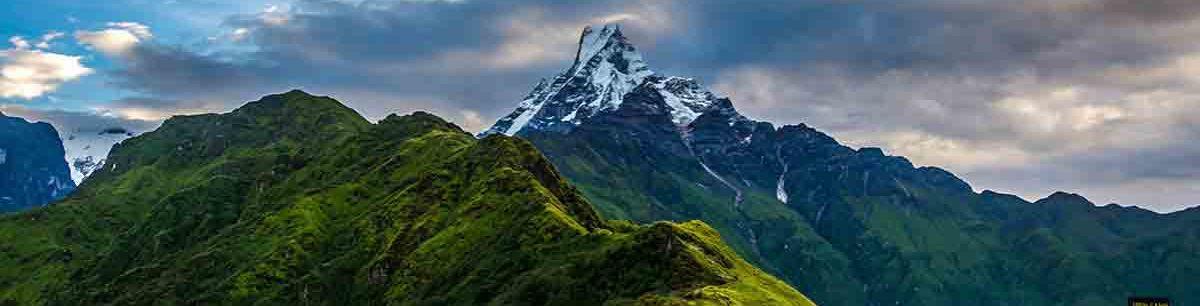

In today’s fast-paced world, stress, anxiety, emotional exhaustion, and burnout have become part of everyday life. Constant work pressure, endless notifications, financial concerns, and personal challenges often leave us feeling disconnected from ourselves. Sometimes, what we truly need isn’t another weekend at home—it is a complete change of environment that allows our mind and body to heal.
Nepal travel offers exactly that opportunity. Nestled between India and China, Nepal is more than a destination filled with breathtaking Himalayan landscapes. It is a country where spirituality, adventure, culture, and nature come together to create life-changing experiences. Whether you’re seeking quiet moments in ancient monasteries, peaceful hikes through mountain villages, yoga retreats, or thrilling trekking adventures, Nepal has something that can restore your emotional well-being.
Thousands of visitors arrive in Nepal every year not only to admire Mount Everest or explore Kathmandu but also to reconnect with themselves. The country’s peaceful atmosphere, welcoming people, and slower pace of life make it one of the world’s most therapeutic travel destinations.
In this article, we’ll explore 7 powerful ways a journey to Nepal can help you escape stress, heal emotionally, and discover lasting inner peace.
Disconnect from Daily Stress and Reconnect with Yourself
Modern life rarely gives us time to pause.
Many people wake up checking emails, spend hours staring at screens, battle traffic, and go to sleep thinking about tomorrow’s responsibilities. This constant stimulation keeps the brain in a state of alertness, making relaxation increasingly difficult.
Nepal offers something many destinations cannot—a genuine opportunity to disconnect.
Imagine waking up to:
- Snow-capped Himalayan peaks
- Fresh mountain air
- Birds singing instead of traffic noise
- Prayer flags fluttering in the breeze
- Peaceful villages untouched by city life
Away from the pressures of everyday routines, your nervous system naturally begins to slow down.
Whether you’re trekking through the Annapurna region, staying in a mountain lodge, or enjoying a peaceful morning overlooking Phewa Lake in Pokhara, Nepal creates space for self-reflection and emotional recovery.
Without constant digital distractions, you become more present, more mindful, and more aware of what truly matters.
Experience the Healing Power of Nature
Nature has long been associated with reduced stress levels and improved mental health. Nepal provides some of the most spectacular natural environments on Earth.
From lush forests to towering Himalayan peaks, every landscape invites you to slow down and breathe deeply.
Popular natural escapes include:
- Everest Base Camp Trek
- Annapurna Base Camp Trek
- Langtang Valley
- Rara Lake
- Upper Mustang
- Chitwan National Park
- Bardia National Park
Walking through forests filled with rhododendron trees, listening to mountain rivers, and watching breathtaking sunrises naturally reduces stress hormones.
Scientific research has shown that spending time in nature can:
- Lower cortisol levels
- Improve mood
- Reduce anxiety
- Enhance creativity
- Improve sleep quality
- Increase mindfulness
Nepal’s landscapes make these benefits even more profound because of their scale, beauty, and tranquility.
Discover Inner Peace Through Nepal’s Spiritual Heritage
Nepal is one of the world’s oldest spiritual destinations.
It is the birthplace of Lord Buddha and home to countless temples, monasteries, stupas, and sacred pilgrimage sites.
Visitors often report feeling an overwhelming sense of calm while exploring places such as:
- Lumbini
- Boudhanath Stupa
- Swayambhunath (Monkey Temple)
- Pashupatinath Temple
- Kopan Monastery
- Namo Buddha
Whether you practice meditation or simply enjoy peaceful surroundings, these sacred places encourage introspection.
Many monasteries also offer:
- Meditation retreats
- Mindfulness sessions
- Buddhist teachings
- Silent retreats
- Spiritual counseling
Even travelers with no religious background often leave feeling emotionally lighter after spending time in Nepal’s spiritual communities.
The peaceful chants, spinning prayer wheels, burning incense, and centuries-old traditions create an atmosphere unlike anywhere else.
Trekking Builds Emotional Strength and Self-Confidence
One of the most transformative aspects of Nepal travel is trekking.
Walking through the Himalayas is not just a physical journey—it is an emotional one.
Each step teaches:
- Patience
- Determination
- Resilience
- Gratitude
- Confidence
Climbing mountain trails requires persistence.
There will be difficult moments, tired legs, and steep climbs, but every challenge you overcome makes the journey even more rewarding.
But each challenge overcome becomes a reminder that you are stronger than you imagined.
Many trekkers describe finishing their trek as a turning point in their lives.
The experience often helps people:
- Recover from burnout
- Process grief
- Overcome personal setbacks
- Build self-esteem
- Gain mental clarity
Reaching a mountain viewpoint after days of trekking creates a powerful sense of accomplishment that stays with you long after returning home.
Connect with Warm, Genuine Local Communities
One of Nepal’s greatest treasures is its people.
Nepalis are known worldwide for their hospitality, kindness, and genuine warmth.
Traveling through villages allows visitors to experience authentic cultural exchanges rather than commercial tourism.
Simple interactions can become deeply meaningful:
- Sharing tea with local families
- Learning traditional customs
- Watching village festivals
- Visiting local schools
- Listening to mountain stories
- Enjoying homemade meals
These moments remind travelers of the importance of human connection.
Many visitors arrive feeling emotionally exhausted but leave inspired by the resilience, generosity, and happiness of people living simple lives.
This change in perspective often helps reduce unnecessary worries and encourages gratitude.
Practice Yoga, Meditation, and Mindfulness in Peaceful Surroundings
One of the greatest benefits of Nepal travel is the opportunity to slow down and focus on your mental and emotional well-being. Nepal has become a popular destination for yoga enthusiasts, meditation practitioners, and wellness travelers from around the world. The country’s peaceful atmosphere provides the ideal environment for self-reflection and personal growth.
Many retreats are located in tranquil settings such as the Kathmandu Valley, Pokhara, Nagarkot, Dhulikhel, and the Himalayan foothills. Imagine beginning your day with gentle yoga while overlooking snow-capped mountains or practicing meditation as the sun rises over quiet valleys. These experiences encourage mindfulness and help calm an overactive mind.
Yoga and meditation can offer several benefits, including:
- Reducing stress and anxiety
- Improving emotional resilience
- Enhancing concentration and mental clarity
- Promoting better sleep
- Increasing self-awareness
- Supporting overall physical well-being
Several wellness centers also combine yoga with sound healing, Ayurvedic treatments, breathing exercises, and nature walks, creating a holistic approach to relaxation. Whether you are a beginner or an experienced practitioner, Nepal offers welcoming spaces where you can focus on healing without distractions.
Gain a Fresh Perspective and Return Home Renewed
Travel has a remarkable ability to change the way we see the world—and ourselves. A journey through Nepal often becomes more than just a vacation; it becomes a personal transformation.
Standing beneath the world’s highest mountains, walking through centuries-old villages, or watching monks in quiet prayer can remind us how vast the world is and how many possibilities still exist. Problems that once seemed overwhelming may feel more manageable after experiencing a different way of life.
Many travelers return home with:
- Greater confidence
- Renewed motivation
- A more positive outlook
- Stronger appreciation for simple living
- Improved emotional balance
- Lasting memories that inspire future growth
Rather than escaping reality, Nepal helps many visitors return to everyday life with renewed purpose and a healthier mindset.
Best Destinations in Nepal for Relaxation and Emotional Healing
If your goal is to reduce stress and reconnect with yourself, consider including these destinations in your itinerary:
Pokhara
Known for its peaceful lakes, mountain views, and relaxed atmosphere, Pokhara is one of Nepal’s top wellness destinations. Enjoy boating on Phewa Lake, visit the World Peace Pagoda, or simply unwind at a lakeside café.
Lumbini
As the birthplace of Lord Buddha, Lumbini offers a calm environment ideal for meditation, spiritual exploration, and quiet reflection.
Annapurna Region
Whether you choose a short trek or a multi-day adventure, the Annapurna region combines breathtaking scenery with welcoming mountain communities.
Langtang Valley
Less crowded than some of Nepal’s famous trekking routes, Langtang provides peaceful trails through forests, rivers, and traditional villages.
Nagarkot
Located just outside Kathmandu, Nagarkot is famous for panoramic Himalayan sunrises and serene resorts, making it perfect for a short wellness getaway.
Dhulikhel
Dhulikhel offers a blend of mountain views, cultural heritage, and wellness retreats, making it an excellent choice for travelers seeking relaxation.
Chitwan National Park
If wildlife and nature bring you peace, Chitwan offers jungle safaris, canoe rides, birdwatching, and opportunities to reconnect with the natural world.
How to Plan a Stress-Free Nepal Travel Experience
A little planning can make your trip even more enjoyable and restorative. Consider these practical tips:
- Travel during the best seasons, typically spring (March–May) and autumn (September–November), for pleasant weather and clear mountain views.
- Choose an itinerary that matches your fitness level and travel goals.
- Include rest days instead of trying to visit too many places.
- Pack comfortable clothing, walking shoes, and essential medications.
- Stay hydrated, particularly at higher elevations.
- Limit screen time to fully immerse yourself in the experience.
- Keep a travel journal to reflect on your experiences and emotions.
- Consider traveling with a reputable local company for logistics, safety, and cultural insights.
Why Choose a Local Nepal Travel Company?
Partnering with an experienced local travel operator can greatly enhance your experience. A trusted Nepal-based company understands the country’s geography, culture, weather, and trekking regulations, allowing you to focus on enjoying your journey.
Benefits include:
- Personalized itineraries tailored to your interests
- Experienced guides with local knowledge
- Reliable transportation and accommodations
- Assistance with permits and logistics
- Cultural insights and authentic experiences
- Enhanced safety during trekking and sightseeing
- Support for local communities and sustainable tourism
Whether you’re interested in cultural tours, trekking, wildlife adventures, spiritual retreats, or luxury holidays, a local travel company can help create a seamless and memorable experience.
Sustainable Travel: Healing Yourself While Respecting Nepal
As you explore Nepal, remember that responsible tourism benefits both travelers and local communities. Sustainable travel practices include:
- Respecting local customs and traditions
- Supporting locally owned businesses
- Reducing plastic waste by carrying reusable bottles
- Staying on designated trekking trails
- Conserving water and energy
- Hiring licensed local guides and porters
- Leaving natural and cultural sites as you found them
Traveling responsibly helps preserve Nepal’s unique landscapes and cultural heritage for future generations while contributing positively to local livelihoods.
Conclusion
Modern life often leaves little room for rest, reflection, and emotional healing. A journey to Nepal offers far more than breathtaking landscapes—it provides opportunities to reconnect with nature, embrace mindfulness, experience genuine hospitality, and discover renewed purpose.
Whether you’re trekking through the Himalayas, meditating in a peaceful monastery, exploring ancient temples, or simply watching the sunrise over snow-covered peaks, Nepal travel has the power to transform both your outlook and your well-being.
Every traveler’s journey is unique, but many leave Nepal with something that cannot be packed in a suitcase: inner peace, emotional resilience, and unforgettable memories. If you’re searching for a destination that nourishes both the body and the mind, Nepal may be exactly the fresh start you’ve been looking for.
Frequently Asked Questions (FAQs)
1. Is Nepal a good destination for stress relief?
Yes. Nepal’s combination of peaceful mountain landscapes, spiritual heritage, wellness retreats, and welcoming communities makes it an excellent destination for reducing stress and improving emotional well-being.
2. Do I need trekking experience to enjoy Nepal?
No. Nepal offers experiences for all fitness levels, including cultural tours, short hikes, wildlife safaris, yoga retreats, and scenic sightseeing.
3. What is the best time to visit Nepal?
Spring (March to May) and autumn (September to November) are generally considered the best times due to comfortable weather and excellent mountain visibility.
4. Can solo travelers safely visit Nepal?
Many solo travelers enjoy Nepal each year. Booking with a reputable local travel company and following standard travel precautions can make the experience safer and more enjoyable.
5. Are there wellness retreats in Nepal?
Yes. Nepal offers a variety of yoga, meditation, mindfulness, and holistic wellness retreats in destinations such as Pokhara, Kathmandu Valley, Nagarkot, and Lumbini.
