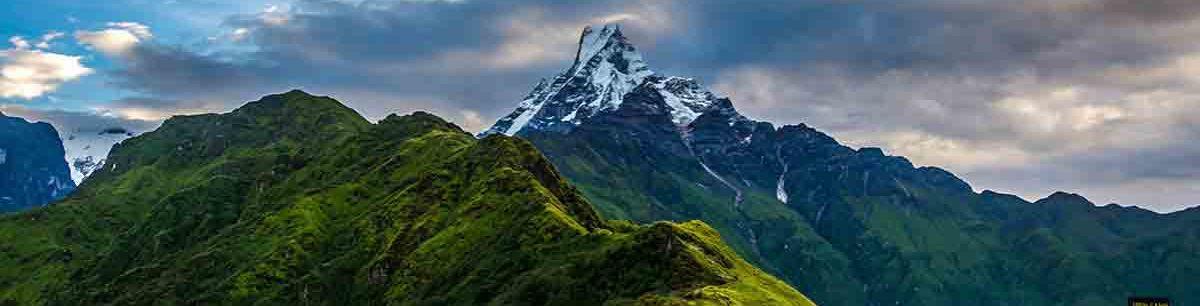
What Does Luxury Really Mean on the Kailash Manasarovar Yatra? A Complete Premium Travel Guide

The Kailash Manasarovar Yatra is one of the most sacred and demanding pilgrimages in the world. Revered by Hindus, Buddhists, Jains, and followers of Bon, the journey to Mount Kailash and Lake Manasarovar is spiritually transformative but physically challenging.

However, in recent years, the concept of a Luxury Kailash Manasarovar Yatra has gained significant attention. As a result, many pilgrims now ask an important question:

What does “luxury” really mean on the Kailash Manasarovar Yatra?

This guide answers that question in detail. More importantly, it explains what premium travelers should realistically expect, what luxury includes, and how it enhances comfort without compromising spiritual authenticity.


Understanding the Reality of the Kailash Manasarovar Yatra

Before defining luxury, it is essential to understand the nature of the yatra itself.

Mount Kailash lies in the remote Ngari region of Tibet, at an altitude of over 6,638 meters (21,778 ft). The sacred Kora (circumambulation) around Mount Kailash is approximately 52 km, with the highest point, Dolma La Pass, reaching 5,630 meters (18,471 ft).

Due to this extreme environment:

  • Oxygen levels are low
  • Weather changes rapidly
  • Infrastructure is limited
  • Physical endurance is required

Therefore, luxury on this yatra does not mean extravagance. Instead, it means optimized comfort, safety, and efficiency within harsh Himalayan conditions.


What “Luxury” Truly Means on the Kailash Manasarovar Yatra

Luxury on the Kailash Manasarovar Yatra is best defined as:

Minimizing physical stress and logistical hardship while maximizing safety, comfort, and spiritual focus.

Rather than marble hotels or five-star dining, luxury here focuses on support systems, professional management, and personalized care.

Let us now explore what premium travelers actually receive.


Luxury Accommodation: Comfort in Remote Terrain

Accommodation is one of the most noticeable differences between standard and luxury yatras.

What Standard Yatra Offers

  • Basic guesthouses
  • Dormitory-style rooms
  • Shared toilets
  • Minimal heating

What Luxury Yatra Provides

  • Best available hotels or lodges at every stop
  • Private rooms wherever possible
  • Heated rooms or extra heating arrangements
  • Western toilet access at key locations
  • Pre-inspected hygiene standards

Although properties remain simple due to location, luxury operators always select the highest-grade accommodation available.

👉 Key takeaway: Luxury is about quality selection, not five-star labels.


Premium Transportation: Reducing Physical Fatigue

Transportation plays a critical role in defining luxury.

Standard Transport

  • Shared buses or local jeeps
  • Long road journeys
  • Minimal suspension comfort

Luxury Transport

  • Private 4WD Land Cruisers or similar vehicles
  • Limited passengers per vehicle
  • Oxygen-equipped cars
  • Experienced high-altitude drivers
  • Strategic rest stops

Moreover, some luxury packages include helicopter transfers on the Nepal side (e.g., Simikot–Hilsa) to reduce trekking days significantly.

As a result, travelers conserve energy for the spiritual aspects of the journey.


Helicopter Services: The Ultimate Luxury Advantage

One of the biggest differentiators of a luxury Kailash Manasarovar Yatra is helicopter access.

Benefits of Helicopter Transfers

  • Avoid long, exhausting treks
  • Reduce altitude exposure risk
  • Save multiple days
  • Ideal for senior pilgrims

Common helicopter sectors include:

  • Nepalgunj – Simikot
  • Simikot – Hilsa

Although weather-dependent, helicopters dramatically improve comfort and safety.


High-Quality Meals: Nutrition at Altitude

Food becomes extremely important at high altitude.

Standard Meal Experience

  • Limited menu
  • Basic local meals
  • Inconsistent meal timings

Luxury Meal Standards

  • Freshly prepared vegetarian meals
  • Balanced nutrition for altitude
  • Hot soups and energy-rich foods
  • Clean drinking water
  • Personal dietary considerations (when possible)

Additionally, luxury operators often bring support chefs or pre-arranged meal logistics, ensuring consistent quality throughout the route.


Professional Guides and Support Staff

Luxury is incomplete without expert human support.

Standard Yatra Staffing

  • One group guide
  • Limited personal assistance

Luxury Staffing Includes

  • Highly experienced English-speaking guides
  • Tibetan-speaking local coordinators
  • Dedicated tour managers
  • Medical-trained support staff
  • Porters or yaks for personal luggage

As a result, pilgrims can focus on prayer and reflection instead of logistics.


Medical Support and Oxygen Facilities

This is where luxury truly becomes essential rather than optional.

Luxury Medical Provisions

  • Portable oxygen cylinders
  • Pulse oximeters
  • First-aid and emergency medicines
  • Altitude sickness monitoring
  • Emergency evacuation planning

Given the altitude, these services can be life-saving.

👉 In luxury yatras, health is prioritized over speed.


Smaller Group Sizes: Personalized Attention

Another defining feature of a luxury Kailash Manasarovar Yatra is small group size.

Why It Matters

  • Faster border processing
  • Flexible pace
  • Individual care
  • Reduced crowd stress

Luxury groups usually range between 8–14 pilgrims, compared to 25–40 in standard groups.


VIP Border and Permit Handling

Permit processing for Kailash is complex.

Luxury operators handle:

  • China Tibet permits
  • Group visas
  • Immigration coordination
  • Border formalities
  • Customs management

Furthermore, premium services often mean priority processing, reducing waiting times significantly.


Luxury During the Kailash Parikrama (Kora)

The Kora is the most physically demanding part of the yatra.

Luxury support during Kora includes:

  • Personal porters or yaks
  • Horse riding assistance
  • Guide pacing strategies
  • Extra oxygen availability
  • Emergency backup vehicles

Thus, even challenging days become manageable.


Spiritual Comfort and Mental Peace

Luxury also has a psychological dimension.

By eliminating logistical stress:

  • Pilgrims experience deeper spiritual connection
  • Mental fatigue is reduced
  • Focus remains on devotion and mindfulness

In essence, luxury enhances inner peace, not indulgence.


Who Should Choose a Luxury Kailash Manasarovar Yatra?

Luxury packages are ideal for:

  • Senior citizens
  • First-time high-altitude travelers
  • Professionals with limited time
  • Spiritual seekers wanting comfort
  • Travelers with health considerations

However, it is equally suitable for anyone who values safety and organization.


What Luxury Does NOT Mean on This Yatra

It is important to set realistic expectations.

Luxury does NOT include:

  • Five-star hotels
  • Lavish entertainment
  • Alcohol or nightlife
  • Complete physical ease

The Himalayas demand humility. Luxury simply makes the journey safer and more humane.


Luxury vs Standard Kailash Manasarovar Yatra: Quick Comparison

FeatureStandardLuxury
AccommodationBasicBest available
TransportSharedPrivate 4WD
HelicopterNoYes (optional)
MealsBasicPremium vegetarian
Medical SupportLimitedComprehensive
Group SizeLargeSmall
Comfort LevelModerateHigh

Is a Luxury Kailash Manasarovar Yatra Worth It?

For most pilgrims, the answer is yes.

Although the cost is higher, the benefits include:

  • Increased safety
  • Reduced fatigue
  • Better acclimatization
  • Higher success rate of completing Kora

Ultimately, luxury allows you to experience Kailash with dignity and peace.


Final Thoughts: Defining Luxury the Right Way

Luxury on the Kailash Manasarovar Yatra is not about extravagance. Instead, it is about intelligent comfort, professional care, and spiritual readiness.

In a land where nature rules, true luxury is:

  • Warm shelter
  • Safe transport
  • Caring support
  • Mental calm

When chosen correctly, a luxury Kailash Manasarovar Yatra transforms a physically demanding pilgrimage into a life-changing spiritual journey.

Mera Peak Climbing: 10 Common Mistakes First-Time Climbers Make (and How to Avoid Them)

Mera Peak climbing is often described as one of the most achievable 6,000-meter mountaineering objectives in Nepal. Standing at 6,476 meters, Mera Peak attracts trekkers and aspiring climbers from around the world who want to experience high-altitude mountaineering without extreme technical difficulty. However, while the climb is considered non-technical, it should never be underestimated.

In fact, many first-time climbers make avoidable mistakes that can turn a rewarding adventure into a challenging or even dangerous experience. Therefore, understanding the most common Mera Peak climbing mistakes—and learning how to avoid them—is essential for a safe, successful, and enjoyable ascent.

This detailed guide highlights the 10 most common mistakes first-time climbers make on Mera Peak and provides practical, experience-based solutions. Moreover, the article is designed to help you prepare smarter, acclimatize better, and climb more confidently, whether you are planning a guided or private expedition.


Mistake 1: Underestimating Mera Peak Climbing Difficulty

One of the most frequent Mera Peak climbing mistakes is assuming that the climb is easy simply because it is labeled as “non-technical.” While it is true that Mera Peak does not require advanced rock or ice climbing skills, the altitude alone presents serious challenges.

At nearly 6,500 meters, oxygen levels are significantly reduced. Consequently, even basic movements become physically demanding. Additionally, summit day can last 10–12 hours in cold, windy conditions.

How to avoid this mistake:

First and foremost, treat Mera Peak as a high-altitude mountaineering expedition, not just a trek. Train accordingly, both physically and mentally. Furthermore, respect the mountain by allowing adequate time for acclimatization and recovery.


Mistake 2: Poor Acclimatization Planning

Inadequate acclimatization is one of the leading causes of failed Mera Peak climbs. Many first-time climbers rush the itinerary in an attempt to save time or reduce costs. As a result, they expose themselves to altitude sickness, exhaustion, or forced descent.

Proper acclimatization allows your body to adjust gradually to reduced oxygen levels. Without it, symptoms such as headaches, nausea, dizziness, and loss of appetite can escalate quickly.

How to avoid this mistake:

Choose an itinerary that includes multiple acclimatization days, particularly above 4,500 meters. Additionally, follow the principle of “climb high, sleep low” whenever possible. Most importantly, listen to your body and communicate symptoms early.


Mistake 3: Insufficient Physical Preparation

Another common mistake in Mera Peak climbing is inadequate physical training before the expedition. Although the climb does not involve technical rock climbing, it demands sustained endurance, leg strength, and cardiovascular fitness.

Long trekking days, heavy boots, crampons, and cold temperatures can quickly overwhelm climbers who are not properly conditioned.

How to avoid this mistake:

Begin training at least three to four months before your climb. Focus on aerobic activities such as hiking, running, cycling, and stair climbing. In addition, incorporate strength training for legs, core, and back. If possible, practice hiking with a loaded backpack to simulate real conditions.


Mistake 4: Choosing the Wrong Season for Mera Peak Climbing

Timing plays a crucial role in the success of any Himalayan expedition. Some first-time climbers choose unsuitable seasons, assuming that Mera Peak is climbable year-round. Unfortunately, this can lead to poor weather, limited visibility, and unsafe conditions.

The best seasons for Mera Peak climbing are spring (March to May) and autumn (September to November). During these periods, weather conditions are generally more stable, and temperatures are manageable.

How to avoid this mistake:

Plan your climb during the recommended seasons. Moreover, monitor weather forecasts closely and allow flexibility in your itinerary for unexpected delays.


Mistake 5: Inadequate Gear and Equipment

Improper or low-quality gear is a significant contributor to discomfort and failure on Mera Peak. First-time climbers often underestimate the cold or rely on unsuitable trekking equipment.

Essential items such as insulated boots, proper down jackets, sleeping bags, and mountaineering hardware are critical for safety at high altitude.

How to avoid this mistake:

Invest in high-quality, tested mountaineering gear. Alternatively, rent equipment in Kathmandu from reputable suppliers. Additionally, ensure that all gear is properly fitted and tested before the climb.


Mistake 6: Ignoring Nutrition and Hydration

At high altitude, appetite often decreases, yet the body requires more energy than usual. Many climbers fail to eat and drink enough during the trek and summit push, leading to fatigue and poor performance.

Dehydration, in particular, can worsen altitude sickness symptoms and reduce overall stamina.

How to avoid this mistake:

Make a conscious effort to eat balanced meals rich in carbohydrates. Furthermore, drink at least 3–4 liters of fluid per day. Warm drinks, soups, and electrolyte solutions are especially beneficial in cold conditions.


Mistake 7: Lack of Basic Mountaineering Skills

Although Mera Peak is considered an introductory mountaineering peak, it still requires fundamental skills such as using crampons, walking with an ice axe, and moving safely on glaciers.

First-time climbers sometimes rely entirely on guides without understanding basic techniques. Consequently, this increases risk during summit day and glacier crossings.

How to avoid this mistake:

Choose an expedition that includes pre-climb training at base camp. Learn essential skills such as rope travel, ladder crossing, and self-arrest. Even basic familiarity can significantly improve confidence and safety.


Mistake 8: Overpacking or Under-packing

Packing mistakes are surprisingly common on Mera Peak expeditions. Some climbers carry excessive gear, making trekking days unnecessarily exhausting. Others bring too little, leaving them unprepared for extreme cold or emergencies.

How to avoid this mistake:

Follow a detailed Mera Peak packing list provided by experienced operators. Pack efficiently, focusing on layered clothing and multipurpose items. Additionally, ensure porters are not overloaded beyond ethical limits.


Mistake 9: Choosing the Cheapest Operator Without Research

Cost is an important factor, but selecting the cheapest Mera Peak climbing package without proper research can lead to compromised safety, poor logistics, and inexperienced staff.

Low-cost operators may cut corners on acclimatization days, guide experience, or emergency preparedness.

How to avoid this mistake:

Research operators thoroughly. Look for licensed companies with experienced guides, positive reviews, and transparent itineraries. Furthermore, confirm that emergency protocols and insurance coverage are included.


Mistake 10: Ignoring Early Warning Signs

Perhaps the most dangerous mistake first-time climbers make is ignoring symptoms of altitude sickness or extreme fatigue. Pushing through severe symptoms can result in serious medical emergencies.

How to avoid this mistake:

Always prioritize health over the summit. Inform your guide immediately if you experience persistent headaches, nausea, confusion, or breathing difficulties. Remember, a successful Mera Peak climb is one where everyone returns safely.


Final Thoughts: Climb Smarter, Not Harder

Mera Peak climbing offers an incredible opportunity to experience Himalayan mountaineering while enjoying breathtaking views of Everest, Makalu, and Kanchenjunga. However, success depends largely on preparation, awareness, and decision-making.

By understanding these common Mera Peak climbing mistakes and applying the recommended solutions, first-time climbers can significantly improve their chances of a safe and rewarding ascent. Ultimately, patience, preparation, and respect for the mountain are the true keys to standing on the summit of Mera Peak.

With the right mindset and planning, your first Mera Peak climbing experience can become a lifelong memory—and a strong foundation for future high-altitude adventures.

Solo Female Travel to Mera Peak: The Ultimate Independent Climber’s Guide to Nepal’s Highest Trekking Peak

Mera Peak (6,476 m) is Nepal’s highest trekking peak and one of the most achievable 6,000-meter summits in the Himalayas. For solo female travelers seeking a high-altitude mountaineering challenge without extreme technical difficulty, Mera Peak offers a rare combination of safety, solitude, breathtaking scenery, and personal empowerment.

In recent years, Nepal has become increasingly welcoming to solo female trekkers and climbers. With proper planning, cultural awareness, and a reliable support structure on the ground, solo female travel to Mera Peak is not only possible but deeply rewarding. This guide is designed specifically for independent female climbers—covering safety, logistics, training, permits, costs, accommodation, and practical tips to help you climb with confidence.


Why Mera Peak Is Ideal for Solo Female Climbers

Mera Peak is often recommended as a first Himalayan summit for several reasons:

  • Non-technical ascent: No advanced climbing skills are required, only basic mountaineering techniques.
  • Well-established route: The trail is clear, and lodges are available up to Khare.
  • Supportive climbing culture: Nepali guides and porters are accustomed to working with solo female clients.
  • Lower objective risk: Compared to peaks like Island Peak or Lobuche East, Mera Peak has fewer exposed sections.

For women seeking independence without unnecessary risk, Mera Peak strikes an excellent balance between challenge and safety.


Is Solo Female Travel to Mera Peak Safe?

Safety is the most common concern—and rightly so. The good news is that Nepal is one of the safest destinations in Asia for solo female travelers, particularly in trekking regions.

Key Safety Factors

  • Local hospitality: Sherpa and Rai communities along the Mera route are respectful and welcoming.
  • Low crime rate: Violent crime against trekkers is extremely rare.
  • Teahouse culture: Staying in lodges provides social interaction and security.
  • Mandatory local support: While you can travel independently, climbing Mera Peak requires a licensed guide by regulation.

Practical Safety Tips

  • Choose a registered trekking agency with experience handling solo female climbers.
  • Request a female guide or assistant guide if that makes you more comfortable (available on request).
  • Avoid trekking after dark.
  • Carry a satellite communication device or ensure your guide has one.

With common-sense precautions, solo female climbers regularly complete Mera Peak without incident.


Permits and Regulations for Mera Peak

Climbing Mera Peak requires multiple permits, all of which can be arranged through a local agency.

Required Permits

  1. Mera Peak Climbing Permit
    • Spring & Autumn: USD 250
    • Summer: USD 125
    • Winter: USD 70
  2. Makalu Barun National Park Permit
    • Approx. USD 30
  3. Local Area Permit (Khumbu/Makalu region)

As an independent climber, you cannot apply for the climbing permit alone—it must be processed through a Nepal government-licensed trekking agency.


Best Time for Solo Female Travel to Mera Peak

Choosing the right season significantly impacts safety, comfort, and success.

Best Seasons

  • Spring (April–May): Stable weather, warmer temperatures, busy but social trails.
  • Autumn (October–November): Clear skies, colder nights, excellent summit views.

Off-Season Considerations

  • Winter (December–February): Very cold, fewer climbers, increased risk.
  • Monsoon (June–September): Poor visibility, flight delays, higher landslide risk.

For solo female climbers, spring and autumn are strongly recommended due to better infrastructure, weather, and trail activity.


Physical Preparation and Training for Women

Mera Peak is not technically difficult, but it is physically demanding due to altitude and duration.

Fitness Requirements

  • Ability to trek 6–8 hours per day for multiple consecutive days
  • Strong cardiovascular endurance
  • Mental resilience for cold and fatigue

Recommended Training Plan (3–4 Months)

  • Hiking with a weighted backpack
  • Stair climbing or hill repeats
  • Strength training (legs, core)
  • Endurance cardio (cycling, running, swimming)

Prior high-altitude experience is helpful but not mandatory if acclimatization is done properly.


What to Pack as a Solo Female Climber

Packing correctly is essential, especially when traveling independently.

Essential Clothing

  • Layered system (base, mid, insulation, shell)
  • Down jacket rated to –20°C
  • Thermal underwear
  • Insulated gloves and mittens
  • Women-specific mountaineering boots (double boots recommended)

Personal Items

  • Female hygiene products (limited availability on trail)
  • Menstrual cup or reusable options (eco-friendly)
  • Personal medications
  • Sunscreen and lip balm (high SPF)

Climbing Gear

Most technical equipment (crampons, ice axe, harness) can be rented in Kathmandu, reducing luggage weight.


Accommodation on the Mera Peak Route

Teahouses and Lodges

  • Available up to Khare (4,900 m)
  • Private rooms often available early in the season
  • Shared dining areas create a safe social environment

High Camp

  • Tent accommodation arranged by your guide
  • Separate sleeping arrangements can be requested

As a solo female traveler, you will rarely be completely isolated—most nights are spent around other trekkers and staff.


Cultural Awareness and Respect

Understanding local customs not only improves your overall travel experience but also plays a crucial role in personal safety. First of all, dressing modestly in villages by covering your shoulders and legs shows respect for local traditions. In addition, asking for permission before taking photos of local people helps build trust and avoids misunderstandings. At the same time, it is important to avoid public displays of affection, as mountain communities tend to be culturally conservative. Furthermore, if you ever feel uncomfortable, you should remain polite while firmly setting clear personal boundaries. Ultimately, Nepali mountain communities are conservative yet respectful, and therefore, solo female travelers are widely accepted and welcomed throughout the region.


Costs for Solo Female Travel to Mera Peak

While group climbs are cheaper, solo travel offers flexibility and personal pacing.

Estimated Cost Breakdown

  • Guided Mera Peak climb (solo): USD 2,500–3,500
  • Gear rental: USD 150–300
  • Flights (Kathmandu–Lukla): USD 350–450
  • Tips (guide & porter): USD 150–250

For this reason, solo climbers generally pay more due to private logistics. Nevertheless, many climbers still view the investment as worthwhile, since it provides increased independence and overall comfort.


Mental Strength and Confidence

Climbing Mera Peak solo is as much a mental journey as a physical one. Many women describe the experience as transformative—building confidence, resilience, and self-trust.

Moments of doubt are normal, especially at altitude. Having a supportive guide, realistic expectations, and strong motivation makes all the difference.


Final Thoughts: Is Mera Peak Worth It for Solo Female Travelers?

Absolutely.

Solo female travel to Mera Peak is one of the most empowering Himalayan experiences available today. With proper preparation, reliable local support, and respect for the mountain environment, independent female climbers can safely and successfully reach the summit of Nepal’s highest trekking peak.

Mera Peak is not just a climb—it is a statement of independence, strength, and capability. For women seeking adventure beyond conventional trekking, it remains one of Nepal’s finest and most achievable high-altitude goals.

Solo Female Travel to Island Peak: A Complete Guide for Independent Climbers

Island Peak (6,189 m), also known as Imja Tse, is one of Nepal’s most popular trekking peaks and a powerful milestone for climbers transitioning from high-altitude trekking to technical mountaineering. In recent years, it has also become an increasingly sought-after objective for solo female travelers seeking independence, personal challenge, and empowerment in the Himalayas.

This comprehensive guide is designed specifically for women planning a solo journey to Island Peak. It covers safety, preparation, permits, logistics, training, cultural considerations, and practical advice to help you approach the climb with confidence and clarity.


Why Island Peak Is Ideal for Solo Female Climbers

Island Peak offers a rare balance between accessibility and genuine mountaineering challenge. Located in the Everest region, the route benefits from well-established trekking infrastructure, experienced local guides, and a steady flow of climbers during peak seasons.

For solo female travelers, Island Peak provides several advantages:

  • Established and safe trekking routes with teahouses and lodges
  • Strong support network of certified Sherpa guides and climbing crews
  • Moderate technical difficulty, suitable for first-time peak climbers
  • Cultural exposure to Sherpa communities and Himalayan life
  • Flexibility to join small climbing teams while traveling independently

Many women choose Island Peak because it allows independent travel while still offering professional support where necessary, particularly above base camp.


Is It Safe for Solo Female Travelers?

Safety is the most common and valid concern for women traveling alone in the Himalayas. Overall, Nepal—especially the Everest region—is considered safe for solo female travelers, provided sensible precautions are taken.

Trekking and Cultural Safety

The Khumbu region is accustomed to international visitors, including solo women. Teahouse owners, guides, and porters are generally respectful and supportive. Violent crime against tourists is extremely rare in this area.

Key safety observations:

  • Teahouse trekking routes are busy during climbing seasons
  • Local communities are conservative but hospitable
  • Harassment is uncommon, especially compared to many global destinations

Mountain Safety

The primary risks are not social but environmental:

  • Altitude sickness
  • Weather changes
  • Glacier travel hazards
  • Physical fatigue

These risks apply equally to all climbers and are best managed through proper acclimatization, training, and hiring a licensed guide for the summit push.


Do You Need a Guide as a Solo Female Climber?

While trekking to Island Peak Base Camp can be done independently by experienced trekkers, a guide is strongly recommended—and effectively mandatory—for the climbing section.

Reasons to hire a guide include:

  • Safe navigation of glaciers and crevasse zones
  • Rope fixing and use of fixed lines
  • Weather and route decision-making
  • Emergency response capability
  • Cultural and logistical support

Many solo female travelers choose to trek independently to Chhukung and then join a guided Island Peak climbing group for the ascent. This hybrid approach balances independence with safety.


Physical Fitness and Training Requirements

Island Peak is not just a trek; it is a high-altitude climb requiring stamina, strength, and mental resilience.

Recommended Training (3–6 Months Prior)

  • Cardiovascular endurance (hiking, stair climbing, cycling)
  • Leg and core strength training
  • Practice hikes with a loaded backpack
  • Basic mountaineering skills if possible
  • Mental conditioning for cold, altitude, and long summit days

Technical Skills

While advanced climbing experience is not mandatory, familiarity with the following is beneficial:

  • Using crampons
  • Walking with an ice axe
  • Ascending fixed ropes with a jumar
  • Descending using a figure-eight or ATC device

Most reputable operators provide pre-climb training at base camp.


Best Time for Solo Female Travel to Island Peak

Timing plays a critical role in safety and overall experience.

Spring (April–May)

  • Most popular season
  • Stable weather and warmer temperatures
  • Crowded but highly supportive environment

Autumn (September–November)

  • Clear skies and excellent visibility
  • Cooler temperatures than spring
  • Slightly fewer climbers

Seasons to Avoid

  • Monsoon (June–August): heavy rain, poor visibility
  • Winter (December–February): extreme cold and high winds

For solo female climbers, peak seasons are recommended due to increased trail activity and logistical support.


Permits and Documentation

To climb Island Peak, you will need the following permits:

  • Sagarmatha National Park Entry Permit
  • Khumbu Pasang Lhamu Rural Municipality Permit
  • Island Peak Climbing Permit issued by the Nepal Mountaineering Association (NMA)

These permits are typically arranged by your trekking or climbing agency, reducing administrative burden for solo travelers.


Packing List Tailored for Solo Female Climbers

Packing smartly is essential, especially when traveling independently.

Clothing and Gear

  • High-quality down jacket and insulated pants
  • Waterproof shell jacket and trousers
  • Thermal base layers
  • Mountaineering boots compatible with crampons
  • Gloves (liner, insulated, and shell layers)

Personal Essentials

  • Female hygiene products (limited availability on trail)
  • Personal medication and first-aid kit
  • Headlamp with spare batteries
  • Power bank or solar charger

Safety and Comfort

  • Sleeping bag rated to -20°C
  • UV-protection sunglasses
  • Sunscreen and lip balm
  • Trekking poles

Most technical gear can be rented in Kathmandu if you prefer not to carry everything.


Accommodation and Food on the Route

The Island Peak route follows the classic Everest Base Camp trail up to Dingboche before diverting toward Chhukung.

Teahouse Accommodation

  • Simple but comfortable lodges
  • Shared rooms with twin beds
  • Common dining areas
  • Female travelers often receive private rooms when available

Food

  • Dal bhat (rice, lentils, vegetables)
  • Pasta, noodles, soups, and eggs
  • Vegetarian meals are widely available and recommended at altitude

Maintaining nutrition and hydration is critical for altitude adaptation.


Cultural Awareness for Solo Female Travelers

Nepalese culture is respectful and modest, particularly in rural areas.

Helpful cultural tips:

  • Dress modestly in villages
  • Avoid public displays of affection
  • Ask before taking photos of people
  • Use polite greetings such as “Namaste”

Respecting local customs enhances safety and builds positive interactions.


Mental Strength and Solo Travel Confidence

Climbing Island Peak solo is as much a mental journey as a physical one. Moments of doubt are natural, especially at altitude.

Strategies to stay mentally strong:

  • Set realistic expectations
  • Listen to your body
  • Communicate openly with your guide
  • Focus on progress, not speed
  • Remember your reason for climbing

Many solo female climbers describe the summit of Island Peak as a life-changing moment of clarity and empowerment.


Cost Breakdown for Solo Female Island Peak Travel

Costs vary depending on services and season.

Typical expenses include:

  • Trekking and climbing package: USD 2,200–3,500
  • Personal gear rental: USD 150–300
  • Tips for guide and porter
  • International and domestic flights

Joining a small group for the climbing section can significantly reduce costs while maintaining safety.


Final Thoughts: Is Island Peak Worth It for Solo Female Travelers?

Absolutely. Solo female travel to Island Peak is not only feasible but deeply rewarding. With proper planning, the right mindset, and professional support where needed, Island Peak offers a safe, challenging, and transformative Himalayan experience.

For independent women seeking more than a trek—for those looking to test resilience, build confidence, and stand atop a Himalayan summit—Island Peak is an exceptional choice.

Overnight Stays Near Kathmandu: Ideal Accommodation for Pre- and Post-Trek Travelers

Trekking in Nepal remains one of the world’s most iconic adventure experiences. Whether you are preparing for an Everest Base Camp trek, exploring the Annapurna Circuit, or hiking the Langtang Valley, Kathmandu is the primary gateway for most journeys. While Kathmandu’s chaotic streets may seem overwhelming, the city and its surroundings offer a range of excellent overnight stays near Kathmandu that cater specifically to pre-trek preparation and post-trek recuperation.

This guide will explore the best accommodation options, practical tips for choosing where to stay, and essential amenities that support trekkers’ needs. From budget guesthouses to boutique hotels and tranquil resorts, here’s everything you need to plan your stay near Kathmandu before and after trekking.


Why Kathmandu Is a Strategic Base for Trekkers

Kathmandu, Nepal’s capital and largest city, is more than just an urban hub. It is a cultural heartland, a logistical base, and a place where many trekkers acclimatize, resupply, train, and rest. Travelers often spend at least one night—sometimes several—here before ascending into the Himalayan foothills.

Key reasons trekkers choose overnight stays near Kathmandu include:

  • Flight Logistics: Most international flights arrive in Kathmandu’s Tribhuvan International Airport (KTM), requiring travelers to stay overnight regardless of their arrival time.
  • Gear Preparation: Kathmandu offers trekking gear shops, guides, porters, and necessary permits, making it easier to prepare before departure.
  • Acclimatization: Staying a night or two helps the body adjust to higher altitudes gradually.
  • Post-Trek Recovery: After days on the trail, trekkers need comfortable accommodation with good food, hot showers, and medical services if needed.

Whether you seek budget-friendly lodgings or comfortable hotels with wellness facilities, the region around Kathmandu has something to offer every traveler.


Top Areas for Overnight Accommodation Near Kathmandu

When planning where to stay, it’s helpful to understand the most traveler-friendly areas:

Thamel – Central Tourist Hub

Thamel is the most popular area for trekkers. It is vibrant, walkable, and full of services that cater to travelers.

  • Close proximity to trekking agencies, gear shops, restaurants, and travel services.
  • Easy access to Kathmandu’s main streets and public transport.
  • Wide range of accommodations from budget hostels to mid-range hotels.

Lazimpat – Quiet, Upscale Option

Lazimpat offers a quieter alternative to Thamel while remaining close to the city center.

  • Better suited for travelers seeking peace and comfort.
  • Upscale boutique hotels with modern amenities.
  • Good restaurants and cafes within walking distance.

Patan (Lalitpur) – Cultural and Historic Stay

Patan, also called Lalitpur, is a historic city just south of Kathmandu.

  • Rich in culture, temples, and traditional Newari architecture.
  • Excellent choice for travelers who want to combine sightseeing with stay.
  • Slightly more tranquil than central Kathmandu.

Boudhanath & Bhaktapur – Spiritual and Cultural Retreats

Both Boudhanath and Bhaktapur offer great stays, especially for travelers who enjoy quieter, spiritually enriching environments.

  • Boudhanath: close by stupa and Buddha culture.
  • Bhaktapur: UNESCO World Heritage Site town with historic charm.

These locations provide excellent options for overnight stays, especially for those who want a mix of culture, comfort, and rest before or after a trek.


Best Accommodation Options for Pre- and Post-Trek Travelers

Below is a curated list of recommended stays near Kathmandu, organized by type and traveler needs.


Budget and Backpacker-Friendly Options

For trekkers on a tight budget, these stays offer affordable comfort and great value.

1. Hostels and Budget Guesthouses in Thamel

Why they stand out:

  • Extremely affordable (shared dorms or private rooms).
  • Social environment conducive to meeting other trekkers.
  • Easy access to gear shops and tour operators.

Typical amenities:

  • Free Wi-Fi
  • Communal kitchens
  • Lounge areas
  • Trekking tour desk

2. Family-Run Guesthouses Near Kathmandu Durbar Square

Guesthouses near historic areas often provide authentic hospitality, with family-style meals and local interaction.

Benefits:

  • Cultural immersion
  • Homemade Nepali meals
  • Personalized service

Mid-Range Hotels and Comfortable Stays

For travelers who want comfort without luxury prices, mid-range hotels are ideal.

1. Boutique Hotels in Lazimpat

These properties blend comfort with Nepalese design and modern conveniences.

Typical features:

  • On-site restaurant and bar
  • Concierge services
  • Comfortable rooms with quality bedding
  • Optional spa or massage services

Example amenities to look for: hot showers, laundry service, airport transfers, and travel desks for trekking arrangements.

2. Guesthouses with Warm Hospitality in Patan

Patan’s quieter streets offer small hotels and lodges that are ideal for pre-trek calm and post-trek recovery.

Highlights:

  • Traditional architecture
  • Peaceful surroundings
  • Close to historic sites and cafes

Premium and Boutique Options for Relaxation

For travelers seeking a restful base, especially after long treks, premium stays offer enhanced comfort.

1. Luxury Hotels in Kathmandu

These hotels provide wellness facilities, gourmet dining, and superior service.

What to expect:

  • Spa and wellness centers
  • Fine dining restaurants
  • Airport shuttle
  • Travel concierge

2. Retreat-Style Lodges on Kathmandu’s Outskirts

Some lodges are tucked into quieter valleys or foothills outside Kathmandu, providing serene environments for rest and recovery.

Benefits for trekkers:

  • Peaceful nature settings
  • Yoga and meditation sessions
  • Healthy meal options
  • Personalized service

Key Amenities Trekkers Should Look For

When choosing overnight stays near Kathmandu for trekking purpose, prioritize the following amenities:

1. Hot Water and Comfortable Showers

After trekking gear checks or long travel flights, hot showers are essential for comfort and muscle recovery.

2. Laundry Services

Trekkers often arrive with dusty gear or plan for laundry before departure; on-site or nearby laundry services are especially convenient.

3. Travel Desk / Trekking Assistance

Accommodations that offer trekking planning, ticket bookings, and guide arrangements simplify logistics and save time.

4. Secure Gear Storage

Lockable storage for trekking gear and luggage gives peace of mind while you’re on the trail.

5. Satellite or Reliable Wi-Fi

Keeping in contact with family or managing last-minute itineraries requires stable internet access.

6. Meal Options Catering to Diet Needs

Whether you need high-calorie meals pre-trek or restorative foods post-trek, access to nutritious menus is valuable.


Safety and Practical Considerations for Trekkers

Beyond comfort and location, safety should guide your choice of accommodation.

Health and Medical Access

Ensure your stay is near medical clinics or pharmacies, especially if you have a pre-existing health condition or need altitude sickness guidance.

Security

Choose places with secure locks, lockers, and reliable staff supervision.

Transportation Accessibility

Select venues with easy airport transfer options or proximity to bus stations for onward travel.

Local Reviews and Ratings

Before booking, check traveler reviews on sites like Google, TripAdvisor, Booking.com, or travel blogs. Reviews often highlight real-world experiences with cleanliness, service, and value.


Best Time to Book Your Stay Near Kathmandu

Accommodation near Kathmandu is in peak demand during trekking seasons:

  • Autumn (September to November): Most popular due to clear weather and scenic trails.
  • Spring (March to May): Second busiest season with favorable views.
  • Winter (December to February): Cooler but still viable for some trekking routes.
  • Monsoon (June to August): Less popular due to rain but often cheaper.

Booking your stay well in advance, especially during peak seasons, ensures better room availability and rates.


Sample Itineraries Using Overnight Stays Near Kathmandu

Here are example travel plans showing how trekkers can integrate overnight stays:

Pre-Trek Sample Itinerary (3 Days)

Day 1: Arrival in Kathmandu; stay in Thamel.

  • Gear check
  • Permit arrangements

Days 2: Explore Kathmandu Valley (Patan/Boudhanath); stay in Patan.

  • Cultural acclimatization
  • Light walking to adjust physically

Day 3: Final preparations; rest and early night in Lazimpat.

  • Early dinner
  • Hydration and rest before departure

Post-Trek Recovery Itinerary (2–4 Days)

Days 1: Return to Kathmandu; stay in a boutique hotel with spa services.
Days 2: Visit healing or wellness retreats around Kathmandu’s outskirts.
Day 3: Explore heritage sites such as Bhaktapur Durbar Square.
Day 4: Final rest and leisure before departure flight.


Conclusion

Choosing the right overnight stays near Kathmandu significantly enhances your trekking experience, whether you are preparing to hit the trails or unwinding after days in the mountains. With options ranging from budget hostels to premium boutique hotels, Kathmandu and its surrounding areas offer accommodations that suit every traveler’s needs.

Key factors to consider when booking include location, comfort, safety, traveler services, and trek-specific amenities such as laundry and trekking support desks. With the right stay, you can start your trek well-rested and end it feeling rejuvenated and cared for.

Plan ahead, compare options, and select the accommodation that best matches your itinerary, budget, and personal preferences. The right overnight stay can set the tone for an unforgettable Himalayan adventure.