
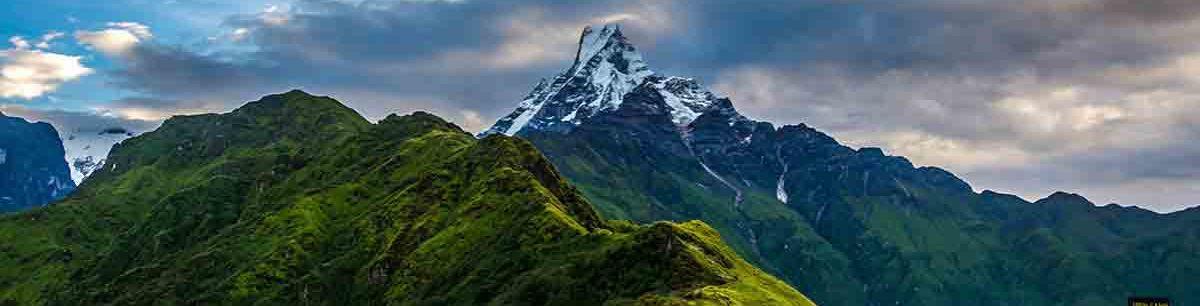

The Annapurna Circuit Trek is often described as one of the most spectacular trekking adventures in the world. Stretching through the diverse Himalayan landscapes of Nepal, this legendary route offers everything from lush forests and traditional mountain villages to high-altitude deserts and breathtaking snow-covered peaks. Thousands of trekkers dream of completing the Annapurna Circuit every year, but many arrive with expectations that are very different from reality.
While guidebooks and social media posts usually focus on the stunning scenery and famous mountain passes, there are many lesser-known aspects of the journey that can completely shape your trekking experience. Some of these truths make the adventure even more rewarding, while others may surprise first-time trekkers who are unprepared for the realities of Himalayan travel.
If you are planning your first Annapurna Circuit Trek, understanding these hidden truths can help you prepare mentally, physically, and emotionally for the journey ahead. Here are 10 surprising truths about the Annapurna Circuit Trek that nobody tells you.
The Annapurna Circuit Trek Is Much More Than a Mountain Trek
Many people assume the Annapurna Circuit Trek is only about walking through snowy mountains. In reality, the trek is a complete cultural and geographical journey across several different regions of Nepal.
You begin in subtropical valleys filled with rice terraces and waterfalls. As the trail climbs higher, the scenery changes dramatically into pine forests, alpine meadows, and dry Tibetan-style landscapes. Along the way, you pass through villages inhabited by Gurung, Thakali, and Manangi communities, each with unique traditions, architecture, and lifestyles.
This incredible diversity is one reason the Annapurna Circuit Trek remains one of the most loved trekking routes in the Himalayas.
The Weather Changes Faster Than You Expect
One of the biggest surprises for trekkers is how quickly the weather can change in the Himalayas. A sunny morning can suddenly become cloudy, windy, or snowy within hours.
Even during the popular trekking seasons of spring and autumn, temperatures can vary greatly between day and night. Lower elevations may feel warm and pleasant, while high-altitude areas such as Thorong La Pass can become freezing cold before sunrise.
Because of these rapid weather shifts, layering your clothing is essential during the Annapurna Circuit Trek. Trekkers who underestimate Himalayan weather often struggle with discomfort during the journey.
Acclimatization Is More Important Than Fitness
Many physically fit trekkers believe they can complete the Annapurna Circuit Trek without difficulty. However, altitude affects everyone differently, regardless of fitness level.
As the trail rises above 3,000 meters, oxygen levels decrease significantly. Symptoms of altitude sickness may include headaches, dizziness, nausea, fatigue, and difficulty sleeping. The climb toward Thorong La Pass at 5,416 meters is especially challenging.
One surprising truth is that slow walking and proper acclimatization are often more important than physical strength. Experienced trekkers know that resting, staying hydrated, and allowing your body time to adjust are key to completing the trek safely.
Teahouse Life Becomes Part of the Adventure
Before arriving in Nepal, many trekkers imagine remote camping experiences. In reality, most people stay in teahouses along the Annapurna Circuit Trek.
Teahouses are small mountain lodges operated by local families. They provide meals, basic rooms, and a warm communal atmosphere where trekkers from around the world gather every evening.
Although the accommodations are simple, teahouse culture becomes one of the most memorable parts of the trek. Sharing stories around a dining room heater, drinking hot tea, and meeting fellow travelers create unforgettable moments that many people do not expect.
At higher elevations, facilities become more basic, and luxuries such as hot showers, charging devices, and Wi-Fi may cost extra or become unavailable.
The Trek Is Emotionally Challenging Too
Most trekking articles focus on physical preparation, but the Annapurna Circuit Trek can also be emotionally demanding.
Long trekking days, cold weather, fatigue, altitude, and limited comforts sometimes affect your mood. There may be moments when you question your decision to continue, especially during steep climbs or difficult weather conditions.
However, these emotional ups and downs are often what make the experience so meaningful. Completing challenging sections of the trek builds confidence, resilience, and a deep sense of accomplishment.
Many trekkers return home saying the Annapurna Circuit Trek changed them mentally as much as physically.
Food Choices in the Mountains Are Surprisingly Good
A common misconception is that food options on the Annapurna Circuit Trek are extremely limited. While menus become simpler at higher altitudes, most teahouses offer a surprisingly wide variety of meals.
You can find dal bhat, noodles, pasta, fried rice, pancakes, soups, momos, eggs, potatoes, and even bakery items in some villages. Dal bhat, Nepal’s traditional meal of rice, lentils, vegetables, and pickles, is especially popular because it provides energy for long trekking days.
One surprising truth is that trekkers often begin craving dal bhat after a few days because it is nutritious, filling, and usually comes with unlimited refills.
Still, food prices increase with altitude since supplies are transported by porters, mules, or helicopters into remote mountain areas.
The Road Construction Changes the Experience
The Annapurna Circuit Trek has changed significantly over the years due to road construction in some sections of the trail. Many trekkers are surprised to encounter roads where they expected completely remote mountain paths.
While some people feel disappointed by these developments, alternative trekking routes and side trails still provide beautiful off-road experiences. Areas such as Upper Pisang, Ngawal, and Tilicho Lake remain incredibly scenic and peaceful.
Road access has also improved transportation, emergency services, and supply delivery for local communities. The modern Annapurna Circuit Trek is now a combination of traditional trekking culture and changing Himalayan infrastructure.
Trekkers who research route variations carefully can still enjoy a highly rewarding wilderness experience.
Thorong La Pass Is Harder Than Most People Imagine
Crossing Thorong La Pass is the highlight of the Annapurna Circuit Trek, but it is also the most physically demanding part of the journey.
Most trekkers begin climbing before sunrise to avoid strong afternoon winds. The thin air, freezing temperatures, steep ascent, and long trekking hours make this crossing much more difficult than many expect.
Even experienced hikers often describe Thorong La as one of the hardest trekking days of their lives. However, standing at the prayer-flag-covered summit surrounded by Himalayan peaks creates an unforgettable feeling of achievement.
The descent toward Muktinath afterward can also be surprisingly exhausting because of the long downhill walk.
The Trek Teaches You to Slow Down
Modern life often revolves around speed, schedules, and constant digital connection. One surprising truth about the Annapurna Circuit Trek is that it forces you to slow down.
Daily life on the trail becomes simple:
- Wake up early
- Walk for several hours
- Eat warm meals
- Rest
- Sleep
Without constant distractions, many trekkers begin to appreciate small moments more deeply. Watching sunrise over snowy peaks, listening to mountain rivers, and talking with local villagers create a strong sense of mindfulness.
The Annapurna Circuit Trek is not only a physical journey through the Himalayas but also a mental escape from busy modern routines.
The Memories Stay With You Forever
Many trekkers expect the Annapurna Circuit Trek to be a temporary adventure. What surprises most people is how deeply the experience stays with them long after returning home.
The mountains, friendships, personal challenges, and cultural encounters often leave lasting emotional memories. Some trekkers even describe the journey as life-changing because it reshapes their perspective on simplicity, resilience, and nature.
The Annapurna region has a way of making people feel connected to something much larger than themselves. Months or even years later, many travelers still remember the sound of prayer flags fluttering in the wind, the warmth of teahouse hospitality, and the incredible feeling of walking among the world’s highest mountains.
Best Time for the Annapurna Circuit Trek
Understanding the seasons is important for planning a successful Annapurna Circuit Trek.
Spring (March to May)
Spring offers blooming rhododendron forests, moderate temperatures, and clear mountain views. This is one of the most popular trekking seasons in Nepal.
Autumn (September to November)
Autumn provides stable weather, dry trails, and excellent visibility. Many trekkers consider this the best season for the Annapurna Circuit Trek.
Winter (December to February)
Winter trekking is possible, but heavy snow may block Thorong La Pass. Temperatures become extremely cold at higher elevations.
Monsoon (June to August)
The monsoon season brings rain, slippery trails, landslides, and cloudy mountain views. However, the rain-shadow areas near Manang remain relatively dry.
Essential Tips for First-Time Trekkers
Train Before the Trek
Cardio exercise, hiking practice, and leg-strength training help prepare your body for long trekking days.
Walk Slowly
A slow and steady pace improves acclimatization and reduces fatigue.
Drink Plenty of Water
Hydration is critical at high altitude.
Pack Light but Smart
Bring warm layers, proper trekking boots, sunscreen, and essential medications.
Respect Local Culture
The Annapurna region is home to traditional mountain communities with deep Buddhist and Hindu traditions. Respect local customs and religious sites.
Consider Hiring Guides and Porters
Local guides improve safety, navigation, and cultural understanding while supporting Nepal’s trekking economy.
Why the Annapurna Circuit Trek Remains So Popular
Despite changing trekking routes and increasing tourism, the Annapurna Circuit Trek continues to attract adventurers from around the world because it offers an unmatched combination of:
- Mountain scenery
- Cultural diversity
- High-altitude adventure
- Traditional villages
- Himalayan landscapes
- Personal challenge
Few trekking routes on Earth provide such dramatic variation in both environment and culture within a single journey.
Whether you are an experienced trekker or a first-time Himalayan traveler, the Annapurna Circuit Trek delivers experiences that go far beyond expectations.
Final Thoughts
The Annapurna Circuit Trek is far more complex, emotional, and rewarding than many people realize before arriving in Nepal. Beyond the famous mountain views lies a journey filled with unexpected lessons, personal growth, cultural encounters, and unforgettable memories.
Understanding these 10 surprising truths can help you prepare for the realities of trekking in the Himalayas while allowing you to appreciate the deeper meaning of the experience.
For many travelers, the Annapurna Circuit Trek becomes more than just a trek — it becomes one of the greatest adventures of their lives.
