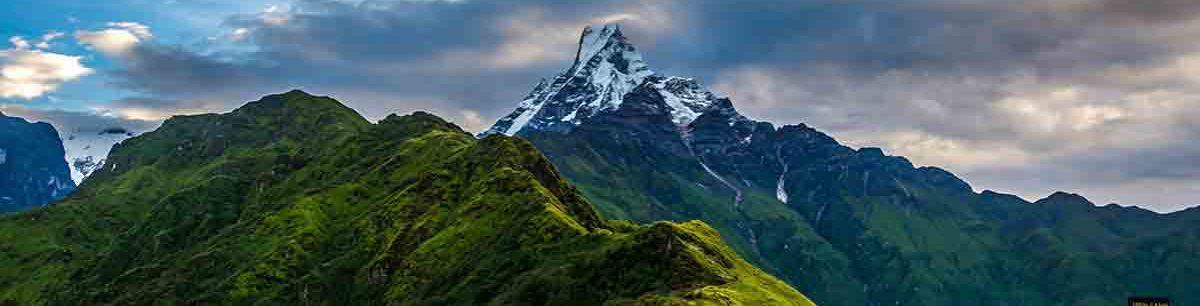
Nepal Trekking Cost in 2027: A Complete Budget Guide

Nepal is one of the world’s most popular destinations for mountain trekking, offering spectacular Himalayan landscapes, traditional villages, ancient monasteries, and unforgettable high-altitude adventures. From the famous Everest Base Camp Trek to the scenic Annapurna Circuit and the culturally rich Manaslu Circuit, Nepal offers trekking experiences for travelers with different interests and budgets.

However, understanding the Nepal trekking cost in 2027 is an important part of planning a successful journey. Trekking expenses can vary significantly depending on the destination, trek duration, accommodation preferences, transportation, permits, guide and porter services, and the level of comfort you expect.

Whether you are planning an affordable independent-style trekking experience or a fully organized private adventure, knowing the expected expenses will help you prepare a realistic budget.

This complete guide explains the estimated cost of trekking in Nepal in 2027, including permits, accommodation, meals, transportation, guides, porters, equipment, and other essential expenses.

How Much Does Trekking in Nepal Cost in 2027?

The cost of trekking in Nepal in 2027 depends primarily on the trekking route, number of days, and services included in your package.

For most popular trekking destinations, travelers can expect to spend approximately USD 40–120 per person per day on trekking-related expenses. Organized trekking packages may cost more depending on accommodation, transportation, group size, and service standards.

Here is an estimated overview of trekking costs in Nepal for 2027:

Trekking DestinationDurationEstimated Cost Per Person
Ghorepani Poon Hill Trek5–7 days$260–$470
Mardi Himal Trek5–7 days$350–$650
Langtang Valley Trek7–9 days$600–$1,100
Annapurna Base Camp Trek7–10 days$490–$1,000
Everest Base Camp Trek12–14 days$1,170–$2,000
Annapurna Circuit Trek12–16 days$830–$1,500
Manaslu Circuit Trek14–18 days$1,180–$2,000
Upper Mustang Trek10–14 days$1,500–$2,500+

Note: These are indicative 2027 planning estimates in USD, not fixed agency quotations. Actual costs depend on group size, season, itinerary, transport, service quality, and permit changes. International flights, personal expenses, and travel insurance may be additional.

Trekking Permits and Government Fees

Trekking permits are essential expenses when planning a Himalayan adventure in Nepal. Different trekking regions require different permits, and the fees depend on the destination and nationality of the traveler.

For 2027, travelers should check the latest government regulations before departure because permit charges and requirements can change.

Some common permit expenses include:

Annapurna Conservation Area Permit (ACAP)

  • Foreign nationals: Approximately NPR 3,000.
  • SAARC nationals: Approximately NPR 1,000.

Sagarmatha National Park Entry Permit

  • Foreign nationals: Approximately NPR 3,000.
  • SAARC nationals: Approximately NPR 1,500.

Langtang National Park Entry Permit

  • Foreign nationals: Approximately NPR 3,000.

Manaslu Restricted Area Permit

The Manaslu region requires a special restricted-area permit. The current published fee structure includes:

  • September to November: USD 100 per person for the first seven days.
  • December to August: USD 75 per person for the first seven days.
  • Additional days are charged separately.

Manaslu trekkers also require the relevant conservation-area permits.

TIMS Card

The Trekkers’ Information Management System (TIMS) is another important consideration. Current published provisions require a guide and agency-issued TIMS card on several major trekking routes. The applicable requirements should be confirmed for your particular itinerary.

Always obtain permits through authorized channels and keep the necessary documents throughout your trek.

Guide and Porter Costs in Nepal

Hiring a professional guide and porter can make your trekking experience safer, easier, and more enjoyable.

A trekking guide provides information about local culture, landscapes, mountain conditions, and trekking routes. Guides also help with accommodation arrangements, daily schedules, and communication with local communities.

Porters carry luggage, allowing trekkers to enjoy the journey without carrying heavy backpacks.

Estimated daily costs for 2027 include:

ServiceEstimated Daily Cost
Licensed trekking guide$25–$40
Experienced high-altitude guide$35–$50
Porter$18–$25
Guide-porter$20–$35

These are planning estimates rather than guaranteed 2027 rates. Costs may vary according to experience, destination, insurance, equipment, and employment arrangements.

For longer treks such as Everest Base Camp, Annapurna Circuit, and Manaslu Circuit, hiring an experienced guide is particularly beneficial.

Travelers should also check whether guide and porter accommodation, meals, insurance, transportation, and equipment are included in the quoted service fee.

Accommodation Costs During Nepal Trekking

Accommodation is another important part of your Nepal trekking budget.

Most popular trekking routes offer teahouses and mountain lodges where trekkers can find basic rooms, meals, and shared facilities. Accommodation standards vary depending on altitude, location, and trekking popularity.

Typical estimated accommodation costs for 2027 include:

  • Basic teahouse rooms: USD 3–10 per night.
  • Standard mountain lodges: USD 8–25 per night.
  • Better-quality lodges: USD 25–45 or more per night.

In popular destinations such as Everest Base Camp and Annapurna Base Camp, accommodation prices may increase at higher elevations.

Most teahouses provide simple rooms with beds, mattresses, pillows, and blankets. However, private bathrooms, hot showers, heating, and Wi-Fi may involve additional charges.

One useful budgeting tip is to check accommodation arrangements before starting your trek, particularly during the busy spring and autumn seasons.

Food and Drinking Water Expenses

Food expenses increase as trekkers move toward higher elevations because supplies must be transported by porters, pack animals, or other local transportation methods.

Most trekking lodges offer traditional Nepali meals alongside international food options.

Popular trekking meals include:

  • Dal bhat (rice, lentils, and vegetables).
  • Noodles and fried rice.
  • Pasta and soups.
  • Tibetan bread.
  • Pancakes and porridge.
  • Eggs, potatoes, and seasonal vegetables.

Estimated daily food expenses range from USD 20–35 on many trekking routes, although Everest and remote Himalayan destinations may cost more.

Drinking water is another expense to consider. Trekkers can purchase bottled water, boiled water, or use appropriate water purification methods.

Carrying a reusable water bottle and purification tablets or a reliable filter can help reduce expenses and plastic waste.

Transportation Costs for Nepal Trekking

Transportation expenses depend on where your trek begins and the type of transport you choose.

Most trekking itineraries start from Kathmandu or Pokhara, followed by a road journey or domestic flight to the trekking region.

Common transportation expenses include:

Kathmandu to Pokhara

Travelers can choose tourist buses, private vehicles, or domestic flights. Tourist buses are generally more economical, while private transportation offers flexibility and convenience.

Kathmandu to Lukla

For Everest Base Camp trekkers, flights to Lukla are among the major expenses. Depending on the season, airline, and departure arrangements, international travelers should budget approximately USD 230–300 or more for a one-way flight.

Pokhara to Trekking Starting Points

For Annapurna and Mardi Himal treks, transportation to locations such as Nayapul, Kande, and other trailheads is commonly arranged by jeep, private vehicle, or local transportation.

Transportation for Manaslu Circuit

The Manaslu Circuit generally involves a road journey from Kathmandu to the trekking starting point and transportation back from the Annapurna region.

Choosing the right transportation option can significantly affect your overall trekking budget.

Trekking Equipment and Clothing Costs

Having suitable trekking equipment is essential for comfort and safety in the Himalayas.

The equipment you need depends on the trekking destination, season, altitude, and weather conditions.

Essential trekking equipment includes:

  • Waterproof trekking boots.
  • Down jacket and warm clothing.
  • Thermal base layers.
  • Waterproof jacket and trousers.
  • Sleeping bag suitable for expected temperatures.
  • Trekking poles.
  • Backpack and daypack.
  • Sunglasses and sunscreen.
  • Gloves, hats, and woolen socks.

If you already own suitable equipment, your expenses will be lower. However, first-time trekkers can rent or purchase equipment in Kathmandu and Pokhara.

Estimated equipment expenses:

EquipmentEstimated Cost
Trekking boots$60–$180
Down jacket$40–$150
Sleeping bag$60–$180
Trekking poles$15–$40
Backpack$40–$120
Gloves and accessories$15–$50

Equipment rental is also available for selected items, which can be a practical option for travelers who do not frequently trek.

Travel Insurance and Emergency Expenses

Travel insurance is an essential part of preparing for trekking in Nepal, particularly for high-altitude destinations.

Some trekking routes reach elevations above 5,000 meters, where altitude-related health problems and unpredictable weather can create serious challenges.

A suitable insurance policy should cover:

  • High-altitude trekking at the maximum elevation of your itinerary.
  • Emergency medical treatment.
  • Helicopter evacuation, where available and medically necessary.
  • Hospitalization.
  • Trip cancellation and interruption.
  • Delays caused by weather or transportation disruptions.

Insurance costs vary depending on the traveler’s age, nationality, coverage limits, trekking duration, and maximum altitude.

Do not assume that an ordinary travel insurance policy covers high-altitude trekking or helicopter rescue. Read the policy carefully before purchasing it.

It is also sensible to maintain an emergency budget for unexpected accommodation, transportation, and additional trekking days.

Best Ways to Save Money on Nepal Trekking in 2027

Trekking in Nepal does not necessarily require an expensive budget. With proper planning, travelers can enjoy incredible Himalayan experiences while managing their expenses.

Here are some practical ways to reduce your trekking costs.

1. Choose the Right Trekking Destination

Not every trekking experience requires a two-week itinerary. Destinations such as Poon Hill, Mardi Himal, and Langtang Valley offer excellent Himalayan scenery with relatively shorter itineraries.

2. Travel in a Group

Joining a small trekking group can reduce individual expenses because guide services, transportation, and some logistical costs can be shared.

3. Book Through a Registered Trekking Agency

A reliable trekking agency can help organize permits, transportation, accommodation, guides, and porters. Comparing package inclusions helps you avoid unexpected expenses.

4. Avoid Unnecessary Equipment Purchases

Renting sleeping bags, down jackets, and other equipment in Kathmandu or Pokhara can be more economical than purchasing everything for a single trek.

5. Carry Essential Personal Items

Items such as reusable water bottles, sunscreen, personal medication, and basic toiletries can help reduce unnecessary purchases along the trail.

6. Plan Your Trek During Suitable Seasons

Spring (March to May) and autumn (September to November) are popular trekking seasons. Booking transportation and accommodation in advance can help you manage expenses and avoid last-minute arrangements.

Which Nepal Trek Is Best for Your Budget?

Choosing the right trekking destination depends on your available time, physical fitness, experience, and financial expectations.

Here are some recommendations based on different budgets:

Best for Budget Travelers: Ghorepani Poon Hill

Poon Hill is an excellent option for travelers looking for beautiful mountain scenery without committing to a long trekking itinerary. It offers spectacular sunrise views of the Annapurna and Dhaulagiri ranges.

Best for Short Himalayan Adventures: Mardi Himal

Mardi Himal is a wonderful option for trekkers seeking mountain landscapes, forest trails, and impressive views of Machhapuchhre and the Annapurna range.

Best for Cultural Experiences: Langtang Valley

Langtang combines Himalayan scenery with traditional Tamang culture, beautiful villages, and mountain landscapes. It is a good choice for travelers seeking a rewarding trekking experience near Kathmandu.

Best for Classic Himalayan Experiences: Everest Base Camp

Everest Base Camp is one of the most iconic trekking destinations in the world. It offers impressive views of Mount Everest, traditional Sherpa villages, monasteries, and the spectacular Khumbu landscape.

Best for Adventure and Cultural Exploration: Manaslu Circuit

The Manaslu Circuit offers remote Himalayan landscapes, traditional villages, Buddhist monasteries, and the challenging Larkya La Pass. It is particularly attractive to trekkers looking for a less commercialized experience.

Why Choose a Professional Trekking Agency in Nepal?

Planning a Himalayan trek involves more than selecting a destination and booking accommodation. Proper arrangements are necessary for permits, transportation, guides, porters, accommodation, and safety.

Working with a government-registered trekking agency can make the planning process easier and more organized.

A professional agency can provide:

  • Customized trekking itineraries.
  • Experienced and licensed trekking guides.
  • Reliable transportation arrangements.
  • Required permits and documentation.
  • Accommodation and meal arrangements.
  • Properly organized porter services.
  • Assistance with altitude acclimatization.
  • Emergency coordination and support.

Before confirming a trekking package, compare the itinerary, accommodation standards, staff arrangements, transportation, and services included in the quotation.

The cheapest package is not always the best option. Reliable guides, responsible porter arrangements, and proper safety planning are important considerations when choosing a trekking company.

Conclusion

Understanding the Nepal trekking cost in 2027 helps travelers plan a memorable Himalayan adventure without unnecessary financial surprises.

From affordable Poon Hill journeys to challenging expeditions around Everest and Manaslu, Nepal offers trekking opportunities for different budgets and experience levels.

Your final expenses will depend on the trekking destination, duration, accommodation, meals, transportation, permits, and the services you choose. Preparing a realistic budget, booking reliable services, and keeping additional funds for unexpected situations will help ensure a smoother journey.

Whether you are a first-time trekker or an experienced Himalayan adventurer, Nepal offers an unforgettable combination of natural beauty, cultural experiences, and mountain exploration.

Start planning your 2027 trekking adventure early, choose the right destination, and prepare to experience the extraordinary Himalayas.

Frequently Asked Questions (FAQs)

1. How much does trekking in Nepal cost in 2027?

Trekking in Nepal may cost approximately USD 260–2,000 or more per person, depending on the destination, duration, group size, and included services. Remote and restricted-area treks can cost significantly more.

2. What is the cheapest trekking route in Nepal?

Ghorepani Poon Hill is one of the more affordable popular trekking routes in Nepal. Its shorter duration and accessible trail make it suitable for travelers with limited time and budgets.

3. Is a trekking guide mandatory in Nepal in 2027?

Current Nepal Tourism Board provisions require licensed guides and agency-issued TIMS cards on several major trekking routes, including Everest Base Camp, Annapurna Circuit, Langtang, and Manaslu. Travelers should verify the latest requirements before departure.

4. How much does a trekking guide cost in Nepal?

A trekking guide generally costs approximately USD 25–40 per day, while experienced high-altitude guides may charge USD 35–50 or more.

5. What is the best month for trekking in Nepal?

March to May and September to November are generally considered the best trekking seasons. These months usually offer favorable mountain views and suitable trekking conditions.

6. Does the trekking package include food and accommodation?

Many organized trekking packages include accommodation and meals during the trek, but inclusions vary between companies. Always confirm the details before booking.

7. How much money should I carry during a Nepal trek?

Travelers should carry sufficient Nepali cash for meals, drinks, charging, hot showers, snacks, and other personal expenses. Access to ATMs and card payments becomes limited in remote mountain regions.

8. Can beginners trek in Nepal in 2027?

Yes. Beginners can choose suitable routes such as Poon Hill, Mardi Himal, or selected Langtang itineraries. Proper preparation, gradual acclimatization, and choosing an appropriate trekking difficulty are important for a safe experience.

Quick Inquiry Form

Nepal Trekking After the 2026 Floods: Which Himalayan Routes Are Open and Safe?

Nepal has long been one of the world’s most popular destinations for trekking, mountaineering and Himalayan adventures. From the legendary Everest Base Camp Trek to the spectacular Annapurna Circuit and remote Manaslu region, the country attracts thousands of international visitors every year. However, the devastating floods and landslides of 2026 have raised important questions among travelers planning their Himalayan adventures: Is Nepal safe for trekking? Which trekking routes are open? Have the popular Himalayan trails recovered from the floods?

The 2026 floods caused significant damage to several parts of Nepal, particularly along the Bhote Koshi, Trishuli and Budhi Gandaki river corridors. Roads, bridges, settlements and sections of trekking infrastructure were affected. Some travelers experienced disruptions, while trekking operators and local communities faced considerable challenges during the peak tourism season.

Despite these difficulties, the situation is not the same across the entire country. Many popular trekking destinations remain accessible, and local authorities, tourism organizations and communities have been working to restore damaged routes and transportation connections.

For travelers considering Nepal in late 2026 or 2027, understanding the difference between affected access roads and actual trekking destinations is essential. This guide explains the latest available trekking route conditions, identifies destinations that have reopened and highlights important safety considerations before planning a Himalayan journey.

Understanding the 2026 Flood Situation in Nepal

Nepal experienced several serious weather-related disasters during 2026. The devastating floods of August 26 particularly affected the Bhote Koshi and Trishuli river corridors, causing extensive damage in parts of Rasuwa, Nuwakot and surrounding areas.

The disaster disrupted transportation links connecting Kathmandu with northern Nepal and the Nepal-China border. The damage was especially concerning for travelers heading toward Langtang Valley, the Rasuwagadhi-Kerung border and the Kailash Mansarovar pilgrimage route.

Another major incident occurred on October 11, when flooding along the Budhi Gandaki River damaged sections of the Manaslu trekking region in Gorkha District. Several bridges, trails, access roads and teahouses were affected, temporarily interrupting trekking activities.

These incidents created uncertainty among international travelers, particularly those who had already booked trekking packages for the autumn season.

However, it is important to understand that Nepal’s major trekking regions are geographically spread across different mountain ranges. Damage in one river corridor does not automatically mean that trekking throughout Nepal is unsafe.

According to tourism industry updates, many destinations in the Everest, Annapurna, Kanchenjunga, Makalu and western Nepal regions remained operational despite the disasters.

Which Himalayan Trekking Routes Are Open After the 2026 Floods?

One of the most common questions among international travelers is whether Nepal’s popular trekking routes have reopened.

Based on available updates from the Trekking Agencies’ Association of Nepal (TAAN), Nepal Tourism Board and local reporting through October 2026, several major trekking destinations are accessible, although certain approaches and individual trail sections require additional precautions.

Everest Base Camp Trek: A Major Himalayan Destination

The Everest region remains one of Nepal’s most important trekking destinations. The Khumbu Valley, including Namche Bazaar, Tengboche, Dingboche, Lobuche and Everest Base Camp, is geographically separate from the main flood-affected corridors in Rasuwa and Gorkha.

The Everest trekking region was reported open during the autumn season in tourism industry updates. The August floods did not directly disrupt the main Everest Base Camp trekking trail.

Travelers can generally plan their journey through the traditional Lukla-Namche Bazaar route, subject to current flight operations and weather conditions.

However, high-altitude weather remains an important consideration. Snowfall, strong winds and sudden temperature changes can affect flights, trail conditions and access to higher elevations.

What travelers should know:

  • Everest Base Camp remains a major trekking option.
  • Flights to Lukla may be affected by unfavorable weather.
  • Acclimatization in Namche Bazaar and Dingboche remains essential.
  • Higher sections may experience snow and freezing temperatures.
  • Travelers should monitor weather and aviation updates before departure.

The Everest region is a strong option for travelers looking for a classic Himalayan experience, provided conditions are suitable for their travel dates.

Annapurna Circuit Trek: Accessible With Route Planning

The Annapurna region is another important destination for travelers concerned about the 2026 floods.

Popular routes such as Annapurna Base Camp, Mardi Himal, Ghandruk-Ghorepani and Sikles were reported to be operating normally in the October 8 tourism industry update.

The Annapurna Circuit has also been accessible through Thorong La Pass following snow clearance by local authorities. Trekking groups successfully crossed the pass during the October reopening period.

However, travelers should not assume that every section has identical conditions.

Road transportation, local jeep services and trail accessibility can change depending on weather and local infrastructure.

The traditional Annapurna Circuit remains an attractive adventure for visitors seeking mountain scenery, traditional villages, diverse landscapes and high-altitude trekking.

Important considerations:

  • Allow sufficient time for acclimatization.
  • Check the latest Thorong La Pass conditions.
  • Avoid crossing high passes during heavy snowfall or poor visibility.
  • Confirm road transportation arrangements before departure.
  • Consider beginning the circuit from Dharapani rather than rushing through higher elevations.

For travelers seeking an alternative to Everest Base Camp, the Annapurna region remains a strong choice.

Manaslu Circuit Trek: Reopened After October Flood Damage

The Manaslu Circuit Trek requires particular attention because the region experienced two separate episodes of flood-related disruption during 2026.

The August disaster affected infrastructure around Namrung and nearby areas. Nepal Tourism Board published a situation update on September 11 confirming that damaged structures along the affected section had been restored sufficiently for trekking and that the earlier restriction had been lifted.

However, another flash flood occurred along the Budhi Gandaki River on October 11, damaging additional infrastructure.

The October incident affected access roads, bridges, trekking trails and teahouse lodges. Parts of the route were temporarily interrupted.

Fortunately, local communities and tourism stakeholders worked to restore access.

According to a TAAN safety advisory reported on October 25, trekking had resumed on the Manaslu Circuit through Larke Pass following partial repairs.

Trekkers could travel by vehicle as far as Machhakhola before beginning the trekking journey. An alternative trail approximately 10 minutes long was also established at Yaru Bagar to bypass a damaged section.

The repaired route through Khorlabesi, Jagat, Philim and Nyak Phedi was being used by trekking groups heading toward Samagaon and Dharmashala.

The Tsum Valley route was also reported to have reopened following the installation of four wooden bridges and restoration of damaged trail sections around Sardi Khola.

Nevertheless, reopening does not mean that all infrastructure has returned to its previous condition.

What travelers should consider before booking:

  • Confirm the latest condition of the Machhakhola access road.
  • Check whether temporary bridges and alternative trails are operating.
  • Allow additional time for the journey.
  • Confirm accommodation availability.
  • Travel with an experienced licensed guide.
  • Avoid crossing rivers or damaged trail sections independently.

The Manaslu Circuit remains an attractive destination for experienced trekkers, but flexible itineraries and local coordination are particularly important in the post-flood recovery period.

Langtang Valley Trek: Open With Alternative Access Arrangements

Langtang Valley was among the regions that raised serious concerns following the August floods because of its proximity to the affected Trishuli and Rasuwa corridors.

Although the main trekking destination remained accessible, the Kathmandu-Syabrubesi road connection experienced significant disruption following bridge damage.

According to the October 23 TAAN advisory reported by OnlineKhabar, Langtang, Kyanjin and Gosaikunda were open and safe for trekking.

Two alternative access arrangements were recommended.

Route option one:

Kathmandu – Trishuli – Betrawati – Dhunche or Thulosyafru – Bamboo – Lama Hotel – Langtang – Kyanjin Gompa.

A Bailey bridge had been installed at Betrawati, helping restore part of the road connection.

Route option two:

Kathmandu – Sundarijal – Chisapani – Helambu – Thadepati – Ghopte – Gosaikunda – Thulosyafru – Bamboo – Lama Hotel – Langtang – Kyanjin Gompa.

This alternative involves additional trekking and requires appropriate itinerary planning.

Langtang is particularly attractive for travelers looking for a relatively accessible Himalayan adventure, beautiful mountain scenery, traditional Tamang villages and opportunities to explore Kyanjin Gompa.

However, visitors should confirm the latest road and trail conditions before departure rather than relying on older transportation information.

Gosaikunda Trek: An Alternative Himalayan Adventure

Gosaikunda is another destination that received positive updates from trekking organizations.

The region was reported open for trekking despite the transportation challenges affecting parts of the Rasuwa corridor.

The alpine lake is an important religious destination for Hindu and Buddhist pilgrims and offers beautiful mountain landscapes.

Travelers can combine Gosaikunda with Helambu or other nearby trekking routes, depending on the current trail conditions and available transportation.

Because the approach routes have experienced disruptions, travelers should work with a local trekking company to determine the most practical itinerary.

Kanchenjunga and Makalu: Remote Himalayan Destinations

For experienced trekkers looking for less crowded destinations, the Kanchenjunga and Makalu regions remain interesting alternatives.

Both destinations were included among the regions reported open in TAAN’s autumn trekking updates.

The Kanchenjunga region offers remote mountain landscapes, traditional settlements and spectacular views of some of the world’s highest peaks.

Similarly, the Makalu region provides a challenging trekking experience through diverse landscapes, forests, high mountain valleys and remote settlements.

These destinations are not directly connected to the major flood-damaged corridors discussed above.

However, their remoteness means that transportation, accommodation, emergency support and communication require careful preparation.

Travelers should not interpret a general regional reopening announcement as confirmation that every individual trail section is currently safe.

Upper Mustang and Western Nepal: Other Trekking Possibilities

Travelers interested in exploring Nepal beyond its most popular trekking destinations can also consider Upper Mustang, Dolpo, Rara, Humla, Jumla, Khaptad and other western Himalayan regions.

Upper Mustang was reported accessible by road and on foot in the October 8 tourism update, with transportation options available through Jomsom, Kagbeni and Dana.

The Dolpo region and several western Nepal trekking destinations were also reported open.

These destinations offer different experiences, including Tibetan-influenced culture, ancient monasteries, remote settlements, high-altitude landscapes and beautiful lakes.

Nevertheless, restricted-area permits, transportation availability and local conditions must be checked before departure.

Quick Comparison: Nepal Trekking Route Conditions After the 2026 Floods

Trekking destinationLatest reported situationImportant consideration
Everest Base CampOpenWeather and Lukla flights
Annapurna CircuitOpenThorong La snow conditions
Annapurna Base CampOpenConfirm local trail conditions
Mardi HimalOpenWeather and trail conditions
Manaslu CircuitReopened after repairsDamaged infrastructure and alternative trail
Tsum ValleyReopened according to October 25 updateConfirm bridges and local access
Langtang ValleyOpenAlternative road access
GosaikundaOpenTransportation arrangements
KanchenjungaReported openRemote logistics
MakaluReported openRemote logistics
Upper MustangAccessibleRoad and permit arrangements
Dolpo and RaraReported openLocal transport and logistics

These are reported route conditions, not guarantees of safe passage on every date. Conditions can change because of rainfall, snowfall, landslides and local infrastructure damage.

Why Travelers Should Not Cancel Their Entire Nepal Trip

News about natural disasters can understandably create uncertainty among international travelers. However, it is important to distinguish between affected locations and destinations that remain accessible.

Nepal is a geographically diverse country with several independent trekking regions.

For example, the Everest region in the northeast, Annapurna in central Nepal, Kanchenjunga in the east and the western Himalayan destinations are separated by considerable distances.

A disaster affecting one river corridor does not necessarily affect trekking activities in another mountain region.

Travelers who had planned to visit Nepal in late 2026 or 2027 should therefore consider adjusting their itinerary rather than automatically cancelling their entire trip.

If a particular road or trekking approach is damaged, a local operator may be able to recommend another suitable route, provided that the alternative is officially accessible and safe.

This approach also supports local tourism workers, guides, porters, accommodation providers and mountain communities whose livelihoods depend on responsible tourism.

Important Safety Tips for Trekking in Nepal After the Floods

Although several routes have reopened, post-flood trekking requires additional attention.

Here are some important precautions for international travelers.

Check Route Conditions Before Departure

Do not rely entirely on old trekking itineraries or information published before the floods.

Contact your trekking agency, local guides or relevant authorities to verify the latest trail conditions.

Ask specifically about bridges, river crossings, road access and damaged sections.

Choose a Licensed Trekking Company

A professional trekking company can provide updated route information, experienced guides, appropriate transportation arrangements and emergency coordination.

This is especially important in regions such as Manaslu and Langtang, where alternative access arrangements may be required.

Avoid Flooded Rivers and Damaged Bridges

Never attempt to cross swollen rivers or unstable bridges.

Water levels can rise rapidly, even when rainfall is not heavy in the immediate area.

Follow local instructions and use only confirmed safe crossings.

Monitor Weather Forecasts

Weather conditions in the Himalayas can change rapidly.

Heavy rainfall may trigger landslides and flash floods, while snowfall can create dangerous conditions around high mountain passes.

Check official weather bulletins before beginning each trekking stage.

Purchase Comprehensive Travel Insurance

Travel insurance should cover high-altitude trekking at the maximum elevation planned for the itinerary.

Where relevant, verify coverage for emergency helicopter evacuation, medical treatment, trip interruption and weather-related disruptions.

Do not assume that every standard travel insurance policy covers trekking above 4,000 or 5,000 meters.

Follow Proper Acclimatization

Natural disasters are not the only risks associated with Himalayan travel.

Altitude sickness remains a serious concern for trekkers visiting destinations such as Everest Base Camp, Manaslu and Annapurna Circuit.

Follow a gradual ascent, include appropriate acclimatization days and avoid rushing toward high mountain passes.

Keep Flexible Travel Arrangements

Road closures, flight cancellations and temporary trail restrictions may affect travel schedules.

Allow additional days in your itinerary, particularly when traveling through remote mountain regions.

Flexibility can make a significant difference when unexpected disruptions occur.

Is November and December 2026 a Good Time for Trekking in Nepal?

Autumn and spring are traditionally considered the best trekking seasons in Nepal.

October and November generally offer favorable conditions, with clear mountain views and comfortable daytime temperatures at lower elevations.

However, the 2026 season has been unusual because of repeated weather-related disruptions.

In late October, Cyclone Arnab brought additional rainfall and snowfall concerns to Nepal. The Department of Tourism issued a warning advising travelers and mountaineers to avoid high-altitude Himalayan areas from October 28 to November 1 because of possible snowstorms, heavy precipitation and avalanches.

The Department of Immigration also temporarily suspended the issuance of permits for certain restricted areas during the high-risk period.

This demonstrates why a route being open does not necessarily mean that it is safe to trek on every day.

November 2026: Trekking may be possible once official weather warnings have expired and local authorities confirm suitable conditions. Travelers should pay particular attention to snow accumulation on high passes.

December 2026: Winter trekking becomes more challenging, especially at higher elevations. Snowfall, freezing temperatures and shorter daylight hours require additional preparation.

For travelers planning a trip in 2027, spring and autumn remain attractive seasons, but itineraries should always be based on the latest local conditions.

Planning Your Nepal Trekking Adventure in 2027

The 2026 floods have highlighted the importance of responsible travel planning in Nepal.

As the country continues restoring affected infrastructure, international visitors should choose trekking destinations based on their interests, physical fitness, available time and current route conditions.

First-time trekkers may prefer established itineraries such as Ghorepani Poon Hill, Langtang Valley or Everest Base Camp, depending on access and weather.

Experienced trekkers may consider the Annapurna Circuit, Manaslu Circuit, Kanchenjunga or Makalu.

Travelers interested in remote Himalayan experiences can explore Upper Mustang, Dolpo and other destinations with appropriate permits and professional support.

The key is to avoid making decisions based solely on outdated news or assumptions.

A reliable local trekking operator can help travelers understand which routes are suitable, arrange transportation, organize permits and adapt itineraries when necessary.

Frequently Asked Questions About Nepal Trekking After the 2026 Floods

1. Is Nepal safe for trekking after the 2026 floods?

Many major trekking destinations have remained open or reopened after repairs. However, safety depends on the specific destination, trail conditions and weather. Travelers should verify current conditions before departure.

2. Is the Manaslu Circuit Trek open after the October 2026 floods?

Yes. According to the TAAN advisory reported on October 25, trekking had resumed following partial repairs. However, some infrastructure remained affected, and trekkers were advised to exercise caution.

3. Can tourists visit Langtang Valley in 2026?

Yes. Langtang, Kyanjin and Gosaikunda were reported open in the October 23 TAAN advisory. However, transportation from Kathmandu requires attention because the usual road corridor experienced bridge damage.

4. Is the Everest Base Camp Trek affected by the floods?

The main Everest Base Camp trekking region was reported open during the autumn season. Travelers should nevertheless check Lukla flight operations, weather and high-altitude trail conditions.

5. Which Nepal trekking destination is best after the floods?

There is no single best destination for everyone. Everest, Annapurna, Langtang, Manaslu and other Himalayan regions offer different experiences. The best choice depends on the traveler’s fitness, experience, available time and current route accessibility.

6. Should I postpone my Nepal trekking holiday until 2027?

Not necessarily. Many trekking destinations have remained accessible. However, if your itinerary includes a recently damaged corridor or a high-altitude region affected by a weather warning, postponing or adjusting the trip may be the safer decision.

7. Can I book a Nepal trekking package in advance for 2027?

Yes. Travelers can begin planning and booking their 2027 trekking holidays. However, transportation, permits, accommodation and trail conditions should be reconfirmed closer to the departure date.

Final Thoughts: Nepal’s Himalayas Are Ready to Welcome Responsible Travelers

The 2026 floods have undoubtedly created serious challenges for Nepal’s tourism industry and mountain communities. The damage to transportation infrastructure, trekking trails and local settlements should not be underestimated.

At the same time, Nepal remains home to numerous Himalayan destinations, many of which have continued operating throughout the recovery period.

The reopening of the Manaslu Circuit and Tsum Valley, the continued accessibility of Annapurna trekking routes and the reported reopening of Langtang demonstrate the efforts being made by local communities and tourism organizations to restore travel opportunities.

For international visitors, the most important decision is not simply whether Nepal is open or closed. It is choosing the right destination, checking current conditions and traveling with proper preparation.

Whether you are considering the Everest Base Camp Trek, Annapurna Circuit, Manaslu Circuit or a more challenging Himalayan expedition, our team can help you understand the available options and plan an adventure according to the latest verified travel conditions.

Nepal’s mountains continue to offer extraordinary experiences. With careful planning, flexibility and responsible travel decisions, your next Himalayan adventure can still become an unforgettable journey.

Quick Inquiry Form

Surprising Truths About the Annapurna Circuit Trek Nobody Tells You

The Annapurna Circuit Trek is often described as one of the most spectacular trekking adventures in the world. Stretching through the diverse Himalayan landscapes of Nepal, this legendary route offers everything from lush forests and traditional mountain villages to high-altitude deserts and breathtaking snow-covered peaks. Thousands of trekkers dream of completing the Annapurna Circuit every year, but many arrive with expectations that are very different from reality.

While guidebooks and social media posts usually focus on the stunning scenery and famous mountain passes, there are many lesser-known aspects of the journey that can completely shape your trekking experience. Some of these truths make the adventure even more rewarding, while others may surprise first-time trekkers who are unprepared for the realities of Himalayan travel.

If you are planning your first Annapurna Circuit Trek, understanding these hidden truths can help you prepare mentally, physically, and emotionally for the journey ahead. Here are 10 surprising truths about the Annapurna Circuit Trek that nobody tells you.


The Annapurna Circuit Trek Is Much More Than a Mountain Trek

Many people assume the Annapurna Circuit Trek is only about walking through snowy mountains. In reality, the trek is a complete cultural and geographical journey across several different regions of Nepal.

You begin in subtropical valleys filled with rice terraces and waterfalls. As the trail climbs higher, the scenery changes dramatically into pine forests, alpine meadows, and dry Tibetan-style landscapes. Along the way, you pass through villages inhabited by Gurung, Thakali, and Manangi communities, each with unique traditions, architecture, and lifestyles.

This incredible diversity is one reason the Annapurna Circuit Trek remains one of the most loved trekking routes in the Himalayas.


The Weather Changes Faster Than You Expect

One of the biggest surprises for trekkers is how quickly the weather can change in the Himalayas. A sunny morning can suddenly become cloudy, windy, or snowy within hours.

Even during the popular trekking seasons of spring and autumn, temperatures can vary greatly between day and night. Lower elevations may feel warm and pleasant, while high-altitude areas such as Thorong La Pass can become freezing cold before sunrise.

Because of these rapid weather shifts, layering your clothing is essential during the Annapurna Circuit Trek. Trekkers who underestimate Himalayan weather often struggle with discomfort during the journey.


Acclimatization Is More Important Than Fitness

Many physically fit trekkers believe they can complete the Annapurna Circuit Trek without difficulty. However, altitude affects everyone differently, regardless of fitness level.

As the trail rises above 3,000 meters, oxygen levels decrease significantly. Symptoms of altitude sickness may include headaches, dizziness, nausea, fatigue, and difficulty sleeping. The climb toward Thorong La Pass at 5,416 meters is especially challenging.

One surprising truth is that slow walking and proper acclimatization are often more important than physical strength. Experienced trekkers know that resting, staying hydrated, and allowing your body time to adjust are key to completing the trek safely.


Teahouse Life Becomes Part of the Adventure

Before arriving in Nepal, many trekkers imagine remote camping experiences. In reality, most people stay in teahouses along the Annapurna Circuit Trek.

Teahouses are small mountain lodges operated by local families. They provide meals, basic rooms, and a warm communal atmosphere where trekkers from around the world gather every evening.

Although the accommodations are simple, teahouse culture becomes one of the most memorable parts of the trek. Sharing stories around a dining room heater, drinking hot tea, and meeting fellow travelers create unforgettable moments that many people do not expect.

At higher elevations, facilities become more basic, and luxuries such as hot showers, charging devices, and Wi-Fi may cost extra or become unavailable.


The Trek Is Emotionally Challenging Too

Most trekking articles focus on physical preparation, but the Annapurna Circuit Trek can also be emotionally demanding.

Long trekking days, cold weather, fatigue, altitude, and limited comforts sometimes affect your mood. There may be moments when you question your decision to continue, especially during steep climbs or difficult weather conditions.

However, these emotional ups and downs are often what make the experience so meaningful. Completing challenging sections of the trek builds confidence, resilience, and a deep sense of accomplishment.

Many trekkers return home saying the Annapurna Circuit Trek changed them mentally as much as physically.


Food Choices in the Mountains Are Surprisingly Good

A common misconception is that food options on the Annapurna Circuit Trek are extremely limited. While menus become simpler at higher altitudes, most teahouses offer a surprisingly wide variety of meals.

You can find dal bhat, noodles, pasta, fried rice, pancakes, soups, momos, eggs, potatoes, and even bakery items in some villages. Dal bhat, Nepal’s traditional meal of rice, lentils, vegetables, and pickles, is especially popular because it provides energy for long trekking days.

One surprising truth is that trekkers often begin craving dal bhat after a few days because it is nutritious, filling, and usually comes with unlimited refills.

Still, food prices increase with altitude since supplies are transported by porters, mules, or helicopters into remote mountain areas.


The Road Construction Changes the Experience

The Annapurna Circuit Trek has changed significantly over the years due to road construction in some sections of the trail. Many trekkers are surprised to encounter roads where they expected completely remote mountain paths.

While some people feel disappointed by these developments, alternative trekking routes and side trails still provide beautiful off-road experiences. Areas such as Upper Pisang, Ngawal, and Tilicho Lake remain incredibly scenic and peaceful.

Road access has also improved transportation, emergency services, and supply delivery for local communities. The modern Annapurna Circuit Trek is now a combination of traditional trekking culture and changing Himalayan infrastructure.

Trekkers who research route variations carefully can still enjoy a highly rewarding wilderness experience.


Thorong La Pass Is Harder Than Most People Imagine

Crossing Thorong La Pass is the highlight of the Annapurna Circuit Trek, but it is also the most physically demanding part of the journey.

Most trekkers begin climbing before sunrise to avoid strong afternoon winds. The thin air, freezing temperatures, steep ascent, and long trekking hours make this crossing much more difficult than many expect.

Even experienced hikers often describe Thorong La as one of the hardest trekking days of their lives. However, standing at the prayer-flag-covered summit surrounded by Himalayan peaks creates an unforgettable feeling of achievement.

The descent toward Muktinath afterward can also be surprisingly exhausting because of the long downhill walk.


The Trek Teaches You to Slow Down

Modern life often revolves around speed, schedules, and constant digital connection. One surprising truth about the Annapurna Circuit Trek is that it forces you to slow down.

Daily life on the trail becomes simple:

  • Wake up early
  • Walk for several hours
  • Eat warm meals
  • Rest
  • Sleep

Without constant distractions, many trekkers begin to appreciate small moments more deeply. Watching sunrise over snowy peaks, listening to mountain rivers, and talking with local villagers create a strong sense of mindfulness.

The Annapurna Circuit Trek is not only a physical journey through the Himalayas but also a mental escape from busy modern routines.


The Memories Stay With You Forever

Many trekkers expect the Annapurna Circuit Trek to be a temporary adventure. What surprises most people is how deeply the experience stays with them long after returning home.

The mountains, friendships, personal challenges, and cultural encounters often leave lasting emotional memories. Some trekkers even describe the journey as life-changing because it reshapes their perspective on simplicity, resilience, and nature.

The Annapurna region has a way of making people feel connected to something much larger than themselves. Months or even years later, many travelers still remember the sound of prayer flags fluttering in the wind, the warmth of teahouse hospitality, and the incredible feeling of walking among the world’s highest mountains.


Best Time for the Annapurna Circuit Trek

Understanding the seasons is important for planning a successful Annapurna Circuit Trek.

Spring (March to May)

Spring offers blooming rhododendron forests, moderate temperatures, and clear mountain views. This is one of the most popular trekking seasons in Nepal.

Autumn (September to November)

Autumn provides stable weather, dry trails, and excellent visibility. Many trekkers consider this the best season for the Annapurna Circuit Trek.

Winter (December to February)

Winter trekking is possible, but heavy snow may block Thorong La Pass. Temperatures become extremely cold at higher elevations.

Monsoon (June to August)

The monsoon season brings rain, slippery trails, landslides, and cloudy mountain views. However, the rain-shadow areas near Manang remain relatively dry.


Essential Tips for First-Time Trekkers

Train Before the Trek

Cardio exercise, hiking practice, and leg-strength training help prepare your body for long trekking days.

Walk Slowly

A slow and steady pace improves acclimatization and reduces fatigue.

Drink Plenty of Water

Hydration is critical at high altitude.

Pack Light but Smart

Bring warm layers, proper trekking boots, sunscreen, and essential medications.

Respect Local Culture

The Annapurna region is home to traditional mountain communities with deep Buddhist and Hindu traditions. Respect local customs and religious sites.

Consider Hiring Guides and Porters

Local guides improve safety, navigation, and cultural understanding while supporting Nepal’s trekking economy.


Why the Annapurna Circuit Trek Remains So Popular

Despite changing trekking routes and increasing tourism, the Annapurna Circuit Trek continues to attract adventurers from around the world because it offers an unmatched combination of:

  • Mountain scenery
  • Cultural diversity
  • High-altitude adventure
  • Traditional villages
  • Himalayan landscapes
  • Personal challenge

Few trekking routes on Earth provide such dramatic variation in both environment and culture within a single journey.

Whether you are an experienced trekker or a first-time Himalayan traveler, the Annapurna Circuit Trek delivers experiences that go far beyond expectations.


Final Thoughts

The Annapurna Circuit Trek is far more complex, emotional, and rewarding than many people realize before arriving in Nepal. Beyond the famous mountain views lies a journey filled with unexpected lessons, personal growth, cultural encounters, and unforgettable memories.

Understanding these 10 surprising truths can help you prepare for the realities of trekking in the Himalayas while allowing you to appreciate the deeper meaning of the experience.

For many travelers, the Annapurna Circuit Trek becomes more than just a trek — it becomes one of the greatest adventures of their lives.

Quick Inquiry Form