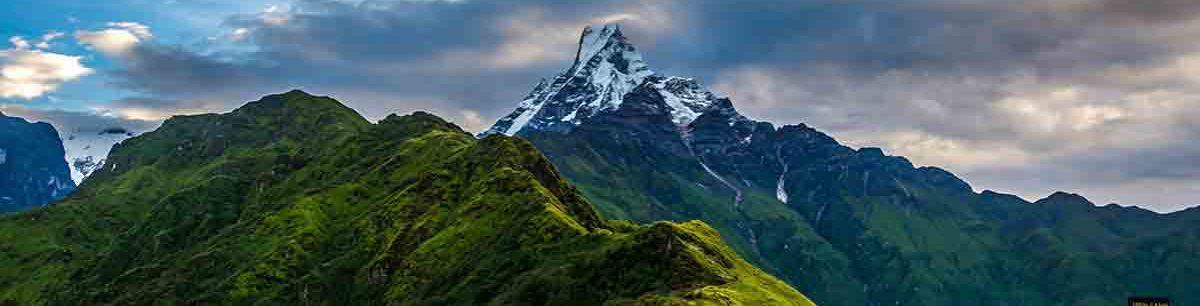
Nepal Trekking After the 2026 Floods: Which Himalayan Routes Are Open and Safe?

Nepal has long been one of the world’s most popular destinations for trekking, mountaineering and Himalayan adventures. From the legendary Everest Base Camp Trek to the spectacular Annapurna Circuit and remote Manaslu region, the country attracts thousands of international visitors every year. However, the devastating floods and landslides of 2026 have raised important questions among travelers planning their Himalayan adventures: Is Nepal safe for trekking? Which trekking routes are open? Have the popular Himalayan trails recovered from the floods?

The 2026 floods caused significant damage to several parts of Nepal, particularly along the Bhote Koshi, Trishuli and Budhi Gandaki river corridors. Roads, bridges, settlements and sections of trekking infrastructure were affected. Some travelers experienced disruptions, while trekking operators and local communities faced considerable challenges during the peak tourism season.

Despite these difficulties, the situation is not the same across the entire country. Many popular trekking destinations remain accessible, and local authorities, tourism organizations and communities have been working to restore damaged routes and transportation connections.

For travelers considering Nepal in late 2026 or 2027, understanding the difference between affected access roads and actual trekking destinations is essential. This guide explains the latest available trekking route conditions, identifies destinations that have reopened and highlights important safety considerations before planning a Himalayan journey.

Understanding the 2026 Flood Situation in Nepal

Nepal experienced several serious weather-related disasters during 2026. The devastating floods of August 26 particularly affected the Bhote Koshi and Trishuli river corridors, causing extensive damage in parts of Rasuwa, Nuwakot and surrounding areas.

The disaster disrupted transportation links connecting Kathmandu with northern Nepal and the Nepal-China border. The damage was especially concerning for travelers heading toward Langtang Valley, the Rasuwagadhi-Kerung border and the Kailash Mansarovar pilgrimage route.

Another major incident occurred on October 11, when flooding along the Budhi Gandaki River damaged sections of the Manaslu trekking region in Gorkha District. Several bridges, trails, access roads and teahouses were affected, temporarily interrupting trekking activities.

These incidents created uncertainty among international travelers, particularly those who had already booked trekking packages for the autumn season.

However, it is important to understand that Nepal’s major trekking regions are geographically spread across different mountain ranges. Damage in one river corridor does not automatically mean that trekking throughout Nepal is unsafe.

According to tourism industry updates, many destinations in the Everest, Annapurna, Kanchenjunga, Makalu and western Nepal regions remained operational despite the disasters.

Which Himalayan Trekking Routes Are Open After the 2026 Floods?

One of the most common questions among international travelers is whether Nepal’s popular trekking routes have reopened.

Based on available updates from the Trekking Agencies’ Association of Nepal (TAAN), Nepal Tourism Board and local reporting through October 2026, several major trekking destinations are accessible, although certain approaches and individual trail sections require additional precautions.

Everest Base Camp Trek: A Major Himalayan Destination

The Everest region remains one of Nepal’s most important trekking destinations. The Khumbu Valley, including Namche Bazaar, Tengboche, Dingboche, Lobuche and Everest Base Camp, is geographically separate from the main flood-affected corridors in Rasuwa and Gorkha.

The Everest trekking region was reported open during the autumn season in tourism industry updates. The August floods did not directly disrupt the main Everest Base Camp trekking trail.

Travelers can generally plan their journey through the traditional Lukla-Namche Bazaar route, subject to current flight operations and weather conditions.

However, high-altitude weather remains an important consideration. Snowfall, strong winds and sudden temperature changes can affect flights, trail conditions and access to higher elevations.

What travelers should know:

  • Everest Base Camp remains a major trekking option.
  • Flights to Lukla may be affected by unfavorable weather.
  • Acclimatization in Namche Bazaar and Dingboche remains essential.
  • Higher sections may experience snow and freezing temperatures.
  • Travelers should monitor weather and aviation updates before departure.

The Everest region is a strong option for travelers looking for a classic Himalayan experience, provided conditions are suitable for their travel dates.

Annapurna Circuit Trek: Accessible With Route Planning

The Annapurna region is another important destination for travelers concerned about the 2026 floods.

Popular routes such as Annapurna Base Camp, Mardi Himal, Ghandruk-Ghorepani and Sikles were reported to be operating normally in the October 8 tourism industry update.

The Annapurna Circuit has also been accessible through Thorong La Pass following snow clearance by local authorities. Trekking groups successfully crossed the pass during the October reopening period.

However, travelers should not assume that every section has identical conditions.

Road transportation, local jeep services and trail accessibility can change depending on weather and local infrastructure.

The traditional Annapurna Circuit remains an attractive adventure for visitors seeking mountain scenery, traditional villages, diverse landscapes and high-altitude trekking.

Important considerations:

  • Allow sufficient time for acclimatization.
  • Check the latest Thorong La Pass conditions.
  • Avoid crossing high passes during heavy snowfall or poor visibility.
  • Confirm road transportation arrangements before departure.
  • Consider beginning the circuit from Dharapani rather than rushing through higher elevations.

For travelers seeking an alternative to Everest Base Camp, the Annapurna region remains a strong choice.

Manaslu Circuit Trek: Reopened After October Flood Damage

The Manaslu Circuit Trek requires particular attention because the region experienced two separate episodes of flood-related disruption during 2026.

The August disaster affected infrastructure around Namrung and nearby areas. Nepal Tourism Board published a situation update on September 11 confirming that damaged structures along the affected section had been restored sufficiently for trekking and that the earlier restriction had been lifted.

However, another flash flood occurred along the Budhi Gandaki River on October 11, damaging additional infrastructure.

The October incident affected access roads, bridges, trekking trails and teahouse lodges. Parts of the route were temporarily interrupted.

Fortunately, local communities and tourism stakeholders worked to restore access.

According to a TAAN safety advisory reported on October 25, trekking had resumed on the Manaslu Circuit through Larke Pass following partial repairs.

Trekkers could travel by vehicle as far as Machhakhola before beginning the trekking journey. An alternative trail approximately 10 minutes long was also established at Yaru Bagar to bypass a damaged section.

The repaired route through Khorlabesi, Jagat, Philim and Nyak Phedi was being used by trekking groups heading toward Samagaon and Dharmashala.

The Tsum Valley route was also reported to have reopened following the installation of four wooden bridges and restoration of damaged trail sections around Sardi Khola.

Nevertheless, reopening does not mean that all infrastructure has returned to its previous condition.

What travelers should consider before booking:

  • Confirm the latest condition of the Machhakhola access road.
  • Check whether temporary bridges and alternative trails are operating.
  • Allow additional time for the journey.
  • Confirm accommodation availability.
  • Travel with an experienced licensed guide.
  • Avoid crossing rivers or damaged trail sections independently.

The Manaslu Circuit remains an attractive destination for experienced trekkers, but flexible itineraries and local coordination are particularly important in the post-flood recovery period.

Langtang Valley Trek: Open With Alternative Access Arrangements

Langtang Valley was among the regions that raised serious concerns following the August floods because of its proximity to the affected Trishuli and Rasuwa corridors.

Although the main trekking destination remained accessible, the Kathmandu-Syabrubesi road connection experienced significant disruption following bridge damage.

According to the October 23 TAAN advisory reported by OnlineKhabar, Langtang, Kyanjin and Gosaikunda were open and safe for trekking.

Two alternative access arrangements were recommended.

Route option one:

Kathmandu – Trishuli – Betrawati – Dhunche or Thulosyafru – Bamboo – Lama Hotel – Langtang – Kyanjin Gompa.

A Bailey bridge had been installed at Betrawati, helping restore part of the road connection.

Route option two:

Kathmandu – Sundarijal – Chisapani – Helambu – Thadepati – Ghopte – Gosaikunda – Thulosyafru – Bamboo – Lama Hotel – Langtang – Kyanjin Gompa.

This alternative involves additional trekking and requires appropriate itinerary planning.

Langtang is particularly attractive for travelers looking for a relatively accessible Himalayan adventure, beautiful mountain scenery, traditional Tamang villages and opportunities to explore Kyanjin Gompa.

However, visitors should confirm the latest road and trail conditions before departure rather than relying on older transportation information.

Gosaikunda Trek: An Alternative Himalayan Adventure

Gosaikunda is another destination that received positive updates from trekking organizations.

The region was reported open for trekking despite the transportation challenges affecting parts of the Rasuwa corridor.

The alpine lake is an important religious destination for Hindu and Buddhist pilgrims and offers beautiful mountain landscapes.

Travelers can combine Gosaikunda with Helambu or other nearby trekking routes, depending on the current trail conditions and available transportation.

Because the approach routes have experienced disruptions, travelers should work with a local trekking company to determine the most practical itinerary.

Kanchenjunga and Makalu: Remote Himalayan Destinations

For experienced trekkers looking for less crowded destinations, the Kanchenjunga and Makalu regions remain interesting alternatives.

Both destinations were included among the regions reported open in TAAN’s autumn trekking updates.

The Kanchenjunga region offers remote mountain landscapes, traditional settlements and spectacular views of some of the world’s highest peaks.

Similarly, the Makalu region provides a challenging trekking experience through diverse landscapes, forests, high mountain valleys and remote settlements.

These destinations are not directly connected to the major flood-damaged corridors discussed above.

However, their remoteness means that transportation, accommodation, emergency support and communication require careful preparation.

Travelers should not interpret a general regional reopening announcement as confirmation that every individual trail section is currently safe.

Upper Mustang and Western Nepal: Other Trekking Possibilities

Travelers interested in exploring Nepal beyond its most popular trekking destinations can also consider Upper Mustang, Dolpo, Rara, Humla, Jumla, Khaptad and other western Himalayan regions.

Upper Mustang was reported accessible by road and on foot in the October 8 tourism update, with transportation options available through Jomsom, Kagbeni and Dana.

The Dolpo region and several western Nepal trekking destinations were also reported open.

These destinations offer different experiences, including Tibetan-influenced culture, ancient monasteries, remote settlements, high-altitude landscapes and beautiful lakes.

Nevertheless, restricted-area permits, transportation availability and local conditions must be checked before departure.

Quick Comparison: Nepal Trekking Route Conditions After the 2026 Floods

Trekking destinationLatest reported situationImportant consideration
Everest Base CampOpenWeather and Lukla flights
Annapurna CircuitOpenThorong La snow conditions
Annapurna Base CampOpenConfirm local trail conditions
Mardi HimalOpenWeather and trail conditions
Manaslu CircuitReopened after repairsDamaged infrastructure and alternative trail
Tsum ValleyReopened according to October 25 updateConfirm bridges and local access
Langtang ValleyOpenAlternative road access
GosaikundaOpenTransportation arrangements
KanchenjungaReported openRemote logistics
MakaluReported openRemote logistics
Upper MustangAccessibleRoad and permit arrangements
Dolpo and RaraReported openLocal transport and logistics

These are reported route conditions, not guarantees of safe passage on every date. Conditions can change because of rainfall, snowfall, landslides and local infrastructure damage.

Why Travelers Should Not Cancel Their Entire Nepal Trip

News about natural disasters can understandably create uncertainty among international travelers. However, it is important to distinguish between affected locations and destinations that remain accessible.

Nepal is a geographically diverse country with several independent trekking regions.

For example, the Everest region in the northeast, Annapurna in central Nepal, Kanchenjunga in the east and the western Himalayan destinations are separated by considerable distances.

A disaster affecting one river corridor does not necessarily affect trekking activities in another mountain region.

Travelers who had planned to visit Nepal in late 2026 or 2027 should therefore consider adjusting their itinerary rather than automatically cancelling their entire trip.

If a particular road or trekking approach is damaged, a local operator may be able to recommend another suitable route, provided that the alternative is officially accessible and safe.

This approach also supports local tourism workers, guides, porters, accommodation providers and mountain communities whose livelihoods depend on responsible tourism.

Important Safety Tips for Trekking in Nepal After the Floods

Although several routes have reopened, post-flood trekking requires additional attention.

Here are some important precautions for international travelers.

Check Route Conditions Before Departure

Do not rely entirely on old trekking itineraries or information published before the floods.

Contact your trekking agency, local guides or relevant authorities to verify the latest trail conditions.

Ask specifically about bridges, river crossings, road access and damaged sections.

Choose a Licensed Trekking Company

A professional trekking company can provide updated route information, experienced guides, appropriate transportation arrangements and emergency coordination.

This is especially important in regions such as Manaslu and Langtang, where alternative access arrangements may be required.

Avoid Flooded Rivers and Damaged Bridges

Never attempt to cross swollen rivers or unstable bridges.

Water levels can rise rapidly, even when rainfall is not heavy in the immediate area.

Follow local instructions and use only confirmed safe crossings.

Monitor Weather Forecasts

Weather conditions in the Himalayas can change rapidly.

Heavy rainfall may trigger landslides and flash floods, while snowfall can create dangerous conditions around high mountain passes.

Check official weather bulletins before beginning each trekking stage.

Purchase Comprehensive Travel Insurance

Travel insurance should cover high-altitude trekking at the maximum elevation planned for the itinerary.

Where relevant, verify coverage for emergency helicopter evacuation, medical treatment, trip interruption and weather-related disruptions.

Do not assume that every standard travel insurance policy covers trekking above 4,000 or 5,000 meters.

Follow Proper Acclimatization

Natural disasters are not the only risks associated with Himalayan travel.

Altitude sickness remains a serious concern for trekkers visiting destinations such as Everest Base Camp, Manaslu and Annapurna Circuit.

Follow a gradual ascent, include appropriate acclimatization days and avoid rushing toward high mountain passes.

Keep Flexible Travel Arrangements

Road closures, flight cancellations and temporary trail restrictions may affect travel schedules.

Allow additional days in your itinerary, particularly when traveling through remote mountain regions.

Flexibility can make a significant difference when unexpected disruptions occur.

Is November and December 2026 a Good Time for Trekking in Nepal?

Autumn and spring are traditionally considered the best trekking seasons in Nepal.

October and November generally offer favorable conditions, with clear mountain views and comfortable daytime temperatures at lower elevations.

However, the 2026 season has been unusual because of repeated weather-related disruptions.

In late October, Cyclone Arnab brought additional rainfall and snowfall concerns to Nepal. The Department of Tourism issued a warning advising travelers and mountaineers to avoid high-altitude Himalayan areas from October 28 to November 1 because of possible snowstorms, heavy precipitation and avalanches.

The Department of Immigration also temporarily suspended the issuance of permits for certain restricted areas during the high-risk period.

This demonstrates why a route being open does not necessarily mean that it is safe to trek on every day.

November 2026: Trekking may be possible once official weather warnings have expired and local authorities confirm suitable conditions. Travelers should pay particular attention to snow accumulation on high passes.

December 2026: Winter trekking becomes more challenging, especially at higher elevations. Snowfall, freezing temperatures and shorter daylight hours require additional preparation.

For travelers planning a trip in 2027, spring and autumn remain attractive seasons, but itineraries should always be based on the latest local conditions.

Planning Your Nepal Trekking Adventure in 2027

The 2026 floods have highlighted the importance of responsible travel planning in Nepal.

As the country continues restoring affected infrastructure, international visitors should choose trekking destinations based on their interests, physical fitness, available time and current route conditions.

First-time trekkers may prefer established itineraries such as Ghorepani Poon Hill, Langtang Valley or Everest Base Camp, depending on access and weather.

Experienced trekkers may consider the Annapurna Circuit, Manaslu Circuit, Kanchenjunga or Makalu.

Travelers interested in remote Himalayan experiences can explore Upper Mustang, Dolpo and other destinations with appropriate permits and professional support.

The key is to avoid making decisions based solely on outdated news or assumptions.

A reliable local trekking operator can help travelers understand which routes are suitable, arrange transportation, organize permits and adapt itineraries when necessary.

Frequently Asked Questions About Nepal Trekking After the 2026 Floods

1. Is Nepal safe for trekking after the 2026 floods?

Many major trekking destinations have remained open or reopened after repairs. However, safety depends on the specific destination, trail conditions and weather. Travelers should verify current conditions before departure.

2. Is the Manaslu Circuit Trek open after the October 2026 floods?

Yes. According to the TAAN advisory reported on October 25, trekking had resumed following partial repairs. However, some infrastructure remained affected, and trekkers were advised to exercise caution.

3. Can tourists visit Langtang Valley in 2026?

Yes. Langtang, Kyanjin and Gosaikunda were reported open in the October 23 TAAN advisory. However, transportation from Kathmandu requires attention because the usual road corridor experienced bridge damage.

4. Is the Everest Base Camp Trek affected by the floods?

The main Everest Base Camp trekking region was reported open during the autumn season. Travelers should nevertheless check Lukla flight operations, weather and high-altitude trail conditions.

5. Which Nepal trekking destination is best after the floods?

There is no single best destination for everyone. Everest, Annapurna, Langtang, Manaslu and other Himalayan regions offer different experiences. The best choice depends on the traveler’s fitness, experience, available time and current route accessibility.

6. Should I postpone my Nepal trekking holiday until 2027?

Not necessarily. Many trekking destinations have remained accessible. However, if your itinerary includes a recently damaged corridor or a high-altitude region affected by a weather warning, postponing or adjusting the trip may be the safer decision.

7. Can I book a Nepal trekking package in advance for 2027?

Yes. Travelers can begin planning and booking their 2027 trekking holidays. However, transportation, permits, accommodation and trail conditions should be reconfirmed closer to the departure date.

Final Thoughts: Nepal’s Himalayas Are Ready to Welcome Responsible Travelers

The 2026 floods have undoubtedly created serious challenges for Nepal’s tourism industry and mountain communities. The damage to transportation infrastructure, trekking trails and local settlements should not be underestimated.

At the same time, Nepal remains home to numerous Himalayan destinations, many of which have continued operating throughout the recovery period.

The reopening of the Manaslu Circuit and Tsum Valley, the continued accessibility of Annapurna trekking routes and the reported reopening of Langtang demonstrate the efforts being made by local communities and tourism organizations to restore travel opportunities.

For international visitors, the most important decision is not simply whether Nepal is open or closed. It is choosing the right destination, checking current conditions and traveling with proper preparation.

Whether you are considering the Everest Base Camp Trek, Annapurna Circuit, Manaslu Circuit or a more challenging Himalayan expedition, our team can help you understand the available options and plan an adventure according to the latest verified travel conditions.

Nepal’s mountains continue to offer extraordinary experiences. With careful planning, flexibility and responsible travel decisions, your next Himalayan adventure can still become an unforgettable journey.

Quick Inquiry Form

Best Nepal Treks for 7-10 Days: Top Himalayan Routes

Nepal is one of the world’s most rewarding destinations for trekking enthusiasts, offering spectacular Himalayan mountains, traditional villages, ancient monasteries, lush forests, and unforgettable cultural experiences. From the iconic Annapurna region to the breathtaking trails of the Everest region, the country offers trekking adventures for beginners, experienced hikers, solo travelers, and families with a sense of adventure.

The good news is that you do not need several weeks to experience the beauty of the Himalayas. The best Nepal treks for 7–10 days allow travelers to explore remarkable mountain landscapes, experience authentic Nepali culture, and enjoy some of the country’s most beautiful trails within a limited holiday schedule.

Whether you dream of seeing Mount Everest, walking through rhododendron forests, visiting traditional Sherpa settlements, or enjoying panoramic views of the Annapurna range, there is a trek that can fit your available time and fitness level.

In this guide, we explore the top Himalayan routes for a 7–10 day trekking holiday in Nepal, including their highlights, difficulty levels, ideal seasons, and practical planning tips to help you choose the right adventure.

 Best Nepal Treks for 7–10 Days at a Glance

Before selecting a trekking route, consider your fitness level, preferred scenery, travel dates, and whether your available days include transportation to and from the trailhead.

Trekking routeTypical time neededDifficultyBest for
Ghorepani Poon Hill Trek7–9 days overallEasy–moderateBeginners and panoramic mountain views
Mardi Himal Trek7–9 days overallModerateQuiet trails and close-up Himalayan scenery
Langtang Valley Trek9–10 days overallModerateMountain landscapes and Tamang culture
Annapurna Base Camp Trek8–10 days overallModerateA dramatic mountain sanctuary
Everest View Trek8–10 days overallModerateEverest views and Sherpa villages
Khopra Danda Trek8–10 days overallModerate–challengingLess-crowded trails and mountain panoramas

These are indicative planning estimates, not fixed itineraries. Actual duration depends on transportation, route variations, acclimatization, weather, and walking pace. Some routes may require extra days to avoid an overly rushed schedule.

Ghorepani Poon Hill Trek: Best for First-Time Trekkers

The Ghorepani Poon Hill Trek is one of the best short treks in Nepal for travelers who want outstanding mountain scenery without committing to a long or technically demanding expedition. Located in the Annapurna region, this route combines traditional villages, forest trails, stone staircases, and panoramic views of some of the Himalayas’ most recognizable peaks.

The highlight is the early-morning hike to Poon Hill, where sunrise illuminates the Annapurna and Dhaulagiri ranges. On a clear day, the changing light across the snow-covered mountains creates a memorable Himalayan experience.

What makes this trek special?

  • Spectacular sunrise views from Poon Hill, approximately 3,210 meters above sea level.
  • Traditional Gurung and Magar villages, including the picturesque settlement of Ghandruk.
  • Rhododendron forests that can be particularly beautiful during spring.
  • Teahouse accommodation and established trails suitable for many first-time trekkers.

Recommended duration

Allow around 7–9 days for a comfortable trip that includes travel to and from Pokhara, several trekking days, and time for sightseeing or unexpected delays. The walking portion can often be completed in approximately 4–5 days, depending on the itinerary.

Difficulty: Easy to moderate.

Best seasons: March–May and October–November, although conditions vary by year.

Best for: First-time trekkers, couples, families with suitably fit older children, and travelers who want impressive Himalayan views within a short holiday.

Poon Hill is an excellent choice if your main goal is to experience Nepal’s mountain scenery without spending your entire vacation on the trail.

 Mardi Himal Trek: A Short Adventure with Dramatic Mountain Views

For travelers seeking a more adventurous alternative to Poon Hill, the Mardi Himal Trek is one of the most appealing short trekking routes in Nepal. Also located in the Annapurna region, it follows forested paths before climbing toward high ridges with increasingly dramatic views of Machhapuchhre, also known as Fishtail Mountain, and the Annapurna massif.

Unlike some of the busier trekking corridors, parts of the Mardi Himal route offer a quieter atmosphere. The upper trail is especially memorable, with narrow ridgelines and expansive views that make trekkers feel close to the high Himalayas.

Highlights of the Mardi Himal Trek

  • Excellent views of Machhapuchhre and the Annapurna mountains.
  • Forest walks through oak, pine, and rhododendron vegetation.
  • Scenic high camps and exposed mountain ridges.
  • A relatively short itinerary starting near Pokhara.

Recommended duration

A 7–9 day holiday can work well when travel to Pokhara and the return journey are included. Depending on the route and walking pace, allow approximately 5–7 days for the trekking portion.

Difficulty: Moderate, with steeper sections and potentially challenging conditions at higher elevations.

Best seasons: Spring and autumn are generally preferred.

Best for: Fit beginners, regular hikers, photographers, and travelers who prefer dramatic mountain views over extensive village-to-village walking.

Mardi Himal can be a fantastic choice for people who have limited time but want a more immersive mountain adventure. However, the higher sections should not be underestimated, particularly in snow, ice, or poor weather.

 Langtang Valley Trek: Mountains, Culture, and Alpine Landscapes

The Langtang Valley Trek is among the strongest choices for travelers looking for a rewarding Himalayan journey without taking a domestic flight to the Everest region. North of Kathmandu, the Langtang region offers a striking combination of mountain scenery, alpine meadows, traditional Tamang settlements, monasteries, and glacial landscapes.

The journey generally begins with a road transfer toward Syabrubesi. From there, trekkers follow the Langtang River through forests and villages before entering a broad mountain valley surrounded by towering peaks.

Kyanjin Gompa is one of the main destinations along the route. Trekkers who have sufficient time, favorable weather, and appropriate acclimatization may take an additional excursion toward a nearby viewpoint for wider views of the surrounding mountains.

Why choose Langtang Valley?

  • A convenient trekking destination from Kathmandu compared with routes requiring flights.
  • Opportunities to experience Tamang culture and local hospitality.
  • Beautiful forests, rivers, glaciers, and high mountain scenery.
  • Teahouses and villages that support a gradual ascent when the itinerary is designed appropriately.

Recommended duration

Plan approximately 9–10 days for a well-paced itinerary, including the drive from Kathmandu and the return journey. Seven days may be possible for the walking portion of a compressed itinerary, but the full trip can become rushed if transport delays or additional acclimatization time are needed.

Difficulty: Moderate.

Best seasons: March–May and October–November are generally favorable.

Best for: Culture-focused travelers, experienced beginners, nature lovers, and trekkers who want to avoid domestic flights.

Langtang is a particularly good option for travelers who value both scenery and cultural interaction. Its accessibility from Kathmandu makes it a practical contender among the best Nepal treks for 7–10 days.

 Annapurna Base Camp Trek: Walk into a Natural Mountain Sanctuary

If you want to stand among towering Himalayan peaks rather than simply admire them from a distant viewpoint, the Annapurna Base Camp Trek is an outstanding option. This popular route takes trekkers through traditional settlements, lush forests, river valleys, and alpine terrain before reaching a spectacular natural amphitheater surrounded by mountains.

The destination lies at approximately 4,130 meters. From the base camp, the surrounding peaks create a remarkable sense of scale, making the journey especially rewarding for photographers and mountain lovers.

Main attractions

  • Panoramic views of Annapurna I and neighboring Himalayan peaks.
  • Traditional villages and welcoming teahouses along the trail.
  • Forests, waterfalls, suspension bridges, and changing landscapes.
  • The unforgettable experience of reaching Annapurna Base Camp on foot.

Can you complete the trek in 7–10 days?

Yes, a carefully planned itinerary can fit into approximately 8–10 days, depending on your arrival point, transport arrangements, walking speed, and route. However, some standard packages take longer. Do not sacrifice essential acclimatization or recovery time simply to meet a deadline.

Difficulty: Moderate, with long walking days, steep stone steps, and considerable altitude gain.

Best seasons: Spring and autumn are popular choices.

Best for: Active travelers, mountain photography enthusiasts, and trekkers who want an immersive Himalayan experience.

Annapurna Base Camp is one of the most rewarding Nepal trekking routes for travelers who have a little more time and energy than a short viewpoint trek requires.

 Everest View Trek: Experience the World’s Highest Mountain

The Everest region is on the wish list of travelers from around the world. Although the full Everest Base Camp Trek generally requires more than 10 days when arrival, departure, and acclimatization are included, a shorter Everest View Trek offers a way to experience the Khumbu region within a limited holiday.

Depending on the itinerary, the journey may include Namche Bazaar, traditional Sherpa settlements, Buddhist monasteries, and viewpoints with impressive mountain panoramas.

What can you experience?

  • Views of Mount Everest and other famous Himalayan peaks when weather permits.
  • Sherpa culture, local markets, and traditional mountain villages.
  • Buddhist prayer flags, mani walls, and monasteries.
  • The distinctive atmosphere of the Khumbu region.

Recommended duration

Allow approximately 8–10 days for a compact itinerary that includes Kathmandu, flights to and from Lukla, and trekking. Flight delays can affect the schedule, so an additional buffer day is advisable when possible.

Difficulty: Moderate, with steep climbs and high-altitude walking.

Best seasons: Spring and autumn generally provide favorable trekking conditions.

Best for: Travelers who dream of seeing Everest but cannot commit to a full Everest Base Camp expedition.

Keep in mind that an Everest View Trek is not the same as trekking to Everest Base Camp. It offers a shorter introduction to the region, and views of Everest depend on the weather and the specific viewpoints visited.

 Khopra Danda Trek: A Quieter Annapurna Adventure

For trekkers who want a different perspective on the Annapurna region, the Khopra Danda Trek is worth considering. This route passes through rural villages, forests, terraced fields, and elevated ridges with expansive views of the Annapurna and Dhaulagiri ranges.

Compared with some of Nepal’s best-known trekking routes, Khopra Danda can offer a quieter experience, although trail traffic varies with the season.

Highlights of Khopra Danda

  • Broad mountain panoramas from the ridge.
  • Community-run lodges that support local livelihoods.
  • Traditional village life and beautiful forest trails.
  • An opportunity to explore beyond the busiest Annapurna trekking corridors.

Some itineraries include an excursion toward Khayer Lake, a sacred alpine lake at a much higher elevation. This side trip adds difficulty and time, so it should not be treated as an essential part of a short itinerary.

Recommended duration: Approximately 8–10 days, depending on transport and route selection.

Difficulty: Moderate to challenging, depending on the itinerary and optional excursions.

Best seasons: Spring and autumn.

Best for: Experienced walkers, repeat visitors to Nepal, and travelers looking for quieter trails.

Khopra Danda is an appealing alternative for those who want panoramic views and village experiences without choosing one of the most heavily traveled routes.

 Which Trek Is Best for Your Travel Style?

Choosing among the best Nepal treks for 7–10 days becomes easier when you consider what matters most to you.

Your priorityRecommended trekWhy
First Himalayan trekking experienceGhorepani Poon HillShorter walking itinerary and classic sunrise views
Dramatic ridgelinesMardi HimalClose-up views of Machhapuchhre and Annapurna
Culture and mountain sceneryLangtang ValleyTamang villages, monasteries, and alpine landscapes
Reaching a famous base campAnnapurna Base CampAn immersive high-mountain destination
Seeing EverestEverest View TrekA shorter introduction to the Khumbu region
A quieter trekking experienceKhopra DandaScenic ridges and community lodges

Nepal’s main trekking regions are popular for good reason: each combines spectacular scenery with distinctive cultural experiences. The Nepal Tourism Board highlights Everest, Annapurna, and Langtang among the country’s established trekking destinations.

The best trek is not necessarily the longest or highest. It is the one that matches your fitness, available time, interests, and willingness to adapt to mountain conditions.

 Best Time to Enjoy Nepal’s Short Treks

The season you choose can significantly influence your trekking experience. Although many routes are accessible for much of the year, weather, visibility, trail conditions, and temperatures vary across Nepal’s mountain regions.

Spring (March–May)

Spring is an excellent time for many Nepal treks. Rhododendron forests bloom, daytime temperatures are often pleasant at lower elevations, and mountain views can be spectacular. Higher elevations may still have snow.

Autumn (September–November)

Autumn is one of the most popular trekking seasons, particularly October and November. Conditions are often favorable for mountain panoramas, although trails and teahouses can be busy.

Winter (December–February)

Lower-elevation routes such as Poon Hill can be attractive in winter. Expect cold nights, possible snowfall, and icy trails at higher elevations. Some high routes may become difficult or temporarily inaccessible.

Monsoon (June–August)

Heavy rain, leeches, landslides, and poor visibility can affect many trekking areas. Conditions vary, and certain rain-shadow destinations may offer alternatives, but route safety and road access need careful checking.

For most first-time visitors planning a short trekking holiday, spring or autumn is a practical starting point. Always check the latest local weather, trail conditions, and transport updates before departure.

 How to Prepare for a 7–10 Day Trek in Nepal

Even a relatively short trek requires preparation. A little planning before arrival can make your journey more comfortable and help you avoid preventable problems.

Build your walking fitness

Start training several weeks before your trip. Walking on hills, climbing stairs, hiking with a light backpack, and doing moderate cardiovascular exercise can help prepare you for consecutive days on the trail.

You do not need to be an elite athlete for every short trek, but you should be comfortable walking for several hours a day over uneven terrain.

Pack according to the route

Your packing list should reflect the elevation, season, and accommodation available along the trail.

Essential items include:

  • Broken-in trekking boots with good grip.
  • Layered clothing, including thermal wear and a warm insulating jacket.
  • Waterproof jacket and trousers.
  • Comfortable trekking trousers and moisture-wicking shirts.
  • Warm hat, gloves, and sun protection.
  • Reusable water bottle or hydration system.
  • Personal medication, a basic first-aid kit, and any necessary blister treatment.
  • Headlamp, power bank, and essential travel documents.

A sleeping bag may be useful during colder seasons, depending on your route and accommodation.

Allow time for acclimatization

Altitude matters even on short trekking holidays. Some routes climb above 3,000 meters, while Annapurna Base Camp and upper Mardi Himal itineraries reach substantially higher elevations.

Walk at a sensible pace, avoid rushing the ascent, and follow your guide’s advice. Headache, nausea, dizziness, unusual fatigue, and loss of appetite can be signs of altitude sickness. Symptoms should never be ignored. Severe symptoms, including confusion or difficulty breathing at rest, require urgent medical attention and descent.

Check permits and guide requirements

Trekking requirements vary by route and protected area. The Nepal Tourism Board publishes information about TIMS cards, national park entry fees, and restricted-area permits. Its current guidance lists several popular routes, including Langtang, Mardi Himal, Poon Hill–Annapurna Base Camp, and Everest View, among routes subject to guide and TIMS provisions. Confirm the rules applicable to your exact itinerary before departure.

Using a reputable trekking agency can help coordinate permits, accommodation, transportation, guides, and contingency plans.

 How Much Does a 7–10 Day Trek in Nepal Cost?

The cost of trekking in Nepal depends on the route, group size, accommodation, transportation, season, and level of service.

A short trek near Pokhara may be more economical than an Everest-region itinerary involving flights. Private departures, upgraded accommodation, porter services, and private vehicles can increase the total cost.

Common expenses include:

  • Transportation between Kathmandu, Pokhara, and the trailhead.
  • Domestic flights where applicable.
  • Accommodation and meals during the trek.
  • Guide and porter services.
  • Required permits and entry fees.
  • Travel insurance that covers trekking at your intended altitude.
  • Personal expenses, snacks, hot showers, charging, and tips.

To compare packages fairly, check whether the quoted price includes transportation, permits, meals, accommodation, guide services, and emergency arrangements. A low advertised price may exclude several essential expenses.

For a short trip, it is often worth choosing a well-organized itinerary rather than squeezing in too many destinations. Reliable transportation and a realistic schedule can make a substantial difference to your overall experience.

 Why Choose a Local Trekking Company?

A knowledgeable local trekking company can help you make the most of a limited holiday. Local teams understand regional trail conditions, transportation options, seasonal challenges, accommodation availability, and the cultural expectations of the communities you visit.

When comparing trekking companies, look for:

  • Clear itineraries with realistic walking hours.
  • Transparent pricing and inclusions.
  • Appropriately licensed guides and suitable group sizes.
  • Proper permit arrangements.
  • Responsible porter practices and respect for local communities.
  • Emergency procedures and a clear communication plan.
  • Flexibility to adjust the itinerary when weather or health conditions require it.

A good operator should explain the advantages and limitations of each route honestly rather than promising that every destination can be reached within an unrealistic schedule.

Frequently Asked Questions

1. What is the best Nepal trek for 7 days?

Ghorepani Poon Hill is one of the best choices for a short trekking holiday. Its walking itinerary can often be completed in approximately four to five days, leaving time for transportation and other arrangements. Mardi Himal is another possibility for fit travelers.

2. Can I trek to Annapurna Base Camp in 10 days?

Yes, some itineraries fit Annapurna Base Camp into approximately 8–10 days, including travel, but the schedule depends on transportation, walking pace, and route conditions. Choose a plan that allows appropriate acclimatization and flexibility.

3. Is Nepal suitable for beginner trekkers?

Yes. Routes such as Ghorepani Poon Hill can suit beginners with reasonable fitness and preparation. However, beginners should understand that trekking still involves uneven terrain, sustained walking, changing weather, and potentially significant altitude.

4. Can I see Mount Everest in a 7–10 day trek?

An Everest View Trek may fit within this timeframe with carefully planned flights and walking days. Reaching Everest Base Camp is a different undertaking and generally requires more time for safe acclimatization and return travel.

5. Do I need a guide for short treks in Nepal?

Guide requirements depend on the specific route and current regulations. Several popular trekking routes are subject to Nepal’s guide and TIMS provisions. Confirm the latest requirements with the Nepal Tourism Board or a registered trekking agency before traveling.

6. Which short trek offers the best mountain views?

Poon Hill is famous for sunrise panoramas, Mardi Himal offers dramatic ridge scenery, and Annapurna Base Camp places trekkers inside a spectacular mountain sanctuary. The best option depends on your fitness and the type of experience you prefer.

Conclusion: Choose the Right Himalayan Trek for Your Time

The best Nepal treks for 7–10 days prove that a memorable Himalayan adventure does not require weeks away from home. From the sunrise panoramas of Poon Hill to the dramatic ridges of Mardi Himal, the cultural richness of Langtang Valley, and the towering peaks around Annapurna Base Camp, Nepal offers remarkable experiences for travelers with different interests and fitness levels.

If you are a first-time trekker, Poon Hill is an excellent starting point. If you want a quieter trail and dramatic scenery, consider Mardi Himal or Khopra Danda. For a more immersive mountain journey, Langtang Valley or Annapurna Base Camp may be the right fit. And if seeing Everest is your dream, a shorter Everest-region trek can introduce you to the landscapes and culture of the Khumbu.

The key is to plan realistically, prepare for the altitude, check current trekking requirements, and leave enough flexibility for mountain conditions.

With the right route and a thoughtful itinerary, even a week or ten days in Nepal can become a Himalayan adventure you remember for a lifetime.

Quick Inquiry Form

Visit Nepal in 2027: Your Guide to an Unforgettable Himalayan Journey

Nepal has a remarkable ability to turn a vacation into an experience that stays with you long after you return home. From the snow-covered peaks of the Himalayas and ancient temples of Kathmandu to peaceful lakes, jungle wildlife, traditional villages, and vibrant local communities, Nepal offers an extraordinary combination of adventure, culture, spirituality, and natural beauty. If you are planning to visit Nepal in 2027, this is an excellent time to begin preparing your Himalayan journey.

Whether your dream is to trek to Everest Base Camp, explore the Annapurna region, experience the peaceful landscapes of the Langtang Valley, discover the ancient streets of Kathmandu, enjoy sunrise over the Himalayas from Nagarkot or Sarangkot, or combine trekking with cultural and wildlife experiences, Nepal provides options for almost every type of traveler.

Nepal Tourism Board identifies Everest, Annapurna, and Langtang among the country’s traditional trekking destinations, while areas such as Kanchenjunga and Dolpo are increasingly attracting adventurous travelers.

This Nepal travel guide for 2027 explains why you should consider visiting, when to go, where to travel, what to do, how to prepare, and how to make your Himalayan adventure safer and more memorable.

Why Visit Nepal in 2027?

Planning ahead can make a significant difference when traveling to a destination as diverse as Nepal. A 2027 trip gives travelers an opportunity to create a carefully designed itinerary instead of trying to experience everything at the last minute.

Nepal is particularly attractive because several types of travel can be combined into one trip. You can spend a few days exploring historic cities, trek through mountain villages, relax beside a lake in Pokhara, visit Buddhist and Hindu pilgrimage sites, and finish your journey with a wildlife safari.

Experience the Himalayas

The Himalayas are undoubtedly Nepal’s greatest natural attraction. Nepal is home to Mount Everest and seven other peaks above 8,000 meters. The country’s mountain landscape provides opportunities not only for mountaineers but also for trekkers, photographers, nature lovers, and travelers who simply want to experience the world’s highest mountain environment.

You do not need to be an expert climber to enjoy the Himalayas. Popular trekking routes provide access to spectacular mountain scenery while allowing travelers to experience traditional villages and local cultures along the way.

Explore Nepal’s Cultural Heritage

Nepal’s appeal goes far beyond mountains. The Kathmandu Valley contains centuries-old temples, monasteries, courtyards, palaces, and traditional neighborhoods.

A visit to Kathmandu can include major cultural landmarks such as Pashupatinath, Boudhanath, Swayambhunath, Kathmandu Durbar Square, and nearby heritage cities including Patan and Bhaktapur.

These destinations offer insight into Nepal’s religious traditions, architecture, art, festivals, and everyday life.

Enjoy Adventure Beyond Trekking

A Nepal vacation does not have to revolve around trekking.

Depending on your interests, you can enjoy:

  • White-water rafting
  • Paragliding
  • Mountain flights
  • Bungee jumping
  • Ziplining
  • Mountain biking
  • Jungle safaris
  • Wildlife watching
  • Rock climbing
  • Cultural tours
  • Village homestays
  • Scenic helicopter tours

This diversity makes Nepal suitable for both active travelers and visitors looking for a slower cultural experience.


Best Time to Visit Nepal in 2027

Choosing the right season is one of the most important decisions when planning your Nepal trip in 2027.

Nepal has five broadly recognized seasons: spring, summer, monsoon, autumn, and winter. The country’s geography creates substantial differences between the Terai plains, middle hills, and high mountains.

Spring: March to May

Spring is one of the best seasons for trekking and mountain travel.

The weather is generally favorable, temperatures become warmer, and rhododendrons begin blooming across many Himalayan landscapes. Nepal Tourism Board specifically notes spring as one of the best periods for trekking.

Spring is ideal for:

  • Everest Base Camp Trek
  • Annapurna Base Camp Trek
  • Annapurna Circuit
  • Langtang Valley Trek
  • Manaslu Circuit Trek
  • Mountain photography
  • Wildlife tours
  • Cultural sightseeing

April and May can become busy on major trekking routes, so travelers should consider booking accommodation, guides, and transportation in advance.

Summer and Monsoon: June to September

The monsoon season brings significant rainfall to much of Nepal. Roads and trekking trails can become muddy, while clouds may obscure mountain views.

However, summer does not mean Nepal is completely off-limits.

Rain-shadow areas such as Mustang and parts of Manang can offer very different conditions from wetter parts of the country. Nepal Tourism Board notes that areas including Manang and Mustang lie in rain-shadow regions and are comparatively dry.

Summer can therefore be a good opportunity for travelers interested in:

  • Upper Mustang
  • Rain-shadow trekking
  • Cultural tours
  • Kathmandu sightseeing
  • Spiritual travel
  • Shorter low-altitude trips

Autumn: September to November

Autumn is widely regarded as one of the best times to visit Nepal.

After the monsoon, the skies often become clearer, mountain visibility improves, and trekking conditions are generally excellent. October and November are especially popular for Himalayan trekking.

If you are planning a major trek in 2027, autumn should be one of your first options.

Winter: December to February

Winter brings cold temperatures at higher elevations, but lower-altitude destinations remain attractive.

Kathmandu, Pokhara, Chitwan, Lumbini, and lower Himalayan areas can still be excellent destinations during winter. High-altitude trekking is possible on selected routes, but travelers need appropriate clothing, preparation, and itinerary planning.


Best Places to Visit in Nepal in 2027

Nepal may look small on a map, but its geographical and cultural diversity is enormous.

Kathmandu

Kathmandu is the natural starting point for many international visitors.

Spend at least two or three days exploring the Kathmandu Valley. Visit ancient temples, Buddhist stupas, historic squares, local markets, restaurants, and traditional neighborhoods.

Important attractions include:

  • Pashupatinath Temple
  • Boudhanath Stupa
  • Swayambhunath
  • Kathmandu Durbar Square
  • Patan Durbar Square
  • Bhaktapur Durbar Square
  • Garden of Dreams
  • Kopan Monastery

Kathmandu is also an important preparation center for trekkers heading into the mountains.

Pokhara

Pokhara offers a completely different atmosphere.

Located beside Phewa Lake and surrounded by spectacular mountain scenery, Pokhara is one of Nepal’s most popular leisure and adventure destinations.

Travelers can enjoy:

  • Phewa Lake boating
  • Tal Barahi Temple
  • Sarangkot sunrise
  • World Peace Pagoda
  • Davis Falls
  • Gupteshwor Cave
  • Paragliding
  • Mountain views
  • Cafés and lakeside restaurants

Pokhara is also a major gateway for Annapurna-region trekking.

Everest Region

For many travelers, visiting Nepal means seeing Mount Everest.

The Everest region offers more than the mountain itself. Trekkers encounter Sherpa villages, Buddhist monasteries, suspension bridges, dramatic valleys, and spectacular peaks.

The Everest Base Camp Trek remains one of the world’s iconic trekking experiences.

Annapurna Region

The Annapurna region is known for exceptional scenery and route diversity.

Popular options include:

  • Annapurna Circuit
  • Annapurna Base Camp
  • Mardi Himal
  • Ghorepani-Poon Hill
  • Khopra Ridge

The region works particularly well for travelers who want Himalayan scenery but have different amounts of available time and trekking experience.

Langtang Region

Langtang is relatively close to Kathmandu and offers an excellent combination of mountain scenery and cultural experiences.

The Langtang Valley Trek is a strong option for travelers who want a Himalayan adventure without committing to the longer Everest journey.

Chitwan

For a completely different experience, travel south to Chitwan.

Chitwan is known for its wildlife and national park environment. Visitors can combine jungle activities with cultural experiences and relaxation.

Possible activities include:

  • Wildlife safaris
  • Birdwatching
  • Canoe rides
  • Nature walks
  • Village visits
  • Cultural performances

Lumbini

Lumbini is one of Nepal’s most important pilgrimage destinations and is traditionally recognized as the birthplace of Gautama Buddha.

It can be included in a broader cultural itinerary, particularly for travelers interested in Buddhist heritage and spirituality.


Best Treks to Consider for Your 2027 Nepal Journey

Choosing a trek depends on your fitness, available time, altitude experience, and interests.

Everest Base Camp Trek

Best for travelers who want an iconic Himalayan experience.

Highlights include Namche Bazaar, Tengboche Monastery, Khumbu villages, and spectacular views of Everest and surrounding peaks.

Annapurna Circuit Trek

The Annapurna Circuit is an excellent choice for travelers seeking changing landscapes and cultural diversity.

The route passes through lower valleys, mountain settlements, forests, and high-altitude environments.

Annapurna Base Camp Trek

This is a shorter alternative for travelers who want to reach a dramatic Himalayan amphitheater without undertaking a very long expedition.

Manaslu Circuit Trek

For travelers looking for a more remote Himalayan experience, the Manaslu region offers dramatic landscapes and culturally rich mountain communities.

Because some areas are restricted and trekking regulations apply, travelers should arrange appropriate permits and professional support before departure.

Langtang Valley Trek

Langtang is a strong choice for travelers with limited time who still want a genuine Himalayan trekking experience.

Upper Mustang

Upper Mustang is particularly interesting for travelers seeking distinctive landscapes, Tibetan-influenced culture, ancient settlements, and a relatively dry Himalayan environment.


Permits and Trekking Requirements

One of the most important aspects of preparing for your 2027 Nepal trekking adventure is understanding permits and registration requirements.

Nepal Tourism Board states that trekkers need a TIMS card and that protected areas may require entry permits. Restricted areas can also require specific trekking permits.

Current Nepal Tourism Board information states that TIMS cards are issued online, with the current listed charge being NPR 1,000 for SAARC applicants and NPR 2,000 for other applicants.

Because regulations and fees can change before 2027, always verify the latest requirements with Nepal Tourism Board, the Department of Immigration, and your registered trekking agency before departure.


Nepal Tourist Visa for 2027

Most international travelers should check Nepal’s tourist visa requirements before booking their trip.

The Department of Immigration currently states that tourist visas are available through Nepalese diplomatic missions and that Tribhuvan International Airport facilitates visa on arrival for eligible travelers. Current tourist visa options include 15, 30, and 90 days.

Current listed fees are:

  • 15 days: USD 30
  • 30 days: USD 50
  • 90 days: USD 125

Visa policies can change, so travelers planning for 2027 should confirm requirements close to their departure date through Nepal’s official immigration channels.


How to Prepare for a Nepal Trip in 2027

Good preparation can make your trip significantly easier.

Choose Your Travel Style

First decide what type of Nepal experience you want.

Do you want:

  • A luxury Himalayan holiday?
  • A trekking adventure?
  • A cultural tour?
  • A spiritual journey?
  • A family vacation?
  • A wildlife adventure?
  • A combination of several experiences?

Your answer will determine the ideal itinerary.

Build in Acclimatization Days

If you are trekking at high altitude, do not rush your itinerary.

Acclimatization days allow your body to adjust to increasing elevation. A well-designed trekking itinerary is generally safer and more enjoyable than attempting to complete the route as quickly as possible.

Pack for Changing Conditions

Nepal’s climate can change dramatically with elevation.

For trekking, consider packing:

  • Layered clothing
  • Warm fleece or insulated jacket
  • Waterproof outer layer
  • Trekking trousers
  • Comfortable hiking boots
  • Wool or technical socks
  • Sun hat
  • Gloves
  • Sunglasses
  • Sunscreen
  • Water bottle
  • Headlamp
  • Personal first-aid supplies
  • Power bank
  • Universal adapter
  • Basic toiletries

Your packing list should be adjusted according to the season and trek.

Prepare Physically

You do not necessarily need to be an elite athlete to trek in Nepal, but preparation helps.

Several weeks before departure, build endurance through:

  • Walking
  • Hiking
  • Stair climbing
  • Cardiovascular exercise
  • Strength training

For longer or higher-altitude treks, consult a qualified medical professional regarding your fitness and altitude-travel plans.


How Long Should You Spend in Nepal?

The ideal duration depends on what you want to see.

7–10 Days

Suitable for:

  • Kathmandu
  • Pokhara
  • Chitwan
  • Short treks

12–16 Days

A good choice for:

  • Kathmandu
  • Pokhara
  • A moderate trek
  • Chitwan or another cultural destination

18–25 Days

Better for travelers planning:

  • Everest Base Camp
  • Annapurna Circuit
  • Manaslu Circuit
  • Longer cultural and adventure combinations

30 Days or More

A longer stay gives you the opportunity to combine trekking, cultural exploration, wildlife, pilgrimage, and relaxation.


Travel Responsibly in Nepal

Responsible tourism is especially important in fragile Himalayan environments.

Travelers can help by:

  • Carrying reusable water bottles
  • Reducing plastic waste
  • Avoiding unnecessary single-use plastics
  • Supporting locally owned businesses
  • Respecting local customs
  • Following trekking regulations
  • Staying on designated trails
  • Avoiding littering
  • Using water responsibly
  • Respecting monasteries and religious sites
  • Asking permission before photographing people

Responsible travel helps ensure that Nepal’s mountain communities and natural environments remain attractive for future generations.


Why 2027 Could Be Your Year to Visit Nepal

A journey to Nepal in 2027 can be much more than a sightseeing vacation. It can be an opportunity to challenge yourself in the Himalayas, connect with local communities, discover ancient traditions, experience extraordinary landscapes, and return home with memories that last a lifetime.

The country’s combination of mountains, culture, spirituality, adventure, wildlife, and hospitality makes it unusually versatile. You can spend one day exploring historic temples in Kathmandu and another walking beneath towering Himalayan peaks. You can watch sunrise over Annapurna from Sarangkot, paddle across Phewa Lake, explore the jungles of Chitwan, or walk through centuries-old villages.

For trekkers, Nepal Tourism Board highlights Everest, Annapurna, and Langtang among the country’s major trekking destinations, while more remote areas such as Kanchenjunga and Dolpo offer alternatives for travelers seeking less traditional routes.

The key is planning your trip around the season, altitude, trekking difficulty, available time, and personal interests.

Final Thoughts: Start Planning Your Nepal Adventure for 2027

Visit Nepal in 2027 and give yourself the opportunity to experience one of the world’s most extraordinary mountain destinations at your own pace.

Whether you dream of standing at Everest Base Camp, walking the Annapurna trails, discovering Buddhist monasteries, exploring Kathmandu’s historic architecture, enjoying Pokhara’s peaceful lakeside atmosphere, encountering wildlife in Chitwan, or simply experiencing everyday Nepali hospitality, there is a journey waiting for you.

Start planning early. Choose the right season, select an itinerary that matches your abilities, arrange necessary permits and documentation, prepare appropriately for altitude and weather, and work with reliable local professionals when necessary.

Most importantly, do not think of Nepal as simply a place to check off a travel bucket list. Take time to experience its people, landscapes, traditions, food, villages, temples, mountains, and stories.

Make 2027 the year you discover Nepal—and let your Himalayan journey become one of the defining travel experiences of your life.

Quick Inquiry Form

A Comprehensive Guide to the Langtang Region Trek

The Langtang Region Trek is among Nepal’s most accessible yet spectacular trekking adventures. It combines stunning natural beauty with authentic cultural encounters and high-altitude exploration. Located in Langtang National Park—just a few hours north of Kathmandu—the route meanders through dense forests, alpine meadows, traditional villages, and awe-inspiring peaks. Towering above them all is Langtang Lirung (7,234 meters / 23,769 feet), the crown jewel of the region.

In contrast to the busier Everest Base Camp and Annapurna trails, Langtang offers a quieter experience. Consequently, trekkers enjoy peaceful paths, unspoiled biodiversity, and rich Tibetan Buddhist heritage. For those seeking serenity without sacrificing adventure, the Langtang Region Trek is the perfect choice.


Overview of the Langtang Region Trek

  • Location: Langtang National Park, Rasuwa District, Nepal
  • Distance: 60–77 km, depending on side trips
  • Duration: 7–12 days, typically 8 days
  • Difficulty: Moderate; suitable for trekkers of average fitness
  • Highest Point: Tserko Ri (4,984 meters / 16,352 feet)
  • Best Seasons: Spring (March–May) and Autumn (September–November)
  • Permits Required: Langtang National Park Entry Permit & TIMS Card
  • Accommodation: Rustic yet comfortable tea houses and lodges

Getting to the Langtang Region Trek

The adventure begins with a scenic 6–8 hour drive from Kathmandu to Syabrubesi (1,503 meters). Along the way, the road winds past rolling hills, terraced farms, and lively villages, offering glimpses of everyday life in rural Nepal. Eventually, you arrive at Syabrubesi, the official trailhead and gateway to the Langtang Valley. From here, the real trekking journey begins.


Langtang Region Trek Itinerary and Route

Day 1: Kathmandu to Syabrubesi – A picturesque drive through Nepal’s hills and valleys.
Day 2: Syabrubesi to Lama Hotel (11 km, 6–7 hrs) – The trail follows the Langtang Khola River through bamboo and rhododendron forests. Suspension bridges, waterfalls, and wildlife sightings enrich the walk.
Day 3: Lama Hotel to Langtang Village (14 km, 6–7 hrs) – Gradual climbs reveal alpine meadows, monasteries, and views of Langtang Lirung. Encounters with Tamang villagers add cultural depth.
Day 4: Langtang Village to Kyanjin Gompa (7 km, 3–4 hrs) – A shorter hike leads to Kyanjin Gompa, known for its historic monastery, cheese factory, and dramatic panoramas.
Day 5: Acclimatization at Kyanjin Gompa – Trekkers often hike to Tserko Ri (4,984 m) for sunrise views or explore surrounding glaciers.
Day 6: Kyanjin Gompa to Lama Hotel – Descend through forests and retrace your steps to lower altitudes.
Day 7: Lama Hotel to Syabrubesi – A final trekking day through changing landscapes.
Day 8: Syabrubesi to Kathmandu – Drive back, ending the adventure with reflections on the journey.


Cultural Highlights of the Langtang Region Trek

The Langtang Region Trek is not only about mountains; it is also a cultural passage. Tamang and Sherpa villages along the route are deeply influenced by Tibetan Buddhism, and this heritage is visible everywhere. For instance, the ancient Kyanjin Gompa monastery stands as a spiritual landmark of the valley.

In addition, trekkers witness yak herding, traditional farming, and yak-cheese production that has been practiced for generations. During festival seasons, colorful rituals and vibrant dances bring the communities to life, offering a rare cultural immersion.


Natural Wonders of the Langtang Valley

Beyond culture, the Langtang Valley is a sanctuary of biodiversity. The route passes through bamboo groves, rhododendron forests, alpine meadows, and glacier-carved landscapes. Furthermore, the region shelters rare wildlife including the red panda, musk deer, Himalayan tahr, and—though rarely seen—the elusive snow leopard.

Meanwhile, the dramatic Himalayan backdrop enhances the experience. Peaks such as Langtang Lirung (7,234 m) and Dorje Lakpa (6,990 m) dominate the skyline, ensuring the trek remains a feast for the eyes at every step.


Acclimatization and Safety Tips

Since the trail climbs close to 5,000 meters, acclimatization is essential. A rest day at Kyanjin Gompa helps reduce altitude risks, while gradual pacing, hydration, and avoidance of alcohol further ensure safety.

Moreover, weather in the Himalayas can shift quickly. Therefore, trekkers should pack layered clothing, waterproof gear, and sturdy boots. Hiring a licensed guide and porter not only supports local livelihoods but also improves safety and enriches cultural insights.


Permits and Regulations for the Langtang Region Trek

Two permits are mandatory for all trekkers:

  1. Langtang National Park Entry Permit – Helps conserve the fragile ecosystem.
  2. TIMS Card – Records trekking activity for safety monitoring.

Since 2025, Nepal has required all trekkers—solo and groups alike—to hire a licensed guide. This regulation enhances safety and ensures responsible trekking. Fortunately, permits can be easily arranged in Kathmandu or through trekking agencies.


Accommodation and Food

Tea houses along the Langtang Region Trek provide cozy lodging and nourishing meals. Many have been rebuilt since the 2015 earthquake, offering improved comfort while retaining their rustic charm.

Meals typically include dal bhat (rice, lentil soup, and vegetables), soups, noodles, and occasional Western-style dishes. In addition, trekkers can sample local yak cheese, a regional specialty. Proper nutrition and hydration play a vital role in maintaining energy and acclimatizing effectively.


Extending the Langtang Region Trek

Trekkers with more time can extend the route for added adventure. For example, connecting the Langtang Valley with the sacred Gosainkunda Lake Trek or the Helambu Circuit provides a deeper Himalayan experience. Similarly, side hikes to viewpoints such as Tserko Ri reward trekkers with unforgettable panoramas.

Because of its proximity to Kathmandu, the trek is flexible—suitable for both shorter getaways and longer expeditions.


Conclusion

The Langtang Region Trek is one of Nepal’s most rewarding Himalayan journeys. It strikes a balance between accessibility, natural beauty, and cultural depth. Unlike crowded Everest or Annapurna routes, Langtang offers quiet trails, diverse wildlife, and authentic encounters with mountain communities.

With proper preparation, careful acclimatization, and respect for local traditions, this trek becomes much more than a hike—it transforms into an unforgettable adventure through one of Nepal’s most enchanting valleys.

6 Powerful Reasons Trekkers Love Langtang Valley More Than Everest & Annapurna Trails

The Langtang Valley, cradled to the north of Kathmandu, is a Himalayan gem that has quietly grown in popularity among trekkers seeking authentic mountain experiences in Nepal. While Everest and Annapurna treks continue to draw adventurers from around the world, the Langtang route repeatedly stands out for its blend of accessibility, serenity, cultural immersion, natural beauty, and affordability. This article explores six compelling, humane reasons why thousands of trekkers now choose Langtang over Nepal’s more famous mountain trails.

1. Peaceful Trails: Escape the Crowds

One of Langtang’s strongest appeals is its tranquility. The region sees fewer trekkers than Everest and Annapurna, offering a calm, almost meditative atmosphere—quite unlike the bustling tea houses and crowded paths of the famous base camps.

  • In peak trekking seasons, Everest and Annapurna can grow congested, with crowded lodges and frequent trekking “traffic jams.”
  • Langtang’s trails wind through forests and villages where trekkers can genuinely connect with nature and locals, far from the mass tourism feel that sometimes marks the other two destinations.
  • Solitude can boost appreciation of the region’s beauty, deepen reflection, and offer space for wildlife encounters.
  • For trekkers needing time and space to process personal journeys—whether grieving, celebrating, or self-discovering—Langtang Valley’s “room to breathe” is invaluable.

2. Authentic Cultural Immersion

Langtang is renowned for intimate interaction with the Tamang people, the valley’s primary inhabitants. Their culture, rooted in Tibetan tradition, is woven into every aspect of life and visible in stone houses, prayer wheels, Buddhist festivals, and warmly welcoming smiles.

  • The Tamang community’s hospitality is legendary—many trekkers recount being invited for tea, homemade bread, and local cheese in family homes.
  • Ancient monasteries such as Kyanjin Gompa offer spiritual depth and historical intrigue, with chanting monks and vibrant prayer flags.
  • Compared to Everest, dominated by the Sherpa culture, and Annapurna, marked by Gurung and Magar influences, Langtang’s homogeneity fosters a focused, immersive cultural experience.
  • Village stays provide rich insight and help sustain local livelihoods, strengthening bonds between guests and hosts.

3. Accessibility: Quick Start from Kathmandu

Langtang’s proximity is a major draw—a direct 6–7 hour drive from Kathmandu leads trekkers right to Syabrubesi, the route’s gateway. There are several advantages to this:

  • No risky internal flights are required (unlike Everest, which begins with a notoriously turbulent flight to Lukla).
  • Planning is easier—travel days can be fewer, and schedules more flexible.
  • These logistics make Langtang perfect for trekkers with time constraints, such as working professionals or students.
  • Annapurna treks generally require extended travel to Pokhara, whereas Langtang puts trekkers on the trail within hours.

4. Affordable Adventure

Budget is an undeniable factor in trek planning. Langtang Valley is the most pocket-friendly among Nepal’s classic treks—with lower overall costs due to shorter duration, no flights, and modest homestay-style accommodation.

  • Average cost for a full Langtang Valley trek package (7-10 days, including transport, permits, guide, porter, food, and lodging): as low as $400-760 depending on group size and services.
  • Compare this to Everest ($1,200–1,800, factoring flights and higher-priced lodges) and Annapurna ($800–1,500).
  • For budget-conscious explorers, families, or long-term travelers, Langtang maximizes the mountain experience without straining finances.

5. Varied and Intimate Landscapes

Langtang Valley is noted for its compact diversity. Despite a shorter route (~77km), trekkers move through subtropical forests, bamboo groves, alpine meadows, dramatic glacial flows, and high peaks—all in a manageable number of days.

  • The trek usually ascends from lush forests (home to red pandas and langur monkeys) through yak pastures, waterfalls, and suspension bridges.
  • Peaks such as Langtang Lirung (7,227m), Dorje Lakpa (6,966m), and Yala Peak (5,500m) rise spectacularly from Kyanjin Ri (4,773m), offering unforgettable sunrise/sunset views.
  • High meadows around Kyanjin Gompa feel remote and wild, yet are accessible without the strain of Everest’s or Annapurna’s marathon distances.
  • Staring at golden dawn over Langtang peaks, or sipping tea on a sunlit porch, trekkers often remark on feeling present—both physically and emotionally—in the heart of the Himalaya.

6. Moderate Difficulty and Altitude Safety

Langtang is well-suited to beginners and experienced trekkers alike. With a maximum altitude around 4,984m (Tserko Ri), acclimatization is straightforward and altitude sickness unlikely for most, especially compared to Everest’s 5,364m or Annapurna’s Thorong La Pass (5,416m).

  • The trail is moderately challenging, with gradual ascents and steady terrain, making it accessible to trekkers of all ages and fitness levels.
  • Families, solo travelers, and those new to multi-day trekking often choose Langtang for its safety profile.
  • The route is flexible: rest days, side peaks, and optional extensions (Gosaikunda lakes) can tailor difficulty to personal needs.

Side-by-Side Comparison Table

FeatureLangtang ValleyEverest Base CampAnnapurna Base Camp
CrowdsLowHighMedium/High
AccessibilityRoad from KathmanduFlight to Lukla + trekDrive/fly to Pokhara
Cost (Est. USD/package)$400–760$1,200–1,800$800–1,500
Max Altitude (m)~4,984/5,0335,364 (EBC), 5,545 (Kala Patthar)4,130
Duration (days)7–1012–149–13
Cultural ExperienceTamang, BuddhistSherpa, BuddhistGurung, Magar, Hindu/Buddhist
DifficultyModerateChallengingModerate

Personal Stories & Emotional Connections

Trekkers who choose Langtang frequently describe humane experiences:

  • Being invited to a Tamang family’s evening meal after a long trek, sharing stories by firelight.
  • Stumbling on impromptu local festivals, where music and prayer wheels blend seamlessly in valley quietude.
  • Journaling in solitary meadows, or meditating beside ancient monasteries, without background noise from tourist crowds.
  • Grieving travelers remark on feeling gently “held” by welcoming hosts and peaceful landscapes—a healing friction for mind and heart.

Conclusion: Langtang’s Magic

Langtang Valley offers much more than breathtaking mountain scenery. It is a trek for those who value connection, quiet, culture, and humanity as much as altitude and adventure. While Everest impresses with magnitude and history, and Annapurna dazzles with diversity, Langtang rewards those who seek deeper encounters—with nature, themselves, and Nepal’s living spirit.

Whether you are a solo traveler searching for focus, a family balancing adventure and safety, or a seasoned trekker chasing new emotional horizons, Langtang Valley stands as a testament to the transformative power of “less is more.” Its six core draws—quiet, culture, easy access, affordability, landscape intimacy, and moderate challenge—have built a reputation for unforgettable Himalayan journeys, proving that sometimes, the road less traveled truly does make all the difference.