
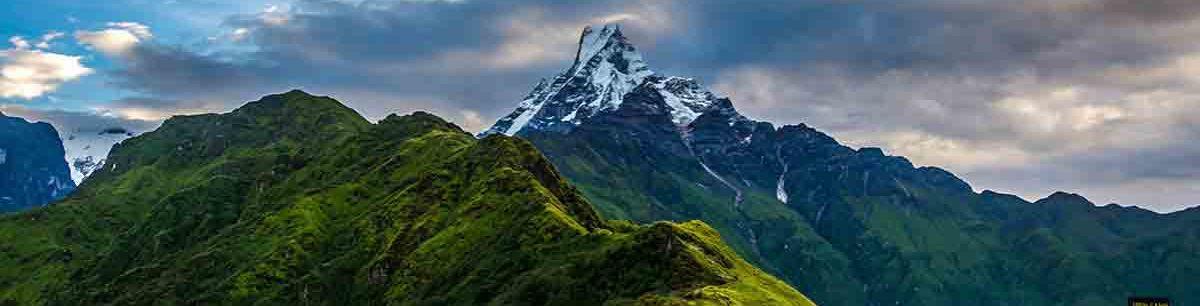

Nepal has a remarkable ability to turn a vacation into an experience that stays with you long after you return home. From the snow-covered peaks of the Himalayas and ancient temples of Kathmandu to peaceful lakes, jungle wildlife, traditional villages, and vibrant local communities, Nepal offers an extraordinary combination of adventure, culture, spirituality, and natural beauty. If you are planning to visit Nepal in 2027, this is an excellent time to begin preparing your Himalayan journey.
Whether your dream is to trek to Everest Base Camp, explore the Annapurna region, experience the peaceful landscapes of the Langtang Valley, discover the ancient streets of Kathmandu, enjoy sunrise over the Himalayas from Nagarkot or Sarangkot, or combine trekking with cultural and wildlife experiences, Nepal provides options for almost every type of traveler.
Nepal Tourism Board identifies Everest, Annapurna, and Langtang among the country’s traditional trekking destinations, while areas such as Kanchenjunga and Dolpo are increasingly attracting adventurous travelers.
This Nepal travel guide for 2027 explains why you should consider visiting, when to go, where to travel, what to do, how to prepare, and how to make your Himalayan adventure safer and more memorable.
Why Visit Nepal in 2027?
Planning ahead can make a significant difference when traveling to a destination as diverse as Nepal. A 2027 trip gives travelers an opportunity to create a carefully designed itinerary instead of trying to experience everything at the last minute.
Nepal is particularly attractive because several types of travel can be combined into one trip. You can spend a few days exploring historic cities, trek through mountain villages, relax beside a lake in Pokhara, visit Buddhist and Hindu pilgrimage sites, and finish your journey with a wildlife safari.
Experience the Himalayas
The Himalayas are undoubtedly Nepal’s greatest natural attraction. Nepal is home to Mount Everest and seven other peaks above 8,000 meters. The country’s mountain landscape provides opportunities not only for mountaineers but also for trekkers, photographers, nature lovers, and travelers who simply want to experience the world’s highest mountain environment.
You do not need to be an expert climber to enjoy the Himalayas. Popular trekking routes provide access to spectacular mountain scenery while allowing travelers to experience traditional villages and local cultures along the way.
Explore Nepal’s Cultural Heritage
Nepal’s appeal goes far beyond mountains. The Kathmandu Valley contains centuries-old temples, monasteries, courtyards, palaces, and traditional neighborhoods.
A visit to Kathmandu can include major cultural landmarks such as Pashupatinath, Boudhanath, Swayambhunath, Kathmandu Durbar Square, and nearby heritage cities including Patan and Bhaktapur.
These destinations offer insight into Nepal’s religious traditions, architecture, art, festivals, and everyday life.
Enjoy Adventure Beyond Trekking
A Nepal vacation does not have to revolve around trekking.
Depending on your interests, you can enjoy:
- White-water rafting
- Paragliding
- Mountain flights
- Bungee jumping
- Ziplining
- Mountain biking
- Jungle safaris
- Wildlife watching
- Rock climbing
- Cultural tours
- Village homestays
- Scenic helicopter tours
This diversity makes Nepal suitable for both active travelers and visitors looking for a slower cultural experience.
Best Time to Visit Nepal in 2027
Choosing the right season is one of the most important decisions when planning your Nepal trip in 2027.
Nepal has five broadly recognized seasons: spring, summer, monsoon, autumn, and winter. The country’s geography creates substantial differences between the Terai plains, middle hills, and high mountains.
Spring: March to May
Spring is one of the best seasons for trekking and mountain travel.
The weather is generally favorable, temperatures become warmer, and rhododendrons begin blooming across many Himalayan landscapes. Nepal Tourism Board specifically notes spring as one of the best periods for trekking.
Spring is ideal for:
- Everest Base Camp Trek
- Annapurna Base Camp Trek
- Annapurna Circuit
- Langtang Valley Trek
- Manaslu Circuit Trek
- Mountain photography
- Wildlife tours
- Cultural sightseeing
April and May can become busy on major trekking routes, so travelers should consider booking accommodation, guides, and transportation in advance.
Summer and Monsoon: June to September
The monsoon season brings significant rainfall to much of Nepal. Roads and trekking trails can become muddy, while clouds may obscure mountain views.
However, summer does not mean Nepal is completely off-limits.
Rain-shadow areas such as Mustang and parts of Manang can offer very different conditions from wetter parts of the country. Nepal Tourism Board notes that areas including Manang and Mustang lie in rain-shadow regions and are comparatively dry.
Summer can therefore be a good opportunity for travelers interested in:
- Upper Mustang
- Rain-shadow trekking
- Cultural tours
- Kathmandu sightseeing
- Spiritual travel
- Shorter low-altitude trips
Autumn: September to November
Autumn is widely regarded as one of the best times to visit Nepal.
After the monsoon, the skies often become clearer, mountain visibility improves, and trekking conditions are generally excellent. October and November are especially popular for Himalayan trekking.
If you are planning a major trek in 2027, autumn should be one of your first options.
Winter: December to February
Winter brings cold temperatures at higher elevations, but lower-altitude destinations remain attractive.
Kathmandu, Pokhara, Chitwan, Lumbini, and lower Himalayan areas can still be excellent destinations during winter. High-altitude trekking is possible on selected routes, but travelers need appropriate clothing, preparation, and itinerary planning.
Best Places to Visit in Nepal in 2027
Nepal may look small on a map, but its geographical and cultural diversity is enormous.
Kathmandu
Kathmandu is the natural starting point for many international visitors.
Spend at least two or three days exploring the Kathmandu Valley. Visit ancient temples, Buddhist stupas, historic squares, local markets, restaurants, and traditional neighborhoods.
Important attractions include:
- Pashupatinath Temple
- Boudhanath Stupa
- Swayambhunath
- Kathmandu Durbar Square
- Patan Durbar Square
- Bhaktapur Durbar Square
- Garden of Dreams
- Kopan Monastery
Kathmandu is also an important preparation center for trekkers heading into the mountains.
Pokhara
Pokhara offers a completely different atmosphere.
Located beside Phewa Lake and surrounded by spectacular mountain scenery, Pokhara is one of Nepal’s most popular leisure and adventure destinations.
Travelers can enjoy:
- Phewa Lake boating
- Tal Barahi Temple
- Sarangkot sunrise
- World Peace Pagoda
- Davis Falls
- Gupteshwor Cave
- Paragliding
- Mountain views
- Cafés and lakeside restaurants
Pokhara is also a major gateway for Annapurna-region trekking.
Everest Region
For many travelers, visiting Nepal means seeing Mount Everest.
The Everest region offers more than the mountain itself. Trekkers encounter Sherpa villages, Buddhist monasteries, suspension bridges, dramatic valleys, and spectacular peaks.
The Everest Base Camp Trek remains one of the world’s iconic trekking experiences.
Annapurna Region
The Annapurna region is known for exceptional scenery and route diversity.
Popular options include:
- Annapurna Circuit
- Annapurna Base Camp
- Mardi Himal
- Ghorepani-Poon Hill
- Khopra Ridge
The region works particularly well for travelers who want Himalayan scenery but have different amounts of available time and trekking experience.
Langtang Region
Langtang is relatively close to Kathmandu and offers an excellent combination of mountain scenery and cultural experiences.
The Langtang Valley Trek is a strong option for travelers who want a Himalayan adventure without committing to the longer Everest journey.
Chitwan
For a completely different experience, travel south to Chitwan.
Chitwan is known for its wildlife and national park environment. Visitors can combine jungle activities with cultural experiences and relaxation.
Possible activities include:
- Wildlife safaris
- Birdwatching
- Canoe rides
- Nature walks
- Village visits
- Cultural performances
Lumbini
Lumbini is one of Nepal’s most important pilgrimage destinations and is traditionally recognized as the birthplace of Gautama Buddha.
It can be included in a broader cultural itinerary, particularly for travelers interested in Buddhist heritage and spirituality.
Best Treks to Consider for Your 2027 Nepal Journey
Choosing a trek depends on your fitness, available time, altitude experience, and interests.
Everest Base Camp Trek
Best for travelers who want an iconic Himalayan experience.
Highlights include Namche Bazaar, Tengboche Monastery, Khumbu villages, and spectacular views of Everest and surrounding peaks.
Annapurna Circuit Trek
The Annapurna Circuit is an excellent choice for travelers seeking changing landscapes and cultural diversity.
The route passes through lower valleys, mountain settlements, forests, and high-altitude environments.
Annapurna Base Camp Trek
This is a shorter alternative for travelers who want to reach a dramatic Himalayan amphitheater without undertaking a very long expedition.
Manaslu Circuit Trek
For travelers looking for a more remote Himalayan experience, the Manaslu region offers dramatic landscapes and culturally rich mountain communities.
Because some areas are restricted and trekking regulations apply, travelers should arrange appropriate permits and professional support before departure.
Langtang Valley Trek
Langtang is a strong choice for travelers with limited time who still want a genuine Himalayan trekking experience.
Upper Mustang
Upper Mustang is particularly interesting for travelers seeking distinctive landscapes, Tibetan-influenced culture, ancient settlements, and a relatively dry Himalayan environment.
Permits and Trekking Requirements
One of the most important aspects of preparing for your 2027 Nepal trekking adventure is understanding permits and registration requirements.
Nepal Tourism Board states that trekkers need a TIMS card and that protected areas may require entry permits. Restricted areas can also require specific trekking permits.
Current Nepal Tourism Board information states that TIMS cards are issued online, with the current listed charge being NPR 1,000 for SAARC applicants and NPR 2,000 for other applicants.
Because regulations and fees can change before 2027, always verify the latest requirements with Nepal Tourism Board, the Department of Immigration, and your registered trekking agency before departure.
Nepal Tourist Visa for 2027
Most international travelers should check Nepal’s tourist visa requirements before booking their trip.
The Department of Immigration currently states that tourist visas are available through Nepalese diplomatic missions and that Tribhuvan International Airport facilitates visa on arrival for eligible travelers. Current tourist visa options include 15, 30, and 90 days.
Current listed fees are:
- 15 days: USD 30
- 30 days: USD 50
- 90 days: USD 125
Visa policies can change, so travelers planning for 2027 should confirm requirements close to their departure date through Nepal’s official immigration channels.
How to Prepare for a Nepal Trip in 2027
Good preparation can make your trip significantly easier.
Choose Your Travel Style
First decide what type of Nepal experience you want.
Do you want:
- A luxury Himalayan holiday?
- A trekking adventure?
- A cultural tour?
- A spiritual journey?
- A family vacation?
- A wildlife adventure?
- A combination of several experiences?
Your answer will determine the ideal itinerary.
Build in Acclimatization Days
If you are trekking at high altitude, do not rush your itinerary.
Acclimatization days allow your body to adjust to increasing elevation. A well-designed trekking itinerary is generally safer and more enjoyable than attempting to complete the route as quickly as possible.
Pack for Changing Conditions
Nepal’s climate can change dramatically with elevation.
For trekking, consider packing:
- Layered clothing
- Warm fleece or insulated jacket
- Waterproof outer layer
- Trekking trousers
- Comfortable hiking boots
- Wool or technical socks
- Sun hat
- Gloves
- Sunglasses
- Sunscreen
- Water bottle
- Headlamp
- Personal first-aid supplies
- Power bank
- Universal adapter
- Basic toiletries
Your packing list should be adjusted according to the season and trek.
Prepare Physically
You do not necessarily need to be an elite athlete to trek in Nepal, but preparation helps.
Several weeks before departure, build endurance through:
- Walking
- Hiking
- Stair climbing
- Cardiovascular exercise
- Strength training
For longer or higher-altitude treks, consult a qualified medical professional regarding your fitness and altitude-travel plans.
How Long Should You Spend in Nepal?
The ideal duration depends on what you want to see.
7–10 Days
Suitable for:
- Kathmandu
- Pokhara
- Chitwan
- Short treks
12–16 Days
A good choice for:
- Kathmandu
- Pokhara
- A moderate trek
- Chitwan or another cultural destination
18–25 Days
Better for travelers planning:
- Everest Base Camp
- Annapurna Circuit
- Manaslu Circuit
- Longer cultural and adventure combinations
30 Days or More
A longer stay gives you the opportunity to combine trekking, cultural exploration, wildlife, pilgrimage, and relaxation.
Travel Responsibly in Nepal
Responsible tourism is especially important in fragile Himalayan environments.
Travelers can help by:
- Carrying reusable water bottles
- Reducing plastic waste
- Avoiding unnecessary single-use plastics
- Supporting locally owned businesses
- Respecting local customs
- Following trekking regulations
- Staying on designated trails
- Avoiding littering
- Using water responsibly
- Respecting monasteries and religious sites
- Asking permission before photographing people
Responsible travel helps ensure that Nepal’s mountain communities and natural environments remain attractive for future generations.
Why 2027 Could Be Your Year to Visit Nepal
A journey to Nepal in 2027 can be much more than a sightseeing vacation. It can be an opportunity to challenge yourself in the Himalayas, connect with local communities, discover ancient traditions, experience extraordinary landscapes, and return home with memories that last a lifetime.
The country’s combination of mountains, culture, spirituality, adventure, wildlife, and hospitality makes it unusually versatile. You can spend one day exploring historic temples in Kathmandu and another walking beneath towering Himalayan peaks. You can watch sunrise over Annapurna from Sarangkot, paddle across Phewa Lake, explore the jungles of Chitwan, or walk through centuries-old villages.
For trekkers, Nepal Tourism Board highlights Everest, Annapurna, and Langtang among the country’s major trekking destinations, while more remote areas such as Kanchenjunga and Dolpo offer alternatives for travelers seeking less traditional routes.
The key is planning your trip around the season, altitude, trekking difficulty, available time, and personal interests.
Final Thoughts: Start Planning Your Nepal Adventure for 2027
Visit Nepal in 2027 and give yourself the opportunity to experience one of the world’s most extraordinary mountain destinations at your own pace.
Whether you dream of standing at Everest Base Camp, walking the Annapurna trails, discovering Buddhist monasteries, exploring Kathmandu’s historic architecture, enjoying Pokhara’s peaceful lakeside atmosphere, encountering wildlife in Chitwan, or simply experiencing everyday Nepali hospitality, there is a journey waiting for you.
Start planning early. Choose the right season, select an itinerary that matches your abilities, arrange necessary permits and documentation, prepare appropriately for altitude and weather, and work with reliable local professionals when necessary.
Most importantly, do not think of Nepal as simply a place to check off a travel bucket list. Take time to experience its people, landscapes, traditions, food, villages, temples, mountains, and stories.
Make 2027 the year you discover Nepal—and let your Himalayan journey become one of the defining travel experiences of your life.


