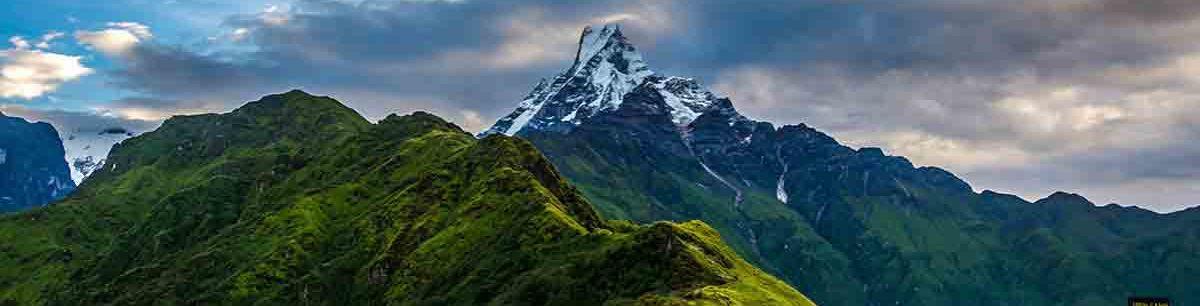
Visit Nepal in 2027: Your Guide to an Unforgettable Himalayan Journey

Nepal has a remarkable ability to turn a vacation into an experience that stays with you long after you return home. From the snow-covered peaks of the Himalayas and ancient temples of Kathmandu to peaceful lakes, jungle wildlife, traditional villages, and vibrant local communities, Nepal offers an extraordinary combination of adventure, culture, spirituality, and natural beauty. If you are planning to visit Nepal in 2027, this is an excellent time to begin preparing your Himalayan journey.

Whether your dream is to trek to Everest Base Camp, explore the Annapurna region, experience the peaceful landscapes of the Langtang Valley, discover the ancient streets of Kathmandu, enjoy sunrise over the Himalayas from Nagarkot or Sarangkot, or combine trekking with cultural and wildlife experiences, Nepal provides options for almost every type of traveler.

Nepal Tourism Board identifies Everest, Annapurna, and Langtang among the country’s traditional trekking destinations, while areas such as Kanchenjunga and Dolpo are increasingly attracting adventurous travelers.

This Nepal travel guide for 2027 explains why you should consider visiting, when to go, where to travel, what to do, how to prepare, and how to make your Himalayan adventure safer and more memorable.

Why Visit Nepal in 2027?

Planning ahead can make a significant difference when traveling to a destination as diverse as Nepal. A 2027 trip gives travelers an opportunity to create a carefully designed itinerary instead of trying to experience everything at the last minute.

Nepal is particularly attractive because several types of travel can be combined into one trip. You can spend a few days exploring historic cities, trek through mountain villages, relax beside a lake in Pokhara, visit Buddhist and Hindu pilgrimage sites, and finish your journey with a wildlife safari.

Experience the Himalayas

The Himalayas are undoubtedly Nepal’s greatest natural attraction. Nepal is home to Mount Everest and seven other peaks above 8,000 meters. The country’s mountain landscape provides opportunities not only for mountaineers but also for trekkers, photographers, nature lovers, and travelers who simply want to experience the world’s highest mountain environment.

You do not need to be an expert climber to enjoy the Himalayas. Popular trekking routes provide access to spectacular mountain scenery while allowing travelers to experience traditional villages and local cultures along the way.

Explore Nepal’s Cultural Heritage

Nepal’s appeal goes far beyond mountains. The Kathmandu Valley contains centuries-old temples, monasteries, courtyards, palaces, and traditional neighborhoods.

A visit to Kathmandu can include major cultural landmarks such as Pashupatinath, Boudhanath, Swayambhunath, Kathmandu Durbar Square, and nearby heritage cities including Patan and Bhaktapur.

These destinations offer insight into Nepal’s religious traditions, architecture, art, festivals, and everyday life.

Enjoy Adventure Beyond Trekking

A Nepal vacation does not have to revolve around trekking.

Depending on your interests, you can enjoy:

  • White-water rafting
  • Paragliding
  • Mountain flights
  • Bungee jumping
  • Ziplining
  • Mountain biking
  • Jungle safaris
  • Wildlife watching
  • Rock climbing
  • Cultural tours
  • Village homestays
  • Scenic helicopter tours

This diversity makes Nepal suitable for both active travelers and visitors looking for a slower cultural experience.


Best Time to Visit Nepal in 2027

Choosing the right season is one of the most important decisions when planning your Nepal trip in 2027.

Nepal has five broadly recognized seasons: spring, summer, monsoon, autumn, and winter. The country’s geography creates substantial differences between the Terai plains, middle hills, and high mountains.

Spring: March to May

Spring is one of the best seasons for trekking and mountain travel.

The weather is generally favorable, temperatures become warmer, and rhododendrons begin blooming across many Himalayan landscapes. Nepal Tourism Board specifically notes spring as one of the best periods for trekking.

Spring is ideal for:

  • Everest Base Camp Trek
  • Annapurna Base Camp Trek
  • Annapurna Circuit
  • Langtang Valley Trek
  • Manaslu Circuit Trek
  • Mountain photography
  • Wildlife tours
  • Cultural sightseeing

April and May can become busy on major trekking routes, so travelers should consider booking accommodation, guides, and transportation in advance.

Summer and Monsoon: June to September

The monsoon season brings significant rainfall to much of Nepal. Roads and trekking trails can become muddy, while clouds may obscure mountain views.

However, summer does not mean Nepal is completely off-limits.

Rain-shadow areas such as Mustang and parts of Manang can offer very different conditions from wetter parts of the country. Nepal Tourism Board notes that areas including Manang and Mustang lie in rain-shadow regions and are comparatively dry.

Summer can therefore be a good opportunity for travelers interested in:

  • Upper Mustang
  • Rain-shadow trekking
  • Cultural tours
  • Kathmandu sightseeing
  • Spiritual travel
  • Shorter low-altitude trips

Autumn: September to November

Autumn is widely regarded as one of the best times to visit Nepal.

After the monsoon, the skies often become clearer, mountain visibility improves, and trekking conditions are generally excellent. October and November are especially popular for Himalayan trekking.

If you are planning a major trek in 2027, autumn should be one of your first options.

Winter: December to February

Winter brings cold temperatures at higher elevations, but lower-altitude destinations remain attractive.

Kathmandu, Pokhara, Chitwan, Lumbini, and lower Himalayan areas can still be excellent destinations during winter. High-altitude trekking is possible on selected routes, but travelers need appropriate clothing, preparation, and itinerary planning.


Best Places to Visit in Nepal in 2027

Nepal may look small on a map, but its geographical and cultural diversity is enormous.

Kathmandu

Kathmandu is the natural starting point for many international visitors.

Spend at least two or three days exploring the Kathmandu Valley. Visit ancient temples, Buddhist stupas, historic squares, local markets, restaurants, and traditional neighborhoods.

Important attractions include:

  • Pashupatinath Temple
  • Boudhanath Stupa
  • Swayambhunath
  • Kathmandu Durbar Square
  • Patan Durbar Square
  • Bhaktapur Durbar Square
  • Garden of Dreams
  • Kopan Monastery

Kathmandu is also an important preparation center for trekkers heading into the mountains.

Pokhara

Pokhara offers a completely different atmosphere.

Located beside Phewa Lake and surrounded by spectacular mountain scenery, Pokhara is one of Nepal’s most popular leisure and adventure destinations.

Travelers can enjoy:

  • Phewa Lake boating
  • Tal Barahi Temple
  • Sarangkot sunrise
  • World Peace Pagoda
  • Davis Falls
  • Gupteshwor Cave
  • Paragliding
  • Mountain views
  • Cafés and lakeside restaurants

Pokhara is also a major gateway for Annapurna-region trekking.

Everest Region

For many travelers, visiting Nepal means seeing Mount Everest.

The Everest region offers more than the mountain itself. Trekkers encounter Sherpa villages, Buddhist monasteries, suspension bridges, dramatic valleys, and spectacular peaks.

The Everest Base Camp Trek remains one of the world’s iconic trekking experiences.

Annapurna Region

The Annapurna region is known for exceptional scenery and route diversity.

Popular options include:

  • Annapurna Circuit
  • Annapurna Base Camp
  • Mardi Himal
  • Ghorepani-Poon Hill
  • Khopra Ridge

The region works particularly well for travelers who want Himalayan scenery but have different amounts of available time and trekking experience.

Langtang Region

Langtang is relatively close to Kathmandu and offers an excellent combination of mountain scenery and cultural experiences.

The Langtang Valley Trek is a strong option for travelers who want a Himalayan adventure without committing to the longer Everest journey.

Chitwan

For a completely different experience, travel south to Chitwan.

Chitwan is known for its wildlife and national park environment. Visitors can combine jungle activities with cultural experiences and relaxation.

Possible activities include:

  • Wildlife safaris
  • Birdwatching
  • Canoe rides
  • Nature walks
  • Village visits
  • Cultural performances

Lumbini

Lumbini is one of Nepal’s most important pilgrimage destinations and is traditionally recognized as the birthplace of Gautama Buddha.

It can be included in a broader cultural itinerary, particularly for travelers interested in Buddhist heritage and spirituality.


Best Treks to Consider for Your 2027 Nepal Journey

Choosing a trek depends on your fitness, available time, altitude experience, and interests.

Everest Base Camp Trek

Best for travelers who want an iconic Himalayan experience.

Highlights include Namche Bazaar, Tengboche Monastery, Khumbu villages, and spectacular views of Everest and surrounding peaks.

Annapurna Circuit Trek

The Annapurna Circuit is an excellent choice for travelers seeking changing landscapes and cultural diversity.

The route passes through lower valleys, mountain settlements, forests, and high-altitude environments.

Annapurna Base Camp Trek

This is a shorter alternative for travelers who want to reach a dramatic Himalayan amphitheater without undertaking a very long expedition.

Manaslu Circuit Trek

For travelers looking for a more remote Himalayan experience, the Manaslu region offers dramatic landscapes and culturally rich mountain communities.

Because some areas are restricted and trekking regulations apply, travelers should arrange appropriate permits and professional support before departure.

Langtang Valley Trek

Langtang is a strong choice for travelers with limited time who still want a genuine Himalayan trekking experience.

Upper Mustang

Upper Mustang is particularly interesting for travelers seeking distinctive landscapes, Tibetan-influenced culture, ancient settlements, and a relatively dry Himalayan environment.


Permits and Trekking Requirements

One of the most important aspects of preparing for your 2027 Nepal trekking adventure is understanding permits and registration requirements.

Nepal Tourism Board states that trekkers need a TIMS card and that protected areas may require entry permits. Restricted areas can also require specific trekking permits.

Current Nepal Tourism Board information states that TIMS cards are issued online, with the current listed charge being NPR 1,000 for SAARC applicants and NPR 2,000 for other applicants.

Because regulations and fees can change before 2027, always verify the latest requirements with Nepal Tourism Board, the Department of Immigration, and your registered trekking agency before departure.


Nepal Tourist Visa for 2027

Most international travelers should check Nepal’s tourist visa requirements before booking their trip.

The Department of Immigration currently states that tourist visas are available through Nepalese diplomatic missions and that Tribhuvan International Airport facilitates visa on arrival for eligible travelers. Current tourist visa options include 15, 30, and 90 days.

Current listed fees are:

  • 15 days: USD 30
  • 30 days: USD 50
  • 90 days: USD 125

Visa policies can change, so travelers planning for 2027 should confirm requirements close to their departure date through Nepal’s official immigration channels.


How to Prepare for a Nepal Trip in 2027

Good preparation can make your trip significantly easier.

Choose Your Travel Style

First decide what type of Nepal experience you want.

Do you want:

  • A luxury Himalayan holiday?
  • A trekking adventure?
  • A cultural tour?
  • A spiritual journey?
  • A family vacation?
  • A wildlife adventure?
  • A combination of several experiences?

Your answer will determine the ideal itinerary.

Build in Acclimatization Days

If you are trekking at high altitude, do not rush your itinerary.

Acclimatization days allow your body to adjust to increasing elevation. A well-designed trekking itinerary is generally safer and more enjoyable than attempting to complete the route as quickly as possible.

Pack for Changing Conditions

Nepal’s climate can change dramatically with elevation.

For trekking, consider packing:

  • Layered clothing
  • Warm fleece or insulated jacket
  • Waterproof outer layer
  • Trekking trousers
  • Comfortable hiking boots
  • Wool or technical socks
  • Sun hat
  • Gloves
  • Sunglasses
  • Sunscreen
  • Water bottle
  • Headlamp
  • Personal first-aid supplies
  • Power bank
  • Universal adapter
  • Basic toiletries

Your packing list should be adjusted according to the season and trek.

Prepare Physically

You do not necessarily need to be an elite athlete to trek in Nepal, but preparation helps.

Several weeks before departure, build endurance through:

  • Walking
  • Hiking
  • Stair climbing
  • Cardiovascular exercise
  • Strength training

For longer or higher-altitude treks, consult a qualified medical professional regarding your fitness and altitude-travel plans.


How Long Should You Spend in Nepal?

The ideal duration depends on what you want to see.

7–10 Days

Suitable for:

  • Kathmandu
  • Pokhara
  • Chitwan
  • Short treks

12–16 Days

A good choice for:

  • Kathmandu
  • Pokhara
  • A moderate trek
  • Chitwan or another cultural destination

18–25 Days

Better for travelers planning:

  • Everest Base Camp
  • Annapurna Circuit
  • Manaslu Circuit
  • Longer cultural and adventure combinations

30 Days or More

A longer stay gives you the opportunity to combine trekking, cultural exploration, wildlife, pilgrimage, and relaxation.


Travel Responsibly in Nepal

Responsible tourism is especially important in fragile Himalayan environments.

Travelers can help by:

  • Carrying reusable water bottles
  • Reducing plastic waste
  • Avoiding unnecessary single-use plastics
  • Supporting locally owned businesses
  • Respecting local customs
  • Following trekking regulations
  • Staying on designated trails
  • Avoiding littering
  • Using water responsibly
  • Respecting monasteries and religious sites
  • Asking permission before photographing people

Responsible travel helps ensure that Nepal’s mountain communities and natural environments remain attractive for future generations.


Why 2027 Could Be Your Year to Visit Nepal

A journey to Nepal in 2027 can be much more than a sightseeing vacation. It can be an opportunity to challenge yourself in the Himalayas, connect with local communities, discover ancient traditions, experience extraordinary landscapes, and return home with memories that last a lifetime.

The country’s combination of mountains, culture, spirituality, adventure, wildlife, and hospitality makes it unusually versatile. You can spend one day exploring historic temples in Kathmandu and another walking beneath towering Himalayan peaks. You can watch sunrise over Annapurna from Sarangkot, paddle across Phewa Lake, explore the jungles of Chitwan, or walk through centuries-old villages.

For trekkers, Nepal Tourism Board highlights Everest, Annapurna, and Langtang among the country’s major trekking destinations, while more remote areas such as Kanchenjunga and Dolpo offer alternatives for travelers seeking less traditional routes.

The key is planning your trip around the season, altitude, trekking difficulty, available time, and personal interests.

Final Thoughts: Start Planning Your Nepal Adventure for 2027

Visit Nepal in 2027 and give yourself the opportunity to experience one of the world’s most extraordinary mountain destinations at your own pace.

Whether you dream of standing at Everest Base Camp, walking the Annapurna trails, discovering Buddhist monasteries, exploring Kathmandu’s historic architecture, enjoying Pokhara’s peaceful lakeside atmosphere, encountering wildlife in Chitwan, or simply experiencing everyday Nepali hospitality, there is a journey waiting for you.

Start planning early. Choose the right season, select an itinerary that matches your abilities, arrange necessary permits and documentation, prepare appropriately for altitude and weather, and work with reliable local professionals when necessary.

Most importantly, do not think of Nepal as simply a place to check off a travel bucket list. Take time to experience its people, landscapes, traditions, food, villages, temples, mountains, and stories.

Make 2027 the year you discover Nepal—and let your Himalayan journey become one of the defining travel experiences of your life.

Quick Inquiry Form

7 Ways a Journey to Nepal Can Help You Escape Stress, Heal Emotionally, and Find Inner Peace

In today’s fast-paced world, stress, anxiety, emotional exhaustion, and burnout have become part of everyday life. Constant work pressure, endless notifications, financial concerns, and personal challenges often leave us feeling disconnected from ourselves. Sometimes, what we truly need isn’t another weekend at home—it is a complete change of environment that allows our mind and body to heal.

Nepal travel offers exactly that opportunity. Nestled between India and China, Nepal is more than a destination filled with breathtaking Himalayan landscapes. It is a country where spirituality, adventure, culture, and nature come together to create life-changing experiences. Whether you’re seeking quiet moments in ancient monasteries, peaceful hikes through mountain villages, yoga retreats, or thrilling trekking adventures, Nepal has something that can restore your emotional well-being.

Thousands of visitors arrive in Nepal every year not only to admire Mount Everest or explore Kathmandu but also to reconnect with themselves. The country’s peaceful atmosphere, welcoming people, and slower pace of life make it one of the world’s most therapeutic travel destinations.

In this article, we’ll explore 7 powerful ways a journey to Nepal can help you escape stress, heal emotionally, and discover lasting inner peace.


Disconnect from Daily Stress and Reconnect with Yourself

Modern life rarely gives us time to pause.

Many people wake up checking emails, spend hours staring at screens, battle traffic, and go to sleep thinking about tomorrow’s responsibilities. This constant stimulation keeps the brain in a state of alertness, making relaxation increasingly difficult.

Nepal offers something many destinations cannot—a genuine opportunity to disconnect.

Imagine waking up to:

  • Snow-capped Himalayan peaks
  • Fresh mountain air
  • Birds singing instead of traffic noise
  • Prayer flags fluttering in the breeze
  • Peaceful villages untouched by city life

Away from the pressures of everyday routines, your nervous system naturally begins to slow down.

Whether you’re trekking through the Annapurna region, staying in a mountain lodge, or enjoying a peaceful morning overlooking Phewa Lake in Pokhara, Nepal creates space for self-reflection and emotional recovery.

Without constant digital distractions, you become more present, more mindful, and more aware of what truly matters.


Experience the Healing Power of Nature

Nature has long been associated with reduced stress levels and improved mental health. Nepal provides some of the most spectacular natural environments on Earth.

From lush forests to towering Himalayan peaks, every landscape invites you to slow down and breathe deeply.

Popular natural escapes include:

  • Everest Base Camp Trek
  • Annapurna Base Camp Trek
  • Langtang Valley
  • Rara Lake
  • Upper Mustang
  • Chitwan National Park
  • Bardia National Park

Walking through forests filled with rhododendron trees, listening to mountain rivers, and watching breathtaking sunrises naturally reduces stress hormones.

Scientific research has shown that spending time in nature can:

  • Lower cortisol levels
  • Improve mood
  • Reduce anxiety
  • Enhance creativity
  • Improve sleep quality
  • Increase mindfulness

Nepal’s landscapes make these benefits even more profound because of their scale, beauty, and tranquility.


Discover Inner Peace Through Nepal’s Spiritual Heritage

Nepal is one of the world’s oldest spiritual destinations.

It is the birthplace of Lord Buddha and home to countless temples, monasteries, stupas, and sacred pilgrimage sites.

Visitors often report feeling an overwhelming sense of calm while exploring places such as:

  • Lumbini
  • Boudhanath Stupa
  • Swayambhunath (Monkey Temple)
  • Pashupatinath Temple
  • Kopan Monastery
  • Namo Buddha

Whether you practice meditation or simply enjoy peaceful surroundings, these sacred places encourage introspection.

Many monasteries also offer:

  • Meditation retreats
  • Mindfulness sessions
  • Buddhist teachings
  • Silent retreats
  • Spiritual counseling

Even travelers with no religious background often leave feeling emotionally lighter after spending time in Nepal’s spiritual communities.

The peaceful chants, spinning prayer wheels, burning incense, and centuries-old traditions create an atmosphere unlike anywhere else.


Trekking Builds Emotional Strength and Self-Confidence

One of the most transformative aspects of Nepal travel is trekking.

Walking through the Himalayas is not just a physical journey—it is an emotional one.

Each step teaches:

  • Patience
  • Determination
  • Resilience
  • Gratitude
  • Confidence

Climbing mountain trails requires persistence.

There will be difficult moments, tired legs, and steep climbs, but every challenge you overcome makes the journey even more rewarding.

But each challenge overcome becomes a reminder that you are stronger than you imagined.

Many trekkers describe finishing their trek as a turning point in their lives.

The experience often helps people:

  • Recover from burnout
  • Process grief
  • Overcome personal setbacks
  • Build self-esteem
  • Gain mental clarity

Reaching a mountain viewpoint after days of trekking creates a powerful sense of accomplishment that stays with you long after returning home.


Connect with Warm, Genuine Local Communities

One of Nepal’s greatest treasures is its people.

Nepalis are known worldwide for their hospitality, kindness, and genuine warmth.

Traveling through villages allows visitors to experience authentic cultural exchanges rather than commercial tourism.

Simple interactions can become deeply meaningful:

  • Sharing tea with local families
  • Learning traditional customs
  • Watching village festivals
  • Visiting local schools
  • Listening to mountain stories
  • Enjoying homemade meals

These moments remind travelers of the importance of human connection.

Many visitors arrive feeling emotionally exhausted but leave inspired by the resilience, generosity, and happiness of people living simple lives.

This change in perspective often helps reduce unnecessary worries and encourages gratitude.

Practice Yoga, Meditation, and Mindfulness in Peaceful Surroundings

One of the greatest benefits of Nepal travel is the opportunity to slow down and focus on your mental and emotional well-being. Nepal has become a popular destination for yoga enthusiasts, meditation practitioners, and wellness travelers from around the world. The country’s peaceful atmosphere provides the ideal environment for self-reflection and personal growth.

Many retreats are located in tranquil settings such as the Kathmandu Valley, Pokhara, Nagarkot, Dhulikhel, and the Himalayan foothills. Imagine beginning your day with gentle yoga while overlooking snow-capped mountains or practicing meditation as the sun rises over quiet valleys. These experiences encourage mindfulness and help calm an overactive mind.

Yoga and meditation can offer several benefits, including:

  • Reducing stress and anxiety
  • Improving emotional resilience
  • Enhancing concentration and mental clarity
  • Promoting better sleep
  • Increasing self-awareness
  • Supporting overall physical well-being

Several wellness centers also combine yoga with sound healing, Ayurvedic treatments, breathing exercises, and nature walks, creating a holistic approach to relaxation. Whether you are a beginner or an experienced practitioner, Nepal offers welcoming spaces where you can focus on healing without distractions.


Gain a Fresh Perspective and Return Home Renewed

Travel has a remarkable ability to change the way we see the world—and ourselves. A journey through Nepal often becomes more than just a vacation; it becomes a personal transformation.

Standing beneath the world’s highest mountains, walking through centuries-old villages, or watching monks in quiet prayer can remind us how vast the world is and how many possibilities still exist. Problems that once seemed overwhelming may feel more manageable after experiencing a different way of life.

Many travelers return home with:

  • Greater confidence
  • Renewed motivation
  • A more positive outlook
  • Stronger appreciation for simple living
  • Improved emotional balance
  • Lasting memories that inspire future growth

Rather than escaping reality, Nepal helps many visitors return to everyday life with renewed purpose and a healthier mindset.


Best Destinations in Nepal for Relaxation and Emotional Healing

If your goal is to reduce stress and reconnect with yourself, consider including these destinations in your itinerary:

Pokhara

Known for its peaceful lakes, mountain views, and relaxed atmosphere, Pokhara is one of Nepal’s top wellness destinations. Enjoy boating on Phewa Lake, visit the World Peace Pagoda, or simply unwind at a lakeside café.

Lumbini

As the birthplace of Lord Buddha, Lumbini offers a calm environment ideal for meditation, spiritual exploration, and quiet reflection.

Annapurna Region

Whether you choose a short trek or a multi-day adventure, the Annapurna region combines breathtaking scenery with welcoming mountain communities.

Langtang Valley

Less crowded than some of Nepal’s famous trekking routes, Langtang provides peaceful trails through forests, rivers, and traditional villages.

Nagarkot

Located just outside Kathmandu, Nagarkot is famous for panoramic Himalayan sunrises and serene resorts, making it perfect for a short wellness getaway.

Dhulikhel

Dhulikhel offers a blend of mountain views, cultural heritage, and wellness retreats, making it an excellent choice for travelers seeking relaxation.

Chitwan National Park

If wildlife and nature bring you peace, Chitwan offers jungle safaris, canoe rides, birdwatching, and opportunities to reconnect with the natural world.


How to Plan a Stress-Free Nepal Travel Experience

A little planning can make your trip even more enjoyable and restorative. Consider these practical tips:

  • Travel during the best seasons, typically spring (March–May) and autumn (September–November), for pleasant weather and clear mountain views.
  • Choose an itinerary that matches your fitness level and travel goals.
  • Include rest days instead of trying to visit too many places.
  • Pack comfortable clothing, walking shoes, and essential medications.
  • Stay hydrated, particularly at higher elevations.
  • Limit screen time to fully immerse yourself in the experience.
  • Keep a travel journal to reflect on your experiences and emotions.
  • Consider traveling with a reputable local company for logistics, safety, and cultural insights.

Why Choose a Local Nepal Travel Company?

Partnering with an experienced local travel operator can greatly enhance your experience. A trusted Nepal-based company understands the country’s geography, culture, weather, and trekking regulations, allowing you to focus on enjoying your journey.

Benefits include:

  • Personalized itineraries tailored to your interests
  • Experienced guides with local knowledge
  • Reliable transportation and accommodations
  • Assistance with permits and logistics
  • Cultural insights and authentic experiences
  • Enhanced safety during trekking and sightseeing
  • Support for local communities and sustainable tourism

Whether you’re interested in cultural tours, trekking, wildlife adventures, spiritual retreats, or luxury holidays, a local travel company can help create a seamless and memorable experience.


Sustainable Travel: Healing Yourself While Respecting Nepal

As you explore Nepal, remember that responsible tourism benefits both travelers and local communities. Sustainable travel practices include:

  • Respecting local customs and traditions
  • Supporting locally owned businesses
  • Reducing plastic waste by carrying reusable bottles
  • Staying on designated trekking trails
  • Conserving water and energy
  • Hiring licensed local guides and porters
  • Leaving natural and cultural sites as you found them

Traveling responsibly helps preserve Nepal’s unique landscapes and cultural heritage for future generations while contributing positively to local livelihoods.


Conclusion

Modern life often leaves little room for rest, reflection, and emotional healing. A journey to Nepal offers far more than breathtaking landscapes—it provides opportunities to reconnect with nature, embrace mindfulness, experience genuine hospitality, and discover renewed purpose.

Whether you’re trekking through the Himalayas, meditating in a peaceful monastery, exploring ancient temples, or simply watching the sunrise over snow-covered peaks, Nepal travel has the power to transform both your outlook and your well-being.

Every traveler’s journey is unique, but many leave Nepal with something that cannot be packed in a suitcase: inner peace, emotional resilience, and unforgettable memories. If you’re searching for a destination that nourishes both the body and the mind, Nepal may be exactly the fresh start you’ve been looking for.


Frequently Asked Questions (FAQs)

1. Is Nepal a good destination for stress relief?

Yes. Nepal’s combination of peaceful mountain landscapes, spiritual heritage, wellness retreats, and welcoming communities makes it an excellent destination for reducing stress and improving emotional well-being.

2. Do I need trekking experience to enjoy Nepal?

No. Nepal offers experiences for all fitness levels, including cultural tours, short hikes, wildlife safaris, yoga retreats, and scenic sightseeing.

3. What is the best time to visit Nepal?

Spring (March to May) and autumn (September to November) are generally considered the best times due to comfortable weather and excellent mountain visibility.

4. Can solo travelers safely visit Nepal?

Many solo travelers enjoy Nepal each year. Booking with a reputable local travel company and following standard travel precautions can make the experience safer and more enjoyable.

5. Are there wellness retreats in Nepal?

Yes. Nepal offers a variety of yoga, meditation, mindfulness, and holistic wellness retreats in destinations such as Pokhara, Kathmandu Valley, Nagarkot, and Lumbini.

Quick Inquiry Form

How to Spend Extra Days in Kathmandu: 12 Authentic Experiences Every Traveler Should Try

Many travelers treat Kathmandu simply as the gateway to the Himalayas. They arrive, spend one night before their trek or mountain expedition, and leave without realizing that Nepal’s vibrant capital is a destination worthy of exploration in its own right. If you find yourself with extra days in Kathmandu, consider it an opportunity rather than an inconvenience.

Kathmandu offers an extraordinary blend of ancient heritage, living traditions, colorful festivals, hidden courtyards, bustling markets, peaceful monasteries, and unforgettable culinary experiences. Whether your trek has been delayed, you’ve finished exploring the mountains, or you’ve intentionally planned additional time in Nepal, these extra days can become some of the most memorable moments of your journey.

This guide explores 12 authentic experiences that allow you to discover Kathmandu beyond the typical tourist attractions while immersing yourself in the city’s rich culture and warm hospitality.


Why Spend Extra Days in Kathmandu?

Many visitors underestimate Kathmandu because they focus primarily on Nepal’s trekking destinations. However, spending additional time in the valley allows you to:

  • Experience authentic Newari culture
  • Visit UNESCO World Heritage Sites at a relaxed pace
  • Discover hidden neighborhoods
  • Taste traditional Nepali cuisine
  • Participate in local festivals and rituals
  • Support local artisans and family businesses
  • Enjoy short day trips without long travel times

Instead of rushing through the city, slowing down gives you a deeper understanding of Nepal’s history, spirituality, and everyday life.


Explore Kathmandu Durbar Square Beyond the Main Attractions

Kathmandu Durbar Square is much more than a collection of historic temples.

Take time to wander through the narrow alleys surrounding the square, where local residents continue centuries-old traditions. You’ll discover hidden shrines, traditional courtyards (Bahals), artisan workshops, and family-owned tea houses.

Visit early in the morning when locals offer prayers, pigeons gather around temples, and the city slowly comes to life. The peaceful atmosphere provides a completely different experience compared to the busy afternoons.

Don’t rush from monument to monument. Instead, spend several hours appreciating the intricate wood carvings, pagoda architecture, and cultural significance of each structure.


Witness the Evening Aarati at Pashupatinath Temple

One of the most moving experiences in Kathmandu is attending the evening Aarati ceremony at Pashupatinath Temple.

Located on the banks of the sacred Bagmati River, the ceremony features devotional music, chanting, fire rituals, and hundreds of worshippers gathered together.

Even visitors who are not Hindu often describe the experience as deeply spiritual because of its atmosphere and cultural importance.

Plan to arrive before sunset to observe the temple surroundings and watch the evening ceremony unfold.


Discover the Peaceful Side of Boudhanath Stupa

Boudhanath is among the world’s largest Buddhist stupas and one of Nepal’s most iconic landmarks.

Instead of simply taking photographs, spend several hours here.

Walk clockwise around the stupa with pilgrims spinning prayer wheels. Visit nearby monasteries, enjoy rooftop cafés overlooking the monument, and observe monks performing daily rituals.

Morning and evening provide the most peaceful atmosphere while allowing you to experience authentic Buddhist traditions.


Wander Through Patan’s Timeless Streets

Located just across the Bagmati River, Patan feels like an open-air museum.

Although Patan Durbar Square attracts visitors, the real charm lies within its surrounding neighborhoods.

Explore:

  • Traditional brick houses
  • Hidden temples
  • Local metal workshops
  • Ancient courtyards
  • Quiet alleys filled with history

Many craftsmen continue creating bronze statues and religious artwork using techniques passed down for generations.

This makes Patan one of the best places to appreciate Nepal’s living heritage.


Enjoy Authentic Newari Cuisine

Food is one of the best ways to experience Kathmandu’s culture.

Rather than eating only international dishes, seek authentic Newari restaurants where you can sample:

  • Bara
  • Chatamari
  • Yomari
  • Choila
  • Samay Baji
  • Buff Sukuti

These traditional dishes reflect centuries of culinary heritage and offer flavors rarely found outside Nepal.

Consider joining a local food tour for a deeper understanding of Newari cooking traditions.


Visit Swayambhunath at Sunrise

Known as the Monkey Temple, Swayambhunath provides one of Kathmandu’s finest panoramic viewpoints.

Climb the historic stairway before sunrise to watch the city awaken beneath the Himalayan skyline.

Early morning visitors enjoy:

  • Peaceful surroundings
  • Prayer ceremonies
  • Monks chanting
  • Beautiful sunrise photography
  • Cooler temperatures

The combination of spiritual energy and breathtaking scenery makes this an unforgettable experience.


Shop Directly from Local Artisans

Kathmandu is filled with talented craftsmen producing handmade goods.

Instead of purchasing mass-produced souvenirs, visit artisan workshops where you can see products being created.

Popular handmade items include:

  • Singing bowls
  • Thangka paintings
  • Handmade paper
  • Wood carvings
  • Metal statues
  • Pashmina products
  • Traditional jewelry

Buying directly from artisans supports local communities while ensuring authentic craftsmanship.


Take a Scenic Day Trip to Bhaktapur

If you have an additional full day, Bhaktapur is an excellent destination.

This beautifully preserved medieval city showcases:

  • Ancient temples
  • Traditional pottery
  • Historic palaces
  • Brick-paved streets
  • Local festivals
  • Rich Newari culture

Unlike busier parts of Kathmandu, Bhaktapur offers a slower pace that allows visitors to fully appreciate Nepal’s architectural heritage.

Don’t forget to try the city’s famous Juju Dhau (King Curd).


Experience a Traditional Nepali Cooking Class

Learning to cook Nepali food creates memories that last long after your journey ends.

Many local families and cooking schools offer hands-on classes where participants prepare:

  • Dal Bhat
  • Momo
  • Sel Roti
  • Pickles
  • Traditional curries

You’ll also learn about local spices, cooking methods, and cultural traditions surrounding Nepali meals.


Escape to Shivapuri National Park

Nature lovers can spend a refreshing day exploring Shivapuri National Park.

Located just outside Kathmandu, the park offers:

  • Forest hiking trails
  • Bird watching
  • Mountain scenery
  • Peaceful monasteries
  • Fresh mountain air

Depending on weather conditions, visitors may enjoy spectacular views of the Himalayan range.

This excursion provides a welcome contrast to the busy city.


Visit Local Markets Instead of Tourist Shops

To truly understand Kathmandu, spend time in its local markets.

Explore areas such as:

  • Ason Bazaar
  • Indra Chowk
  • Kalimati Market

These lively markets showcase everyday Nepali life.

You’ll find:

  • Fresh spices
  • Seasonal fruits
  • Traditional clothing
  • Religious items
  • Handmade goods
  • Street food

Interacting respectfully with local vendors often leads to memorable cultural exchanges.


Relax in Garden of Dreams Before Your Departure

After days of sightseeing and adventure, the Garden of Dreams offers a peaceful retreat.

Located near the busy Thamel area, this beautifully restored neo-classical garden provides:

  • Quiet reading spaces
  • Beautiful landscaping
  • Historic architecture
  • Small cafés
  • Relaxing atmosphere

Many travelers spend their final afternoon here reflecting on their Nepal journey before heading to the airport.


Hidden Experiences Most Tourists Miss

If you have even more extra days in Kathmandu, consider these lesser-known activities:

  • Attend a local cultural performance
  • Join a meditation session at a monastery
  • Visit community art galleries
  • Explore traditional Newari neighborhoods
  • Participate in seasonal festivals
  • Volunteer for a local community initiative
  • Take a photography walk through historic alleys
  • Enjoy a traditional Nepali music performance

These experiences offer meaningful connections beyond standard sightseeing.


Practical Tips for Spending Extra Days in Kathmandu

To make the most of your stay:

  • Visit major attractions early in the morning to avoid crowds.
  • Dress modestly when entering religious sites.
  • Carry cash for small purchases in local markets.
  • Stay hydrated, especially during warmer months.
  • Respect local customs and ask permission before photographing people.
  • Use comfortable walking shoes, as many historic areas have uneven stone pathways.
  • Keep a flexible itinerary to enjoy unexpected discoveries.

Suggested 4-Day Kathmandu Itinerary

Day 1

  • Kathmandu Durbar Square
  • Ason Market
  • Thamel evening walk

Days 2

  • Pashupatinath Temple
  • Boudhanath Stupa
  • Tibetan cafés

Day 3

  • Patan Durbar Square
  • Local artisan workshops
  • Nepali cooking class

Day 4

  • Swayambhunath
  • Garden of Dreams
  • Souvenir shopping before departure

Sustainable Travel in Kathmandu

Responsible tourism helps preserve Kathmandu’s cultural and historical treasures for future generations. Consider supporting locally owned businesses, staying in family-run accommodations, purchasing handmade products directly from artisans, and minimizing plastic waste during your visit.

Respect religious customs by removing shoes where required, dressing appropriately, and maintaining quiet behavior inside temples and monasteries. Small actions from travelers can have a meaningful positive impact on local communities.


Final Thoughts

Having extra days in Kathmandu is not something to fill with idle sightseeing—it’s an opportunity to discover one of South Asia’s most fascinating cultural capitals. Beyond its famous temples and bustling streets lies a city rich in living traditions, welcoming communities, remarkable cuisine, and unforgettable experiences.

Whether you’re exploring medieval courtyards in Patan, joining pilgrims at Boudhanath, savoring authentic Newari dishes, hiking through Shivapuri National Park, or simply enjoying tea in a hidden courtyard café, every additional day reveals another layer of Kathmandu’s unique character.

Rather than viewing Kathmandu as a stopover before or after your Himalayan adventure, embrace it as a destination in its own right. By slowing down and exploring beyond the usual tourist path, you’ll leave Nepal with a deeper appreciation of its culture, history, and people—and memories that last far longer than any itinerary.

With thoughtful planning, your extra days in Kathmandu may become the highlight of your entire Nepal journey.

Quick Inquiry Form