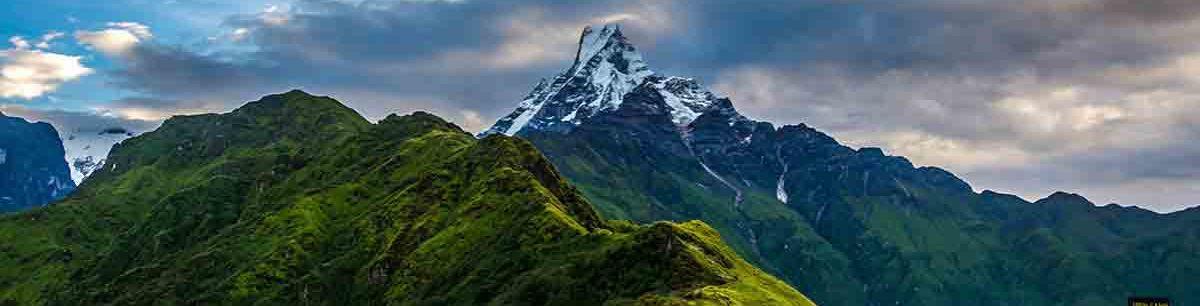
Visit Nepal in 2027: Your Guide to an Unforgettable Himalayan Journey

Nepal has a remarkable ability to turn a vacation into an experience that stays with you long after you return home. From the snow-covered peaks of the Himalayas and ancient temples of Kathmandu to peaceful lakes, jungle wildlife, traditional villages, and vibrant local communities, Nepal offers an extraordinary combination of adventure, culture, spirituality, and natural beauty. If you are planning to visit Nepal in 2027, this is an excellent time to begin preparing your Himalayan journey.

Whether your dream is to trek to Everest Base Camp, explore the Annapurna region, experience the peaceful landscapes of the Langtang Valley, discover the ancient streets of Kathmandu, enjoy sunrise over the Himalayas from Nagarkot or Sarangkot, or combine trekking with cultural and wildlife experiences, Nepal provides options for almost every type of traveler.

Nepal Tourism Board identifies Everest, Annapurna, and Langtang among the country’s traditional trekking destinations, while areas such as Kanchenjunga and Dolpo are increasingly attracting adventurous travelers.

This Nepal travel guide for 2027 explains why you should consider visiting, when to go, where to travel, what to do, how to prepare, and how to make your Himalayan adventure safer and more memorable.

Why Visit Nepal in 2027?

Planning ahead can make a significant difference when traveling to a destination as diverse as Nepal. A 2027 trip gives travelers an opportunity to create a carefully designed itinerary instead of trying to experience everything at the last minute.

Nepal is particularly attractive because several types of travel can be combined into one trip. You can spend a few days exploring historic cities, trek through mountain villages, relax beside a lake in Pokhara, visit Buddhist and Hindu pilgrimage sites, and finish your journey with a wildlife safari.

Experience the Himalayas

The Himalayas are undoubtedly Nepal’s greatest natural attraction. Nepal is home to Mount Everest and seven other peaks above 8,000 meters. The country’s mountain landscape provides opportunities not only for mountaineers but also for trekkers, photographers, nature lovers, and travelers who simply want to experience the world’s highest mountain environment.

You do not need to be an expert climber to enjoy the Himalayas. Popular trekking routes provide access to spectacular mountain scenery while allowing travelers to experience traditional villages and local cultures along the way.

Explore Nepal’s Cultural Heritage

Nepal’s appeal goes far beyond mountains. The Kathmandu Valley contains centuries-old temples, monasteries, courtyards, palaces, and traditional neighborhoods.

A visit to Kathmandu can include major cultural landmarks such as Pashupatinath, Boudhanath, Swayambhunath, Kathmandu Durbar Square, and nearby heritage cities including Patan and Bhaktapur.

These destinations offer insight into Nepal’s religious traditions, architecture, art, festivals, and everyday life.

Enjoy Adventure Beyond Trekking

A Nepal vacation does not have to revolve around trekking.

Depending on your interests, you can enjoy:

  • White-water rafting
  • Paragliding
  • Mountain flights
  • Bungee jumping
  • Ziplining
  • Mountain biking
  • Jungle safaris
  • Wildlife watching
  • Rock climbing
  • Cultural tours
  • Village homestays
  • Scenic helicopter tours

This diversity makes Nepal suitable for both active travelers and visitors looking for a slower cultural experience.


Best Time to Visit Nepal in 2027

Choosing the right season is one of the most important decisions when planning your Nepal trip in 2027.

Nepal has five broadly recognized seasons: spring, summer, monsoon, autumn, and winter. The country’s geography creates substantial differences between the Terai plains, middle hills, and high mountains.

Spring: March to May

Spring is one of the best seasons for trekking and mountain travel.

The weather is generally favorable, temperatures become warmer, and rhododendrons begin blooming across many Himalayan landscapes. Nepal Tourism Board specifically notes spring as one of the best periods for trekking.

Spring is ideal for:

  • Everest Base Camp Trek
  • Annapurna Base Camp Trek
  • Annapurna Circuit
  • Langtang Valley Trek
  • Manaslu Circuit Trek
  • Mountain photography
  • Wildlife tours
  • Cultural sightseeing

April and May can become busy on major trekking routes, so travelers should consider booking accommodation, guides, and transportation in advance.

Summer and Monsoon: June to September

The monsoon season brings significant rainfall to much of Nepal. Roads and trekking trails can become muddy, while clouds may obscure mountain views.

However, summer does not mean Nepal is completely off-limits.

Rain-shadow areas such as Mustang and parts of Manang can offer very different conditions from wetter parts of the country. Nepal Tourism Board notes that areas including Manang and Mustang lie in rain-shadow regions and are comparatively dry.

Summer can therefore be a good opportunity for travelers interested in:

  • Upper Mustang
  • Rain-shadow trekking
  • Cultural tours
  • Kathmandu sightseeing
  • Spiritual travel
  • Shorter low-altitude trips

Autumn: September to November

Autumn is widely regarded as one of the best times to visit Nepal.

After the monsoon, the skies often become clearer, mountain visibility improves, and trekking conditions are generally excellent. October and November are especially popular for Himalayan trekking.

If you are planning a major trek in 2027, autumn should be one of your first options.

Winter: December to February

Winter brings cold temperatures at higher elevations, but lower-altitude destinations remain attractive.

Kathmandu, Pokhara, Chitwan, Lumbini, and lower Himalayan areas can still be excellent destinations during winter. High-altitude trekking is possible on selected routes, but travelers need appropriate clothing, preparation, and itinerary planning.


Best Places to Visit in Nepal in 2027

Nepal may look small on a map, but its geographical and cultural diversity is enormous.

Kathmandu

Kathmandu is the natural starting point for many international visitors.

Spend at least two or three days exploring the Kathmandu Valley. Visit ancient temples, Buddhist stupas, historic squares, local markets, restaurants, and traditional neighborhoods.

Important attractions include:

  • Pashupatinath Temple
  • Boudhanath Stupa
  • Swayambhunath
  • Kathmandu Durbar Square
  • Patan Durbar Square
  • Bhaktapur Durbar Square
  • Garden of Dreams
  • Kopan Monastery

Kathmandu is also an important preparation center for trekkers heading into the mountains.

Pokhara

Pokhara offers a completely different atmosphere.

Located beside Phewa Lake and surrounded by spectacular mountain scenery, Pokhara is one of Nepal’s most popular leisure and adventure destinations.

Travelers can enjoy:

  • Phewa Lake boating
  • Tal Barahi Temple
  • Sarangkot sunrise
  • World Peace Pagoda
  • Davis Falls
  • Gupteshwor Cave
  • Paragliding
  • Mountain views
  • Cafés and lakeside restaurants

Pokhara is also a major gateway for Annapurna-region trekking.

Everest Region

For many travelers, visiting Nepal means seeing Mount Everest.

The Everest region offers more than the mountain itself. Trekkers encounter Sherpa villages, Buddhist monasteries, suspension bridges, dramatic valleys, and spectacular peaks.

The Everest Base Camp Trek remains one of the world’s iconic trekking experiences.

Annapurna Region

The Annapurna region is known for exceptional scenery and route diversity.

Popular options include:

  • Annapurna Circuit
  • Annapurna Base Camp
  • Mardi Himal
  • Ghorepani-Poon Hill
  • Khopra Ridge

The region works particularly well for travelers who want Himalayan scenery but have different amounts of available time and trekking experience.

Langtang Region

Langtang is relatively close to Kathmandu and offers an excellent combination of mountain scenery and cultural experiences.

The Langtang Valley Trek is a strong option for travelers who want a Himalayan adventure without committing to the longer Everest journey.

Chitwan

For a completely different experience, travel south to Chitwan.

Chitwan is known for its wildlife and national park environment. Visitors can combine jungle activities with cultural experiences and relaxation.

Possible activities include:

  • Wildlife safaris
  • Birdwatching
  • Canoe rides
  • Nature walks
  • Village visits
  • Cultural performances

Lumbini

Lumbini is one of Nepal’s most important pilgrimage destinations and is traditionally recognized as the birthplace of Gautama Buddha.

It can be included in a broader cultural itinerary, particularly for travelers interested in Buddhist heritage and spirituality.


Best Treks to Consider for Your 2027 Nepal Journey

Choosing a trek depends on your fitness, available time, altitude experience, and interests.

Everest Base Camp Trek

Best for travelers who want an iconic Himalayan experience.

Highlights include Namche Bazaar, Tengboche Monastery, Khumbu villages, and spectacular views of Everest and surrounding peaks.

Annapurna Circuit Trek

The Annapurna Circuit is an excellent choice for travelers seeking changing landscapes and cultural diversity.

The route passes through lower valleys, mountain settlements, forests, and high-altitude environments.

Annapurna Base Camp Trek

This is a shorter alternative for travelers who want to reach a dramatic Himalayan amphitheater without undertaking a very long expedition.

Manaslu Circuit Trek

For travelers looking for a more remote Himalayan experience, the Manaslu region offers dramatic landscapes and culturally rich mountain communities.

Because some areas are restricted and trekking regulations apply, travelers should arrange appropriate permits and professional support before departure.

Langtang Valley Trek

Langtang is a strong choice for travelers with limited time who still want a genuine Himalayan trekking experience.

Upper Mustang

Upper Mustang is particularly interesting for travelers seeking distinctive landscapes, Tibetan-influenced culture, ancient settlements, and a relatively dry Himalayan environment.


Permits and Trekking Requirements

One of the most important aspects of preparing for your 2027 Nepal trekking adventure is understanding permits and registration requirements.

Nepal Tourism Board states that trekkers need a TIMS card and that protected areas may require entry permits. Restricted areas can also require specific trekking permits.

Current Nepal Tourism Board information states that TIMS cards are issued online, with the current listed charge being NPR 1,000 for SAARC applicants and NPR 2,000 for other applicants.

Because regulations and fees can change before 2027, always verify the latest requirements with Nepal Tourism Board, the Department of Immigration, and your registered trekking agency before departure.


Nepal Tourist Visa for 2027

Most international travelers should check Nepal’s tourist visa requirements before booking their trip.

The Department of Immigration currently states that tourist visas are available through Nepalese diplomatic missions and that Tribhuvan International Airport facilitates visa on arrival for eligible travelers. Current tourist visa options include 15, 30, and 90 days.

Current listed fees are:

  • 15 days: USD 30
  • 30 days: USD 50
  • 90 days: USD 125

Visa policies can change, so travelers planning for 2027 should confirm requirements close to their departure date through Nepal’s official immigration channels.


How to Prepare for a Nepal Trip in 2027

Good preparation can make your trip significantly easier.

Choose Your Travel Style

First decide what type of Nepal experience you want.

Do you want:

  • A luxury Himalayan holiday?
  • A trekking adventure?
  • A cultural tour?
  • A spiritual journey?
  • A family vacation?
  • A wildlife adventure?
  • A combination of several experiences?

Your answer will determine the ideal itinerary.

Build in Acclimatization Days

If you are trekking at high altitude, do not rush your itinerary.

Acclimatization days allow your body to adjust to increasing elevation. A well-designed trekking itinerary is generally safer and more enjoyable than attempting to complete the route as quickly as possible.

Pack for Changing Conditions

Nepal’s climate can change dramatically with elevation.

For trekking, consider packing:

  • Layered clothing
  • Warm fleece or insulated jacket
  • Waterproof outer layer
  • Trekking trousers
  • Comfortable hiking boots
  • Wool or technical socks
  • Sun hat
  • Gloves
  • Sunglasses
  • Sunscreen
  • Water bottle
  • Headlamp
  • Personal first-aid supplies
  • Power bank
  • Universal adapter
  • Basic toiletries

Your packing list should be adjusted according to the season and trek.

Prepare Physically

You do not necessarily need to be an elite athlete to trek in Nepal, but preparation helps.

Several weeks before departure, build endurance through:

  • Walking
  • Hiking
  • Stair climbing
  • Cardiovascular exercise
  • Strength training

For longer or higher-altitude treks, consult a qualified medical professional regarding your fitness and altitude-travel plans.


How Long Should You Spend in Nepal?

The ideal duration depends on what you want to see.

7–10 Days

Suitable for:

  • Kathmandu
  • Pokhara
  • Chitwan
  • Short treks

12–16 Days

A good choice for:

  • Kathmandu
  • Pokhara
  • A moderate trek
  • Chitwan or another cultural destination

18–25 Days

Better for travelers planning:

  • Everest Base Camp
  • Annapurna Circuit
  • Manaslu Circuit
  • Longer cultural and adventure combinations

30 Days or More

A longer stay gives you the opportunity to combine trekking, cultural exploration, wildlife, pilgrimage, and relaxation.


Travel Responsibly in Nepal

Responsible tourism is especially important in fragile Himalayan environments.

Travelers can help by:

  • Carrying reusable water bottles
  • Reducing plastic waste
  • Avoiding unnecessary single-use plastics
  • Supporting locally owned businesses
  • Respecting local customs
  • Following trekking regulations
  • Staying on designated trails
  • Avoiding littering
  • Using water responsibly
  • Respecting monasteries and religious sites
  • Asking permission before photographing people

Responsible travel helps ensure that Nepal’s mountain communities and natural environments remain attractive for future generations.


Why 2027 Could Be Your Year to Visit Nepal

A journey to Nepal in 2027 can be much more than a sightseeing vacation. It can be an opportunity to challenge yourself in the Himalayas, connect with local communities, discover ancient traditions, experience extraordinary landscapes, and return home with memories that last a lifetime.

The country’s combination of mountains, culture, spirituality, adventure, wildlife, and hospitality makes it unusually versatile. You can spend one day exploring historic temples in Kathmandu and another walking beneath towering Himalayan peaks. You can watch sunrise over Annapurna from Sarangkot, paddle across Phewa Lake, explore the jungles of Chitwan, or walk through centuries-old villages.

For trekkers, Nepal Tourism Board highlights Everest, Annapurna, and Langtang among the country’s major trekking destinations, while more remote areas such as Kanchenjunga and Dolpo offer alternatives for travelers seeking less traditional routes.

The key is planning your trip around the season, altitude, trekking difficulty, available time, and personal interests.

Final Thoughts: Start Planning Your Nepal Adventure for 2027

Visit Nepal in 2027 and give yourself the opportunity to experience one of the world’s most extraordinary mountain destinations at your own pace.

Whether you dream of standing at Everest Base Camp, walking the Annapurna trails, discovering Buddhist monasteries, exploring Kathmandu’s historic architecture, enjoying Pokhara’s peaceful lakeside atmosphere, encountering wildlife in Chitwan, or simply experiencing everyday Nepali hospitality, there is a journey waiting for you.

Start planning early. Choose the right season, select an itinerary that matches your abilities, arrange necessary permits and documentation, prepare appropriately for altitude and weather, and work with reliable local professionals when necessary.

Most importantly, do not think of Nepal as simply a place to check off a travel bucket list. Take time to experience its people, landscapes, traditions, food, villages, temples, mountains, and stories.

Make 2027 the year you discover Nepal—and let your Himalayan journey become one of the defining travel experiences of your life.

Quick Inquiry Form

Manaslu Circuit Trek 2027/28: Sacred Monasteries and Buddhist Culture Guide

The Manaslu Circuit Trek 2027 /28 offers far more than spectacular Himalayan scenery. It is a journey through one of Nepal’s most culturally fascinating mountain regions, where Tibetan Buddhist traditions, ancient monasteries, prayer wheels, mani walls, chortens, traditional villages, and centuries-old customs remain an important part of everyday life. As the trail climbs through the Budhi Gandaki Valley toward Samagaon, Samdo, and Larkya La, trekkers gradually enter a landscape where religion and mountain life are deeply connected.

The Manaslu region shares strong cultural and historical connections with Tibet, and Buddhism remains a major influence on the communities of the upper valley. The Nepal Tourism Board specifically highlights Buddhist monasteries, architecture, traditions, and Tibetan cultural influence as important characteristics of the region.

For travelers planning the Manaslu Circuit Trek 2027 /28, understanding this cultural heritage can make the trek considerably more meaningful. Instead of simply photographing monasteries along the trail, trekkers can learn why these sacred places matter, how local communities practice Buddhism, and how responsible tourism can help preserve this remarkable Himalayan heritage.

Why Buddhist Culture Is Important on the Manaslu Circuit Trek

The cultural character of the Manaslu Circuit changes as the trail moves higher into the mountains. Lower sections of the route feature diverse Himalayan communities and landscapes, while the upper Budhi Gandaki Valley displays increasingly strong Tibetan Buddhist influences.

The villages around Lho, Samagaon, Samdo, and neighboring settlements are particularly important for experiencing this culture. Prayer flags can be seen around homes and religious structures, while mani walls and chortens are integrated into village landscapes. Samagaon, located at approximately 3,500 meters, is predominantly inhabited by the Nubri people, whose language, ancestry, and traditions have strong links with Tibetan culture.

For trekkers, this means that culture is not something encountered only during a scheduled monastery visit. It appears throughout the journey—in architecture, food, clothing, religious symbols, festivals, traditional agricultural practices, and community life.

Sacred Monasteries Along the Manaslu Circuit

One of the biggest cultural attractions of the Manaslu Circuit Trek 2027 /28 is the opportunity to visit or observe several important gompas and monasteries.

Lho Monastery and Ribung Gompa

Lho is one of the most visually impressive cultural villages on the Manaslu Circuit. Located at roughly 3,180 meters, the settlement provides dramatic views of Manaslu and surrounding Himalayan peaks.

The monastery traditionally associated with Lho is commonly known as Ribung Gompa or Lho Monastery. It serves as an important religious center for the local community and reflects the Tibetan Buddhist character of the upper Manaslu region.

A visit to Lho is valuable because the monastery is not simply an architectural attraction. It forms part of a living community. Trekkers may see prayer activities, religious decorations, traditional houses, and villagers going about their daily lives.

The best approach is to observe quietly and respectfully rather than treating the monastery like a museum.

Pungyen Gompa

Pungyen Gompa is one of the most memorable cultural side trips on the Manaslu Circuit.

Located in the high valley near Samagaon, Pungyen Gompa provides a combination of spiritual atmosphere and extraordinary Himalayan scenery. The monastery is associated with Tibetan Buddhist traditions and is positioned amid dramatic mountain and glacier landscapes.

Many trekkers include the Pungyen Gompa hike during their acclimatization period in Samagaon. The journey allows visitors to slow down and appreciate the environment rather than rushing toward the next destination.

Pungyen is particularly rewarding for travelers interested in photography, Himalayan spirituality, mountain landscapes, and cultural exploration.

However, remember that the purpose of an acclimatization day is also to allow your body to adapt to altitude. Your guide should determine whether the side trip is appropriate for your fitness, weather conditions, and acclimatization status.

Sama Gompa in Samagaon

Samagaon is one of the most important cultural settlements on the Manaslu Circuit. Situated beneath the massive Manaslu massif, it is both a trekking hub and an important center of local Himalayan culture.

Sama Gompa, also referred to in trekking literature as Samagaon Monastery, represents the area’s Tibetan Buddhist heritage. Mani walls, chortens, prayer flags, traditional houses, and monastery structures contribute to the village’s distinctive character.

A rest day in Samagaon should therefore not be viewed simply as a day without trekking. It can become one of the most culturally rewarding parts of the journey.

Trekkers can explore the village, visit appropriate religious sites with a guide, observe local architecture, and learn about Nubri traditions.

Serang Gompa and Other Cultural Sites

The Manaslu region contains additional monasteries and smaller religious sites, some of which require side trips away from the primary circuit. Serang Gompa, for example, is identified as a cultural attraction within the broader Manaslu region.

Depending on your itinerary, available time, weather, and local guidance, your trekking agency may recommend additional cultural excursions.

This is one reason a flexible itinerary can be beneficial. A trek focused only on completing the circuit as quickly as possible can miss some of the region’s most interesting cultural experiences.

Understanding Buddhist Symbols on the Trail

You do not need to be a Buddhist to appreciate the religious symbols found throughout the Manaslu region. However, understanding their basic meaning can help you behave respectfully.

Prayer Flags

Colorful prayer flags are among the most recognizable symbols of Himalayan Buddhism.

They are commonly placed around monasteries, bridges, mountain passes, homes, and other significant locations. Their presence contributes to the visual character of the Manaslu landscape.

Trekkers should never remove prayer flags or treat them as ordinary decorations.

Mani Walls

Mani walls consist of stones carved or inscribed with Buddhist prayers, mantras, or religious imagery. They are common along trails and near settlements.

When walking beside a mani wall, follow local customs. In many Himalayan Buddhist traditions, religious objects are traditionally passed on the left so that they remain to your right. When uncertain, ask your guide rather than guessing.

Chortens

Chortens are Buddhist religious monuments that can be found throughout the Himalayan region. They often mark villages, trail junctions, religious sites, or important landscape features.

They are sacred structures rather than photo props. Avoid climbing on them, sitting on them, or touching religious decorations unnecessarily.

Prayer Wheels

Prayer wheels are another common feature along the Manaslu Circuit.

Many are installed beside trails, monasteries, and village paths. If you want to turn a prayer wheel, follow the local tradition and turn it in the appropriate direction rather than spinning it randomly.

These small acts of respect make a significant difference when visiting culturally sensitive areas.

Tibetan Influence on Manaslu’s Architecture

Architecture provides another fascinating way to understand the culture of the Manaslu Circuit Trek 2027 /28.

As you travel higher, traditional stone houses, wooden structures, flat or gently sloping roofs, narrow lanes, and religious decorations become increasingly visible. Villages such as Lho, Samagaon, and Samdo demonstrate how communities have adapted architecture to the harsh Himalayan environment.

The built environment is practical as well as cultural. Thick walls, locally sourced materials, enclosed courtyards, and compact village layouts reflect generations of adaptation to altitude and climate.

For photographers, these villages offer some of the most authentic cultural images on the trek. Nevertheless, always ask permission before photographing people, religious ceremonies, or private homes.

Festivals and Buddhist Traditions

Religious festivals are an important part of life in Himalayan communities. Depending on your trekking dates, you may encounter local celebrations, religious gatherings, prayers, or cultural performances.

However, festival dates often follow lunar calendars and can vary from year to year. Therefore, travelers planning the Manaslu Circuit Trek 2027 /28 should check local dates with their trekking agency rather than assuming that a particular festival will occur on the same calendar date each year.

If you happen to encounter a religious ceremony, remember that you are a guest. Observe quietly and follow your guide’s instructions regarding photography, movement, and participation.

The goal should be cultural exchange—not turning a sacred ceremony into a tourist performance.

Food and Daily Life in the Nubri Valley

Buddhist culture is also reflected indirectly through local food and lifestyle.

Traditional Himalayan communities have historically depended on agriculture, livestock, trade, and seasonal activities. In higher villages, yak and livestock husbandry has been particularly important.

Trekkers can experience local dishes alongside familiar trekking staples such as dal bhat, noodles, soups, potatoes, Tibetan-style bread, and tea.

Butter tea and other Tibetan-influenced foods may also be encountered in the upper villages.

Trying local food is one of the easiest ways to engage with the culture. Whenever possible, eat locally, purchase products from community businesses, and support family-run teahouses.

The Cultural Experience from Samagaon to Samdo

The section from Samagaon toward Samdo offers some of the strongest Tibetan cultural influences of the entire circuit.

Samdo lies close to the Tibetan border region, and the area’s history is connected with traditional trans-Himalayan movement and trade. The settlement’s architecture, clothing, language, livestock practices, and religious traditions provide a distinctly high-Himalayan cultural atmosphere.

This section of the trek also illustrates how geography has shaped culture. The mountains were never simply barriers; they were part of a network connecting Himalayan communities across high passes.

Walking this section with a knowledgeable local guide can transform the experience from a scenic hike into a lesson in Himalayan history.

Why a Guide Matters for Cultural Trekking

A licensed guide is particularly valuable if cultural exploration is one of your priorities.

A guide can explain:

  • The meaning of Buddhist symbols
  • Local customs and etiquette
  • Appropriate monastery behavior
  • Village history
  • Local festivals
  • Traditional architecture
  • Food and agricultural practices
  • Religious ceremonies
  • Photography etiquette
  • Stories and legends associated with the landscape

Nepal Tourism Board currently lists the Manaslu Circuit Trek among routes where trekkers must be accompanied by a licensed trekking guide and carry a trekking-agency-issued TIMS card.

For restricted areas, trekking permits are also required through the Department of Immigration. The current official information identifies the Gorkha Manaslu area within Chumnubri Rural Municipality as a restricted area.

Because regulations can change before 2027 or 2028, trekkers should confirm requirements with a registered Nepal trekking agency and official authorities before departure.

Best Time for the Manaslu Circuit Trek 2027 /28

For both trekking and cultural experiences, weather plays a major role.

The Nepal Tourism Board identifies March to May and September to November as the best seasons for the Manaslu Conservation Area.

Spring: March to May

Spring offers improving weather, blooming rhododendrons at lower elevations, and generally favorable trekking conditions.

The combination of mountain scenery and changing vegetation makes spring particularly attractive for photographers.

Autumn: September to November

Autumn is traditionally one of the strongest trekking seasons in Nepal.

The monsoon has generally ended, visibility can be excellent, and mountain views are often spectacular. September may still experience some transitional weather, while October and November are typically popular choices.

Winter: December to February

Winter brings cold temperatures, snow, and potentially challenging conditions at higher elevations. Some services may operate on reduced schedules, and high-pass conditions can become more difficult.

Monsoon: June to August

The monsoon can bring rain, clouds, muddy trails, landslides, and transportation complications in lower sections.

If cultural exploration is your main priority, choosing a season with more stable conditions can make village and monastery visits easier.

Responsible Cultural Tourism on the Manaslu Circuit

The increasing popularity of the Manaslu Circuit Trek 2027 /28 creates opportunities for local communities, but tourism also creates responsibilities.

Follow these principles:

Ask Before Taking Photographs

Always ask before photographing people, especially monks, elderly residents, children, or religious ceremonies.

Dress Respectfully

Although trekking clothing is practical, modest clothing is appropriate when visiting monasteries and villages.

Remove Shoes When Requested

Some monasteries require visitors to remove their shoes before entering specific rooms. Follow instructions from your guide or monastery representatives.

Never Touch Religious Objects Without Permission

Do not handle statues, manuscripts, ritual objects, murals, or other religious items unless explicitly invited to do so.

Do Not Climb on Chortens or Mani Walls

Sacred structures should never be treated as climbing or sitting platforms.

Keep Noise Low

Monasteries are places of worship and meditation. Avoid loud conversations, music, and unnecessary disturbance.

Buy Locally

Choose locally owned teahouses, guides, porters, shops, and handicrafts whenever possible. Tourism spending can directly contribute to mountain communities.

Minimize Waste

Carry reusable bottles, avoid unnecessary plastic, and pack out waste when appropriate. The Manaslu Conservation Area contains sensitive mountain ecosystems and valuable biodiversity. Nepal Tourism Board notes that the area supports numerous mammal, bird, reptile, and plant species.

Manaslu Circuit Trek 2027 /28: Suggested Cultural Itinerary

A culturally focused itinerary can be slightly slower than a basic trekking itinerary.

A typical approach may include:

Day 1: Kathmandu to Machha Khola
Day 2: Machha Khola to Jagat
Day 3: Jagat to Deng
Day 4: Deng to Namrung
Day 5: Namrung to Lho
Day 6: Lho to Samagaon
Day 7: Cultural and acclimatization day in Samagaon
Day 8: Samagaon to Samdo
Day 9: Samdo to Dharamsala
Day 10: Cross Larkya La Pass and descend toward Bhimtang
Day 11: Bhimtang to Tilije
Day 12: Continue toward Dharapani and onward by road

Exact itineraries vary according to road conditions, acclimatization requirements, weather, permits, and individual trekking pace.

For a culture-focused journey, consider allowing extra time in Lho and Samagaon rather than treating them as simple overnight stops.

Permits and Entry Requirements for 2027 /28

Permit rules are especially important for the Manaslu region.

The current Nepal Tourism Board information states that the Manaslu area requires a special trekking permit, and its current published fee structure lists different rates for September–November and December–August.

The Department of Immigration also currently publishes separate Manaslu permit information and identifies the area as seasonal.

Because this article is intended for the Manaslu Circuit Trek 2027 / 2028, travelers should not assume today’s fees will remain unchanged. Permit prices, TIMS requirements, entry fees, guide rules, and administrative procedures should all be checked again before booking.

The Nepal Tourism Board currently lists the Manaslu Conservation Area entry fee for foreign visitors at NPR 3,000 per person per entry in its current fee table.

Your trekking agency should arrange the required permits and explain exactly what is included in your package.

What Makes the Manaslu Circuit Culturally Special?

The greatest strength of the Manaslu Circuit Trek 2027 / 28 is the way culture and landscape exist together.

You do not have to choose between mountain scenery and cultural experiences. They are intertwined.

A prayer flag may be blowing beneath an eight-thousand-meter peak. A centuries-old monastery may sit above a modern trekking village. A stone mani wall may guide you along a trail toward a glacier. Traditional houses may stand beneath some of the highest mountains on Earth.

This combination creates a trekking experience that is much deeper than simply reaching Larkya La.

Final Thoughts

The Manaslu Circuit Trek 2027 / 28 is an outstanding choice for travelers who want adventure combined with authentic Himalayan culture. From Lho and its monastery traditions to the spiritual atmosphere of Pungyen Gompa and Samagaon, the journey reveals a living Buddhist heritage shaped by geography, history, faith, and community.

The monasteries are important, but the culture extends far beyond monastery walls. It can be found in prayer flags, mani stones, village architecture, traditional food, local languages, festivals, agriculture, hospitality, and the everyday lives of people living in the Nubri Valley.

Travel slowly, listen to local stories, respect sacred places, and use a knowledgeable guide. When approached this way, the Manaslu Circuit becomes more than a Himalayan trekking route—it becomes an opportunity to understand a remarkable mountain culture while supporting the communities that continue to preserve it.

For travelers preparing for Manaslu Circuit Trek 2027 / 28, the best cultural experience is not simply seeing monasteries. It is learning how those monasteries, traditions, landscapes, and communities are connected—and becoming a respectful guest within that living heritage.

Quick Inquiry Form

12 Expert Tips for Choosing the Best Trekking Company in Nepal

Choosing the Best Trekking Company in Nepal is one of the most important decisions you’ll make before setting foot on the Himalayan trails. Nepal is home to some of the world’s most iconic trekking destinations, including Everest Base Camp, Annapurna Base Camp, the Manaslu Circuit, Langtang Valley, and Upper Mustang. While these breathtaking adventures promise unforgettable experiences, the quality of your journey largely depends on the trekking company you choose.

A reliable trekking operator does much more than arrange permits and accommodations. They ensure your safety, provide knowledgeable guides, manage logistics, support local communities, and help you enjoy an authentic Himalayan experience. With hundreds of trekking agencies operating across Nepal, selecting the right one can feel overwhelming.

This comprehensive guide explores 12 expert tips for choosing the best trekking company in Nepal, helping you make an informed decision that ensures a safe, enjoyable, and memorable adventure.


Why Choosing the Right Trekking Company Matters

A Himalayan trek is unlike an ordinary vacation. You’ll be hiking at high altitudes, often in remote mountain regions where weather conditions can change rapidly. A professional trekking company plays a vital role by:

  • Managing permits and logistics
  • Providing experienced guides and porters
  • Monitoring your health during the trek
  • Responding effectively to emergencies
  • Offering cultural insights
  • Supporting responsible tourism

Choosing an inexperienced or unlicensed operator may save money initially, but it can lead to safety concerns, poor service, hidden costs, or even canceled trips.


Verify Government Registration and Licensing

Always ensure the trekking company is officially registered with the Government of Nepal.

A reputable company should be registered with organizations such as:

  • Department of Tourism Nepal
  • Nepal Tourism Board (NTB)
  • Trekking Agencies’ Association of Nepal (TAAN)
  • Company Registrar Office
  • PAN/VAT Registration

Licensed operators follow Nepal’s tourism regulations and maintain professional standards.

Don’t hesitate to ask for registration numbers before making a booking.


Check Years of Experience

Experience matters in mountain tourism.

Companies with several years of successful operations are generally better equipped to handle:

  • Route planning
  • Altitude challenges
  • Weather changes
  • Emergency evacuations
  • Permit processing
  • Cultural interactions

Experienced operators have established networks across the Himalayas, resulting in smoother logistics and better service.


Read Genuine Customer Reviews

One of the easiest ways to evaluate a trekking company is through customer feedback.

Look for reviews on:

  • Google
  • TripAdvisor
  • Trustpilot
  • Facebook
  • Independent travel blogs

Pay attention to recurring comments regarding:

  • Guide professionalism
  • Safety standards
  • Food and accommodation
  • Communication
  • Emergency support

Avoid relying solely on testimonials displayed on the company’s website.


Evaluate Guide Qualifications

Your trekking guide can make or break your Himalayan adventure.

Professional guides should have:

  • Government-issued trekking guide licenses
  • Wilderness First Aid training
  • Altitude sickness management knowledge
  • English communication skills
  • Extensive local experience

Some companies also employ multilingual guides for international travelers.

An experienced guide not only leads the trek but also shares local history, traditions, wildlife knowledge, and mountain culture.


Prioritize Safety Above Everything

Safety should never be compromised for a cheaper price.

Ask the company about:

  • Emergency evacuation procedures
  • Satellite communication
  • Oxygen cylinders for high-altitude treks
  • First aid kits
  • Daily health monitoring
  • Guide-to-client ratios

Responsible operators encourage acclimatization rather than rushing itineraries.

Remember, reaching the summit is optional—returning safely is mandatory.


Compare What’s Included in the Package

Many travelers compare trekking prices without understanding what each package includes.

Request a detailed itinerary and cost breakdown covering:

  • Airport transfers
  • Hotels
  • Meals
  • Trekking permits
  • TIMS card (if applicable)
  • Transportation
  • Domestic flights
  • Guide
  • Porter
  • Accommodation
  • Taxes

Hidden charges can significantly increase your total expenses.

A transparent company clearly explains every inclusion and exclusion.


Look for Responsible Tourism Practices

Sustainable tourism benefits both travelers and local communities.

Choose companies that:

  • Hire local guides and porters
  • Pay fair wages
  • Avoid plastic waste
  • Respect local culture
  • Support community projects
  • Follow Leave No Trace principles

Responsible trekking helps preserve Nepal’s fragile mountain ecosystems for future generations.


Assess Communication Before Booking

Excellent customer service usually begins long before your arrival in Nepal.

Notice how the company responds to inquiries.

Do they:

  • Reply promptly?
  • Answer your questions thoroughly?
  • Provide customized itineraries?
  • Offer honest advice?
  • Explain altitude risks?

Professional communication often reflects the quality of service you’ll receive during your trek.


Confirm Insurance and Emergency Support

Although travelers need their own travel insurance, the trekking company should have clear emergency protocols.

Ask whether they assist with:

  • Helicopter evacuation coordination
  • Hospital communication
  • Insurance documentation
  • Rescue logistics
  • Emergency transportation

Companies experienced in high-altitude trekking know how to act quickly during emergencies.


Review Trekking Equipment Standards

Not every traveler owns quality trekking equipment.

Many companies rent or provide:

  • Sleeping bags
  • Down jackets
  • Trekking poles
  • Duffel bags
  • Gaiters
  • Microspikes (seasonal)

Ensure rented equipment is clean, well-maintained, and suitable for Himalayan conditions.

Poor-quality gear can negatively impact your comfort and safety.


Compare Value Rather Than Price

The cheapest trek is rarely the best.

Instead of selecting the lowest price, compare overall value.

Consider:

  • Guide quality
  • Safety measures
  • Accommodation standards
  • Group size
  • Meals
  • Transportation
  • Customer support

A slightly higher investment often provides a significantly better trekking experience.


Choose a Company That Offers Customized Itineraries

Every trekker has different goals, fitness levels, and schedules.

A professional trekking company should be able to customize:

  • Trek duration
  • Difficulty level
  • Acclimatization days
  • Side trips
  • Private departures
  • Family-friendly itineraries
  • Luxury trekking options

Flexibility demonstrates experience and customer-focused service.


Red Flags to Watch Out For

While researching trekking companies, be cautious if you notice:

  • Extremely low prices
  • No physical office
  • Poor communication
  • No government registration
  • Hidden charges
  • Unrealistic itineraries
  • Pressure to pay immediately
  • No emergency plan
  • No guide credentials

These warning signs often indicate an unreliable operator.


Questions to Ask Before Booking

Before confirming your trek, ask:

  • Is your company government licensed?
  • How many years have you operated?
  • Are guides first-aid certified?
  • What’s included in the price?
  • How are emergencies handled?
  • What happens if someone gets altitude sickness?
  • Are airport transfers included?
  • Can the itinerary be customized?
  • What equipment is provided?
  • What is your cancellation policy?

Clear answers help build confidence in your decision.


Benefits of Booking with a Local Nepalese Trekking Company

Many international travelers book directly with local operators instead of overseas agencies.

Advantages include:

Better Local Knowledge

Local companies understand weather patterns, trail conditions, and regional culture better than overseas resellers.

Competitive Pricing

Booking directly eliminates middleman commissions, offering better value without sacrificing service.

Supporting Nepal’s Economy

Your money directly benefits local guides, porters, teahouses, transportation providers, and mountain communities.

Personalized Service

Local agencies are often more flexible with itinerary adjustments and special requests.


How Early Should You Book?

Booking timelines depend on the trekking season.

Peak Seasons

  • Spring (March–May)
  • Autumn (September–November)

Reserve 2–6 months in advance to secure preferred guides and accommodations.

Off-Season

Winter and monsoon treks usually offer greater flexibility but require additional planning for weather conditions.


Why Professional Guides Make a Difference

A knowledgeable guide enhances your trek by:

  • Navigating difficult trails
  • Managing altitude acclimatization
  • Coordinating accommodation
  • Explaining local traditions
  • Translating conversations
  • Monitoring your health
  • Handling unexpected situations

Beyond logistics, guides often become one of the most memorable parts of the journey.


Final Thoughts

Choosing the right trekking company is just as important as choosing the right trekking route. While Nepal offers incredible mountain adventures, your experience depends heavily on the professionalism, safety standards, and local expertise of the operator you trust.

By following these 12 expert tips for choosing the best trekking company in Nepal, you’ll be well-prepared to select a licensed, experienced, and customer-focused company that prioritizes your safety and satisfaction.

Rather than focusing solely on price, evaluate each operator based on experience, transparency, guide quality, responsible tourism practices, and emergency preparedness. Investing in a reputable trekking company ensures peace of mind, allowing you to fully immerse yourself in Nepal’s spectacular landscapes, vibrant cultures, and unforgettable Himalayan adventures.

Whether you’re planning your first trek to Everest Base Camp or exploring remote trails like Manaslu or Kanchenjunga, choosing the right partner will transform your journey into an experience you’ll remember for a lifetime.


Frequently Asked Questions (FAQs)

1. How do I know if a trekking company in Nepal is legitimate?

Verify that it is registered with the Nepal Tourism Board, the Department of Tourism, and the Trekking Agencies’ Association of Nepal (TAAN). Also, check recent customer reviews and ask for registration details.

2. Is it better to book with a local trekking company in Nepal?

Yes. Local companies often provide better value, personalized service, and direct support to Nepal’s economy while offering in-depth knowledge of the trekking regions.

3. What should be included in a trekking package?

A standard package typically includes trekking permits, guide services, accommodation, transportation, meals during the trek, and airport transfers. Always request a detailed list of inclusions and exclusions.

4. Why is a licensed guide important?

Licensed guides are trained in navigation, first aid, and altitude sickness management. They also enhance your experience by sharing local culture, history, and environmental knowledge.

5. When is the best time to book a trek in Nepal?

For spring (March–May) and autumn (September–November), it’s advisable to book at least 2–6 months in advance to secure experienced guides and preferred accommodations.

Quick Inquiry Form

How Climate Change Is Changing Nepal’s Trekking Seasons: Best Time to Visit the Himalayas

Climate change is changing Nepal’s trekking seasons in ways that every traveler, trekker, and adventure enthusiast should understand before planning a Himalayan journey. For decades, Nepal has welcomed trekkers with predictable spring blooms, crystal-clear autumn skies, and reliable weather windows that made iconic routes like the Everest Base Camp Trek, Annapurna Circuit Trek, and Manaslu Circuit Trek accessible to thousands of adventurers every year. Today, however, those seasonal patterns are becoming less predictable.

Warmer temperatures, shifting monsoon patterns, rapidly melting glaciers, unpredictable snowfall, and an increase in extreme weather events are reshaping the best time to visit the Himalayas. While Nepal remains one of the world’s premier trekking destinations, successful trekking now requires more careful planning, flexible itineraries, and awareness of changing mountain conditions.

Fortunately, climate change does not mean trekking in Nepal is no longer possible. Instead, it means travelers must choose their trekking seasons more wisely, stay informed about weather conditions, and work with experienced local guides who understand the changing Himalayan environment.

This guide explains how climate change is affecting Nepal’s trekking seasons, what these changes mean for visitors, and how you can still enjoy a safe and unforgettable Himalayan adventure.


Understanding Nepal’s Traditional Trekking Seasons

For generations, Nepal’s trekking calendar has revolved around four distinct seasons.

Spring (March to May)

Spring has long been considered one of Nepal’s best trekking seasons because of:

  • Mild temperatures
  • Stable weather
  • Rhododendron forests in bloom
  • Excellent mountain visibility
  • Longer daylight hours

Popular spring treks include:

  • Everest Base Camp
  • Annapurna Base Camp
  • Langtang Valley
  • Manaslu Circuit
  • Mardi Himal

Spring also attracts mountaineers attempting Everest and other Himalayan peaks.


Autumn (September to November)

Autumn traditionally offers:

  • Dry weather
  • Crystal-clear mountain views
  • Comfortable daytime temperatures
  • Low rainfall
  • Excellent trail conditions

Many experienced trekkers consider autumn the absolute best time to visit Nepal.


Winter (December to February)

Winter trekking provides:

  • Quiet trails
  • Beautiful snow-covered landscapes
  • Clear skies
  • Lower trekking costs

However, higher passes often receive heavy snowfall, making some routes inaccessible.


Monsoon (June to August)

The monsoon season typically brings:

  • Heavy rainfall
  • Landslides
  • Leeches
  • Cloud-covered mountains
  • Slippery trails

Nevertheless, rain-shadow regions like Upper Mustang and Dolpo remain excellent trekking destinations during this period.


How Climate Change Is Affecting Nepal’s Trekking Seasons

Climate change is altering these traditional weather patterns in several noticeable ways.

Warmer Temperatures Across the Himalayas

Average temperatures in Nepal’s mountains have gradually increased over recent decades.

Higher temperatures result in:

  • Faster snowmelt
  • Reduced snow accumulation
  • Longer warm seasons
  • Less predictable winter conditions

Trekkers now frequently experience unusually warm afternoons, even at higher elevations.


Delayed and Unpredictable Monsoon Seasons

Historically, Nepal’s monsoon followed a fairly reliable schedule.

Today, the rainy season often arrives:

  • Earlier
  • Later
  • With irregular rainfall
  • In shorter but more intense bursts

This makes it increasingly difficult to predict ideal trekking windows.

A trek planned for late September may still encounter lingering monsoon rains, while October generally continues to provide favorable conditions.


Heavier Rainfall Events

Rather than consistent rainfall spread across the season, climate change is producing:

  • Sudden cloudbursts
  • Flash floods
  • Road washouts
  • Increased landslides

Mountain roads leading to trekking regions can become temporarily blocked after intense storms.


Changing Snowfall Patterns

Snowfall is becoming less predictable.

Some winters produce:

  • Very little snow

Others bring:

  • Heavy snowstorms
  • Avalanche risks
  • Blocked mountain passes

High passes such as Thorong La and Larkya La may close unexpectedly depending on seasonal snowfall.


Faster Glacier Melting

Nepal’s Himalayan glaciers are retreating at an accelerating rate.

Consequences include:

  • Formation of unstable glacial lakes
  • Increased flood risks
  • Changes in river systems
  • Altered trekking landscapes

Trekkers visiting Everest and other glacier regions often notice visible changes compared to photographs taken only a decade ago.


Which Trekking Seasons Are Changing the Most?

Spring

Spring remains an excellent trekking season, but:

  • Temperatures are warmer.
  • Afternoon haze has become more common.
  • Early snow melts faster.
  • Weather changes more rapidly.

Morning starts have become increasingly important.


Autumn

Autumn continues to be Nepal’s most reliable trekking season.

However:

  • Monsoon withdrawal is less predictable.
  • September sometimes remains wet.
  • November nights are becoming colder in certain regions.

Late October has become one of the safest periods for many Himalayan treks.


Winter

Climate change has produced mixed effects.

Lower elevations experience:

  • Milder temperatures

Higher elevations may experience:

  • More intense snowstorms
  • Sudden weather shifts
  • Increased avalanche danger

Monsoon

The monsoon now tends to feature:

  • More extreme rainfall
  • Longer dry breaks
  • Unpredictable storm timing

Trekkers should monitor weather forecasts more closely than ever.


Best Time to Visit the Himalayas Today

Despite changing weather patterns, Nepal still offers outstanding trekking opportunities throughout much of the year.

March to Early May

Ideal for:

  • Rhododendron blooms
  • Moderate temperatures
  • Mountain photography
  • Everest Base Camp
  • Annapurna Base Camp

Late October to Mid-November

Currently regarded as one of Nepal’s most reliable trekking windows because of:

  • Stable weather
  • Excellent visibility
  • Comfortable temperatures
  • Lower rainfall risk

December

Perfect for travelers seeking:

  • Quiet trails
  • Crisp mountain views
  • Peaceful trekking experiences

Lower and mid-altitude treks remain especially enjoyable.


Popular Trekking Regions and Climate Change

Everest Region

Climate-related changes include:

  • Faster glacier retreat
  • Less predictable snowfall
  • More variable temperatures
  • Increased risks from glacial lake activity

Everest Base Camp remains one of the world’s premier trekking destinations despite these changes.


Annapurna Region

Travelers increasingly report:

  • Warmer spring temperatures
  • Unexpected rainfall
  • Shifting flowering seasons
  • Occasional landslides during shoulder seasons

Manaslu Region

The Manaslu Circuit has seen:

  • Variable snowfall over Larkya La Pass
  • Changing river levels
  • Increased weather uncertainty in early spring

Guides now pay even closer attention to pass conditions.


Langtang Valley

Langtang continues recovering after the devastating 2015 earthquake while adapting to changing weather patterns that influence:

  • Vegetation
  • Wildlife
  • Seasonal water availability

How Climate Change Affects Trekking Safety

Changing mountain weather requires greater preparation.

Important safety considerations include:

  • Flexible itineraries
  • Extra acclimatization days
  • Updated weather forecasts
  • Emergency evacuation plans
  • Travel insurance covering high-altitude trekking

Trekkers should never assume historical weather patterns will repeat exactly.


Tips for Trekking Nepal in a Changing Climate

Choose Experienced Local Operators

Professional trekking companies monitor:

  • Trail conditions
  • Weather forecasts
  • Landslide risks
  • Snow conditions

Their local knowledge has become more valuable than ever.


Build Flexibility Into Your Schedule

Adding one or two buffer days can prevent weather-related disruptions from affecting international flights or important travel plans.


Pack for Multiple Weather Conditions

Even during autumn, trekkers should prepare for:

  • Warm afternoons
  • Freezing nights
  • Rain
  • Snow
  • Strong winds

Layered clothing remains essential.


Start Trekking Early

Morning weather is generally more stable.

Afternoon cloud build-up has become increasingly common in many Himalayan regions.


Monitor Weather Forecasts Daily

Modern weather forecasting has improved significantly.

Guides regularly check updated mountain forecasts before crossing high passes.


Sustainable Trekking Matters More Than Ever

Climate change highlights the importance of responsible tourism.

Trekkers can reduce their environmental impact by:

  • Carrying reusable water bottles
  • Avoiding single-use plastics
  • Supporting locally owned teahouses
  • Following Leave No Trace principles
  • Respecting wildlife habitats
  • Hiring licensed local guides and porters

Sustainable tourism helps mountain communities adapt to environmental changes while preserving Nepal’s natural beauty for future generations.


Will Nepal Still Be Worth Visiting?

Absolutely.

The Himalayas remain among the world’s greatest adventure destinations.

Climate change has altered trekking conditions, but it has not diminished Nepal’s extraordinary landscapes, rich cultural heritage, or warm hospitality.

Instead, today’s travelers simply need better planning, greater flexibility, and a deeper understanding of mountain weather.

Those who prepare well continue to enjoy breathtaking sunrises over Everest, vibrant rhododendron forests in Annapurna, remote valleys in Manaslu, and unforgettable encounters with Himalayan culture.


The Future of Trekking in Nepal

Scientists expect climate change to continue influencing Himalayan weather over the coming decades. Trekking operators, local communities, conservation organizations, and government agencies are already adapting by improving trail infrastructure, strengthening early-warning systems for landslides and floods, promoting sustainable tourism practices, and educating trekkers about responsible travel.

Technology is also playing an important role. Improved satellite weather forecasting, GPS navigation, and real-time communication allow guides to make better decisions when conditions change unexpectedly. At the same time, conservation efforts aimed at protecting forests, watersheds, and biodiversity help reduce environmental pressures on fragile mountain ecosystems.

For travelers, the future of trekking in Nepal will likely involve more flexible itineraries, greater emphasis on environmental stewardship, and closer collaboration with experienced local professionals. These adaptations will help ensure that the Himalayas remain accessible while protecting the natural landscapes that make Nepal one of the world’s most remarkable trekking destinations.


Conclusion

Climate change is changing Nepal’s trekking seasons, but it has not taken away the magic of the Himalayas. Instead, it has reshaped when and how travelers should plan their adventures. Understanding shifting weather patterns, selecting the right trekking window, packing appropriately, and relying on knowledgeable local guides are now essential parts of a successful journey.

For most visitors, late October through mid-November and March through early May continue to offer the best balance of stable weather, comfortable temperatures, and spectacular mountain scenery. By traveling responsibly and supporting sustainable tourism, trekkers also contribute to the long-term protection of Nepal’s fragile mountain environment.

Whether your dream is to stand beneath Mount Everest, cross the dramatic Larkya La Pass, explore the Annapurna Sanctuary, or wander through the peaceful Langtang Valley, careful planning will help you experience the Himalayas safely and responsibly. Nepal’s mountains are changing, but their beauty, cultural richness, and spirit of adventure remain as inspiring as ever.

Quick Inquiry Form

Private vs Group Manaslu Circuit Trek: Which Is Best for You?

The Manaslu Circuit Trek has rapidly become one of Nepal’s most sought-after trekking adventures. Offering breathtaking Himalayan scenery, rich Tibetan-influenced culture, and a quieter alternative to the Everest and Annapurna regions, this restricted-area trek attracts trekkers seeking an authentic mountain experience. However, before booking your journey, one important question arises: Should you choose a private trek or join a group Manaslu Circuit Trek?

Both options provide access to the same spectacular landscapes, including ancient monasteries, remote villages, glacial rivers, alpine forests, and the challenging Larkya La Pass (5,106 m). Yet the trekking experience can differ significantly depending on the type of trip you choose. Your budget, travel style, fitness level, flexibility, and personal preferences all play an important role in making the right decision.

This comprehensive guide compares private vs group Manaslu Circuit Trek experiences, highlighting the advantages, disadvantages, costs, flexibility, safety, and overall value of each option. By the end, you’ll have a clear understanding of which trekking style best suits your Himalayan adventure.


Understanding the Manaslu Circuit Trek

Before comparing trekking styles, it’s helpful to understand what makes the Manaslu Circuit so unique.

Located in western Nepal, the Manaslu region circles Mount Manaslu (8,163 m), the world’s eighth-highest mountain. Unlike Nepal’s more commercial trekking routes, the Manaslu Circuit remains relatively untouched, preserving its natural beauty and cultural heritage.

Trekkers pass through:

  • Traditional Gurung and Tibetan villages
  • Buddhist monasteries and mani walls
  • Suspension bridges over deep river gorges
  • Dense rhododendron and pine forests
  • High alpine meadows
  • Snow-covered mountain passes
  • Spectacular Himalayan panoramas

Since this is a restricted trekking region, Nepal requires all visitors to trek with a licensed guide and obtain special permits. This regulation naturally makes travelers consider whether joining a group or arranging a private trek offers better value.


What Is a Private Manaslu Circuit Trek?

A private trek is organized exclusively for you or your own travel companions.

Your itinerary, accommodation preferences, walking pace, departure date, and daily schedule are customized according to your needs.

A private trek generally includes:

  • Licensed trekking guide
  • Porter(s)
  • Private transportation when available
  • Customized itinerary
  • Flexible acclimatization schedule
  • Personalized support throughout the journey

Whether you’re traveling solo, as a couple, with family, or with friends, a private trek provides complete control over your Himalayan adventure.


What Is a Group Manaslu Circuit Trek?

A group trek combines multiple trekkers into one organized departure.

Participants usually come from different countries and backgrounds but follow the same itinerary under one trekking guide or guide team.

Group departures generally feature:

  • Fixed departure dates
  • Shared transportation
  • Shared logistics
  • Standard itinerary
  • Shared guide and porter services
  • Lower overall cost per participant

Group sizes commonly range from 4 to 12 trekkers, although some operators organize smaller or larger groups depending on demand.


Cost Comparison: Private vs Group Manaslu Circuit Trek

Budget is often the first factor travelers consider.

Group Trek Costs

Group treks are generally more affordable because many expenses are shared among participants.

Shared costs include:

  • Transportation
  • Guide services
  • Permits
  • Administrative expenses
  • Logistics coordination

This makes group treks particularly attractive for:

  • Budget-conscious travelers
  • Backpackers
  • Solo travelers looking for economical options

Although prices vary depending on the trekking company and inclusions, joining a scheduled group departure often reduces the overall cost compared to arranging an individual trip.

Private Trek Costs

Private treks usually cost more because the services are tailored specifically to your group.

Higher costs may include:

  • Dedicated guide
  • Customized logistics
  • Private transportation
  • Flexible scheduling
  • Personalized itinerary planning

However, if you’re traveling with several friends or family members, the price difference becomes much smaller because many expenses are shared within your own group.

Winner for Budget: Group Trek


Flexibility: One of the Biggest Differences

If flexibility matters, private trekking has a clear advantage.

Benefits of Private Trek Flexibility

With a private trek, you can:

  • Choose your own departure date
  • Add extra acclimatization days
  • Spend longer in villages you enjoy
  • Walk faster or slower
  • Modify daily distances
  • Include side trips
  • Adjust the itinerary if weather changes

This flexibility becomes especially valuable at higher elevations where acclimatization is essential.

Group Trek Scheduling

Group departures follow a fixed itinerary.

This means:

  • Daily departure times are predetermined.
  • Walking pace follows the group’s average speed.
  • Rest days cannot usually be adjusted.
  • Extra sightseeing opportunities are limited.

While this structured schedule works well for many trekkers, it may feel restrictive for experienced hikers or photographers who prefer more time at scenic locations.

Winner for Flexibility: Private Trek


Trekking Pace and Comfort

Every trekker has a different hiking rhythm.

Some enjoy long hiking days, while others prefer frequent breaks to photograph landscapes or experience local villages.

Private Trek Pace

Private trekking allows guides to adapt each day according to your:

  • Fitness level
  • Altitude response
  • Photography interests
  • Rest requirements

You never feel pressured to keep up with others.

This greatly improves the overall trekking experience, especially for older trekkers or families.

Group Trek Pace

In a group, guides must balance everyone’s abilities.

This often means:

  • Faster hikers wait.
  • Slower hikers feel pressure.
  • Daily schedules remain fixed.
  • Rest stops follow group consensus.

Professional guides manage these situations well, but the pace may not perfectly suit every participant.

Winner: Private Trek


Social Experience

Not every traveler enjoys trekking alone.

For many people, the friendships formed on the trail become one of the trip’s highlights.

Advantages of Group Trekking

A group trek offers excellent opportunities to:

  • Meet international travelers
  • Share trekking experiences
  • Encourage one another
  • Build lifelong friendships
  • Enjoy evenings together in tea houses

Many solo travelers prefer group departures because they create a supportive community throughout the trek.

Advantages of Private Trekking

Private treks provide a quieter experience.

They’re ideal for:

  • Couples
  • Families
  • Close friends
  • Honeymoon travelers
  • Photographers seeking solitude
  • Travelers who value privacy

Rather than following group dynamics, you enjoy uninterrupted time immersed in nature.

Winner for Social Experience: Group Trek


Safety Considerations

The Manaslu Circuit reaches elevations above 5,000 meters, where weather, altitude, and physical endurance become significant factors.

Fortunately, both private and group treks are safe when organized by experienced trekking companies with licensed guides.

Safety on a Private Trek

Private trekking provides more individualized attention. Your guide can closely monitor your health, pace, hydration, and acclimatization throughout the journey. If you experience symptoms of altitude sickness or fatigue, adjustments can often be made immediately without needing to consider the schedule of a larger group. This personalized approach is especially reassuring for first-time high-altitude trekkers or those with specific health concerns.

Safety on a Group Trek

Group treks offer safety in numbers. Fellow trekkers can provide encouragement and assistance, and established group departures are typically well-coordinated with experienced guides who know the route thoroughly. However, because the guide’s attention is shared among multiple participants, individualized support may be somewhat more limited compared to a private trek.

For both options, choosing a reputable trekking operator, following your guide’s advice, and allowing sufficient time for acclimatization are the most important factors for a safe and enjoyable journey.

Accommodation and Food Experience

One question many trekkers ask is whether accommodation differs between private and group departures.

Private Trek Accommodation

With a private trek, your guide can often secure the best available rooms when tea houses become crowded. During the peak trekking seasons of spring and autumn, popular villages such as Samagaun, Samdo, Dharamsala, and Bimthang can fill quickly.

Benefits may include:

  • Better room selection when available
  • Greater flexibility in choosing tea houses
  • Easier accommodation adjustments during itinerary changes
  • More personalized meal planning

Group Trek Accommodation

Group trekkers typically stay together in the same tea houses. Reputable operators reserve accommodation in advance, but room assignments are usually standardized across the group.

Advantages include:

  • Streamlined logistics
  • Shared meal times
  • Easier coordination with guides
  • Social dining experience

In practice, both private and group trekkers generally stay in similar tea houses along the Manaslu route. The difference lies more in flexibility than in luxury.

Permit Requirements: Important for Every Trekker

The Manaslu region is a restricted area, and permit regulations apply regardless of whether you trek privately or in a group.

Trekkers generally require:

  • Manaslu Restricted Area Permit (RAP)
  • Manaslu Conservation Area Permit (MCAP)
  • Annapurna Conservation Area Permit (ACAP)

Nepal also requires trekkers to travel with a licensed guide, and the permit process is usually handled through a registered trekking agency.

For solo travelers, this is particularly important: you cannot legally complete the Manaslu Circuit completely independently without a guide and permit arrangements through an authorized operator.

Cultural Immersion: Which Option Feels More Authentic?

Many travelers choose the Manaslu Circuit because it offers a deeper cultural experience than some of Nepal’s busier trekking routes.

Private Trek Cultural Experience

A private trek often allows more meaningful interactions with local communities because:

  • You can spend extra time in villages.
  • Your guide can translate conversations.
  • You can visit monasteries at a slower pace.
  • The itinerary can adapt to local events or festivals.
  • You have more opportunities to engage with residents individually.

Group Trek Cultural Experience

Group treks still provide rich cultural exposure, but interactions may be shorter because the group follows a fixed schedule. Larger groups can also be less spontaneous when visiting local homes, monasteries, or community gatherings.

For travelers who prioritize cultural learning and photography, private trekking often feels more immersive.

Winner for Cultural Immersion: Private Trek

Environmental Impact

Responsible trekking matters in fragile Himalayan ecosystems.

Group Trek Environmental Advantages

From a sustainability perspective, group treks can be efficient because transportation and logistics are shared among multiple travelers. This can reduce the environmental footprint per person.

Private Trek Environmental Considerations

Private treks may involve additional transportation or logistics, though the overall impact remains relatively small when using local tea houses and existing trekking infrastructure.

Regardless of trek type, responsible trekkers should:

  • Carry reusable water bottles.
  • Avoid single-use plastics.
  • Respect local customs.
  • Stay on established trails.
  • Support local businesses and tea houses.

Winner for Sustainability: Slight advantage to Group Trek

Who Should Choose a Private Manaslu Circuit Trek?

A private trek is usually the better choice if you:

  • Want maximum flexibility.
  • Prefer a customized itinerary.
  • Travel with a partner, family, or friends.
  • Enjoy a quieter, more personal experience.
  • Have a slower or faster trekking pace than average.
  • Need additional acclimatization flexibility.
  • Are a photographer, filmmaker, or researcher.
  • Value privacy over social interaction.
  • Are comfortable paying a bit more for personalized service.

For many couples and small groups, the extra cost is often outweighed by the comfort and flexibility gained.

Who Should Choose a Group Manaslu Circuit Trek?

A group trek is usually the better choice if you:

  • Want to minimize costs.
  • Are traveling solo.
  • Enjoy meeting new people.
  • Like structured itineraries.
  • Prefer shared experiences and group motivation.
  • Are comfortable adapting to a common pace.
  • Want an easier booking process with fixed departures.
  • Are undertaking your first major Himalayan trek and appreciate group support.

Many solo travelers find that group treks offer an excellent balance of affordability, safety, and companionship.

Side-by-Side Comparison

FactorPrivate TrekGroup Trek
CostHigherLower
FlexibilityExcellentLimited
PacePersonalizedGroup average
Social interactionLowerHigher
PrivacyExcellentLimited
Cultural immersionExcellentGood
Logistics convenienceExcellentExcellent
CustomizationExcellentMinimal
Environmental efficiencyGoodExcellent
Best forCouples, families, small groupsSolo travelers, budget travelers

Frequently Asked Questions

Can I do the Manaslu Circuit Trek completely alone?

No. Nepal requires trekkers in the Manaslu restricted area to travel with a licensed guide and obtain permits through a registered trekking agency.

Is a private trek safer than a group trek?

Both can be very safe when organized by reputable operators. Private treks provide more individualized attention, while group treks offer safety through shared support and established logistics.

Is a group trek always cheaper?

Usually yes, especially for solo travelers. However, when traveling with several friends or family members, the cost difference between private and group options can become much smaller.

Which option is better for altitude acclimatization?

Private treks generally offer greater flexibility to add rest days or adjust the pace, which can be beneficial for acclimatization.

Which option is better for photographers?

Private treks are often preferred because they allow more time for sunrise, sunset, wildlife, and village photography without needing to follow a group schedule.

Final Verdict: Which Is Best for You?

There is no single answer that fits every trekker.

Choose a Private Manaslu Circuit Trek if flexibility, comfort, privacy, personalized pacing, and deeper cultural immersion matter most. It is especially ideal for couples, families, small groups, photographers, and trekkers who want complete control over their Himalayan journey.

Choose a Group Manaslu Circuit Trek if affordability, companionship, and a structured itinerary are your priorities. It is often the smartest choice for solo travelers and budget-conscious adventurers who enjoy sharing the experience with others.

For many trekkers, the decision comes down to one question:

Would you rather optimize for freedom or for shared experience and savings?

If your answer is freedom, go private. If your answer is companionship and value, join a group departure.

Whichever option you choose, the reward is the same: an unforgettable journey through one of the Himalaya’s most spectacular and least crowded trekking routes, beneath the towering presence of Mount Manaslu.

Quick Inquiry Form