
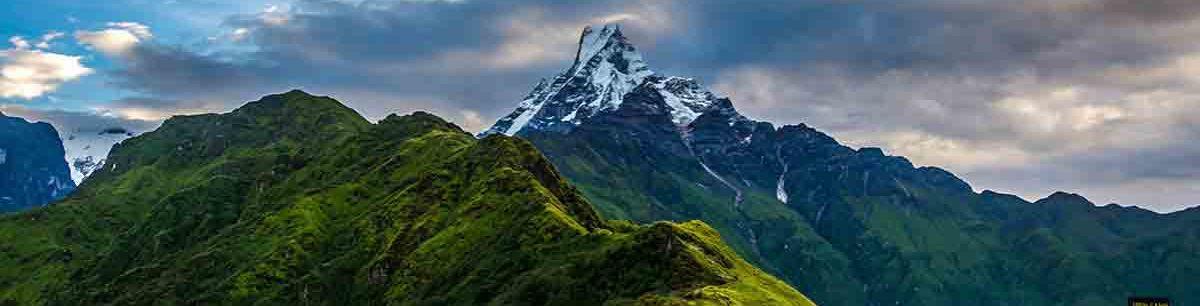

Climate change is changing Nepal’s trekking seasons in ways that every traveler, trekker, and adventure enthusiast should understand before planning a Himalayan journey. For decades, Nepal has welcomed trekkers with predictable spring blooms, crystal-clear autumn skies, and reliable weather windows that made iconic routes like the Everest Base Camp Trek, Annapurna Circuit Trek, and Manaslu Circuit Trek accessible to thousands of adventurers every year. Today, however, those seasonal patterns are becoming less predictable.
Warmer temperatures, shifting monsoon patterns, rapidly melting glaciers, unpredictable snowfall, and an increase in extreme weather events are reshaping the best time to visit the Himalayas. While Nepal remains one of the world’s premier trekking destinations, successful trekking now requires more careful planning, flexible itineraries, and awareness of changing mountain conditions.
Fortunately, climate change does not mean trekking in Nepal is no longer possible. Instead, it means travelers must choose their trekking seasons more wisely, stay informed about weather conditions, and work with experienced local guides who understand the changing Himalayan environment.
This guide explains how climate change is affecting Nepal’s trekking seasons, what these changes mean for visitors, and how you can still enjoy a safe and unforgettable Himalayan adventure.
Understanding Nepal’s Traditional Trekking Seasons
For generations, Nepal’s trekking calendar has revolved around four distinct seasons.
Spring (March to May)
Spring has long been considered one of Nepal’s best trekking seasons because of:
- Mild temperatures
- Stable weather
- Rhododendron forests in bloom
- Excellent mountain visibility
- Longer daylight hours
Popular spring treks include:
- Everest Base Camp
- Annapurna Base Camp
- Langtang Valley
- Manaslu Circuit
- Mardi Himal
Spring also attracts mountaineers attempting Everest and other Himalayan peaks.
Autumn (September to November)
Autumn traditionally offers:
- Dry weather
- Crystal-clear mountain views
- Comfortable daytime temperatures
- Low rainfall
- Excellent trail conditions
Many experienced trekkers consider autumn the absolute best time to visit Nepal.
Winter (December to February)
Winter trekking provides:
- Quiet trails
- Beautiful snow-covered landscapes
- Clear skies
- Lower trekking costs
However, higher passes often receive heavy snowfall, making some routes inaccessible.
Monsoon (June to August)
The monsoon season typically brings:
- Heavy rainfall
- Landslides
- Leeches
- Cloud-covered mountains
- Slippery trails
Nevertheless, rain-shadow regions like Upper Mustang and Dolpo remain excellent trekking destinations during this period.
How Climate Change Is Affecting Nepal’s Trekking Seasons
Climate change is altering these traditional weather patterns in several noticeable ways.
Warmer Temperatures Across the Himalayas
Average temperatures in Nepal’s mountains have gradually increased over recent decades.
Higher temperatures result in:
- Faster snowmelt
- Reduced snow accumulation
- Longer warm seasons
- Less predictable winter conditions
Trekkers now frequently experience unusually warm afternoons, even at higher elevations.
Delayed and Unpredictable Monsoon Seasons
Historically, Nepal’s monsoon followed a fairly reliable schedule.
Today, the rainy season often arrives:
- Earlier
- Later
- With irregular rainfall
- In shorter but more intense bursts
This makes it increasingly difficult to predict ideal trekking windows.
A trek planned for late September may still encounter lingering monsoon rains, while October generally continues to provide favorable conditions.
Heavier Rainfall Events
Rather than consistent rainfall spread across the season, climate change is producing:
- Sudden cloudbursts
- Flash floods
- Road washouts
- Increased landslides
Mountain roads leading to trekking regions can become temporarily blocked after intense storms.
Changing Snowfall Patterns
Snowfall is becoming less predictable.
Some winters produce:
- Very little snow
Others bring:
- Heavy snowstorms
- Avalanche risks
- Blocked mountain passes
High passes such as Thorong La and Larkya La may close unexpectedly depending on seasonal snowfall.
Faster Glacier Melting
Nepal’s Himalayan glaciers are retreating at an accelerating rate.
Consequences include:
- Formation of unstable glacial lakes
- Increased flood risks
- Changes in river systems
- Altered trekking landscapes
Trekkers visiting Everest and other glacier regions often notice visible changes compared to photographs taken only a decade ago.
Which Trekking Seasons Are Changing the Most?
Spring
Spring remains an excellent trekking season, but:
- Temperatures are warmer.
- Afternoon haze has become more common.
- Early snow melts faster.
- Weather changes more rapidly.
Morning starts have become increasingly important.
Autumn
Autumn continues to be Nepal’s most reliable trekking season.
However:
- Monsoon withdrawal is less predictable.
- September sometimes remains wet.
- November nights are becoming colder in certain regions.
Late October has become one of the safest periods for many Himalayan treks.
Winter
Climate change has produced mixed effects.
Lower elevations experience:
- Milder temperatures
Higher elevations may experience:
- More intense snowstorms
- Sudden weather shifts
- Increased avalanche danger
Monsoon
The monsoon now tends to feature:
- More extreme rainfall
- Longer dry breaks
- Unpredictable storm timing
Trekkers should monitor weather forecasts more closely than ever.
Best Time to Visit the Himalayas Today
Despite changing weather patterns, Nepal still offers outstanding trekking opportunities throughout much of the year.
March to Early May
Ideal for:
- Rhododendron blooms
- Moderate temperatures
- Mountain photography
- Everest Base Camp
- Annapurna Base Camp
Late October to Mid-November
Currently regarded as one of Nepal’s most reliable trekking windows because of:
- Stable weather
- Excellent visibility
- Comfortable temperatures
- Lower rainfall risk
December
Perfect for travelers seeking:
- Quiet trails
- Crisp mountain views
- Peaceful trekking experiences
Lower and mid-altitude treks remain especially enjoyable.
Popular Trekking Regions and Climate Change
Everest Region
Climate-related changes include:
- Faster glacier retreat
- Less predictable snowfall
- More variable temperatures
- Increased risks from glacial lake activity
Everest Base Camp remains one of the world’s premier trekking destinations despite these changes.
Annapurna Region
Travelers increasingly report:
- Warmer spring temperatures
- Unexpected rainfall
- Shifting flowering seasons
- Occasional landslides during shoulder seasons
Manaslu Region
The Manaslu Circuit has seen:
- Variable snowfall over Larkya La Pass
- Changing river levels
- Increased weather uncertainty in early spring
Guides now pay even closer attention to pass conditions.
Langtang Valley
Langtang continues recovering after the devastating 2015 earthquake while adapting to changing weather patterns that influence:
- Vegetation
- Wildlife
- Seasonal water availability
How Climate Change Affects Trekking Safety
Changing mountain weather requires greater preparation.
Important safety considerations include:
- Flexible itineraries
- Extra acclimatization days
- Updated weather forecasts
- Emergency evacuation plans
- Travel insurance covering high-altitude trekking
Trekkers should never assume historical weather patterns will repeat exactly.
Tips for Trekking Nepal in a Changing Climate
Choose Experienced Local Operators
Professional trekking companies monitor:
- Trail conditions
- Weather forecasts
- Landslide risks
- Snow conditions
Their local knowledge has become more valuable than ever.
Build Flexibility Into Your Schedule
Adding one or two buffer days can prevent weather-related disruptions from affecting international flights or important travel plans.
Pack for Multiple Weather Conditions
Even during autumn, trekkers should prepare for:
- Warm afternoons
- Freezing nights
- Rain
- Snow
- Strong winds
Layered clothing remains essential.
Start Trekking Early
Morning weather is generally more stable.
Afternoon cloud build-up has become increasingly common in many Himalayan regions.
Monitor Weather Forecasts Daily
Modern weather forecasting has improved significantly.
Guides regularly check updated mountain forecasts before crossing high passes.
Sustainable Trekking Matters More Than Ever
Climate change highlights the importance of responsible tourism.
Trekkers can reduce their environmental impact by:
- Carrying reusable water bottles
- Avoiding single-use plastics
- Supporting locally owned teahouses
- Following Leave No Trace principles
- Respecting wildlife habitats
- Hiring licensed local guides and porters
Sustainable tourism helps mountain communities adapt to environmental changes while preserving Nepal’s natural beauty for future generations.
Will Nepal Still Be Worth Visiting?
Absolutely.
The Himalayas remain among the world’s greatest adventure destinations.
Climate change has altered trekking conditions, but it has not diminished Nepal’s extraordinary landscapes, rich cultural heritage, or warm hospitality.
Instead, today’s travelers simply need better planning, greater flexibility, and a deeper understanding of mountain weather.
Those who prepare well continue to enjoy breathtaking sunrises over Everest, vibrant rhododendron forests in Annapurna, remote valleys in Manaslu, and unforgettable encounters with Himalayan culture.
The Future of Trekking in Nepal
Scientists expect climate change to continue influencing Himalayan weather over the coming decades. Trekking operators, local communities, conservation organizations, and government agencies are already adapting by improving trail infrastructure, strengthening early-warning systems for landslides and floods, promoting sustainable tourism practices, and educating trekkers about responsible travel.
Technology is also playing an important role. Improved satellite weather forecasting, GPS navigation, and real-time communication allow guides to make better decisions when conditions change unexpectedly. At the same time, conservation efforts aimed at protecting forests, watersheds, and biodiversity help reduce environmental pressures on fragile mountain ecosystems.
For travelers, the future of trekking in Nepal will likely involve more flexible itineraries, greater emphasis on environmental stewardship, and closer collaboration with experienced local professionals. These adaptations will help ensure that the Himalayas remain accessible while protecting the natural landscapes that make Nepal one of the world’s most remarkable trekking destinations.
Conclusion
Climate change is changing Nepal’s trekking seasons, but it has not taken away the magic of the Himalayas. Instead, it has reshaped when and how travelers should plan their adventures. Understanding shifting weather patterns, selecting the right trekking window, packing appropriately, and relying on knowledgeable local guides are now essential parts of a successful journey.
For most visitors, late October through mid-November and March through early May continue to offer the best balance of stable weather, comfortable temperatures, and spectacular mountain scenery. By traveling responsibly and supporting sustainable tourism, trekkers also contribute to the long-term protection of Nepal’s fragile mountain environment.
Whether your dream is to stand beneath Mount Everest, cross the dramatic Larkya La Pass, explore the Annapurna Sanctuary, or wander through the peaceful Langtang Valley, careful planning will help you experience the Himalayas safely and responsibly. Nepal’s mountains are changing, but their beauty, cultural richness, and spirit of adventure remain as inspiring as ever.
