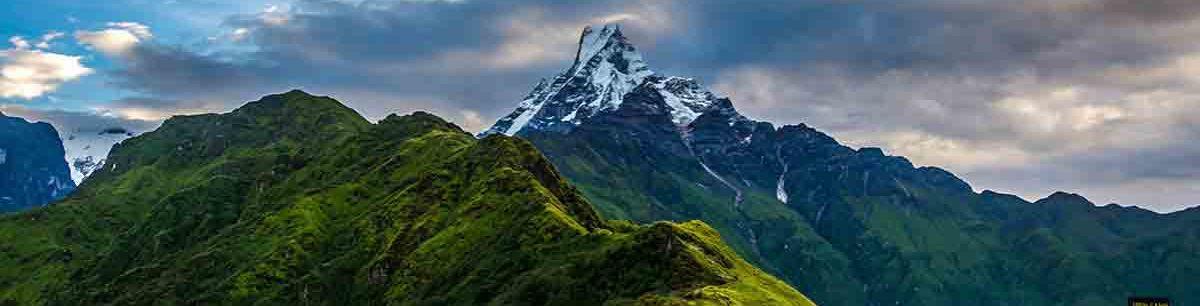
12 Expert Tips for Choosing the Best Trekking Company in Nepal

Choosing the Best Trekking Company in Nepal is one of the most important decisions you’ll make before setting foot on the Himalayan trails. Nepal is home to some of the world’s most iconic trekking destinations, including Everest Base Camp, Annapurna Base Camp, the Manaslu Circuit, Langtang Valley, and Upper Mustang. While these breathtaking adventures promise unforgettable experiences, the quality of your journey largely depends on the trekking company you choose.

A reliable trekking operator does much more than arrange permits and accommodations. They ensure your safety, provide knowledgeable guides, manage logistics, support local communities, and help you enjoy an authentic Himalayan experience. With hundreds of trekking agencies operating across Nepal, selecting the right one can feel overwhelming.

This comprehensive guide explores 12 expert tips for choosing the best trekking company in Nepal, helping you make an informed decision that ensures a safe, enjoyable, and memorable adventure.


Why Choosing the Right Trekking Company Matters

A Himalayan trek is unlike an ordinary vacation. You’ll be hiking at high altitudes, often in remote mountain regions where weather conditions can change rapidly. A professional trekking company plays a vital role by:

  • Managing permits and logistics
  • Providing experienced guides and porters
  • Monitoring your health during the trek
  • Responding effectively to emergencies
  • Offering cultural insights
  • Supporting responsible tourism

Choosing an inexperienced or unlicensed operator may save money initially, but it can lead to safety concerns, poor service, hidden costs, or even canceled trips.


Verify Government Registration and Licensing

Always ensure the trekking company is officially registered with the Government of Nepal.

A reputable company should be registered with organizations such as:

  • Department of Tourism Nepal
  • Nepal Tourism Board (NTB)
  • Trekking Agencies’ Association of Nepal (TAAN)
  • Company Registrar Office
  • PAN/VAT Registration

Licensed operators follow Nepal’s tourism regulations and maintain professional standards.

Don’t hesitate to ask for registration numbers before making a booking.


Check Years of Experience

Experience matters in mountain tourism.

Companies with several years of successful operations are generally better equipped to handle:

  • Route planning
  • Altitude challenges
  • Weather changes
  • Emergency evacuations
  • Permit processing
  • Cultural interactions

Experienced operators have established networks across the Himalayas, resulting in smoother logistics and better service.


Read Genuine Customer Reviews

One of the easiest ways to evaluate a trekking company is through customer feedback.

Look for reviews on:

  • Google
  • TripAdvisor
  • Trustpilot
  • Facebook
  • Independent travel blogs

Pay attention to recurring comments regarding:

  • Guide professionalism
  • Safety standards
  • Food and accommodation
  • Communication
  • Emergency support

Avoid relying solely on testimonials displayed on the company’s website.


Evaluate Guide Qualifications

Your trekking guide can make or break your Himalayan adventure.

Professional guides should have:

  • Government-issued trekking guide licenses
  • Wilderness First Aid training
  • Altitude sickness management knowledge
  • English communication skills
  • Extensive local experience

Some companies also employ multilingual guides for international travelers.

An experienced guide not only leads the trek but also shares local history, traditions, wildlife knowledge, and mountain culture.


Prioritize Safety Above Everything

Safety should never be compromised for a cheaper price.

Ask the company about:

  • Emergency evacuation procedures
  • Satellite communication
  • Oxygen cylinders for high-altitude treks
  • First aid kits
  • Daily health monitoring
  • Guide-to-client ratios

Responsible operators encourage acclimatization rather than rushing itineraries.

Remember, reaching the summit is optional—returning safely is mandatory.


Compare What’s Included in the Package

Many travelers compare trekking prices without understanding what each package includes.

Request a detailed itinerary and cost breakdown covering:

  • Airport transfers
  • Hotels
  • Meals
  • Trekking permits
  • TIMS card (if applicable)
  • Transportation
  • Domestic flights
  • Guide
  • Porter
  • Accommodation
  • Taxes

Hidden charges can significantly increase your total expenses.

A transparent company clearly explains every inclusion and exclusion.


Look for Responsible Tourism Practices

Sustainable tourism benefits both travelers and local communities.

Choose companies that:

  • Hire local guides and porters
  • Pay fair wages
  • Avoid plastic waste
  • Respect local culture
  • Support community projects
  • Follow Leave No Trace principles

Responsible trekking helps preserve Nepal’s fragile mountain ecosystems for future generations.


Assess Communication Before Booking

Excellent customer service usually begins long before your arrival in Nepal.

Notice how the company responds to inquiries.

Do they:

  • Reply promptly?
  • Answer your questions thoroughly?
  • Provide customized itineraries?
  • Offer honest advice?
  • Explain altitude risks?

Professional communication often reflects the quality of service you’ll receive during your trek.


Confirm Insurance and Emergency Support

Although travelers need their own travel insurance, the trekking company should have clear emergency protocols.

Ask whether they assist with:

  • Helicopter evacuation coordination
  • Hospital communication
  • Insurance documentation
  • Rescue logistics
  • Emergency transportation

Companies experienced in high-altitude trekking know how to act quickly during emergencies.


Review Trekking Equipment Standards

Not every traveler owns quality trekking equipment.

Many companies rent or provide:

  • Sleeping bags
  • Down jackets
  • Trekking poles
  • Duffel bags
  • Gaiters
  • Microspikes (seasonal)

Ensure rented equipment is clean, well-maintained, and suitable for Himalayan conditions.

Poor-quality gear can negatively impact your comfort and safety.


Compare Value Rather Than Price

The cheapest trek is rarely the best.

Instead of selecting the lowest price, compare overall value.

Consider:

  • Guide quality
  • Safety measures
  • Accommodation standards
  • Group size
  • Meals
  • Transportation
  • Customer support

A slightly higher investment often provides a significantly better trekking experience.


Choose a Company That Offers Customized Itineraries

Every trekker has different goals, fitness levels, and schedules.

A professional trekking company should be able to customize:

  • Trek duration
  • Difficulty level
  • Acclimatization days
  • Side trips
  • Private departures
  • Family-friendly itineraries
  • Luxury trekking options

Flexibility demonstrates experience and customer-focused service.


Red Flags to Watch Out For

While researching trekking companies, be cautious if you notice:

  • Extremely low prices
  • No physical office
  • Poor communication
  • No government registration
  • Hidden charges
  • Unrealistic itineraries
  • Pressure to pay immediately
  • No emergency plan
  • No guide credentials

These warning signs often indicate an unreliable operator.


Questions to Ask Before Booking

Before confirming your trek, ask:

  • Is your company government licensed?
  • How many years have you operated?
  • Are guides first-aid certified?
  • What’s included in the price?
  • How are emergencies handled?
  • What happens if someone gets altitude sickness?
  • Are airport transfers included?
  • Can the itinerary be customized?
  • What equipment is provided?
  • What is your cancellation policy?

Clear answers help build confidence in your decision.


Benefits of Booking with a Local Nepalese Trekking Company

Many international travelers book directly with local operators instead of overseas agencies.

Advantages include:

Better Local Knowledge

Local companies understand weather patterns, trail conditions, and regional culture better than overseas resellers.

Competitive Pricing

Booking directly eliminates middleman commissions, offering better value without sacrificing service.

Supporting Nepal’s Economy

Your money directly benefits local guides, porters, teahouses, transportation providers, and mountain communities.

Personalized Service

Local agencies are often more flexible with itinerary adjustments and special requests.


How Early Should You Book?

Booking timelines depend on the trekking season.

Peak Seasons

  • Spring (March–May)
  • Autumn (September–November)

Reserve 2–6 months in advance to secure preferred guides and accommodations.

Off-Season

Winter and monsoon treks usually offer greater flexibility but require additional planning for weather conditions.


Why Professional Guides Make a Difference

A knowledgeable guide enhances your trek by:

  • Navigating difficult trails
  • Managing altitude acclimatization
  • Coordinating accommodation
  • Explaining local traditions
  • Translating conversations
  • Monitoring your health
  • Handling unexpected situations

Beyond logistics, guides often become one of the most memorable parts of the journey.


Final Thoughts

Choosing the right trekking company is just as important as choosing the right trekking route. While Nepal offers incredible mountain adventures, your experience depends heavily on the professionalism, safety standards, and local expertise of the operator you trust.

By following these 12 expert tips for choosing the best trekking company in Nepal, you’ll be well-prepared to select a licensed, experienced, and customer-focused company that prioritizes your safety and satisfaction.

Rather than focusing solely on price, evaluate each operator based on experience, transparency, guide quality, responsible tourism practices, and emergency preparedness. Investing in a reputable trekking company ensures peace of mind, allowing you to fully immerse yourself in Nepal’s spectacular landscapes, vibrant cultures, and unforgettable Himalayan adventures.

Whether you’re planning your first trek to Everest Base Camp or exploring remote trails like Manaslu or Kanchenjunga, choosing the right partner will transform your journey into an experience you’ll remember for a lifetime.


Frequently Asked Questions (FAQs)

1. How do I know if a trekking company in Nepal is legitimate?

Verify that it is registered with the Nepal Tourism Board, the Department of Tourism, and the Trekking Agencies’ Association of Nepal (TAAN). Also, check recent customer reviews and ask for registration details.

2. Is it better to book with a local trekking company in Nepal?

Yes. Local companies often provide better value, personalized service, and direct support to Nepal’s economy while offering in-depth knowledge of the trekking regions.

3. What should be included in a trekking package?

A standard package typically includes trekking permits, guide services, accommodation, transportation, meals during the trek, and airport transfers. Always request a detailed list of inclusions and exclusions.

4. Why is a licensed guide important?

Licensed guides are trained in navigation, first aid, and altitude sickness management. They also enhance your experience by sharing local culture, history, and environmental knowledge.

5. When is the best time to book a trek in Nepal?

For spring (March–May) and autumn (September–November), it’s advisable to book at least 2–6 months in advance to secure experienced guides and preferred accommodations.

Quick Inquiry Form

How Climate Change Is Changing Nepal’s Trekking Seasons: Best Time to Visit the Himalayas

Climate change is changing Nepal’s trekking seasons in ways that every traveler, trekker, and adventure enthusiast should understand before planning a Himalayan journey. For decades, Nepal has welcomed trekkers with predictable spring blooms, crystal-clear autumn skies, and reliable weather windows that made iconic routes like the Everest Base Camp Trek, Annapurna Circuit Trek, and Manaslu Circuit Trek accessible to thousands of adventurers every year. Today, however, those seasonal patterns are becoming less predictable.

Warmer temperatures, shifting monsoon patterns, rapidly melting glaciers, unpredictable snowfall, and an increase in extreme weather events are reshaping the best time to visit the Himalayas. While Nepal remains one of the world’s premier trekking destinations, successful trekking now requires more careful planning, flexible itineraries, and awareness of changing mountain conditions.

Fortunately, climate change does not mean trekking in Nepal is no longer possible. Instead, it means travelers must choose their trekking seasons more wisely, stay informed about weather conditions, and work with experienced local guides who understand the changing Himalayan environment.

This guide explains how climate change is affecting Nepal’s trekking seasons, what these changes mean for visitors, and how you can still enjoy a safe and unforgettable Himalayan adventure.


Understanding Nepal’s Traditional Trekking Seasons

For generations, Nepal’s trekking calendar has revolved around four distinct seasons.

Spring (March to May)

Spring has long been considered one of Nepal’s best trekking seasons because of:

  • Mild temperatures
  • Stable weather
  • Rhododendron forests in bloom
  • Excellent mountain visibility
  • Longer daylight hours

Popular spring treks include:

  • Everest Base Camp
  • Annapurna Base Camp
  • Langtang Valley
  • Manaslu Circuit
  • Mardi Himal

Spring also attracts mountaineers attempting Everest and other Himalayan peaks.


Autumn (September to November)

Autumn traditionally offers:

  • Dry weather
  • Crystal-clear mountain views
  • Comfortable daytime temperatures
  • Low rainfall
  • Excellent trail conditions

Many experienced trekkers consider autumn the absolute best time to visit Nepal.


Winter (December to February)

Winter trekking provides:

  • Quiet trails
  • Beautiful snow-covered landscapes
  • Clear skies
  • Lower trekking costs

However, higher passes often receive heavy snowfall, making some routes inaccessible.


Monsoon (June to August)

The monsoon season typically brings:

  • Heavy rainfall
  • Landslides
  • Leeches
  • Cloud-covered mountains
  • Slippery trails

Nevertheless, rain-shadow regions like Upper Mustang and Dolpo remain excellent trekking destinations during this period.


How Climate Change Is Affecting Nepal’s Trekking Seasons

Climate change is altering these traditional weather patterns in several noticeable ways.

Warmer Temperatures Across the Himalayas

Average temperatures in Nepal’s mountains have gradually increased over recent decades.

Higher temperatures result in:

  • Faster snowmelt
  • Reduced snow accumulation
  • Longer warm seasons
  • Less predictable winter conditions

Trekkers now frequently experience unusually warm afternoons, even at higher elevations.


Delayed and Unpredictable Monsoon Seasons

Historically, Nepal’s monsoon followed a fairly reliable schedule.

Today, the rainy season often arrives:

  • Earlier
  • Later
  • With irregular rainfall
  • In shorter but more intense bursts

This makes it increasingly difficult to predict ideal trekking windows.

A trek planned for late September may still encounter lingering monsoon rains, while October generally continues to provide favorable conditions.


Heavier Rainfall Events

Rather than consistent rainfall spread across the season, climate change is producing:

  • Sudden cloudbursts
  • Flash floods
  • Road washouts
  • Increased landslides

Mountain roads leading to trekking regions can become temporarily blocked after intense storms.


Changing Snowfall Patterns

Snowfall is becoming less predictable.

Some winters produce:

  • Very little snow

Others bring:

  • Heavy snowstorms
  • Avalanche risks
  • Blocked mountain passes

High passes such as Thorong La and Larkya La may close unexpectedly depending on seasonal snowfall.


Faster Glacier Melting

Nepal’s Himalayan glaciers are retreating at an accelerating rate.

Consequences include:

  • Formation of unstable glacial lakes
  • Increased flood risks
  • Changes in river systems
  • Altered trekking landscapes

Trekkers visiting Everest and other glacier regions often notice visible changes compared to photographs taken only a decade ago.


Which Trekking Seasons Are Changing the Most?

Spring

Spring remains an excellent trekking season, but:

  • Temperatures are warmer.
  • Afternoon haze has become more common.
  • Early snow melts faster.
  • Weather changes more rapidly.

Morning starts have become increasingly important.


Autumn

Autumn continues to be Nepal’s most reliable trekking season.

However:

  • Monsoon withdrawal is less predictable.
  • September sometimes remains wet.
  • November nights are becoming colder in certain regions.

Late October has become one of the safest periods for many Himalayan treks.


Winter

Climate change has produced mixed effects.

Lower elevations experience:

  • Milder temperatures

Higher elevations may experience:

  • More intense snowstorms
  • Sudden weather shifts
  • Increased avalanche danger

Monsoon

The monsoon now tends to feature:

  • More extreme rainfall
  • Longer dry breaks
  • Unpredictable storm timing

Trekkers should monitor weather forecasts more closely than ever.


Best Time to Visit the Himalayas Today

Despite changing weather patterns, Nepal still offers outstanding trekking opportunities throughout much of the year.

March to Early May

Ideal for:

  • Rhododendron blooms
  • Moderate temperatures
  • Mountain photography
  • Everest Base Camp
  • Annapurna Base Camp

Late October to Mid-November

Currently regarded as one of Nepal’s most reliable trekking windows because of:

  • Stable weather
  • Excellent visibility
  • Comfortable temperatures
  • Lower rainfall risk

December

Perfect for travelers seeking:

  • Quiet trails
  • Crisp mountain views
  • Peaceful trekking experiences

Lower and mid-altitude treks remain especially enjoyable.


Popular Trekking Regions and Climate Change

Everest Region

Climate-related changes include:

  • Faster glacier retreat
  • Less predictable snowfall
  • More variable temperatures
  • Increased risks from glacial lake activity

Everest Base Camp remains one of the world’s premier trekking destinations despite these changes.


Annapurna Region

Travelers increasingly report:

  • Warmer spring temperatures
  • Unexpected rainfall
  • Shifting flowering seasons
  • Occasional landslides during shoulder seasons

Manaslu Region

The Manaslu Circuit has seen:

  • Variable snowfall over Larkya La Pass
  • Changing river levels
  • Increased weather uncertainty in early spring

Guides now pay even closer attention to pass conditions.


Langtang Valley

Langtang continues recovering after the devastating 2015 earthquake while adapting to changing weather patterns that influence:

  • Vegetation
  • Wildlife
  • Seasonal water availability

How Climate Change Affects Trekking Safety

Changing mountain weather requires greater preparation.

Important safety considerations include:

  • Flexible itineraries
  • Extra acclimatization days
  • Updated weather forecasts
  • Emergency evacuation plans
  • Travel insurance covering high-altitude trekking

Trekkers should never assume historical weather patterns will repeat exactly.


Tips for Trekking Nepal in a Changing Climate

Choose Experienced Local Operators

Professional trekking companies monitor:

  • Trail conditions
  • Weather forecasts
  • Landslide risks
  • Snow conditions

Their local knowledge has become more valuable than ever.


Build Flexibility Into Your Schedule

Adding one or two buffer days can prevent weather-related disruptions from affecting international flights or important travel plans.


Pack for Multiple Weather Conditions

Even during autumn, trekkers should prepare for:

  • Warm afternoons
  • Freezing nights
  • Rain
  • Snow
  • Strong winds

Layered clothing remains essential.


Start Trekking Early

Morning weather is generally more stable.

Afternoon cloud build-up has become increasingly common in many Himalayan regions.


Monitor Weather Forecasts Daily

Modern weather forecasting has improved significantly.

Guides regularly check updated mountain forecasts before crossing high passes.


Sustainable Trekking Matters More Than Ever

Climate change highlights the importance of responsible tourism.

Trekkers can reduce their environmental impact by:

  • Carrying reusable water bottles
  • Avoiding single-use plastics
  • Supporting locally owned teahouses
  • Following Leave No Trace principles
  • Respecting wildlife habitats
  • Hiring licensed local guides and porters

Sustainable tourism helps mountain communities adapt to environmental changes while preserving Nepal’s natural beauty for future generations.


Will Nepal Still Be Worth Visiting?

Absolutely.

The Himalayas remain among the world’s greatest adventure destinations.

Climate change has altered trekking conditions, but it has not diminished Nepal’s extraordinary landscapes, rich cultural heritage, or warm hospitality.

Instead, today’s travelers simply need better planning, greater flexibility, and a deeper understanding of mountain weather.

Those who prepare well continue to enjoy breathtaking sunrises over Everest, vibrant rhododendron forests in Annapurna, remote valleys in Manaslu, and unforgettable encounters with Himalayan culture.


The Future of Trekking in Nepal

Scientists expect climate change to continue influencing Himalayan weather over the coming decades. Trekking operators, local communities, conservation organizations, and government agencies are already adapting by improving trail infrastructure, strengthening early-warning systems for landslides and floods, promoting sustainable tourism practices, and educating trekkers about responsible travel.

Technology is also playing an important role. Improved satellite weather forecasting, GPS navigation, and real-time communication allow guides to make better decisions when conditions change unexpectedly. At the same time, conservation efforts aimed at protecting forests, watersheds, and biodiversity help reduce environmental pressures on fragile mountain ecosystems.

For travelers, the future of trekking in Nepal will likely involve more flexible itineraries, greater emphasis on environmental stewardship, and closer collaboration with experienced local professionals. These adaptations will help ensure that the Himalayas remain accessible while protecting the natural landscapes that make Nepal one of the world’s most remarkable trekking destinations.


Conclusion

Climate change is changing Nepal’s trekking seasons, but it has not taken away the magic of the Himalayas. Instead, it has reshaped when and how travelers should plan their adventures. Understanding shifting weather patterns, selecting the right trekking window, packing appropriately, and relying on knowledgeable local guides are now essential parts of a successful journey.

For most visitors, late October through mid-November and March through early May continue to offer the best balance of stable weather, comfortable temperatures, and spectacular mountain scenery. By traveling responsibly and supporting sustainable tourism, trekkers also contribute to the long-term protection of Nepal’s fragile mountain environment.

Whether your dream is to stand beneath Mount Everest, cross the dramatic Larkya La Pass, explore the Annapurna Sanctuary, or wander through the peaceful Langtang Valley, careful planning will help you experience the Himalayas safely and responsibly. Nepal’s mountains are changing, but their beauty, cultural richness, and spirit of adventure remain as inspiring as ever.

Quick Inquiry Form

From Ocean Waves to Himalayan Peaks: Why Nepal Is the Ultimate Travel Adventure Destination in 2027

Travelers in 2027 are seeking more than traditional vacations. Modern adventurers want authentic experiences, breathtaking landscapes, cultural immersion, and unforgettable memories. If you are searching for the perfect Nepal Travel Adventure Destination 2027, Nepal stands out as one of the world’s most exciting places to visit. Combining majestic Himalayan mountains, rich cultural heritage, thrilling outdoor activities, diverse wildlife, and spiritual experiences, Nepal offers a unique journey that appeals to every type of traveler.

While many destinations focus on beaches, luxury resorts, or urban attractions, Nepal delivers something far more extraordinary. From the towering peaks of the Himalayas to ancient temples, vibrant festivals, and world-famous trekking routes, every corner of the country offers opportunities for discovery and adventure. Whether you are a first-time visitor or a seasoned explorer, Nepal provides experiences that go beyond ordinary tourism.

As global travel trends continue to favor meaningful and immersive experiences, Nepal has earned its reputation as the ultimate travel destination for 2027. This remarkable country invites visitors to step away from crowded tourist hotspots and embrace a world of natural beauty, adventure, and cultural authenticity.

The Growing Popularity of Nepal Travel in 2027

Nepal’s tourism industry has experienced remarkable growth in recent years. Improved infrastructure, expanded trekking facilities, sustainable tourism initiatives, and increased international accessibility have made the country more attractive than ever before.

Travelers are increasingly choosing destinations that provide meaningful experiences rather than simply luxurious accommodations. Nepal perfectly aligns with this trend by offering:

  • World-famous trekking routes
  • Authentic cultural encounters
  • Adventure tourism opportunities
  • Diverse landscapes
  • Affordable travel experiences
  • Spiritual and wellness retreats
  • Wildlife exploration

In 2027, Nepal continues to attract visitors seeking adventure combined with personal growth and cultural discovery.

Home to the World’s Most Spectacular Mountains

One of the biggest reasons travelers choose Nepal is the Himalayas. The country is home to eight of the world’s fourteen highest mountains, including the legendary Mount Everest.

Mount Everest: The Ultimate Adventure Symbol

Standing at 8,848.86 meters, Mount Everest remains one of the most iconic travel destinations on the planet. While not everyone dreams of summiting Everest, many visitors are eager to experience the famous Everest Base Camp Trek.

The journey offers:

  • Stunning mountain views
  • Traditional Sherpa villages
  • Ancient monasteries
  • Unique cultural experiences
  • Incredible photography opportunities

For many travelers, simply witnessing Everest in person becomes a life-changing experience.

Beyond Everest

Nepal offers much more than Everest alone. Other spectacular trekking regions include:

Each destination provides unique landscapes, cultures, and adventure opportunities.

Adventure Tourism at Its Finest

Adventure tourism continues to dominate travel trends in 2027, and Nepal remains one of the world’s leading destinations for thrill-seekers.

Trekking Adventures

Nepal’s trekking network is among the best developed in the world. Popular routes include:

Annapurna Circuit Trek

Known for diverse scenery and cultural experiences, this trek passes through forests, valleys, mountain villages, and high-altitude landscapes.

Everest Base Camp Trek

A bucket-list adventure that attracts thousands of travelers every year.

Langtang Valley Trek

Ideal for travelers seeking fewer crowds while still enjoying spectacular Himalayan scenery.

Mountain Climbing

Nepal attracts climbers from around the world with its extensive range of peaks suitable for beginners and experienced mountaineers alike.

Popular climbing peaks include:

  • Island Peak
  • Mera Peak
  • Lobuche Peak
  • Pisang Peak

These climbs provide a challenging yet achievable introduction to Himalayan mountaineering.

White Water Rafting

Nepal’s rivers originate in the Himalayas, creating exciting rafting opportunities.

Popular rafting rivers include:

  • Trishuli River
  • Bhote Koshi River
  • Seti River
  • Kali Gandaki River

The combination of rapids and stunning scenery creates unforgettable adventures.

Paragliding

Pokhara has become one of Asia’s most popular paragliding destinations. Flying above lakes, forests, and mountain ranges offers breathtaking views that few travelers ever forget.

Bungee Jumping

Adventure lovers can experience one of the world’s most dramatic bungee jumps over deep river gorges near the Nepal-Tibet border.

Nepal’s Incredible Natural Diversity

One of Nepal’s most fascinating features is its remarkable geographic diversity.

Within a relatively small area, travelers can experience:

  • Tropical forests
  • Rolling hills
  • Alpine meadows
  • Snow-covered mountains
  • Glacial lakes
  • River valleys

This diversity allows visitors to experience multiple ecosystems during a single trip.

Sunrise Views Like No Other

Watching the sunrise over the Himalayas is often described as one of the most beautiful travel experiences in the world.

Popular sunrise viewpoints include:

  • Poon Hill
  • Nagarkot
  • Sarangkot
  • Kala Patthar

As the first rays of sunlight illuminate the mountains, the landscape transforms into a stunning display of gold, pink, and orange colors.

Rich Cultural Heritage and Ancient Traditions

Adventure is only part of Nepal’s appeal. The country also offers one of Asia’s richest cultural experiences.

Kathmandu Valley

The Kathmandu Valley is a treasure trove of history, architecture, and spirituality.

Visitors can explore:

  • Ancient temples
  • Historic palaces
  • Traditional courtyards
  • Buddhist stupas
  • Sacred shrines

The valley reflects centuries of artistic achievement and cultural preservation.

Diverse Ethnic Communities

Nepal is home to more than 100 ethnic groups and numerous languages.

Travelers can interact with communities such as:

  • Sherpa
  • Gurung
  • Tamang
  • Tharu
  • Newar
  • Rai

Each group contributes unique traditions, cuisines, festivals, and lifestyles.

Colorful Festivals

Nepal’s vibrant festivals offer unforgettable cultural experiences.

Popular celebrations include:

  • Dashain
  • Tihar
  • Holi
  • Buddha Jayanti
  • Indra Jatra

These festivals provide opportunities to witness authentic local traditions and hospitality.

Spiritual and Wellness Tourism

As wellness travel continues to grow globally, Nepal has become a sought-after destination for spiritual retreats and personal transformation.

Birthplace of Lord Buddha

Lumbini, the birthplace of Lord Buddha, attracts pilgrims and spiritual seekers from around the world.

Visitors can explore:

  • Sacred gardens
  • Monasteries
  • Meditation centers
  • Historical sites

The peaceful atmosphere makes Lumbini a meaningful destination for reflection and self-discovery.

Yoga and Meditation Retreats

Many travelers now combine trekking adventures with wellness experiences.

Popular wellness activities include:

  • Yoga retreats
  • Meditation programs
  • Mindfulness workshops
  • Ayurvedic treatments
  • Nature therapy

The Himalayan environment provides an ideal setting for relaxation and renewal.

Wildlife Adventures in Nepal

Many travelers are surprised to learn that Nepal offers outstanding wildlife experiences alongside its mountain adventures.

Chitwan National Park

One of South Asia’s premier wildlife destinations, Chitwan National Park is home to:

  • One-horned rhinoceroses
  • Bengal tigers
  • Wild elephants
  • Crocodiles
  • Deer species
  • Hundreds of bird species

Safari experiences include jeep tours, canoe rides, and guided jungle walks.

Bardia National Park

For travelers seeking fewer crowds and more remote wildlife encounters, Bardia National Park provides exceptional opportunities to observe rare species in their natural habitat.

Affordable Luxury and Value for Money

Compared to many global adventure destinations, Nepal offers excellent value.

Travelers can enjoy:

  • Comfortable accommodations
  • Guided tours
  • Adventure activities
  • Local transportation
  • Authentic dining experiences

At costs often significantly lower than similar experiences in Europe, North America, or Oceania.

This affordability makes Nepal accessible to backpackers, families, solo travelers, and luxury tourists alike.

Sustainable Tourism Initiatives

Travelers in 2027 increasingly prioritize sustainability when choosing destinations.

Nepal has made significant progress in promoting responsible tourism through:

  • Community-based tourism programs
  • Eco-friendly lodges
  • Conservation projects
  • Waste management initiatives
  • Sustainable trekking practices

Many local communities directly benefit from tourism revenue, creating positive economic and environmental impacts.

Why Nepal Appeals to Every Type of Traveler

One of Nepal’s greatest strengths is its ability to satisfy diverse travel interests.

For Adventure Seekers

  • Trekking
  • Climbing
  • Rafting
  • Paragliding
  • Mountain biking

To Nature Lovers

  • Himalayan landscapes
  • National parks
  • Wildlife safaris
  • Scenic lakes

To Cultural Explorers

  • Ancient temples
  • Historic cities
  • Traditional villages
  • Local festivals

For Spiritual Travelers

  • Buddhist pilgrimage sites
  • Meditation retreats
  • Yoga centers
  • Sacred mountain environments

For Photographers

  • Mountain panoramas
  • Wildlife encounters
  • Cultural festivals
  • Historic architecture

Few destinations offer such a comprehensive range of experiences within a single country.

Travel Tips for Visiting Nepal in 2027

To maximize your Nepal adventure, consider the following recommendations:

Best Seasons to Visit

Spring (March to May)

  • Clear mountain views
  • Blooming rhododendrons
  • Pleasant temperatures

Autumn (September to November)

  • Excellent trekking conditions
  • Stable weather
  • Spectacular visibility

Pack Smart

Essential items include:

  • Layered clothing
  • Quality hiking boots
  • Sunscreen
  • Reusable water bottle
  • Travel insurance
  • Basic first-aid supplies

Respect Local Culture

Visitors should:

  • Dress modestly at religious sites
  • Ask permission before photographing people
  • Follow local customs
  • Support local businesses

These practices help create positive interactions and responsible travel experiences.

Conclusion

From breathtaking Himalayan peaks to ancient cultural treasures, thrilling adventures, diverse wildlife, and transformative spiritual experiences, Nepal truly stands among the world’s most remarkable travel destinations in 2027.

For travelers ready to move beyond ordinary vacations and embrace something extraordinary, Nepal offers an unparalleled journey of discovery. Whether you are transitioning from ocean adventures to mountain exploration or simply seeking your next unforgettable experience, Nepal delivers adventure, inspiration, and authenticity at every turn. As travel trends continue to favor meaningful experiences, sustainable tourism, and immersive cultural encounters, Nepal remains perfectly positioned as the ultimate travel adventure destination. In 2027, there has never been a better time to explore this extraordinary Himalayan nation and create memories that will last a lifetime.

Quick Inquiry Form

7 Stunning Flower Trail Treks in Nepal: Adventure in Full Bloom

Nepal is widely known for its towering Himalayan peaks, legendary trekking routes, and rich cultural heritage. Yet, beyond the snow-covered mountains lies another spectacular natural wonder—flower-filled trekking trails that burst into vibrant color every spring. From red rhododendron forests to rare Himalayan wildflowers, these trails transform the landscape into a breathtaking floral paradise.

Spring (March to May) is considered the best season for flower trekking in Nepal, when hillsides and forests come alive with blooms of rhododendrons, magnolias, orchids, and alpine flowers. During this period, the national flower of Nepal, Laliguras (rhododendron), blossoms in brilliant shades of red, pink, white, and purple across mid-hill forests.

For nature lovers, photographers, and adventure seekers, trekking through Nepal’s flower trails offers a magical experience—where every step reveals new colors, scents, and views of the Himalayas.

In this guide, we explore 7 stunning flower trail treks in Nepal that promise an unforgettable adventure in full bloom.


Why Trek Flower Trails in Nepal?

Before diving into the best flower trails, it’s worth understanding why Nepal is such a unique destination for floral trekking.

Nepal’s dramatic elevation range—from subtropical forests at 500 meters to alpine terrain above 4,000 meters—creates diverse ecosystems that support thousands of plant species. This variation allows trekkers to see a wide variety of flowers within a single trek.

Key highlights include:

  • Over 30 species of rhododendron growing in Nepal’s forests
  • Seasonal alpine flowers such as the Himalayan blue poppy
  • Forests bursting with blossoms from March to May
  • Scenic trekking routes through protected national parks and conservation areas

When spring arrives, many trails become natural botanical gardens, making trekking not just an adventure but also a visual and sensory experience.


Ghorepani Poon Hill Trek – Nepal’s Most Famous Flower Trail

The Ghorepani Poon Hill Trek is perhaps the most famous flower trekking route in Nepal. Located in the Annapurna region, it is renowned for its dense rhododendron forests, which are among the largest in the Himalayas.

During spring, the trail from Tikhedhunga to Ghorepani transforms into a tunnel of colorful blooms. Bright red rhododendrons dominate the forest, while pink and white varieties add contrast to the scenery.

Highlights

  • Sunrise view from Poon Hill (3,210 m)
  • Vast rhododendron forests in bloom
  • Views of the Annapurna and Dhaulagiri ranges
  • Cultural encounters in Gurung and Magar villages

The trek typically takes 4–5 days, making it ideal for beginners who want to experience Nepal’s floral landscapes without committing to a long expedition.


Annapurna Base Camp Trek – A Journey Through Blooming Forests

The Annapurna Base Camp (ABC) Trek is one of Nepal’s most iconic trekking adventures. While it is famous for its dramatic mountain amphitheater, the trail also passes through lush forests filled with seasonal flowers.

In spring, the lower sections of the trail—especially around Ghandruk, Chhomrong, and Bamboo—are covered in blooming rhododendrons and other wildflowers.

Highlights

  • Rhododendron forests along the trekking route
  • Stunning views of Annapurna South and Machapuchare
  • Rich biodiversity within the Annapurna Conservation Area
  • Traditional Gurung villages and cultural experiences

The trek usually lasts 7–12 days, offering a perfect mix of floral beauty, Himalayan scenery, and cultural immersion.


Mardi Himal Trek – A Hidden Floral Paradise

The Mardi Himal Trek is a relatively newer trekking route in the Annapurna region that has quickly gained popularity among nature lovers.

During spring, the section between Forest Camp and Low Camp becomes a magical pathway lined with blooming rhododendrons and moss-covered trees. The vibrant red, pink, and white blossoms create one of the most picturesque forest walks in the region.

Highlights

  • Quiet trails compared to other Annapurna routes
  • Spectacular rhododendron forests
  • Close views of Machapuchare (Fishtail Mountain)
  • Peaceful nature experience

The trek usually takes 5–7 days, making it perfect for travelers seeking a less crowded flower trail.


Langtang Valley Trek – Flower Trails Near Kathmandu

If you’re looking for a beautiful flower trek close to Kathmandu, the Langtang Valley Trek is an excellent choice.

Located north of the capital within Langtang National Park, this trek passes through forests filled with rhododendrons, magnolias, and orchids during spring. As trekkers climb higher, the scenery shifts to alpine meadows dotted with colorful wildflowers.

Highlights

  • Diverse flora and wildlife
  • Stunning views of Langtang Lirung
  • Cultural encounters with the Tamang community
  • Access to glaciers and alpine landscapes

The trek usually takes 7–10 days, offering both floral beauty and dramatic Himalayan scenery.


Milke Danda Trek – The Rhododendron Capital of Nepal

For serious flower enthusiasts, the Milke Danda Trek in eastern Nepal is often considered the ultimate destination.

This remote ridge is widely known as the “Rhododendron Capital of Nepal”, boasting over 25 different varieties of rhododendrons.

The trail stretches through thick forests that burst into vibrant color during April and May.

Highlights

  • One of the richest rhododendron habitats in the world
  • Stunning views of Everest, Makalu, and Kanchenjunga
  • Remote and uncrowded trekking experience
  • Unique biodiversity and wildlife

Milke Danda is ideal for trekkers who want a less commercial and more immersive nature experience.


Manaslu Circuit Trek – Alpine Flowers and Himalayan Wilderness

The Manaslu Circuit Trek is a spectacular route circling Mount Manaslu, the eighth-highest mountain in the world.

Besides dramatic mountain views, the trail also features diverse Himalayan flora. Between 2,000 and 3,800 meters, trekkers encounter rhododendron forests and rare alpine flowers such as the Himalayan blue poppy.

Highlights

  • Wild and remote Himalayan landscapes
  • Diverse flora including rhododendrons and alpine flowers
  • Authentic Tibetan-influenced villages
  • Crossing the famous Larkya La Pass

The trek typically takes 14–16 days, making it perfect for adventurous trekkers seeking a longer journey.


Mundum Trail (Eastern Nepal) – Cultural and Floral Adventure

The Mundum Trail is an emerging trekking route in eastern Nepal that combines natural beauty, cultural heritage, and vibrant rhododendron forests.

The trail runs along ridges overlooking the Everest, Makalu, and Kanchenjunga ranges while passing through colorful forests and traditional Rai villages.

Highlights

  • Rhododendron forests covering hill ridges
  • Authentic Rai culture and traditions
  • Spectacular Himalayan viewpoints
  • Quiet trails far from mainstream tourism

The trek usually takes 5–7 days, making it an excellent choice for travelers seeking a unique and culturally rich flower trail.


Best Time for Flower Trail Treks in Nepal

The best time to experience Nepal’s flower trails is spring, particularly from mid-March to early May. During this period, rhododendrons bloom across different altitude zones, covering the hillsides in vibrant colors.

Seasonal Flower Highlights

MonthFlower Highlights
MarchEarly rhododendron blooms
AprilPeak flowering season
MayHigh-altitude alpine flowers

Spring also offers clear skies, moderate temperatures, and excellent mountain visibility, making it one of the most popular trekking seasons in Nepal.


Tips for Trekking Flower Trails in Nepal

If you plan to explore these stunning floral routes, keep these tips in mind:

1. Choose the Right Season

Spring is ideal for flowers, while autumn offers clearer mountain views.

2. Bring a Camera

Flower trails provide incredible photography opportunities.

3. Trek with a Guide

Local guides can help identify different plant species and enhance the experience.

4. Pack Layers

Mountain weather can change quickly, even during spring.

5. Respect Nature

Avoid picking flowers or disturbing wildlife in protected areas.


Final Thoughts: A Himalayan Garden in Bloom

Nepal’s flower trails offer a unique trekking experience that blends adventure, biodiversity, and breathtaking scenery. Walking through forests filled with blooming rhododendrons while the snow-capped Himalayas rise in the background is a truly magical experience.

Whether you choose the popular Ghorepani Poon Hill trek, the remote Milke Danda ridge, or the scenic Mardi Himal trail, each route promises unforgettable landscapes and vibrant natural beauty.

If you love trekking, photography, or simply being surrounded by nature’s colors, exploring Nepal’s flower trail treks is an adventure you should not miss.

Spring in the Himalayas is more than just a season—it’s nature’s grand festival of flowers.

Quick Inquiry Form