10 Must-Have Experiences on the Annapurna Base Camp Trek

The Annapurna Base Camp Trek is one of Nepal’s most rewarding trekking adventures. Surrounded by towering Himalayan peaks, charming mountain villages, peaceful forests, and rich local culture, this trek offers much more than simply reaching a destination. Every day on the trail brings a new experience that leaves trekkers with unforgettable memories.

Located in the heart of the Annapurna region of Nepal, the Annapurna Base Camp Trek attracts thousands of trekkers every year because of its perfect mix of natural beauty, cultural encounters, and moderate trekking difficulty. Whether you are an experienced hiker or planning your first Himalayan adventure, this trek delivers moments that stay with you for life.

Here are the 10 must-have experiences on the Annapurna Base Camp Trek that every trekker should enjoy.

Watching Sunrise Over Annapurna from Poon Hill

One of the most iconic experiences connected to the Annapurna Base Camp Trek is the sunrise view from Poon Hill. Many trekkers include Ghorepani and Poon Hill in their itinerary because the panoramic mountain scenery is absolutely breathtaking.

Early in the morning, trekkers hike uphill in darkness carrying headlamps. As the sun slowly rises, the golden light touches the snow-covered peaks of Annapurna, Dhaulagiri, Machhapuchhre, and Hiunchuli. The colors changing across the mountains create a magical atmosphere that feels unreal.

The peaceful silence, crisp mountain air, and incredible Himalayan backdrop make this sunrise one of the highlights of the entire journey. It is also one of the best photography spots in Nepal.

Walking Through Beautiful Rhododendron Forests

The Annapurna region is famous for its dense rhododendron forests, especially during spring. Trekking through these colorful forests becomes a memorable experience for nature lovers.

During March and April, the hillsides are covered with blooming red, pink, and white rhododendron flowers. The forests feel vibrant and alive, while birdsong and fresh mountain air create a relaxing trekking environment.

The trail between Tikhedhunga, Ghorepani, and Chhomrong is particularly beautiful. Even outside the flowering season, the forests remain peaceful and scenic with bamboo groves, waterfalls, and moss-covered trees adding to the charm.

For many trekkers, these forest walks become just as memorable as the mountain views themselves.

Experiencing Gurung Culture in Traditional Villages

The Annapurna Base Camp Trek is not only about mountains. It is also an incredible cultural journey through traditional Himalayan communities.

Villages like Ghandruk and Chhomrong are home to the Gurung people, known for their hospitality, bravery, and unique mountain traditions. Staying in local teahouses allows trekkers to experience daily village life up close.

You can explore stone-paved pathways, traditional homes, Buddhist prayer flags, and small monasteries while learning about local customs and lifestyles. Many teahouses serve homemade Nepali meals that provide warmth and energy after long trekking days.

Interacting with local families often becomes one of the most meaningful parts of the trek because it creates a deeper connection to the region and its people.

Reaching Machhapuchhre Base Camp

Before arriving at Annapurna Base Camp, trekkers usually stop at Machhapuchhre Base Camp, commonly known as MBC. This place offers one of the first dramatic close-up views of the surrounding Himalayan giants.

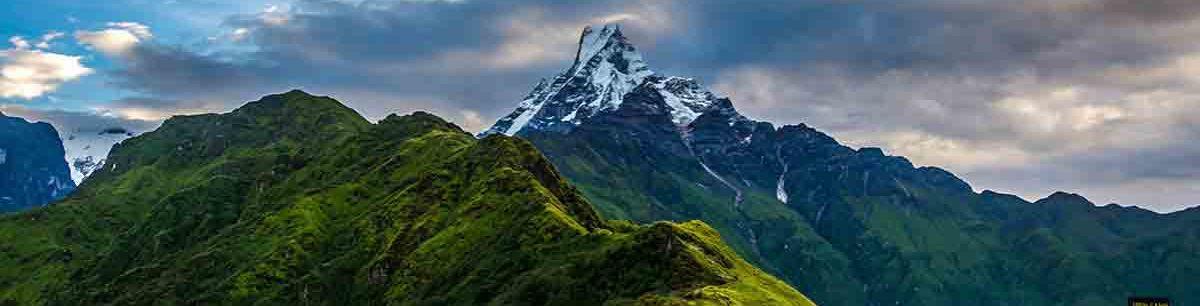
Machhapuchhre, also called Fishtail Mountain, is one of Nepal’s most sacred and beautiful peaks. Its sharp summit stands out against the sky and looks especially stunning during sunrise and sunset.

The landscape around MBC changes noticeably compared to the lower sections of the trek. Dense forests slowly disappear and open alpine terrain takes over. Snow-covered mountains surround the area from every direction, making trekkers feel truly immersed in the Himalayas.

Spending a night at Machhapuchhre Base Camp also helps trekkers acclimatize before continuing higher toward Annapurna Base Camp.

Standing at Annapurna Base Camp Itself

Reaching Annapurna Base Camp is undoubtedly the biggest highlight of the entire trek. Located at an altitude of around 4,130 meters, the base camp sits in a spectacular natural amphitheater surrounded by giant Himalayan peaks.

Standing at the base camp feels surreal because mountains rise dramatically in every direction. Annapurna I, Annapurna South, Hiunchuli, Machhapuchhre, and other peaks create a stunning 360-degree panorama.

The feeling of accomplishment is emotional for many trekkers. After several days of uphill hiking, river crossings, forest trails, and mountain climbs, finally arriving at the base camp feels deeply rewarding.

Sunrise and sunset at Annapurna Base Camp are especially unforgettable. The changing colors on the snowy mountains create a peaceful and powerful atmosphere that words can barely describe.

Relaxing in the Natural Hot Springs at Jhinu Danda

After days of trekking, few experiences feel better than soaking in the natural hot springs at Jhinu Danda.

Located beside the Modi Khola river, the hot springs are a popular stop for trekkers returning from Annapurna Base Camp. The warm mineral-rich water helps relax tired muscles and soothe sore legs after long hiking days.

Trekkers must walk downhill from Jhinu village to reach the springs, but the short effort is completely worth it. Sitting in the warm pools while listening to the sound of the river and enjoying the surrounding forest scenery creates a perfect moment of relaxation.

For many trekkers, the hot springs provide the ideal ending to the physical challenges of the trek.

Enjoying Traditional Nepali Teahouse Hospitality

One of the unique features of the Annapurna Base Camp Trek is the teahouse trekking experience. Instead of camping, trekkers stay in simple mountain lodges run by local families.

These teahouses offer warm meals, cozy dining rooms, and friendly hospitality even in remote mountain locations. Although accommodations are basic at higher elevations, the welcoming atmosphere makes the experience truly special.

Trekkers often gather around wood stoves in the evenings, sharing stories with fellow travelers from around the world. Simple meals like dal bhat, noodle soup, fried rice, pancakes, and tea become comforting highlights after long walking hours.

The kindness and warmth shown by local hosts often leave a lasting impression on visitors.

Crossing Suspension Bridges Above Rushing Rivers

The Annapurna Base Camp Trek includes several thrilling suspension bridge crossings over deep river valleys and fast-flowing mountain rivers.

These bridges connect remote villages and trekking trails throughout the region. Walking across them becomes both exciting and scenic because of the dramatic views below.

Colorful prayer flags flutter in the wind while rivers roar beneath the bridges, creating an adventurous Himalayan atmosphere. Some bridges are long and sway slightly as trekkers cross, adding a fun challenge to the journey.

These crossings may seem simple, but they become memorable moments that capture the adventurous spirit of trekking in Nepal.

Witnessing Diverse Landscapes in One Trek

One reason the Annapurna Base Camp Trek is so popular is the incredible variety of landscapes experienced within a relatively short time.

The journey begins with terraced farmland, green hills, and subtropical forests. As trekkers gain altitude, the scenery gradually changes into bamboo forests, alpine terrain, rocky valleys, and snow-covered mountain landscapes.

Waterfalls, rivers, glaciers, and dramatic cliffs constantly appear along the trail, keeping every trekking day visually exciting. Unlike some high-altitude treks that remain dry and barren, the Annapurna region feels rich in biodiversity and natural beauty.

This constant change in scenery helps make the trek feel dynamic and rewarding from start to finish.

Creating Lifelong Friendships on the Trail

The Annapurna Base Camp Trek naturally brings people together. Trekkers from different countries share the same trails, teahouses, dining rooms, and mountain experiences.

Conversations often begin over tea or dinner and grow into lasting friendships during the journey. Helping each other through difficult climbs, celebrating achievements together, and sharing mountain stories create strong connections among trekkers.

Guides, porters, and local hosts also become important parts of the experience. Their support, knowledge, and encouragement often leave a deep impact on travelers.

Many people finish the trek with not only unforgettable memories but also friendships that continue long after returning home.

Best Time for the Annapurna Base Camp Trek

To fully enjoy these must-have experiences, choosing the right trekking season is important.

Spring Season (March to May)

Spring is one of the best times for the Annapurna Base Camp Trek because the weather is stable, temperatures are comfortable, and rhododendron forests are in full bloom.

Autumn Season (September to November)

Autumn offers clear skies, excellent mountain visibility, and pleasant trekking conditions. This is the most popular trekking season in Nepal.

Winter Season (December to February)

Winter trekking is possible and less crowded, but temperatures can become very cold at higher elevations. Snowfall may affect the trail in some areas.

Monsoon Season (June to August)

Monsoon brings heavy rainfall, slippery trails, and cloudy mountain views. However, the landscapes become incredibly green and lush during this season.

Tips to Make the Most of Your Annapurna Base Camp Trek

Prepare Physically

Although considered a moderate trek, good physical fitness will help you enjoy the experience more comfortably.

Pack Smart

Carry lightweight clothing, warm layers, rain protection, proper trekking shoes, and essential personal items.

Stay Hydrated

Drink plenty of water throughout the trek to reduce the risk of altitude sickness and fatigue.

Walk Slowly

Maintaining a steady pace helps your body adjust to higher altitudes and prevents exhaustion.

Respect Local Culture

Dress modestly, ask permission before taking photos, and support local businesses whenever possible.

Final Thoughts

The Annapurna Base Camp Trek is much more than a mountain hike. It is a complete Himalayan experience filled with natural beauty, cultural encounters, adventure, and personal achievement.

From the golden sunrise at Poon Hill to the peaceful atmosphere of Annapurna Base Camp itself, every part of the journey offers something unforgettable. The warm hospitality of mountain villages, relaxing hot springs, scenic forests, and dramatic Himalayan landscapes combine to create memories that last a lifetime.

Whether you are trekking for adventure, photography, personal growth, or cultural exploration, these 10 must-have experiences on the Annapurna Base Camp Trek will make your journey truly extraordinary.

Quick Inquiry Form

Annapurna Base Camp Trek: A Beginner-Friendly Adventure Guide

The Annapurna Base Camp Trek for beginners is one of Nepal’s most rewarding and accessible Himalayan journeys. For trekkers who want to experience towering peaks, diverse landscapes, and authentic mountain culture—without technical climbing—this trek stands out as an ideal choice. Whether you’re a first-time trekker or someone with limited hiking experience, Annapurna Base Camp (ABC) offers a balanced combination of challenge, beauty, and cultural immersion.

In this detailed guide, you’ll find everything you need to know about the trek—from geography and difficulty to preparation, permits, itinerary, and insider tips—so you can confidently plan your adventure.


Understanding the Annapurna Region

The Annapurna Base Camp Trek lies within the Annapurna Conservation Area, Nepal’s largest protected region. Established in 1986, this conservation area covers over 7,600 square kilometers and is home to a rich variety of ecosystems, wildlife, and cultural communities.

The trek leads you into the heart of the Annapurna Sanctuary, a natural amphitheater surrounded by some of the highest peaks in the world. At its center sits Annapurna Base Camp at 4,130 meters (13,550 ft).

Major Peaks You’ll See

  • Annapurna I (8,091 m) – the 10th highest mountain in the world
  • Machapuchare (6,993 m) – also known as “Fishtail,” sacred and unclimbed
  • Hiunchuli (6,441 m)
  • Annapurna South (7,219 m)

These peaks create a dramatic skyline that feels almost unreal when viewed from base camp.


Why the Annapurna Base Camp Trek Is Beginner-Friendly

The ABC trek is often described as one of the best Himalayan treks for beginners—and for good reason.

Key Advantages:

  • No technical climbing required
  • Well-established and marked trails
  • Teahouse accommodation throughout the route
  • Moderate altitude compared to other high treks
  • Gradual ascent profile

While it’s physically demanding, it doesn’t require specialized mountaineering skills, making it accessible to those with basic fitness and determination.


Trek Overview and Key Facts

Here’s a quick snapshot of the trek:

  • Region: Annapurna Region, Nepal
  • Starting Point: Nayapul or Jhinu Danda (via Pokhara)
  • Ending Point: Annapurna Base Camp
  • Duration: 7–12 days
  • Maximum Elevation: 4,130 m
  • Total Distance: ~110 km round trip
  • Difficulty Level: Moderate
  • Best Seasons: Spring and Autumn

Most trekkers begin their journey from Pokhara, a scenic lakeside city that serves as the gateway to the Annapurna region.


Detailed Route and Landscape Diversity

One of the most fascinating aspects of this trek is the rapid change in landscapes.

1. Subtropical Lowlands

The journey begins in warm, lush terrain with rice paddies, bamboo forests, and small villages.

2. Mid-Hill Villages

As you ascend, you’ll pass through traditional settlements like Ghandruk and Chhomrong, inhabited by Gurung and Magar communities.

3. Forest and River Valleys

Dense rhododendron forests, waterfalls, and suspension bridges define this section.

4. Alpine Zone

Above 3,000 meters, vegetation becomes sparse, and the landscape turns rocky and glacial.

5. Annapurna Sanctuary

A high-altitude basin surrounded by snow-capped peaks—this is where ABC is located.


Typical 10–12 Day Itinerary

A gradual itinerary is essential for beginners.

Day 1: Travel from Kathmandu to Pokhara
Day 2: Drive to Nayapul, trek to Ghandruk
Day 3: Trek to Chhomrong
Day 4: Trek to Bamboo
Day 5: Trek to Deurali
Day 6: Trek to Annapurna Base Camp
Day 7: Sunrise at ABC, descend to Bamboo
Day 8: Trek to Jhinu Danda (hot springs)
Day 9: Return to Pokhara
Day 10: Travel back to Kathmandu

This itinerary ensures proper acclimatization and reduces fatigue.


Difficulty Level Explained

Although beginner-friendly, the trek is not easy.

What Makes It Challenging:

  • Long walking hours (5–7 hours daily)
  • Steep stone staircases
  • Altitude gain above 4,000 meters
  • Cold temperatures at higher elevations

However, with preparation, most beginners can complete it successfully.


Altitude and Acclimatization

Altitude is the most important factor to consider.

At 4,130 meters, oxygen levels are significantly lower than at sea level.

Common Symptoms of Altitude Sickness:

  • Headache
  • Dizziness
  • Nausea
  • Shortness of breath

Prevention Tips:

  • Ascend gradually
  • Drink plenty of water
  • Avoid alcohol
  • Listen to your body

Proper acclimatization is key to a safe and enjoyable trek.


Cultural Experience in the Annapurna Region

The trek is not just about mountains—it’s also a cultural journey.

Ethnic Communities:

  • Gurung
  • Magar
  • Thakali

You’ll experience:

  • Traditional stone houses
  • Buddhist prayer flags and monasteries
  • Warm hospitality in teahouses

Villages like Ghandruk are known for their cultural richness and stunning views.


Permits Required

To trek in the Annapurna region, you need:

  1. ACAP Permit (Annapurna Conservation Area Permit)
  2. TIMS Card (Trekkers’ Information Management System)

These permits help regulate tourism and support conservation efforts.


Accommodation and Food

Teahouses

The ABC trek is famous for its teahouse system.

  • Basic twin-sharing rooms
  • Shared bathrooms
  • Cozy dining halls

Food Options

  • Dal Bhat (rice, lentils, vegetables)
  • Noodles and pasta
  • Soups and pancakes
  • Tea, coffee, and hot chocolate

Food is nutritious but becomes simpler at higher altitudes.


Best Time to Trek

Spring (March–May)

  • Blooming rhododendrons
  • Pleasant weather

Autumn (September–November)

  • Clear skies
  • Best mountain views

Winter (December–February)

  • Cold but less crowded

Monsoon (June–August)

  • Heavy rain and landslides

For beginners, spring and autumn are the safest choices.


Essential Packing List

Packing smartly can make or break your trek.

Clothing:

  • Thermal base layers
  • Insulated jacket
  • Waterproof jacket

Gear:

  • Trekking boots
  • Backpack (30–40L)
  • Trekking poles

Accessories:

  • Water bottle
  • Headlamp
  • Sunscreen

Avoid carrying unnecessary weight.


Physical Preparation for Beginners

Start preparing at least 4–6 weeks in advance.

Training Tips:

  • Cardio workouts (running, cycling)
  • Stair climbing
  • Weekend hikes

Focus on endurance rather than speed.


Cost of Annapurna Base Camp Trek

Approximate costs:

  • Budget: $300–$600
  • Mid-range: $700–$1,200
  • Guided tours: $1,000+

Expenses include permits, food, accommodation, transport, and guide/porter fees.


Do You Need a Guide or Porter?

While independent trekking is possible, beginners are strongly advised to hire a guide.

Benefits:

  • Navigation support
  • Safety assistance
  • Cultural insights

A porter can also help carry your luggage, making the trek easier.


Safety Tips

  • Always check weather forecasts
  • Carry a first-aid kit
  • Stay hydrated
  • Inform someone about your itinerary
  • Get travel insurance

Safety should always be your top priority.


Environmental Responsibility

The Annapurna region is ecologically sensitive.

Follow These Practices:

  • Avoid plastic waste
  • Use refillable bottles
  • Respect local culture
  • Stay on marked trails

Responsible trekking helps preserve this beautiful region.


Final Thoughts

The Annapurna Base Camp Trek is more than just a hike—it’s a journey into one of the most spectacular mountain regions on Earth. From lush valleys and traditional villages to towering himalayan peaks, every step offers something unforgettable.

For beginners, it provides the perfect introduction to high-altitude trekking. With proper preparation, a steady pace, and the right mindset, reaching Annapurna Base Camp is an achievable and deeply rewarding goal. If you’re ready to challenge yourself while immersing in nature and culture, this trek might just be the adventure you’ve been waiting for.

Quick Inquiry Form

FAQ: Frequently Asked Questions about Annapurna Base Camp Trek

Trekking in Nepal through the numerous trails offers a unique opportunity to encounter both expected and unexpected events. The Annapurna Base Camp trek FAQs will address the majority of the little and major issues that may arise during the breathtaking trek over one of the world’s most picturesque hiking trails.

How difficult is Annapurna Base Camp trek?

Annapurna base camp is not any more difficult trek. It is just 7 days quick hike exploring beautiful view is worth to do it.The difficulty of the trek is all about narrow way, and quick hike makes us high altitude sick

Why is Annapurna Base Camp popular?

The Annapurna Base Camp Trek is the place from where you explore a vast massif of several peaks above 7,000m including Annapurna I(8091) forming part of the range that forms a natural amphitheater. The Annapurna Base Camp is a high glacial basin lying north of Pokhara. Passing directly below Machhapuchhare, This is a fairly strenuous alpine trek that gives the fitter walker close-up and unbeatable mountain views.

How long does it take to climb Annapurna?

It takes about 45 days to climb Mount Annapurna. It is standing at 8,000 meters high above sea level.

How do I get to Annapurna Base Camp?

You can get there mainly by foot or by helicopter. Annapurna base camp is only about 37.1 kilometers away from Pokhara and at an altitude of 4130 m. You can choose your mode of transportation according to the budget, travel style, time, and comfort. If you love to trek and want to explore the natural and cultural diversities, then trekking is the best option. Reaching to Annapurna Base Camp by foot is budget-friendly.

Is Annapurna Circuit still worth it?

Yes, there is no doubt that trekking Annapurnas is well worth doing. As discussed it is possible to avoid the road in most places due to NATT. Both of these hikes are good options if you are looking for a lodge based trek in Nepal.

Is Annapurna Base Camp hard?

Annapurna Base Camp trek is not considered to be a difficult trek because this trek is very adventurous and the key factors of the trek are to walk slow and steadily. So this trek is considered to be a moderate trek.

How much does it cost to trek Annapurna Base Camp?

Trekking to Annapurna Base Camp with the price ranges USD 895 to USD 1000 for an average 8 to 12 days trek. Prices generally include all permits, both ways Kathmandu – Pokhara – Kathmandu transportation cost. Also includes accommodations, meals, guide, and porters.

Is Annapurna base camp trek safe?

Trekking in Nepal is generally safe if certain precautions are taken and ABC is not particularly dangerous Even though it has a risk of avalanche. From what I understood the risk of avalanche is lower during Spring Season.

How long is Annapurna base camp?

It’s depend which route you chose. To go ABC there is different routes first one direct drive to near by Jhinu and trek to ABC will take 2 to 3 days and same will from Ghandruk but if you choose to go from Poon Hill it will take 6 days to reach to ABC. These are the normal trekking walking days if you are more sportive and want to challenge yourself the days will be different.

How do I train to Annapurna base camp?

Training advice for your Annapurna base camp trek requires multi-day training or hiking prior to your Annapurna base camp trek. Set up training program of running at least 6–7kms per day. Lift 15–20 kg of weight for reps, do lateral lunges, Bulgarian squats and if you can walk on stairs with loaded backpack that’s probably the mix of all in one.

When should I go to Annapurna Circuit?

eptember, October and November – autumn in the Himalayas – with October generally considered to be the best time to trek the Annapurna Circuit. The monsoon has cleared the air, and dust-free trails.

Can you camp on the Annapurna Circuit?

The Annapurna Circuit Trek is one of the most popular treks in Nepal and is equipped for walkers year-round. But camping is fairly rare

What is ABC trek?

Annapurna Base Camp (ABC) Trek is one of the most popular treks in Nepal. It is quite easy and shorter trek than other high altitude treks in Nepal. This trek incorporates diverse terrain, culture, and wildlife

How high is the Annapurna base camp?

The height of Annapurna Base Camp is 4,130 m.

What is the difference between Annapurna base camp and circuit?

The Annapurna Base Camp Trek has a maximum elevation of around 13780 feet, whereas the Annapurna Circuit Trek takes you to over 17770 feet. So Comparatively its about 4000 feet difference.

Can I stay in ABC?

Annapurna Base Camp Trek accommodation is the amazing one where you can view the world highest mountain with its surrounding peaks. There are around 5 tea houses where you can accommodate yourself with basic facilities.

how long do you stay at Annapurna base camp?

The Annapurna Base Camp trek is about 67 km long. You can do the trek in 14 days to and from Kathmandu. However, it is important to keep a buffer day to account for unfavorable weather.

Which is harder Everest base camp or Annapurna?

On the Annapurna circuit trek, while we hike for 7 hours on the first day the remaining days are under 6 hours hike while Everest base camp is lot harder due to its longer route.

What is the best time to trek to Annapurna Base Camp?

Trekking is possible all seasons but the best season we recommend are Pre-monsoon (February, March, April and May) and post Monsoon (Late September, October and November).

How do you get to Annapurna Base Camp?

Day 01: Arrive at Kathmandu International Airport, transfer to hotel
Day 02: Drive to Pokhara, transfer to Hotel
Day 03: Drive to Nayapul, Tirkedhunga
Day 04: Trek to Ghorepani
Day 05: Early Morning Excursion to Poon Hill for sunrise view and trek to Tadapani
Day 06: Trek to Chhomrong
Day 07: Trek to Dovan or Himalaya
Day 08: Trek to Machhapuchhre Base Camp
Day 09: Trek to Annapurna Base Camp and back to Deurali

What height is Annapurna Base Camp?

The Height of Annapurna Base camp is 4,130 m/ 13,550 feet/2.56 Miles Above Sea Level.

Can you trek to ABC without a guide?

It is not mandatory to have a guide with you while trekking but is highly recommended due to unfavorable and fast changing climate.

Why is Annapurna base camp popular?

Annapurna Base Camp is the most popular trek in the world because it brings you face to face with eight-thousanders – for a moderate-difficult trek. It’s one of the most incredible trek site.

Is Annapurna Base Camp trek safe?

Trekking anywhere is the world is safe if certain precautions are taken, and Annapurna Base camp is not particularly dangerous considering frequent avalanche. From the research we gather the best time for the trek is Post Monson (September, October and November).

What should I eat while trekking?

While trekking Diet is the most important factor, So Healthy Breakfast, Lunch with enough Carbs and protein and Dry Fruits and energy bars in handy is the most.

Is Annapurna base camp(ABC) trek safe for female?

There are several Queries regarding solo/female travelers in Annapurna Base Camp trek, in fact trekking in Himalayas of Nepal is safe and great for the solo/Female travelers, but booking your trip with Local trekking agency is recommended.

What to bring on the trek to ABC?

We would suggest you pack less and important itinerary such as:
• Full sleeve trekking Shirt.
• Windproof/ waterproof trekking trousers (long)
• Wind stopper Jacket (waterproof)
• Anti-leech Socks.
• Down Jacket for cold nights.
• A Rain jacket.
• A Rain Pant.
• Waterproof trekking boots.

How Many Steps will I travel in a day?

It depends on how fast you can walk and the geographical structure. On an average you will be travelling around 7000-7800 steps in a day.

How do I get from Kathmandu to Annapurna base camp?

From Kathmandu you can either Drive or take a flight to Pokhara .Nayapul is the Starting point of Annapurna Base camp trek. You can take a Bus/Jeep from Pokhra to Nayapul with a drive time of about 2 hrs

How do you get an Annapurna base camp permit?

You can get a permit from the tourism board offices located in Kathmandu and Pokhara. The permits are issued by the Nepal tourism board. you will need to fill a form and submit it with your passport copy and passport size photo affixed at the Nepal Tourism Board Office.

How do I get ACAP permit?

You could apply for all trekking permits at the Nepal Tourism Board, located at Pradarshani Marg. This is about a 20 minutes’ walk from the heart of Thamel. Your guide will do all the paper work for you if your trip is booked with trekking Agency.

What are the possibility of drinking water in Annapurna region?

We could get bottled water on the tea houses where you stay and other possibility is you could carry a reusable water bottle and refill on the stream, tap or river on the way. If you only prefer mineral/bottled water, then you should be ready to pay extra as price of water increase as altitude increases.

What kind of accommodation and meal can we get on the Annapurna base camp?

The accommodation is comfortable with two beds in each room and meal is great too but as we ascend higher above Deurali the accommodation and meal is basic in tea houses and shared bathroom with bucket shower.

Which is better Annapurna base camp trek or Everest base camp trek?

Both the treks have been the major destinations all over the world, they both have their own scenery and attraction. The trekking terrains in the Annapurna region are all good paths with fewer uphill climbs and gentler downhill hikes. Everest base camp trekking trails comprise hiking through deep river gorges and forests and ascend high ridges. If you are vulnerable to altitude sickness, then Annapurna base camp trek might be better for you.

Can you see Mt. Everest from Annapurna Base camp?

Unfortunately, we can’t see Mt. Everest from Annapurna Base camp as both the peaks are at the exact opposite direction. But we could enjoy the magnificent views of Mt. Machhapuchhre, Mt. Dhaulagiri, and several other Annapurna ranges along the trail.

Is there a snow at the Annapurna base camp?

During the pre-winter the fast flowing winds brings down the snow even at the lower regions below 2300 M. In the mid-winter the peaks surrounding are mostly covered with ice and glacier.

Is there a cell phone reception throughout the Annapurna base camp Route?

Yes, Cell phone reception is good throughout the Annapurna base camp trail through Ncell/NTC network coverage. However, in certain areas there might be low network coverage or no network at all.

What are the first symptoms of Altitude sickness?

The very first altitude sickness symptoms begin within 24hrs of reaching the high altitude. The different levels of altitude sickness have different symptoms. Symptoms of mild, short-term altitude sickness are dizziness, fatigue, loss of appetite, sleeping problems, general loss of energy, and shortness of breath. Sometimes, these symptoms may be accompanied by headache, nausea and vomiting.

Do I need crampons for Annapurna base camp trek?

No, you won’t be needing crampons unless you are travelling during early spring i.e January or February. Good quality hiking boots and hiking poles are good enough for extra support and stability.

What happens in case of an emergency at the Annapurna base camp?

In case of an emergency rescue will be made available via air ambulance as long the weather is favorable to Pokhara or Kathmandu. You will be then taken to an international standard hospital for the rehabilitation.

How is the weather at the Annapurna base camp?

The weather of Annapurna base camp varies upon the season. The region is never too hot nor too cold even during the summer. The maximum temperature recorded during the day is 25°C/77°F while during the night the temperature goes as low as -25°C/-13°F.

Should I take Diamox on Annapurna base camp trek?

Diamox is a medicine to prevent the altitude sickness not the cure. You don’t have to worry about the medication as we will have everything with us and you will be given such medication from the beginning even though there are very less chances of altitude sickness on Annapurna base camp trek.

Do I need Oxygen on Annapurna case camp trek?

No you won’t be needing oxygen on Annapurna base camp trek because our itinerary is designed in such a way so that it allows enough acclimatization. In addition, we provide various medication that suppresses altitude sickness symptoms, from the beginning to prevent falling sick.

Is there wifi and electricity in the Annapurna base camp trek route?

During the Annapurna base camp trek there will be the availability of the electricity at the teahouses where you will spend the night from where you can recharge your phone and other gadgets by paying a nominal fee. Regarding Wi-Fi, there are no free hotspot along the trail. Some teahouses do offer paid Wi-Fi service on hourly basis though.

How do I prevent altitude sickness during Annapurna base camp trek?

Altitude sickness has been a major setback in most high-altitude treks in Nepal. Although there are no major risks involved, here are few tips tried and tested by our professional trek leaders and travel planners to avoid high altitude sickness during Annapurna base camp trek:
• Slow ascend with proper rest and enough acclimatization
• Drink plenty of water and stay hydrated at all times
• Eat sufficiently a healthy balanced diet during the entire trek and sleep well
• Avoid alcoholic beverages, cigarettes and tobacco products on the trek
• Be head-strong and mentally prepared
• Train your body to cope with uphill hikes with enough cardiovascular or gym workouts, at least 3 months prior to the trek

Will I lose weight while trekking to Annapurna base camp?

Normally, you will be eating healthy balanced meals that are easily available on the trail based on your properly scheduled itinerary. Losing about 7-10% of your body weight is normal for all the hikers. but it all depends on the appetite and some other factors.

Has anyone died trekking to Annapurna base camp?

As per the official news there hasn’t been any deaths recorded while trekking however there have been few deaths due to natural disaster like: avalanches during the pre-spring season and landslides during the monsoons.

Who am I travelling with in Annapurna Base Camp Trek?

You will be traveling with like-minded travelers from all round the world. As such, there is no age limit for doing this trek, but we are highly concerned about your physical and mental fitness as well as your previous hiking experience.

What am I eating during the Annapurna Base Camp trek?

Trekkers will enjoy 3 hearty meals on each trekking day. Usually, you will have breakfast and dinner at the same lodge where you will be staying for the night,Throughout the trek, you will be given fruits to eat that are fresh and organic, either brought from Kathmandu or locally sourced at the local villages. The meals include a nutritionist-designed balanced diet comprising complex carbohydrates, proteins and fats.

Food menu for Annapurna Base Camp Trek

Breakfast
• Beverage: black tea, milk tea, ginger lemon honey tea, lemon tea, hot lemon with honey, black coffee, milk coffee, hot chocolate
• Toast with jam or honey, toast omelet, pancake, Tibetan bread, porridge/muesli
• Eggs on your choices
• American breakfast or Continental breakfast
Lunch
• Rice item: veg fried rice, egg fried rice, mixed fried rice, dal-bhaat
• Noodle item: vegetable fried noodle, mixed fried noodle
• Potato item: chips, fried potato, hash brown potato, veg fried potato, boiled potato
• Burger: veg burger, chicken burger, veg sandwich, chicken sandwich
• Pasta: spaghetti tomato sauce, macaroni cheese sauce
• Pizza: veg pizza, tomato cheese pizza, chicken pizza, mushroom pizza
• Momo (Nepali style dumplings): veg momo, chicken momo
• Meat item: chicken sizzler, chicken steak, yak steak
• Beverage: black tea, milk tea, ginger lemon honey tea, lemon tea, hot lemon with honey, black coffee, milk coffee, hot chocolate
Dinner
• Soups: vegetable soup, mushroom soup, chicken soup, chicken noodle soup, Rara noodle soup, French onion soup, pumpkin soup, potato soup
Main Meals
• Rice item: veg fried rice, egg fried rice, mixed fried rice, dal-bhaat
• Noodle item: vegetable fried noodle, mixed fried noodle
• Potato item: chips, fried potato, hash brown potato, veg fried potato, boiled potato
• Burger: veg burger, chicken burger, veg sandwich, chicken sandwich
• Pasta: spaghetti tomato sauce, macaroni cheese sauce
• Pizza: veg pizza, tomato cheese pizza, chicken pizza, mushroom pizza
• Momo (Nepali Dumplings): veg momo, chicken momo
• Meat item: chicken sizzler, chicken stake, yak stake
• Dessert: apple pie, chocolate cake, carrot cake, apple fritter, canned fruit
• Beverage: black tea, milk tea, ginger lemon honey tea, lemon tea, hot lemon with honey, black coffee, milk coffee, hot chocolate

Who are my guides in Annapurna Base Camp Trek?

You will be guided by our experienced Guide/Sherpas who have been to base camp and back for thousands of time a year with good communication skill in English and enough knowledge about the mountains, people, culture, health, hygiene, and most importantly your safety.

What If I cancel my Annapurna Base Camo Trek, will I get a refund?

We offer you a lifetime deposit policy which allows you the flexibility to transfer your deposit to anyone or any other trip. In case of cancellation, 30 days’ prior notice will be required with minimal cancellation charge.

IF YOU HAVE ANY QUESTIONS, FEEL FREE TO CONTACT US.