
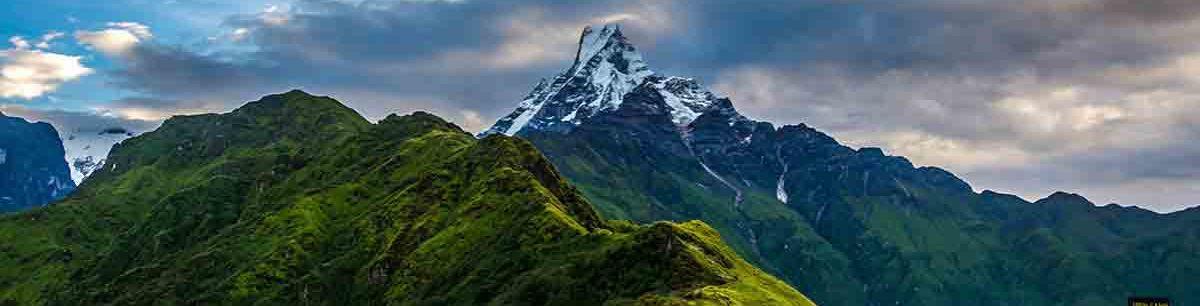

The Annapurna Base Camp Trek for beginners is one of Nepal’s most rewarding and accessible Himalayan journeys. For trekkers who want to experience towering peaks, diverse landscapes, and authentic mountain culture—without technical climbing—this trek stands out as an ideal choice. Whether you’re a first-time trekker or someone with limited hiking experience, Annapurna Base Camp (ABC) offers a balanced combination of challenge, beauty, and cultural immersion.
In this detailed guide, you’ll find everything you need to know about the trek—from geography and difficulty to preparation, permits, itinerary, and insider tips—so you can confidently plan your adventure.
Understanding the Annapurna Region
The Annapurna Base Camp Trek lies within the Annapurna Conservation Area, Nepal’s largest protected region. Established in 1986, this conservation area covers over 7,600 square kilometers and is home to a rich variety of ecosystems, wildlife, and cultural communities.
The trek leads you into the heart of the Annapurna Sanctuary, a natural amphitheater surrounded by some of the highest peaks in the world. At its center sits Annapurna Base Camp at 4,130 meters (13,550 ft).
Major Peaks You’ll See
- Annapurna I (8,091 m) – the 10th highest mountain in the world
- Machapuchare (6,993 m) – also known as “Fishtail,” sacred and unclimbed
- Hiunchuli (6,441 m)
- Annapurna South (7,219 m)
These peaks create a dramatic skyline that feels almost unreal when viewed from base camp.
Why the Annapurna Base Camp Trek Is Beginner-Friendly
The ABC trek is often described as one of the best Himalayan treks for beginners—and for good reason.
Key Advantages:
- No technical climbing required
- Well-established and marked trails
- Teahouse accommodation throughout the route
- Moderate altitude compared to other high treks
- Gradual ascent profile
While it’s physically demanding, it doesn’t require specialized mountaineering skills, making it accessible to those with basic fitness and determination.
Trek Overview and Key Facts
Here’s a quick snapshot of the trek:
- Region: Annapurna Region, Nepal
- Starting Point: Nayapul or Jhinu Danda (via Pokhara)
- Ending Point: Annapurna Base Camp
- Duration: 7–12 days
- Maximum Elevation: 4,130 m
- Total Distance: ~110 km round trip
- Difficulty Level: Moderate
- Best Seasons: Spring and Autumn
Most trekkers begin their journey from Pokhara, a scenic lakeside city that serves as the gateway to the Annapurna region.
Detailed Route and Landscape Diversity
One of the most fascinating aspects of this trek is the rapid change in landscapes.
1. Subtropical Lowlands
The journey begins in warm, lush terrain with rice paddies, bamboo forests, and small villages.
2. Mid-Hill Villages
As you ascend, you’ll pass through traditional settlements like Ghandruk and Chhomrong, inhabited by Gurung and Magar communities.
3. Forest and River Valleys
Dense rhododendron forests, waterfalls, and suspension bridges define this section.
4. Alpine Zone
Above 3,000 meters, vegetation becomes sparse, and the landscape turns rocky and glacial.
5. Annapurna Sanctuary
A high-altitude basin surrounded by snow-capped peaks—this is where ABC is located.
Typical 10–12 Day Itinerary
A gradual itinerary is essential for beginners.
Day 1: Travel from Kathmandu to Pokhara
Day 2: Drive to Nayapul, trek to Ghandruk
Day 3: Trek to Chhomrong
Day 4: Trek to Bamboo
Day 5: Trek to Deurali
Day 6: Trek to Annapurna Base Camp
Day 7: Sunrise at ABC, descend to Bamboo
Day 8: Trek to Jhinu Danda (hot springs)
Day 9: Return to Pokhara
Day 10: Travel back to Kathmandu
This itinerary ensures proper acclimatization and reduces fatigue.
Difficulty Level Explained
Although beginner-friendly, the trek is not easy.
What Makes It Challenging:
- Long walking hours (5–7 hours daily)
- Steep stone staircases
- Altitude gain above 4,000 meters
- Cold temperatures at higher elevations
However, with preparation, most beginners can complete it successfully.
Altitude and Acclimatization
Altitude is the most important factor to consider.
At 4,130 meters, oxygen levels are significantly lower than at sea level.
Common Symptoms of Altitude Sickness:
- Headache
- Dizziness
- Nausea
- Shortness of breath
Prevention Tips:
- Ascend gradually
- Drink plenty of water
- Avoid alcohol
- Listen to your body
Proper acclimatization is key to a safe and enjoyable trek.
Cultural Experience in the Annapurna Region
The trek is not just about mountains—it’s also a cultural journey.
Ethnic Communities:
- Gurung
- Magar
- Thakali
You’ll experience:
- Traditional stone houses
- Buddhist prayer flags and monasteries
- Warm hospitality in teahouses
Villages like Ghandruk are known for their cultural richness and stunning views.
Permits Required
To trek in the Annapurna region, you need:
- ACAP Permit (Annapurna Conservation Area Permit)
- TIMS Card (Trekkers’ Information Management System)
These permits help regulate tourism and support conservation efforts.
Accommodation and Food
Teahouses
The ABC trek is famous for its teahouse system.
- Basic twin-sharing rooms
- Shared bathrooms
- Cozy dining halls
Food Options
- Dal Bhat (rice, lentils, vegetables)
- Noodles and pasta
- Soups and pancakes
- Tea, coffee, and hot chocolate
Food is nutritious but becomes simpler at higher altitudes.
Best Time to Trek
Spring (March–May)
- Blooming rhododendrons
- Pleasant weather
Autumn (September–November)
- Clear skies
- Best mountain views
Winter (December–February)
- Cold but less crowded
Monsoon (June–August)
- Heavy rain and landslides
For beginners, spring and autumn are the safest choices.
Essential Packing List
Packing smartly can make or break your trek.
Clothing:
- Thermal base layers
- Insulated jacket
- Waterproof jacket
Gear:
- Trekking boots
- Backpack (30–40L)
- Trekking poles
Accessories:
- Water bottle
- Headlamp
- Sunscreen
Avoid carrying unnecessary weight.
Physical Preparation for Beginners
Start preparing at least 4–6 weeks in advance.
Training Tips:
- Cardio workouts (running, cycling)
- Stair climbing
- Weekend hikes
Focus on endurance rather than speed.
Cost of Annapurna Base Camp Trek
Approximate costs:
- Budget: $300–$600
- Mid-range: $700–$1,200
- Guided tours: $1,000+
Expenses include permits, food, accommodation, transport, and guide/porter fees.
Do You Need a Guide or Porter?
While independent trekking is possible, beginners are strongly advised to hire a guide.
Benefits:
- Navigation support
- Safety assistance
- Cultural insights
A porter can also help carry your luggage, making the trek easier.
Safety Tips
- Always check weather forecasts
- Carry a first-aid kit
- Stay hydrated
- Inform someone about your itinerary
- Get travel insurance
Safety should always be your top priority.
Environmental Responsibility
The Annapurna region is ecologically sensitive.
Follow These Practices:
- Avoid plastic waste
- Use refillable bottles
- Respect local culture
- Stay on marked trails
Responsible trekking helps preserve this beautiful region.
Final Thoughts
The Annapurna Base Camp Trek is more than just a hike—it’s a journey into one of the most spectacular mountain regions on Earth. From lush valleys and traditional villages to towering himalayan peaks, every step offers something unforgettable.
For beginners, it provides the perfect introduction to high-altitude trekking. With proper preparation, a steady pace, and the right mindset, reaching Annapurna Base Camp is an achievable and deeply rewarding goal. If you’re ready to challenge yourself while immersing in nature and culture, this trek might just be the adventure you’ve been waiting for.
