
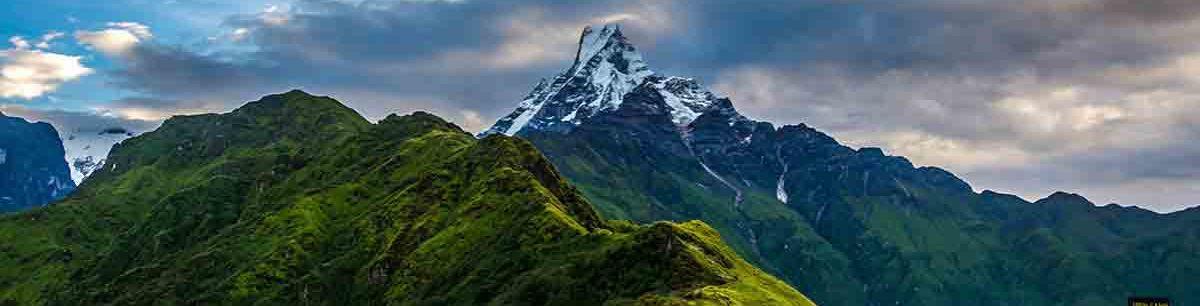

Nepal is more than just mountains and trekking routes—it’s a living cultural experience. One of the best ways to truly connect with the country is through Nepal homestays, where travelers stay with local families and experience authentic daily life. This complete guide to Nepal homestays for families, couples, and solo travelers will help you understand everything—from how they work to where to stay and why they are one of the most rewarding travel experiences in Nepal.
What Are Nepal Homestays?
A Nepal homestay is a registered family home that hosts guests in spare rooms, often including meals and cultural interaction as part of the experience.
Unlike hotels or guesthouses, homestays are deeply personal. You’re not just booking accommodation—you’re becoming part of a household. Hosts share their food, traditions, and daily routines, offering a much richer travel experience than standard tourism.
Homestays in Nepal are also regulated under national guidelines, ensuring basic hygiene, safety, and guest registration standards.
Why Choose Homestays in Nepal?
1. Authentic Cultural Experience
Homestays allow you to experience real Nepali life—traditional food, customs, festivals, and everyday routines.
2. Support Local Communities
Your stay directly contributes to rural economies and empowers families, especially women-led households.
3. Affordable Yet Meaningful Travel
Homestays often offer better value than hotels while delivering deeper cultural immersion.
4. Sustainable Tourism
Homestays promote responsible travel by distributing tourism income beyond major cities and reducing overcrowding.
5. Personal Connections
You build genuine relationships with host families, often creating lifelong memories.
Types of Homestays in Nepal
Private/Urban Homestays
Located in cities or near tourist hubs, these offer more comfort and accessibility—ideal for beginners.
Community/Village Homestays
These are clusters of homes managed collectively in rural areas. They offer deep cultural immersion and structured community experiences.
Best Destinations for Homestays in Nepal
Nepal has a wide network of homestays across diverse regions:
- Kathmandu Valley (Bhaktapur, Patan) – Cultural heritage and Newari traditions
- Pokhara Region – Scenic views and relaxed lifestyle
- Chitwan – Tharu community homestays and wildlife experiences
- Ghandruk & Annapurna Region – Gurung culture and mountain views
- Nagarkot & Dhulikhel – Easy access from Kathmandu with village charm
- Eastern Nepal (Dhankuta, Ilam) – Off-the-beaten-path experiences
Many travelers on platforms like Reddit recommend places like Gurung villages, Tharu communities, and Tamang heritage trails for immersive stays.
Nepal Homestays for Different Travelers
For Families
Homestays are perfect for families seeking safe, educational, and interactive travel.
Why families love them:
- Spacious rooms and welcoming environment
- Kids can learn about culture, farming, and traditions
- Home-cooked meals suitable for all ages
Best locations:
Pokhara outskirts, Kathmandu Valley villages, Chitwan
For Couples
Couples looking for romantic yet meaningful travel will find homestays unique.
Benefits for couples:
- Peaceful rural settings
- Authentic experiences instead of crowded tourist spots
- Opportunities for shared cultural activities
Best locations:
Nagarkot, Ilam tea gardens, mountain villages like Ghandruk
For Solo Travelers
Solo travelers benefit the most from homestays due to the built-in social connection.
Why solo travelers choose homestays:
- Instant local support system
- Cultural exchange and companionship
- Safe and welcoming environment
Best locations:
Community homestays in rural areas or near trekking routes
What to Expect During Your Stay
Accommodation
Rooms are usually simple but clean, with basic furniture and bedding. Most follow minimum hygiene standards set by authorities.
Meals
Expect home-cooked Nepali food like dal bhat, vegetables, and local specialties. Meals are often shared with the family.
Daily Activities
- Farming or village walks
- Cultural performances
- Cooking or craft sessions
- Local sightseeing with hosts
Cultural Interaction
You may participate in festivals, rituals, or daily household routines—making your stay deeply immersive.
Cost of Homestays in Nepal
Homestays are generally affordable. Most packages include:
- Room
- Breakfast and dinner
- Cultural activities
Prices vary depending on location and comfort level but are typically lower than hotels while offering more value.
Benefits of Homestay Tourism in Nepal
Homestay tourism has become a key part of Nepal’s sustainable travel model.
Economic Benefits
- Provides income for rural families
- Creates local employment opportunities
Cultural Preservation
- Promotes traditional practices and heritage
- Encourages pride in local identity
Social Impact
- Empowers women and marginalized groups
- Strengthens community development
Studies show homestays contribute to cultural preservation, economic growth, and environmental sustainability across Nepal.
Homestay Etiquette: Do’s and Don’ts
Do:
- Respect local customs and traditions
- Dress modestly in villages
- Ask before taking photos
- Participate in activities
Don’t:
- Waste food
- Be overly loud or disruptive
- Ignore cultural norms
Remember, you are a guest in someone’s home—not a hotel.
Safety and Comfort Tips
- Choose registered or verified homestays
- Inform hosts of dietary needs in advance
- Carry basic essentials (toiletries, medicines)
- Respect local schedules (early dinners and nights)
Nepal’s homestay system includes registration and monitoring, ensuring safety for travelers.
Homestay vs Hotel: Which Is Better?
| Feature | Homestay | Hotel |
| Cultural Experience | Very High | Low |
| Privacy | Moderate | High |
| Cost | Affordable | Varies |
| Food | Home-cooked | Restaurant |
| Interaction | Personal | Minimal |
Homestays are ideal for experience-focused travelers, while hotels suit those prioritizing luxury and privacy.
How to Book Nepal Homestays
You can book homestays through:
- Community homestay networks
- Local travel agencies
- Online platforms specializing in Nepal tourism
Always check:
- Reviews
- Location details
- Included services
When Is the Best Time to Stay in Homestays?
The best seasons are:
- Spring (March–May): Pleasant weather and blooming landscapes
- Autumn (September–November): Clear skies and festivals
However, homestays operate year-round, offering different seasonal experiences.
Future of Homestays in Nepal
Homestays in Nepal are growing rapidly, with hundreds of communities now participating in this model.
This growth reflects a shift toward:
- Responsible tourism
- Cultural preservation
- Community-based travel
Homestays are not just accommodation—they represent the future of sustainable tourism in Nepal.
Final Thoughts
Choosing Nepal homestays for families, couples, and solo travelers is more than a travel decision—it’s a meaningful way to experience the country. From authentic food and traditions to genuine human connections, homestays offer something no hotel can replicate.
Whether you’re traveling with family, exploring as a couple, or embarking on a solo journey, Nepal’s homestays provide a safe, enriching, and unforgettable experience.
If you want to truly understand Nepal—not just see it—there’s no better way than staying in a homestay.
