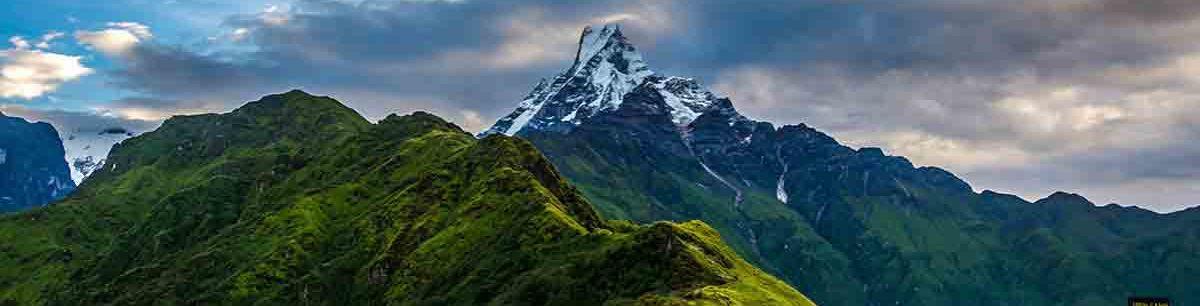
Discovering Himalayan Beauty Beyond the Peaks: A Unique Trekking Experience in 2027

The Himalayas have long captivated travelers, adventurers, photographers, and trekkers from around the world. Most people dream of witnessing snow-covered giants rising dramatically above the clouds, creating unforgettable panoramas that define the world’s highest mountain range. Yet, those who spend enough time trekking in the Himalayas quickly learn an important truth: the magic of the mountains extends far beyond the peaks themselves.

In 2027, as sustainable tourism, immersive travel experiences, and cultural exploration continue to shape adventure travel trends, more trekkers are discovering that some of the most memorable Himalayan moments happen when the famous summits are hidden behind clouds. The Himalayas offer a rich tapestry of landscapes, traditions, wildlife, and human connections that reveal themselves regardless of whether the mountains are fully visible.

This unique perspective transforms a trek from a simple mountain-viewing journey into a deeper exploration of nature, culture, and personal growth.

Why the Himalayas Are More Than Just Mountain Views

Many first-time trekkers arrive with expectations shaped by social media photos and travel brochures. They envision crystal-clear skies and uninterrupted views of towering peaks. While those moments certainly exist, the Himalayas offer much more than postcard-worthy vistas.

The beauty of the region lies in its diversity. Every trail passes through vibrant villages, dense forests, high-altitude meadows, ancient monasteries, glacial rivers, and landscapes that change dramatically throughout the journey.

When clouds roll in and hide the summits, trekkers often become more aware of these surrounding details. Instead of focusing solely on distant peaks, they begin to notice the intricate beauty of the environment around them.

This shift in perspective often leads to a richer and more meaningful trekking experience.

The Magic of Walking Through Clouds

One of the most enchanting experiences in the Himalayas is trekking through cloud-covered trails. Mist drifts through forests, valleys, and ridgelines, creating an atmosphere that feels almost dreamlike.

The changing weather adds mystery and excitement to every step. Familiar landscapes appear transformed as clouds move across the terrain, revealing and concealing different features throughout the day.

Walking through the clouds offers several unique experiences:

  • Soft, diffused lighting perfect for photography
  • A peaceful and quiet trekking environment
  • Cooler temperatures during the hike
  • A sense of adventure and discovery
  • Constantly changing scenery

Rather than feeling disappointed by cloud cover, experienced trekkers often embrace these conditions as part of the Himalayan experience.

Discovering Hidden Forests and Alpine Landscapes

The Himalayan region is home to some of the world’s most diverse ecosystems. Many trekking routes pass through lush forests filled with rhododendrons, oak, pine, fir, and bamboo.

In spring, rhododendron forests burst into vibrant colors, creating natural tunnels of red, pink, white, and purple flowers. These forests can be just as breathtaking as any mountain panorama.

Popular trekking regions such as:

offer remarkable biodiversity that often goes unnoticed by travelers focused solely on mountain views.

In 2027, eco-conscious trekking experiences increasingly encourage visitors to appreciate these ecosystems and understand their importance in preserving Himalayan biodiversity.

Experiencing Authentic Himalayan Culture

One of the greatest treasures of Himalayan trekking is the opportunity to connect with local communities.

Throughout Nepal, trekkers encounter villages where traditional lifestyles have remained largely unchanged for generations. Stone houses, terraced farms, prayer flags, monasteries, and community gatherings provide fascinating insights into mountain life.

When the peaks disappear behind clouds, cultural encounters often become the highlight of the journey.

Trekkers can:

  • Visit ancient Buddhist monasteries
  • Observe traditional farming practices
  • Participate in local festivals
  • Learn about mountain traditions
  • Enjoy authentic regional cuisine
  • Share stories with local families

These experiences create lasting memories that often surpass even the most spectacular mountain viewpoints.

Finding Beauty in Himalayan Villages

The villages scattered across the Himalayas possess a charm that deserves equal attention.

Places such as Namche Bazaar, Ghandruk, Manang, Dingboche, and Langtang Village offer unique glimpses into mountain culture and architecture.

Stone pathways lined with colorful flowers, children playing in village squares, yaks grazing nearby, and prayer wheels spinning gently in the wind all contribute to the character of these communities.

Many trekkers discover that spending time in these villages provides a deeper understanding of the Himalayan way of life than simply rushing from viewpoint to viewpoint.

Wildlife Encounters Beyond the Peaks

The Himalayas are home to remarkable wildlife that often becomes more visible during cloudy weather.

Depending on the trekking region, hikers may encounter:

  • Himalayan Monal pheasants
  • Musk deer
  • Himalayan tahr
  • Blue sheep
  • Red pandas
  • Various species of eagles and vultures

Birdwatching has become increasingly popular among trekkers seeking a more immersive nature experience.

Cloud-covered days often encourage travelers to slow their pace, making wildlife observations more frequent and rewarding.

The Emotional Connection of Trekking

The Himalayas offer something that cannot be captured in photographs: emotional transformation.

Long days on the trail create opportunities for reflection, mindfulness, and personal growth. The rhythm of walking allows trekkers to disconnect from daily pressures and reconnect with themselves.

When expectations about perfect mountain views fade away, many people become more present in the moment.

The sounds of rivers, the scent of pine forests, the warmth of tea houses, and the camaraderie among fellow trekkers create experiences that remain meaningful long after the trek ends.

This emotional connection is one reason why many travelers return to the Himalayas again and again.

Photography Beyond Mountain Summits

Cloudy conditions often provide excellent opportunities for creative photography.

Instead of photographing only distant peaks, photographers can focus on:

Forest Landscapes

Mist-covered forests create dramatic and atmospheric images that showcase the mysterious side of the Himalayas.

Village Life

Portraits of local residents, traditional homes, and daily activities tell compelling visual stories.

Monasteries and Spiritual Sites

Prayer flags disappearing into the clouds and ancient monasteries surrounded by mist create powerful compositions.

Wildlife and Nature

Flowers, birds, waterfalls, and forest details often become more prominent when mountain views are obscured.

In many cases, these photographs capture the true spirit of Himalayan trekking more effectively than classic summit shots.

Sustainable Trekking in 2027

The future of Himalayan tourism increasingly focuses on sustainability.

As more travelers seek responsible adventures, trekking operators and local communities are working together to protect fragile mountain ecosystems.

Sustainable trekking practices include:

  • Minimizing plastic waste
  • Supporting local businesses
  • Respecting cultural traditions
  • Using eco-friendly accommodations
  • Following designated trails
  • Conserving natural resources

By appreciating the entire trekking experience rather than focusing solely on mountain views, travelers contribute to a more balanced and sustainable tourism model.

This approach helps preserve the Himalayas for future generations.

Weather Variability Is Part of the Adventure

Many trekkers mistakenly view cloudy weather as a disappointment. However, mountain weather is inherently unpredictable and forms an essential part of the Himalayan experience.

Conditions can change dramatically within minutes. A peak hidden behind clouds in the morning may emerge spectacularly during sunset.

Some of the most memorable moments occur after hours of cloud cover when the mountains suddenly reveal themselves.

These unexpected appearances often feel more rewarding because they are earned through patience and perseverance.

Learning to embrace changing weather helps trekkers develop flexibility and appreciation for the natural rhythms of the mountains.

Lessons the Himalayas Teach Beyond the Views

Every Himalayan trek offers valuable life lessons.

Trekkers often discover:

Patience

Weather cannot be controlled. Waiting for conditions to change teaches acceptance and patience.

Gratitude

Simple comforts such as a warm meal or a comfortable lodge become deeply appreciated after a long day on the trail.

Resilience

Physical challenges and changing conditions build mental strength and confidence.

Presence

The mountains encourage travelers to focus on the present moment rather than constantly seeking the next destination.

These lessons remain valuable long after the trek concludes.

Unexpected Moments Become the Best Memories

Ask experienced trekkers about their favorite Himalayan memories, and many will describe moments unrelated to famous mountain views.

They may remember:

  • Sharing tea with a local family
  • Watching clouds drift through a village
  • Hearing monks chant in a monastery
  • Walking through a blooming rhododendron forest
  • Seeing yaks crossing a mountain trail
  • Laughing with fellow trekkers during a rainstorm

These spontaneous experiences often become the most cherished memories because they feel authentic and personal.

Why 2027 Is the Perfect Year to Explore the Himalayas Differently

Travel trends in 2027 emphasize meaningful experiences over checklist tourism.

Modern trekkers increasingly seek:

  • Cultural immersion
  • Sustainable adventures
  • Authentic local interactions
  • Nature-based wellness experiences
  • Slow and mindful travel

The Himalayas perfectly align with these values.

Instead of focusing solely on reaching viewpoints and photographing peaks, travelers are embracing a more holistic approach that values every aspect of the journey.

This mindset transforms trekking into a richer and more rewarding experience.

Conclusion

The Himalayas have always been famous for their towering peaks, but their true beauty extends far beyond mountain summits. In 2027, travelers are increasingly discovering that cloud-covered trails, vibrant villages, ancient cultures, diverse wildlife, and personal connections often create the most meaningful trekking experiences.

When the mountains play hide and seek behind drifting clouds, they invite us to look deeper. They encourage us to appreciate the forests, rivers, monasteries, communities, and moments that make the Himalayan region extraordinary.

The next time clouds obscure the peaks, remember that the Himalayas are not hiding their beauty. They are simply revealing a different side of it.

For those willing to embrace the journey beyond the views, the Himalayas offer an adventure far richer than any photograph can capture—a unique trekking experience that stays with you for a lifetime.

Quick Inquiry Form

10 Must-Have Experiences on the Annapurna Base Camp Trek

The Annapurna Base Camp Trek is one of Nepal’s most rewarding trekking adventures. Surrounded by towering Himalayan peaks, charming mountain villages, peaceful forests, and rich local culture, this trek offers much more than simply reaching a destination. Every day on the trail brings a new experience that leaves trekkers with unforgettable memories.

Located in the heart of the Annapurna region of Nepal, the Annapurna Base Camp Trek attracts thousands of trekkers every year because of its perfect mix of natural beauty, cultural encounters, and moderate trekking difficulty. Whether you are an experienced hiker or planning your first Himalayan adventure, this trek delivers moments that stay with you for life.

Here are the 10 must-have experiences on the Annapurna Base Camp Trek that every trekker should enjoy.

Watching Sunrise Over Annapurna from Poon Hill

One of the most iconic experiences connected to the Annapurna Base Camp Trek is the sunrise view from Poon Hill. Many trekkers include Ghorepani and Poon Hill in their itinerary because the panoramic mountain scenery is absolutely breathtaking.

Early in the morning, trekkers hike uphill in darkness carrying headlamps. As the sun slowly rises, the golden light touches the snow-covered peaks of Annapurna, Dhaulagiri, Machhapuchhre, and Hiunchuli. The colors changing across the mountains create a magical atmosphere that feels unreal.

The peaceful silence, crisp mountain air, and incredible Himalayan backdrop make this sunrise one of the highlights of the entire journey. It is also one of the best photography spots in Nepal.

Walking Through Beautiful Rhododendron Forests

The Annapurna region is famous for its dense rhododendron forests, especially during spring. Trekking through these colorful forests becomes a memorable experience for nature lovers.

During March and April, the hillsides are covered with blooming red, pink, and white rhododendron flowers. The forests feel vibrant and alive, while birdsong and fresh mountain air create a relaxing trekking environment.

The trail between Tikhedhunga, Ghorepani, and Chhomrong is particularly beautiful. Even outside the flowering season, the forests remain peaceful and scenic with bamboo groves, waterfalls, and moss-covered trees adding to the charm.

For many trekkers, these forest walks become just as memorable as the mountain views themselves.

Experiencing Gurung Culture in Traditional Villages

The Annapurna Base Camp Trek is not only about mountains. It is also an incredible cultural journey through traditional Himalayan communities.

Villages like Ghandruk and Chhomrong are home to the Gurung people, known for their hospitality, bravery, and unique mountain traditions. Staying in local teahouses allows trekkers to experience daily village life up close.

You can explore stone-paved pathways, traditional homes, Buddhist prayer flags, and small monasteries while learning about local customs and lifestyles. Many teahouses serve homemade Nepali meals that provide warmth and energy after long trekking days.

Interacting with local families often becomes one of the most meaningful parts of the trek because it creates a deeper connection to the region and its people.

Reaching Machhapuchhre Base Camp

Before arriving at Annapurna Base Camp, trekkers usually stop at Machhapuchhre Base Camp, commonly known as MBC. This place offers one of the first dramatic close-up views of the surrounding Himalayan giants.

Machhapuchhre, also called Fishtail Mountain, is one of Nepal’s most sacred and beautiful peaks. Its sharp summit stands out against the sky and looks especially stunning during sunrise and sunset.

The landscape around MBC changes noticeably compared to the lower sections of the trek. Dense forests slowly disappear and open alpine terrain takes over. Snow-covered mountains surround the area from every direction, making trekkers feel truly immersed in the Himalayas.

Spending a night at Machhapuchhre Base Camp also helps trekkers acclimatize before continuing higher toward Annapurna Base Camp.

Standing at Annapurna Base Camp Itself

Reaching Annapurna Base Camp is undoubtedly the biggest highlight of the entire trek. Located at an altitude of around 4,130 meters, the base camp sits in a spectacular natural amphitheater surrounded by giant Himalayan peaks.

Standing at the base camp feels surreal because mountains rise dramatically in every direction. Annapurna I, Annapurna South, Hiunchuli, Machhapuchhre, and other peaks create a stunning 360-degree panorama.

The feeling of accomplishment is emotional for many trekkers. After several days of uphill hiking, river crossings, forest trails, and mountain climbs, finally arriving at the base camp feels deeply rewarding.

Sunrise and sunset at Annapurna Base Camp are especially unforgettable. The changing colors on the snowy mountains create a peaceful and powerful atmosphere that words can barely describe.

Relaxing in the Natural Hot Springs at Jhinu Danda

After days of trekking, few experiences feel better than soaking in the natural hot springs at Jhinu Danda.

Located beside the Modi Khola river, the hot springs are a popular stop for trekkers returning from Annapurna Base Camp. The warm mineral-rich water helps relax tired muscles and soothe sore legs after long hiking days.

Trekkers must walk downhill from Jhinu village to reach the springs, but the short effort is completely worth it. Sitting in the warm pools while listening to the sound of the river and enjoying the surrounding forest scenery creates a perfect moment of relaxation.

For many trekkers, the hot springs provide the ideal ending to the physical challenges of the trek.

Enjoying Traditional Nepali Teahouse Hospitality

One of the unique features of the Annapurna Base Camp Trek is the teahouse trekking experience. Instead of camping, trekkers stay in simple mountain lodges run by local families.

These teahouses offer warm meals, cozy dining rooms, and friendly hospitality even in remote mountain locations. Although accommodations are basic at higher elevations, the welcoming atmosphere makes the experience truly special.

Trekkers often gather around wood stoves in the evenings, sharing stories with fellow travelers from around the world. Simple meals like dal bhat, noodle soup, fried rice, pancakes, and tea become comforting highlights after long walking hours.

The kindness and warmth shown by local hosts often leave a lasting impression on visitors.

Crossing Suspension Bridges Above Rushing Rivers

The Annapurna Base Camp Trek includes several thrilling suspension bridge crossings over deep river valleys and fast-flowing mountain rivers.

These bridges connect remote villages and trekking trails throughout the region. Walking across them becomes both exciting and scenic because of the dramatic views below.

Colorful prayer flags flutter in the wind while rivers roar beneath the bridges, creating an adventurous Himalayan atmosphere. Some bridges are long and sway slightly as trekkers cross, adding a fun challenge to the journey.

These crossings may seem simple, but they become memorable moments that capture the adventurous spirit of trekking in Nepal.

Witnessing Diverse Landscapes in One Trek

One reason the Annapurna Base Camp Trek is so popular is the incredible variety of landscapes experienced within a relatively short time.

The journey begins with terraced farmland, green hills, and subtropical forests. As trekkers gain altitude, the scenery gradually changes into bamboo forests, alpine terrain, rocky valleys, and snow-covered mountain landscapes.

Waterfalls, rivers, glaciers, and dramatic cliffs constantly appear along the trail, keeping every trekking day visually exciting. Unlike some high-altitude treks that remain dry and barren, the Annapurna region feels rich in biodiversity and natural beauty.

This constant change in scenery helps make the trek feel dynamic and rewarding from start to finish.

Creating Lifelong Friendships on the Trail

The Annapurna Base Camp Trek naturally brings people together. Trekkers from different countries share the same trails, teahouses, dining rooms, and mountain experiences.

Conversations often begin over tea or dinner and grow into lasting friendships during the journey. Helping each other through difficult climbs, celebrating achievements together, and sharing mountain stories create strong connections among trekkers.

Guides, porters, and local hosts also become important parts of the experience. Their support, knowledge, and encouragement often leave a deep impact on travelers.

Many people finish the trek with not only unforgettable memories but also friendships that continue long after returning home.

Best Time for the Annapurna Base Camp Trek

To fully enjoy these must-have experiences, choosing the right trekking season is important.

Spring Season (March to May)

Spring is one of the best times for the Annapurna Base Camp Trek because the weather is stable, temperatures are comfortable, and rhododendron forests are in full bloom.

Autumn Season (September to November)

Autumn offers clear skies, excellent mountain visibility, and pleasant trekking conditions. This is the most popular trekking season in Nepal.

Winter Season (December to February)

Winter trekking is possible and less crowded, but temperatures can become very cold at higher elevations. Snowfall may affect the trail in some areas.

Monsoon Season (June to August)

Monsoon brings heavy rainfall, slippery trails, and cloudy mountain views. However, the landscapes become incredibly green and lush during this season.

Tips to Make the Most of Your Annapurna Base Camp Trek

Prepare Physically

Although considered a moderate trek, good physical fitness will help you enjoy the experience more comfortably.

Pack Smart

Carry lightweight clothing, warm layers, rain protection, proper trekking shoes, and essential personal items.

Stay Hydrated

Drink plenty of water throughout the trek to reduce the risk of altitude sickness and fatigue.

Walk Slowly

Maintaining a steady pace helps your body adjust to higher altitudes and prevents exhaustion.

Respect Local Culture

Dress modestly, ask permission before taking photos, and support local businesses whenever possible.

Final Thoughts

The Annapurna Base Camp Trek is much more than a mountain hike. It is a complete Himalayan experience filled with natural beauty, cultural encounters, adventure, and personal achievement.

From the golden sunrise at Poon Hill to the peaceful atmosphere of Annapurna Base Camp itself, every part of the journey offers something unforgettable. The warm hospitality of mountain villages, relaxing hot springs, scenic forests, and dramatic Himalayan landscapes combine to create memories that last a lifetime.

Whether you are trekking for adventure, photography, personal growth, or cultural exploration, these 10 must-have experiences on the Annapurna Base Camp Trek will make your journey truly extraordinary.

Quick Inquiry Form

Difference between Hiking and Trekking- Everything You Need to Know

Hiking is an outdoor sport that involves walking in natural settings, sometimes on pre-marked roads known as hiking trails, whereas trekking is a long journey over unmarked paths that can last several days and be physically challenging. Trekking is frequently done in areas of great natural beauty, usually in mountainous areas where there are no other modes of transportation. It’s more demanding than hiking.

Hiking is a simpler kind of trekking than trekking, which nevertheless entails travelling up and downhill in rural hilly areas below 3000 meters. Hiking in Nepal still provides vistas of the high mountains, while trekking takes you from low-lying villages to a high mountain pass at about 5,600 meters.

Hiking vs. Trekking in Today’s World

Hiking and trekking have somewhat – emphasis on the word ‘slightly’ – distinct meanings in modern times. What’s occurred is that individuals have stretched out the minor variances in those definitions above a little bit further. So, when someone (or a corporation working in the great outdoors in some capacity) says “hiking,” they usually mean a nice day hike or a multi-day hike that isn’t too strenuous and shouldn’t cause too many problems. Meanwhile, when people talk of trekking, they generally conjure up images of jungles or more challenging hikes. The Annapurna Circuit, for example, or the journey to Everest Base Camp

Hikes can, however, be multi-day excursions. They might entail sleeping in a tent for a few days. Hikes can also be short and sweet, lasting only a few hours and allowing you to return to your hotel or base the same day. Treks, on the other hand, are always thought to be multi-day excursions. They usually last at least a couple of days on the route, but they might last for several days, weeks, or months. Treks, in terms of location, tend to go to regions that are much less accessible than hikes due to the amount of time spent on the trail. This is why they are more difficult. Hikes and treks, on the other hand, can cover a wide range of terrain, and the aim of both is to get out into the great outdoors.

What are the advantages of hiking and trekking in terms of health?

Hiking and trekking are not only entertaining and exciting, but they may also benefit your mental and physical health. Here are a few of the advantages of hiking and trekking:

It lowers your blood pressure and reduces your risk of heart disease:

Both hiking and trekking are great for your health!
According to a research conducted by the CDC, you should walk for at least an hour five days a week. This cuts your chances of suffering a stroke in half! Regular hiking and trekking boosts your heart and blood pressure, lowering your risk of stroke. Maintain a healthy heart rate!

Improvements in general fitness:

These exercises are really beneficial to your muscles. Thighs, lower leg muscles, hip muscles, and hamstrings should all be strengthened. It also improves your stamina. Both hiking and trekking are weight-bearing sports that help to increase bone density. As you climb with a hefty backpack, trekking also strengthens your core. Your general strength and fitness will improve as you accomplish more.

Enhances mental well-being:

Get away from the stresses of everyday life by going outside. When you’re stuck inside for too long, stress, depression, and anxiety can build up. Getting out on the trail might help you put your life into perspective and distract you from your troubles. The world around you has a way of grabbing your attention, which can help relieve whatever stress you’ve accumulated.

It encourages you to be inventive:

Hiking and trekking, in addition to providing physical and emotional benefits, can also help you become more creative. Yes, it is correct! Spending time outside and soaking up as much Vitamin D as possible will help your memory. Vitamin D, also known as the “sunshine vitamin,” boosts our capacity to focus and extends our attention span. Give our problem-solving abilities a creative twist. Vitamin D is also beneficial for keeping your bones and teeth healthy, as well as supporting your immune system and improving your cardiovascular health.

Hiking Vs. Trekking: Equipment List

Hiking and trekking equipment of high quality is vital. High-quality gear will help you to get even more enjoyment out of your hikes and treks while also keeping you safe and warm regardless of the weather!

Here’s a list of equipment that’s well worth your money:

  • Hiking Boots:

Comfortable sneakers may do for short day walks, but proper hiking shoes or boots are required for longer overnight hikes. You might wish to consider ankle-supporting boots for trekking. Before going on a hike, remember to stretch in your shoes. 

  • Back pack:

A light day backpack with a hydration pack is ideal for day hikes. A 50-60L backpack should enough for longer walks and trips where you need to carry your food and tent. Make sure it includes a waist belt and a back support that can be adjusted.

  • Tent:

Your lodging should be durable for the duration of your journey. A three-season tent will suffice if you expect to hike during the warmer seasons; however, if you plan to trek during the winter, be sure your tent has a skirt and can handle wind, rain, and snow.

  • Sleeping Bag:

When purchasing a sleeping bag, stick to the manufacturer’s recommended comfort temperatures. Typically, three numbers are used: comfort, limit, and extreme. Comfort is the temperature at which a female can sleep comfortably, limit is the temperature at which a man can sleep comfortably, and extreme is the lowest temperature at which a female can sleep for 6 hours without risking hypothermia.

A GPS device, a compass, and maps Make sure you have a good map of the area before going on any hiking expedition. A GPS gadget or a compass is also useful for longer hikes. Make certain you understand how to use them.

Feel Free To Contact Us.