
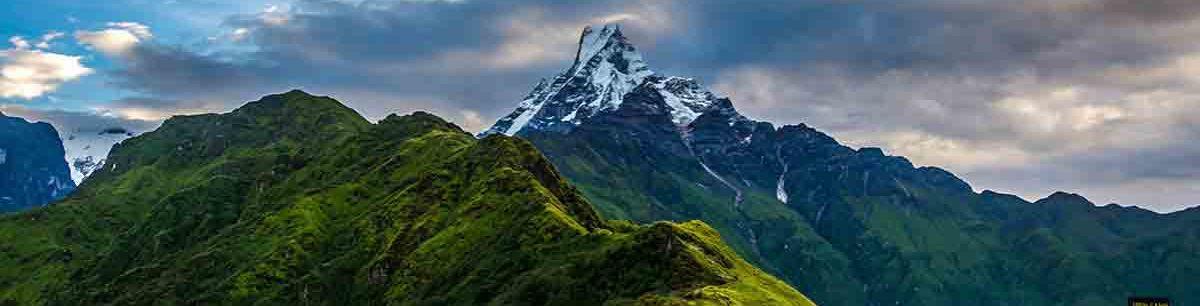

The Himalayas have long captivated travelers, adventurers, photographers, and trekkers from around the world. Most people dream of witnessing snow-covered giants rising dramatically above the clouds, creating unforgettable panoramas that define the world’s highest mountain range. Yet, those who spend enough time trekking in the Himalayas quickly learn an important truth: the magic of the mountains extends far beyond the peaks themselves.
In 2027, as sustainable tourism, immersive travel experiences, and cultural exploration continue to shape adventure travel trends, more trekkers are discovering that some of the most memorable Himalayan moments happen when the famous summits are hidden behind clouds. The Himalayas offer a rich tapestry of landscapes, traditions, wildlife, and human connections that reveal themselves regardless of whether the mountains are fully visible.
This unique perspective transforms a trek from a simple mountain-viewing journey into a deeper exploration of nature, culture, and personal growth.
Why the Himalayas Are More Than Just Mountain Views
Many first-time trekkers arrive with expectations shaped by social media photos and travel brochures. They envision crystal-clear skies and uninterrupted views of towering peaks. While those moments certainly exist, the Himalayas offer much more than postcard-worthy vistas.
The beauty of the region lies in its diversity. Every trail passes through vibrant villages, dense forests, high-altitude meadows, ancient monasteries, glacial rivers, and landscapes that change dramatically throughout the journey.
When clouds roll in and hide the summits, trekkers often become more aware of these surrounding details. Instead of focusing solely on distant peaks, they begin to notice the intricate beauty of the environment around them.
This shift in perspective often leads to a richer and more meaningful trekking experience.
The Magic of Walking Through Clouds
One of the most enchanting experiences in the Himalayas is trekking through cloud-covered trails. Mist drifts through forests, valleys, and ridgelines, creating an atmosphere that feels almost dreamlike.
The changing weather adds mystery and excitement to every step. Familiar landscapes appear transformed as clouds move across the terrain, revealing and concealing different features throughout the day.
Walking through the clouds offers several unique experiences:
- Soft, diffused lighting perfect for photography
- A peaceful and quiet trekking environment
- Cooler temperatures during the hike
- A sense of adventure and discovery
- Constantly changing scenery
Rather than feeling disappointed by cloud cover, experienced trekkers often embrace these conditions as part of the Himalayan experience.
Discovering Hidden Forests and Alpine Landscapes
The Himalayan region is home to some of the world’s most diverse ecosystems. Many trekking routes pass through lush forests filled with rhododendrons, oak, pine, fir, and bamboo.
In spring, rhododendron forests burst into vibrant colors, creating natural tunnels of red, pink, white, and purple flowers. These forests can be just as breathtaking as any mountain panorama.
Popular trekking regions such as:
offer remarkable biodiversity that often goes unnoticed by travelers focused solely on mountain views.
In 2027, eco-conscious trekking experiences increasingly encourage visitors to appreciate these ecosystems and understand their importance in preserving Himalayan biodiversity.
Experiencing Authentic Himalayan Culture
One of the greatest treasures of Himalayan trekking is the opportunity to connect with local communities.
Throughout Nepal, trekkers encounter villages where traditional lifestyles have remained largely unchanged for generations. Stone houses, terraced farms, prayer flags, monasteries, and community gatherings provide fascinating insights into mountain life.
When the peaks disappear behind clouds, cultural encounters often become the highlight of the journey.
Trekkers can:
- Visit ancient Buddhist monasteries
- Observe traditional farming practices
- Participate in local festivals
- Learn about mountain traditions
- Enjoy authentic regional cuisine
- Share stories with local families
These experiences create lasting memories that often surpass even the most spectacular mountain viewpoints.
Finding Beauty in Himalayan Villages
The villages scattered across the Himalayas possess a charm that deserves equal attention.
Places such as Namche Bazaar, Ghandruk, Manang, Dingboche, and Langtang Village offer unique glimpses into mountain culture and architecture.
Stone pathways lined with colorful flowers, children playing in village squares, yaks grazing nearby, and prayer wheels spinning gently in the wind all contribute to the character of these communities.
Many trekkers discover that spending time in these villages provides a deeper understanding of the Himalayan way of life than simply rushing from viewpoint to viewpoint.
Wildlife Encounters Beyond the Peaks
The Himalayas are home to remarkable wildlife that often becomes more visible during cloudy weather.
Depending on the trekking region, hikers may encounter:
- Himalayan Monal pheasants
- Musk deer
- Himalayan tahr
- Blue sheep
- Red pandas
- Various species of eagles and vultures
Birdwatching has become increasingly popular among trekkers seeking a more immersive nature experience.
Cloud-covered days often encourage travelers to slow their pace, making wildlife observations more frequent and rewarding.
The Emotional Connection of Trekking
The Himalayas offer something that cannot be captured in photographs: emotional transformation.
Long days on the trail create opportunities for reflection, mindfulness, and personal growth. The rhythm of walking allows trekkers to disconnect from daily pressures and reconnect with themselves.
When expectations about perfect mountain views fade away, many people become more present in the moment.
The sounds of rivers, the scent of pine forests, the warmth of tea houses, and the camaraderie among fellow trekkers create experiences that remain meaningful long after the trek ends.
This emotional connection is one reason why many travelers return to the Himalayas again and again.
Photography Beyond Mountain Summits
Cloudy conditions often provide excellent opportunities for creative photography.
Instead of photographing only distant peaks, photographers can focus on:
Forest Landscapes
Mist-covered forests create dramatic and atmospheric images that showcase the mysterious side of the Himalayas.
Village Life
Portraits of local residents, traditional homes, and daily activities tell compelling visual stories.
Monasteries and Spiritual Sites
Prayer flags disappearing into the clouds and ancient monasteries surrounded by mist create powerful compositions.
Wildlife and Nature
Flowers, birds, waterfalls, and forest details often become more prominent when mountain views are obscured.
In many cases, these photographs capture the true spirit of Himalayan trekking more effectively than classic summit shots.
Sustainable Trekking in 2027
The future of Himalayan tourism increasingly focuses on sustainability.
As more travelers seek responsible adventures, trekking operators and local communities are working together to protect fragile mountain ecosystems.
Sustainable trekking practices include:
- Minimizing plastic waste
- Supporting local businesses
- Respecting cultural traditions
- Using eco-friendly accommodations
- Following designated trails
- Conserving natural resources
By appreciating the entire trekking experience rather than focusing solely on mountain views, travelers contribute to a more balanced and sustainable tourism model.
This approach helps preserve the Himalayas for future generations.
Weather Variability Is Part of the Adventure
Many trekkers mistakenly view cloudy weather as a disappointment. However, mountain weather is inherently unpredictable and forms an essential part of the Himalayan experience.
Conditions can change dramatically within minutes. A peak hidden behind clouds in the morning may emerge spectacularly during sunset.
Some of the most memorable moments occur after hours of cloud cover when the mountains suddenly reveal themselves.
These unexpected appearances often feel more rewarding because they are earned through patience and perseverance.
Learning to embrace changing weather helps trekkers develop flexibility and appreciation for the natural rhythms of the mountains.
Lessons the Himalayas Teach Beyond the Views
Every Himalayan trek offers valuable life lessons.
Trekkers often discover:
Patience
Weather cannot be controlled. Waiting for conditions to change teaches acceptance and patience.
Gratitude
Simple comforts such as a warm meal or a comfortable lodge become deeply appreciated after a long day on the trail.
Resilience
Physical challenges and changing conditions build mental strength and confidence.
Presence
The mountains encourage travelers to focus on the present moment rather than constantly seeking the next destination.
These lessons remain valuable long after the trek concludes.
Unexpected Moments Become the Best Memories
Ask experienced trekkers about their favorite Himalayan memories, and many will describe moments unrelated to famous mountain views.
They may remember:
- Sharing tea with a local family
- Watching clouds drift through a village
- Hearing monks chant in a monastery
- Walking through a blooming rhododendron forest
- Seeing yaks crossing a mountain trail
- Laughing with fellow trekkers during a rainstorm
These spontaneous experiences often become the most cherished memories because they feel authentic and personal.
Why 2027 Is the Perfect Year to Explore the Himalayas Differently
Travel trends in 2027 emphasize meaningful experiences over checklist tourism.
Modern trekkers increasingly seek:
- Cultural immersion
- Sustainable adventures
- Authentic local interactions
- Nature-based wellness experiences
- Slow and mindful travel
The Himalayas perfectly align with these values.
Instead of focusing solely on reaching viewpoints and photographing peaks, travelers are embracing a more holistic approach that values every aspect of the journey.
This mindset transforms trekking into a richer and more rewarding experience.
Conclusion
The Himalayas have always been famous for their towering peaks, but their true beauty extends far beyond mountain summits. In 2027, travelers are increasingly discovering that cloud-covered trails, vibrant villages, ancient cultures, diverse wildlife, and personal connections often create the most meaningful trekking experiences.
When the mountains play hide and seek behind drifting clouds, they invite us to look deeper. They encourage us to appreciate the forests, rivers, monasteries, communities, and moments that make the Himalayan region extraordinary.
The next time clouds obscure the peaks, remember that the Himalayas are not hiding their beauty. They are simply revealing a different side of it.
For those willing to embrace the journey beyond the views, the Himalayas offer an adventure far richer than any photograph can capture—a unique trekking experience that stays with you for a lifetime.