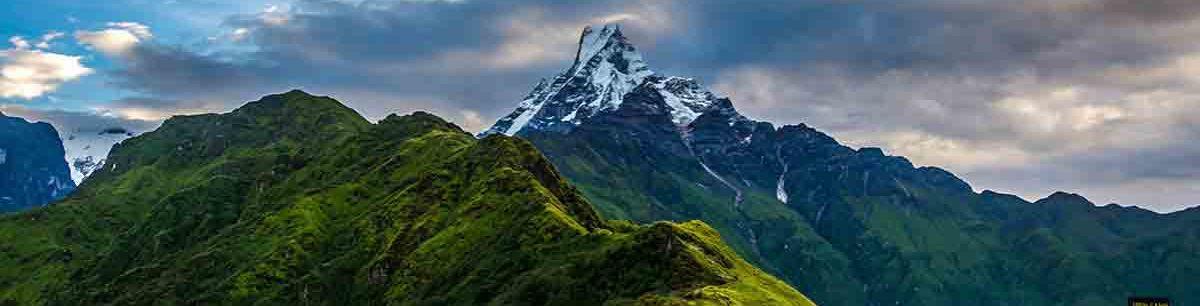
12 Expert Tips for Choosing the Best Trekking Company in Nepal

Choosing the Best Trekking Company in Nepal is one of the most important decisions you’ll make before setting foot on the Himalayan trails. Nepal is home to some of the world’s most iconic trekking destinations, including Everest Base Camp, Annapurna Base Camp, the Manaslu Circuit, Langtang Valley, and Upper Mustang. While these breathtaking adventures promise unforgettable experiences, the quality of your journey largely depends on the trekking company you choose.

A reliable trekking operator does much more than arrange permits and accommodations. They ensure your safety, provide knowledgeable guides, manage logistics, support local communities, and help you enjoy an authentic Himalayan experience. With hundreds of trekking agencies operating across Nepal, selecting the right one can feel overwhelming.

This comprehensive guide explores 12 expert tips for choosing the best trekking company in Nepal, helping you make an informed decision that ensures a safe, enjoyable, and memorable adventure.


Why Choosing the Right Trekking Company Matters

A Himalayan trek is unlike an ordinary vacation. You’ll be hiking at high altitudes, often in remote mountain regions where weather conditions can change rapidly. A professional trekking company plays a vital role by:

  • Managing permits and logistics
  • Providing experienced guides and porters
  • Monitoring your health during the trek
  • Responding effectively to emergencies
  • Offering cultural insights
  • Supporting responsible tourism

Choosing an inexperienced or unlicensed operator may save money initially, but it can lead to safety concerns, poor service, hidden costs, or even canceled trips.


Verify Government Registration and Licensing

Always ensure the trekking company is officially registered with the Government of Nepal.

A reputable company should be registered with organizations such as:

  • Department of Tourism Nepal
  • Nepal Tourism Board (NTB)
  • Trekking Agencies’ Association of Nepal (TAAN)
  • Company Registrar Office
  • PAN/VAT Registration

Licensed operators follow Nepal’s tourism regulations and maintain professional standards.

Don’t hesitate to ask for registration numbers before making a booking.


Check Years of Experience

Experience matters in mountain tourism.

Companies with several years of successful operations are generally better equipped to handle:

  • Route planning
  • Altitude challenges
  • Weather changes
  • Emergency evacuations
  • Permit processing
  • Cultural interactions

Experienced operators have established networks across the Himalayas, resulting in smoother logistics and better service.


Read Genuine Customer Reviews

One of the easiest ways to evaluate a trekking company is through customer feedback.

Look for reviews on:

  • Google
  • TripAdvisor
  • Trustpilot
  • Facebook
  • Independent travel blogs

Pay attention to recurring comments regarding:

  • Guide professionalism
  • Safety standards
  • Food and accommodation
  • Communication
  • Emergency support

Avoid relying solely on testimonials displayed on the company’s website.


Evaluate Guide Qualifications

Your trekking guide can make or break your Himalayan adventure.

Professional guides should have:

  • Government-issued trekking guide licenses
  • Wilderness First Aid training
  • Altitude sickness management knowledge
  • English communication skills
  • Extensive local experience

Some companies also employ multilingual guides for international travelers.

An experienced guide not only leads the trek but also shares local history, traditions, wildlife knowledge, and mountain culture.


Prioritize Safety Above Everything

Safety should never be compromised for a cheaper price.

Ask the company about:

  • Emergency evacuation procedures
  • Satellite communication
  • Oxygen cylinders for high-altitude treks
  • First aid kits
  • Daily health monitoring
  • Guide-to-client ratios

Responsible operators encourage acclimatization rather than rushing itineraries.

Remember, reaching the summit is optional—returning safely is mandatory.


Compare What’s Included in the Package

Many travelers compare trekking prices without understanding what each package includes.

Request a detailed itinerary and cost breakdown covering:

  • Airport transfers
  • Hotels
  • Meals
  • Trekking permits
  • TIMS card (if applicable)
  • Transportation
  • Domestic flights
  • Guide
  • Porter
  • Accommodation
  • Taxes

Hidden charges can significantly increase your total expenses.

A transparent company clearly explains every inclusion and exclusion.


Look for Responsible Tourism Practices

Sustainable tourism benefits both travelers and local communities.

Choose companies that:

  • Hire local guides and porters
  • Pay fair wages
  • Avoid plastic waste
  • Respect local culture
  • Support community projects
  • Follow Leave No Trace principles

Responsible trekking helps preserve Nepal’s fragile mountain ecosystems for future generations.


Assess Communication Before Booking

Excellent customer service usually begins long before your arrival in Nepal.

Notice how the company responds to inquiries.

Do they:

  • Reply promptly?
  • Answer your questions thoroughly?
  • Provide customized itineraries?
  • Offer honest advice?
  • Explain altitude risks?

Professional communication often reflects the quality of service you’ll receive during your trek.


Confirm Insurance and Emergency Support

Although travelers need their own travel insurance, the trekking company should have clear emergency protocols.

Ask whether they assist with:

  • Helicopter evacuation coordination
  • Hospital communication
  • Insurance documentation
  • Rescue logistics
  • Emergency transportation

Companies experienced in high-altitude trekking know how to act quickly during emergencies.


Review Trekking Equipment Standards

Not every traveler owns quality trekking equipment.

Many companies rent or provide:

  • Sleeping bags
  • Down jackets
  • Trekking poles
  • Duffel bags
  • Gaiters
  • Microspikes (seasonal)

Ensure rented equipment is clean, well-maintained, and suitable for Himalayan conditions.

Poor-quality gear can negatively impact your comfort and safety.


Compare Value Rather Than Price

The cheapest trek is rarely the best.

Instead of selecting the lowest price, compare overall value.

Consider:

  • Guide quality
  • Safety measures
  • Accommodation standards
  • Group size
  • Meals
  • Transportation
  • Customer support

A slightly higher investment often provides a significantly better trekking experience.


Choose a Company That Offers Customized Itineraries

Every trekker has different goals, fitness levels, and schedules.

A professional trekking company should be able to customize:

  • Trek duration
  • Difficulty level
  • Acclimatization days
  • Side trips
  • Private departures
  • Family-friendly itineraries
  • Luxury trekking options

Flexibility demonstrates experience and customer-focused service.


Red Flags to Watch Out For

While researching trekking companies, be cautious if you notice:

  • Extremely low prices
  • No physical office
  • Poor communication
  • No government registration
  • Hidden charges
  • Unrealistic itineraries
  • Pressure to pay immediately
  • No emergency plan
  • No guide credentials

These warning signs often indicate an unreliable operator.


Questions to Ask Before Booking

Before confirming your trek, ask:

  • Is your company government licensed?
  • How many years have you operated?
  • Are guides first-aid certified?
  • What’s included in the price?
  • How are emergencies handled?
  • What happens if someone gets altitude sickness?
  • Are airport transfers included?
  • Can the itinerary be customized?
  • What equipment is provided?
  • What is your cancellation policy?

Clear answers help build confidence in your decision.


Benefits of Booking with a Local Nepalese Trekking Company

Many international travelers book directly with local operators instead of overseas agencies.

Advantages include:

Better Local Knowledge

Local companies understand weather patterns, trail conditions, and regional culture better than overseas resellers.

Competitive Pricing

Booking directly eliminates middleman commissions, offering better value without sacrificing service.

Supporting Nepal’s Economy

Your money directly benefits local guides, porters, teahouses, transportation providers, and mountain communities.

Personalized Service

Local agencies are often more flexible with itinerary adjustments and special requests.


How Early Should You Book?

Booking timelines depend on the trekking season.

Peak Seasons

  • Spring (March–May)
  • Autumn (September–November)

Reserve 2–6 months in advance to secure preferred guides and accommodations.

Off-Season

Winter and monsoon treks usually offer greater flexibility but require additional planning for weather conditions.


Why Professional Guides Make a Difference

A knowledgeable guide enhances your trek by:

  • Navigating difficult trails
  • Managing altitude acclimatization
  • Coordinating accommodation
  • Explaining local traditions
  • Translating conversations
  • Monitoring your health
  • Handling unexpected situations

Beyond logistics, guides often become one of the most memorable parts of the journey.


Final Thoughts

Choosing the right trekking company is just as important as choosing the right trekking route. While Nepal offers incredible mountain adventures, your experience depends heavily on the professionalism, safety standards, and local expertise of the operator you trust.

By following these 12 expert tips for choosing the best trekking company in Nepal, you’ll be well-prepared to select a licensed, experienced, and customer-focused company that prioritizes your safety and satisfaction.

Rather than focusing solely on price, evaluate each operator based on experience, transparency, guide quality, responsible tourism practices, and emergency preparedness. Investing in a reputable trekking company ensures peace of mind, allowing you to fully immerse yourself in Nepal’s spectacular landscapes, vibrant cultures, and unforgettable Himalayan adventures.

Whether you’re planning your first trek to Everest Base Camp or exploring remote trails like Manaslu or Kanchenjunga, choosing the right partner will transform your journey into an experience you’ll remember for a lifetime.


Frequently Asked Questions (FAQs)

1. How do I know if a trekking company in Nepal is legitimate?

Verify that it is registered with the Nepal Tourism Board, the Department of Tourism, and the Trekking Agencies’ Association of Nepal (TAAN). Also, check recent customer reviews and ask for registration details.

2. Is it better to book with a local trekking company in Nepal?

Yes. Local companies often provide better value, personalized service, and direct support to Nepal’s economy while offering in-depth knowledge of the trekking regions.

3. What should be included in a trekking package?

A standard package typically includes trekking permits, guide services, accommodation, transportation, meals during the trek, and airport transfers. Always request a detailed list of inclusions and exclusions.

4. Why is a licensed guide important?

Licensed guides are trained in navigation, first aid, and altitude sickness management. They also enhance your experience by sharing local culture, history, and environmental knowledge.

5. When is the best time to book a trek in Nepal?

For spring (March–May) and autumn (September–November), it’s advisable to book at least 2–6 months in advance to secure experienced guides and preferred accommodations.

Quick Inquiry Form

How Climate Change Is Changing Nepal’s Trekking Seasons: Best Time to Visit the Himalayas

Climate change is changing Nepal’s trekking seasons in ways that every traveler, trekker, and adventure enthusiast should understand before planning a Himalayan journey. For decades, Nepal has welcomed trekkers with predictable spring blooms, crystal-clear autumn skies, and reliable weather windows that made iconic routes like the Everest Base Camp Trek, Annapurna Circuit Trek, and Manaslu Circuit Trek accessible to thousands of adventurers every year. Today, however, those seasonal patterns are becoming less predictable.

Warmer temperatures, shifting monsoon patterns, rapidly melting glaciers, unpredictable snowfall, and an increase in extreme weather events are reshaping the best time to visit the Himalayas. While Nepal remains one of the world’s premier trekking destinations, successful trekking now requires more careful planning, flexible itineraries, and awareness of changing mountain conditions.

Fortunately, climate change does not mean trekking in Nepal is no longer possible. Instead, it means travelers must choose their trekking seasons more wisely, stay informed about weather conditions, and work with experienced local guides who understand the changing Himalayan environment.

This guide explains how climate change is affecting Nepal’s trekking seasons, what these changes mean for visitors, and how you can still enjoy a safe and unforgettable Himalayan adventure.


Understanding Nepal’s Traditional Trekking Seasons

For generations, Nepal’s trekking calendar has revolved around four distinct seasons.

Spring (March to May)

Spring has long been considered one of Nepal’s best trekking seasons because of:

  • Mild temperatures
  • Stable weather
  • Rhododendron forests in bloom
  • Excellent mountain visibility
  • Longer daylight hours

Popular spring treks include:

  • Everest Base Camp
  • Annapurna Base Camp
  • Langtang Valley
  • Manaslu Circuit
  • Mardi Himal

Spring also attracts mountaineers attempting Everest and other Himalayan peaks.


Autumn (September to November)

Autumn traditionally offers:

  • Dry weather
  • Crystal-clear mountain views
  • Comfortable daytime temperatures
  • Low rainfall
  • Excellent trail conditions

Many experienced trekkers consider autumn the absolute best time to visit Nepal.


Winter (December to February)

Winter trekking provides:

  • Quiet trails
  • Beautiful snow-covered landscapes
  • Clear skies
  • Lower trekking costs

However, higher passes often receive heavy snowfall, making some routes inaccessible.


Monsoon (June to August)

The monsoon season typically brings:

  • Heavy rainfall
  • Landslides
  • Leeches
  • Cloud-covered mountains
  • Slippery trails

Nevertheless, rain-shadow regions like Upper Mustang and Dolpo remain excellent trekking destinations during this period.


How Climate Change Is Affecting Nepal’s Trekking Seasons

Climate change is altering these traditional weather patterns in several noticeable ways.

Warmer Temperatures Across the Himalayas

Average temperatures in Nepal’s mountains have gradually increased over recent decades.

Higher temperatures result in:

  • Faster snowmelt
  • Reduced snow accumulation
  • Longer warm seasons
  • Less predictable winter conditions

Trekkers now frequently experience unusually warm afternoons, even at higher elevations.


Delayed and Unpredictable Monsoon Seasons

Historically, Nepal’s monsoon followed a fairly reliable schedule.

Today, the rainy season often arrives:

  • Earlier
  • Later
  • With irregular rainfall
  • In shorter but more intense bursts

This makes it increasingly difficult to predict ideal trekking windows.

A trek planned for late September may still encounter lingering monsoon rains, while October generally continues to provide favorable conditions.


Heavier Rainfall Events

Rather than consistent rainfall spread across the season, climate change is producing:

  • Sudden cloudbursts
  • Flash floods
  • Road washouts
  • Increased landslides

Mountain roads leading to trekking regions can become temporarily blocked after intense storms.


Changing Snowfall Patterns

Snowfall is becoming less predictable.

Some winters produce:

  • Very little snow

Others bring:

  • Heavy snowstorms
  • Avalanche risks
  • Blocked mountain passes

High passes such as Thorong La and Larkya La may close unexpectedly depending on seasonal snowfall.


Faster Glacier Melting

Nepal’s Himalayan glaciers are retreating at an accelerating rate.

Consequences include:

  • Formation of unstable glacial lakes
  • Increased flood risks
  • Changes in river systems
  • Altered trekking landscapes

Trekkers visiting Everest and other glacier regions often notice visible changes compared to photographs taken only a decade ago.


Which Trekking Seasons Are Changing the Most?

Spring

Spring remains an excellent trekking season, but:

  • Temperatures are warmer.
  • Afternoon haze has become more common.
  • Early snow melts faster.
  • Weather changes more rapidly.

Morning starts have become increasingly important.


Autumn

Autumn continues to be Nepal’s most reliable trekking season.

However:

  • Monsoon withdrawal is less predictable.
  • September sometimes remains wet.
  • November nights are becoming colder in certain regions.

Late October has become one of the safest periods for many Himalayan treks.


Winter

Climate change has produced mixed effects.

Lower elevations experience:

  • Milder temperatures

Higher elevations may experience:

  • More intense snowstorms
  • Sudden weather shifts
  • Increased avalanche danger

Monsoon

The monsoon now tends to feature:

  • More extreme rainfall
  • Longer dry breaks
  • Unpredictable storm timing

Trekkers should monitor weather forecasts more closely than ever.


Best Time to Visit the Himalayas Today

Despite changing weather patterns, Nepal still offers outstanding trekking opportunities throughout much of the year.

March to Early May

Ideal for:

  • Rhododendron blooms
  • Moderate temperatures
  • Mountain photography
  • Everest Base Camp
  • Annapurna Base Camp

Late October to Mid-November

Currently regarded as one of Nepal’s most reliable trekking windows because of:

  • Stable weather
  • Excellent visibility
  • Comfortable temperatures
  • Lower rainfall risk

December

Perfect for travelers seeking:

  • Quiet trails
  • Crisp mountain views
  • Peaceful trekking experiences

Lower and mid-altitude treks remain especially enjoyable.


Popular Trekking Regions and Climate Change

Everest Region

Climate-related changes include:

  • Faster glacier retreat
  • Less predictable snowfall
  • More variable temperatures
  • Increased risks from glacial lake activity

Everest Base Camp remains one of the world’s premier trekking destinations despite these changes.


Annapurna Region

Travelers increasingly report:

  • Warmer spring temperatures
  • Unexpected rainfall
  • Shifting flowering seasons
  • Occasional landslides during shoulder seasons

Manaslu Region

The Manaslu Circuit has seen:

  • Variable snowfall over Larkya La Pass
  • Changing river levels
  • Increased weather uncertainty in early spring

Guides now pay even closer attention to pass conditions.


Langtang Valley

Langtang continues recovering after the devastating 2015 earthquake while adapting to changing weather patterns that influence:

  • Vegetation
  • Wildlife
  • Seasonal water availability

How Climate Change Affects Trekking Safety

Changing mountain weather requires greater preparation.

Important safety considerations include:

  • Flexible itineraries
  • Extra acclimatization days
  • Updated weather forecasts
  • Emergency evacuation plans
  • Travel insurance covering high-altitude trekking

Trekkers should never assume historical weather patterns will repeat exactly.


Tips for Trekking Nepal in a Changing Climate

Choose Experienced Local Operators

Professional trekking companies monitor:

  • Trail conditions
  • Weather forecasts
  • Landslide risks
  • Snow conditions

Their local knowledge has become more valuable than ever.


Build Flexibility Into Your Schedule

Adding one or two buffer days can prevent weather-related disruptions from affecting international flights or important travel plans.


Pack for Multiple Weather Conditions

Even during autumn, trekkers should prepare for:

  • Warm afternoons
  • Freezing nights
  • Rain
  • Snow
  • Strong winds

Layered clothing remains essential.


Start Trekking Early

Morning weather is generally more stable.

Afternoon cloud build-up has become increasingly common in many Himalayan regions.


Monitor Weather Forecasts Daily

Modern weather forecasting has improved significantly.

Guides regularly check updated mountain forecasts before crossing high passes.


Sustainable Trekking Matters More Than Ever

Climate change highlights the importance of responsible tourism.

Trekkers can reduce their environmental impact by:

  • Carrying reusable water bottles
  • Avoiding single-use plastics
  • Supporting locally owned teahouses
  • Following Leave No Trace principles
  • Respecting wildlife habitats
  • Hiring licensed local guides and porters

Sustainable tourism helps mountain communities adapt to environmental changes while preserving Nepal’s natural beauty for future generations.


Will Nepal Still Be Worth Visiting?

Absolutely.

The Himalayas remain among the world’s greatest adventure destinations.

Climate change has altered trekking conditions, but it has not diminished Nepal’s extraordinary landscapes, rich cultural heritage, or warm hospitality.

Instead, today’s travelers simply need better planning, greater flexibility, and a deeper understanding of mountain weather.

Those who prepare well continue to enjoy breathtaking sunrises over Everest, vibrant rhododendron forests in Annapurna, remote valleys in Manaslu, and unforgettable encounters with Himalayan culture.


The Future of Trekking in Nepal

Scientists expect climate change to continue influencing Himalayan weather over the coming decades. Trekking operators, local communities, conservation organizations, and government agencies are already adapting by improving trail infrastructure, strengthening early-warning systems for landslides and floods, promoting sustainable tourism practices, and educating trekkers about responsible travel.

Technology is also playing an important role. Improved satellite weather forecasting, GPS navigation, and real-time communication allow guides to make better decisions when conditions change unexpectedly. At the same time, conservation efforts aimed at protecting forests, watersheds, and biodiversity help reduce environmental pressures on fragile mountain ecosystems.

For travelers, the future of trekking in Nepal will likely involve more flexible itineraries, greater emphasis on environmental stewardship, and closer collaboration with experienced local professionals. These adaptations will help ensure that the Himalayas remain accessible while protecting the natural landscapes that make Nepal one of the world’s most remarkable trekking destinations.


Conclusion

Climate change is changing Nepal’s trekking seasons, but it has not taken away the magic of the Himalayas. Instead, it has reshaped when and how travelers should plan their adventures. Understanding shifting weather patterns, selecting the right trekking window, packing appropriately, and relying on knowledgeable local guides are now essential parts of a successful journey.

For most visitors, late October through mid-November and March through early May continue to offer the best balance of stable weather, comfortable temperatures, and spectacular mountain scenery. By traveling responsibly and supporting sustainable tourism, trekkers also contribute to the long-term protection of Nepal’s fragile mountain environment.

Whether your dream is to stand beneath Mount Everest, cross the dramatic Larkya La Pass, explore the Annapurna Sanctuary, or wander through the peaceful Langtang Valley, careful planning will help you experience the Himalayas safely and responsibly. Nepal’s mountains are changing, but their beauty, cultural richness, and spirit of adventure remain as inspiring as ever.

Quick Inquiry Form

Annapurna Base Camp Trek: A Life-Changing Himalayan Adventure for Every Trekker

The Annapurna Base Camp Trek is one of Nepal’s most iconic trekking adventures, offering a perfect blend of breathtaking Himalayan scenery, rich cultural experiences, diverse landscapes, and unforgettable moments. Unlike many high-altitude expeditions that demand technical climbing skills, this trek welcomes both experienced hikers and determined beginners who dream of standing beneath some of the world’s highest mountains.

From lush rhododendron forests and cascading waterfalls to charming Gurung and Magar villages, every step of the journey reveals a new perspective of Nepal’s natural and cultural beauty. Reaching Annapurna Base Camp at 4,130 meters is not just about completing a trek—it is about discovering inner strength, embracing simplicity, and creating memories that last a lifetime.

Whether you are planning your first Himalayan adventure or looking to explore another remarkable trail, the Annapurna Base Camp Trek offers an experience that truly transforms the way you see mountains, nature, and yourself.


Why the Annapurna Base Camp Trek Is a Life-Changing Experience

Few trekking routes in the world combine accessibility, breathtaking scenery, and authentic cultural encounters as beautifully as the Annapurna Base Camp Trek. Every day introduces new landscapes and challenges, making the journey as rewarding as the destination itself.

Unlike many famous trekking destinations, Annapurna Base Camp allows trekkers to experience:

  • Towering snow-covered Himalayan peaks
  • Traditional mountain villages
  • Ancient Buddhist and Hindu culture
  • Dense forests filled with wildlife
  • Natural hot springs
  • Glacial rivers and waterfalls
  • Stunning sunrise and sunset mountain views

The journey encourages trekkers to disconnect from modern distractions and reconnect with nature, making it an adventure that goes far beyond sightseeing.


Where Is Annapurna Base Camp?

Annapurna Base Camp (ABC) lies within the Annapurna Conservation Area in central Nepal at an elevation of approximately 4,130 meters (13,550 feet).

The trek begins after driving from Kathmandu to Pokhara and then continuing to the trailhead at locations such as Nayapul, Jhinu Danda, or Siwai, depending on the chosen itinerary.

The base camp is surrounded by some of Nepal’s most magnificent mountains, including:

  • Annapurna I (8,091 m)
  • Annapurna South
  • Machhapuchhre (Fishtail Mountain)
  • Hiunchuli
  • Gangapurna
  • Tent Peak

Standing inside this natural mountain amphitheater is one of the most unforgettable moments for any trekker.


Highlights of the Annapurna Base Camp Trek

Spectacular Himalayan Panorama

One of the greatest rewards of the trek is witnessing uninterrupted views of the Annapurna Massif. As trekkers gain elevation, every turn reveals dramatic snow-capped peaks rising above deep valleys.

The sunrise from Annapurna Base Camp paints the surrounding mountains in brilliant shades of orange, pink, and gold—a sight many describe as once-in-a-lifetime.


Experience Traditional Gurung and Magar Villages

The trail passes through welcoming villages where local communities have preserved their traditions for generations.

Popular villages include:

  • Ghandruk
  • Chhomrong
  • Sinuwa
  • Bamboo
  • Deurali

Visitors can experience:

  • Traditional stone houses
  • Local hospitality
  • Mountain farming lifestyle
  • Handmade crafts
  • Authentic Nepali cuisine
  • Cultural dances during festivals

These cultural interactions make the trek far more meaningful than simply reaching the destination.


Walk Through Diverse Landscapes

One reason the Annapurna Base Camp Trek stands out is the incredible diversity of terrain.

During the journey, trekkers pass through:

Subtropical Forests

The lower elevations are filled with:

  • Rhododendron forests
  • Bamboo groves
  • Oak forests
  • Moss-covered trails

Spring transforms these forests into colorful landscapes with blooming rhododendrons.


River Valleys

Crystal-clear rivers accompany much of the trek.

Trekkers cross numerous suspension bridges spanning rushing glacial rivers, adding excitement to the journey while offering spectacular photography opportunities.


Alpine Terrain

Higher elevations introduce dramatic scenery featuring:

  • Rocky cliffs
  • Snow-covered slopes
  • Glacier-fed streams
  • Wide alpine meadows

The change in environment is gradual yet astonishing.


Relax at Jhinu Natural Hot Springs

One of the unique highlights of the Annapurna Base Camp Trek is relaxing in the natural hot springs at Jhinu Danda after several days of hiking.

Soaking in warm mineral-rich water while surrounded by forests and rivers provides the perfect way to ease tired muscles before returning to Pokhara.


Best Time for the Annapurna Base Camp Trek

Choosing the right season significantly improves the trekking experience.

Spring (March–May)

Spring is considered one of the best seasons because of:

  • Comfortable temperatures
  • Blooming rhododendron forests
  • Clear mountain views
  • Longer daylight hours

This is also one of the busiest trekking seasons.


Autumn (September–November)

Autumn is widely regarded as the most popular trekking season.

Advantages include:

  • Crystal-clear skies
  • Stable weather
  • Excellent visibility
  • Pleasant daytime temperatures

Photographers especially appreciate the sharp mountain views during autumn.


Winter (December–February)

Winter offers quieter trails and snow-covered landscapes.

Trekkers should prepare for:

  • Cold nights
  • Snow near base camp
  • Shorter daylight hours

Despite colder conditions, many experienced trekkers enjoy the peaceful atmosphere.


Monsoon (June–August)

The monsoon season brings:

  • Heavy rainfall
  • Slippery trails
  • Leeches in lower forests
  • Cloud-covered mountains

While trekking is still possible, spring and autumn remain the preferred seasons.


Annapurna Base Camp Trek Route Overview

Although itineraries vary, the classic route generally follows:

Pokhara → Nayapul/Siwai → Ghandruk → Chhomrong → Bamboo → Dovan → Himalaya → Deurali → Machhapuchhre Base Camp (MBC) → Annapurna Base Camp → Bamboo → Jhinu Danda → Pokhara

Most itineraries require between 7 and 12 days, depending on walking pace, acclimatization, and side trips.


Difficulty Level: Is the Annapurna Base Camp Trek Hard?

The Annapurna Base Camp Trek is generally considered a moderate trek.

It does not require technical mountaineering skills, ropes, or climbing equipment. However, it demands good physical fitness and mental determination.

Trekkers can expect:

  • Daily hiking of 5–7 hours
  • Numerous stone staircases
  • Significant elevation gain
  • Variable weather conditions
  • Long uphill and downhill sections

The highest point, Annapurna Base Camp at 4,130 meters, is well below the altitude of many Himalayan expeditions, making it achievable for most healthy individuals with proper preparation.


Accommodation Along the Trail

One of the advantages of the Annapurna Base Camp Trek is the availability of comfortable teahouses.

Most lodges provide:

  • Twin-sharing rooms
  • Comfortable beds
  • Blankets
  • Shared bathrooms
  • Dining halls
  • Charging facilities (often for a small fee)
  • Wi-Fi in selected villages

Accommodation is basic but clean and welcoming.

Staying in locally operated teahouses also supports mountain communities and provides opportunities to interact with fellow trekkers from around the world.


Food During the Trek

The food available along the route is surprisingly varied and nutritious.

Popular meals include:

Traditional Dal Bhat

Often described as the ultimate trekking meal, Dal Bhat consists of:

  • Rice
  • Lentil soup
  • Seasonal vegetables
  • Pickles
  • Curry

Many teahouses even offer free refills, making it a favorite among trekkers.


Other Common Dishes

Trekkers can also enjoy:

  • Fried rice
  • Noodles
  • Momos
  • Pasta
  • Pancakes
  • Tibetan bread
  • Omelets
  • Soups
  • Porridge
  • Tea and coffee

Maintaining a balanced diet and staying hydrated are essential for sustaining energy during the trek.


Physical Preparation for the Annapurna Base Camp Trek

Although the trek is accessible to many people, preparing in advance significantly enhances the experience.

A training routine beginning 6–8 weeks before departure is recommended and should include:

Cardiovascular Training

Focus on activities such as:

  • Hiking
  • Jogging
  • Cycling
  • Swimming
  • Stair climbing

Aim for at least 30–60 minutes of cardio, three to five times per week.

Strength Training

Build endurance in the muscles you’ll rely on most by including:

  • Squats
  • Lunges
  • Step-ups
  • Calf raises
  • Core exercises
  • Light weight training

Practice Hiking

If possible, complete several day hikes carrying a backpack similar in weight to what you’ll bring on the trek. This helps your body adapt to long walking days and uneven terrain.

Mental Preparation

Long trekking days, changing weather, and altitude can be mentally demanding. Developing patience, pacing yourself, and maintaining a positive mindset are just as important as physical fitness.

_______________________________________________

Essential Packing List for the Annapurna Base Camp Trek

Packing wisely can make a significant difference in your trekking experience. Since weather conditions change rapidly as you gain altitude, layering your clothing is the best approach.

Clothing

Carry lightweight, moisture-wicking clothing that keeps you comfortable throughout the trek.

Recommended clothing includes:

  • Moisture-wicking T-shirts
  • Thermal base layers
  • Fleece jacket
  • Down jacket
  • Waterproof shell jacket
  • Waterproof trekking pants
  • Hiking trousers
  • Warm gloves
  • Woolen hat
  • Sun hat or cap
  • Buff or neck gaiter
  • Several pairs of trekking socks
  • Comfortable sleepwear

Footwear

Proper footwear is essential for preventing injuries and maintaining comfort.

Bring:

  • Waterproof trekking boots with ankle support
  • Lightweight sandals or camp shoes
  • Gaiters (during winter or monsoon)

Trekking Equipment

Your backpack should include:

  • 35–45L trekking backpack
  • Rain cover
  • Trekking poles
  • Headlamp with extra batteries
  • Reusable water bottles
  • Hydration bladder
  • Sunglasses with UV protection
  • Sunscreen (SPF 50+)
  • Lip balm
  • Personal first-aid kit
  • Power bank
  • Camera
  • Travel towel
  • Basic toiletries

Packing light while carrying all essential items helps reduce fatigue during long trekking days.


Understanding Altitude and Acclimatization

Although the Annapurna Base Camp Trek reaches an altitude of only 4,130 meters, altitude sickness can still affect trekkers.

Common Symptoms

Watch for:

  • Headache
  • Loss of appetite
  • Nausea
  • Dizziness
  • Fatigue
  • Difficulty sleeping

Ignoring these symptoms can lead to more serious altitude-related illnesses.

Tips to Prevent Altitude Sickness

Follow these simple guidelines:

  • Ascend gradually.
  • Stay well hydrated.
  • Avoid excessive alcohol consumption.
  • Eat nutritious meals.
  • Walk at a comfortable pace.
  • Listen to your guide.
  • Get enough rest.
  • Descend immediately if symptoms become severe.

Remember that no level of physical fitness guarantees immunity from altitude sickness. Proper acclimatization is the key to a safe trek.


Flora and Fauna Along the Trail

The Annapurna Conservation Area is Nepal’s largest protected conservation region and boasts extraordinary biodiversity.

Beautiful Forests

Trekkers pass through forests filled with:

  • Rhododendron
  • Oak
  • Pine
  • Fir
  • Bamboo
  • Birch

Spring transforms these forests into vibrant displays of blooming rhododendrons, Nepal’s national flower.

Wildlife

Lucky trekkers may encounter:

  • Himalayan Monal (Danphe)
  • Musk deer
  • Himalayan tahr
  • Langur monkeys
  • Himalayan griffon vultures
  • Various pheasants
  • Colorful butterflies

Protecting this fragile ecosystem is everyone’s responsibility.


Cultural Experiences That Make the Journey Special

The Annapurna Base Camp Trek is not just about mountains—it is equally a journey through the heart of Nepal’s rich cultural heritage.

The trail passes through villages inhabited primarily by the Gurung and Magar communities, who are known for their warm hospitality and deep connection to the Himalayas.

Visitors often experience:

  • Traditional stone-built homes
  • Buddhist monasteries
  • Prayer wheels
  • Colorful prayer flags
  • Ancient customs
  • Local festivals
  • Authentic mountain cuisine

Many teahouse owners share stories about their families, traditions, and daily life in the mountains, creating meaningful connections that enrich the trekking experience.

Respecting local customs, dressing modestly, and greeting residents with a friendly “Namaste” are simple ways to show appreciation for the local culture.


Cost of the Annapurna Base Camp Trek

The overall cost of the trek depends on factors such as the itinerary, group size, services included, and whether you choose an independent trek or a guided package.

Typical expenses may include:

  • Transportation to and from Pokhara
  • Trekking permits
  • Licensed guide
  • Porter (optional but recommended)
  • Accommodation in teahouses
  • Meals during the trek
  • Drinking water
  • Snacks
  • Travel insurance
  • Personal equipment rental or purchase
  • Tips for guides and porters

Budget-conscious trekkers can keep costs relatively low, while those seeking added comfort can opt for premium packages with private transportation and upgraded accommodation.


Why Hiring a Guide Is Worth It

While experienced hikers may complete the trek independently where regulations allow, hiring a licensed guide offers several benefits.

A professional guide can:

  • Navigate the trail safely
  • Monitor your health and acclimatization
  • Arrange accommodation
  • Explain local culture and history
  • Assist during emergencies
  • Communicate with local communities
  • Enhance your overall experience

Hiring local guides also supports the livelihoods of mountain communities.


Responsible Trekking Practices

The Himalayas are a fragile environment that deserves protection.

Follow these responsible trekking principles:

Leave No Trace

Always carry your waste until proper disposal is available.

Avoid leaving:

  • Plastic bottles
  • Snack wrappers
  • Wet wipes
  • Cigarette butts

Reduce Plastic Waste

Instead of purchasing disposable plastic bottles, carry a reusable bottle and purify drinking water using filters or purification tablets.


Respect Wildlife

Observe animals from a distance.

Never:

  • Feed wildlife
  • Chase animals
  • Damage plants
  • Remove natural objects

Support Local Businesses

Choose:

  • Local guides
  • Local porters
  • Family-run teahouses
  • Handmade souvenirs

This directly benefits mountain communities and promotes sustainable tourism.


Photography Tips for the Annapurna Base Camp Trek

The trek offers endless opportunities for stunning photographs.

Some of the best photography locations include:

  • Ghandruk Village
  • Chhomrong
  • Bamboo Forest
  • Machhapuchhre Base Camp
  • Annapurna Base Camp
  • Sunrise over Annapurna I
  • Suspension bridges
  • Rhododendron forests (spring)

For the best lighting, capture landscapes during early morning and late afternoon when the mountains glow with warm golden hues.


Why Every Trekker Should Experience Annapurna Base Camp

The Annapurna Base Camp Trek is more than reaching a destination—it is a journey of personal growth.

Many trekkers finish the adventure with:

  • Greater self-confidence
  • Improved physical endurance
  • Lasting friendships
  • Deeper appreciation for nature
  • Respect for mountain communities
  • Lifelong memories

Standing beneath Annapurna I, surrounded by towering Himalayan peaks, reminds trekkers how small yet connected we are within the natural world.


Frequently Asked Questions (FAQs)

How many days does the Annapurna Base Camp Trek take?

Most itineraries range between 7 and 12 days, depending on the starting point, walking pace, and acclimatization schedule.

What is the highest point of the trek?

The highest point is Annapurna Base Camp, situated at 4,130 meters (13,550 feet).

Is prior trekking experience necessary?

No. Individuals with good physical fitness, proper preparation, and determination can successfully complete the trek.

When is the best time to do the Annapurna Base Camp Trek?

Spring (March to May) and autumn (September to November) provide the most stable weather, comfortable temperatures, and excellent mountain views.

Is altitude sickness common?

Altitude sickness is possible above 2,500 meters. Trekking gradually, staying hydrated, and following proper acclimatization practices greatly reduce the risk.

Can beginners complete the Annapurna Base Camp Trek?

Yes. Many first-time trekkers complete the route successfully with adequate training and support from experienced guides.


Conclusion

The Annapurna Base Camp Trek is one of Nepal’s most rewarding trekking adventures, offering a remarkable combination of dramatic Himalayan landscapes, welcoming mountain communities, and unforgettable personal achievements. Every stage of the journey—from lush forests and terraced fields to high alpine terrain—reveals the incredible diversity of the Annapurna region.

Whether you are seeking adventure, cultural immersion, stunning photography, or a meaningful escape into nature, this trek delivers an experience that extends far beyond reaching the base camp. With thoughtful preparation, responsible trekking practices, and a spirit of exploration, the Annapurna Base Camp Trek can become one of the most memorable journeys of your life.

If you dream of standing in the heart of the Himalayas, surrounded by some of the world’s highest peaks, the Annapurna Base Camp Trek is an adventure that deserves a place at the top of your bucket list.

Quick Inquiry Form

Dolpo Region Trekking in Nepal: Complete 2027 Guide

When people think of trekking in Nepal, iconic destinations like Everest Base Camp and the Annapurna Circuit usually come to mind. However, hidden deep within Nepal’s far western Himalayas lies one of the country’s most untouched trekking destinations—the Dolpo Region. Known for its dramatic landscapes, ancient Tibetan Buddhist culture, pristine alpine lakes, and remote mountain villages, Dolpo Region Trekking in Nepal offers an extraordinary experience for travelers seeking solitude and authentic Himalayan adventure.

Unlike Nepal’s more crowded trekking routes, Dolpo remains largely untouched by mass tourism. Its isolated valleys, high mountain passes, centuries-old monasteries, and breathtaking wilderness make it one of the most rewarding trekking destinations for experienced hikers and cultural explorers alike.

Whether you are planning your first remote Himalayan expedition or searching for Nepal’s hidden gems, this complete 2027 guide covers everything you need to know before embarking on a Dolpo trek.


Why Choose Dolpo Region Trekking in Nepal?

Dolpo is one of Nepal’s largest and least populated districts. Due to its remoteness, the region has preserved its ancient traditions, unique landscapes, and cultural heritage remarkably well.

Some of the biggest reasons travelers choose Dolpo include:

  • Spectacular Himalayan scenery
  • Crystal-clear alpine lakes
  • Traditional Tibetan villages
  • Ancient Buddhist monasteries
  • Rare wildlife
  • Challenging high mountain passes
  • Minimal tourist crowds
  • Authentic local culture
  • Remote wilderness trekking

Unlike many commercial trekking routes, Dolpo allows visitors to experience Nepal in its purest form.


Where Is Dolpo Located?

Dolpo lies in northwestern Nepal, bordering Tibet. Much of the region falls within Shey Phoksundo National Park, Nepal’s largest national park.

Because of its geographical isolation, Dolpo remained largely inaccessible to outsiders until relatively recently. Even today, reaching the region requires multiple flights and several days of trekking.

The area’s high-altitude desert landscape closely resembles the Tibetan Plateau, making it very different from the greener trekking regions found in central Nepal.


What Makes Dolpo Special?

Shey Phoksundo Lake

One of Nepal’s most beautiful natural attractions is the stunning turquoise waters of Shey Phoksundo Lake.

Surrounded by steep cliffs and snow-capped mountains, the lake’s vivid blue color creates one of the most photographed landscapes in Nepal.

Many trekkers consider visiting the lake the highlight of their Dolpo adventure.


Ancient Tibetan Culture

Dolpo has maintained strong Tibetan cultural traditions for centuries.

Visitors encounter:

  • Prayer flags fluttering in mountain winds
  • Whitewashed monasteries
  • Stone mani walls
  • Chortens
  • Yak caravans
  • Traditional mud-brick villages

Many residents continue practicing Bon and Tibetan Buddhism, preserving customs that have remained unchanged for generations.


Remote Wilderness

Few trekking regions in Nepal feel as wild and untouched as Dolpo.

Days may pass without encountering other trekking groups, allowing visitors to fully immerse themselves in the Himalayan environment.


High Mountain Passes

Dolpo features several spectacular mountain passes exceeding 5,000 meters.

These challenging crossings reward trekkers with panoramic views of the Dhaulagiri range, Kanjiroba Himal, and the Tibetan Plateau.


Best Time for Dolpo Region Trekking in Nepal

One unique advantage of Dolpo is that it lies within Nepal’s rain shadow.

Unlike many trekking destinations affected by the summer monsoon, Dolpo remains relatively dry during much of the rainy season.

Spring (April–May)

Spring offers:

  • Stable weather
  • Comfortable temperatures
  • Blooming alpine flowers
  • Excellent mountain visibility

This is one of the most popular trekking seasons.


Summer (June–August)

Since Dolpo receives little rainfall, summer trekking remains possible.

Advantages include:

  • Green valleys
  • Fewer trekkers
  • Pleasant daytime temperatures

Autumn (September–November)

Autumn provides:

  • Crystal-clear skies
  • Excellent photography
  • Stable weather
  • Comfortable trekking conditions

This is considered the best season overall.


Winter (December–March)

Heavy snowfall closes many high passes, making winter trekking difficult except in lower elevations.


Popular Dolpo Trekking Routes

Several trekking routes allow visitors to explore different parts of the Dolpo region.

Lower Dolpo Trek

Duration:
12–18 days

Highlights:

  • Shey Phoksundo Lake
  • Local villages
  • Moderate altitude
  • Beautiful forests
  • River valleys

This trek is ideal for those wanting to experience Dolpo without venturing into its most remote areas.


Upper Dolpo Trek

Duration:
20–28 days

Highlights:

  • Ancient monasteries
  • High mountain passes
  • Hidden valleys
  • Tibetan culture
  • Remote settlements

Upper Dolpo is one of Nepal’s most challenging and rewarding trekking adventures.


Upper Dolpo with Shey Gompa

Many experienced trekkers extend their journey to visit Shey Gompa, an important monastery surrounded by dramatic Himalayan landscapes.


Trek Difficulty

Dolpo trekking is considered challenging.

Trekkers should prepare for:

  • Daily walks of 6–8 hours
  • High altitude
  • Remote conditions
  • Limited facilities
  • Basic accommodations
  • Long trekking days

Previous trekking experience is highly recommended.


Maximum Altitude

Depending on the chosen route, trekkers may reach elevations above 5,300 meters.

Common high passes include:

  • Kang La Pass
  • Sela La Pass
  • Jeng La Pass

Proper acclimatization is essential to reduce the risk of altitude sickness.


Permits Required

Because much of Dolpo is a restricted area, several permits are mandatory.

These typically include:

  • Restricted Area Permit
  • Shey Phoksundo National Park Entry Permit
  • TIMS requirements (subject to current government regulations)

Permit rules may change, so always verify the latest requirements before traveling.


How to Reach Dolpo

Most trekking itineraries begin from Kathmandu.

A typical journey includes:

  1. Flight to Nepalgunj
  2. Flight to Juphal
  3. Trek begins from Juphal

Weather conditions may affect domestic flight schedules, so travelers should include extra buffer days in their itinerary.


Accommodation During the Trek

Unlike Everest or Annapurna, Dolpo has limited tourist infrastructure.

Accommodation generally consists of:

  • Simple teahouses
  • Basic lodges
  • Homestays
  • Camping during remote sections

Rooms are usually modest, but the warm hospitality of local communities adds greatly to the trekking experience.


Food on the Trail

Despite the remote setting, trekkers can enjoy nourishing meals such as:

  • Dal Bhat
  • Tibetan bread
  • Noodles
  • Rice dishes
  • Potato curry
  • Fried rice
  • Soups
  • Tea
  • Coffee

Camping expeditions often include a professional cook who prepares fresh meals throughout the trek.


Wildlife in Dolpo

The region is home to remarkable Himalayan wildlife, including:

  • Snow leopard (rarely seen)
  • Blue sheep
  • Himalayan tahr
  • Musk deer
  • Himalayan griffon
  • Golden eagle
  • Marmots

Shey Phoksundo National Park is considered one of Nepal’s most important conservation areas.


Culture and Festivals

Dolpo’s unique identity is deeply rooted in Tibetan Buddhism and the ancient Bon religion.

Visitors may witness:

  • Prayer ceremonies
  • Traditional dances
  • Monastery festivals
  • Local harvest celebrations
  • Yak trading traditions

Respecting local customs, dressing modestly, and asking permission before photographing people or religious sites helps ensure a positive cultural exchange.

Suggested 18-Day Dolpo Trekking Itinerary

Although itineraries vary depending on the trekking agency and chosen route, the following outline provides a general idea of what to expect on a classic Dolpo adventure.

Day 1–2: Arrival in Kathmandu

Arrive in Kathmandu, attend a trek briefing, complete permit formalities, and make any last-minute gear purchases.

Day 3: Fly to Nepalgunj

Take a short domestic flight to Nepalgunj and prepare for the mountain flight the following morning.

Day 4: Fly to Juphal and Trek to Dunai

An early flight to Juphal marks the beginning of your trek. Walk through terraced fields and small villages before reaching Dunai.

Day 5–7: Trek Through Tarakot and Laina Odar

Follow scenic river valleys, suspension bridges, and traditional settlements while gradually gaining altitude.

Day 8–10: Reach Shey Phoksundo Lake

One of the highlights of Dolpo Region Trekking in Nepal, the turquoise waters of Shey Phoksundo Lake provide breathtaking scenery and an ideal place for acclimatization.

Day 11–15: Cross High Mountain Passes

Depending on your chosen route, you’ll cross spectacular passes above 5,000 meters, visit ancient monasteries, and explore isolated Tibetan villages.

Day 16–18: Return to Juphal and Fly Back

Complete the trek by returning to Juphal before flying to Nepalgunj and then Kathmandu.


How Much Does Dolpo Region Trekking Cost?

Dolpo is one of Nepal’s more expensive trekking destinations due to its remoteness, restricted-area permits, domestic flights, and logistics.

Estimated costs for 2027 are:

ExpenseEstimated Cost (USD)
Restricted Area Permits$500–$700+
National Park Entry$30–$50
Domestic Flights$250–$450
Guide and Porter$35–$60 per day
Accommodation$10–$25 per night
Meals$20–$35 per day
Full Guided Trek Package$2,000–$4,000+

Prices vary depending on the route, group size, and trekking company.


Essential Packing List

Packing wisely is crucial because supplies become limited once you enter the Dolpo region.

Clothing

  • Waterproof trekking jacket
  • Down jacket
  • Thermal base layers
  • Trekking pants
  • Fleece jacket
  • Waterproof trousers
  • Warm gloves
  • Wool hat
  • Sun hat
  • Hiking socks
  • Comfortable trekking boots
  • Camp shoes

Equipment

  • Sleeping bag (-15°C or lower)
  • Trekking poles
  • Headlamp
  • Sunglasses
  • Reusable water bottles
  • Water purification tablets
  • Backpack
  • Rain cover
  • Dry bags

Personal Items

  • Sunscreen
  • Lip balm
  • Personal medications
  • First aid kit
  • Power bank
  • Camera
  • Snacks
  • Wet wipes
  • Toiletries

Altitude Sickness and Safety

Because many sections of Dolpo exceed 4,000 meters, altitude sickness is a serious consideration.

Symptoms include:

  • Headache
  • Nausea
  • Fatigue
  • Loss of appetite
  • Dizziness
  • Difficulty sleeping

Prevention Tips

  • Ascend gradually.
  • Stay hydrated.
  • Avoid alcohol.
  • Eat nutritious meals.
  • Schedule acclimatization days.
  • Never ignore symptoms.
  • Descend immediately if symptoms worsen.

Traveling with an experienced guide significantly improves safety in remote areas.


Physical Preparation

Preparing several months in advance will make your trek more enjoyable.

Recommended training includes:

  • Long-distance hiking
  • Stair climbing
  • Cardio workouts
  • Strength training
  • Core exercises
  • Practice hikes with a loaded backpack

Good fitness doesn’t eliminate altitude challenges, but it helps you recover faster and enjoy the journey.


Responsible Trekking Practices

Dolpo’s fragile ecosystems and cultural heritage deserve careful protection.

Follow these responsible trekking principles:

  • Carry out all non-biodegradable waste.
  • Avoid single-use plastics.
  • Stay on established trails.
  • Respect wildlife and maintain a safe distance.
  • Support locally owned lodges and guides.
  • Dress respectfully when visiting monasteries and villages.
  • Ask permission before taking photographs of people.
  • Use refillable water bottles instead of disposable plastic bottles.

Responsible travel helps preserve Dolpo for future generations.


Photography Tips

Dolpo offers exceptional opportunities for photographers.

Some of the best subjects include:

  • Sunrise over snow-capped peaks
  • Shey Phoksundo Lake
  • Ancient monasteries
  • Prayer flags
  • Yak caravans
  • Stone villages
  • High mountain passes
  • Traditional festivals (when available)
  • Himalayan wildlife
  • Star-filled night skies

Carry extra batteries, as charging facilities may be limited in remote villages.


Why Hire a Local Guide?

Hiring a licensed local guide enhances both safety and the overall trekking experience.

A knowledgeable guide can:

  • Navigate remote trails
  • Assist with permits and logistics
  • Share local history and culture
  • Communicate with village communities
  • Monitor altitude-related health
  • Respond effectively in emergencies

Local guides also contribute directly to the region’s economy and sustainable tourism.


Frequently Asked Questions

Is Dolpo suitable for beginners?

Dolpo is best suited to trekkers with prior multi-day hiking experience due to its high altitude, long distances, and remote conditions.

How long does a Dolpo trek take?

Most itineraries range from 12 to 28 days, depending on whether you choose Lower Dolpo, Upper Dolpo, or an extended route.

Do I need a guide?

Many restricted routes require trekking with a licensed guide and the necessary permits. Even where not mandatory, hiring a guide is strongly recommended.

Can I trek during the monsoon?

Yes. Because Dolpo lies in Nepal’s rain shadow, it receives much less rainfall than many other trekking regions, making parts of the summer season suitable for trekking.

Is there internet access?

Internet connectivity is limited and often unreliable. Mobile coverage is available only in some villages, so plan to be offline for much of the trek.


Final Thoughts

Dolpo Region Trekking in Nepal is more than just a mountain adventure—it is an opportunity to experience one of the Himalayas’ last great wildernesses. From the shimmering waters of Shey Phoksundo Lake to ancient monasteries perched on rugged hillsides, every day on the trail offers unforgettable scenery and meaningful cultural encounters.

Unlike Nepal’s busier trekking routes, Dolpo rewards travelers with solitude, authenticity, and a deep connection to nature. While the journey demands careful planning, physical preparation, and a spirit of adventure, the rewards are extraordinary. Whether you choose the scenic Lower Dolpo Trek or the more demanding Upper Dolpo expedition, you’ll discover landscapes and traditions that have remained remarkably unchanged for centuries.

If you’re looking for an off-the-beaten-path Himalayan experience in 2027, Dolpo Region Trekking in Nepal deserves a place at the top of your travel list.

Quick Inquiry Form

Discovering Himalayan Beauty Beyond the Peaks: A Unique Trekking Experience in 2027

The Himalayas have long captivated travelers, adventurers, photographers, and trekkers from around the world. Most people dream of witnessing snow-covered giants rising dramatically above the clouds, creating unforgettable panoramas that define the world’s highest mountain range. Yet, those who spend enough time trekking in the Himalayas quickly learn an important truth: the magic of the mountains extends far beyond the peaks themselves.

In 2027, as sustainable tourism, immersive travel experiences, and cultural exploration continue to shape adventure travel trends, more trekkers are discovering that some of the most memorable Himalayan moments happen when the famous summits are hidden behind clouds. The Himalayas offer a rich tapestry of landscapes, traditions, wildlife, and human connections that reveal themselves regardless of whether the mountains are fully visible.

This unique perspective transforms a trek from a simple mountain-viewing journey into a deeper exploration of nature, culture, and personal growth.

Why the Himalayas Are More Than Just Mountain Views

Many first-time trekkers arrive with expectations shaped by social media photos and travel brochures. They envision crystal-clear skies and uninterrupted views of towering peaks. While those moments certainly exist, the Himalayas offer much more than postcard-worthy vistas.

The beauty of the region lies in its diversity. Every trail passes through vibrant villages, dense forests, high-altitude meadows, ancient monasteries, glacial rivers, and landscapes that change dramatically throughout the journey.

When clouds roll in and hide the summits, trekkers often become more aware of these surrounding details. Instead of focusing solely on distant peaks, they begin to notice the intricate beauty of the environment around them.

This shift in perspective often leads to a richer and more meaningful trekking experience.

The Magic of Walking Through Clouds

One of the most enchanting experiences in the Himalayas is trekking through cloud-covered trails. Mist drifts through forests, valleys, and ridgelines, creating an atmosphere that feels almost dreamlike.

The changing weather adds mystery and excitement to every step. Familiar landscapes appear transformed as clouds move across the terrain, revealing and concealing different features throughout the day.

Walking through the clouds offers several unique experiences:

  • Soft, diffused lighting perfect for photography
  • A peaceful and quiet trekking environment
  • Cooler temperatures during the hike
  • A sense of adventure and discovery
  • Constantly changing scenery

Rather than feeling disappointed by cloud cover, experienced trekkers often embrace these conditions as part of the Himalayan experience.

Discovering Hidden Forests and Alpine Landscapes

The Himalayan region is home to some of the world’s most diverse ecosystems. Many trekking routes pass through lush forests filled with rhododendrons, oak, pine, fir, and bamboo.

In spring, rhododendron forests burst into vibrant colors, creating natural tunnels of red, pink, white, and purple flowers. These forests can be just as breathtaking as any mountain panorama.

Popular trekking regions such as:

offer remarkable biodiversity that often goes unnoticed by travelers focused solely on mountain views.

In 2027, eco-conscious trekking experiences increasingly encourage visitors to appreciate these ecosystems and understand their importance in preserving Himalayan biodiversity.

Experiencing Authentic Himalayan Culture

One of the greatest treasures of Himalayan trekking is the opportunity to connect with local communities.

Throughout Nepal, trekkers encounter villages where traditional lifestyles have remained largely unchanged for generations. Stone houses, terraced farms, prayer flags, monasteries, and community gatherings provide fascinating insights into mountain life.

When the peaks disappear behind clouds, cultural encounters often become the highlight of the journey.

Trekkers can:

  • Visit ancient Buddhist monasteries
  • Observe traditional farming practices
  • Participate in local festivals
  • Learn about mountain traditions
  • Enjoy authentic regional cuisine
  • Share stories with local families

These experiences create lasting memories that often surpass even the most spectacular mountain viewpoints.

Finding Beauty in Himalayan Villages

The villages scattered across the Himalayas possess a charm that deserves equal attention.

Places such as Namche Bazaar, Ghandruk, Manang, Dingboche, and Langtang Village offer unique glimpses into mountain culture and architecture.

Stone pathways lined with colorful flowers, children playing in village squares, yaks grazing nearby, and prayer wheels spinning gently in the wind all contribute to the character of these communities.

Many trekkers discover that spending time in these villages provides a deeper understanding of the Himalayan way of life than simply rushing from viewpoint to viewpoint.

Wildlife Encounters Beyond the Peaks

The Himalayas are home to remarkable wildlife that often becomes more visible during cloudy weather.

Depending on the trekking region, hikers may encounter:

  • Himalayan Monal pheasants
  • Musk deer
  • Himalayan tahr
  • Blue sheep
  • Red pandas
  • Various species of eagles and vultures

Birdwatching has become increasingly popular among trekkers seeking a more immersive nature experience.

Cloud-covered days often encourage travelers to slow their pace, making wildlife observations more frequent and rewarding.

The Emotional Connection of Trekking

The Himalayas offer something that cannot be captured in photographs: emotional transformation.

Long days on the trail create opportunities for reflection, mindfulness, and personal growth. The rhythm of walking allows trekkers to disconnect from daily pressures and reconnect with themselves.

When expectations about perfect mountain views fade away, many people become more present in the moment.

The sounds of rivers, the scent of pine forests, the warmth of tea houses, and the camaraderie among fellow trekkers create experiences that remain meaningful long after the trek ends.

This emotional connection is one reason why many travelers return to the Himalayas again and again.

Photography Beyond Mountain Summits

Cloudy conditions often provide excellent opportunities for creative photography.

Instead of photographing only distant peaks, photographers can focus on:

Forest Landscapes

Mist-covered forests create dramatic and atmospheric images that showcase the mysterious side of the Himalayas.

Village Life

Portraits of local residents, traditional homes, and daily activities tell compelling visual stories.

Monasteries and Spiritual Sites

Prayer flags disappearing into the clouds and ancient monasteries surrounded by mist create powerful compositions.

Wildlife and Nature

Flowers, birds, waterfalls, and forest details often become more prominent when mountain views are obscured.

In many cases, these photographs capture the true spirit of Himalayan trekking more effectively than classic summit shots.

Sustainable Trekking in 2027

The future of Himalayan tourism increasingly focuses on sustainability.

As more travelers seek responsible adventures, trekking operators and local communities are working together to protect fragile mountain ecosystems.

Sustainable trekking practices include:

  • Minimizing plastic waste
  • Supporting local businesses
  • Respecting cultural traditions
  • Using eco-friendly accommodations
  • Following designated trails
  • Conserving natural resources

By appreciating the entire trekking experience rather than focusing solely on mountain views, travelers contribute to a more balanced and sustainable tourism model.

This approach helps preserve the Himalayas for future generations.

Weather Variability Is Part of the Adventure

Many trekkers mistakenly view cloudy weather as a disappointment. However, mountain weather is inherently unpredictable and forms an essential part of the Himalayan experience.

Conditions can change dramatically within minutes. A peak hidden behind clouds in the morning may emerge spectacularly during sunset.

Some of the most memorable moments occur after hours of cloud cover when the mountains suddenly reveal themselves.

These unexpected appearances often feel more rewarding because they are earned through patience and perseverance.

Learning to embrace changing weather helps trekkers develop flexibility and appreciation for the natural rhythms of the mountains.

Lessons the Himalayas Teach Beyond the Views

Every Himalayan trek offers valuable life lessons.

Trekkers often discover:

Patience

Weather cannot be controlled. Waiting for conditions to change teaches acceptance and patience.

Gratitude

Simple comforts such as a warm meal or a comfortable lodge become deeply appreciated after a long day on the trail.

Resilience

Physical challenges and changing conditions build mental strength and confidence.

Presence

The mountains encourage travelers to focus on the present moment rather than constantly seeking the next destination.

These lessons remain valuable long after the trek concludes.

Unexpected Moments Become the Best Memories

Ask experienced trekkers about their favorite Himalayan memories, and many will describe moments unrelated to famous mountain views.

They may remember:

  • Sharing tea with a local family
  • Watching clouds drift through a village
  • Hearing monks chant in a monastery
  • Walking through a blooming rhododendron forest
  • Seeing yaks crossing a mountain trail
  • Laughing with fellow trekkers during a rainstorm

These spontaneous experiences often become the most cherished memories because they feel authentic and personal.

Why 2027 Is the Perfect Year to Explore the Himalayas Differently

Travel trends in 2027 emphasize meaningful experiences over checklist tourism.

Modern trekkers increasingly seek:

  • Cultural immersion
  • Sustainable adventures
  • Authentic local interactions
  • Nature-based wellness experiences
  • Slow and mindful travel

The Himalayas perfectly align with these values.

Instead of focusing solely on reaching viewpoints and photographing peaks, travelers are embracing a more holistic approach that values every aspect of the journey.

This mindset transforms trekking into a richer and more rewarding experience.

Conclusion

The Himalayas have always been famous for their towering peaks, but their true beauty extends far beyond mountain summits. In 2027, travelers are increasingly discovering that cloud-covered trails, vibrant villages, ancient cultures, diverse wildlife, and personal connections often create the most meaningful trekking experiences.

When the mountains play hide and seek behind drifting clouds, they invite us to look deeper. They encourage us to appreciate the forests, rivers, monasteries, communities, and moments that make the Himalayan region extraordinary.

The next time clouds obscure the peaks, remember that the Himalayas are not hiding their beauty. They are simply revealing a different side of it.

For those willing to embrace the journey beyond the views, the Himalayas offer an adventure far richer than any photograph can capture—a unique trekking experience that stays with you for a lifetime.

Quick Inquiry Form