
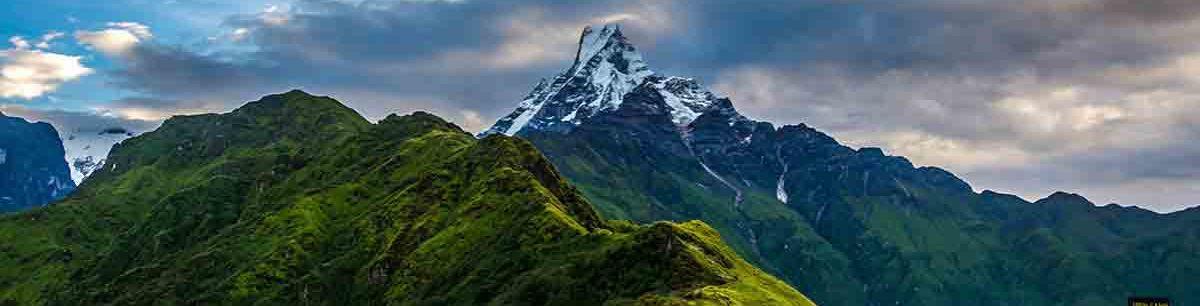

Planning a trekking adventure in Nepal is exciting, but packing the right gear can make or break your journey. Whether you are heading toward Everest Base Camp, trekking through the Annapurna region, or exploring remote Himalayan trails, your packing list should match Nepal’s changing seasons and trail conditions. A well-prepared backpack helps you stay comfortable, safe, and ready for unpredictable mountain weather.
This complete Nepal trek packing guide explains exactly what to carry for every trekking season. From clothing layers and footwear to trekking essentials and safety gear, this season-by-season checklist will help every trekker prepare wisely for the Himalayas.
Why Proper Packing Matters for Nepal Treks
Nepal’s trekking routes range from warm low-altitude forests to freezing alpine regions. Temperatures can change dramatically within a single day. Trails may include rain, snow, dust, strong winds, or intense sun exposure depending on the season and elevation.
Packing properly offers several advantages:
- Reduces unnecessary weight
- Keeps you comfortable in changing weather
- Prevents altitude-related discomfort
- Improves trekking safety
- Helps avoid expensive last-minute purchases
- Makes long trekking days easier
The key to smart trekking preparation is balancing lightweight packing with practical essentials.
Understanding Nepal’s Trekking Seasons
Before creating your packing checklist, it is important to understand Nepal’s four major trekking seasons.
Spring (March to May)
Spring is one of the best seasons for trekking in Nepal. Temperatures are moderate, rhododendron forests bloom beautifully, and skies are usually clear.
Typical conditions:
- Warm days
- Cool nights
- Occasional rain showers
- Moderate altitude temperatures
Summer/Monsoon (June to August)
This season brings heavy rainfall in many trekking areas. Trails can become muddy and slippery, especially in lower elevations.
Typical conditions:
- Heavy rain
- Humidity
- Leeches in forest regions
- Cloudy mountain views
Autumn (September to November)
Autumn is Nepal’s most popular trekking season due to stable weather and excellent visibility.
Typical conditions:
- Clear mountain views
- Dry trails
- Comfortable temperatures
- Cold nights at high altitude
Winter (December to February)
Winter trekking offers peaceful trails and snowy landscapes, but temperatures can become extremely cold at higher elevations.
Typical conditions:
- Freezing nights
- Snow-covered passes
- Crisp mountain views
- Shorter daylight hours
Essential Trekking Clothing Layers
Layering is the foundation of successful trekking in Nepal. Instead of carrying heavy clothing, trekkers should combine lightweight layers that can be adjusted throughout the day.
Base Layer
Your base layer manages sweat and keeps your body dry.
Recommended items:
- Moisture-wicking thermal tops
- Thermal leggings
- Lightweight trekking shirts
Avoid cotton because it absorbs moisture and dries slowly.
Mid Layer
The mid layer provides insulation during cold conditions.
Recommended items:
- Fleece jacket
- Insulated hoodie
- Lightweight down jacket
Outer Layer
The outer shell protects against wind, rain, and snow.
Recommended items:
- Waterproof jacket
- Windproof shell
- Waterproof trekking pants
Season-by-Season Trek Packing Checklist
Spring Trek Packing Checklist
Spring weather is generally comfortable, but temperatures can vary greatly between lower villages and high mountain passes.
Clothing
- 2–3 moisture-wicking trekking shirts
- Thermal base layers
- Fleece jacket
- Lightweight down jacket
- Waterproof shell jacket
- Trekking pants
- Warm gloves
- Sun hat
- Wool hat
Footwear
- Waterproof trekking boots
- Lightweight camp shoes
- Wool trekking socks
Accessories
- Sunglasses with UV protection
- Sunscreen
- Reusable water bottles
- Trekking poles
Spring trekking often includes sunny afternoons, so sun protection becomes extremely important at high altitude.
Monsoon Trek Packing Checklist
Monsoon trekking requires extra attention to waterproof gear and moisture control.
Clothing
- Quick-dry shirts and pants
- Waterproof rain jacket
- Rain pants
- Waterproof backpack cover
- Lightweight base layers
Footwear
- Waterproof trekking boots
- Gaiters
- Quick-dry socks
Essential Rain Gear
- Dry bags
- Zip-lock bags for electronics
- Poncho
- Waterproof gloves
Health and Hygiene
- Insect repellent
- Antibacterial wipes
- Foot powder
Humidity can quickly cause discomfort during monsoon treks, so packing breathable and quick-drying gear is essential.
Autumn Trek Packing Checklist
Autumn conditions are ideal for most Nepal treks, but temperatures can still become very cold at higher elevations.
Clothing
- Lightweight trekking shirts
- Fleece jacket
- Warm down jacket
- Thermal underwear
- Waterproof shell
Accessories
- Trekking poles
- Headlamp
- Neck gaiter
- Sunglasses
Sleeping Gear
- Four-season sleeping bag
- Sleeping bag liner
Autumn nights above 4,000 meters often fall below freezing, especially during Everest and Annapurna treks.
Winter Trek Packing Checklist
Winter trekking demands serious cold-weather preparation.
Heavy Insulation
- Thick down jacket
- Thermal base layers
- Insulated trekking pants
- Heavy fleece layers
Winter Accessories
- Insulated gloves
- Hand warmers
- Thermal socks
- Balaclava
- Neck warmer
Additional Gear
- Microspikes for icy trails
- Insulated water bottle
- High-quality sleeping bag rated below freezing
Proper layering becomes critical during winter treks because exposure to extreme cold can quickly drain energy.
Backpack Essentials for Every Nepal Trek
Regardless of season, some trekking items are always necessary.
Trekking Backpack
Choose a backpack based on trek duration.
Recommended sizes:
- 25–35L for short treks
- 40–65L for long treks
Features to look for:
- Adjustable straps
- Waterproof cover
- Ventilated back panel
- Hip support belt
Sleeping Bag
Tea houses provide blankets, but they may not be warm enough during colder months.
Recommended temperature ratings:
- Spring/Autumn: -10°C
- Winter: -20°C
Trekking Poles
Trekking poles reduce pressure on knees and improve balance on steep descents.
Benefits include:
- Better stability
- Reduced fatigue
- Improved posture
Headlamp
Electricity is limited in remote villages. A headlamp is essential for:
- Early morning hiking
- Nighttime bathroom trips
- Emergency situations
Carry extra batteries during winter treks.
Water Purification
Hydration is crucial at altitude.
Useful options:
- Water purification tablets
- UV water purifier
- Filter bottles
Avoid buying excessive plastic bottles during your trek.
Important Documents and Money
Always keep essential documents in waterproof storage.
Required Documents
- Passport
- Nepal visa copies
- Trek permits
- Travel insurance
- Emergency contacts
Cash
ATMs are limited in mountain regions. Carry enough Nepalese currency for:
- Tea houses
- Snacks
- Charging devices
- Wi-Fi fees
- Hot showers
Small denominations are especially useful.
Electronics and Charging Essentials
Cold temperatures drain batteries faster at high altitude.
Recommended Electronics
- Power bank
- Charging cables
- Universal adapter
- Camera
- Smartphone
Tips for Battery Care
- Keep electronics inside sleeping bags at night
- Use airplane mode when possible
- Carry solar chargers for remote treks
Health and First Aid Checklist
Altitude and remote conditions require careful health preparation.
Basic First Aid Kit
- Bandages
- Blister treatment
- Pain relievers
- Antiseptic cream
- Altitude sickness medication
- Anti-diarrheal medicine
Personal Hygiene
- Hand sanitizer
- Wet wipes
- Toothbrush and toothpaste
- Biodegradable soap
Good hygiene helps prevent illness during long trekking journeys.
Food and Snacks for Nepal Treks
Tea houses offer meals, but carrying snacks can boost energy during long trekking days.
Recommended Snacks
- Energy bars
- Nuts
- Chocolate
- Electrolyte powders
- Dried fruits
High-calorie snacks are especially useful at higher elevations where appetite decreases.
Common Packing Mistakes Trekkers Make
Many first-time trekkers overpack or bring unsuitable gear.
Packing Too Many Clothes
Most trekkers only wear a few favorite layers repeatedly. Focus on versatile clothing instead of quantity.
Ignoring Waterproof Gear
Mountain weather changes quickly. Waterproof protection is necessary in every season.
Wearing New Boots
Always break in trekking boots before arriving in Nepal to avoid painful blisters.
Carrying Heavy Electronics
Limit unnecessary gadgets to reduce backpack weight.
How to Pack Light for Nepal Treks
A lighter backpack improves trekking comfort significantly.
Smart Lightweight Packing Tips
- Choose multi-purpose clothing
- Share toiletries with trekking partners
- Use compression packing cubes
- Avoid duplicate items
- Rent heavy gear in Kathmandu if needed
Many trekking shops in Kathmandu offer affordable gear rental services.
Trekking Gear Rental in Nepal
Renting gear is common among international trekkers.
Common Rental Items
- Sleeping bags
- Down jackets
- Trekking poles
- Crampons
Rental gear helps travelers save money and avoid airline baggage fees.
Eco-Friendly Trekking Packing Tips
Responsible trekking helps preserve Nepal’s fragile mountain environment.
Sustainable Packing Ideas
- Carry reusable water bottles
- Avoid single-use plastics
- Use biodegradable toiletries
- Pack reusable snack containers
Eco-conscious trekking supports local conservation efforts.
Final Thoughts
Packing correctly for a Nepal trek is one of the most important parts of trip preparation. Every trekking season presents unique weather conditions, trail challenges, and temperature changes. A well-planned packing list helps you stay safe, comfortable, and focused on enjoying Nepal’s incredible Himalayan landscapes.
By following this complete Nepal trek packing guide and season-by-season checklist, every trekker can prepare with confidence. Whether you are trekking during spring blossoms, autumn clarity, monsoon greenery, or winter snow, smart packing ensures a smoother and more rewarding mountain adventure. The goal is not to carry everything—it is to carry the right things. With thoughtful preparation and proper gear, your Nepal trekking experience can become one of the most unforgettable journeys of your life.