
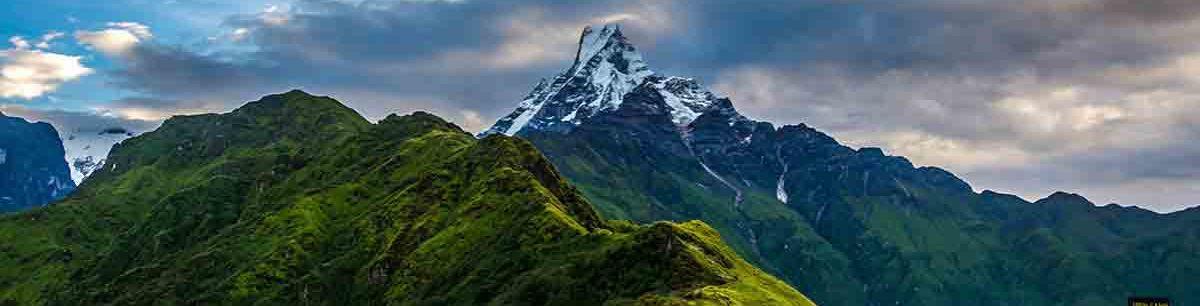

The Manaslu Circuit Trek remains one of Nepal’s most rewarding Himalayan adventures, combining dramatic mountain scenery, traditional Tibetan-influenced villages, ancient monasteries, high mountain passes, and the spectacular Larkya La. However, the question many trekkers are asking after the recent floods and landslides is simple: Is the Manaslu Circuit Trek safe to go right now?
The answer requires some context.
Nepal has experienced severe flooding, landslides, damaged bridges, road disruptions, and extreme mountain weather in recent weeks. Parts of the country have been significantly affected, and travelers are understandably concerned about trekking conditions. The Manaslu region itself has also experienced disruption, including damage to infrastructure and temporary difficulties along sections of the trekking route.
However, the situation is changing quickly. The Nepal Tourism Board reported on September 11, 2026, that damaged structures along the route connecting Chumnubri Rural Municipality–4 and Namrung had been restored to a condition suitable for trekking and that the earlier restriction on that section had been lifted. The Board advised travelers to continue monitoring local conditions and follow necessary safety precautions.
More recent reports provide further encouraging signs. On October 1, tourist activity in the Manaslu region began increasing after weather conditions improved, and on October 4, a group of 36 tourists, including 21 foreign visitors, successfully crossed the Larkya La and reached Bimthang.
So, is the Manaslu Circuit Trek safe after the recent floods?
For prepared trekkers traveling with an experienced local trekking agency and making decisions according to current weather and trail conditions, the route is currently accessible. But this is not a normal year, and trekkers should not treat current conditions as a guarantee that every section will remain unchanged.
What Happened to the Manaslu Trekking Route?
The recent extreme weather affected several parts of Nepal, with flooding and landslides damaging roads, bridges, settlements, and other infrastructure.
The Manaslu region was among the areas where trekking movement was temporarily disrupted. One significant incident involved a flood-damaged crossing along the route. Local communities worked to restore access, demonstrating the importance of local residents in keeping remote Himalayan trekking routes operational.
The Nepal Tourism Board subsequently confirmed that damaged structures along the affected section near Namrung had been restored sufficiently for trekking and that restrictions had been lifted.
This distinction is important.
A route being affected by a disaster does not necessarily mean that the entire Manaslu Circuit is closed. Conditions can vary considerably from one village or section to another.
For this reason, travelers should avoid relying on old social-media posts or generalized statements about Nepal being unsafe. Instead, they should obtain current information about the specific Manaslu trekking route shortly before departure.
Is Manaslu Circuit Trek Open Now?
Yes. Current information indicates that the Manaslu Circuit Trek is open and trekking activity has resumed.
The Nepal Tourism Board has confirmed that the previously restricted section near Namrung was restored and reopened for trekking. More recent reports also show tourists successfully moving through the Manaslu region.
On October 4, 2026, 36 tourists crossed Larkya La and reached Bimthang after weather conditions improved. This is a significant indication that trekking operations are functioning again in the region.
The Nepal Tourism Board has also recently stated that major trekking regions, including Manaslu, remain open and ready to welcome trekkers.
Nevertheless, open does not mean risk-free.
Mountain trekking always involves risks, and the recent weather has increased the importance of checking conditions before and during the trek.
Is It Safe to Trek Manaslu After the Floods?
For most experienced and properly prepared trekkers, the Manaslu Circuit can currently be undertaken, but additional caution is essential.
There are several reasons why trekkers should remain alert.
Trail conditions can change quickly
Mountain trails are constantly affected by rainfall, landslides, rockfall, snowfall, and river levels.
A trail that is safe in the morning may become difficult after heavy rainfall. Bridges and temporary crossings can also become hazardous when rivers rise.
Therefore, trekkers should not assume that a route report from several days ago represents today’s conditions.
Road access can be unpredictable
The Manaslu Circuit usually involves road transportation at the beginning and/or end of the trek.
Roads in Nepal’s mountainous regions can be vulnerable to landslides and flooding. Even when the trekking trail itself is open, road access may experience delays.
Travelers should therefore build some flexibility into their itinerary.
An experienced trekking company can adjust transportation arrangements when necessary rather than forcing travelers to follow an outdated schedule.
Weather remains the most important factor
The recent weather has demonstrated how quickly Himalayan conditions can change.
Even after lower elevations become dry, higher elevations can receive snowfall and experience strong winds.
This is particularly important when crossing Larkya La Pass, which reaches approximately 5,106 meters.
A clear forecast at lower elevations does not necessarily mean that conditions at the pass will be equally favorable.
High-altitude risks remain unchanged
The floods do not create the only safety concern.
Altitude is one of the biggest challenges of the Manaslu Circuit. The trek gradually climbs from the lower valleys to high-altitude settlements before crossing Larkya La.
Acute Mountain Sickness (AMS) can develop above 3,000 meters, and symptoms should never be ignored.
The Nepal Tourism Board recommends that trekkers understand altitude sickness, remain on designated routes, trek in groups, carry appropriate equipment, and seek medical assistance when necessary.
What About Larkya La Pass?
For many trekkers, Larkya La is the most anticipated part of the Manaslu Circuit.
It is also one of the sections where weather conditions matter most.
The successful crossing of Larkya La by 36 tourists on October 4 is encouraging evidence that the pass is currently being crossed by trekking groups.
However, trekkers should not interpret one successful crossing as a guarantee of favorable conditions every day.
Snowfall, strong winds, poor visibility, and ice can make the pass significantly more difficult.
A professional guide should make the final decision about whether the group should cross based on the actual conditions.
Do not attempt to cross Larkya La simply because it is included in your itinerary. Safety should always take priority over the schedule.
Should You Postpone Your Manaslu Trek?
For travelers who have already booked a Manaslu Circuit Trek, there is no automatic reason to cancel solely because of the recent floods.
The current evidence indicates that trekking has resumed and the route is functioning.
However, postponement may be sensible if:
- There is a new severe weather warning.
- A particular section of the trail becomes damaged again.
- Local authorities temporarily restrict movement.
- Your trekking agency cannot verify current route conditions.
- You have no flexibility in your travel schedule.
- You are an inexperienced trekker and are uncomfortable with changing conditions.
- Your travel insurance does not adequately cover trekking and emergency evacuation.
The best approach is not to ask simply, “Is Nepal safe?”
Instead, ask:
“What are the current conditions on the exact route I will be trekking?”
That is a much more useful question.
How to Trek Manaslu Safely in the Current Conditions
If you decide to undertake the Manaslu Circuit Trek, several precautions can significantly improve your safety.
Travel with a licensed and experienced trekking agency
A local trekking company has access to information that independent travelers may not have.
Guides communicate with lodge owners, transport operators, local communities, other trekking groups, and authorities. This network can provide valuable information when conditions change.
Check the route before departure
Do not rely solely on information published weeks or months ago.
Ask your trekking company specifically about:
- Trail conditions
- River crossings
- Bridges
- Road access
- Weather
- Larkya La conditions
- Accommodation availability
- Rescue arrangements
Allow extra days
This is particularly important in the current situation.
A normal itinerary might assume that every road transfer and trekking day proceeds according to schedule. After unusual weather events, this assumption becomes less reliable.
An additional contingency day can make your trip considerably less stressful.
Carry appropriate clothing
Weather can change dramatically with altitude.
Your equipment should include:
- Waterproof jacket
- Waterproof trousers
- Warm insulating layers
- Gloves
- Hat
- Trekking boots
- Extra socks
- Headlamp
- Sunglasses
- Sunscreen
- Trekking poles
- Personal first-aid supplies
- Water purification method
- Basic emergency supplies
Take altitude acclimatization seriously
Do not rush the Manaslu Circuit.
Your itinerary should include appropriate acclimatization days, particularly around the higher settlements.
Learn the symptoms of AMS, including headache, dizziness, nausea, unusual fatigue, and difficulty sleeping.
If symptoms become severe or worsen, descending is often the safest response.
Carry travel insurance
Travel insurance is particularly important for a remote Himalayan trek.
Before traveling, confirm that your policy covers:
- High-altitude trekking
- Emergency medical treatment
- Helicopter evacuation
- Trip interruption
- Delays caused by weather
- Natural disasters, where applicable
Read the policy carefully rather than assuming that a standard travel policy automatically covers trekking at high altitude.
Is the Manaslu Region Still Worth Visiting?
Absolutely.
The Manaslu Circuit remains one of Nepal’s most spectacular trekking experiences.
The trek passes through dramatically changing landscapes, from subtropical valleys and rushing rivers to alpine forests, Tibetan-style settlements and high Himalayan terrain.
Trekkers encounter traditional villages such as Jagat, Deng, Namrung, Lho, Samagaon and Samdo before reaching the Larkya La region and descending toward Bimthang.
The cultural experience is another major reason to choose Manaslu.
Compared with some of Nepal’s more heavily visited trekking routes, the Manaslu region retains a strong sense of remoteness and traditional mountain life.
The recent restoration of damaged infrastructure also highlights another important aspect of the trek: local communities are actively helping restore access and maintain the trekking economy.
Visiting responsibly can therefore support local guides, porters, teahouses, transportation providers and other communities that depend on tourism.
What Should Travelers Expect in October 2026?
October is traditionally one of the most popular months for trekking in Nepal because of generally favorable autumn conditions.
However, 2026 has been unusual.
Recent weather events have demonstrated that historical seasonal expectations cannot replace current forecasts.
Trekkers should therefore expect a mixture of good trekking conditions and possible disruptions.
At lower elevations, trails may still show evidence of recent rainfall or landslides. At higher elevations, temperatures can fall significantly, while the Larkya La crossing can be cold and exposed.
The best strategy is flexibility.
Your itinerary should be treated as a framework rather than an absolute guarantee.
A Responsible Answer: Is Manaslu Safe Right Now?
Based on the latest available information as of October 4, 2026, the answer is yes, the Manaslu Circuit Trek is currently open and trekking has resumed, but travelers should take additional precautions because conditions can change quickly.
The Nepal Tourism Board has confirmed that the previously affected section near Namrung was restored and reopened. Recent reports of tourists successfully crossing Larkya La provide further evidence that trekking activity is operating in the region.
At the same time, Nepal is still recovering from significant flooding, landslides and extreme mountain weather. Recent incidents elsewhere in the Himalayas—including a deadly avalanche at Himlung Himal—also demonstrate why current weather and mountain conditions should be taken seriously.
Therefore, the responsible conclusion is not that Manaslu is either completely safe or completely unsafe.
Manaslu is open, but trekkers need to be prepared, flexible and informed.
Final Thoughts
The recent floods have understandably raised questions about trekking in Nepal. For the Manaslu Circuit, however, the latest developments are encouraging.
Infrastructure on affected sections has been restored, trekking activity has resumed, and trekkers are once again crossing Larkya La.
If you are planning the Manaslu Circuit Trek after the recent floods, the most important thing is to avoid making decisions based on outdated information. Conditions in the Himalayas can change from one day to the next.
Choose an experienced trekking agency, verify the latest route conditions before departure, allow additional time in your itinerary, follow your guide’s advice, monitor weather conditions and be prepared to change your plans if necessary.
The Manaslu Circuit remains an extraordinary Himalayan journey—and with responsible planning, current information and appropriate safety precautions, it can still be a rewarding trekking experience in autumn 2026.
Before departure, always check the latest information from the Nepal Tourism Board, local authorities and your trekking agency.