

Nepal is one of the world’s most rewarding destinations for trekking enthusiasts, offering spectacular Himalayan mountains, traditional villages, ancient monasteries, lush forests, and unforgettable cultural experiences. From the iconic Annapurna region to the breathtaking trails of the Everest region, the country offers trekking adventures for beginners, experienced hikers, solo travelers, and families with a sense of adventure.
The good news is that you do not need several weeks to experience the beauty of the Himalayas. The best Nepal treks for 7–10 days allow travelers to explore remarkable mountain landscapes, experience authentic Nepali culture, and enjoy some of the country’s most beautiful trails within a limited holiday schedule.
Whether you dream of seeing Mount Everest, walking through rhododendron forests, visiting traditional Sherpa settlements, or enjoying panoramic views of the Annapurna range, there is a trek that can fit your available time and fitness level.
In this guide, we explore the top Himalayan routes for a 7–10 day trekking holiday in Nepal, including their highlights, difficulty levels, ideal seasons, and practical planning tips to help you choose the right adventure.
Best Nepal Treks for 7–10 Days at a Glance
Before selecting a trekking route, consider your fitness level, preferred scenery, travel dates, and whether your available days include transportation to and from the trailhead.
| Trekking route | Typical time needed | Difficulty | Best for |
| Ghorepani Poon Hill Trek | 7–9 days overall | Easy–moderate | Beginners and panoramic mountain views |
| Mardi Himal Trek | 7–9 days overall | Moderate | Quiet trails and close-up Himalayan scenery |
| Langtang Valley Trek | 9–10 days overall | Moderate | Mountain landscapes and Tamang culture |
| Annapurna Base Camp Trek | 8–10 days overall | Moderate | A dramatic mountain sanctuary |
| Everest View Trek | 8–10 days overall | Moderate | Everest views and Sherpa villages |
| Khopra Danda Trek | 8–10 days overall | Moderate–challenging | Less-crowded trails and mountain panoramas |
These are indicative planning estimates, not fixed itineraries. Actual duration depends on transportation, route variations, acclimatization, weather, and walking pace. Some routes may require extra days to avoid an overly rushed schedule.
Ghorepani Poon Hill Trek: Best for First-Time Trekkers
The Ghorepani Poon Hill Trek is one of the best short treks in Nepal for travelers who want outstanding mountain scenery without committing to a long or technically demanding expedition. Located in the Annapurna region, this route combines traditional villages, forest trails, stone staircases, and panoramic views of some of the Himalayas’ most recognizable peaks.
The highlight is the early-morning hike to Poon Hill, where sunrise illuminates the Annapurna and Dhaulagiri ranges. On a clear day, the changing light across the snow-covered mountains creates a memorable Himalayan experience.
What makes this trek special?
- Spectacular sunrise views from Poon Hill, approximately 3,210 meters above sea level.
- Traditional Gurung and Magar villages, including the picturesque settlement of Ghandruk.
- Rhododendron forests that can be particularly beautiful during spring.
- Teahouse accommodation and established trails suitable for many first-time trekkers.
Recommended duration
Allow around 7–9 days for a comfortable trip that includes travel to and from Pokhara, several trekking days, and time for sightseeing or unexpected delays. The walking portion can often be completed in approximately 4–5 days, depending on the itinerary.
Difficulty: Easy to moderate.
Best seasons: March–May and October–November, although conditions vary by year.
Best for: First-time trekkers, couples, families with suitably fit older children, and travelers who want impressive Himalayan views within a short holiday.
Poon Hill is an excellent choice if your main goal is to experience Nepal’s mountain scenery without spending your entire vacation on the trail.
Mardi Himal Trek: A Short Adventure with Dramatic Mountain Views
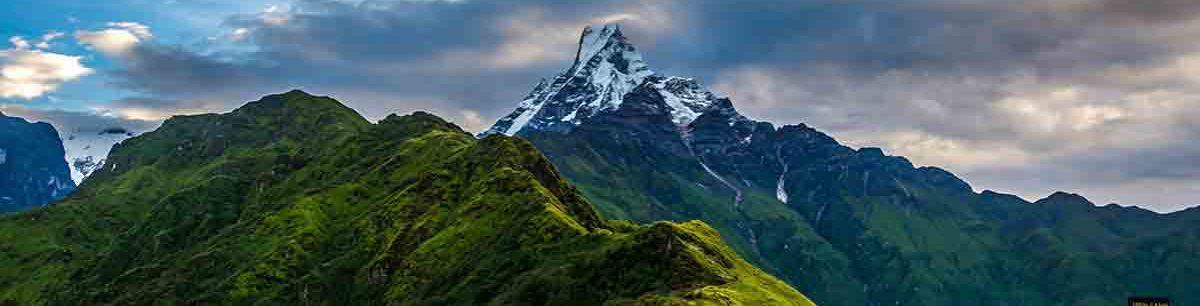
For travelers seeking a more adventurous alternative to Poon Hill, the Mardi Himal Trek is one of the most appealing short trekking routes in Nepal. Also located in the Annapurna region, it follows forested paths before climbing toward high ridges with increasingly dramatic views of Machhapuchhre, also known as Fishtail Mountain, and the Annapurna massif.
Unlike some of the busier trekking corridors, parts of the Mardi Himal route offer a quieter atmosphere. The upper trail is especially memorable, with narrow ridgelines and expansive views that make trekkers feel close to the high Himalayas.
Highlights of the Mardi Himal Trek
- Excellent views of Machhapuchhre and the Annapurna mountains.
- Forest walks through oak, pine, and rhododendron vegetation.
- Scenic high camps and exposed mountain ridges.
- A relatively short itinerary starting near Pokhara.
Recommended duration
A 7–9 day holiday can work well when travel to Pokhara and the return journey are included. Depending on the route and walking pace, allow approximately 5–7 days for the trekking portion.
Difficulty: Moderate, with steeper sections and potentially challenging conditions at higher elevations.
Best seasons: Spring and autumn are generally preferred.
Best for: Fit beginners, regular hikers, photographers, and travelers who prefer dramatic mountain views over extensive village-to-village walking.
Mardi Himal can be a fantastic choice for people who have limited time but want a more immersive mountain adventure. However, the higher sections should not be underestimated, particularly in snow, ice, or poor weather.
Langtang Valley Trek: Mountains, Culture, and Alpine Landscapes
The Langtang Valley Trek is among the strongest choices for travelers looking for a rewarding Himalayan journey without taking a domestic flight to the Everest region. North of Kathmandu, the Langtang region offers a striking combination of mountain scenery, alpine meadows, traditional Tamang settlements, monasteries, and glacial landscapes.
The journey generally begins with a road transfer toward Syabrubesi. From there, trekkers follow the Langtang River through forests and villages before entering a broad mountain valley surrounded by towering peaks.
Kyanjin Gompa is one of the main destinations along the route. Trekkers who have sufficient time, favorable weather, and appropriate acclimatization may take an additional excursion toward a nearby viewpoint for wider views of the surrounding mountains.
Why choose Langtang Valley?
- A convenient trekking destination from Kathmandu compared with routes requiring flights.
- Opportunities to experience Tamang culture and local hospitality.
- Beautiful forests, rivers, glaciers, and high mountain scenery.
- Teahouses and villages that support a gradual ascent when the itinerary is designed appropriately.
Recommended duration
Plan approximately 9–10 days for a well-paced itinerary, including the drive from Kathmandu and the return journey. Seven days may be possible for the walking portion of a compressed itinerary, but the full trip can become rushed if transport delays or additional acclimatization time are needed.
Difficulty: Moderate.
Best seasons: March–May and October–November are generally favorable.
Best for: Culture-focused travelers, experienced beginners, nature lovers, and trekkers who want to avoid domestic flights.
Langtang is a particularly good option for travelers who value both scenery and cultural interaction. Its accessibility from Kathmandu makes it a practical contender among the best Nepal treks for 7–10 days.
Annapurna Base Camp Trek: Walk into a Natural Mountain Sanctuary
If you want to stand among towering Himalayan peaks rather than simply admire them from a distant viewpoint, the Annapurna Base Camp Trek is an outstanding option. This popular route takes trekkers through traditional settlements, lush forests, river valleys, and alpine terrain before reaching a spectacular natural amphitheater surrounded by mountains.
The destination lies at approximately 4,130 meters. From the base camp, the surrounding peaks create a remarkable sense of scale, making the journey especially rewarding for photographers and mountain lovers.
Main attractions
- Panoramic views of Annapurna I and neighboring Himalayan peaks.
- Traditional villages and welcoming teahouses along the trail.
- Forests, waterfalls, suspension bridges, and changing landscapes.
- The unforgettable experience of reaching Annapurna Base Camp on foot.
Can you complete the trek in 7–10 days?
Yes, a carefully planned itinerary can fit into approximately 8–10 days, depending on your arrival point, transport arrangements, walking speed, and route. However, some standard packages take longer. Do not sacrifice essential acclimatization or recovery time simply to meet a deadline.
Difficulty: Moderate, with long walking days, steep stone steps, and considerable altitude gain.
Best seasons: Spring and autumn are popular choices.
Best for: Active travelers, mountain photography enthusiasts, and trekkers who want an immersive Himalayan experience.
Annapurna Base Camp is one of the most rewarding Nepal trekking routes for travelers who have a little more time and energy than a short viewpoint trek requires.
Everest View Trek: Experience the World’s Highest Mountain
The Everest region is on the wish list of travelers from around the world. Although the full Everest Base Camp Trek generally requires more than 10 days when arrival, departure, and acclimatization are included, a shorter Everest View Trek offers a way to experience the Khumbu region within a limited holiday.
Depending on the itinerary, the journey may include Namche Bazaar, traditional Sherpa settlements, Buddhist monasteries, and viewpoints with impressive mountain panoramas.
What can you experience?
- Views of Mount Everest and other famous Himalayan peaks when weather permits.
- Sherpa culture, local markets, and traditional mountain villages.
- Buddhist prayer flags, mani walls, and monasteries.
- The distinctive atmosphere of the Khumbu region.
Recommended duration
Allow approximately 8–10 days for a compact itinerary that includes Kathmandu, flights to and from Lukla, and trekking. Flight delays can affect the schedule, so an additional buffer day is advisable when possible.
Difficulty: Moderate, with steep climbs and high-altitude walking.
Best seasons: Spring and autumn generally provide favorable trekking conditions.
Best for: Travelers who dream of seeing Everest but cannot commit to a full Everest Base Camp expedition.
Keep in mind that an Everest View Trek is not the same as trekking to Everest Base Camp. It offers a shorter introduction to the region, and views of Everest depend on the weather and the specific viewpoints visited.
Khopra Danda Trek: A Quieter Annapurna Adventure
For trekkers who want a different perspective on the Annapurna region, the Khopra Danda Trek is worth considering. This route passes through rural villages, forests, terraced fields, and elevated ridges with expansive views of the Annapurna and Dhaulagiri ranges.
Compared with some of Nepal’s best-known trekking routes, Khopra Danda can offer a quieter experience, although trail traffic varies with the season.
Highlights of Khopra Danda
- Broad mountain panoramas from the ridge.
- Community-run lodges that support local livelihoods.
- Traditional village life and beautiful forest trails.
- An opportunity to explore beyond the busiest Annapurna trekking corridors.
Some itineraries include an excursion toward Khayer Lake, a sacred alpine lake at a much higher elevation. This side trip adds difficulty and time, so it should not be treated as an essential part of a short itinerary.
Recommended duration: Approximately 8–10 days, depending on transport and route selection.
Difficulty: Moderate to challenging, depending on the itinerary and optional excursions.
Best seasons: Spring and autumn.
Best for: Experienced walkers, repeat visitors to Nepal, and travelers looking for quieter trails.
Khopra Danda is an appealing alternative for those who want panoramic views and village experiences without choosing one of the most heavily traveled routes.
Which Trek Is Best for Your Travel Style?
Choosing among the best Nepal treks for 7–10 days becomes easier when you consider what matters most to you.
| Your priority | Recommended trek | Why |
| First Himalayan trekking experience | Ghorepani Poon Hill | Shorter walking itinerary and classic sunrise views |
| Dramatic ridgelines | Mardi Himal | Close-up views of Machhapuchhre and Annapurna |
| Culture and mountain scenery | Langtang Valley | Tamang villages, monasteries, and alpine landscapes |
| Reaching a famous base camp | Annapurna Base Camp | An immersive high-mountain destination |
| Seeing Everest | Everest View Trek | A shorter introduction to the Khumbu region |
| A quieter trekking experience | Khopra Danda | Scenic ridges and community lodges |
Nepal’s main trekking regions are popular for good reason: each combines spectacular scenery with distinctive cultural experiences. The Nepal Tourism Board highlights Everest, Annapurna, and Langtang among the country’s established trekking destinations.
The best trek is not necessarily the longest or highest. It is the one that matches your fitness, available time, interests, and willingness to adapt to mountain conditions.
Best Time to Enjoy Nepal’s Short Treks
The season you choose can significantly influence your trekking experience. Although many routes are accessible for much of the year, weather, visibility, trail conditions, and temperatures vary across Nepal’s mountain regions.
Spring (March–May)
Spring is an excellent time for many Nepal treks. Rhododendron forests bloom, daytime temperatures are often pleasant at lower elevations, and mountain views can be spectacular. Higher elevations may still have snow.
Autumn (September–November)
Autumn is one of the most popular trekking seasons, particularly October and November. Conditions are often favorable for mountain panoramas, although trails and teahouses can be busy.
Winter (December–February)
Lower-elevation routes such as Poon Hill can be attractive in winter. Expect cold nights, possible snowfall, and icy trails at higher elevations. Some high routes may become difficult or temporarily inaccessible.
Monsoon (June–August)
Heavy rain, leeches, landslides, and poor visibility can affect many trekking areas. Conditions vary, and certain rain-shadow destinations may offer alternatives, but route safety and road access need careful checking.
For most first-time visitors planning a short trekking holiday, spring or autumn is a practical starting point. Always check the latest local weather, trail conditions, and transport updates before departure.
How to Prepare for a 7–10 Day Trek in Nepal
Even a relatively short trek requires preparation. A little planning before arrival can make your journey more comfortable and help you avoid preventable problems.
Build your walking fitness
Start training several weeks before your trip. Walking on hills, climbing stairs, hiking with a light backpack, and doing moderate cardiovascular exercise can help prepare you for consecutive days on the trail.
You do not need to be an elite athlete for every short trek, but you should be comfortable walking for several hours a day over uneven terrain.
Pack according to the route
Your packing list should reflect the elevation, season, and accommodation available along the trail.
Essential items include:
- Broken-in trekking boots with good grip.
- Layered clothing, including thermal wear and a warm insulating jacket.
- Waterproof jacket and trousers.
- Comfortable trekking trousers and moisture-wicking shirts.
- Warm hat, gloves, and sun protection.
- Reusable water bottle or hydration system.
- Personal medication, a basic first-aid kit, and any necessary blister treatment.
- Headlamp, power bank, and essential travel documents.
A sleeping bag may be useful during colder seasons, depending on your route and accommodation.
Allow time for acclimatization
Altitude matters even on short trekking holidays. Some routes climb above 3,000 meters, while Annapurna Base Camp and upper Mardi Himal itineraries reach substantially higher elevations.
Walk at a sensible pace, avoid rushing the ascent, and follow your guide’s advice. Headache, nausea, dizziness, unusual fatigue, and loss of appetite can be signs of altitude sickness. Symptoms should never be ignored. Severe symptoms, including confusion or difficulty breathing at rest, require urgent medical attention and descent.
Check permits and guide requirements
Trekking requirements vary by route and protected area. The Nepal Tourism Board publishes information about TIMS cards, national park entry fees, and restricted-area permits. Its current guidance lists several popular routes, including Langtang, Mardi Himal, Poon Hill–Annapurna Base Camp, and Everest View, among routes subject to guide and TIMS provisions. Confirm the rules applicable to your exact itinerary before departure.
Using a reputable trekking agency can help coordinate permits, accommodation, transportation, guides, and contingency plans.
How Much Does a 7–10 Day Trek in Nepal Cost?
The cost of trekking in Nepal depends on the route, group size, accommodation, transportation, season, and level of service.
A short trek near Pokhara may be more economical than an Everest-region itinerary involving flights. Private departures, upgraded accommodation, porter services, and private vehicles can increase the total cost.
Common expenses include:
- Transportation between Kathmandu, Pokhara, and the trailhead.
- Domestic flights where applicable.
- Accommodation and meals during the trek.
- Guide and porter services.
- Required permits and entry fees.
- Travel insurance that covers trekking at your intended altitude.
- Personal expenses, snacks, hot showers, charging, and tips.
To compare packages fairly, check whether the quoted price includes transportation, permits, meals, accommodation, guide services, and emergency arrangements. A low advertised price may exclude several essential expenses.
For a short trip, it is often worth choosing a well-organized itinerary rather than squeezing in too many destinations. Reliable transportation and a realistic schedule can make a substantial difference to your overall experience.
Why Choose a Local Trekking Company?
A knowledgeable local trekking company can help you make the most of a limited holiday. Local teams understand regional trail conditions, transportation options, seasonal challenges, accommodation availability, and the cultural expectations of the communities you visit.
When comparing trekking companies, look for:
- Clear itineraries with realistic walking hours.
- Transparent pricing and inclusions.
- Appropriately licensed guides and suitable group sizes.
- Proper permit arrangements.
- Responsible porter practices and respect for local communities.
- Emergency procedures and a clear communication plan.
- Flexibility to adjust the itinerary when weather or health conditions require it.
A good operator should explain the advantages and limitations of each route honestly rather than promising that every destination can be reached within an unrealistic schedule.
Frequently Asked Questions
1. What is the best Nepal trek for 7 days?
Ghorepani Poon Hill is one of the best choices for a short trekking holiday. Its walking itinerary can often be completed in approximately four to five days, leaving time for transportation and other arrangements. Mardi Himal is another possibility for fit travelers.
2. Can I trek to Annapurna Base Camp in 10 days?
Yes, some itineraries fit Annapurna Base Camp into approximately 8–10 days, including travel, but the schedule depends on transportation, walking pace, and route conditions. Choose a plan that allows appropriate acclimatization and flexibility.
3. Is Nepal suitable for beginner trekkers?
Yes. Routes such as Ghorepani Poon Hill can suit beginners with reasonable fitness and preparation. However, beginners should understand that trekking still involves uneven terrain, sustained walking, changing weather, and potentially significant altitude.
4. Can I see Mount Everest in a 7–10 day trek?
An Everest View Trek may fit within this timeframe with carefully planned flights and walking days. Reaching Everest Base Camp is a different undertaking and generally requires more time for safe acclimatization and return travel.
5. Do I need a guide for short treks in Nepal?
Guide requirements depend on the specific route and current regulations. Several popular trekking routes are subject to Nepal’s guide and TIMS provisions. Confirm the latest requirements with the Nepal Tourism Board or a registered trekking agency before traveling.
6. Which short trek offers the best mountain views?
Poon Hill is famous for sunrise panoramas, Mardi Himal offers dramatic ridge scenery, and Annapurna Base Camp places trekkers inside a spectacular mountain sanctuary. The best option depends on your fitness and the type of experience you prefer.
Conclusion: Choose the Right Himalayan Trek for Your Time
The best Nepal treks for 7–10 days prove that a memorable Himalayan adventure does not require weeks away from home. From the sunrise panoramas of Poon Hill to the dramatic ridges of Mardi Himal, the cultural richness of Langtang Valley, and the towering peaks around Annapurna Base Camp, Nepal offers remarkable experiences for travelers with different interests and fitness levels.
If you are a first-time trekker, Poon Hill is an excellent starting point. If you want a quieter trail and dramatic scenery, consider Mardi Himal or Khopra Danda. For a more immersive mountain journey, Langtang Valley or Annapurna Base Camp may be the right fit. And if seeing Everest is your dream, a shorter Everest-region trek can introduce you to the landscapes and culture of the Khumbu.
The key is to plan realistically, prepare for the altitude, check current trekking requirements, and leave enough flexibility for mountain conditions.
With the right route and a thoughtful itinerary, even a week or ten days in Nepal can become a Himalayan adventure you remember for a lifetime.
