
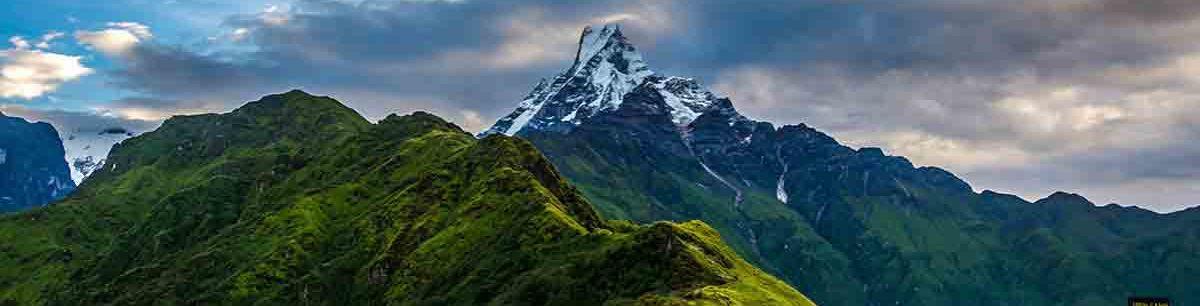

Nepal is one of the world’s most iconic trekking destinations. From the legendary Mount Everest region to the peaceful trails of Annapurna Circuit, thousands of trekkers arrive every year to experience the Himalayas. However, many travelers are surprised when they discover that a guided trekking experience costs more than they initially expected.
Understanding the true cost of guided trekking in Nepal is important before planning your adventure. A guided trek is not simply about paying for someone to walk beside you. The total price includes permits, transportation, accommodation, guide wages, porter support, food, safety services, logistics, and many behind-the-scenes expenses that ensure a safe and enjoyable journey.
This article explains why guided trekking in Nepal costs what it does, what is included in the price, and why many trekkers still consider it one of the best investments for a Himalayan adventure.
Why Guided Trekking in Nepal Is Popular
Nepal’s trekking routes range from beginner-friendly trails to demanding high-altitude expeditions. While independent trekking is possible in some regions, guided trekking has become increasingly popular because it provides convenience, safety, cultural insight, and local support.
Trekkers exploring routes such as Everest Base Camp, Manaslu Circuit, and Langtang Valley often prefer guided experiences due to difficult terrain, altitude risks, changing weather conditions, and permit requirements.
Guided trekking also supports Nepal’s tourism economy by creating jobs for guides, porters, lodge owners, drivers, and local communities.
What Does the Cost of a Guided Trek Include?
Many travelers focus only on the advertised package price without understanding what is included behind the scenes. A professionally organized trek covers several important services.
Trekking Permits and Entry Fees
Almost every trekking region in Nepal requires permits. These permits help protect conservation areas and regulate tourism.
Common permits include:
- TIMS (Trekkers’ Information Management System)
- National park permits
- Conservation area permits
- Restricted area permits
For example, trekking in the Annapurna Conservation Area requires an ACAP permit, while the Sagarmatha National Park region has separate entry fees.
Restricted regions such as Upper Mustang or Manaslu can significantly increase trekking costs because special permits are expensive and mandatory.
Professional Trekking Guides
A licensed guide is one of the biggest parts of the trekking cost. Experienced guides provide far more than navigation.
Their responsibilities include:
- Managing logistics
- Monitoring altitude sickness symptoms
- Arranging accommodation
- Communicating with locals
- Handling emergencies
- Explaining culture and history
- Adjusting itineraries during weather changes
Professional guides often speak multiple languages and receive mountain safety training. Their expertise can make a major difference during difficult conditions.
Hiring skilled trekking guides also ensures trekkers comply with local regulations in restricted trekking regions.
Porter Services
Porters are essential in Nepal’s trekking industry. They carry heavy luggage through steep mountain trails, allowing trekkers to walk more comfortably and safely.
A porter usually carries:
- Duffel bags
- Trekking gear
- Extra clothing
- Sleeping equipment
Without porter support, many trekkers would struggle at higher elevations where physical energy becomes limited due to reduced oxygen levels.
Ethical trekking agencies also provide porters with:
- Insurance
- Proper clothing
- Fair wages
- Food and accommodation
Responsible trekking companies include these costs in their package prices.
Accommodation Costs
Accommodation standards vary greatly depending on the trekking region.
In popular trekking areas like Everest Base Camp and Annapurna Base Camp, tea houses offer basic rooms with shared bathrooms. However, prices increase at higher elevations because all supplies must be transported by porters, yaks, or helicopters.
Accommodation costs usually include:
- Twin-sharing rooms
- Blankets
- Dining access
- Basic charging facilities
Luxury trekking packages may include upgraded lodges with private bathrooms, hot showers, and better amenities.
Food During the Trek
Food prices in the mountains are significantly higher than in cities like Kathmandu or Pokhara.
Everything transported into remote Himalayan villages requires labor or animal transport. As altitude increases, food becomes more expensive.
Typical trekking meals include:
- Dal bhat
- Noodles
- Soups
- Fried rice
- Pancakes
- Tea and coffee
A guided trekking package often includes three meals per day, which adds substantial value and convenience.
Transportation Expenses
Transportation in Nepal can be expensive due to mountainous terrain and limited infrastructure.
Trekkers may need:
- Domestic flights
- Jeep transportation
- Tourist buses
- Private vehicles
For example, flights between Kathmandu and Lukla are among the most famous and weather-sensitive flights in the world.
Remote trekking regions may require expensive jeep rides on rough mountain roads. These transportation costs are often included in guided trek packages.
Safety and Emergency Support
One major reason guided trekking in Nepal costs more is safety preparation.
Good trekking agencies invest in:
- First aid training
- Emergency communication systems
- Rescue coordination
- Weather monitoring
- Altitude sickness response
In mountain environments, emergencies can happen unexpectedly. Having trained professionals nearby can save lives.
Some agencies also include oxygen cylinders, oximeters, and satellite communication devices for high-altitude treks.
Why Trekking Costs Increase at Higher Altitudes
High-altitude trekking regions are more expensive because basic operations become extremely difficult.
Everything must be transported manually or by animals. Weather conditions are unpredictable, and infrastructure is limited.
At elevations above 4,000 meters:
- Food prices rise sharply
- Accommodation becomes limited
- Fuel becomes expensive
- Porter workloads increase
- Medical risks become greater
This is why treks like Everest Base Camp typically cost more than lower-altitude treks near Pokhara.
Seasonal Factors That Affect Trekking Costs
The trekking season also influences pricing.
Peak Seasons
The most expensive trekking periods are:
- Spring (March to May)
- Autumn (September to November)
These seasons offer:
- Stable weather
- Clear mountain views
- Safer trekking conditions
Because demand is high, flights, guides, accommodation, and transportation become more expensive.
Off-Season Treks
Winter and monsoon trekking packages may cost less, but they come with additional challenges such as:
- Snow-covered trails
- Flight delays
- Heavy rainfall
- Landslides
- Reduced lodge availability
While off-season trekking can reduce costs, it may increase logistical difficulties.
Budget Trekking vs Premium Guided Trekking
Not all trekking packages are the same. Prices vary depending on service quality.
Budget Trekking Packages
Budget treks usually include:
- Basic tea house accommodation
- Shared transportation
- Limited support staff
- Simple meals
These packages are cheaper but may sacrifice comfort and flexibility.
Premium Trekking Packages
Premium guided trekking experiences often include:
- Experienced licensed guides
- Better accommodation
- Domestic flights
- Private transportation
- High-quality meals
- Extra acclimatization days
- Emergency support systems
Luxury trekking in regions like Everest Base Camp can cost several thousand dollars depending on the level of comfort.
The Hidden Costs Many Trekkers Forget
Many first-time trekkers only calculate the package cost and overlook additional expenses.
Trekking Gear
Quality trekking gear can be expensive.
Important items include:
- Down jackets
- Sleeping bags
- Trekking boots
- Thermal clothing
- Backpacks
- Trekking poles
While some gear can be rented in Kathmandu, premium equipment still adds to the total budget.
Travel Insurance
Comprehensive travel insurance is highly recommended for trekking in Nepal.
Insurance should cover:
- High-altitude trekking
- Helicopter evacuation
- Medical treatment
- Trip cancellation
Helicopter rescues in remote mountain areas can cost thousands of dollars.
Tips for Guides and Porters
Tipping is a common practice in Nepal’s trekking industry.
Most trekkers provide tips to:
- Guides
- Porters
- Drivers
Although optional, tipping is considered an important part of supporting trekking staff.
Charging and Internet Access
Remote mountain lodges often charge additional fees for:
- Phone charging
- Wi-Fi access
- Hot showers
These small daily expenses can add up during longer treks.
Why Guided Trekking Offers Better Value
Although guided trekking costs more than independent trekking, many travelers consider it worthwhile because of the overall experience and safety benefits.
Better Navigation
Mountain trails can become confusing due to:
- Snowfall
- Landslides
- Poor visibility
- Route changes
Guides help trekkers avoid getting lost and keep itineraries organized.
Cultural Experience
Local guides offer deep insights into Nepalese traditions, Buddhist culture, mountain villages, and Himalayan lifestyles.
Trekkers often learn more about the region through conversations with guides than through guidebooks.
Reduced Stress
Organizing permits, transportation, accommodation, and meals independently can be time-consuming.
Guided trekking allows travelers to focus entirely on the trekking experience instead of logistics.
Emergency Management
Altitude sickness is a serious concern in the Himalayas.
Guides recognize symptoms such as:
- Headaches
- Dizziness
- Fatigue
- Nausea
Early intervention can prevent dangerous complications.
Supporting Local Communities Through Guided Trekking
Hiring local trekking agencies directly benefits Nepal’s mountain communities.
Tourism income supports:
- Families
- Tea houses
- Transportation workers
- Mountain guides
- Porters
- Conservation projects
Responsible tourism also encourages sustainable trekking practices in protected Himalayan regions.
Many ethical trekking operators now focus on:
- Fair porter treatment
- Eco-friendly trekking
- Waste management
- Local employment
Choosing guided trekking helps strengthen Nepal’s mountain economy.
How to Choose the Right Trekking Company
Not all trekking companies provide the same quality of service.
Before booking, trekkers should check:
- Government registration
- Guide licenses
- Reviews and testimonials
- Safety standards
- Insurance policies
- Transparent pricing
A cheap trekking package may hide important exclusions or compromise safety standards.
Reliable agencies clearly explain:
- What is included
- What is excluded
- Cancellation policies
- Emergency procedures
Researching carefully helps travelers avoid unexpected expenses.
Is Guided Trekking in Nepal Worth the Cost?
For many travelers, the answer is yes.
Guided trekking provides:
- Professional support
- Safety management
- Cultural understanding
- Easier logistics
- Local expertise
- Better overall experience
The Himalayas are remote and physically demanding environments. Paying for trained support often makes the journey safer, smoother, and more enjoyable.
Whether trekking to Everest Base Camp, exploring the trails around Annapurna Base Camp, or visiting remote villages in the Langtang National Park region, understanding the true cost of guided trekking helps travelers plan realistically.
Final Thoughts
Understanding the true cost of guided trekking in Nepal helps travelers appreciate the amount of work, coordination, and expertise required to organize a successful Himalayan adventure.
The price of a guided trek is not simply about accommodation and transportation. It reflects safety preparation, professional guidance, porter support, permits, mountain logistics, and the effort required to operate in remote high-altitude regions.
While guided trekking may initially seem expensive, it often provides excellent value through convenience, cultural experiences, local support, and increased safety. Choosing a reliable trekking company can turn a challenging Himalayan journey into one of the most memorable experiences of a lifetime.
