
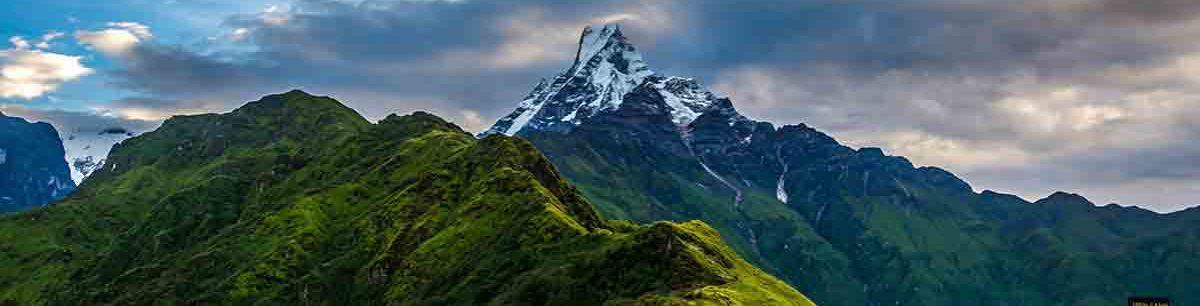

Nepal is one of the world’s most popular destinations for mountain trekking, offering spectacular Himalayan landscapes, traditional villages, ancient monasteries, and unforgettable high-altitude adventures. From the famous Everest Base Camp Trek to the scenic Annapurna Circuit and the culturally rich Manaslu Circuit, Nepal offers trekking experiences for travelers with different interests and budgets.
However, understanding the Nepal trekking cost in 2027 is an important part of planning a successful journey. Trekking expenses can vary significantly depending on the destination, trek duration, accommodation preferences, transportation, permits, guide and porter services, and the level of comfort you expect.
Whether you are planning an affordable independent-style trekking experience or a fully organized private adventure, knowing the expected expenses will help you prepare a realistic budget.
This complete guide explains the estimated cost of trekking in Nepal in 2027, including permits, accommodation, meals, transportation, guides, porters, equipment, and other essential expenses.
How Much Does Trekking in Nepal Cost in 2027?
The cost of trekking in Nepal in 2027 depends primarily on the trekking route, number of days, and services included in your package.
For most popular trekking destinations, travelers can expect to spend approximately USD 40–120 per person per day on trekking-related expenses. Organized trekking packages may cost more depending on accommodation, transportation, group size, and service standards.
Here is an estimated overview of trekking costs in Nepal for 2027:
| Trekking Destination | Duration | Estimated Cost Per Person |
| Ghorepani Poon Hill Trek | 5–7 days | $260–$470 |
| Mardi Himal Trek | 5–7 days | $350–$650 |
| Langtang Valley Trek | 7–9 days | $600–$1,100 |
| Annapurna Base Camp Trek | 7–10 days | $490–$1,000 |
| Everest Base Camp Trek | 12–14 days | $1,170–$2,000 |
| Annapurna Circuit Trek | 12–16 days | $830–$1,500 |
| Manaslu Circuit Trek | 14–18 days | $1,180–$2,000 |
| Upper Mustang Trek | 10–14 days | $1,500–$2,500+ |
Note: These are indicative 2027 planning estimates in USD, not fixed agency quotations. Actual costs depend on group size, season, itinerary, transport, service quality, and permit changes. International flights, personal expenses, and travel insurance may be additional.
Trekking Permits and Government Fees
Trekking permits are essential expenses when planning a Himalayan adventure in Nepal. Different trekking regions require different permits, and the fees depend on the destination and nationality of the traveler.
For 2027, travelers should check the latest government regulations before departure because permit charges and requirements can change.
Some common permit expenses include:
Annapurna Conservation Area Permit (ACAP)
- Foreign nationals: Approximately NPR 3,000.
- SAARC nationals: Approximately NPR 1,000.
Sagarmatha National Park Entry Permit
- Foreign nationals: Approximately NPR 3,000.
- SAARC nationals: Approximately NPR 1,500.
Langtang National Park Entry Permit
- Foreign nationals: Approximately NPR 3,000.
Manaslu Restricted Area Permit
The Manaslu region requires a special restricted-area permit. The current published fee structure includes:
- September to November: USD 100 per person for the first seven days.
- December to August: USD 75 per person for the first seven days.
- Additional days are charged separately.
Manaslu trekkers also require the relevant conservation-area permits.
TIMS Card
The Trekkers’ Information Management System (TIMS) is another important consideration. Current published provisions require a guide and agency-issued TIMS card on several major trekking routes. The applicable requirements should be confirmed for your particular itinerary.
Always obtain permits through authorized channels and keep the necessary documents throughout your trek.
Guide and Porter Costs in Nepal
Hiring a professional guide and porter can make your trekking experience safer, easier, and more enjoyable.
A trekking guide provides information about local culture, landscapes, mountain conditions, and trekking routes. Guides also help with accommodation arrangements, daily schedules, and communication with local communities.
Porters carry luggage, allowing trekkers to enjoy the journey without carrying heavy backpacks.
Estimated daily costs for 2027 include:
| Service | Estimated Daily Cost |
| Licensed trekking guide | $25–$40 |
| Experienced high-altitude guide | $35–$50 |
| Porter | $18–$25 |
| Guide-porter | $20–$35 |
These are planning estimates rather than guaranteed 2027 rates. Costs may vary according to experience, destination, insurance, equipment, and employment arrangements.
For longer treks such as Everest Base Camp, Annapurna Circuit, and Manaslu Circuit, hiring an experienced guide is particularly beneficial.
Travelers should also check whether guide and porter accommodation, meals, insurance, transportation, and equipment are included in the quoted service fee.
Accommodation Costs During Nepal Trekking
Accommodation is another important part of your Nepal trekking budget.
Most popular trekking routes offer teahouses and mountain lodges where trekkers can find basic rooms, meals, and shared facilities. Accommodation standards vary depending on altitude, location, and trekking popularity.
Typical estimated accommodation costs for 2027 include:
- Basic teahouse rooms: USD 3–10 per night.
- Standard mountain lodges: USD 8–25 per night.
- Better-quality lodges: USD 25–45 or more per night.
In popular destinations such as Everest Base Camp and Annapurna Base Camp, accommodation prices may increase at higher elevations.
Most teahouses provide simple rooms with beds, mattresses, pillows, and blankets. However, private bathrooms, hot showers, heating, and Wi-Fi may involve additional charges.
One useful budgeting tip is to check accommodation arrangements before starting your trek, particularly during the busy spring and autumn seasons.
Food and Drinking Water Expenses
Food expenses increase as trekkers move toward higher elevations because supplies must be transported by porters, pack animals, or other local transportation methods.
Most trekking lodges offer traditional Nepali meals alongside international food options.
Popular trekking meals include:
- Dal bhat (rice, lentils, and vegetables).
- Noodles and fried rice.
- Pasta and soups.
- Tibetan bread.
- Pancakes and porridge.
- Eggs, potatoes, and seasonal vegetables.
Estimated daily food expenses range from USD 20–35 on many trekking routes, although Everest and remote Himalayan destinations may cost more.
Drinking water is another expense to consider. Trekkers can purchase bottled water, boiled water, or use appropriate water purification methods.
Carrying a reusable water bottle and purification tablets or a reliable filter can help reduce expenses and plastic waste.
Transportation Costs for Nepal Trekking
Transportation expenses depend on where your trek begins and the type of transport you choose.
Most trekking itineraries start from Kathmandu or Pokhara, followed by a road journey or domestic flight to the trekking region.
Common transportation expenses include:
Kathmandu to Pokhara
Travelers can choose tourist buses, private vehicles, or domestic flights. Tourist buses are generally more economical, while private transportation offers flexibility and convenience.
Kathmandu to Lukla
For Everest Base Camp trekkers, flights to Lukla are among the major expenses. Depending on the season, airline, and departure arrangements, international travelers should budget approximately USD 230–300 or more for a one-way flight.
Pokhara to Trekking Starting Points
For Annapurna and Mardi Himal treks, transportation to locations such as Nayapul, Kande, and other trailheads is commonly arranged by jeep, private vehicle, or local transportation.
Transportation for Manaslu Circuit
The Manaslu Circuit generally involves a road journey from Kathmandu to the trekking starting point and transportation back from the Annapurna region.
Choosing the right transportation option can significantly affect your overall trekking budget.
Trekking Equipment and Clothing Costs
Having suitable trekking equipment is essential for comfort and safety in the Himalayas.
The equipment you need depends on the trekking destination, season, altitude, and weather conditions.
Essential trekking equipment includes:
- Waterproof trekking boots.
- Down jacket and warm clothing.
- Thermal base layers.
- Waterproof jacket and trousers.
- Sleeping bag suitable for expected temperatures.
- Trekking poles.
- Backpack and daypack.
- Sunglasses and sunscreen.
- Gloves, hats, and woolen socks.
If you already own suitable equipment, your expenses will be lower. However, first-time trekkers can rent or purchase equipment in Kathmandu and Pokhara.
Estimated equipment expenses:
| Equipment | Estimated Cost |
| Trekking boots | $60–$180 |
| Down jacket | $40–$150 |
| Sleeping bag | $60–$180 |
| Trekking poles | $15–$40 |
| Backpack | $40–$120 |
| Gloves and accessories | $15–$50 |
Equipment rental is also available for selected items, which can be a practical option for travelers who do not frequently trek.
Travel Insurance and Emergency Expenses
Travel insurance is an essential part of preparing for trekking in Nepal, particularly for high-altitude destinations.
Some trekking routes reach elevations above 5,000 meters, where altitude-related health problems and unpredictable weather can create serious challenges.
A suitable insurance policy should cover:
- High-altitude trekking at the maximum elevation of your itinerary.
- Emergency medical treatment.
- Helicopter evacuation, where available and medically necessary.
- Hospitalization.
- Trip cancellation and interruption.
- Delays caused by weather or transportation disruptions.
Insurance costs vary depending on the traveler’s age, nationality, coverage limits, trekking duration, and maximum altitude.
Do not assume that an ordinary travel insurance policy covers high-altitude trekking or helicopter rescue. Read the policy carefully before purchasing it.
It is also sensible to maintain an emergency budget for unexpected accommodation, transportation, and additional trekking days.
Best Ways to Save Money on Nepal Trekking in 2027
Trekking in Nepal does not necessarily require an expensive budget. With proper planning, travelers can enjoy incredible Himalayan experiences while managing their expenses.
Here are some practical ways to reduce your trekking costs.
1. Choose the Right Trekking Destination
Not every trekking experience requires a two-week itinerary. Destinations such as Poon Hill, Mardi Himal, and Langtang Valley offer excellent Himalayan scenery with relatively shorter itineraries.
2. Travel in a Group
Joining a small trekking group can reduce individual expenses because guide services, transportation, and some logistical costs can be shared.
3. Book Through a Registered Trekking Agency
A reliable trekking agency can help organize permits, transportation, accommodation, guides, and porters. Comparing package inclusions helps you avoid unexpected expenses.
4. Avoid Unnecessary Equipment Purchases
Renting sleeping bags, down jackets, and other equipment in Kathmandu or Pokhara can be more economical than purchasing everything for a single trek.
5. Carry Essential Personal Items
Items such as reusable water bottles, sunscreen, personal medication, and basic toiletries can help reduce unnecessary purchases along the trail.
6. Plan Your Trek During Suitable Seasons
Spring (March to May) and autumn (September to November) are popular trekking seasons. Booking transportation and accommodation in advance can help you manage expenses and avoid last-minute arrangements.
Which Nepal Trek Is Best for Your Budget?
Choosing the right trekking destination depends on your available time, physical fitness, experience, and financial expectations.
Here are some recommendations based on different budgets:
Best for Budget Travelers: Ghorepani Poon Hill
Poon Hill is an excellent option for travelers looking for beautiful mountain scenery without committing to a long trekking itinerary. It offers spectacular sunrise views of the Annapurna and Dhaulagiri ranges.
Best for Short Himalayan Adventures: Mardi Himal
Mardi Himal is a wonderful option for trekkers seeking mountain landscapes, forest trails, and impressive views of Machhapuchhre and the Annapurna range.
Best for Cultural Experiences: Langtang Valley
Langtang combines Himalayan scenery with traditional Tamang culture, beautiful villages, and mountain landscapes. It is a good choice for travelers seeking a rewarding trekking experience near Kathmandu.
Best for Classic Himalayan Experiences: Everest Base Camp
Everest Base Camp is one of the most iconic trekking destinations in the world. It offers impressive views of Mount Everest, traditional Sherpa villages, monasteries, and the spectacular Khumbu landscape.
Best for Adventure and Cultural Exploration: Manaslu Circuit
The Manaslu Circuit offers remote Himalayan landscapes, traditional villages, Buddhist monasteries, and the challenging Larkya La Pass. It is particularly attractive to trekkers looking for a less commercialized experience.
Why Choose a Professional Trekking Agency in Nepal?
Planning a Himalayan trek involves more than selecting a destination and booking accommodation. Proper arrangements are necessary for permits, transportation, guides, porters, accommodation, and safety.
Working with a government-registered trekking agency can make the planning process easier and more organized.
A professional agency can provide:
- Customized trekking itineraries.
- Experienced and licensed trekking guides.
- Reliable transportation arrangements.
- Required permits and documentation.
- Accommodation and meal arrangements.
- Properly organized porter services.
- Assistance with altitude acclimatization.
- Emergency coordination and support.
Before confirming a trekking package, compare the itinerary, accommodation standards, staff arrangements, transportation, and services included in the quotation.
The cheapest package is not always the best option. Reliable guides, responsible porter arrangements, and proper safety planning are important considerations when choosing a trekking company.
Conclusion
Understanding the Nepal trekking cost in 2027 helps travelers plan a memorable Himalayan adventure without unnecessary financial surprises.
From affordable Poon Hill journeys to challenging expeditions around Everest and Manaslu, Nepal offers trekking opportunities for different budgets and experience levels.
Your final expenses will depend on the trekking destination, duration, accommodation, meals, transportation, permits, and the services you choose. Preparing a realistic budget, booking reliable services, and keeping additional funds for unexpected situations will help ensure a smoother journey.
Whether you are a first-time trekker or an experienced Himalayan adventurer, Nepal offers an unforgettable combination of natural beauty, cultural experiences, and mountain exploration.
Start planning your 2027 trekking adventure early, choose the right destination, and prepare to experience the extraordinary Himalayas.
Frequently Asked Questions (FAQs)
1. How much does trekking in Nepal cost in 2027?
Trekking in Nepal may cost approximately USD 260–2,000 or more per person, depending on the destination, duration, group size, and included services. Remote and restricted-area treks can cost significantly more.
2. What is the cheapest trekking route in Nepal?
Ghorepani Poon Hill is one of the more affordable popular trekking routes in Nepal. Its shorter duration and accessible trail make it suitable for travelers with limited time and budgets.
3. Is a trekking guide mandatory in Nepal in 2027?
Current Nepal Tourism Board provisions require licensed guides and agency-issued TIMS cards on several major trekking routes, including Everest Base Camp, Annapurna Circuit, Langtang, and Manaslu. Travelers should verify the latest requirements before departure.
4. How much does a trekking guide cost in Nepal?
A trekking guide generally costs approximately USD 25–40 per day, while experienced high-altitude guides may charge USD 35–50 or more.
5. What is the best month for trekking in Nepal?
March to May and September to November are generally considered the best trekking seasons. These months usually offer favorable mountain views and suitable trekking conditions.
6. Does the trekking package include food and accommodation?
Many organized trekking packages include accommodation and meals during the trek, but inclusions vary between companies. Always confirm the details before booking.
7. How much money should I carry during a Nepal trek?
Travelers should carry sufficient Nepali cash for meals, drinks, charging, hot showers, snacks, and other personal expenses. Access to ATMs and card payments becomes limited in remote mountain regions.
8. Can beginners trek in Nepal in 2027?
Yes. Beginners can choose suitable routes such as Poon Hill, Mardi Himal, or selected Langtang itineraries. Proper preparation, gradual acclimatization, and choosing an appropriate trekking difficulty are important for a safe experience.