
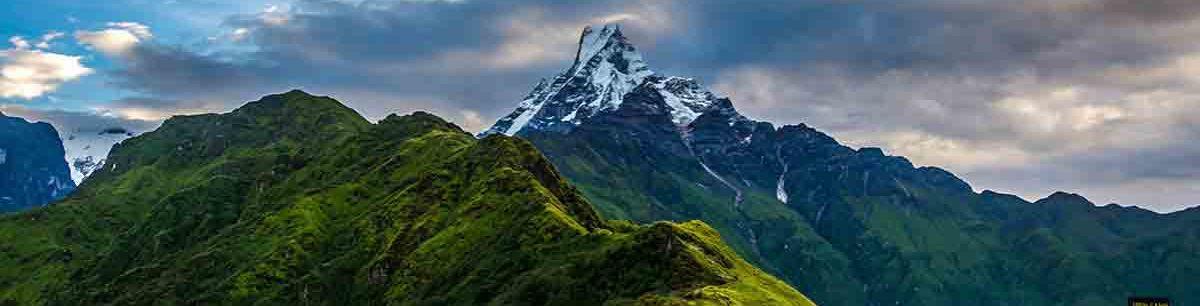

Tourism is much more than a thriving industry in Nepal—it is a vital part of the country’s identity, economy, and way of life. Every year, travelers from around the world come to experience Nepal’s breathtaking Himalayan landscapes, ancient temples, vibrant festivals, and warm hospitality. Their journeys do more than create unforgettable memories; they help support local families, preserve centuries-old traditions, and contribute to the country’s economic development.
From the bustling streets of Kathmandu to the peaceful villages nestled in the Himalayas, tourism creates opportunities for people from all walks of life. It provides employment, encourages entrepreneurship, supports conservation efforts, and helps showcase Nepal’s rich cultural heritage to the world.
As global travel continues to evolve, Nepal has an incredible opportunity to focus on quality tourism rather than simply increasing visitor numbers. By promoting responsible and sustainable travel, the country can ensure that tourism continues to benefit local communities while protecting the natural beauty and cultural treasures that make Nepal one of the world’s most remarkable destinations.
Tourism’s Contribution to Nepal’s Economy
Tourism is one of Nepal’s most important economic sectors. Every international visitor contributes to the country’s economy by spending money on hotels, restaurants, transportation, trekking permits, tour guides, flights, souvenirs, and local experiences. These expenses generate valuable foreign exchange and contribute directly to Nepal’s Gross Domestic Product (GDP).
However, tourism’s economic impact extends far beyond hotels and trekking companies. Every traveler creates opportunities for countless other industries.
Local farmers supply fresh vegetables, dairy products, and grains to hotels and restaurants. Artisans earn income by selling handmade products such as pashmina shawls, traditional crafts, wood carvings, and carpets. Construction companies benefit from building hotels, trekking lodges, and tourism infrastructure, while transportation providers—from airlines to taxi drivers—serve the growing number of visitors exploring the country.
This ripple effect means that tourism supports thousands of businesses across Nepal, making it one of the country’s strongest engines for economic growth.
For Nepal, where remittances play a significant role in the national economy, tourism provides another sustainable source of income by transforming the country’s natural beauty and cultural heritage into long-term economic opportunities.
Creating Jobs and Supporting Local Livelihoods
One of tourism’s greatest strengths is its ability to create employment throughout Nepal.
Unlike many industries that are concentrated in major cities, tourism generates jobs across both urban centers and remote mountain communities. Popular trekking regions such as Everest, Annapurna, Langtang, and Mustang rely heavily on tourism for employment throughout the year.
The industry creates opportunities for:
- Trekking and mountain guides
- Porters
- Hotel and guesthouse owners
- Restaurant operators
- Drivers
- Tour operators
- Travel agencies
- Equipment rental businesses
- Local artisans
- Cultural performers
Beyond direct employment, tourism also encourages entrepreneurship. Many families have opened homestays, eco-lodges, cafés, handicraft shops, and community-based tourism businesses that provide stable incomes while allowing them to remain in their hometowns.
For many rural communities, tourism income helps pay for children’s education, healthcare, home improvements, and new business investments. It offers an alternative to migration by creating meaningful employment opportunities close to home.
Perhaps even more importantly, tourism has become a powerful tool for empowering women and marginalized communities. With proper training, equal opportunities, and community-led tourism initiatives, people who previously had limited access to economic opportunities can build successful careers and improve their quality of life.
Preserving Nepal’s Rich Cultural Heritage
Nepal’s unique culture is one of its greatest attractions.
Visitors travel from around the world to admire ancient temples, sacred monasteries, UNESCO World Heritage Sites, colorful festivals, traditional music, dance performances, and centuries-old craftsmanship. Tourism gives local communities a strong reason to preserve these cultural treasures for future generations.
Revenue generated through entrance fees, cultural events, donations, and tourism businesses often supports the restoration and maintenance of important historical sites. Traditional artisans also benefit from growing demand for authentic handmade products, encouraging younger generations to continue learning skills that have been passed down for centuries.
Tourism also helps protect Nepal’s living traditions.
Festivals, local cuisines, religious ceremonies, folk music, and traditional dances remain vibrant because visitors are genuinely interested in experiencing authentic Nepali culture. When managed responsibly, tourism allows communities to celebrate their traditions while earning sustainable income.
Rather than replacing local culture, responsible tourism can strengthen it by creating economic value around heritage preservation.
Driving Regional Development and Reducing Poverty
One of tourism’s greatest advantages is its ability to spread economic benefits beyond major cities.
Many of Nepal’s most popular attractions are located in remote mountain regions where employment opportunities are limited. Trekking routes, community homestays, eco-lodges, and village tourism projects help bring income directly to these rural communities.
When tourists stay in locally owned accommodations, hire local guides, purchase handmade crafts, and eat locally produced food, a much larger portion of tourism revenue remains within the community.
This local spending creates a cycle of economic growth.
Communities can invest tourism income in schools, healthcare facilities, drinking water systems, renewable energy projects, improved roads, and safer trekking trails. These improvements benefit both visitors and local residents, making tourism an effective tool for long-term poverty reduction.
Community-based tourism also helps preserve local ownership, ensuring that residents—not outside investors alone—benefit from Nepal’s growing tourism industry.
Protecting Nepal’s Natural Environment
Nepal’s breathtaking landscapes are among its greatest tourism assets.
From the towering Himalayas and pristine alpine lakes to lush forests, wildlife reserves, and fast-flowing rivers, the country’s natural beauty attracts millions of travelers seeking adventure and tranquility.
Tourism plays an important role in protecting these natural resources.
Revenue generated through national parks, conservation areas, trekking permits, and entrance fees often supports wildlife conservation, trail maintenance, forest protection, biodiversity monitoring, and anti-poaching efforts.
However, growing visitor numbers also bring challenges.
Popular trekking routes can experience overcrowding, waste management problems, trail erosion, and increased pressure on natural resources such as water and firewood.
This is why sustainable tourism is becoming increasingly important. By managing visitor numbers responsibly, improving waste disposal systems, encouraging eco-friendly practices, and educating travelers, Nepal can continue protecting the natural environment while welcoming visitors from around the world.
Sustainable Tourism and Building Climate Resilience
The future of tourism in Nepal depends on finding the right balance between welcoming visitors and protecting the country’s natural and cultural treasures. As one of the world’s most environmentally sensitive mountain regions, Nepal is already experiencing the effects of climate change. Melting glaciers, unpredictable weather, landslides, floods, and changing trekking conditions all affect both local communities and travelers.
Sustainable tourism offers a practical solution. Rather than focusing only on increasing visitor numbers, it encourages responsible travel that benefits people, protects the environment, and supports long-term economic growth.
This means investing in eco-friendly accommodations, promoting renewable energy in mountain lodges, reducing plastic waste, improving waste management systems, and encouraging visitors to respect local cultures and ecosystems.
Communities also play a vital role. By providing training in disaster preparedness, conservation practices, and sustainable business management, local residents become active partners in protecting the destinations they call home.
An emerging concept known as regenerative tourism goes one step further. Instead of simply minimizing environmental impacts, it encourages travelers to leave destinations better than they found them. Visitors can participate in tree-planting initiatives, trail restoration projects, community development programs, or conservation activities that directly benefit local communities.
When tourism becomes part of environmental protection rather than a threat to it, everyone benefits.
Focusing on Quality Rather Than Quantity
For many years, tourism success was measured by the number of visitors arriving each year. Today, many destinations—including Nepal—are realizing that attracting more tourists is not always the best strategy.
A growing number of experts recommend focusing on high-value tourism instead.
High-value tourism encourages longer stays, higher-quality experiences, and responsible travel rather than mass tourism. Visitors who spend more time exploring Nepal often contribute more to local businesses while placing less pressure on overcrowded destinations.
Nepal is well-positioned to attract these travelers through unique experiences such as:
- Multi-day trekking adventures
- Mountaineering expeditions
- Wellness retreats featuring yoga and meditation
- Spiritual and pilgrimage tourism
- Cultural immersion programs
- Wildlife safaris
- Birdwatching tours
- Community homestays
- Local cooking experiences
Promoting lesser-known destinations can also reduce overcrowding on popular routes while spreading tourism income across more regions of the country.
Improving hospitality standards, transportation, digital services, and guide training will further strengthen Nepal’s reputation as a premium travel destination.
Strengthening Tourism Through Better Policies and Investment
A successful tourism industry depends on more than beautiful destinations. It also requires thoughtful planning, effective governance, and long-term investment.
Government agencies, local communities, tourism businesses, and conservation organizations all have important roles to play.
Future investment should focus on improving transportation networks, maintaining trekking trails, enhancing visitor safety, modernizing permit systems, and protecting heritage sites.
Reliable tourism data can also help policymakers understand visitor trends, identify emerging markets, and make informed decisions about infrastructure development.
Supporting local entrepreneurs is equally important. Providing training, access to finance, digital marketing skills, and business development opportunities enables small tourism businesses to grow while keeping more tourism income within local communities.
Public-private partnerships can accelerate these improvements by combining government support with private sector expertise and community participation.
Expanding Nepal’s Global Tourism Appeal
Nepal has long been recognized as one of the world’s premier destinations for trekking and mountaineering. While adventure tourism will always remain a major strength, today’s travelers are seeking a wider variety of experiences.
This presents an exciting opportunity to diversify Nepal’s tourism offerings.
Wellness tourism continues to grow globally, with many visitors seeking peaceful environments for yoga, meditation, Ayurveda, and spiritual retreats. Nepal’s monasteries, mountain landscapes, and rich spiritual traditions make it an ideal destination for this market.
Similarly, cultural tourism, wildlife tourism, birdwatching, agricultural tourism, photography tours, and educational travel are attracting travelers looking for authentic experiences beyond traditional sightseeing.
Digital marketing also plays a crucial role in reaching modern travelers. High-quality storytelling, engaging videos, social media campaigns, and partnerships with international travel influencers can showcase Nepal’s diverse attractions to global audiences.
Highlighting authentic local experiences—from village homestays to traditional craft workshops—helps Nepal stand out in an increasingly competitive tourism market.
Challenges That Must Be Addressed
While tourism creates enormous opportunities, it also brings challenges that require careful management.
Without proper planning, excessive visitor numbers can lead to overcrowding, pollution, damage to fragile ecosystems, and increased pressure on local infrastructure.
Popular destinations may also experience rising living costs, traffic congestion, and commercialization of cultural traditions.
To minimize these risks, Nepal should continue strengthening sustainable tourism practices by:
- Managing visitor numbers in environmentally sensitive areas.
- Expanding waste collection and recycling systems.
- Educating visitors about responsible travel.
- Enforcing environmental and heritage protection regulations.
- Ensuring tourism revenue is fairly shared with local communities.
- Providing regular training for tourism professionals.
Disaster preparedness is equally important. Given Nepal’s vulnerability to earthquakes, landslides, and extreme weather events, strong emergency response systems and visitor safety protocols are essential for building confidence among international travelers.
Practical Recommendations for Sustainable Tourism Growth
Nepal can strengthen its tourism industry by focusing on several long-term priorities:
Diversify Tourism Products
Promote lesser-known destinations alongside famous trekking regions to distribute economic benefits more evenly across the country.
Invest in Human Resources
Provide continuous training for guides, hospitality professionals, entrepreneurs, and community tourism operators to improve service quality.
Support Local Communities
Encourage community-owned tourism businesses, cooperatives, and homestays so that tourism income remains within local economies.
Protect the Environment
Adopt renewable energy, strengthen waste management, reduce plastic use, and establish carrying-capacity guidelines for popular destinations.
Improve Infrastructure
Invest in roads, airports, communication networks, trekking facilities, healthcare services, and visitor safety.
Promote Responsible Travel
Encourage travelers to respect local customs, support local businesses, minimize waste, and contribute positively to conservation efforts.
A Community Tourism Success Story
Imagine a small mountain village located along a trekking route.
Instead of relying solely on agriculture, local families welcome travelers into comfortable homestays. Visitors enjoy traditional Nepali meals prepared with locally grown ingredients, learn about village life, participate in cultural performances, and purchase handmade crafts produced by local artisans.
A portion of tourism revenue is placed into a community development fund that finances trail maintenance, clean drinking water projects, school improvements, and renewable energy installations.
As tourism grows, young people find employment close to home instead of migrating elsewhere for work. Traditional crafts are preserved, forests are protected, and the entire community benefits from sustainable economic development.
This simple example demonstrates how responsible tourism can create lasting value for both visitors and residents.
Conclusion
Tourism is far more than an economic sector in Nepal—it is a bridge connecting people, cultures, nature, and opportunity.
Every visitor who explores Nepal contributes to livelihoods, supports local businesses, preserves ancient traditions, and helps protect some of the world’s most spectacular natural landscapes. When managed responsibly, tourism creates benefits that extend far beyond the travel industry.
The future of Nepal’s tourism lies in quality rather than quantity, sustainability rather than short-term gains, and community participation rather than isolated development.
By investing in people, protecting the environment, preserving cultural heritage, and embracing responsible tourism practices, Nepal can continue to inspire travelers from around the world while ensuring that future generations inherit a country whose mountains, cultures, and communities remain as extraordinary as they are today.
