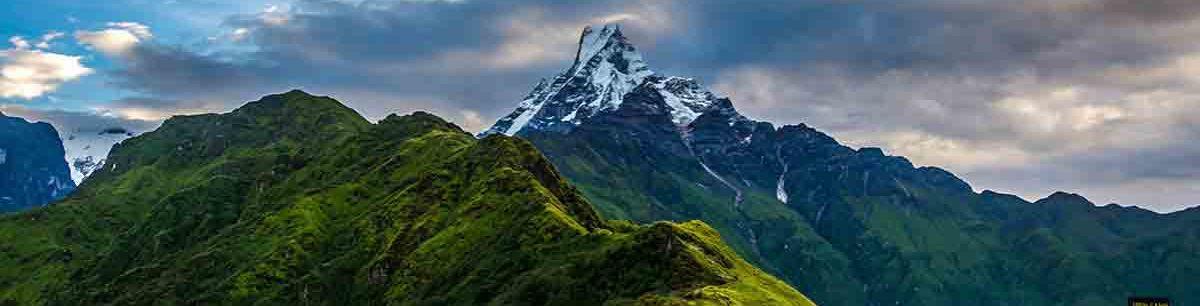
10 Must-Have Experiences on the Annapurna Base Camp Trek

The Annapurna Base Camp Trek is one of Nepal’s most rewarding trekking adventures. Surrounded by towering Himalayan peaks, charming mountain villages, peaceful forests, and rich local culture, this trek offers much more than simply reaching a destination. Every day on the trail brings a new experience that leaves trekkers with unforgettable memories.

Located in the heart of the Annapurna region of Nepal, the Annapurna Base Camp Trek attracts thousands of trekkers every year because of its perfect mix of natural beauty, cultural encounters, and moderate trekking difficulty. Whether you are an experienced hiker or planning your first Himalayan adventure, this trek delivers moments that stay with you for life.

Here are the 10 must-have experiences on the Annapurna Base Camp Trek that every trekker should enjoy.

Watching Sunrise Over Annapurna from Poon Hill

One of the most iconic experiences connected to the Annapurna Base Camp Trek is the sunrise view from Poon Hill. Many trekkers include Ghorepani and Poon Hill in their itinerary because the panoramic mountain scenery is absolutely breathtaking.

Early in the morning, trekkers hike uphill in darkness carrying headlamps. As the sun slowly rises, the golden light touches the snow-covered peaks of Annapurna, Dhaulagiri, Machhapuchhre, and Hiunchuli. The colors changing across the mountains create a magical atmosphere that feels unreal.

The peaceful silence, crisp mountain air, and incredible Himalayan backdrop make this sunrise one of the highlights of the entire journey. It is also one of the best photography spots in Nepal.

Walking Through Beautiful Rhododendron Forests

The Annapurna region is famous for its dense rhododendron forests, especially during spring. Trekking through these colorful forests becomes a memorable experience for nature lovers.

During March and April, the hillsides are covered with blooming red, pink, and white rhododendron flowers. The forests feel vibrant and alive, while birdsong and fresh mountain air create a relaxing trekking environment.

The trail between Tikhedhunga, Ghorepani, and Chhomrong is particularly beautiful. Even outside the flowering season, the forests remain peaceful and scenic with bamboo groves, waterfalls, and moss-covered trees adding to the charm.

For many trekkers, these forest walks become just as memorable as the mountain views themselves.

Experiencing Gurung Culture in Traditional Villages

The Annapurna Base Camp Trek is not only about mountains. It is also an incredible cultural journey through traditional Himalayan communities.

Villages like Ghandruk and Chhomrong are home to the Gurung people, known for their hospitality, bravery, and unique mountain traditions. Staying in local teahouses allows trekkers to experience daily village life up close.

You can explore stone-paved pathways, traditional homes, Buddhist prayer flags, and small monasteries while learning about local customs and lifestyles. Many teahouses serve homemade Nepali meals that provide warmth and energy after long trekking days.

Interacting with local families often becomes one of the most meaningful parts of the trek because it creates a deeper connection to the region and its people.

Reaching Machhapuchhre Base Camp

Before arriving at Annapurna Base Camp, trekkers usually stop at Machhapuchhre Base Camp, commonly known as MBC. This place offers one of the first dramatic close-up views of the surrounding Himalayan giants.

Machhapuchhre, also called Fishtail Mountain, is one of Nepal’s most sacred and beautiful peaks. Its sharp summit stands out against the sky and looks especially stunning during sunrise and sunset.

The landscape around MBC changes noticeably compared to the lower sections of the trek. Dense forests slowly disappear and open alpine terrain takes over. Snow-covered mountains surround the area from every direction, making trekkers feel truly immersed in the Himalayas.

Spending a night at Machhapuchhre Base Camp also helps trekkers acclimatize before continuing higher toward Annapurna Base Camp.

Standing at Annapurna Base Camp Itself

Reaching Annapurna Base Camp is undoubtedly the biggest highlight of the entire trek. Located at an altitude of around 4,130 meters, the base camp sits in a spectacular natural amphitheater surrounded by giant Himalayan peaks.

Standing at the base camp feels surreal because mountains rise dramatically in every direction. Annapurna I, Annapurna South, Hiunchuli, Machhapuchhre, and other peaks create a stunning 360-degree panorama.

The feeling of accomplishment is emotional for many trekkers. After several days of uphill hiking, river crossings, forest trails, and mountain climbs, finally arriving at the base camp feels deeply rewarding.

Sunrise and sunset at Annapurna Base Camp are especially unforgettable. The changing colors on the snowy mountains create a peaceful and powerful atmosphere that words can barely describe.

Relaxing in the Natural Hot Springs at Jhinu Danda

After days of trekking, few experiences feel better than soaking in the natural hot springs at Jhinu Danda.

Located beside the Modi Khola river, the hot springs are a popular stop for trekkers returning from Annapurna Base Camp. The warm mineral-rich water helps relax tired muscles and soothe sore legs after long hiking days.

Trekkers must walk downhill from Jhinu village to reach the springs, but the short effort is completely worth it. Sitting in the warm pools while listening to the sound of the river and enjoying the surrounding forest scenery creates a perfect moment of relaxation.

For many trekkers, the hot springs provide the ideal ending to the physical challenges of the trek.

Enjoying Traditional Nepali Teahouse Hospitality

One of the unique features of the Annapurna Base Camp Trek is the teahouse trekking experience. Instead of camping, trekkers stay in simple mountain lodges run by local families.

These teahouses offer warm meals, cozy dining rooms, and friendly hospitality even in remote mountain locations. Although accommodations are basic at higher elevations, the welcoming atmosphere makes the experience truly special.

Trekkers often gather around wood stoves in the evenings, sharing stories with fellow travelers from around the world. Simple meals like dal bhat, noodle soup, fried rice, pancakes, and tea become comforting highlights after long walking hours.

The kindness and warmth shown by local hosts often leave a lasting impression on visitors.

Crossing Suspension Bridges Above Rushing Rivers

The Annapurna Base Camp Trek includes several thrilling suspension bridge crossings over deep river valleys and fast-flowing mountain rivers.

These bridges connect remote villages and trekking trails throughout the region. Walking across them becomes both exciting and scenic because of the dramatic views below.

Colorful prayer flags flutter in the wind while rivers roar beneath the bridges, creating an adventurous Himalayan atmosphere. Some bridges are long and sway slightly as trekkers cross, adding a fun challenge to the journey.

These crossings may seem simple, but they become memorable moments that capture the adventurous spirit of trekking in Nepal.

Witnessing Diverse Landscapes in One Trek

One reason the Annapurna Base Camp Trek is so popular is the incredible variety of landscapes experienced within a relatively short time.

The journey begins with terraced farmland, green hills, and subtropical forests. As trekkers gain altitude, the scenery gradually changes into bamboo forests, alpine terrain, rocky valleys, and snow-covered mountain landscapes.

Waterfalls, rivers, glaciers, and dramatic cliffs constantly appear along the trail, keeping every trekking day visually exciting. Unlike some high-altitude treks that remain dry and barren, the Annapurna region feels rich in biodiversity and natural beauty.

This constant change in scenery helps make the trek feel dynamic and rewarding from start to finish.

Creating Lifelong Friendships on the Trail

The Annapurna Base Camp Trek naturally brings people together. Trekkers from different countries share the same trails, teahouses, dining rooms, and mountain experiences.

Conversations often begin over tea or dinner and grow into lasting friendships during the journey. Helping each other through difficult climbs, celebrating achievements together, and sharing mountain stories create strong connections among trekkers.

Guides, porters, and local hosts also become important parts of the experience. Their support, knowledge, and encouragement often leave a deep impact on travelers.

Many people finish the trek with not only unforgettable memories but also friendships that continue long after returning home.

Best Time for the Annapurna Base Camp Trek

To fully enjoy these must-have experiences, choosing the right trekking season is important.

Spring Season (March to May)

Spring is one of the best times for the Annapurna Base Camp Trek because the weather is stable, temperatures are comfortable, and rhododendron forests are in full bloom.

Autumn Season (September to November)

Autumn offers clear skies, excellent mountain visibility, and pleasant trekking conditions. This is the most popular trekking season in Nepal.

Winter Season (December to February)

Winter trekking is possible and less crowded, but temperatures can become very cold at higher elevations. Snowfall may affect the trail in some areas.

Monsoon Season (June to August)

Monsoon brings heavy rainfall, slippery trails, and cloudy mountain views. However, the landscapes become incredibly green and lush during this season.

Tips to Make the Most of Your Annapurna Base Camp Trek

Prepare Physically

Although considered a moderate trek, good physical fitness will help you enjoy the experience more comfortably.

Pack Smart

Carry lightweight clothing, warm layers, rain protection, proper trekking shoes, and essential personal items.

Stay Hydrated

Drink plenty of water throughout the trek to reduce the risk of altitude sickness and fatigue.

Walk Slowly

Maintaining a steady pace helps your body adjust to higher altitudes and prevents exhaustion.

Respect Local Culture

Dress modestly, ask permission before taking photos, and support local businesses whenever possible.

Final Thoughts

The Annapurna Base Camp Trek is much more than a mountain hike. It is a complete Himalayan experience filled with natural beauty, cultural encounters, adventure, and personal achievement.

From the golden sunrise at Poon Hill to the peaceful atmosphere of Annapurna Base Camp itself, every part of the journey offers something unforgettable. The warm hospitality of mountain villages, relaxing hot springs, scenic forests, and dramatic Himalayan landscapes combine to create memories that last a lifetime.

Whether you are trekking for adventure, photography, personal growth, or cultural exploration, these 10 must-have experiences on the Annapurna Base Camp Trek will make your journey truly extraordinary.

Quick Inquiry Form

Complete Nepal Trek Packing Guide: Season-by-Season Checklist for Every Trekker

Planning a trekking adventure in Nepal is exciting, but packing the right gear can make or break your journey. Whether you are heading toward Everest Base Camp, trekking through the Annapurna region, or exploring remote Himalayan trails, your packing list should match Nepal’s changing seasons and trail conditions. A well-prepared backpack helps you stay comfortable, safe, and ready for unpredictable mountain weather.

This complete Nepal trek packing guide explains exactly what to carry for every trekking season. From clothing layers and footwear to trekking essentials and safety gear, this season-by-season checklist will help every trekker prepare wisely for the Himalayas.

Why Proper Packing Matters for Nepal Treks

Nepal’s trekking routes range from warm low-altitude forests to freezing alpine regions. Temperatures can change dramatically within a single day. Trails may include rain, snow, dust, strong winds, or intense sun exposure depending on the season and elevation.

Packing properly offers several advantages:

  • Reduces unnecessary weight
  • Keeps you comfortable in changing weather
  • Prevents altitude-related discomfort
  • Improves trekking safety
  • Helps avoid expensive last-minute purchases
  • Makes long trekking days easier

The key to smart trekking preparation is balancing lightweight packing with practical essentials.

Understanding Nepal’s Trekking Seasons

Before creating your packing checklist, it is important to understand Nepal’s four major trekking seasons.

Spring (March to May)

Spring is one of the best seasons for trekking in Nepal. Temperatures are moderate, rhododendron forests bloom beautifully, and skies are usually clear.

Typical conditions:

  • Warm days
  • Cool nights
  • Occasional rain showers
  • Moderate altitude temperatures

Summer/Monsoon (June to August)

This season brings heavy rainfall in many trekking areas. Trails can become muddy and slippery, especially in lower elevations.

Typical conditions:

  • Heavy rain
  • Humidity
  • Leeches in forest regions
  • Cloudy mountain views

Autumn (September to November)

Autumn is Nepal’s most popular trekking season due to stable weather and excellent visibility.

Typical conditions:

  • Clear mountain views
  • Dry trails
  • Comfortable temperatures
  • Cold nights at high altitude

Winter (December to February)

Winter trekking offers peaceful trails and snowy landscapes, but temperatures can become extremely cold at higher elevations.

Typical conditions:

  • Freezing nights
  • Snow-covered passes
  • Crisp mountain views
  • Shorter daylight hours

Essential Trekking Clothing Layers

Layering is the foundation of successful trekking in Nepal. Instead of carrying heavy clothing, trekkers should combine lightweight layers that can be adjusted throughout the day.

Base Layer

Your base layer manages sweat and keeps your body dry.

Recommended items:

  • Moisture-wicking thermal tops
  • Thermal leggings
  • Lightweight trekking shirts

Avoid cotton because it absorbs moisture and dries slowly.

Mid Layer

The mid layer provides insulation during cold conditions.

Recommended items:

  • Fleece jacket
  • Insulated hoodie
  • Lightweight down jacket

Outer Layer

The outer shell protects against wind, rain, and snow.

Recommended items:

  • Waterproof jacket
  • Windproof shell
  • Waterproof trekking pants

Season-by-Season Trek Packing Checklist

Spring Trek Packing Checklist

Spring weather is generally comfortable, but temperatures can vary greatly between lower villages and high mountain passes.

Clothing

  • 2–3 moisture-wicking trekking shirts
  • Thermal base layers
  • Fleece jacket
  • Lightweight down jacket
  • Waterproof shell jacket
  • Trekking pants
  • Warm gloves
  • Sun hat
  • Wool hat

Footwear

  • Waterproof trekking boots
  • Lightweight camp shoes
  • Wool trekking socks

Accessories

  • Sunglasses with UV protection
  • Sunscreen
  • Reusable water bottles
  • Trekking poles

Spring trekking often includes sunny afternoons, so sun protection becomes extremely important at high altitude.

Monsoon Trek Packing Checklist

Monsoon trekking requires extra attention to waterproof gear and moisture control.

Clothing

  • Quick-dry shirts and pants
  • Waterproof rain jacket
  • Rain pants
  • Waterproof backpack cover
  • Lightweight base layers

Footwear

  • Waterproof trekking boots
  • Gaiters
  • Quick-dry socks

Essential Rain Gear

  • Dry bags
  • Zip-lock bags for electronics
  • Poncho
  • Waterproof gloves

Health and Hygiene

  • Insect repellent
  • Antibacterial wipes
  • Foot powder

Humidity can quickly cause discomfort during monsoon treks, so packing breathable and quick-drying gear is essential.

Autumn Trek Packing Checklist

Autumn conditions are ideal for most Nepal treks, but temperatures can still become very cold at higher elevations.

Clothing

  • Lightweight trekking shirts
  • Fleece jacket
  • Warm down jacket
  • Thermal underwear
  • Waterproof shell

Accessories

  • Trekking poles
  • Headlamp
  • Neck gaiter
  • Sunglasses

Sleeping Gear

  • Four-season sleeping bag
  • Sleeping bag liner

Autumn nights above 4,000 meters often fall below freezing, especially during Everest and Annapurna treks.

Winter Trek Packing Checklist

Winter trekking demands serious cold-weather preparation.

Heavy Insulation

  • Thick down jacket
  • Thermal base layers
  • Insulated trekking pants
  • Heavy fleece layers

Winter Accessories

  • Insulated gloves
  • Hand warmers
  • Thermal socks
  • Balaclava
  • Neck warmer

Additional Gear

  • Microspikes for icy trails
  • Insulated water bottle
  • High-quality sleeping bag rated below freezing

Proper layering becomes critical during winter treks because exposure to extreme cold can quickly drain energy.

Backpack Essentials for Every Nepal Trek

Regardless of season, some trekking items are always necessary.

Trekking Backpack

Choose a backpack based on trek duration.

Recommended sizes:

  • 25–35L for short treks
  • 40–65L for long treks

Features to look for:

  • Adjustable straps
  • Waterproof cover
  • Ventilated back panel
  • Hip support belt

Sleeping Bag

Tea houses provide blankets, but they may not be warm enough during colder months.

Recommended temperature ratings:

  • Spring/Autumn: -10°C
  • Winter: -20°C

Trekking Poles

Trekking poles reduce pressure on knees and improve balance on steep descents.

Benefits include:

  • Better stability
  • Reduced fatigue
  • Improved posture

Headlamp

Electricity is limited in remote villages. A headlamp is essential for:

  • Early morning hiking
  • Nighttime bathroom trips
  • Emergency situations

Carry extra batteries during winter treks.

Water Purification

Hydration is crucial at altitude.

Useful options:

  • Water purification tablets
  • UV water purifier
  • Filter bottles

Avoid buying excessive plastic bottles during your trek.

Important Documents and Money

Always keep essential documents in waterproof storage.

Required Documents

  • Passport
  • Nepal visa copies
  • Trek permits
  • Travel insurance
  • Emergency contacts

Cash

ATMs are limited in mountain regions. Carry enough Nepalese currency for:

  • Tea houses
  • Snacks
  • Charging devices
  • Wi-Fi fees
  • Hot showers

Small denominations are especially useful.

Electronics and Charging Essentials

Cold temperatures drain batteries faster at high altitude.

Recommended Electronics

  • Power bank
  • Charging cables
  • Universal adapter
  • Camera
  • Smartphone

Tips for Battery Care

  • Keep electronics inside sleeping bags at night
  • Use airplane mode when possible
  • Carry solar chargers for remote treks

Health and First Aid Checklist

Altitude and remote conditions require careful health preparation.

Basic First Aid Kit

  • Bandages
  • Blister treatment
  • Pain relievers
  • Antiseptic cream
  • Altitude sickness medication
  • Anti-diarrheal medicine

Personal Hygiene

  • Hand sanitizer
  • Wet wipes
  • Toothbrush and toothpaste
  • Biodegradable soap

Good hygiene helps prevent illness during long trekking journeys.

Food and Snacks for Nepal Treks

Tea houses offer meals, but carrying snacks can boost energy during long trekking days.

Recommended Snacks

  • Energy bars
  • Nuts
  • Chocolate
  • Electrolyte powders
  • Dried fruits

High-calorie snacks are especially useful at higher elevations where appetite decreases.

Common Packing Mistakes Trekkers Make

Many first-time trekkers overpack or bring unsuitable gear.

Packing Too Many Clothes

Most trekkers only wear a few favorite layers repeatedly. Focus on versatile clothing instead of quantity.

Ignoring Waterproof Gear

Mountain weather changes quickly. Waterproof protection is necessary in every season.

Wearing New Boots

Always break in trekking boots before arriving in Nepal to avoid painful blisters.

Carrying Heavy Electronics

Limit unnecessary gadgets to reduce backpack weight.

How to Pack Light for Nepal Treks

A lighter backpack improves trekking comfort significantly.

Smart Lightweight Packing Tips

  • Choose multi-purpose clothing
  • Share toiletries with trekking partners
  • Use compression packing cubes
  • Avoid duplicate items
  • Rent heavy gear in Kathmandu if needed

Many trekking shops in Kathmandu offer affordable gear rental services.

Trekking Gear Rental in Nepal

Renting gear is common among international trekkers.

Common Rental Items

  • Sleeping bags
  • Down jackets
  • Trekking poles
  • Crampons

Rental gear helps travelers save money and avoid airline baggage fees.

Eco-Friendly Trekking Packing Tips

Responsible trekking helps preserve Nepal’s fragile mountain environment.

Sustainable Packing Ideas

  • Carry reusable water bottles
  • Avoid single-use plastics
  • Use biodegradable toiletries
  • Pack reusable snack containers

Eco-conscious trekking supports local conservation efforts.

Final Thoughts

Packing correctly for a Nepal trek is one of the most important parts of trip preparation. Every trekking season presents unique weather conditions, trail challenges, and temperature changes. A well-planned packing list helps you stay safe, comfortable, and focused on enjoying Nepal’s incredible Himalayan landscapes.

By following this complete Nepal trek packing guide and season-by-season checklist, every trekker can prepare with confidence. Whether you are trekking during spring blossoms, autumn clarity, monsoon greenery, or winter snow, smart packing ensures a smoother and more rewarding mountain adventure. The goal is not to carry everything—it is to carry the right things. With thoughtful preparation and proper gear, your Nepal trekking experience can become one of the most unforgettable journeys of your life.

Quick Inquiry Form

Surprising Truths About the Annapurna Circuit Trek Nobody Tells You

The Annapurna Circuit Trek is often described as one of the most spectacular trekking adventures in the world. Stretching through the diverse Himalayan landscapes of Nepal, this legendary route offers everything from lush forests and traditional mountain villages to high-altitude deserts and breathtaking snow-covered peaks. Thousands of trekkers dream of completing the Annapurna Circuit every year, but many arrive with expectations that are very different from reality.

While guidebooks and social media posts usually focus on the stunning scenery and famous mountain passes, there are many lesser-known aspects of the journey that can completely shape your trekking experience. Some of these truths make the adventure even more rewarding, while others may surprise first-time trekkers who are unprepared for the realities of Himalayan travel.

If you are planning your first Annapurna Circuit Trek, understanding these hidden truths can help you prepare mentally, physically, and emotionally for the journey ahead. Here are 10 surprising truths about the Annapurna Circuit Trek that nobody tells you.


The Annapurna Circuit Trek Is Much More Than a Mountain Trek

Many people assume the Annapurna Circuit Trek is only about walking through snowy mountains. In reality, the trek is a complete cultural and geographical journey across several different regions of Nepal.

You begin in subtropical valleys filled with rice terraces and waterfalls. As the trail climbs higher, the scenery changes dramatically into pine forests, alpine meadows, and dry Tibetan-style landscapes. Along the way, you pass through villages inhabited by Gurung, Thakali, and Manangi communities, each with unique traditions, architecture, and lifestyles.

This incredible diversity is one reason the Annapurna Circuit Trek remains one of the most loved trekking routes in the Himalayas.


The Weather Changes Faster Than You Expect

One of the biggest surprises for trekkers is how quickly the weather can change in the Himalayas. A sunny morning can suddenly become cloudy, windy, or snowy within hours.

Even during the popular trekking seasons of spring and autumn, temperatures can vary greatly between day and night. Lower elevations may feel warm and pleasant, while high-altitude areas such as Thorong La Pass can become freezing cold before sunrise.

Because of these rapid weather shifts, layering your clothing is essential during the Annapurna Circuit Trek. Trekkers who underestimate Himalayan weather often struggle with discomfort during the journey.


Acclimatization Is More Important Than Fitness

Many physically fit trekkers believe they can complete the Annapurna Circuit Trek without difficulty. However, altitude affects everyone differently, regardless of fitness level.

As the trail rises above 3,000 meters, oxygen levels decrease significantly. Symptoms of altitude sickness may include headaches, dizziness, nausea, fatigue, and difficulty sleeping. The climb toward Thorong La Pass at 5,416 meters is especially challenging.

One surprising truth is that slow walking and proper acclimatization are often more important than physical strength. Experienced trekkers know that resting, staying hydrated, and allowing your body time to adjust are key to completing the trek safely.


Teahouse Life Becomes Part of the Adventure

Before arriving in Nepal, many trekkers imagine remote camping experiences. In reality, most people stay in teahouses along the Annapurna Circuit Trek.

Teahouses are small mountain lodges operated by local families. They provide meals, basic rooms, and a warm communal atmosphere where trekkers from around the world gather every evening.

Although the accommodations are simple, teahouse culture becomes one of the most memorable parts of the trek. Sharing stories around a dining room heater, drinking hot tea, and meeting fellow travelers create unforgettable moments that many people do not expect.

At higher elevations, facilities become more basic, and luxuries such as hot showers, charging devices, and Wi-Fi may cost extra or become unavailable.


The Trek Is Emotionally Challenging Too

Most trekking articles focus on physical preparation, but the Annapurna Circuit Trek can also be emotionally demanding.

Long trekking days, cold weather, fatigue, altitude, and limited comforts sometimes affect your mood. There may be moments when you question your decision to continue, especially during steep climbs or difficult weather conditions.

However, these emotional ups and downs are often what make the experience so meaningful. Completing challenging sections of the trek builds confidence, resilience, and a deep sense of accomplishment.

Many trekkers return home saying the Annapurna Circuit Trek changed them mentally as much as physically.


Food Choices in the Mountains Are Surprisingly Good

A common misconception is that food options on the Annapurna Circuit Trek are extremely limited. While menus become simpler at higher altitudes, most teahouses offer a surprisingly wide variety of meals.

You can find dal bhat, noodles, pasta, fried rice, pancakes, soups, momos, eggs, potatoes, and even bakery items in some villages. Dal bhat, Nepal’s traditional meal of rice, lentils, vegetables, and pickles, is especially popular because it provides energy for long trekking days.

One surprising truth is that trekkers often begin craving dal bhat after a few days because it is nutritious, filling, and usually comes with unlimited refills.

Still, food prices increase with altitude since supplies are transported by porters, mules, or helicopters into remote mountain areas.


The Road Construction Changes the Experience

The Annapurna Circuit Trek has changed significantly over the years due to road construction in some sections of the trail. Many trekkers are surprised to encounter roads where they expected completely remote mountain paths.

While some people feel disappointed by these developments, alternative trekking routes and side trails still provide beautiful off-road experiences. Areas such as Upper Pisang, Ngawal, and Tilicho Lake remain incredibly scenic and peaceful.

Road access has also improved transportation, emergency services, and supply delivery for local communities. The modern Annapurna Circuit Trek is now a combination of traditional trekking culture and changing Himalayan infrastructure.

Trekkers who research route variations carefully can still enjoy a highly rewarding wilderness experience.


Thorong La Pass Is Harder Than Most People Imagine

Crossing Thorong La Pass is the highlight of the Annapurna Circuit Trek, but it is also the most physically demanding part of the journey.

Most trekkers begin climbing before sunrise to avoid strong afternoon winds. The thin air, freezing temperatures, steep ascent, and long trekking hours make this crossing much more difficult than many expect.

Even experienced hikers often describe Thorong La as one of the hardest trekking days of their lives. However, standing at the prayer-flag-covered summit surrounded by Himalayan peaks creates an unforgettable feeling of achievement.

The descent toward Muktinath afterward can also be surprisingly exhausting because of the long downhill walk.


The Trek Teaches You to Slow Down

Modern life often revolves around speed, schedules, and constant digital connection. One surprising truth about the Annapurna Circuit Trek is that it forces you to slow down.

Daily life on the trail becomes simple:

  • Wake up early
  • Walk for several hours
  • Eat warm meals
  • Rest
  • Sleep

Without constant distractions, many trekkers begin to appreciate small moments more deeply. Watching sunrise over snowy peaks, listening to mountain rivers, and talking with local villagers create a strong sense of mindfulness.

The Annapurna Circuit Trek is not only a physical journey through the Himalayas but also a mental escape from busy modern routines.


The Memories Stay With You Forever

Many trekkers expect the Annapurna Circuit Trek to be a temporary adventure. What surprises most people is how deeply the experience stays with them long after returning home.

The mountains, friendships, personal challenges, and cultural encounters often leave lasting emotional memories. Some trekkers even describe the journey as life-changing because it reshapes their perspective on simplicity, resilience, and nature.

The Annapurna region has a way of making people feel connected to something much larger than themselves. Months or even years later, many travelers still remember the sound of prayer flags fluttering in the wind, the warmth of teahouse hospitality, and the incredible feeling of walking among the world’s highest mountains.


Best Time for the Annapurna Circuit Trek

Understanding the seasons is important for planning a successful Annapurna Circuit Trek.

Spring (March to May)

Spring offers blooming rhododendron forests, moderate temperatures, and clear mountain views. This is one of the most popular trekking seasons in Nepal.

Autumn (September to November)

Autumn provides stable weather, dry trails, and excellent visibility. Many trekkers consider this the best season for the Annapurna Circuit Trek.

Winter (December to February)

Winter trekking is possible, but heavy snow may block Thorong La Pass. Temperatures become extremely cold at higher elevations.

Monsoon (June to August)

The monsoon season brings rain, slippery trails, landslides, and cloudy mountain views. However, the rain-shadow areas near Manang remain relatively dry.


Essential Tips for First-Time Trekkers

Train Before the Trek

Cardio exercise, hiking practice, and leg-strength training help prepare your body for long trekking days.

Walk Slowly

A slow and steady pace improves acclimatization and reduces fatigue.

Drink Plenty of Water

Hydration is critical at high altitude.

Pack Light but Smart

Bring warm layers, proper trekking boots, sunscreen, and essential medications.

Respect Local Culture

The Annapurna region is home to traditional mountain communities with deep Buddhist and Hindu traditions. Respect local customs and religious sites.

Consider Hiring Guides and Porters

Local guides improve safety, navigation, and cultural understanding while supporting Nepal’s trekking economy.


Why the Annapurna Circuit Trek Remains So Popular

Despite changing trekking routes and increasing tourism, the Annapurna Circuit Trek continues to attract adventurers from around the world because it offers an unmatched combination of:

  • Mountain scenery
  • Cultural diversity
  • High-altitude adventure
  • Traditional villages
  • Himalayan landscapes
  • Personal challenge

Few trekking routes on Earth provide such dramatic variation in both environment and culture within a single journey.

Whether you are an experienced trekker or a first-time Himalayan traveler, the Annapurna Circuit Trek delivers experiences that go far beyond expectations.


Final Thoughts

The Annapurna Circuit Trek is far more complex, emotional, and rewarding than many people realize before arriving in Nepal. Beyond the famous mountain views lies a journey filled with unexpected lessons, personal growth, cultural encounters, and unforgettable memories.

Understanding these 10 surprising truths can help you prepare for the realities of trekking in the Himalayas while allowing you to appreciate the deeper meaning of the experience.

For many travelers, the Annapurna Circuit Trek becomes more than just a trek — it becomes one of the greatest adventures of their lives.

Quick Inquiry Form

Understanding the True Cost of Guided Trekking in Nepal

Nepal is one of the world’s most iconic trekking destinations. From the legendary Mount Everest region to the peaceful trails of Annapurna Circuit, thousands of trekkers arrive every year to experience the Himalayas. However, many travelers are surprised when they discover that a guided trekking experience costs more than they initially expected.

Understanding the true cost of guided trekking in Nepal is important before planning your adventure. A guided trek is not simply about paying for someone to walk beside you. The total price includes permits, transportation, accommodation, guide wages, porter support, food, safety services, logistics, and many behind-the-scenes expenses that ensure a safe and enjoyable journey.

This article explains why guided trekking in Nepal costs what it does, what is included in the price, and why many trekkers still consider it one of the best investments for a Himalayan adventure.


Why Guided Trekking in Nepal Is Popular

Nepal’s trekking routes range from beginner-friendly trails to demanding high-altitude expeditions. While independent trekking is possible in some regions, guided trekking has become increasingly popular because it provides convenience, safety, cultural insight, and local support.

Trekkers exploring routes such as Everest Base Camp, Manaslu Circuit, and Langtang Valley often prefer guided experiences due to difficult terrain, altitude risks, changing weather conditions, and permit requirements.

Guided trekking also supports Nepal’s tourism economy by creating jobs for guides, porters, lodge owners, drivers, and local communities.


What Does the Cost of a Guided Trek Include?

Many travelers focus only on the advertised package price without understanding what is included behind the scenes. A professionally organized trek covers several important services.

Trekking Permits and Entry Fees

Almost every trekking region in Nepal requires permits. These permits help protect conservation areas and regulate tourism.

Common permits include:

  • TIMS (Trekkers’ Information Management System)
  • National park permits
  • Conservation area permits
  • Restricted area permits

For example, trekking in the Annapurna Conservation Area requires an ACAP permit, while the Sagarmatha National Park region has separate entry fees.

Restricted regions such as Upper Mustang or Manaslu can significantly increase trekking costs because special permits are expensive and mandatory.


Professional Trekking Guides

A licensed guide is one of the biggest parts of the trekking cost. Experienced guides provide far more than navigation.

Their responsibilities include:

  • Managing logistics
  • Monitoring altitude sickness symptoms
  • Arranging accommodation
  • Communicating with locals
  • Handling emergencies
  • Explaining culture and history
  • Adjusting itineraries during weather changes

Professional guides often speak multiple languages and receive mountain safety training. Their expertise can make a major difference during difficult conditions.

Hiring skilled trekking guides also ensures trekkers comply with local regulations in restricted trekking regions.


Porter Services

Porters are essential in Nepal’s trekking industry. They carry heavy luggage through steep mountain trails, allowing trekkers to walk more comfortably and safely.

A porter usually carries:

  • Duffel bags
  • Trekking gear
  • Extra clothing
  • Sleeping equipment

Without porter support, many trekkers would struggle at higher elevations where physical energy becomes limited due to reduced oxygen levels.

Ethical trekking agencies also provide porters with:

  • Insurance
  • Proper clothing
  • Fair wages
  • Food and accommodation

Responsible trekking companies include these costs in their package prices.


Accommodation Costs

Accommodation standards vary greatly depending on the trekking region.

In popular trekking areas like Everest Base Camp and Annapurna Base Camp, tea houses offer basic rooms with shared bathrooms. However, prices increase at higher elevations because all supplies must be transported by porters, yaks, or helicopters.

Accommodation costs usually include:

  • Twin-sharing rooms
  • Blankets
  • Dining access
  • Basic charging facilities

Luxury trekking packages may include upgraded lodges with private bathrooms, hot showers, and better amenities.


Food During the Trek

Food prices in the mountains are significantly higher than in cities like Kathmandu or Pokhara.

Everything transported into remote Himalayan villages requires labor or animal transport. As altitude increases, food becomes more expensive.

Typical trekking meals include:

  • Dal bhat
  • Noodles
  • Soups
  • Fried rice
  • Pancakes
  • Tea and coffee

A guided trekking package often includes three meals per day, which adds substantial value and convenience.


Transportation Expenses

Transportation in Nepal can be expensive due to mountainous terrain and limited infrastructure.

Trekkers may need:

  • Domestic flights
  • Jeep transportation
  • Tourist buses
  • Private vehicles

For example, flights between Kathmandu and Lukla are among the most famous and weather-sensitive flights in the world.

Remote trekking regions may require expensive jeep rides on rough mountain roads. These transportation costs are often included in guided trek packages.


Safety and Emergency Support

One major reason guided trekking in Nepal costs more is safety preparation.

Good trekking agencies invest in:

  • First aid training
  • Emergency communication systems
  • Rescue coordination
  • Weather monitoring
  • Altitude sickness response

In mountain environments, emergencies can happen unexpectedly. Having trained professionals nearby can save lives.

Some agencies also include oxygen cylinders, oximeters, and satellite communication devices for high-altitude treks.


Why Trekking Costs Increase at Higher Altitudes

High-altitude trekking regions are more expensive because basic operations become extremely difficult.

Everything must be transported manually or by animals. Weather conditions are unpredictable, and infrastructure is limited.

At elevations above 4,000 meters:

  • Food prices rise sharply
  • Accommodation becomes limited
  • Fuel becomes expensive
  • Porter workloads increase
  • Medical risks become greater

This is why treks like Everest Base Camp typically cost more than lower-altitude treks near Pokhara.


Seasonal Factors That Affect Trekking Costs

The trekking season also influences pricing.

Peak Seasons

The most expensive trekking periods are:

  • Spring (March to May)
  • Autumn (September to November)

These seasons offer:

  • Stable weather
  • Clear mountain views
  • Safer trekking conditions

Because demand is high, flights, guides, accommodation, and transportation become more expensive.


Off-Season Treks

Winter and monsoon trekking packages may cost less, but they come with additional challenges such as:

  • Snow-covered trails
  • Flight delays
  • Heavy rainfall
  • Landslides
  • Reduced lodge availability

While off-season trekking can reduce costs, it may increase logistical difficulties.


Budget Trekking vs Premium Guided Trekking

Not all trekking packages are the same. Prices vary depending on service quality.

Budget Trekking Packages

Budget treks usually include:

  • Basic tea house accommodation
  • Shared transportation
  • Limited support staff
  • Simple meals

These packages are cheaper but may sacrifice comfort and flexibility.


Premium Trekking Packages

Premium guided trekking experiences often include:

  • Experienced licensed guides
  • Better accommodation
  • Domestic flights
  • Private transportation
  • High-quality meals
  • Extra acclimatization days
  • Emergency support systems

Luxury trekking in regions like Everest Base Camp can cost several thousand dollars depending on the level of comfort.


The Hidden Costs Many Trekkers Forget

Many first-time trekkers only calculate the package cost and overlook additional expenses.

Trekking Gear

Quality trekking gear can be expensive.

Important items include:

  • Down jackets
  • Sleeping bags
  • Trekking boots
  • Thermal clothing
  • Backpacks
  • Trekking poles

While some gear can be rented in Kathmandu, premium equipment still adds to the total budget.


Travel Insurance

Comprehensive travel insurance is highly recommended for trekking in Nepal.

Insurance should cover:

  • High-altitude trekking
  • Helicopter evacuation
  • Medical treatment
  • Trip cancellation

Helicopter rescues in remote mountain areas can cost thousands of dollars.


Tips for Guides and Porters

Tipping is a common practice in Nepal’s trekking industry.

Most trekkers provide tips to:

  • Guides
  • Porters
  • Drivers

Although optional, tipping is considered an important part of supporting trekking staff.


Charging and Internet Access

Remote mountain lodges often charge additional fees for:

  • Phone charging
  • Wi-Fi access
  • Hot showers

These small daily expenses can add up during longer treks.


Why Guided Trekking Offers Better Value

Although guided trekking costs more than independent trekking, many travelers consider it worthwhile because of the overall experience and safety benefits.

Better Navigation

Mountain trails can become confusing due to:

  • Snowfall
  • Landslides
  • Poor visibility
  • Route changes

Guides help trekkers avoid getting lost and keep itineraries organized.


Cultural Experience

Local guides offer deep insights into Nepalese traditions, Buddhist culture, mountain villages, and Himalayan lifestyles.

Trekkers often learn more about the region through conversations with guides than through guidebooks.


Reduced Stress

Organizing permits, transportation, accommodation, and meals independently can be time-consuming.

Guided trekking allows travelers to focus entirely on the trekking experience instead of logistics.


Emergency Management

Altitude sickness is a serious concern in the Himalayas.

Guides recognize symptoms such as:

  • Headaches
  • Dizziness
  • Fatigue
  • Nausea

Early intervention can prevent dangerous complications.


Supporting Local Communities Through Guided Trekking

Hiring local trekking agencies directly benefits Nepal’s mountain communities.

Tourism income supports:

  • Families
  • Tea houses
  • Transportation workers
  • Mountain guides
  • Porters
  • Conservation projects

Responsible tourism also encourages sustainable trekking practices in protected Himalayan regions.

Many ethical trekking operators now focus on:

  • Fair porter treatment
  • Eco-friendly trekking
  • Waste management
  • Local employment

Choosing guided trekking helps strengthen Nepal’s mountain economy.


How to Choose the Right Trekking Company

Not all trekking companies provide the same quality of service.

Before booking, trekkers should check:

  • Government registration
  • Guide licenses
  • Reviews and testimonials
  • Safety standards
  • Insurance policies
  • Transparent pricing

A cheap trekking package may hide important exclusions or compromise safety standards.

Reliable agencies clearly explain:

  • What is included
  • What is excluded
  • Cancellation policies
  • Emergency procedures

Researching carefully helps travelers avoid unexpected expenses.


Is Guided Trekking in Nepal Worth the Cost?

For many travelers, the answer is yes.

Guided trekking provides:

  • Professional support
  • Safety management
  • Cultural understanding
  • Easier logistics
  • Local expertise
  • Better overall experience

The Himalayas are remote and physically demanding environments. Paying for trained support often makes the journey safer, smoother, and more enjoyable.

Whether trekking to Everest Base Camp, exploring the trails around Annapurna Base Camp, or visiting remote villages in the Langtang National Park region, understanding the true cost of guided trekking helps travelers plan realistically.


Final Thoughts

Understanding the true cost of guided trekking in Nepal helps travelers appreciate the amount of work, coordination, and expertise required to organize a successful Himalayan adventure.

The price of a guided trek is not simply about accommodation and transportation. It reflects safety preparation, professional guidance, porter support, permits, mountain logistics, and the effort required to operate in remote high-altitude regions.

While guided trekking may initially seem expensive, it often provides excellent value through convenience, cultural experiences, local support, and increased safety. Choosing a reliable trekking company can turn a challenging Himalayan journey into one of the most memorable experiences of a lifetime.

Quick Inquiry Form

How Fit Do I Need to Be for Island Peak Summit?

Reaching the summit of Island Peak is a dream for many trekkers and aspiring climbers visiting Nepal. Standing at 6,189 meters (20,305 feet), Island Peak — also known as Imja Tse — is considered one of the best beginner-friendly Himalayan climbing peaks. However, many people underestimate the physical challenge and assume it is simply a difficult trek. In reality, Island Peak combines high-altitude trekking, glacier travel, and basic mountaineering skills into one demanding adventure.

So, how fit do you really need to be for the Island Peak summit?

The short answer is this: you do not need to be a professional athlete or elite mountaineer, but you must have strong endurance, decent strength, good cardiovascular fitness, and mental resilience. The climb is more about stamina and consistency than raw power.

This detailed guide explains the exact fitness level required, how difficult the climb feels, what kind of training helps most, and how you can realistically prepare yourself for a successful summit.


Understanding the Physical Demands of Island Peak

Island Peak is often described as a “trekking peak,” but that phrase can be misleading. While it is less technical than larger Himalayan expeditions, it still involves real climbing challenges.

During the expedition, climbers usually spend:

  • 10–14 days trekking and acclimatizing
  • 5–7 hours walking daily
  • One summit push lasting 10–14 hours
  • Time climbing on snow, ice, and fixed ropes

The combination of altitude, cold temperatures, fatigue, and technical sections makes Island Peak physically demanding.

Most climbers struggle more with:

  • Thin oxygen levels
  • Long summit day exhaustion
  • Steep icy headwall sections
  • Consecutive trekking days
  • Recovery at altitude

The climb tests endurance far more than explosive strength.


Is Island Peak Suitable for Beginners?

Yes, Island Peak can be suitable for beginners with proper preparation.

Many first-time Himalayan climbers successfully summit Island Peak every year. Guides usually provide training for:

  • Crampon use
  • Ice axe techniques
  • Fixed rope climbing
  • Harness and ascender systems

However, beginners still need good fitness and a willingness to learn mountaineering basics.

If you can comfortably:

  • Hike 6–8 hours per day
  • Handle steep uphill walking
  • Carry a daypack
  • Stay mentally positive when tired
  • Recover well overnight

then you already have a strong foundation for Island Peak.


The Most Important Fitness Requirement: Cardiovascular Endurance

Cardiovascular endurance is the single most important factor for Island Peak success.

At high altitude, your body receives much less oxygen. Even simple movements become exhausting above 5,000 meters. Climbers often feel surprised by how difficult basic walking becomes near the summit.

Your body needs efficient lungs and heart performance to cope with:

  • Long trekking days
  • Continuous uphill movement
  • Cold conditions
  • Reduced oxygen
  • Summit day fatigue

What Level of Cardio Fitness Is Ideal?

A good benchmark is being able to:

  • Hike uphill for 6–8 hours with breaks
  • Carry a 10–15 kg backpack comfortably
  • Recover reasonably well the next day
  • Maintain a steady pace without gasping for air

You do not need marathon-level speed. Slow and steady endurance matters much more.

Best Cardio Exercises for Island Peak

The most effective cardio training includes:

  • Hiking
  • Stair climbing
  • Trail running
  • Cycling
  • Swimming
  • Incline treadmill walking

Hill training is especially valuable because it simulates Himalayan trekking conditions.

Many guides recommend at least 12–16 weeks of cardio preparation before the climb.


Strength Matters — But in the Right Areas

Island Peak does not require bodybuilder-level muscle.

Instead, climbers benefit most from:

  • Strong legs
  • Stable core
  • Functional endurance
  • Good balance

Key Muscle Groups Needed

Legs

Your legs do most of the work during the expedition.

Important exercises include:

  • Squats
  • Lunges
  • Step-ups
  • Stair climbing
  • Weighted walking

These exercises mimic uphill trekking movement.

Core Strength

A strong core improves:

  • Stability on uneven terrain
  • Backpack carrying comfort
  • Rope climbing balance
  • Overall endurance

Helpful exercises:

  • Planks
  • Russian twists
  • Mountain climbers
  • Leg raises

Upper Body

Upper-body strength becomes useful during:

  • Rope ascents
  • Ice axe use
  • Ladder crossings
  • Pulling on fixed lines

Push-ups, pull-ups, rows, and resistance-band training help build adequate strength.


How Difficult Is the Summit Day?

Summit day is the hardest part of Island Peak.

Most climbers begin around midnight or 1 AM and continue climbing for 10–14 hours before returning to camp.

The challenges include:

  • Cold temperatures
  • Darkness
  • Thin oxygen
  • Steep snow slopes
  • Glacier crossings
  • Fatigue accumulation

The famous headwall near the summit can feel intimidating. This steep snow and ice section often reaches angles of 40–60 degrees and requires fixed rope climbing.

Even very fit trekkers sometimes turn back because the altitude amplifies exhaustion.


Altitude Is the Real Challenge

Many people assume fitness alone guarantees success. Unfortunately, altitude changes everything.

Above 5,000 meters:

  • Oxygen drops dramatically
  • Recovery slows down
  • Appetite decreases
  • Sleep becomes difficult
  • Simple tasks feel exhausting

Even extremely fit athletes can suffer from altitude sickness.

That is why acclimatization is critical during Island Peak expeditions.

Signs Altitude Is Affecting You

Watch for:

  • Persistent headaches
  • Nausea
  • Dizziness
  • Extreme fatigue
  • Loss of coordination
  • Confusion

Good guides monitor climbers closely throughout the expedition.


How to Know If You Are Fit Enough

You are likely ready for Island Peak if you can comfortably do the following:

Physical Benchmarks

  • Hike 15–20 km in a day
  • Climb stairs continuously for 1–2 hours
  • Carry a loaded backpack uphill
  • Complete back-to-back hiking days
  • Recover well overnight

Endurance Benchmarks

  • Jog or cycle for 45–60 minutes comfortably
  • Maintain a steady pace for long periods
  • Handle multi-hour physical activity without major exhaustion

Mental Benchmarks

  • Stay calm under pressure
  • Continue moving when tired
  • Maintain motivation in uncomfortable conditions
  • Handle cold weather positively

Mental stamina is often as important as physical conditioning.


A Realistic 12-Week Training Plan

Weeks 1–4: Build the Base

Focus on:

  • Light cardio 4–5 times weekly
  • Basic leg strength exercises
  • Core workouts
  • Flexibility and mobility

Goal:
Develop consistency.

Weeks 5–8: Increase Endurance

Add:

  • Longer hikes
  • Stair climbing sessions
  • Weighted backpack training
  • Higher-intensity cardio

Goal:
Improve sustained endurance.

Weeks 9–12: Simulate Expedition Conditions

Practice:

  • Long uphill hikes
  • Consecutive training days
  • Carrying trekking loads
  • Hiking in cold weather if possible

Goal:
Prepare your body for summit-day fatigue.


Should You Train With a Backpack?

Absolutely.

One of the best ways to prepare is hiking with weight.

Start light and gradually increase to:

  • 8–15 kg

This helps your:

  • Shoulders
  • Core
  • Lower back
  • Leg endurance

Weighted stair climbing is especially effective if you do not have access to mountains.


Technical Skills vs Fitness

Many climbers worry more about technical climbing than physical fitness.

In reality, Island Peak’s technical sections are manageable for most beginners after proper instruction. Guides usually teach:

  • Rope techniques
  • Crampon walking
  • Ice axe handling
  • Ladder crossing methods

The bigger issue is performing those tasks while exhausted and at high altitude.

That is why endurance training matters so much.


Common Mistakes People Make

Underestimating Altitude

Being fit at sea level does not guarantee altitude performance.

Ignoring Recovery

Rest days are essential during training and acclimatization.

Only Doing Gym Training

Treadmills and weights help, but hiking practice is far more valuable.

Starting Training Too Late

Trying to prepare in 2–3 weeks rarely works well.

Neglecting Mental Preparation

Summit day is mentally exhausting.


Does Age Matter?

Age matters less than preparation.

Many climbers in their 40s, 50s, and even 60s successfully summit Island Peak each year. What matters most is:

  • Consistent training
  • Healthy recovery
  • Cardiovascular fitness
  • Determination

A well-trained older climber often performs better than a younger but unprepared climber.


What Fitness Level Is NOT Enough?

You may struggle significantly if:

  • You rarely exercise
  • You cannot hike several hours continuously
  • You become exhausted after small uphill climbs
  • You have never carried a backpack
  • You avoid endurance activities

Island Peak is not impossible, but it rewards preparation.


Best Training Activities for Island Peak

Here are the most effective activities ranked by usefulness:

ActivityBenefit
Hiking with elevationBest overall preparation
Stair climbingBuilds uphill endurance
Trail runningImproves cardio efficiency
CyclingExcellent endurance training
SwimmingGreat low-impact cardio
Strength circuitsFunctional conditioning
Backpack walkingTrek-specific conditioning

Nutrition and Recovery Before the Climb

Fitness training only works properly when combined with recovery.

Focus on:

  • Protein intake
  • Hydration
  • Sleep quality
  • Electrolytes
  • Balanced carbohydrates

Overtraining before the expedition can actually reduce performance.


Mental Fitness for Island Peak

Mental toughness plays a huge role during summit day.

You may face:

  • Strong winds
  • Freezing temperatures
  • Fatigue
  • Fear of exposure
  • Sleep deprivation

Successful climbers usually maintain:

  • Patience
  • Positive thinking
  • Calm decision-making
  • Steady pacing

One of the biggest mistakes is rushing too fast at altitude. Slow, consistent movement is the key to summit success.


Can You Climb Island Peak Without Previous Trekking Experience?

It is possible, but previous trekking experience helps enormously.

If you have already completed:

  • Everest Base Camp Trek
  • Annapurna Circuit
  • Kilimanjaro
  • Multi-day alpine hikes

you will likely adapt more easily.

However, motivated beginners with strong training and proper guidance still succeed regularly.


Final Thoughts

So, how fit do you need to be for the Island Peak summit?

You need to be:

  • Strong enough for long uphill days
  • Fit enough for sustained endurance
  • Mentally prepared for discomfort
  • Disciplined enough to train consistently

You do not need elite athletic ability, but you do need serious preparation.

Island Peak is often described as the perfect bridge between trekking and mountaineering because it challenges both your body and mind. With structured training, proper acclimatization, and realistic expectations, many trekkers successfully stand on the summit each year.

The mountain rewards persistence far more than speed or brute strength.

If you can hike steadily for hours, carry weight comfortably, stay calm under pressure, and keep moving when tired, you already have the foundation needed to climb Island Peak successfully.

Quick Inquiry Form