
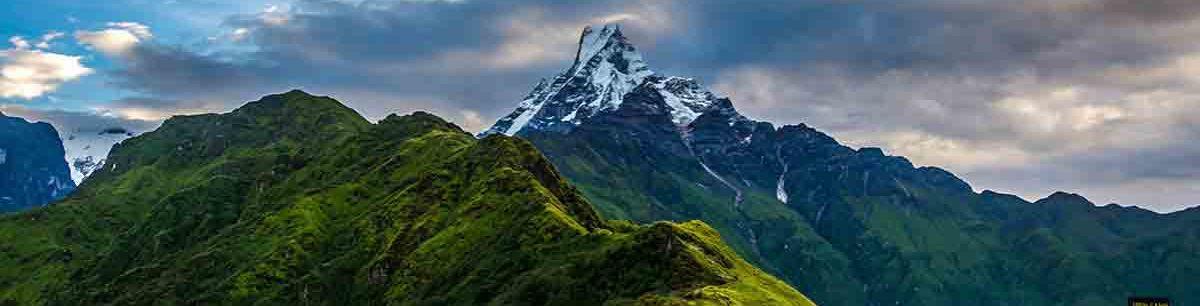

Reaching the summit of Island Peak is a dream for many trekkers and aspiring climbers visiting Nepal. Standing at 6,189 meters (20,305 feet), Island Peak — also known as Imja Tse — is considered one of the best beginner-friendly Himalayan climbing peaks. However, many people underestimate the physical challenge and assume it is simply a difficult trek. In reality, Island Peak combines high-altitude trekking, glacier travel, and basic mountaineering skills into one demanding adventure.
So, how fit do you really need to be for the Island Peak summit?
The short answer is this: you do not need to be a professional athlete or elite mountaineer, but you must have strong endurance, decent strength, good cardiovascular fitness, and mental resilience. The climb is more about stamina and consistency than raw power.
This detailed guide explains the exact fitness level required, how difficult the climb feels, what kind of training helps most, and how you can realistically prepare yourself for a successful summit.
Understanding the Physical Demands of Island Peak
Island Peak is often described as a “trekking peak,” but that phrase can be misleading. While it is less technical than larger Himalayan expeditions, it still involves real climbing challenges.
During the expedition, climbers usually spend:
- 10–14 days trekking and acclimatizing
- 5–7 hours walking daily
- One summit push lasting 10–14 hours
- Time climbing on snow, ice, and fixed ropes
The combination of altitude, cold temperatures, fatigue, and technical sections makes Island Peak physically demanding.
Most climbers struggle more with:
- Thin oxygen levels
- Long summit day exhaustion
- Steep icy headwall sections
- Consecutive trekking days
- Recovery at altitude
The climb tests endurance far more than explosive strength.
Is Island Peak Suitable for Beginners?
Yes, Island Peak can be suitable for beginners with proper preparation.
Many first-time Himalayan climbers successfully summit Island Peak every year. Guides usually provide training for:
- Crampon use
- Ice axe techniques
- Fixed rope climbing
- Harness and ascender systems
However, beginners still need good fitness and a willingness to learn mountaineering basics.
If you can comfortably:
- Hike 6–8 hours per day
- Handle steep uphill walking
- Carry a daypack
- Stay mentally positive when tired
- Recover well overnight
then you already have a strong foundation for Island Peak.
The Most Important Fitness Requirement: Cardiovascular Endurance
Cardiovascular endurance is the single most important factor for Island Peak success.
At high altitude, your body receives much less oxygen. Even simple movements become exhausting above 5,000 meters. Climbers often feel surprised by how difficult basic walking becomes near the summit.
Your body needs efficient lungs and heart performance to cope with:
- Long trekking days
- Continuous uphill movement
- Cold conditions
- Reduced oxygen
- Summit day fatigue
What Level of Cardio Fitness Is Ideal?
A good benchmark is being able to:
- Hike uphill for 6–8 hours with breaks
- Carry a 10–15 kg backpack comfortably
- Recover reasonably well the next day
- Maintain a steady pace without gasping for air
You do not need marathon-level speed. Slow and steady endurance matters much more.
Best Cardio Exercises for Island Peak
The most effective cardio training includes:
- Hiking
- Stair climbing
- Trail running
- Cycling
- Swimming
- Incline treadmill walking
Hill training is especially valuable because it simulates Himalayan trekking conditions.
Many guides recommend at least 12–16 weeks of cardio preparation before the climb.
Strength Matters — But in the Right Areas
Island Peak does not require bodybuilder-level muscle.
Instead, climbers benefit most from:
- Strong legs
- Stable core
- Functional endurance
- Good balance
Key Muscle Groups Needed
Legs
Your legs do most of the work during the expedition.
Important exercises include:
- Squats
- Lunges
- Step-ups
- Stair climbing
- Weighted walking
These exercises mimic uphill trekking movement.
Core Strength
A strong core improves:
- Stability on uneven terrain
- Backpack carrying comfort
- Rope climbing balance
- Overall endurance
Helpful exercises:
- Planks
- Russian twists
- Mountain climbers
- Leg raises
Upper Body
Upper-body strength becomes useful during:
- Rope ascents
- Ice axe use
- Ladder crossings
- Pulling on fixed lines
Push-ups, pull-ups, rows, and resistance-band training help build adequate strength.
How Difficult Is the Summit Day?
Summit day is the hardest part of Island Peak.
Most climbers begin around midnight or 1 AM and continue climbing for 10–14 hours before returning to camp.
The challenges include:
- Cold temperatures
- Darkness
- Thin oxygen
- Steep snow slopes
- Glacier crossings
- Fatigue accumulation
The famous headwall near the summit can feel intimidating. This steep snow and ice section often reaches angles of 40–60 degrees and requires fixed rope climbing.
Even very fit trekkers sometimes turn back because the altitude amplifies exhaustion.
Altitude Is the Real Challenge
Many people assume fitness alone guarantees success. Unfortunately, altitude changes everything.
Above 5,000 meters:
- Oxygen drops dramatically
- Recovery slows down
- Appetite decreases
- Sleep becomes difficult
- Simple tasks feel exhausting
Even extremely fit athletes can suffer from altitude sickness.
That is why acclimatization is critical during Island Peak expeditions.
Signs Altitude Is Affecting You
Watch for:
- Persistent headaches
- Nausea
- Dizziness
- Extreme fatigue
- Loss of coordination
- Confusion
Good guides monitor climbers closely throughout the expedition.
How to Know If You Are Fit Enough
You are likely ready for Island Peak if you can comfortably do the following:
Physical Benchmarks
- Hike 15–20 km in a day
- Climb stairs continuously for 1–2 hours
- Carry a loaded backpack uphill
- Complete back-to-back hiking days
- Recover well overnight
Endurance Benchmarks
- Jog or cycle for 45–60 minutes comfortably
- Maintain a steady pace for long periods
- Handle multi-hour physical activity without major exhaustion
Mental Benchmarks
- Stay calm under pressure
- Continue moving when tired
- Maintain motivation in uncomfortable conditions
- Handle cold weather positively
Mental stamina is often as important as physical conditioning.
A Realistic 12-Week Training Plan
Weeks 1–4: Build the Base
Focus on:
- Light cardio 4–5 times weekly
- Basic leg strength exercises
- Core workouts
- Flexibility and mobility
Goal:
Develop consistency.
Weeks 5–8: Increase Endurance
Add:
- Longer hikes
- Stair climbing sessions
- Weighted backpack training
- Higher-intensity cardio
Goal:
Improve sustained endurance.
Weeks 9–12: Simulate Expedition Conditions
Practice:
- Long uphill hikes
- Consecutive training days
- Carrying trekking loads
- Hiking in cold weather if possible
Goal:
Prepare your body for summit-day fatigue.
Should You Train With a Backpack?
Absolutely.
One of the best ways to prepare is hiking with weight.
Start light and gradually increase to:
- 8–15 kg
This helps your:
- Shoulders
- Core
- Lower back
- Leg endurance
Weighted stair climbing is especially effective if you do not have access to mountains.
Technical Skills vs Fitness
Many climbers worry more about technical climbing than physical fitness.
In reality, Island Peak’s technical sections are manageable for most beginners after proper instruction. Guides usually teach:
- Rope techniques
- Crampon walking
- Ice axe handling
- Ladder crossing methods
The bigger issue is performing those tasks while exhausted and at high altitude.
That is why endurance training matters so much.
Common Mistakes People Make
Underestimating Altitude
Being fit at sea level does not guarantee altitude performance.
Ignoring Recovery
Rest days are essential during training and acclimatization.
Only Doing Gym Training
Treadmills and weights help, but hiking practice is far more valuable.
Starting Training Too Late
Trying to prepare in 2–3 weeks rarely works well.
Neglecting Mental Preparation
Summit day is mentally exhausting.
Does Age Matter?
Age matters less than preparation.
Many climbers in their 40s, 50s, and even 60s successfully summit Island Peak each year. What matters most is:
- Consistent training
- Healthy recovery
- Cardiovascular fitness
- Determination
A well-trained older climber often performs better than a younger but unprepared climber.
What Fitness Level Is NOT Enough?
You may struggle significantly if:
- You rarely exercise
- You cannot hike several hours continuously
- You become exhausted after small uphill climbs
- You have never carried a backpack
- You avoid endurance activities
Island Peak is not impossible, but it rewards preparation.
Best Training Activities for Island Peak
Here are the most effective activities ranked by usefulness:
| Activity | Benefit |
| Hiking with elevation | Best overall preparation |
| Stair climbing | Builds uphill endurance |
| Trail running | Improves cardio efficiency |
| Cycling | Excellent endurance training |
| Swimming | Great low-impact cardio |
| Strength circuits | Functional conditioning |
| Backpack walking | Trek-specific conditioning |
Nutrition and Recovery Before the Climb
Fitness training only works properly when combined with recovery.
Focus on:
- Protein intake
- Hydration
- Sleep quality
- Electrolytes
- Balanced carbohydrates
Overtraining before the expedition can actually reduce performance.
Mental Fitness for Island Peak
Mental toughness plays a huge role during summit day.
You may face:
- Strong winds
- Freezing temperatures
- Fatigue
- Fear of exposure
- Sleep deprivation
Successful climbers usually maintain:
- Patience
- Positive thinking
- Calm decision-making
- Steady pacing
One of the biggest mistakes is rushing too fast at altitude. Slow, consistent movement is the key to summit success.
Can You Climb Island Peak Without Previous Trekking Experience?
It is possible, but previous trekking experience helps enormously.
If you have already completed:
- Everest Base Camp Trek
- Annapurna Circuit
- Kilimanjaro
- Multi-day alpine hikes
you will likely adapt more easily.
However, motivated beginners with strong training and proper guidance still succeed regularly.
Final Thoughts
So, how fit do you need to be for the Island Peak summit?
You need to be:
- Strong enough for long uphill days
- Fit enough for sustained endurance
- Mentally prepared for discomfort
- Disciplined enough to train consistently
You do not need elite athletic ability, but you do need serious preparation.
Island Peak is often described as the perfect bridge between trekking and mountaineering because it challenges both your body and mind. With structured training, proper acclimatization, and realistic expectations, many trekkers successfully stand on the summit each year.
The mountain rewards persistence far more than speed or brute strength.
If you can hike steadily for hours, carry weight comfortably, stay calm under pressure, and keep moving when tired, you already have the foundation needed to climb Island Peak successfully.