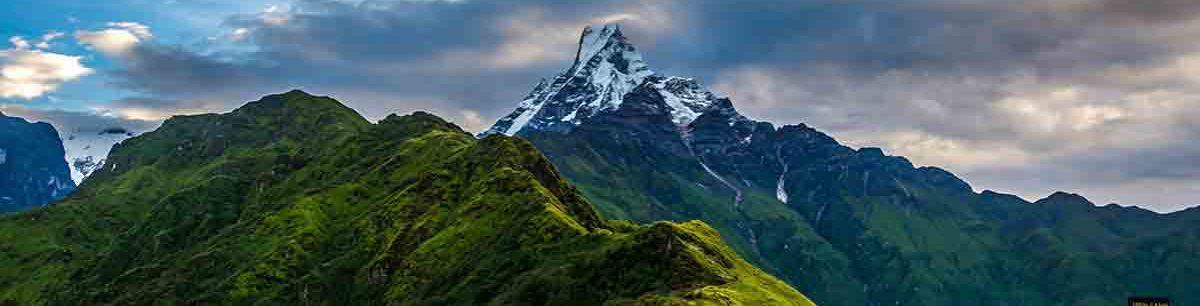
Island Peak Climbing 2027: A Complete Guide for First-Time Climbers

Standing at 6,189 meters above sea level, Island Peak is one of Nepal’s most popular trekking peaks and an exciting introduction to Himalayan mountaineering. Located in the Everest region, this impressive mountain offers a chance to experience glacier travel, rope techniques, steep snow and ice slopes, and the satisfaction of reaching a Himalayan summit.

For trekkers who have already explored the Everest region or completed a high-altitude trek, Island Peak Climbing 2027 can be a natural next challenge. However, it is not simply another trekking day. The final section involves technical climbing, demanding physical effort, and exposure to high-altitude conditions.

The good news is that you do not need to be an experienced mountaineer to attempt Island Peak. With proper preparation, suitable acclimatization, guidance from qualified climbing professionals, and a realistic understanding of the challenges, fit and well-prepared first-time climbers can take on this adventure.

This guide covers everything you should know before planning Island Peak Climbing in Nepal in 2027, including the route, difficulty, best seasons, itinerary, permits, costs, equipment, training, and practical advice for your first Himalayan summit.

Where Is Island Peak Located?

Island Peak, locally known as Imja Tse, is located in the Khumbu region of northeastern Nepal, within the Everest mountain range. It rises to 6,189 meters and is surrounded by some of the most recognizable Himalayan peaks, including Lhotse, Nuptse, Ama Dablam, and Makalu.

The mountain received the name Island Peak because it appears like an island rising above a sea of ice when viewed from the surrounding valleys. Its location near the Imja Glacier and the village of Chhukung makes it a popular objective for trekkers who want to move beyond conventional trekking.

The usual approach follows the Everest Base Camp trekking route through Namche Bazaar and Dingboche before heading toward Chhukung. From there, climbers continue to Island Peak Base Camp and prepare for the summit attempt.

One of the biggest attractions of the climb is its setting. You get to experience the culture of Sherpa communities, walk through beautiful alpine landscapes, and spend time in the heart of the Himalayas before attempting the summit.

Is Island Peak a Good First Himalayan Summit?

Island Peak is often recommended as a first Himalayan climbing objective, but that does not mean it is an easy mountain. It is better described as an introductory mountaineering peak for people who are physically fit, comfortable at altitude, and willing to learn basic climbing techniques.

The trekking approach is non-technical, but the summit section requires the use of mountaineering equipment. Depending on snow and ice conditions, climbers may need crampons, an ice axe, a harness, and fixed-rope techniques to negotiate steep sections.

For first-time climbers, the main advantage is the opportunity to develop practical mountaineering skills under professional guidance. You can learn how to move on snow and ice, use climbing equipment, and follow rope systems in a high-altitude environment.

Island Peak may be suitable if you:

  • Have previous experience with multi-day trekking.
  • Are physically fit and comfortable walking for several hours each day.
  • Have prepared for high-altitude conditions.
  • Are willing to learn basic climbing techniques.
  • Can follow instructions from your climbing guide.
  • Understand that summit success depends on weather, health, and mountain conditions.

If you have never trekked at altitude, consider completing a high-altitude trek before attempting Island Peak. Experience on routes such as Everest Base Camp or the Annapurna region can help you understand how your body responds to prolonged walking and reduced oxygen levels.

How Difficult Is Island Peak Climbing?

Island Peak is generally considered a moderately technical trekking peak. Its difficulty comes from a combination of altitude, physical endurance, glacier travel, and the technical nature of the final ascent.

The lower trekking sections are manageable for many fit hikers. However, conditions become more demanding as you approach Base Camp and climb toward the summit.

Altitude: At 6,189 meters, oxygen availability is significantly lower than at sea level. Even strong athletes may experience fatigue, headaches, reduced appetite, or shortness of breath.

Glacier travel: Climbers cross glaciated terrain where crevasses and changing snow conditions require caution. Roped travel may be necessary depending on the route and conditions.

Steep climbing sections: The upper mountain includes steep snow and ice terrain. Fixed ropes are commonly used on the more technical sections, and climbers need to know how to use their climbing equipment correctly.

Summit day: The summit attempt is physically demanding. It often begins before sunrise and can involve several hours of climbing in cold, windy conditions.

Weather: Conditions can change quickly in the Everest region. Wind, snowfall, poor visibility, and extreme cold can affect the climbing schedule.

For a first-time climber, the most important lesson is not to underestimate the mountain. A trekking background and good physical condition are valuable, but neither replaces proper technical preparation and acclimatization.

Best Time for Island Peak Climbing in 2027

The best seasons for Island Peak Climbing are generally spring and autumn. These periods offer more favorable conditions for trekking and mountaineering in the Everest region, although weather can never be guaranteed.

Spring (April–May)

Spring is one of the most popular periods for climbing Island Peak. Temperatures generally become more manageable, daylight hours increase, and the Everest region begins to welcome climbers and trekkers. Snow and ice conditions still need to be assessed carefully.

Autumn (September–November)

Autumn is another excellent season, especially after the monsoon rains. The skies are often clearer, mountain views are impressive, and trekking conditions are generally favorable. October is particularly popular, so flights and accommodation should be arranged early.

Winter climbing is possible for experienced and properly equipped teams, but extreme cold, wind, and snow can make the expedition considerably more challenging. The monsoon season is generally less suitable because of rain, cloud cover, and possible travel disruption.

For most first-time climbers planning Island Peak in 2027, spring or autumn is the more practical choice.

Island Peak Climbing Route: What to Expect

The standard Island Peak climbing route begins in Kathmandu and follows the classic Everest region trekking trail. Along the way, you pass through traditional Sherpa villages, Buddhist monasteries, suspension bridges, and spectacular mountain scenery.

The route generally follows these stages:

Kathmandu to Lukla: The adventure usually begins with a flight from Kathmandu or another designated airport to Lukla, depending on flight operations. Lukla is the main gateway to the Everest region.

Lukla to Namche Bazaar: From Lukla, the trail follows the Dudh Koshi River through Phakding and several suspension bridges before reaching Namche Bazaar. Namche is an important acclimatization stop and a good place to rest, explore, and prepare for higher elevations.

Namche to Tengboche and Dingboche: The trail continues through beautiful mountain settlements toward Tengboche, home to a well-known Buddhist monastery. From there, the route climbs toward Dingboche, where trekkers usually spend an additional day acclimatizing.

Dingboche to Chhukung: Chhukung is the final major settlement before Island Peak Base Camp. It offers impressive views of the surrounding mountains and provides an opportunity to prepare climbing equipment and review the summit plan.

Chhukung to Island Peak Base Camp: The trail leaves the main trekking route and enters a more rugged alpine landscape. Base Camp is generally established around 5,100 meters, although the precise camp location can vary with conditions.

Base Camp and summit attempt: After rest, equipment checks, and technical preparation, the climbing team makes its summit attempt. Depending on the expedition plan, the team may use a higher camp before climbing to the summit.

The final route typically involves rocky ground, glacier travel, steep snow and ice, fixed ropes, and an exposed summit ridge. The exact climbing line and equipment requirements depend on current mountain conditions.

Island Peak Climbing Itinerary for 2027

A well-planned itinerary is especially important for first-time climbers. Rushing the approach can increase the risk of altitude-related problems and reduce the time available for technical preparation.

A typical Island Peak expedition takes approximately 17–20 days, depending on the itinerary, acclimatization schedule, weather, and flight arrangements.

DayRouteOvernight
1Arrival in Kathmandu and expedition briefingKathmandu
2Preparation, equipment check, and permit arrangementsKathmandu
3Fly to Lukla and trek to PhakdingPhakding
4Trek to Namche BazaarNamche
5Acclimatization day in Namche BazaarNamche
6Trek to Tengboche or DebocheTengboche/Deboche
7Trek to DingbocheDingboche
8Acclimatization day in DingbocheDingboche
9Trek to ChhukungChhukung
10Acclimatization, climbing practice, and preparationChhukung
11Trek to Island Peak Base CampBase Camp
12Rest, technical training, and route preparationBase Camp
13Move to High Camp, if included in the climbing planHigh Camp
14Summit attempt and descentBase Camp or Chhukung
15Contingency day or recoveryChhukung
16Trek to Pangboche or DingbocheLodge
17Trek to Namche BazaarNamche
18Trek to LuklaLukla
19Fly back to KathmanduKathmandu
20Departure or additional contingency day—

This is an indicative itinerary, not a fixed schedule. Some expeditions attempt the summit directly from Base Camp, while others establish High Camp to shorten the summit-day approach. Your climbing team should choose the arrangement based on weather, route conditions, acclimatization, and the group’s abilities.

It is also sensible to keep a contingency day in the schedule. Flights to and from Lukla can be delayed by weather, and the summit attempt may need to move if conditions are unsuitable.

Permits Required for Island Peak Climbing

Climbing Island Peak requires more than an ordinary trekking permit. Climbers need the appropriate peak-climbing authorization, along with the entry permits required for the Everest region.

The main permits and fees to plan for include:

  • Island Peak climbing permit: The Nepal Mountaineering Association (NMA) issues the climbing authorization for Imja Tse. The published royalty schedule for foreign climbers lists a spring fee of US$350 and an autumn fee of US$175.

Nepal Travel Packages+1

  • Sagarmatha National Park entry permit: Required for entering the national park.
  • Khumbu Pasang Lhamu Rural Municipality entry fee: Required for visitors entering the Khumbu area.

Permit rates and administrative requirements can change. The Nepal Tourism Board and NMA should be checked before departure, and your trekking or climbing operator should confirm the applicable 2027 fees and arrange the necessary documentation.

Trekking Agencies’ Association of Nepal+1

For foreign climbers, the peak permit is normally arranged through an authorized climbing agency. Do not assume that a standard Everest trekking permit gives you permission to climb Island Peak.

How Much Does Island Peak Climbing Cost in 2027?

The cost of Island Peak Climbing in 2027 depends on the length of the trip, group size, services included, equipment arrangements, and the level of support provided by the expedition operator.

A broad planning estimate for a guided expedition is approximately US$2,000–4,000 or more per person. This is an indicative budget, not a confirmed 2027 market price. Packages with more extensive support, private arrangements, additional acclimatization days, or upgraded services may cost more.

Common expenses include:

  • Island Peak climbing permit and required entry fees.
  • Domestic flights and airport transfers.
  • Accommodation in Kathmandu and teahouses during the trek.
  • Meals and drinking water during the expedition.
  • Licensed climbing guides and support staff.
  • Porters and luggage transportation.
  • Tents and group equipment at Base Camp.
  • Personal climbing equipment and rental charges.
  • Travel insurance covering high-altitude mountaineering.
  • Tips, personal expenses, and emergency costs.

Before choosing a package, check exactly what is included. A low advertised price may exclude climbing equipment, meals, airport transfers, staff insurance, or other important services.

It is also wise to budget for an additional night or two in Kathmandu in case of flight delays and to keep emergency funds available.

Physical Training and Preparation for First-Time Climbers

Good physical preparation makes a significant difference on Island Peak. You do not need to be an elite athlete, but you should be comfortable with long days of walking, steep uphill trails, and carrying a daypack.

Ideally, begin preparing at least three to six months before your expedition.

Cardiovascular training: Hiking, running, cycling, swimming, and stair climbing can improve endurance. Aim to build up gradually rather than increasing training intensity too quickly.

Strength training: Focus on your legs, core, hips, and back. Squats, lunges, step-ups, planks, and controlled resistance exercises can help prepare your body for uneven terrain and long descents.

Hill walking: Regular hikes with a gradually heavier backpack are among the most useful forms of preparation. Practice walking uphill and downhill for several hours while wearing the boots you plan to use.

Technical training: Learn the basics of using crampons, an ice axe, a climbing harness, an ascender, and a descender. Your expedition should include practical instruction, but arriving with some familiarity will make the training easier.

Mental preparation: High-altitude climbing can be uncomfortable. Cold temperatures, tiredness, slow progress, and uncertain weather require patience. Being prepared to turn around when conditions are unsafe is part of responsible mountaineering.

Fitness helps you manage physical effort, but it does not prevent altitude sickness. Allowing enough time to acclimatize is just as important as training.

Essential Equipment for Island Peak Climbing

Having the right equipment is essential for comfort and safety. Some personal trekking items can be used throughout the approach, while specialized mountaineering equipment is required for the summit.

Equipment categoryEssential items
ClothingThermal base layers, fleece, insulated jacket, waterproof shell, trekking trousers
FootwearTrekking boots, suitable mountaineering boots, warm socks, gaiters
Climbing equipmentClimbing harness, helmet, crampons, ice axe, ascender, descender, locking carabiners
Hand and head protectionInsulated gloves, liner gloves, warm hat, balaclava, sunglasses, goggles
Sleeping equipmentSuitable sleeping bag and sleeping mat where required
Personal itemsHeadlamp with spare batteries, water bottles, sunscreen, personal medication, toiletries
DaypackComfortable backpack with rain protection and space for essentials

Some operators provide group equipment and selected climbing gear, while others expect climbers to bring or rent their own. Confirm the equipment list before travelling to Nepal.

Your climbing boots deserve particular attention. They must be compatible with the crampons being used and comfortable enough for extended wear in cold conditions. Test them before the expedition rather than relying on brand-new footwear at Base Camp.

Altitude Sickness and Safety on Island Peak

Altitude is one of the biggest challenges of Island Peak Climbing. As you gain elevation, the amount of oxygen available with each breath decreases, making physical activity increasingly difficult.

Acute Mountain Sickness (AMS) can affect anyone, regardless of age or fitness. Common symptoms include:

  • Headache.
  • Nausea or loss of appetite.
  • Dizziness.
  • Unusual tiredness.
  • Difficulty sleeping.
  • Shortness of breath during activity.

More serious altitude illnesses include High Altitude Pulmonary Edema (HAPE) and High Altitude Cerebral Edema (HACE). These are medical emergencies that require immediate attention and descent.

A few important precautions can reduce the risks:

Follow a gradual acclimatization schedule. Do not rush from lower elevations to Base Camp. Follow your guide’s recommendations and allow your body time to adjust.

Stay hydrated and eat regularly. Appetite often decreases at altitude, but your body still needs enough food and fluids to maintain energy.

Communicate symptoms early. Never hide a headache, nausea, unusual fatigue, or other symptoms because you want to reach the summit.

Understand the importance of descent. If symptoms worsen, descending is often the most important treatment. Severe symptoms should never be ignored or treated as ordinary climbing fatigue.

Check your insurance. Your travel insurance should specifically cover mountaineering at the intended altitude and emergency helicopter evacuation. Read the exclusions carefully, because ordinary trekking insurance may not cover a 6,000-meter climbing expedition.

A responsible climbing team should have an emergency plan, suitable communication equipment, trained guides, and a clear understanding of when to stop the ascent.

Accommodation, Food, and Transportation

Island Peak Climbing combines teahouse trekking with a camping-based climbing section.

During the approach, you generally stay in teahouses or mountain lodges. These provide basic rooms, meals, and communal dining areas. Facilities become simpler as you travel farther into the mountains, and hot showers, electricity, and internet access may come at an additional cost.

At Island Peak Base Camp, accommodation is normally arranged in expedition tents. Depending on the itinerary, the climbing team may also establish High Camp.

Meals during the trekking section commonly include traditional Nepali dishes, rice, lentils, noodles, soups, potatoes, eggs, and other simple options. At higher elevations, food choices become more limited, so it is useful to carry a few preferred snacks.

Transportation generally includes:

  • International arrival and departure arrangements in Kathmandu.
  • Road transfers between the airport, hotel, and other designated locations.
  • Domestic flights to and from Lukla, subject to operational arrangements.
  • Porters or other support for transporting expedition equipment.

Lukla flights are weather-dependent. During busy trekking seasons, some flights may operate from Ramechhap rather than Kathmandu, requiring an additional road transfer. Build flexibility into your international flight schedule instead of planning a tight connection immediately after your return from the mountains.

Why Choose Island Peak for Your First Mountaineering Experience?

There are many trekking peaks in Nepal, but Island Peak remains a popular choice for people who want to experience technical Himalayan climbing without immediately committing to a much higher expedition.

Its location in the Everest region is a major attraction. The approach takes you through some of Nepal’s most famous mountain landscapes, and the climb provides an opportunity to develop practical mountaineering skills.

Island Peak can also help climbers understand what a more demanding expedition involves. You learn how your body responds to altitude, how to manage equipment, how to move on snow and ice, and how to work as part of a climbing team.

However, it should not be treated as an automatic stepping stone to an 8,000-meter mountain. Larger expeditions require substantially more experience, preparation, and technical ability. Your performance on Island Peak can help you assess your readiness for future objectives, but it does not guarantee success on a higher mountain.

Practical Tips for Island Peak Climbing in 2027

If you are planning to climb Island Peak in 2027, a little preparation before arriving in Nepal can make the experience considerably smoother.

  1. Book early: Spring and autumn are popular climbing seasons. Arrange your expedition, international flights, and accommodation well in advance.
  2. Choose an experienced climbing operator: Check the qualifications and experience of the climbing guides, staff arrangements, safety procedures, and equipment standards.
  3. Allow enough acclimatization time: Avoid itineraries that rush through the Everest region simply to reduce the number of days.
  4. Train in your climbing boots: Test your footwear and clothing on long hikes before the expedition.
  5. Learn basic rope skills: Familiarity with crampons, harnesses, ascenders, and descenders will make technical training easier.
  6. Keep a spare day: Weather and Lukla flight delays can affect the schedule. A contingency day provides useful flexibility.
  7. Prepare financially: Keep some additional money for personal expenses, unexpected accommodation, and possible itinerary changes.
  8. Be realistic about the summit: Reaching the top is a goal, but returning safely is the priority.

FAQ About Island Peak Climbing 2027

How high is Island Peak in Nepal?

Island Peak, also known as Imja Tse, is commonly referred to as 6,189 meters (20,305 feet) above sea level. Some official and published listings use slightly different elevations, so you may encounter figures such as 6,160 or 6,165 meters in climbing documents.

Can beginners climb Island Peak?

Yes, fit and well-prepared beginners can attempt Island Peak with appropriate acclimatization, technical training, and qualified climbing support. Previous high-altitude trekking experience is strongly recommended. It is not a suitable first mountain experience for someone who is unprepared for strenuous trekking and technical climbing.

How many days are required for Island Peak Climbing?

Most itineraries take approximately 17–20 days from arrival in Kathmandu to departure. The exact duration depends on acclimatization, the climbing schedule, contingency days, and transportation arrangements.

What is the best month to climb Island Peak in 2027?

April and May are popular spring months, while September, October, and November are the main autumn climbing months. October is particularly popular because of generally favorable trekking conditions and mountain visibility, although actual conditions vary.

Do I need previous mountaineering experience?

Previous technical mountaineering experience is helpful but not always essential. First-time climbers should be physically fit, comfortable with high-altitude trekking, and willing to learn climbing skills under professional supervision.

How much does Island Peak Climbing cost in 2027?

A general planning estimate for a guided expedition is around US$2,000–4,000 or more per person. The final cost depends on group size, permits, accommodation, transportation, climbing support, equipment, and package inclusions.

Is Island Peak harder than Everest Base Camp Trek?

Yes, Island Peak is generally more challenging because it combines the physical demands of high-altitude trekking with glacier travel, technical climbing, and a demanding summit day. Everest Base Camp is a trekking destination and does not require the same technical climbing skills.

Do I need a climbing permit for Island Peak?

Yes. Climbers need an Island Peak climbing permit issued through the appropriate authority, as well as the required entry permits for the Everest region. Permit arrangements should be confirmed before departure.

Conclusion: Is Island Peak Climbing in 2027 Right for You?

Island Peak Climbing 2027 offers an exciting opportunity to move beyond ordinary trekking and experience the challenges of Himalayan mountaineering. From the traditional Sherpa villages of the Khumbu to the glacier slopes and exposed summit ridge, the journey combines cultural discovery, physical endurance, and technical learning.

For first-time climbers, it can be a rewarding introduction to high-altitude mountaineering. However, the mountain deserves respect. Physical fitness, gradual acclimatization, suitable equipment, professional guidance, and sensible decision-making all play an important role in a successful expedition.

If you are considering your first Himalayan summit in 2027, begin preparing early, choose an itinerary that allows enough time for acclimatization, and approach the climb with realistic expectations. The summit is an unforgettable goal, but the most important achievement is completing the journey safely.

Quick Inquiry Form

Ama Dablam Expedition 2027: Cost, Difficulty & Climbing Guide

Standing at 6,812 metres in Nepal’s Khumbu region, Ama Dablam is one of the most beautiful and recognisable mountains in the Himalayas. Its sharp ridges, dramatic rock faces and hanging glacier create a mountain profile that is difficult to mistake. For many mountaineers, climbing Ama Dablam is not simply about reaching another summit; it is about taking on one of the most rewarding technical climbing challenges in Nepal.

The Ama Dablam Expedition 2027 is an excellent objective for experienced climbers who want to test their technical abilities in a spectacular Himalayan setting. Unlike trekking peaks, where the main challenges are often altitude and endurance, Ama Dablam demands confidence on exposed rock, snow and ice. Climbers must be comfortable using fixed ropes, managing technical equipment and making careful decisions in changing mountain conditions.

Although the mountain is not among the highest in Nepal, its technical nature makes it a serious undertaking. Proper preparation, a realistic budget, a suitable climbing season and an experienced expedition team are essential.

If you are considering climbing Ama Dablam in 2027, this guide covers everything you should understand before beginning your preparations, including expedition costs, climbing difficulty, route details, itinerary, permits, equipment and safety considerations.

Ama Dablam at a Glance

Ama Dablam lies in the Everest region of northeastern Nepal, overlooking the beautiful Khumbu Valley. It is particularly impressive from the villages of Pangboche and Dingboche, where its distinctive summit rises above the surrounding landscape.

The mountain’s name is commonly translated as “Mother’s Necklace.” The long ridges extending from its summit resemble a mother’s protective arms, while the hanging glacier on its southwest face is often compared to a traditional pendant.

Here are the basic details of the expedition:

Expedition InformationDetails
MountainAma Dablam
Elevation6,812 metres
LocationKhumbu region, Nepal
Standard climbing routeSouthwest Ridge
Main climbing seasonsSpring and autumn
Approximate expedition duration25–30 days
Base Camp elevationApproximately 4,600 metres
High campsCamp 1, Camp 2 and Camp 3
Climbing styleTechnical rock, snow and ice
Overall difficultyVery demanding

Ama Dablam attracts climbers from around the world because it combines technical climbing with extraordinary Himalayan scenery. It is also a mountain that rewards experience and preparation. Reaching the summit requires much more than good physical fitness.

How Much Does the Ama Dablam Expedition Cost in 2027?

The cost of an Ama Dablam Expedition in 2027 depends on the services included in the package and the level of support provided throughout the climb.

As a general planning estimate, an organised expedition may cost between US$6,500 and US$20,000 or more per person. Budget-oriented logistics packages, fully supported group departures and private expeditions can have significantly different prices.

The cheapest option is not necessarily the best choice for a mountain like Ama Dablam. Climbers should pay particular attention to the quality of climbing support, high-altitude logistics, safety arrangements and the experience of the expedition team.

What determines the expedition cost?

Climbing permit and government fees

Every foreign climber attempting Ama Dablam must obtain the appropriate climbing permit through the authorised process in Nepal.

According to Nepal’s published mountaineering royalty schedule effective from September 2025, the Ama Dablam climbing royalty for foreign climbers is:

  • Spring season: US$1,000 per climber
  • Autumn season: US$1,000 per climber
  • Winter and summer: US$500 per climber

The published schedule also lists a US$2,000 garbage-management deposit for Ama Dablam. These figures should be reconfirmed with the Department of Tourism before booking a 2027 expedition, as regulations and charges may change.

Guide and Sherpa support

Experienced climbing guides and high-altitude Sherpas are essential to a well-organised Ama Dablam expedition. Their responsibilities may include route preparation, fixing and maintaining ropes, assisting climbers at higher camps and supporting summit attempts.

The cost varies according to the number of climbers, guide-to-climber ratio and level of individual Sherpa assistance.

Accommodation and meals

Most expedition packages include hotel accommodation in Kathmandu, teahouse accommodation during the approach trek and tented facilities at Base Camp.

A fully supported expedition may also provide kitchen staff, dining tents, sleeping tents and meals throughout the climbing period. Services above Base Camp should be checked carefully because they can make a considerable difference to the overall package price.

Transportation and domestic flights

The usual approach begins with a flight from Kathmandu or Ramechhap to Lukla, followed by a trek through the Khumbu Valley.

Flight costs, baggage arrangements, transportation to Ramechhap when required and additional nights caused by delays can affect the final budget.

Climbing equipment and expedition logistics

High-altitude climbing requires specialised equipment and considerable logistical preparation. Tents, ropes, cooking facilities, communication equipment, medical supplies and other group equipment all contribute to the expedition cost.

Other expenses to include in your budget

In addition to the package price, remember to budget for international flights, Nepal visa fees, personal climbing equipment, travel insurance, emergency evacuation coverage, tips, personal purchases and additional accommodation.

Before making a booking, ask the operator for a detailed list of included and excluded services. A transparent quotation makes it easier to compare packages and avoid unexpected expenses during the expedition.

How Difficult Is Climbing Ama Dablam?

Ama Dablam is widely regarded as one of Nepal’s more demanding technical mountains. Its difficulty comes from the combination of steep climbing, exposed ridges, mixed terrain and high-altitude conditions.

The standard Southwest Ridge route is not a straightforward walk to the summit. Climbers encounter sections of rock climbing, snow and ice slopes, fixed ropes and narrow ridgelines. Some sections require careful movement while attached to fixed lines, and climbers must know how to use their equipment correctly.

One of the most recognised challenges is the Yellow Tower, a steep rock feature along the route. Beyond it, the climbing continues over exposed terrain towards the Mushroom Ridge and the higher camps.

There are several reasons why Ama Dablam requires a high level of preparation.

Technical climbing: Climbers need experience moving on steep rock and mixed terrain. Basic trekking experience is not sufficient.

Exposure: Parts of the Southwest Ridge are narrow and exposed. Climbers must remain calm and focused, especially when tired or affected by altitude.

Altitude: At 6,812 metres, the summit presents a significant physiological challenge. Reduced oxygen levels can affect physical performance, coordination and decision-making.

Weather: Wind, snowfall and sudden changes in visibility can make climbing difficult. Summit plans must remain flexible.

Descent: The descent is just as important as the ascent. Climbers must negotiate technical terrain and fixed ropes while managing fatigue and limited energy reserves.

For these reasons, Ama Dablam is not an appropriate first technical Himalayan climb. Previous experience on high-altitude mountains, combined with practical rock, snow and ice climbing skills, is strongly recommended.

Best Time to Climb Ama Dablam in 2027

Spring and autumn are the two main climbing seasons for Ama Dablam. Both offer opportunities for successful summit attempts, although weather and route conditions can differ considerably.

Spring season: April to May

Spring is a popular period for mountaineering in Nepal. Temperatures generally become more favourable as the season progresses, and longer daylight hours can help with climbing schedules.

However, spring conditions are not always predictable. Snowfall, wind and changing temperatures can affect the route, particularly at higher elevations.

Climbers choosing a spring expedition should allow sufficient time for acclimatisation and remain flexible about their summit plans.

Autumn season: October to November

Autumn is traditionally one of the most popular periods for climbing Ama Dablam. The monsoon generally ends before the main climbing season, often bringing clearer skies and impressive mountain views.

October and early November are common choices for expeditions. Temperatures can become colder as the season progresses, and strong winds may affect the higher camps and summit ridge.

Which season is better?

Both seasons can provide good climbing opportunities. Rather than choosing a departure based only on the month, climbers should consider the experience of the expedition operator, expected weather patterns, route conditions and availability of support services.

A successful expedition depends on finding a suitable weather window, not simply following a fixed calendar.

Ama Dablam Climbing Route: The Southwest Ridge

The Southwest Ridge is the standard route used by most commercial and organised expeditions. It is famous for its technical features and spectacular views across the Khumbu Himalayas.

The climb begins at Ama Dablam Base Camp, situated at approximately 4,600 metres. From there, climbers establish a series of higher camps before making their summit attempt.

Ama Dablam Base Camp – approximately 4,600 metres

Base Camp is the main centre of expedition activity. It is where climbers organise their equipment, eat meals, rest and prepare for rotations to the higher camps.

The approach trek through the Khumbu Valley also provides an opportunity to begin acclimatising to the altitude. Once at Base Camp, climbers usually spend additional time adjusting to the environment before moving higher.

Camp 1 – approximately 5,700–5,800 metres

The route from Base Camp to Camp 1 involves rocky slopes and increasingly exposed terrain. The climbing becomes more demanding as the ridge narrows.

Camp 1 is established on rocky platforms along the Southwest Ridge. Climbers need to be comfortable with fixed-rope techniques and careful movement on exposed ground.

Camp 2 – approximately 5,900–6,000 metres

The section between Camp 1 and Camp 2 includes the famous Yellow Tower. This is one of the route’s most technically challenging features, requiring careful climbing and efficient rope management.

Camp 2 occupies an exposed position on the ridge. Space is limited, and climbers must follow their guide’s instructions when moving around the camp.

Camp 3 – approximately 6,300 metres

Above Camp 2, the route continues towards the Mushroom Ridge and Camp 3. The terrain includes exposed rock and snow sections, and conditions can become particularly demanding at this altitude.

Camp 3 is situated beneath the hanging glacier known as the Dablam. The presence of overhead ice makes careful route assessment and timing essential.

Summit – 6,812 metres

The final section involves climbing steep snow and ice slopes towards the summit. Summit attempts commonly begin during the night or early morning, depending on weather conditions and the expedition team’s strategy.

From the top, climbers can enjoy extraordinary views of Everest, Lhotse, Makalu, Cho Oyu and other Himalayan peaks.

However, reaching the summit is only half the challenge. Climbers must descend the same technical route, so sufficient time, energy and concentration are essential.

Camp elevations are approximate and may vary with seasonal route conditions and expedition arrangements.

Ama Dablam Expedition 2027: Suggested 28-Day Itinerary

A typical Ama Dablam expedition takes approximately 25–30 days. The schedule includes the approach trek, acclimatisation, climbing rotations, summit opportunity and return journey.

The following is a sample 28-day itinerary. Actual climbing schedules may change depending on weather, route conditions and the health of expedition members.

DayItinerary
1Arrival in Kathmandu
2Expedition briefing and equipment inspection
3Fly to Lukla and trek to Phakding
4Trek to Namche Bazaar
5Acclimatisation day in Namche Bazaar
6Trek to Tengboche
7Trek to Pangboche
8Trek to Ama Dablam Base Camp
9Rest, equipment preparation and climbing orientation
10–12Initial acclimatisation and first climbing rotation
13–15Return to Base Camp and recovery
16–18Second rotation through the higher camps
19–21Rest, preparation and weather observation
22–24Summit window and descent to Base Camp
25Contingency or recovery day
26Trek towards a lower Khumbu settlement
27Trek to Lukla
28Fly to Kathmandu

This itinerary is a general planning outline, not a guaranteed summit schedule. A responsible expedition leader may adjust the climbing rotations or delay the summit attempt when conditions are unsuitable.

Physical Fitness and Technical Preparation

Preparing for Ama Dablam should begin several months before travelling to Nepal. Climbers need a combination of cardiovascular endurance, muscular strength, technical ability and mental resilience.

A good training programme should reflect the demands of several consecutive days of physical activity at altitude.

Build cardiovascular endurance

Regular hiking, running, cycling, stair climbing and uphill walking can improve aerobic fitness. Gradually increase the duration and difficulty of your workouts.

Long hikes carrying a loaded backpack are especially useful because they help prepare your body for the approach trek and the physical demands of climbing.

Improve strength and stability

Focus on strengthening your legs, core, back and shoulders. Squats, lunges, step-ups and controlled resistance exercises can improve stability and help you carry equipment more efficiently.

Practise technical climbing

Physical fitness cannot replace technical ability. Before attempting Ama Dablam, climbers should practise:

  • Using crampons on steep snow and ice.
  • Ascending fixed ropes with an ascender.
  • Descending and rappelling safely.
  • Using an ice axe.
  • Moving confidently on rock and mixed terrain.
  • Managing climbing harnesses, carabiners and rope systems.
  • Handling equipment while wearing thick gloves and mountaineering boots.

Training should take place under qualified supervision, ideally in conditions that resemble the climbing environment.

Gain relevant mountaineering experience

Previous climbs on Island Peak, Lobuche East or other alpine routes can help develop useful skills. However, completing a trekking peak does not automatically mean a climber is ready for Ama Dablam.

Climbers should have genuine experience with technical equipment, high-altitude movement and exposed climbing terrain. A suitable expedition operator may ask about previous climbs and assess whether an applicant has the necessary experience.

Essential Equipment for Ama Dablam

Having the right equipment is important for comfort, performance and safety. The exact equipment list depends on the climbing season, weather conditions and the services included in your expedition package.

Clothing

  • High-altitude down suit or suitable insulated clothing system.
  • Waterproof and windproof outer layers.
  • Thermal base layers.
  • Insulated gloves and mittens.
  • Warm mountaineering socks.
  • Balaclava and warm hat.

Technical climbing equipment

  • Mountaineering boots compatible with crampons.
  • Crampons.
  • Ice axe.
  • Climbing harness.
  • Helmet.
  • Ascender and descender.
  • Locking and non-locking carabiners.
  • Approved backup climbing equipment.
  • Headlamp with spare batteries.

Personal and camping equipment

  • Expedition sleeping bag suitable for expected temperatures.
  • Duffel bag and daypack.
  • Sunglasses and glacier goggles.
  • Sunscreen and lip protection.
  • Water bottles or insulated containers.
  • Personal first-aid supplies.
  • Toiletries and personal medication.

Before departure, request the complete equipment checklist from your operator. Some group equipment, such as tents, ropes, cooking facilities and communication systems, may be provided as part of the expedition package.

Permits and Documentation for Ama Dablam 2027

Ama Dablam is a regulated mountaineering destination, and climbers must obtain the appropriate climbing permit before attempting the mountain.

The Department of Tourism’s published mountaineering royalty schedule lists the foreign climber fee for Ama Dablam at US$1,000 in spring and autumn, and US$500 in winter and summer. The same schedule lists a US$2,000 garbage-management deposit.

These figures reflect the published provisions effective from September 2025. Climbers should confirm the applicable 2027 fees and regulations before making final arrangements.

Other documents and arrangements may include:

  • A valid passport and Nepal entry visa.
  • Climbing permit arranged through the authorised process.
  • Sagarmatha National Park entry permit.
  • Applicable local entry requirements.
  • Travel and high-altitude mountaineering insurance.
  • Emergency contact and medical information.
  • Other documentation required by the expedition operator.

Working with an established Nepal-based operator can make the permit process and logistical arrangements much easier.

Safety Challenges During the Ama Dablam Expedition

Ama Dablam is a beautiful mountain, but its technical nature should never be underestimated. Even experienced climbers can encounter dangerous conditions during an expedition.

Some of the main risks include:

Altitude sickness: Headaches, nausea, dizziness, unusual tiredness and breathing difficulties may indicate altitude-related illness. Symptoms should be reported immediately. Continuing higher while unwell can be extremely dangerous.

Rockfall and falling ice: The route includes exposed sections where falling rocks or ice can create serious hazards. Conditions should be assessed by experienced climbing leaders.

Falls on technical terrain: Steep rock, snow and ice demand careful movement and competent rope management. Poor technique or exhaustion can increase the risk of a fall.

Extreme cold and strong winds: Low temperatures and high winds can lead to frostbite, hypothermia and exhaustion. Appropriate clothing and careful timing are essential.

Changing weather: Weather conditions can deteriorate rapidly in the Himalayas. Climbers must be prepared to postpone or abandon a summit attempt when conditions are unsafe.

Difficult descent: Descending after a summit attempt can be particularly demanding because climbers are tired and may have limited energy reserves. Safe rope techniques and sufficient time are essential.

Before booking, ask your expedition operator about guide experience, Sherpa support, emergency communications, supplementary oxygen, medical supplies and evacuation arrangements. Your insurance must explicitly cover technical mountaineering at the required altitude and emergency helicopter evacuation.

No operator can guarantee a summit or remove all the risks associated with high-altitude climbing.

Why Choose an Experienced Nepal Expedition Operator?

Choosing the right operator can make a significant difference to your overall expedition experience. Ama Dablam requires detailed planning, technical knowledge and reliable support throughout the climbing period.

Before booking, look for an operator that provides:

  • Experienced climbing guides familiar with Ama Dablam.
  • Reliable high-altitude Sherpa support.
  • A sensible acclimatisation and climbing rotation schedule.
  • Clear information about package inclusions and exclusions.
  • Proper high-camp logistics and communication arrangements.
  • A realistic summit window with contingency days.
  • Appropriate emergency and evacuation planning.

At Alpha Adventure Treks and Expedition Pvt. Ltd., we understand that a successful Himalayan expedition begins long before reaching Base Camp. Our Nepal-based team can assist with expedition planning, local logistics, climbing arrangements and practical preparation for your Ama Dablam adventure.

Whether you are considering a group departure or a more personalised expedition, our team can help you understand the requirements and plan an itinerary around your experience and climbing goals.

Frequently Asked Questions About Ama Dablam Expedition 2027

1. How much does the Ama Dablam Expedition cost in 2027?

An organised expedition may cost approximately US$6,500–US$20,000 or more per person. The final price depends on the level of Sherpa support, guiding services, accommodation, meals, permits and climbing logistics.

2. Is Ama Dablam suitable for beginners?

No. Ama Dablam is a technical mountain and is not suitable for beginners. Previous mountaineering experience and confidence using climbing equipment on exposed terrain are strongly recommended.

3. How long does the Ama Dablam Expedition take?

Most organised expeditions take around 25–30 days, including the approach trek, acclimatisation, climbing rotations, summit attempt and return journey.

4. What is the best month to climb Ama Dablam?

October and November are popular autumn climbing months, while April and May are common spring choices. The actual summit window depends on weather and mountain conditions.

5. How many high camps are there on Ama Dablam?

The standard Southwest Ridge route generally uses three high camps above Base Camp: Camp 1, Camp 2 and Camp 3. Their exact positions and elevations may vary with route conditions.

6. Is Ama Dablam more difficult than Island Peak?

Yes. Ama Dablam is considerably more technically demanding than a standard Island Peak climb. Its steep rock sections, exposed ridges and complex fixed-rope terrain require a higher level of climbing experience.

7. Is supplementary oxygen used during the climb?

Expedition strategies vary. Some teams provide supplementary oxygen as part of their safety arrangements, while others use different climbing plans. Climbers should confirm the operator’s oxygen policy and emergency oxygen provisions before departure.

8. What insurance do I need for Ama Dablam?

You need specialist insurance that explicitly covers high-altitude mountaineering up to at least 6,812 metres, emergency helicopter evacuation and medical expenses. Standard trekking insurance may not cover this type of expedition.

9. Can I climb Ama Dablam without a guide?

Ama Dablam is a serious technical mountain that requires proper permits, technical competence and careful logistical planning. Climbing with an experienced professional team is strongly recommended.

Final Thoughts: Is Ama Dablam Worth Climbing in 2027?

For experienced mountaineers, Ama Dablam offers an exceptional combination of technical climbing, Himalayan scenery and personal achievement. Its dramatic ridges and challenging route make it one of Nepal’s most memorable climbing objectives.

However, it is not a mountain to approach casually. Physical fitness, technical experience, acclimatisation and a reliable expedition team all play important roles in a successful climb. Understanding the cost and preparing well in advance will also help you avoid unnecessary difficulties during the expedition.

If you are planning a major Himalayan climbing adventure in 2027, Ama Dablam deserves serious consideration.

Start planning your Ama Dablam Expedition 2027 with Alpha Adventure Treks and Expedition Pvt. Ltd. Contact our team to discuss departure dates, climbing arrangements, expedition services and a personalised cost estimate.

Quick Inquiry Form

How Fit Do I Need to Be for Island Peak Summit?

Reaching the summit of Island Peak is a dream for many trekkers and aspiring climbers visiting Nepal. Standing at 6,189 meters (20,305 feet), Island Peak — also known as Imja Tse — is considered one of the best beginner-friendly Himalayan climbing peaks. However, many people underestimate the physical challenge and assume it is simply a difficult trek. In reality, Island Peak combines high-altitude trekking, glacier travel, and basic mountaineering skills into one demanding adventure.

So, how fit do you really need to be for the Island Peak summit?

The short answer is this: you do not need to be a professional athlete or elite mountaineer, but you must have strong endurance, decent strength, good cardiovascular fitness, and mental resilience. The climb is more about stamina and consistency than raw power.

This detailed guide explains the exact fitness level required, how difficult the climb feels, what kind of training helps most, and how you can realistically prepare yourself for a successful summit.


Understanding the Physical Demands of Island Peak

Island Peak is often described as a “trekking peak,” but that phrase can be misleading. While it is less technical than larger Himalayan expeditions, it still involves real climbing challenges.

During the expedition, climbers usually spend:

  • 10–14 days trekking and acclimatizing
  • 5–7 hours walking daily
  • One summit push lasting 10–14 hours
  • Time climbing on snow, ice, and fixed ropes

The combination of altitude, cold temperatures, fatigue, and technical sections makes Island Peak physically demanding.

Most climbers struggle more with:

  • Thin oxygen levels
  • Long summit day exhaustion
  • Steep icy headwall sections
  • Consecutive trekking days
  • Recovery at altitude

The climb tests endurance far more than explosive strength.


Is Island Peak Suitable for Beginners?

Yes, Island Peak can be suitable for beginners with proper preparation.

Many first-time Himalayan climbers successfully summit Island Peak every year. Guides usually provide training for:

  • Crampon use
  • Ice axe techniques
  • Fixed rope climbing
  • Harness and ascender systems

However, beginners still need good fitness and a willingness to learn mountaineering basics.

If you can comfortably:

  • Hike 6–8 hours per day
  • Handle steep uphill walking
  • Carry a daypack
  • Stay mentally positive when tired
  • Recover well overnight

then you already have a strong foundation for Island Peak.


The Most Important Fitness Requirement: Cardiovascular Endurance

Cardiovascular endurance is the single most important factor for Island Peak success.

At high altitude, your body receives much less oxygen. Even simple movements become exhausting above 5,000 meters. Climbers often feel surprised by how difficult basic walking becomes near the summit.

Your body needs efficient lungs and heart performance to cope with:

  • Long trekking days
  • Continuous uphill movement
  • Cold conditions
  • Reduced oxygen
  • Summit day fatigue

What Level of Cardio Fitness Is Ideal?

A good benchmark is being able to:

  • Hike uphill for 6–8 hours with breaks
  • Carry a 10–15 kg backpack comfortably
  • Recover reasonably well the next day
  • Maintain a steady pace without gasping for air

You do not need marathon-level speed. Slow and steady endurance matters much more.

Best Cardio Exercises for Island Peak

The most effective cardio training includes:

  • Hiking
  • Stair climbing
  • Trail running
  • Cycling
  • Swimming
  • Incline treadmill walking

Hill training is especially valuable because it simulates Himalayan trekking conditions.

Many guides recommend at least 12–16 weeks of cardio preparation before the climb.


Strength Matters — But in the Right Areas

Island Peak does not require bodybuilder-level muscle.

Instead, climbers benefit most from:

  • Strong legs
  • Stable core
  • Functional endurance
  • Good balance

Key Muscle Groups Needed

Legs

Your legs do most of the work during the expedition.

Important exercises include:

  • Squats
  • Lunges
  • Step-ups
  • Stair climbing
  • Weighted walking

These exercises mimic uphill trekking movement.

Core Strength

A strong core improves:

  • Stability on uneven terrain
  • Backpack carrying comfort
  • Rope climbing balance
  • Overall endurance

Helpful exercises:

  • Planks
  • Russian twists
  • Mountain climbers
  • Leg raises

Upper Body

Upper-body strength becomes useful during:

  • Rope ascents
  • Ice axe use
  • Ladder crossings
  • Pulling on fixed lines

Push-ups, pull-ups, rows, and resistance-band training help build adequate strength.


How Difficult Is the Summit Day?

Summit day is the hardest part of Island Peak.

Most climbers begin around midnight or 1 AM and continue climbing for 10–14 hours before returning to camp.

The challenges include:

  • Cold temperatures
  • Darkness
  • Thin oxygen
  • Steep snow slopes
  • Glacier crossings
  • Fatigue accumulation

The famous headwall near the summit can feel intimidating. This steep snow and ice section often reaches angles of 40–60 degrees and requires fixed rope climbing.

Even very fit trekkers sometimes turn back because the altitude amplifies exhaustion.


Altitude Is the Real Challenge

Many people assume fitness alone guarantees success. Unfortunately, altitude changes everything.

Above 5,000 meters:

  • Oxygen drops dramatically
  • Recovery slows down
  • Appetite decreases
  • Sleep becomes difficult
  • Simple tasks feel exhausting

Even extremely fit athletes can suffer from altitude sickness.

That is why acclimatization is critical during Island Peak expeditions.

Signs Altitude Is Affecting You

Watch for:

  • Persistent headaches
  • Nausea
  • Dizziness
  • Extreme fatigue
  • Loss of coordination
  • Confusion

Good guides monitor climbers closely throughout the expedition.


How to Know If You Are Fit Enough

You are likely ready for Island Peak if you can comfortably do the following:

Physical Benchmarks

  • Hike 15–20 km in a day
  • Climb stairs continuously for 1–2 hours
  • Carry a loaded backpack uphill
  • Complete back-to-back hiking days
  • Recover well overnight

Endurance Benchmarks

  • Jog or cycle for 45–60 minutes comfortably
  • Maintain a steady pace for long periods
  • Handle multi-hour physical activity without major exhaustion

Mental Benchmarks

  • Stay calm under pressure
  • Continue moving when tired
  • Maintain motivation in uncomfortable conditions
  • Handle cold weather positively

Mental stamina is often as important as physical conditioning.


A Realistic 12-Week Training Plan

Weeks 1–4: Build the Base

Focus on:

  • Light cardio 4–5 times weekly
  • Basic leg strength exercises
  • Core workouts
  • Flexibility and mobility

Goal:
Develop consistency.

Weeks 5–8: Increase Endurance

Add:

  • Longer hikes
  • Stair climbing sessions
  • Weighted backpack training
  • Higher-intensity cardio

Goal:
Improve sustained endurance.

Weeks 9–12: Simulate Expedition Conditions

Practice:

  • Long uphill hikes
  • Consecutive training days
  • Carrying trekking loads
  • Hiking in cold weather if possible

Goal:
Prepare your body for summit-day fatigue.


Should You Train With a Backpack?

Absolutely.

One of the best ways to prepare is hiking with weight.

Start light and gradually increase to:

  • 8–15 kg

This helps your:

  • Shoulders
  • Core
  • Lower back
  • Leg endurance

Weighted stair climbing is especially effective if you do not have access to mountains.


Technical Skills vs Fitness

Many climbers worry more about technical climbing than physical fitness.

In reality, Island Peak’s technical sections are manageable for most beginners after proper instruction. Guides usually teach:

  • Rope techniques
  • Crampon walking
  • Ice axe handling
  • Ladder crossing methods

The bigger issue is performing those tasks while exhausted and at high altitude.

That is why endurance training matters so much.


Common Mistakes People Make

Underestimating Altitude

Being fit at sea level does not guarantee altitude performance.

Ignoring Recovery

Rest days are essential during training and acclimatization.

Only Doing Gym Training

Treadmills and weights help, but hiking practice is far more valuable.

Starting Training Too Late

Trying to prepare in 2–3 weeks rarely works well.

Neglecting Mental Preparation

Summit day is mentally exhausting.


Does Age Matter?

Age matters less than preparation.

Many climbers in their 40s, 50s, and even 60s successfully summit Island Peak each year. What matters most is:

  • Consistent training
  • Healthy recovery
  • Cardiovascular fitness
  • Determination

A well-trained older climber often performs better than a younger but unprepared climber.


What Fitness Level Is NOT Enough?

You may struggle significantly if:

  • You rarely exercise
  • You cannot hike several hours continuously
  • You become exhausted after small uphill climbs
  • You have never carried a backpack
  • You avoid endurance activities

Island Peak is not impossible, but it rewards preparation.


Best Training Activities for Island Peak

Here are the most effective activities ranked by usefulness:

ActivityBenefit
Hiking with elevationBest overall preparation
Stair climbingBuilds uphill endurance
Trail runningImproves cardio efficiency
CyclingExcellent endurance training
SwimmingGreat low-impact cardio
Strength circuitsFunctional conditioning
Backpack walkingTrek-specific conditioning

Nutrition and Recovery Before the Climb

Fitness training only works properly when combined with recovery.

Focus on:

  • Protein intake
  • Hydration
  • Sleep quality
  • Electrolytes
  • Balanced carbohydrates

Overtraining before the expedition can actually reduce performance.


Mental Fitness for Island Peak

Mental toughness plays a huge role during summit day.

You may face:

  • Strong winds
  • Freezing temperatures
  • Fatigue
  • Fear of exposure
  • Sleep deprivation

Successful climbers usually maintain:

  • Patience
  • Positive thinking
  • Calm decision-making
  • Steady pacing

One of the biggest mistakes is rushing too fast at altitude. Slow, consistent movement is the key to summit success.


Can You Climb Island Peak Without Previous Trekking Experience?

It is possible, but previous trekking experience helps enormously.

If you have already completed:

  • Everest Base Camp Trek
  • Annapurna Circuit
  • Kilimanjaro
  • Multi-day alpine hikes

you will likely adapt more easily.

However, motivated beginners with strong training and proper guidance still succeed regularly.


Final Thoughts

So, how fit do you need to be for the Island Peak summit?

You need to be:

  • Strong enough for long uphill days
  • Fit enough for sustained endurance
  • Mentally prepared for discomfort
  • Disciplined enough to train consistently

You do not need elite athletic ability, but you do need serious preparation.

Island Peak is often described as the perfect bridge between trekking and mountaineering because it challenges both your body and mind. With structured training, proper acclimatization, and realistic expectations, many trekkers successfully stand on the summit each year.

The mountain rewards persistence far more than speed or brute strength.

If you can hike steadily for hours, carry weight comfortably, stay calm under pressure, and keep moving when tired, you already have the foundation needed to climb Island Peak successfully.

Quick Inquiry Form