
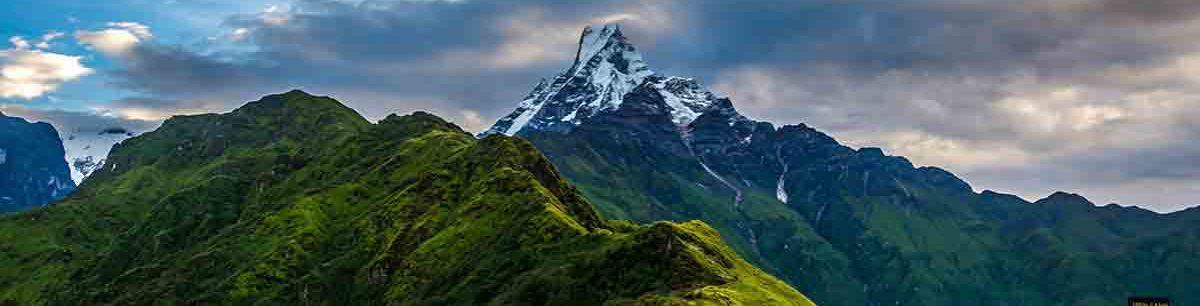

Standing at 6,812 metres in Nepal’s Khumbu region, Ama Dablam is one of the most beautiful and recognisable mountains in the Himalayas. Its sharp ridges, dramatic rock faces and hanging glacier create a mountain profile that is difficult to mistake. For many mountaineers, climbing Ama Dablam is not simply about reaching another summit; it is about taking on one of the most rewarding technical climbing challenges in Nepal.
The Ama Dablam Expedition 2027 is an excellent objective for experienced climbers who want to test their technical abilities in a spectacular Himalayan setting. Unlike trekking peaks, where the main challenges are often altitude and endurance, Ama Dablam demands confidence on exposed rock, snow and ice. Climbers must be comfortable using fixed ropes, managing technical equipment and making careful decisions in changing mountain conditions.
Although the mountain is not among the highest in Nepal, its technical nature makes it a serious undertaking. Proper preparation, a realistic budget, a suitable climbing season and an experienced expedition team are essential.
If you are considering climbing Ama Dablam in 2027, this guide covers everything you should understand before beginning your preparations, including expedition costs, climbing difficulty, route details, itinerary, permits, equipment and safety considerations.
Ama Dablam at a Glance
Ama Dablam lies in the Everest region of northeastern Nepal, overlooking the beautiful Khumbu Valley. It is particularly impressive from the villages of Pangboche and Dingboche, where its distinctive summit rises above the surrounding landscape.
The mountain’s name is commonly translated as “Mother’s Necklace.” The long ridges extending from its summit resemble a mother’s protective arms, while the hanging glacier on its southwest face is often compared to a traditional pendant.
Here are the basic details of the expedition:
| Expedition Information | Details |
| Mountain | Ama Dablam |
| Elevation | 6,812 metres |
| Location | Khumbu region, Nepal |
| Standard climbing route | Southwest Ridge |
| Main climbing seasons | Spring and autumn |
| Approximate expedition duration | 25–30 days |
| Base Camp elevation | Approximately 4,600 metres |
| High camps | Camp 1, Camp 2 and Camp 3 |
| Climbing style | Technical rock, snow and ice |
| Overall difficulty | Very demanding |
Ama Dablam attracts climbers from around the world because it combines technical climbing with extraordinary Himalayan scenery. It is also a mountain that rewards experience and preparation. Reaching the summit requires much more than good physical fitness.
How Much Does the Ama Dablam Expedition Cost in 2027?
The cost of an Ama Dablam Expedition in 2027 depends on the services included in the package and the level of support provided throughout the climb.
As a general planning estimate, an organised expedition may cost between US$6,500 and US$20,000 or more per person. Budget-oriented logistics packages, fully supported group departures and private expeditions can have significantly different prices.
The cheapest option is not necessarily the best choice for a mountain like Ama Dablam. Climbers should pay particular attention to the quality of climbing support, high-altitude logistics, safety arrangements and the experience of the expedition team.
What determines the expedition cost?
Climbing permit and government fees
Every foreign climber attempting Ama Dablam must obtain the appropriate climbing permit through the authorised process in Nepal.
According to Nepal’s published mountaineering royalty schedule effective from September 2025, the Ama Dablam climbing royalty for foreign climbers is:
- Spring season: US$1,000 per climber
- Autumn season: US$1,000 per climber
- Winter and summer: US$500 per climber
The published schedule also lists a US$2,000 garbage-management deposit for Ama Dablam. These figures should be reconfirmed with the Department of Tourism before booking a 2027 expedition, as regulations and charges may change.
Guide and Sherpa support
Experienced climbing guides and high-altitude Sherpas are essential to a well-organised Ama Dablam expedition. Their responsibilities may include route preparation, fixing and maintaining ropes, assisting climbers at higher camps and supporting summit attempts.
The cost varies according to the number of climbers, guide-to-climber ratio and level of individual Sherpa assistance.
Accommodation and meals
Most expedition packages include hotel accommodation in Kathmandu, teahouse accommodation during the approach trek and tented facilities at Base Camp.
A fully supported expedition may also provide kitchen staff, dining tents, sleeping tents and meals throughout the climbing period. Services above Base Camp should be checked carefully because they can make a considerable difference to the overall package price.
Transportation and domestic flights
The usual approach begins with a flight from Kathmandu or Ramechhap to Lukla, followed by a trek through the Khumbu Valley.
Flight costs, baggage arrangements, transportation to Ramechhap when required and additional nights caused by delays can affect the final budget.
Climbing equipment and expedition logistics
High-altitude climbing requires specialised equipment and considerable logistical preparation. Tents, ropes, cooking facilities, communication equipment, medical supplies and other group equipment all contribute to the expedition cost.
Other expenses to include in your budget
In addition to the package price, remember to budget for international flights, Nepal visa fees, personal climbing equipment, travel insurance, emergency evacuation coverage, tips, personal purchases and additional accommodation.
Before making a booking, ask the operator for a detailed list of included and excluded services. A transparent quotation makes it easier to compare packages and avoid unexpected expenses during the expedition.
How Difficult Is Climbing Ama Dablam?
Ama Dablam is widely regarded as one of Nepal’s more demanding technical mountains. Its difficulty comes from the combination of steep climbing, exposed ridges, mixed terrain and high-altitude conditions.
The standard Southwest Ridge route is not a straightforward walk to the summit. Climbers encounter sections of rock climbing, snow and ice slopes, fixed ropes and narrow ridgelines. Some sections require careful movement while attached to fixed lines, and climbers must know how to use their equipment correctly.
One of the most recognised challenges is the Yellow Tower, a steep rock feature along the route. Beyond it, the climbing continues over exposed terrain towards the Mushroom Ridge and the higher camps.
There are several reasons why Ama Dablam requires a high level of preparation.
Technical climbing: Climbers need experience moving on steep rock and mixed terrain. Basic trekking experience is not sufficient.
Exposure: Parts of the Southwest Ridge are narrow and exposed. Climbers must remain calm and focused, especially when tired or affected by altitude.
Altitude: At 6,812 metres, the summit presents a significant physiological challenge. Reduced oxygen levels can affect physical performance, coordination and decision-making.
Weather: Wind, snowfall and sudden changes in visibility can make climbing difficult. Summit plans must remain flexible.
Descent: The descent is just as important as the ascent. Climbers must negotiate technical terrain and fixed ropes while managing fatigue and limited energy reserves.
For these reasons, Ama Dablam is not an appropriate first technical Himalayan climb. Previous experience on high-altitude mountains, combined with practical rock, snow and ice climbing skills, is strongly recommended.
Best Time to Climb Ama Dablam in 2027
Spring and autumn are the two main climbing seasons for Ama Dablam. Both offer opportunities for successful summit attempts, although weather and route conditions can differ considerably.
Spring season: April to May
Spring is a popular period for mountaineering in Nepal. Temperatures generally become more favourable as the season progresses, and longer daylight hours can help with climbing schedules.
However, spring conditions are not always predictable. Snowfall, wind and changing temperatures can affect the route, particularly at higher elevations.
Climbers choosing a spring expedition should allow sufficient time for acclimatisation and remain flexible about their summit plans.
Autumn season: October to November
Autumn is traditionally one of the most popular periods for climbing Ama Dablam. The monsoon generally ends before the main climbing season, often bringing clearer skies and impressive mountain views.
October and early November are common choices for expeditions. Temperatures can become colder as the season progresses, and strong winds may affect the higher camps and summit ridge.
Which season is better?
Both seasons can provide good climbing opportunities. Rather than choosing a departure based only on the month, climbers should consider the experience of the expedition operator, expected weather patterns, route conditions and availability of support services.
A successful expedition depends on finding a suitable weather window, not simply following a fixed calendar.
Ama Dablam Climbing Route: The Southwest Ridge
The Southwest Ridge is the standard route used by most commercial and organised expeditions. It is famous for its technical features and spectacular views across the Khumbu Himalayas.
The climb begins at Ama Dablam Base Camp, situated at approximately 4,600 metres. From there, climbers establish a series of higher camps before making their summit attempt.
Ama Dablam Base Camp – approximately 4,600 metres
Base Camp is the main centre of expedition activity. It is where climbers organise their equipment, eat meals, rest and prepare for rotations to the higher camps.
The approach trek through the Khumbu Valley also provides an opportunity to begin acclimatising to the altitude. Once at Base Camp, climbers usually spend additional time adjusting to the environment before moving higher.
Camp 1 – approximately 5,700–5,800 metres
The route from Base Camp to Camp 1 involves rocky slopes and increasingly exposed terrain. The climbing becomes more demanding as the ridge narrows.
Camp 1 is established on rocky platforms along the Southwest Ridge. Climbers need to be comfortable with fixed-rope techniques and careful movement on exposed ground.
Camp 2 – approximately 5,900–6,000 metres
The section between Camp 1 and Camp 2 includes the famous Yellow Tower. This is one of the route’s most technically challenging features, requiring careful climbing and efficient rope management.
Camp 2 occupies an exposed position on the ridge. Space is limited, and climbers must follow their guide’s instructions when moving around the camp.
Camp 3 – approximately 6,300 metres
Above Camp 2, the route continues towards the Mushroom Ridge and Camp 3. The terrain includes exposed rock and snow sections, and conditions can become particularly demanding at this altitude.
Camp 3 is situated beneath the hanging glacier known as the Dablam. The presence of overhead ice makes careful route assessment and timing essential.
Summit – 6,812 metres
The final section involves climbing steep snow and ice slopes towards the summit. Summit attempts commonly begin during the night or early morning, depending on weather conditions and the expedition team’s strategy.
From the top, climbers can enjoy extraordinary views of Everest, Lhotse, Makalu, Cho Oyu and other Himalayan peaks.
However, reaching the summit is only half the challenge. Climbers must descend the same technical route, so sufficient time, energy and concentration are essential.
Camp elevations are approximate and may vary with seasonal route conditions and expedition arrangements.
Ama Dablam Expedition 2027: Suggested 28-Day Itinerary
A typical Ama Dablam expedition takes approximately 25–30 days. The schedule includes the approach trek, acclimatisation, climbing rotations, summit opportunity and return journey.
The following is a sample 28-day itinerary. Actual climbing schedules may change depending on weather, route conditions and the health of expedition members.
| Day | Itinerary |
| 1 | Arrival in Kathmandu |
| 2 | Expedition briefing and equipment inspection |
| 3 | Fly to Lukla and trek to Phakding |
| 4 | Trek to Namche Bazaar |
| 5 | Acclimatisation day in Namche Bazaar |
| 6 | Trek to Tengboche |
| 7 | Trek to Pangboche |
| 8 | Trek to Ama Dablam Base Camp |
| 9 | Rest, equipment preparation and climbing orientation |
| 10–12 | Initial acclimatisation and first climbing rotation |
| 13–15 | Return to Base Camp and recovery |
| 16–18 | Second rotation through the higher camps |
| 19–21 | Rest, preparation and weather observation |
| 22–24 | Summit window and descent to Base Camp |
| 25 | Contingency or recovery day |
| 26 | Trek towards a lower Khumbu settlement |
| 27 | Trek to Lukla |
| 28 | Fly to Kathmandu |
This itinerary is a general planning outline, not a guaranteed summit schedule. A responsible expedition leader may adjust the climbing rotations or delay the summit attempt when conditions are unsuitable.
Physical Fitness and Technical Preparation
Preparing for Ama Dablam should begin several months before travelling to Nepal. Climbers need a combination of cardiovascular endurance, muscular strength, technical ability and mental resilience.
A good training programme should reflect the demands of several consecutive days of physical activity at altitude.
Build cardiovascular endurance
Regular hiking, running, cycling, stair climbing and uphill walking can improve aerobic fitness. Gradually increase the duration and difficulty of your workouts.
Long hikes carrying a loaded backpack are especially useful because they help prepare your body for the approach trek and the physical demands of climbing.
Improve strength and stability
Focus on strengthening your legs, core, back and shoulders. Squats, lunges, step-ups and controlled resistance exercises can improve stability and help you carry equipment more efficiently.
Practise technical climbing
Physical fitness cannot replace technical ability. Before attempting Ama Dablam, climbers should practise:
- Using crampons on steep snow and ice.
- Ascending fixed ropes with an ascender.
- Descending and rappelling safely.
- Using an ice axe.
- Moving confidently on rock and mixed terrain.
- Managing climbing harnesses, carabiners and rope systems.
- Handling equipment while wearing thick gloves and mountaineering boots.
Training should take place under qualified supervision, ideally in conditions that resemble the climbing environment.
Gain relevant mountaineering experience
Previous climbs on Island Peak, Lobuche East or other alpine routes can help develop useful skills. However, completing a trekking peak does not automatically mean a climber is ready for Ama Dablam.
Climbers should have genuine experience with technical equipment, high-altitude movement and exposed climbing terrain. A suitable expedition operator may ask about previous climbs and assess whether an applicant has the necessary experience.
Essential Equipment for Ama Dablam
Having the right equipment is important for comfort, performance and safety. The exact equipment list depends on the climbing season, weather conditions and the services included in your expedition package.
Clothing
- High-altitude down suit or suitable insulated clothing system.
- Waterproof and windproof outer layers.
- Thermal base layers.
- Insulated gloves and mittens.
- Warm mountaineering socks.
- Balaclava and warm hat.
Technical climbing equipment
- Mountaineering boots compatible with crampons.
- Crampons.
- Ice axe.
- Climbing harness.
- Helmet.
- Ascender and descender.
- Locking and non-locking carabiners.
- Approved backup climbing equipment.
- Headlamp with spare batteries.
Personal and camping equipment
- Expedition sleeping bag suitable for expected temperatures.
- Duffel bag and daypack.
- Sunglasses and glacier goggles.
- Sunscreen and lip protection.
- Water bottles or insulated containers.
- Personal first-aid supplies.
- Toiletries and personal medication.
Before departure, request the complete equipment checklist from your operator. Some group equipment, such as tents, ropes, cooking facilities and communication systems, may be provided as part of the expedition package.
Permits and Documentation for Ama Dablam 2027
Ama Dablam is a regulated mountaineering destination, and climbers must obtain the appropriate climbing permit before attempting the mountain.
The Department of Tourism’s published mountaineering royalty schedule lists the foreign climber fee for Ama Dablam at US$1,000 in spring and autumn, and US$500 in winter and summer. The same schedule lists a US$2,000 garbage-management deposit.
These figures reflect the published provisions effective from September 2025. Climbers should confirm the applicable 2027 fees and regulations before making final arrangements.
Other documents and arrangements may include:
- A valid passport and Nepal entry visa.
- Climbing permit arranged through the authorised process.
- Sagarmatha National Park entry permit.
- Applicable local entry requirements.
- Travel and high-altitude mountaineering insurance.
- Emergency contact and medical information.
- Other documentation required by the expedition operator.
Working with an established Nepal-based operator can make the permit process and logistical arrangements much easier.
Safety Challenges During the Ama Dablam Expedition
Ama Dablam is a beautiful mountain, but its technical nature should never be underestimated. Even experienced climbers can encounter dangerous conditions during an expedition.
Some of the main risks include:
Altitude sickness: Headaches, nausea, dizziness, unusual tiredness and breathing difficulties may indicate altitude-related illness. Symptoms should be reported immediately. Continuing higher while unwell can be extremely dangerous.
Rockfall and falling ice: The route includes exposed sections where falling rocks or ice can create serious hazards. Conditions should be assessed by experienced climbing leaders.
Falls on technical terrain: Steep rock, snow and ice demand careful movement and competent rope management. Poor technique or exhaustion can increase the risk of a fall.
Extreme cold and strong winds: Low temperatures and high winds can lead to frostbite, hypothermia and exhaustion. Appropriate clothing and careful timing are essential.
Changing weather: Weather conditions can deteriorate rapidly in the Himalayas. Climbers must be prepared to postpone or abandon a summit attempt when conditions are unsafe.
Difficult descent: Descending after a summit attempt can be particularly demanding because climbers are tired and may have limited energy reserves. Safe rope techniques and sufficient time are essential.
Before booking, ask your expedition operator about guide experience, Sherpa support, emergency communications, supplementary oxygen, medical supplies and evacuation arrangements. Your insurance must explicitly cover technical mountaineering at the required altitude and emergency helicopter evacuation.
No operator can guarantee a summit or remove all the risks associated with high-altitude climbing.
Why Choose an Experienced Nepal Expedition Operator?
Choosing the right operator can make a significant difference to your overall expedition experience. Ama Dablam requires detailed planning, technical knowledge and reliable support throughout the climbing period.
Before booking, look for an operator that provides:
- Experienced climbing guides familiar with Ama Dablam.
- Reliable high-altitude Sherpa support.
- A sensible acclimatisation and climbing rotation schedule.
- Clear information about package inclusions and exclusions.
- Proper high-camp logistics and communication arrangements.
- A realistic summit window with contingency days.
- Appropriate emergency and evacuation planning.
At Alpha Adventure Treks and Expedition Pvt. Ltd., we understand that a successful Himalayan expedition begins long before reaching Base Camp. Our Nepal-based team can assist with expedition planning, local logistics, climbing arrangements and practical preparation for your Ama Dablam adventure.
Whether you are considering a group departure or a more personalised expedition, our team can help you understand the requirements and plan an itinerary around your experience and climbing goals.
Frequently Asked Questions About Ama Dablam Expedition 2027
1. How much does the Ama Dablam Expedition cost in 2027?
An organised expedition may cost approximately US$6,500–US$20,000 or more per person. The final price depends on the level of Sherpa support, guiding services, accommodation, meals, permits and climbing logistics.
2. Is Ama Dablam suitable for beginners?
No. Ama Dablam is a technical mountain and is not suitable for beginners. Previous mountaineering experience and confidence using climbing equipment on exposed terrain are strongly recommended.
3. How long does the Ama Dablam Expedition take?
Most organised expeditions take around 25–30 days, including the approach trek, acclimatisation, climbing rotations, summit attempt and return journey.
4. What is the best month to climb Ama Dablam?
October and November are popular autumn climbing months, while April and May are common spring choices. The actual summit window depends on weather and mountain conditions.
5. How many high camps are there on Ama Dablam?
The standard Southwest Ridge route generally uses three high camps above Base Camp: Camp 1, Camp 2 and Camp 3. Their exact positions and elevations may vary with route conditions.
6. Is Ama Dablam more difficult than Island Peak?
Yes. Ama Dablam is considerably more technically demanding than a standard Island Peak climb. Its steep rock sections, exposed ridges and complex fixed-rope terrain require a higher level of climbing experience.
7. Is supplementary oxygen used during the climb?
Expedition strategies vary. Some teams provide supplementary oxygen as part of their safety arrangements, while others use different climbing plans. Climbers should confirm the operator’s oxygen policy and emergency oxygen provisions before departure.
8. What insurance do I need for Ama Dablam?
You need specialist insurance that explicitly covers high-altitude mountaineering up to at least 6,812 metres, emergency helicopter evacuation and medical expenses. Standard trekking insurance may not cover this type of expedition.
9. Can I climb Ama Dablam without a guide?
Ama Dablam is a serious technical mountain that requires proper permits, technical competence and careful logistical planning. Climbing with an experienced professional team is strongly recommended.
Final Thoughts: Is Ama Dablam Worth Climbing in 2027?
For experienced mountaineers, Ama Dablam offers an exceptional combination of technical climbing, Himalayan scenery and personal achievement. Its dramatic ridges and challenging route make it one of Nepal’s most memorable climbing objectives.
However, it is not a mountain to approach casually. Physical fitness, technical experience, acclimatisation and a reliable expedition team all play important roles in a successful climb. Understanding the cost and preparing well in advance will also help you avoid unnecessary difficulties during the expedition.
If you are planning a major Himalayan climbing adventure in 2027, Ama Dablam deserves serious consideration.
Start planning your Ama Dablam Expedition 2027 with Alpha Adventure Treks and Expedition Pvt. Ltd. Contact our team to discuss departure dates, climbing arrangements, expedition services and a personalised cost estimate.