
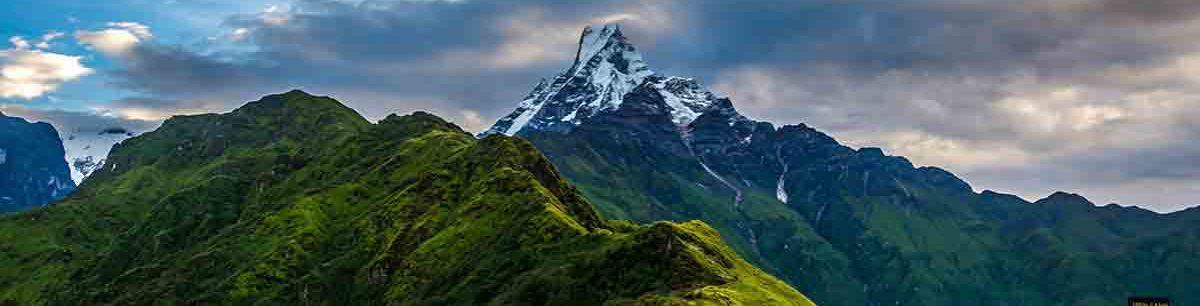

Standing at 6,189 meters above sea level, Island Peak is one of Nepal’s most popular trekking peaks and an exciting introduction to Himalayan mountaineering. Located in the Everest region, this impressive mountain offers a chance to experience glacier travel, rope techniques, steep snow and ice slopes, and the satisfaction of reaching a Himalayan summit.
For trekkers who have already explored the Everest region or completed a high-altitude trek, Island Peak Climbing 2027 can be a natural next challenge. However, it is not simply another trekking day. The final section involves technical climbing, demanding physical effort, and exposure to high-altitude conditions.
The good news is that you do not need to be an experienced mountaineer to attempt Island Peak. With proper preparation, suitable acclimatization, guidance from qualified climbing professionals, and a realistic understanding of the challenges, fit and well-prepared first-time climbers can take on this adventure.
This guide covers everything you should know before planning Island Peak Climbing in Nepal in 2027, including the route, difficulty, best seasons, itinerary, permits, costs, equipment, training, and practical advice for your first Himalayan summit.
Where Is Island Peak Located?
Island Peak, locally known as Imja Tse, is located in the Khumbu region of northeastern Nepal, within the Everest mountain range. It rises to 6,189 meters and is surrounded by some of the most recognizable Himalayan peaks, including Lhotse, Nuptse, Ama Dablam, and Makalu.
The mountain received the name Island Peak because it appears like an island rising above a sea of ice when viewed from the surrounding valleys. Its location near the Imja Glacier and the village of Chhukung makes it a popular objective for trekkers who want to move beyond conventional trekking.
The usual approach follows the Everest Base Camp trekking route through Namche Bazaar and Dingboche before heading toward Chhukung. From there, climbers continue to Island Peak Base Camp and prepare for the summit attempt.
One of the biggest attractions of the climb is its setting. You get to experience the culture of Sherpa communities, walk through beautiful alpine landscapes, and spend time in the heart of the Himalayas before attempting the summit.
Is Island Peak a Good First Himalayan Summit?
Island Peak is often recommended as a first Himalayan climbing objective, but that does not mean it is an easy mountain. It is better described as an introductory mountaineering peak for people who are physically fit, comfortable at altitude, and willing to learn basic climbing techniques.
The trekking approach is non-technical, but the summit section requires the use of mountaineering equipment. Depending on snow and ice conditions, climbers may need crampons, an ice axe, a harness, and fixed-rope techniques to negotiate steep sections.
For first-time climbers, the main advantage is the opportunity to develop practical mountaineering skills under professional guidance. You can learn how to move on snow and ice, use climbing equipment, and follow rope systems in a high-altitude environment.
Island Peak may be suitable if you:
- Have previous experience with multi-day trekking.
- Are physically fit and comfortable walking for several hours each day.
- Have prepared for high-altitude conditions.
- Are willing to learn basic climbing techniques.
- Can follow instructions from your climbing guide.
- Understand that summit success depends on weather, health, and mountain conditions.
If you have never trekked at altitude, consider completing a high-altitude trek before attempting Island Peak. Experience on routes such as Everest Base Camp or the Annapurna region can help you understand how your body responds to prolonged walking and reduced oxygen levels.
How Difficult Is Island Peak Climbing?
Island Peak is generally considered a moderately technical trekking peak. Its difficulty comes from a combination of altitude, physical endurance, glacier travel, and the technical nature of the final ascent.
The lower trekking sections are manageable for many fit hikers. However, conditions become more demanding as you approach Base Camp and climb toward the summit.
Altitude: At 6,189 meters, oxygen availability is significantly lower than at sea level. Even strong athletes may experience fatigue, headaches, reduced appetite, or shortness of breath.
Glacier travel: Climbers cross glaciated terrain where crevasses and changing snow conditions require caution. Roped travel may be necessary depending on the route and conditions.
Steep climbing sections: The upper mountain includes steep snow and ice terrain. Fixed ropes are commonly used on the more technical sections, and climbers need to know how to use their climbing equipment correctly.
Summit day: The summit attempt is physically demanding. It often begins before sunrise and can involve several hours of climbing in cold, windy conditions.
Weather: Conditions can change quickly in the Everest region. Wind, snowfall, poor visibility, and extreme cold can affect the climbing schedule.
For a first-time climber, the most important lesson is not to underestimate the mountain. A trekking background and good physical condition are valuable, but neither replaces proper technical preparation and acclimatization.
Best Time for Island Peak Climbing in 2027
The best seasons for Island Peak Climbing are generally spring and autumn. These periods offer more favorable conditions for trekking and mountaineering in the Everest region, although weather can never be guaranteed.
Spring (April–May)
Spring is one of the most popular periods for climbing Island Peak. Temperatures generally become more manageable, daylight hours increase, and the Everest region begins to welcome climbers and trekkers. Snow and ice conditions still need to be assessed carefully.
Autumn (September–November)
Autumn is another excellent season, especially after the monsoon rains. The skies are often clearer, mountain views are impressive, and trekking conditions are generally favorable. October is particularly popular, so flights and accommodation should be arranged early.
Winter climbing is possible for experienced and properly equipped teams, but extreme cold, wind, and snow can make the expedition considerably more challenging. The monsoon season is generally less suitable because of rain, cloud cover, and possible travel disruption.
For most first-time climbers planning Island Peak in 2027, spring or autumn is the more practical choice.
Island Peak Climbing Route: What to Expect
The standard Island Peak climbing route begins in Kathmandu and follows the classic Everest region trekking trail. Along the way, you pass through traditional Sherpa villages, Buddhist monasteries, suspension bridges, and spectacular mountain scenery.
The route generally follows these stages:
Kathmandu to Lukla: The adventure usually begins with a flight from Kathmandu or another designated airport to Lukla, depending on flight operations. Lukla is the main gateway to the Everest region.
Lukla to Namche Bazaar: From Lukla, the trail follows the Dudh Koshi River through Phakding and several suspension bridges before reaching Namche Bazaar. Namche is an important acclimatization stop and a good place to rest, explore, and prepare for higher elevations.
Namche to Tengboche and Dingboche: The trail continues through beautiful mountain settlements toward Tengboche, home to a well-known Buddhist monastery. From there, the route climbs toward Dingboche, where trekkers usually spend an additional day acclimatizing.
Dingboche to Chhukung: Chhukung is the final major settlement before Island Peak Base Camp. It offers impressive views of the surrounding mountains and provides an opportunity to prepare climbing equipment and review the summit plan.
Chhukung to Island Peak Base Camp: The trail leaves the main trekking route and enters a more rugged alpine landscape. Base Camp is generally established around 5,100 meters, although the precise camp location can vary with conditions.
Base Camp and summit attempt: After rest, equipment checks, and technical preparation, the climbing team makes its summit attempt. Depending on the expedition plan, the team may use a higher camp before climbing to the summit.
The final route typically involves rocky ground, glacier travel, steep snow and ice, fixed ropes, and an exposed summit ridge. The exact climbing line and equipment requirements depend on current mountain conditions.
Island Peak Climbing Itinerary for 2027
A well-planned itinerary is especially important for first-time climbers. Rushing the approach can increase the risk of altitude-related problems and reduce the time available for technical preparation.
A typical Island Peak expedition takes approximately 17–20 days, depending on the itinerary, acclimatization schedule, weather, and flight arrangements.
| Day | Route | Overnight |
| 1 | Arrival in Kathmandu and expedition briefing | Kathmandu |
| 2 | Preparation, equipment check, and permit arrangements | Kathmandu |
| 3 | Fly to Lukla and trek to Phakding | Phakding |
| 4 | Trek to Namche Bazaar | Namche |
| 5 | Acclimatization day in Namche Bazaar | Namche |
| 6 | Trek to Tengboche or Deboche | Tengboche/Deboche |
| 7 | Trek to Dingboche | Dingboche |
| 8 | Acclimatization day in Dingboche | Dingboche |
| 9 | Trek to Chhukung | Chhukung |
| 10 | Acclimatization, climbing practice, and preparation | Chhukung |
| 11 | Trek to Island Peak Base Camp | Base Camp |
| 12 | Rest, technical training, and route preparation | Base Camp |
| 13 | Move to High Camp, if included in the climbing plan | High Camp |
| 14 | Summit attempt and descent | Base Camp or Chhukung |
| 15 | Contingency day or recovery | Chhukung |
| 16 | Trek to Pangboche or Dingboche | Lodge |
| 17 | Trek to Namche Bazaar | Namche |
| 18 | Trek to Lukla | Lukla |
| 19 | Fly back to Kathmandu | Kathmandu |
| 20 | Departure or additional contingency day | — |
This is an indicative itinerary, not a fixed schedule. Some expeditions attempt the summit directly from Base Camp, while others establish High Camp to shorten the summit-day approach. Your climbing team should choose the arrangement based on weather, route conditions, acclimatization, and the group’s abilities.
It is also sensible to keep a contingency day in the schedule. Flights to and from Lukla can be delayed by weather, and the summit attempt may need to move if conditions are unsuitable.
Permits Required for Island Peak Climbing
Climbing Island Peak requires more than an ordinary trekking permit. Climbers need the appropriate peak-climbing authorization, along with the entry permits required for the Everest region.
The main permits and fees to plan for include:
- Island Peak climbing permit: The Nepal Mountaineering Association (NMA) issues the climbing authorization for Imja Tse. The published royalty schedule for foreign climbers lists a spring fee of US$350 and an autumn fee of US$175.
Nepal Travel Packages+1
- Sagarmatha National Park entry permit: Required for entering the national park.
- Khumbu Pasang Lhamu Rural Municipality entry fee: Required for visitors entering the Khumbu area.
Permit rates and administrative requirements can change. The Nepal Tourism Board and NMA should be checked before departure, and your trekking or climbing operator should confirm the applicable 2027 fees and arrange the necessary documentation.
Trekking Agencies’ Association of Nepal+1
For foreign climbers, the peak permit is normally arranged through an authorized climbing agency. Do not assume that a standard Everest trekking permit gives you permission to climb Island Peak.
How Much Does Island Peak Climbing Cost in 2027?
The cost of Island Peak Climbing in 2027 depends on the length of the trip, group size, services included, equipment arrangements, and the level of support provided by the expedition operator.
A broad planning estimate for a guided expedition is approximately US$2,000–4,000 or more per person. This is an indicative budget, not a confirmed 2027 market price. Packages with more extensive support, private arrangements, additional acclimatization days, or upgraded services may cost more.
Common expenses include:
- Island Peak climbing permit and required entry fees.
- Domestic flights and airport transfers.
- Accommodation in Kathmandu and teahouses during the trek.
- Meals and drinking water during the expedition.
- Licensed climbing guides and support staff.
- Porters and luggage transportation.
- Tents and group equipment at Base Camp.
- Personal climbing equipment and rental charges.
- Travel insurance covering high-altitude mountaineering.
- Tips, personal expenses, and emergency costs.
Before choosing a package, check exactly what is included. A low advertised price may exclude climbing equipment, meals, airport transfers, staff insurance, or other important services.
It is also wise to budget for an additional night or two in Kathmandu in case of flight delays and to keep emergency funds available.
Physical Training and Preparation for First-Time Climbers
Good physical preparation makes a significant difference on Island Peak. You do not need to be an elite athlete, but you should be comfortable with long days of walking, steep uphill trails, and carrying a daypack.
Ideally, begin preparing at least three to six months before your expedition.
Cardiovascular training: Hiking, running, cycling, swimming, and stair climbing can improve endurance. Aim to build up gradually rather than increasing training intensity too quickly.
Strength training: Focus on your legs, core, hips, and back. Squats, lunges, step-ups, planks, and controlled resistance exercises can help prepare your body for uneven terrain and long descents.
Hill walking: Regular hikes with a gradually heavier backpack are among the most useful forms of preparation. Practice walking uphill and downhill for several hours while wearing the boots you plan to use.
Technical training: Learn the basics of using crampons, an ice axe, a climbing harness, an ascender, and a descender. Your expedition should include practical instruction, but arriving with some familiarity will make the training easier.
Mental preparation: High-altitude climbing can be uncomfortable. Cold temperatures, tiredness, slow progress, and uncertain weather require patience. Being prepared to turn around when conditions are unsafe is part of responsible mountaineering.
Fitness helps you manage physical effort, but it does not prevent altitude sickness. Allowing enough time to acclimatize is just as important as training.
Essential Equipment for Island Peak Climbing
Having the right equipment is essential for comfort and safety. Some personal trekking items can be used throughout the approach, while specialized mountaineering equipment is required for the summit.
| Equipment category | Essential items |
| Clothing | Thermal base layers, fleece, insulated jacket, waterproof shell, trekking trousers |
| Footwear | Trekking boots, suitable mountaineering boots, warm socks, gaiters |
| Climbing equipment | Climbing harness, helmet, crampons, ice axe, ascender, descender, locking carabiners |
| Hand and head protection | Insulated gloves, liner gloves, warm hat, balaclava, sunglasses, goggles |
| Sleeping equipment | Suitable sleeping bag and sleeping mat where required |
| Personal items | Headlamp with spare batteries, water bottles, sunscreen, personal medication, toiletries |
| Daypack | Comfortable backpack with rain protection and space for essentials |
Some operators provide group equipment and selected climbing gear, while others expect climbers to bring or rent their own. Confirm the equipment list before travelling to Nepal.
Your climbing boots deserve particular attention. They must be compatible with the crampons being used and comfortable enough for extended wear in cold conditions. Test them before the expedition rather than relying on brand-new footwear at Base Camp.
Altitude Sickness and Safety on Island Peak
Altitude is one of the biggest challenges of Island Peak Climbing. As you gain elevation, the amount of oxygen available with each breath decreases, making physical activity increasingly difficult.
Acute Mountain Sickness (AMS) can affect anyone, regardless of age or fitness. Common symptoms include:
- Headache.
- Nausea or loss of appetite.
- Dizziness.
- Unusual tiredness.
- Difficulty sleeping.
- Shortness of breath during activity.
More serious altitude illnesses include High Altitude Pulmonary Edema (HAPE) and High Altitude Cerebral Edema (HACE). These are medical emergencies that require immediate attention and descent.
A few important precautions can reduce the risks:
Follow a gradual acclimatization schedule. Do not rush from lower elevations to Base Camp. Follow your guide’s recommendations and allow your body time to adjust.
Stay hydrated and eat regularly. Appetite often decreases at altitude, but your body still needs enough food and fluids to maintain energy.
Communicate symptoms early. Never hide a headache, nausea, unusual fatigue, or other symptoms because you want to reach the summit.
Understand the importance of descent. If symptoms worsen, descending is often the most important treatment. Severe symptoms should never be ignored or treated as ordinary climbing fatigue.
Check your insurance. Your travel insurance should specifically cover mountaineering at the intended altitude and emergency helicopter evacuation. Read the exclusions carefully, because ordinary trekking insurance may not cover a 6,000-meter climbing expedition.
A responsible climbing team should have an emergency plan, suitable communication equipment, trained guides, and a clear understanding of when to stop the ascent.
Accommodation, Food, and Transportation
Island Peak Climbing combines teahouse trekking with a camping-based climbing section.
During the approach, you generally stay in teahouses or mountain lodges. These provide basic rooms, meals, and communal dining areas. Facilities become simpler as you travel farther into the mountains, and hot showers, electricity, and internet access may come at an additional cost.
At Island Peak Base Camp, accommodation is normally arranged in expedition tents. Depending on the itinerary, the climbing team may also establish High Camp.
Meals during the trekking section commonly include traditional Nepali dishes, rice, lentils, noodles, soups, potatoes, eggs, and other simple options. At higher elevations, food choices become more limited, so it is useful to carry a few preferred snacks.
Transportation generally includes:
- International arrival and departure arrangements in Kathmandu.
- Road transfers between the airport, hotel, and other designated locations.
- Domestic flights to and from Lukla, subject to operational arrangements.
- Porters or other support for transporting expedition equipment.
Lukla flights are weather-dependent. During busy trekking seasons, some flights may operate from Ramechhap rather than Kathmandu, requiring an additional road transfer. Build flexibility into your international flight schedule instead of planning a tight connection immediately after your return from the mountains.
Why Choose Island Peak for Your First Mountaineering Experience?
There are many trekking peaks in Nepal, but Island Peak remains a popular choice for people who want to experience technical Himalayan climbing without immediately committing to a much higher expedition.
Its location in the Everest region is a major attraction. The approach takes you through some of Nepal’s most famous mountain landscapes, and the climb provides an opportunity to develop practical mountaineering skills.
Island Peak can also help climbers understand what a more demanding expedition involves. You learn how your body responds to altitude, how to manage equipment, how to move on snow and ice, and how to work as part of a climbing team.
However, it should not be treated as an automatic stepping stone to an 8,000-meter mountain. Larger expeditions require substantially more experience, preparation, and technical ability. Your performance on Island Peak can help you assess your readiness for future objectives, but it does not guarantee success on a higher mountain.
Practical Tips for Island Peak Climbing in 2027
If you are planning to climb Island Peak in 2027, a little preparation before arriving in Nepal can make the experience considerably smoother.
- Book early: Spring and autumn are popular climbing seasons. Arrange your expedition, international flights, and accommodation well in advance.
- Choose an experienced climbing operator: Check the qualifications and experience of the climbing guides, staff arrangements, safety procedures, and equipment standards.
- Allow enough acclimatization time: Avoid itineraries that rush through the Everest region simply to reduce the number of days.
- Train in your climbing boots: Test your footwear and clothing on long hikes before the expedition.
- Learn basic rope skills: Familiarity with crampons, harnesses, ascenders, and descenders will make technical training easier.
- Keep a spare day: Weather and Lukla flight delays can affect the schedule. A contingency day provides useful flexibility.
- Prepare financially: Keep some additional money for personal expenses, unexpected accommodation, and possible itinerary changes.
- Be realistic about the summit: Reaching the top is a goal, but returning safely is the priority.
FAQ About Island Peak Climbing 2027
How high is Island Peak in Nepal?
Island Peak, also known as Imja Tse, is commonly referred to as 6,189 meters (20,305 feet) above sea level. Some official and published listings use slightly different elevations, so you may encounter figures such as 6,160 or 6,165 meters in climbing documents.
Can beginners climb Island Peak?
Yes, fit and well-prepared beginners can attempt Island Peak with appropriate acclimatization, technical training, and qualified climbing support. Previous high-altitude trekking experience is strongly recommended. It is not a suitable first mountain experience for someone who is unprepared for strenuous trekking and technical climbing.
How many days are required for Island Peak Climbing?
Most itineraries take approximately 17–20 days from arrival in Kathmandu to departure. The exact duration depends on acclimatization, the climbing schedule, contingency days, and transportation arrangements.
What is the best month to climb Island Peak in 2027?
April and May are popular spring months, while September, October, and November are the main autumn climbing months. October is particularly popular because of generally favorable trekking conditions and mountain visibility, although actual conditions vary.
Do I need previous mountaineering experience?
Previous technical mountaineering experience is helpful but not always essential. First-time climbers should be physically fit, comfortable with high-altitude trekking, and willing to learn climbing skills under professional supervision.
How much does Island Peak Climbing cost in 2027?
A general planning estimate for a guided expedition is around US$2,000–4,000 or more per person. The final cost depends on group size, permits, accommodation, transportation, climbing support, equipment, and package inclusions.
Is Island Peak harder than Everest Base Camp Trek?
Yes, Island Peak is generally more challenging because it combines the physical demands of high-altitude trekking with glacier travel, technical climbing, and a demanding summit day. Everest Base Camp is a trekking destination and does not require the same technical climbing skills.
Do I need a climbing permit for Island Peak?
Yes. Climbers need an Island Peak climbing permit issued through the appropriate authority, as well as the required entry permits for the Everest region. Permit arrangements should be confirmed before departure.
Conclusion: Is Island Peak Climbing in 2027 Right for You?
Island Peak Climbing 2027 offers an exciting opportunity to move beyond ordinary trekking and experience the challenges of Himalayan mountaineering. From the traditional Sherpa villages of the Khumbu to the glacier slopes and exposed summit ridge, the journey combines cultural discovery, physical endurance, and technical learning.
For first-time climbers, it can be a rewarding introduction to high-altitude mountaineering. However, the mountain deserves respect. Physical fitness, gradual acclimatization, suitable equipment, professional guidance, and sensible decision-making all play an important role in a successful expedition.
If you are considering your first Himalayan summit in 2027, begin preparing early, choose an itinerary that allows enough time for acclimatization, and approach the climb with realistic expectations. The summit is an unforgettable goal, but the most important achievement is completing the journey safely.