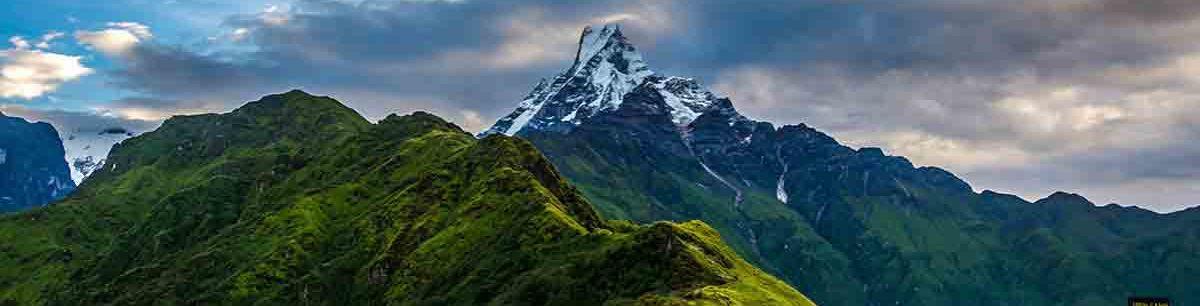
Nepal is home to some of the world’s most spectacular mountain peaks, attracting climbers and adventure enthusiasts from every corner of the globe. From beginner-friendly trekking peaks such as Island Peak and Mera Peak to challenging Himalayan summits, the country’s high-altitude landscapes offer unforgettable experiences. However, one of the biggest challenges climbers face is altitude sickness.
Altitude sickness, also known as Acute Mountain Sickness (AMS), can affect anyone regardless of age, fitness level, or climbing experience. Understanding how to prevent altitude sickness during peak climbing in Nepal is essential for a safe and successful expedition. Proper preparation, acclimatization, hydration, and awareness can significantly reduce the risk and help climbers enjoy their journey to the fullest.
In this comprehensive guide, we will explore what altitude sickness is, why it occurs, its symptoms, and the most effective strategies for preventing it while climbing peaks in Nepal.
Understanding Altitude Sickness
Altitude sickness occurs when the body struggles to adapt to lower oxygen levels at high elevations. As altitude increases, atmospheric pressure decreases, resulting in less oxygen available with each breath.
Most climbers begin to notice the effects of altitude above 2,500 meters (8,200 feet). The risk increases significantly above 3,500 meters, where many trekking routes and climbing peaks in Nepal are located.
The human body requires time to adjust to these conditions. When ascent is too rapid, the body cannot acclimatize effectively, leading to symptoms of altitude sickness.
Types of Altitude Sickness
Acute Mountain Sickness (AMS)
AMS is the most common and mildest form of altitude illness. Symptoms may include:
Headache
Nausea
Dizziness
Fatigue
Loss of appetite
Difficulty sleeping
Shortness of breath during exertion
High Altitude Pulmonary Edema (HAPE)
HAPE is a serious condition involving fluid buildup in the lungs. Symptoms include:
Persistent cough
Breathlessness at rest
Chest tightness
Extreme fatigue
Reduced exercise capacity
High Altitude Cerebral Edema (HACE)
HACE is a life-threatening condition caused by swelling of the brain. Symptoms include:
Severe headache
Loss of coordination
Confusion
Hallucinations
Difficulty walking
Loss of consciousness
Both HAPE and HACE require immediate descent and medical attention.
Why Altitude Sickness Is Common in Nepal
Nepal’s mountains rise rapidly from relatively low elevations. Many climbers travel directly from sea-level countries and begin trekking within a day or two of arrival.
Popular climbing destinations such as:
Island Peak (6,189m)
Mera Peak (6,476m)
Lobuche East (6,119m)
Pisang Peak (6,091m)
Chulu East Peak (6,584m)
all involve spending significant time above 4,000 meters, where altitude-related illnesses become more common.
The combination of rapid elevation gain, physical exertion, cold weather, and dehydration increases the risk.
The Importance of Proper Acclimatization
Acclimatization is the body’s natural process of adapting to reduced oxygen levels.
The single most effective way to prevent altitude sickness is to ascend gradually and allow your body sufficient time to adjust.
Follow the “Climb High, Sleep Low” Principle
This strategy involves ascending to a higher elevation during the day and returning to a lower altitude to sleep.
Benefits include:
Improved oxygen adaptation
Increased red blood cell production
Reduced AMS risk
Better overall performance
Many Nepal peak-climbing itineraries incorporate acclimatization hikes specifically for this purpose.
Take Rest Days
Above 3,000 meters, climbers should include regular acclimatization days.
A typical guideline is:
Do not increase sleeping elevation by more than 300–500 meters per day above 3,000 meters.
Take an acclimatization day every 3–4 days.
Although some climbers feel tempted to move quickly, rest days often determine the success of the expedition.
Stay Properly Hydrated
Dehydration can worsen altitude sickness symptoms.
At high altitudes, the body loses fluids through:
Increased breathing rate
Dry mountain air
Physical exertion
Sweating
Climbers should aim to drink 3–5 liters of water daily.
Hydration Tips
Carry insulated water bottles.
Drink regularly, even if not thirsty.
Use electrolyte supplements.
Monitor urine color; pale yellow generally indicates good hydration.
Avoid excessive caffeine and alcohol, as both can contribute to dehydration.
Maintain a Slow and Steady Pace
Many climbers underestimate the importance of pacing.
Walking too quickly increases oxygen demand and places additional stress on the body.
Experienced Nepal climbing guides often recommend:
Slow, rhythmic walking
Controlled breathing
Frequent short breaks
Conserving energy throughout the day
Remember that reaching the summit is less important than reaching it safely.
Eat Enough Calories
High-altitude climbing burns a significant number of calories.
The body requires extra energy to:
Maintain body temperature
Adapt to altitude
Support physical exertion
Recommended Foods
Carbohydrates are particularly beneficial at high elevations because they require less oxygen to metabolize than fats.
Good options include:
Rice
Potatoes
Pasta
Oatmeal
Bread
Fruits
Soups
Frequent small meals often work better than large meals at altitude.
Avoid Alcohol and Smoking
Alcohol affects breathing patterns and sleep quality, both of which are important for acclimatization.
Smoking further reduces oxygen delivery throughout the body.
For the best chance of successful acclimatization:
Avoid alcohol during the climb.
Minimize smoking or stop entirely before the expedition.
Prioritize rest and recovery.
Consider Preventive Medication
Some climbers use medications to reduce altitude sickness risk.
Acetazolamide (Diamox)
Diamox is commonly prescribed for altitude sickness prevention.
Benefits include:
Faster acclimatization
Reduced AMS symptoms
Improved breathing during sleep
However, medication should never replace proper acclimatization.
Always consult a qualified healthcare professional before using Diamox or any altitude-related medication.
Get Physically Prepared Before the Expedition
Although physical fitness does not guarantee protection from altitude sickness, good conditioning helps climbers cope with the demands of high-altitude trekking.
Recommended Training
Several months before departure, focus on:
Cardiovascular fitness
Hiking endurance
Leg strength
Core stability
Stair climbing
Backpack training
A strong fitness foundation helps reduce fatigue and improves recovery.
Recognize Early Warning Signs
One of the biggest mistakes climbers make is ignoring symptoms.
Altitude sickness rarely improves if ascent continues.
Pay attention to:
Headaches
Unusual fatigue
Nausea
Loss of appetite
Difficulty sleeping
Early recognition allows prompt action before symptoms become severe.
Never Ignore Persistent Headaches
A headache is often the first sign of AMS.
If a headache develops at altitude:
Rest.
Drink fluids.
Avoid further ascent.
Monitor symptoms closely.
If symptoms worsen, descent may be necessary.
Ignoring headaches can lead to more serious complications.
Sleep Well at Altitude
Quality sleep plays a vital role in acclimatization.
Although sleep disturbances are common at high elevations, climbers can improve rest by:
Staying warm
Drinking enough fluids
Avoiding alcohol
Eating a light dinner
Maintaining a comfortable sleeping environment
Adequate sleep supports recovery and adaptation.
Choose a Realistic Itinerary
Many altitude-related incidents occur because climbers choose itineraries that are too aggressive.
When booking a Nepal peak-climbing expedition:
Prioritize acclimatization days.
Avoid overly rushed schedules.
Select operators with experienced guides.
Follow established climbing programs.
A longer itinerary often increases summit success rates and overall safety.
Listen to Your Guide
Professional mountain guides understand altitude-related risks and monitor climbers carefully.
Experienced guides can:
Assess symptoms
Recommend rest days
Adjust pacing
Make descent decisions
Trusting guide recommendations can prevent serious health emergencies.
Descend When Necessary
The most effective treatment for worsening altitude sickness is descent.
If symptoms become moderate or severe:
Stop ascending immediately.
Descend to a lower elevation.
Seek medical evaluation if necessary.
No summit is worth risking your life.
Many successful climbers have turned back due to altitude issues and returned later under safer conditions.
Common Myths About Altitude Sickness
Myth 1: Only Beginners Get Altitude Sickness
Reality: Even elite climbers can develop AMS, HAPE, or HACE.
Myth 2: Fitness Prevents Altitude Sickness
Reality: Excellent athletes can still suffer from altitude illness.
Myth 3: Drinking More Water Alone Prevents AMS
Reality: Hydration helps but cannot replace proper acclimatization.
Myth 4: Symptoms Will Disappear If You Push Through
Reality: Continuing upward can worsen the condition significantly.
Altitude sickness remains one of the most significant challenges during peak climbing in Nepal, but it is also one of the most preventable. Successful climbers understand that patience, preparation, and proper acclimatization are far more important than speed.
Whether you are planning to climb Island Peak, Mera Peak, Lobuche East, or another Himalayan summit, respecting the altitude is essential. Stay hydrated, pace yourself, follow a carefully designed itinerary, and pay close attention to your body’s signals.
By taking these precautions, you can greatly reduce the risk of altitude sickness and enjoy a safer, more rewarding climbing experience in Nepal’s magnificent mountains. The Himalayas offer extraordinary adventures, and with the right approach, you can experience them while protecting your health and maximizing your chances of reaching the summit safely.
Reaching the summit of Island Peak is a dream for many trekkers and aspiring climbers visiting Nepal. Standing at 6,189 meters (20,305 feet), Island Peak — also known as Imja Tse — is considered one of the best beginner-friendly Himalayan climbing peaks. However, many people underestimate the physical challenge and assume it is simply a difficult trek. In reality, Island Peak combines high-altitude trekking, glacier travel, and basic mountaineering skills into one demanding adventure.
So, how fit do you really need to be for the Island Peak summit?
The short answer is this: you do not need to be a professional athlete or elite mountaineer, but you must have strong endurance, decent strength, good cardiovascular fitness, and mental resilience. The climb is more about stamina and consistency than raw power.
This detailed guide explains the exact fitness level required, how difficult the climb feels, what kind of training helps most, and how you can realistically prepare yourself for a successful summit.
Understanding the Physical Demands of Island Peak
Island Peak is often described as a “trekking peak,” but that phrase can be misleading. While it is less technical than larger Himalayan expeditions, it still involves real climbing challenges.
During the expedition, climbers usually spend:
10–14 days trekking and acclimatizing
5–7 hours walking daily
One summit push lasting 10–14 hours
Time climbing on snow, ice, and fixed ropes
The combination of altitude, cold temperatures, fatigue, and technical sections makes Island Peak physically demanding.
Most climbers struggle more with:
Thin oxygen levels
Long summit day exhaustion
Steep icy headwall sections
Consecutive trekking days
Recovery at altitude
The climb tests endurance far more than explosive strength.
Is Island Peak Suitable for Beginners?
Yes, Island Peak can be suitable for beginners with proper preparation.
Many first-time Himalayan climbers successfully summit Island Peak every year. Guides usually provide training for:
Crampon use
Ice axe techniques
Fixed rope climbing
Harness and ascender systems
However, beginners still need good fitness and a willingness to learn mountaineering basics.
If you can comfortably:
Hike 6–8 hours per day
Handle steep uphill walking
Carry a daypack
Stay mentally positive when tired
Recover well overnight
then you already have a strong foundation for Island Peak.
The Most Important Fitness Requirement: Cardiovascular Endurance
Cardiovascular endurance is the single most important factor for Island Peak success.
At high altitude, your body receives much less oxygen. Even simple movements become exhausting above 5,000 meters. Climbers often feel surprised by how difficult basic walking becomes near the summit.
Your body needs efficient lungs and heart performance to cope with:
Long trekking days
Continuous uphill movement
Cold conditions
Reduced oxygen
Summit day fatigue
What Level of Cardio Fitness Is Ideal?
A good benchmark is being able to:
Hike uphill for 6–8 hours with breaks
Carry a 10–15 kg backpack comfortably
Recover reasonably well the next day
Maintain a steady pace without gasping for air
You do not need marathon-level speed. Slow and steady endurance matters much more.
Best Cardio Exercises for Island Peak
The most effective cardio training includes:
Hiking
Stair climbing
Trail running
Cycling
Swimming
Incline treadmill walking
Hill training is especially valuable because it simulates Himalayan trekking conditions.
Many guides recommend at least 12–16 weeks of cardio preparation before the climb.
Strength Matters — But in the Right Areas
Island Peak does not require bodybuilder-level muscle.
Instead, climbers benefit most from:
Strong legs
Stable core
Functional endurance
Good balance
Key Muscle Groups Needed
Legs
Your legs do most of the work during the expedition.
Important exercises include:
Squats
Lunges
Step-ups
Stair climbing
Weighted walking
These exercises mimic uphill trekking movement.
Core Strength
A strong core improves:
Stability on uneven terrain
Backpack carrying comfort
Rope climbing balance
Overall endurance
Helpful exercises:
Planks
Russian twists
Mountain climbers
Leg raises
Upper Body
Upper-body strength becomes useful during:
Rope ascents
Ice axe use
Ladder crossings
Pulling on fixed lines
Push-ups, pull-ups, rows, and resistance-band training help build adequate strength.
How Difficult Is the Summit Day?
Summit day is the hardest part of Island Peak.
Most climbers begin around midnight or 1 AM and continue climbing for 10–14 hours before returning to camp.
The challenges include:
Cold temperatures
Darkness
Thin oxygen
Steep snow slopes
Glacier crossings
Fatigue accumulation
The famous headwall near the summit can feel intimidating. This steep snow and ice section often reaches angles of 40–60 degrees and requires fixed rope climbing.
Even very fit trekkers sometimes turn back because the altitude amplifies exhaustion.
Altitude Is the Real Challenge
Many people assume fitness alone guarantees success. Unfortunately, altitude changes everything.
Above 5,000 meters:
Oxygen drops dramatically
Recovery slows down
Appetite decreases
Sleep becomes difficult
Simple tasks feel exhausting
Even extremely fit athletes can suffer from altitude sickness.
That is why acclimatization is critical during Island Peak expeditions.
Signs Altitude Is Affecting You
Watch for:
Persistent headaches
Nausea
Dizziness
Extreme fatigue
Loss of coordination
Confusion
Good guides monitor climbers closely throughout the expedition.
How to Know If You Are Fit Enough
You are likely ready for Island Peak if you can comfortably do the following:
Physical Benchmarks
Hike 15–20 km in a day
Climb stairs continuously for 1–2 hours
Carry a loaded backpack uphill
Complete back-to-back hiking days
Recover well overnight
Endurance Benchmarks
Jog or cycle for 45–60 minutes comfortably
Maintain a steady pace for long periods
Handle multi-hour physical activity without major exhaustion
Mental Benchmarks
Stay calm under pressure
Continue moving when tired
Maintain motivation in uncomfortable conditions
Handle cold weather positively
Mental stamina is often as important as physical conditioning.
A Realistic 12-Week Training Plan
Weeks 1–4: Build the Base
Focus on:
Light cardio 4–5 times weekly
Basic leg strength exercises
Core workouts
Flexibility and mobility
Goal: Develop consistency.
Weeks 5–8: Increase Endurance
Add:
Longer hikes
Stair climbing sessions
Weighted backpack training
Higher-intensity cardio
Goal: Improve sustained endurance.
Weeks 9–12: Simulate Expedition Conditions
Practice:
Long uphill hikes
Consecutive training days
Carrying trekking loads
Hiking in cold weather if possible
Goal: Prepare your body for summit-day fatigue.
Should You Train With a Backpack?
Absolutely.
One of the best ways to prepare is hiking with weight.
Start light and gradually increase to:
8–15 kg
This helps your:
Shoulders
Core
Lower back
Leg endurance
Weighted stair climbing is especially effective if you do not have access to mountains.
Technical Skills vs Fitness
Many climbers worry more about technical climbing than physical fitness.
In reality, Island Peak’s technical sections are manageable for most beginners after proper instruction. Guides usually teach:
Rope techniques
Crampon walking
Ice axe handling
Ladder crossing methods
The bigger issue is performing those tasks while exhausted and at high altitude.
That is why endurance training matters so much.
Common Mistakes People Make
Underestimating Altitude
Being fit at sea level does not guarantee altitude performance.
Ignoring Recovery
Rest days are essential during training and acclimatization.
Only Doing Gym Training
Treadmills and weights help, but hiking practice is far more valuable.
Starting Training Too Late
Trying to prepare in 2–3 weeks rarely works well.
Neglecting Mental Preparation
Summit day is mentally exhausting.
Does Age Matter?
Age matters less than preparation.
Many climbers in their 40s, 50s, and even 60s successfully summit Island Peak each year. What matters most is:
Consistent training
Healthy recovery
Cardiovascular fitness
Determination
A well-trained older climber often performs better than a younger but unprepared climber.
What Fitness Level Is NOT Enough?
You may struggle significantly if:
You rarely exercise
You cannot hike several hours continuously
You become exhausted after small uphill climbs
You have never carried a backpack
You avoid endurance activities
Island Peak is not impossible, but it rewards preparation.
Best Training Activities for Island Peak
Here are the most effective activities ranked by usefulness:
Activity
Benefit
Hiking with elevation
Best overall preparation
Stair climbing
Builds uphill endurance
Trail running
Improves cardio efficiency
Cycling
Excellent endurance training
Swimming
Great low-impact cardio
Strength circuits
Functional conditioning
Backpack walking
Trek-specific conditioning
Nutrition and Recovery Before the Climb
Fitness training only works properly when combined with recovery.
Focus on:
Protein intake
Hydration
Sleep quality
Electrolytes
Balanced carbohydrates
Overtraining before the expedition can actually reduce performance.
Mental Fitness for Island Peak
Mental toughness plays a huge role during summit day.
You may face:
Strong winds
Freezing temperatures
Fatigue
Fear of exposure
Sleep deprivation
Successful climbers usually maintain:
Patience
Positive thinking
Calm decision-making
Steady pacing
One of the biggest mistakes is rushing too fast at altitude. Slow, consistent movement is the key to summit success.
Can You Climb Island Peak Without Previous Trekking Experience?
It is possible, but previous trekking experience helps enormously.
If you have already completed:
Everest Base Camp Trek
Annapurna Circuit
Kilimanjaro
Multi-day alpine hikes
you will likely adapt more easily.
However, motivated beginners with strong training and proper guidance still succeed regularly.
Final Thoughts
So, how fit do you need to be for the Island Peak summit?
You need to be:
Strong enough for long uphill days
Fit enough for sustained endurance
Mentally prepared for discomfort
Disciplined enough to train consistently
You do not need elite athletic ability, but you do need serious preparation.
Island Peak is often described as the perfect bridge between trekking and mountaineering because it challenges both your body and mind. With structured training, proper acclimatization, and realistic expectations, many trekkers successfully stand on the summit each year.
The mountain rewards persistence far more than speed or brute strength.
If you can hike steadily for hours, carry weight comfortably, stay calm under pressure, and keep moving when tired, you already have the foundation needed to climb Island Peak successfully.
Imja Tse, also known as Island Peak, is one of Nepal’s most famous climbing peaks. While ascending any mountain is a difficult task, Island Peak does not necessitate expert climbing abilities. As a result, it’s an excellent first climb for both seasoned climbers and inexperienced mountain climbers. From the peak of Island Peak, which lies near Mount Everest, you can see Everest and other giants. The trek there is also beautiful and should not be overlooked as a warm-up for the summit attempt. The summit is in the Imja Valley, which is reached after going through the Khumbu Valley’s steeper routes. After landing to Lukla from Kathmandu, hike to Namche Bazaar, the bustling heartland of Sherpa culture, where you’ll need to acclimate for a few days. Continue to Tengboche, where you can seek blessings from the head lama, and then to Dingboche in the Imja Valley. Spend a few more days acclimating in and around Dingboche before heading to Gorak Shep, which is extremely close to Everest Base Camp. Climb to the peak of Kala Patthar from here if conditions are favorable. This is a short but difficult climb that will provide ideal preparation (and acclimatization) for Island Peak in the following day.
Island Peak Climbing: Responsible and Safety-First Travel
There is no denying that for many years, the Himalayan peaks have attracted adventurers, climbers, and cultural enthusiasts. All of our excursions, including the expedition climb to Island Peak, are conducted with the highest level of dependability in terms of safety and comfort. Most essential, we make sure your climbing expedition is led by a knowledgeable and medically certified guide. In addition, we have the necessary safety backups such portable altitude chambers and oxygen tanks. Additionally, the thorough medical kit is useful for handling any issues that can occur while traveling. I’m happy to inform you that Alpha Adventure is a trailblazing business with a responsible trekking philosophy. Every trekker is given the freedom to move at their own pace and with flexibility thanks to the dedicated 01 TREKKER:01 PORTER. You must be pleased with yourself that you have a personal porter.
This is a condition brought on by ascending to very high altitudes. Within 6 to 24 hours of reaching a high altitude, the symptoms will appear. If not treated in a timely manner, altitude sickness is lethal. Keep a close eye out for any emerging signs. Headache, nauseous and dizzy, Tiredness, decrease in appetite, stomach ache, I felt wobbly, difficulty breathing, higher heart rate, trouble sleeping
An efficient treatment for AMS in its early stages:
For the following 48 hours, don’t ascend further.
If at all possible, descend to a lower height.
Rest exclusively till you feel better.
Don’t work out
Avoid smoking
Take in a lot of water.
Obtain additional oxygen if necessary
Take medicine to prevent illness
Preventive Measures:
There is no way to get your body ready for the high altitude before a hike. The following are some methods for stopping it:
Get lots of rest.
As your ascent higher, make sure to stay hydrated by ascending gradually.
If you’ve ever scaled Mount Kilimanjaro, you might have wondered what it’s like to reach the 6000-meter mark. At 5,895 meters, Kilimanjaro is a five-thousand. Island Peak, which rises to a height of 6,189 meters, is a popular destination for beginners and helps as a warm-up for higher peaks like Everest. Although it is physically challenging, anyone who is in reasonable shape may climb it because it only requires a small amount of technique. Obviously, it’s not that simple. With the right guide, you can accomplish something truly exceptional, but it requires a thorough crash course in high altitude mountaineering.
This is entirely dependent on your fitness, trekking, altitude, and climbing experience at the outset. Depending on your experience, it could take a year or as little as 4-6 months to prepare. The following are the most important components of success:
Your adaptability to a shortage of oxygen
Having a plan in place for proper acclimatization
Having multiple days for summit attempts
The use of high camp
Having proper technical training
How you cope with living in a tent and down time
Take care of your personal hygiene.
In a mountain environment, keep a cheerful attitude.
To begin, you need require well-worn hiking footwear as well as proper climbing boots. If you’re not sure, we can suggest several boots for you. We provide all of the necessary mountaineering equipment for the climb. Crampons, ice axe, harness, slings, jumar, figure of eight, carabinars, and your helmet will be given. On summit night, you’ll need sturdy gloves to keep your hands warm. When climbing with ropes, carbines, altering figure of eight, and adjusting all mountaineering equipment, your gloves must be comfortable. It can be as cold as -20°C/-4°F depending on the month you trek. You’ll need a thick hat with a buff to keep your mouth warm. A buff retains moisture in your mouth and prevents dry throats, as well as keeping your neck warm. For your summit bid, you’ll need four layers, but for the first couple of days on the trek into Island Peak, you might only need one. A down jacket is a must-have piece of gear. You’ll put it on at night to sleep, and you’ll utilize it for your summit bid.
The expedition will be based out of pleasant lodges maintained by local families. Each lodge contains a central communal space with a stove, as well as unheated bedrooms with two beds, mattresses, blankets, and pillows. You must bring your own sleeping bag. The lodges usually have gas-powered showers, and some still have the famed ‘drop’ toilets, however most now have flush toilets. The trek’s food is of excellent quality, a combination of indigenous Nepali / Sherpa cuisine and western dishes. Burgers and chips, as well as dal bhat, are popular meals. In the lodges and shops, you’ll find everything from fresh croissants to beer, stir fries to deep fried Mars bars. There are numerous businesses selling a variety of beverages and snacks, as well as sweets and chocolate. The most difficult task will be eliminating all bad meals and sticking to a simple rice and dal diet! We’ll be camping at Island Peak base camp. We’ll be sleeping in mountain tents, which normally sleep two people per tent. Bring a four-season sleeping bag as well as a nice sleeping mat. The porters will carry your main bag up to 15 kg and cater for all of the group’s needs; you will also have your guide and climbing guide with you throughout to assure your safety and happiness.
Emergency and Evacuation on the Island Peak Climbing:
In Nepal, helicopter evacuations are the most usual method of dealing with an emergency, and the logistics are well-established. It’s evident that you need travel insurance and that you tell the insurance company where you’re going and what you’re doing. In the event of an emergency, the team, as well as the guide and porters and anybody else close, will be responsible for the initial task of moving a casualty. The goal will be to get the casualty to a safe location and subsequently to a location where an evacuation can take place. Because bad weather is the most prevalent cause of helicopter delays, it’s critical to recognize that self-sufficiency and self-management are essential in the mountains. Horses are frequently utilized for aided descent, and they typically charge roughly USD$150.00 per day in cash. A helicopter evacuation can be arranged through your insurance provider, but you’ll need to communicate directly with them to open a case and explain the circumstances.
On the mountain, most individuals confront their own fears. Have I completed the necessary training and have I gained sufficient mountain experience? It is critical to maintain an optimistic mindset. If you’ve done your homework and practiced, you should be confident in your own abilities and equipment. Others have a difficult time adjusting to camping life. It’s crucial to establish a pattern once you arrive at camp; clean up, change clothes, then put up your sleeping bag and air mattress and settle in. Focusing on one day at a time is a terrific approach to stay on track. As a result, don’t look too far ahead in the climb; instead, concentrate on one day at a time. You’ll get there eventually.
What Health Advantages Can an Island Peak Trek Offer?
Trekking and hiking provide a number of health advantages, such as a reduced risk of heart disease, improved blood pressure and sugar levels, and of course, it aids in weight management. It only gets better from there once you are prepared for the hills. Gregory Miller, the president of the American Hiking Society, claims that a 5% to 10% slope results in an increase in calorie burn of 30% to 40%. Our own mental clarity and improved mood are health benefits. We stay sane by going on hikes. Now that you’ve been hiking consistently for a few months, it’s time to put your endurance to the test. Take long hikes back to back. By going hiking for a few days, you can replicate a few days of nonstop travel.
Day 06: Dingboche – Altitude: 4410m/14464ft | Trek: 5/6 hrs.
Day 07: Dingboche: Acclimatization day.
Day 08: Chhukung – Altitude: 4750m/15583ft | Trek: 4/5 hrs.
Day 09: Lower base camp – Altitude: 5,200 m | Trek: 3/4 hours.
Day 10: High Camp – Altitude: 5,600m/18,372ft | Trek: 3/4 hrs.
Day 11: Island Peak Summit – Altitude: 6,189m/20,305ft | Return to Chhukung | Trek: 8/9 hrs.
Day 12: Khumjung – Altitude: 3,780 m | Trek:5/6 hours.
Day 13: Namche- Altitude: 3,440m/11,283ft | Trek: 6/7 hrs.
Day 14: Lukla- Altitude: 2,800m/9,186ft | Trek: 5/6 hrs.
Day 15: Fly back to Kathmandu – Altitude: 1,300m/4,264 ft | Flight: 35 minutes.
Day 16: Sightseeing in Kathmandu.
Day 17: Departure day.
What Permits Do I Need for Climbing Island Peak?
You require the following permissions to hike to Everest Base Camp and ascend Island Peak:
Trekkers Information Management System, or TIMS: Every trekker who wants to go on a trek in Nepal has to have this permit. All trekking routes, including the Annapurna Circuit and the hike to Poon Hill, need this permit. Each person pays NRS 2000 for this. This is around 17 USD or 15 EUR. As an alternative, your trekking firm will set up a $20 site permission for you in Lukla.
Entry Permit for the Sagarmatha National Park: You need an entry permit to access the Sagarmatha National Park, which is where the Mount Everest Region is located. Cost of this permit is $30 plus any taxes.
Your trekking company will take care of your Island Peak climbing permit in addition to all the other permits stated above. You are not permitted to climb Island Peak without a valid permit.
Spring (March to early June) and autumn (September to November) are the best and most favorable seasons for Island Peak Climbing. Our departure dates are flexible as we do group as well as solo trek. If you are travelling in a group, then you can fix your own departure date but if you are alone, that’s not a problem either cause we always have group joining session where you can travel with other groups and enjoy your trek.
Else wise we also have guided private trek where you can travel according to your pace and your own itinerary under given timeline.
This hard journey to the Island Peak tests both your physical and financial capacity. A climbing peak costs a little more than a simple trip. The cost of Island Peak Climbing is also determined by a variety of factors. Some of them are as: the number of days you spend, types of accommodation you stay, routes you take and so on. For initial the cost of Island peak climbing starts from $2100. All the cost comes under this package like: permits, minor medical procedures, your accommodation and food and other miscellaneous expenses. The longer you spend on the path before ascending, the more your food and lodging costs will be. However, you must take a few break days along the journey to allow for acclimatization. Furthermore, the cost of these acclimatization days may rise due to travel delays and cancellations.
What kinds of food are available while climbing Island Peak? Is there access to clean water, and how much water should I drink each day?
All of our clients are advised to consume 4-6 liters of water each day. Keeping yourself hydrated will aid in appropriate acclimatization. It is best to bring filtration bottles or hydration tablets with you. The majority of the meals are made in the tea houses, and on your climbing days, our Sherpa teams will set up kitchen tents. You don’t have to be concerned about eating, but just make sure to eat enough. Despite the bitter cold, your body will naturally desire to reject food or avoid wasting energy on anything, including eating, when you’re at a high altitude. The initial couple of nibbles may need some willpower on your part, but soon your body will begin to accept the meal. Always keep in mind to abstain from alcohol and smoking. You might notice that our tour guides are smoking or drinking, but keep in mind that they are experts who have adapted to these settings much better than climbers who visit the area only for adventure vacations.
What kind of travel insurance will I require to climb Island Peak? Do I need to have helicopter evacuation covered by my insurance?
You never know when or how things might go wrong, no matter how well-prepared you are. You might experience an incident, altitude sickness, or something else that we can’t yet foresee that causes you to
become abruptly ill. Therefore, having insurance coverage is usually a smart idea for these reasons. As the only mode of transportation in the Everest region, a helicopter evacuation is our last resort in an emergency, and we do advise you to include one in your insurance. Our experts will evaluate your condition and determine whether it is a serious problem. If not, they will utilize their knowledge to inspire and encourage you while you go. However, a helicopter evacuation will be required in an emergency.
When making an emergency evacuation call, there is a specific process to follow. Only then will helicopters be dispatched to the area of the distress call after we have called the insurance company hotline and received authorization from your insurance. You will be responsible for covering the cost of your evacuation in Nepal out of your own pocket, but once you return home, you can request a refund. Make sure you have the certified doctor’s letter of approval and the receipts for the helicopter evacuation. These documents will be required by the insurance provider to support your claim.
Climbers, explorers, and cultural aficionados from all over the world are drawn to Himalayan peaks these days. Even though Nepal has many interesting places to visit, one stands out above the others. Imja Tse is another name for Island Peak Climbing. This mountain is now regarded Nepal’s most prominent peak climbing destination. What makes the Island Peak hike route so intriguing is that both novice climbers and seasoned trekkers will enjoy it.
The summit day on Island Peak entails utilizing a climbing rope to cross a crevassed glacier, negotiating some ladders across crevasses, ascending a fixed line with a jumar and then descending with a descender (there is no top rope on the abseil), and negotiating a slender exposed ridge to the summit.
Can you see Everest from Island Peak?
You might be able to see the Everest during the flight to Lukla if the weather is clear.
Is Island Peak easy?
At an extreme altitude, Island Peak is a challenging climb. The most difficult point of the climb is at the base of the headwall. The ascent is quite difficult, and the air is at its thinnest. The ascending route, however, is safe due to fixed lines.
Can you climb Island Peak without a guide?
Climbing an extreme altitude without a guide/porter is highly risky. You might not be alone there but easily could be so we recommend a guide and porter for your safety.
How tall is Island Peak?
Island peak is at the elevation of 6,160 m above sea level.
What boots for Island Peak?
Best boots for peak climbing in Nepal | 6000m peaks • La Sportiva Spantik. The Spantik is a double boot designed for cold, high altitudes environments. • La Sportiva G5 • Scarpa Phantom Tech. • Scarpa Phantom 6000. • La Sportiva Nepal Cube GTX. • La Sportiva Baruntse.
How do you prepare for Island Peak?
We must be mentally and physically be prepared for the island peak climbing. Some tips are as: • Climbing conditioning – pack-loaded uphill hiking, walking, and stair climbing. • Strength training – for the lower body and core. • Cardiovascular training – including both aerobic and anaerobic workouts without pack weight. • Flexibility training.
What the sources of drinking water during the climb?
Drinking water shortages have been a long-standing problem across the country. River or stream water are the most common sources of drinking water in the highlands, however we do not recommend them to our clients. During your journey, the water could be highly contaminated, causing a variety of ailments. Drinking water will be provided in the teahouses during the journey up to the base camp, either from taps, boiling water, or bottled water. We also recommend using steriPEN or other water purification solutions. Water is scarce during peak climbing season, therefore it must be carried all the way to the summit. We will provide bottled water or boiled and sterilized water to our customers to replenish their water bottles or bladders.
What type of Insurance should I have?
Because Island Peak is a peak above 6,000 meters (19,685 feet), we recommend using a mountain air ambulance at least up to the Island Peak’s altitude of 6,189 meters (20,305ft.). Medical, trip cancellation due to pandemics, political riot, communal violence, natural calamities, and aircraft delays or cancellations are some of the other types of insurance we recommend.
How to deal with emergency communication on the mountains?
There will be no potential for a climber or crew member to get lost or left behind because all climbing members, including guides and porters, will walk together in a group. When you need to contact with the office or a family member from a no-coverage location in an emergency, however, a satellite phone is the only and best option. We have a variety of communication devices, including mobile and satellite phones, so we can stay in touch with our climbers and crew members at all times. Because cell phones don’t always operate high in the mountains, we rely on a satellite phone carried by the climbing leader for emergency communications.
Can I recharge my electronic device while on mountain?
You will be staying in teahouses or lodges at the end of each trekking day from Lukla to Chhukung. As a result, for a modest fee, you will be able to charge your electronic gadgets here. However, as you leave Chhukung and return to Pangboche via Island Peak, we shall rely on solar chargers as long as the days are sunny; otherwise, charging your smartphone would be impossible. Extra batteries and power banks are recommended.
How much mountaineering experience do I need to climb island peak?
Island Peak climbing does not require any technical mountaineering knowledge if you are fit and strong enough to walk several hours over several days on diverse terrains, grip the ropes, and use an ice pick, harness, and ice boot on the slopes. Because Island Peak is technically a ‘hiking peak’ and comparably easy, we recommend it to eager novices and seasoned trekkers searching for more than just Himalayan trekking. Because you’ll be dealing with high altitude while ascending Island Peak, it’s a good idea to be properly prepared for heights.
Where will I stay during island peak climbing?
You will stay in lodges, teahouses, or hotels until you reach Chhukung on your journey. You will be staying in camping tents from Chhukung to Island Peak base camp and until the end of your trip. During the adventure, you will set up guest tents, dining tents, toilet tents, and kitchen tents.
Has anyone died on Island Peak?
Island peak (6,189 m) is a safe and easy mountain to climb that can be reached by common mountaineers, and there are various counts of people who succeed in reaching the summit each year. Island Peak, as a standard climbing peak, has a relatively low death rate, which is only seen due to their negligence.