
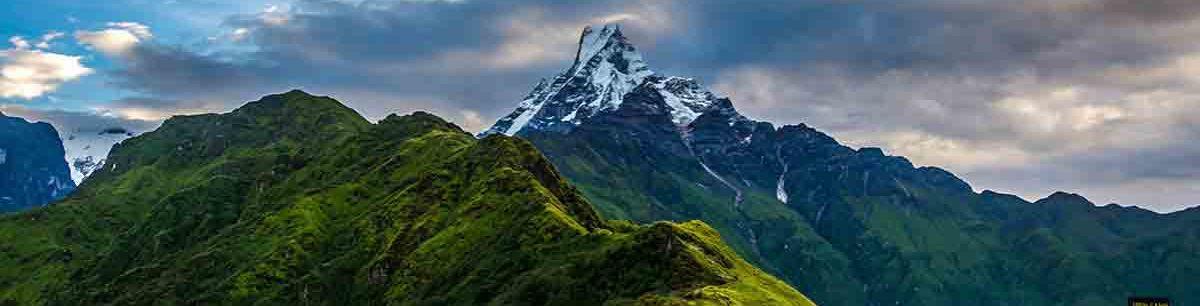

Nepal is home to some of the world’s most spectacular mountain peaks, attracting climbers and adventure enthusiasts from every corner of the globe. From beginner-friendly trekking peaks such as Island Peak and Mera Peak to challenging Himalayan summits, the country’s high-altitude landscapes offer unforgettable experiences. However, one of the biggest challenges climbers face is altitude sickness.
Altitude sickness, also known as Acute Mountain Sickness (AMS), can affect anyone regardless of age, fitness level, or climbing experience. Understanding how to prevent altitude sickness during peak climbing in Nepal is essential for a safe and successful expedition. Proper preparation, acclimatization, hydration, and awareness can significantly reduce the risk and help climbers enjoy their journey to the fullest.
In this comprehensive guide, we will explore what altitude sickness is, why it occurs, its symptoms, and the most effective strategies for preventing it while climbing peaks in Nepal.
Understanding Altitude Sickness
Altitude sickness occurs when the body struggles to adapt to lower oxygen levels at high elevations. As altitude increases, atmospheric pressure decreases, resulting in less oxygen available with each breath.
Most climbers begin to notice the effects of altitude above 2,500 meters (8,200 feet). The risk increases significantly above 3,500 meters, where many trekking routes and climbing peaks in Nepal are located.
The human body requires time to adjust to these conditions. When ascent is too rapid, the body cannot acclimatize effectively, leading to symptoms of altitude sickness.
Types of Altitude Sickness
Acute Mountain Sickness (AMS)
AMS is the most common and mildest form of altitude illness. Symptoms may include:
- Headache
- Nausea
- Dizziness
- Fatigue
- Loss of appetite
- Difficulty sleeping
- Shortness of breath during exertion
High Altitude Pulmonary Edema (HAPE)
HAPE is a serious condition involving fluid buildup in the lungs. Symptoms include:
- Persistent cough
- Breathlessness at rest
- Chest tightness
- Extreme fatigue
- Reduced exercise capacity
High Altitude Cerebral Edema (HACE)
HACE is a life-threatening condition caused by swelling of the brain. Symptoms include:
- Severe headache
- Loss of coordination
- Confusion
- Hallucinations
- Difficulty walking
- Loss of consciousness
Both HAPE and HACE require immediate descent and medical attention.
Why Altitude Sickness Is Common in Nepal
Nepal’s mountains rise rapidly from relatively low elevations. Many climbers travel directly from sea-level countries and begin trekking within a day or two of arrival.
Popular climbing destinations such as:
- Island Peak (6,189m)
- Mera Peak (6,476m)
- Lobuche East (6,119m)
- Pisang Peak (6,091m)
- Chulu East Peak (6,584m)
all involve spending significant time above 4,000 meters, where altitude-related illnesses become more common.
The combination of rapid elevation gain, physical exertion, cold weather, and dehydration increases the risk.
The Importance of Proper Acclimatization
Acclimatization is the body’s natural process of adapting to reduced oxygen levels.
The single most effective way to prevent altitude sickness is to ascend gradually and allow your body sufficient time to adjust.
Follow the “Climb High, Sleep Low” Principle
This strategy involves ascending to a higher elevation during the day and returning to a lower altitude to sleep.
Benefits include:
- Improved oxygen adaptation
- Increased red blood cell production
- Reduced AMS risk
- Better overall performance
Many Nepal peak-climbing itineraries incorporate acclimatization hikes specifically for this purpose.
Take Rest Days
Above 3,000 meters, climbers should include regular acclimatization days.
A typical guideline is:
- Do not increase sleeping elevation by more than 300–500 meters per day above 3,000 meters.
- Take an acclimatization day every 3–4 days.
Although some climbers feel tempted to move quickly, rest days often determine the success of the expedition.
Stay Properly Hydrated
Dehydration can worsen altitude sickness symptoms.
At high altitudes, the body loses fluids through:
- Increased breathing rate
- Dry mountain air
- Physical exertion
- Sweating
Climbers should aim to drink 3–5 liters of water daily.
Hydration Tips
- Carry insulated water bottles.
- Drink regularly, even if not thirsty.
- Use electrolyte supplements.
- Monitor urine color; pale yellow generally indicates good hydration.
Avoid excessive caffeine and alcohol, as both can contribute to dehydration.
Maintain a Slow and Steady Pace
Many climbers underestimate the importance of pacing.
Walking too quickly increases oxygen demand and places additional stress on the body.
Experienced Nepal climbing guides often recommend:
- Slow, rhythmic walking
- Controlled breathing
- Frequent short breaks
- Conserving energy throughout the day
Remember that reaching the summit is less important than reaching it safely.
Eat Enough Calories
High-altitude climbing burns a significant number of calories.
The body requires extra energy to:
- Maintain body temperature
- Adapt to altitude
- Support physical exertion
Recommended Foods
Carbohydrates are particularly beneficial at high elevations because they require less oxygen to metabolize than fats.
Good options include:
- Rice
- Potatoes
- Pasta
- Oatmeal
- Bread
- Fruits
- Soups
Frequent small meals often work better than large meals at altitude.
Avoid Alcohol and Smoking
Alcohol affects breathing patterns and sleep quality, both of which are important for acclimatization.
Smoking further reduces oxygen delivery throughout the body.
For the best chance of successful acclimatization:
- Avoid alcohol during the climb.
- Minimize smoking or stop entirely before the expedition.
- Prioritize rest and recovery.
Consider Preventive Medication
Some climbers use medications to reduce altitude sickness risk.
Acetazolamide (Diamox)
Diamox is commonly prescribed for altitude sickness prevention.
Benefits include:
- Faster acclimatization
- Reduced AMS symptoms
- Improved breathing during sleep
However, medication should never replace proper acclimatization.
Always consult a qualified healthcare professional before using Diamox or any altitude-related medication.
Get Physically Prepared Before the Expedition
Although physical fitness does not guarantee protection from altitude sickness, good conditioning helps climbers cope with the demands of high-altitude trekking.
Recommended Training
Several months before departure, focus on:
- Cardiovascular fitness
- Hiking endurance
- Leg strength
- Core stability
- Stair climbing
- Backpack training
A strong fitness foundation helps reduce fatigue and improves recovery.
Recognize Early Warning Signs
One of the biggest mistakes climbers make is ignoring symptoms.
Altitude sickness rarely improves if ascent continues.
Pay attention to:
- Headaches
- Unusual fatigue
- Nausea
- Loss of appetite
- Difficulty sleeping
Early recognition allows prompt action before symptoms become severe.
Never Ignore Persistent Headaches
A headache is often the first sign of AMS.
If a headache develops at altitude:
- Rest.
- Drink fluids.
- Avoid further ascent.
- Monitor symptoms closely.
If symptoms worsen, descent may be necessary.
Ignoring headaches can lead to more serious complications.
Sleep Well at Altitude
Quality sleep plays a vital role in acclimatization.
Although sleep disturbances are common at high elevations, climbers can improve rest by:
- Staying warm
- Drinking enough fluids
- Avoiding alcohol
- Eating a light dinner
- Maintaining a comfortable sleeping environment
Adequate sleep supports recovery and adaptation.
Choose a Realistic Itinerary
Many altitude-related incidents occur because climbers choose itineraries that are too aggressive.
When booking a Nepal peak-climbing expedition:
- Prioritize acclimatization days.
- Avoid overly rushed schedules.
- Select operators with experienced guides.
- Follow established climbing programs.
A longer itinerary often increases summit success rates and overall safety.
Listen to Your Guide
Professional mountain guides understand altitude-related risks and monitor climbers carefully.
Experienced guides can:
- Assess symptoms
- Recommend rest days
- Adjust pacing
- Make descent decisions
Trusting guide recommendations can prevent serious health emergencies.
Descend When Necessary
The most effective treatment for worsening altitude sickness is descent.
If symptoms become moderate or severe:
- Stop ascending immediately.
- Descend to a lower elevation.
- Seek medical evaluation if necessary.
No summit is worth risking your life.
Many successful climbers have turned back due to altitude issues and returned later under safer conditions.
Common Myths About Altitude Sickness
Myth 1: Only Beginners Get Altitude Sickness
Reality: Even elite climbers can develop AMS, HAPE, or HACE.
Myth 2: Fitness Prevents Altitude Sickness
Reality: Excellent athletes can still suffer from altitude illness.
Myth 3: Drinking More Water Alone Prevents AMS
Reality: Hydration helps but cannot replace proper acclimatization.
Myth 4: Symptoms Will Disappear If You Push Through
Reality: Continuing upward can worsen the condition significantly.
Essential Altitude Sickness Prevention Checklist
Before your Nepal peak-climbing expedition:
- Train physically for several months
- Choose an itinerary with acclimatization days
- Stay hydrated
- Eat high-carbohydrate meals
- Ascend gradually
- Monitor symptoms daily
- Avoid alcohol and smoking
- Consult a doctor regarding preventive medication
- Listen to guides and teammates
- Descend if symptoms worsen
Final Thoughts
Altitude sickness remains one of the most significant challenges during peak climbing in Nepal, but it is also one of the most preventable. Successful climbers understand that patience, preparation, and proper acclimatization are far more important than speed.
Whether you are planning to climb Island Peak, Mera Peak, Lobuche East, or another Himalayan summit, respecting the altitude is essential. Stay hydrated, pace yourself, follow a carefully designed itinerary, and pay close attention to your body’s signals.
By taking these precautions, you can greatly reduce the risk of altitude sickness and enjoy a safer, more rewarding climbing experience in Nepal’s magnificent mountains. The Himalayas offer extraordinary adventures, and with the right approach, you can experience them while protecting your health and maximizing your chances of reaching the summit safely.