
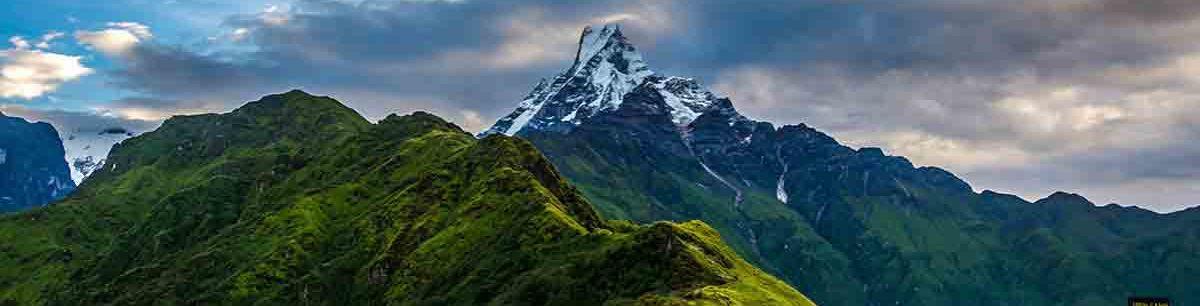

Tales from the Himalayas: The untold truth about trekking adventures is something every aspiring trekker should explore before setting foot on the world’s highest mountain range. While social media often paints a picture of serene trails, glowing sunrises, and effortless hikes, the reality of trekking in the Himalayas is far more complex, raw, and transformative. From unpredictable weather to mental endurance and cultural immersion, Himalayan trekking is not just a journey through landscapes—it’s a journey within yourself.
This article uncovers the hidden truths, challenges, and lesser-known realities of trekking in the Himalayas while providing practical insights to help you prepare for an authentic adventure.
The Beauty Is Real—But So Are the Challenges
There’s no denying that the Himalayas offer some of the most breathtaking scenery on Earth. Towering snow-capped peaks, lush valleys, glacial rivers, and remote villages create a dreamlike setting. However, these postcard-perfect views come with physical and environmental challenges.
Trekkers often underestimate the difficulty of high-altitude hiking. Trails can be steep, rocky, and uneven. What looks like a short distance on a map may take hours to complete due to elevation gain and terrain difficulty.
Additionally, the weather can change in minutes. A sunny morning can quickly turn into a snowstorm or heavy rain. This unpredictability is one of the untold truths about trekking adventures that surprises many first-time trekkers.
Altitude Is Your Biggest Opponent
One of the most critical aspects of Himalayan trekking is altitude. As you ascend, the oxygen level decreases, making it harder for your body to function normally.
Altitude sickness, also known as Acute Mountain Sickness (AMS), can affect anyone regardless of fitness level. Symptoms include headaches, nausea, dizziness, and fatigue. In severe cases, it can become life-threatening.
Proper acclimatization is essential. This means ascending slowly, taking rest days, and staying hydrated. Many experienced trekkers follow the rule: “climb high, sleep low.”
Ignoring altitude is one of the biggest mistakes trekkers make. Respecting it is key to a safe and successful journey.
Trekking Is More Mental Than Physical
While physical fitness is important, trekking in the Himalayas is equally a mental challenge. Long walking hours, isolation, and harsh conditions can test your patience and resilience.
There will be moments when your body feels exhausted, and your mind starts questioning your decision. These are the moments that define your trekking experience.
Mental strength helps you push through difficult days, adapt to unexpected changes, and stay positive. Many trekkers say the Himalayas teach humility, patience, and inner strength.
You Don’t Need to Be an Athlete—But Preparation Matters
A common myth is that only highly trained athletes can trek in the Himalayas. This is not entirely true. Many beginner-friendly treks are accessible to people with moderate fitness levels.
However, preparation is non-negotiable. Building stamina through regular walking, cardio exercises, and strength training can make a huge difference.
Simple habits like walking daily, practicing uphill hikes, and improving lung capacity will prepare your body for the demands of trekking.
The untold truth is that lack of preparation often leads to discomfort and even early termination of the trek.
The Simplicity of Mountain Life
One of the most eye-opening aspects of trekking is experiencing the simplicity of life in the mountains. Accommodation is usually basic, with teahouses or lodges offering minimal amenities.
Expect simple meals, limited electricity, and sometimes no internet. While this may seem inconvenient at first, it often becomes one of the most rewarding parts of the journey.
Disconnecting from modern distractions allows you to connect deeply with nature and yourself. Conversations become more meaningful, and small comforts feel more valuable.
Food and Nutrition: Fuel for the Journey
Food plays a crucial role in trekking. Most Himalayan trails offer local meals such as rice, lentils, vegetables, noodles, and soups.
While the menu may not be diverse, the food is nourishing and designed to provide energy. Staying hydrated is equally important, as dehydration can worsen altitude sickness.
Carrying energy snacks like nuts, chocolate, and protein bars can help maintain energy levels during long trekking days.
One untold truth is that your appetite may decrease at higher altitudes, making it important to eat regularly even if you don’t feel hungry.
Cultural Encounters Are Unforgettable
The Himalayas are not just about mountains—they are home to diverse cultures and traditions. Trekking routes often pass through remote villages where people live simple yet rich lives.
You’ll encounter warm hospitality, traditional practices, and unique lifestyles. Interacting with locals provides a deeper understanding of the region beyond its natural beauty.
Respecting local customs, traditions, and beliefs is essential. Simple gestures like greeting locals and learning a few local words can enhance your experience.
Packing Smart Is More Important Than Packing More
Overpacking is a common mistake among trekkers. Carrying unnecessary weight can make trekking exhausting and uncomfortable.
The key is to pack smart. Essential items include:
- Layered clothing for varying temperatures
- Comfortable trekking shoes
- A good backpack
- Water bottles and purification tablets
- Basic first aid kit
- Trekking poles
Packing light but efficiently ensures mobility and comfort throughout the trek.
The Role of Guides and Porters
Hiring guides and porters can significantly enhance your trekking experience. Guides provide navigation, safety, and local knowledge, while porters help carry heavy loads.
Supporting local guides and porters also contributes to the local economy. Their expertise can be invaluable, especially in unfamiliar terrain.
Many trekkers underestimate their importance, but they often play a crucial role in ensuring a safe and enjoyable journey.
Weather Can Change Everything
Weather in the Himalayas is unpredictable and can impact your itinerary. Delays, route changes, and cancellations are common.
Flexibility is essential. Having buffer days in your schedule can help manage unexpected disruptions.
The untold truth is that patience becomes your greatest ally when dealing with mountain weather.
Environmental Responsibility Matters
The increasing popularity of trekking has led to environmental concerns. Waste management, trail erosion, and pollution are growing issues.
Responsible trekking practices include:
- Carrying reusable bottles
- Avoiding plastic waste
- Respecting wildlife
- Following “leave no trace” principles
Protecting the Himalayas ensures that future generations can experience their beauty.
The Emotional Impact of Trekking
Trekking in the Himalayas is not just a physical journey—it’s an emotional one. The vastness of the mountains often brings a sense of perspective and clarity.
Many trekkers return with a renewed outlook on life. The challenges faced during the trek build confidence and resilience.
The untold truth is that the Himalayas have a way of changing you, often in ways you don’t expect.
Safety Should Always Come First
Safety is a crucial aspect of trekking. Being aware of your limits, following guidelines, and listening to your body can prevent serious issues.
Travel insurance, emergency contacts, and basic medical knowledge are essential. Never ignore warning signs such as severe fatigue or altitude sickness symptoms.
Preparedness can make the difference between a memorable adventure and a risky situation.
Trekking Seasons Matter
Choosing the right season can greatly impact your experience. The most popular trekking seasons are spring and autumn, offering stable weather and clear views.
Winter treks can be beautiful but challenging due to snow and cold temperatures. Monsoon season brings lush landscapes but also slippery trails and limited visibility.
Understanding seasonal conditions helps in planning a safer and more enjoyable trek.
Conclusion
Tales from the Himalayas: The untold truth about trekking adventures reveals that trekking is far more than scenic beauty—it is a test of endurance, patience, and adaptability. While the mountains offer unmatched rewards, they also demand respect and preparation.
From altitude challenges to cultural experiences and mental resilience, every aspect of trekking contributes to a life-changing journey. The Himalayas are not just a destination; they are a teacher, a challenge, and an inspiration.
If you approach them with the right mindset and preparation, your trekking adventure will become a story worth telling—a true tale from the Himalayas.
