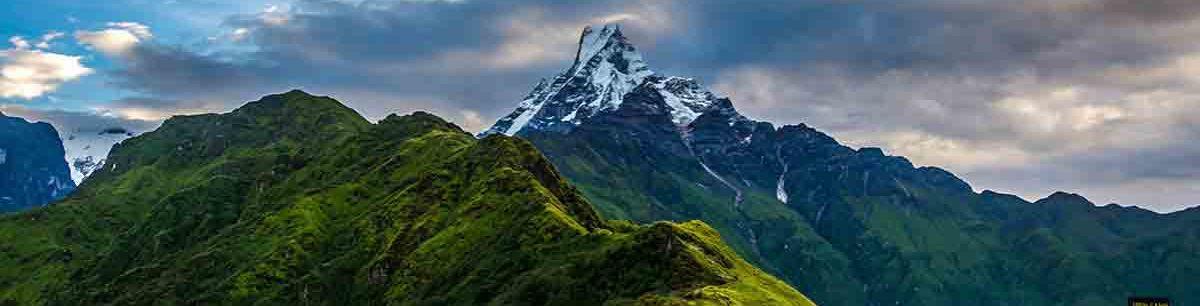
Exploring Nepal’s Hidden Treasures: Culture, Wisdom, and Meaningful Discovery

Exploring Nepal’s hidden treasures is more than just a travel idea—it’s an invitation to experience a country where every journey reveals layers of culture, spiritual wisdom, and meaningful discovery. While many travelers come for the himalayan views and famous trekking routes, Nepal offers far deeper rewards for those willing to look beyond the surface. From ancient temples and vibrant cities like Kathmandu to peaceful villages and sacred landscapes, each step uncovers stories, traditions, and insights that leave a lasting impression.

In this comprehensive guide, we explore Nepal’s hidden treasures—those cultural, spiritual, and experiential gems that make every step in this remarkable country unforgettable.


The Cultural Heartbeat of Nepal

Nepal’s identity is shaped by a rich blend of ethnic groups, languages, and traditions. With over 120 ethnic communities and more than 120 languages spoken across the country, Nepal’s diversity is one of its greatest strengths.

Ancient Cities Filled with Living History

The Kathmandu Valley is home to three historic cities—Kathmandu, Bhaktapur, and Patan—each preserving centuries-old architecture and traditions.

  • In Kathmandu, the vibrant courtyards and temples around Kathmandu Durbar Square showcase royal history and intricate wood carvings.
  • Bhaktapur feels like a step back in time, with its well-preserved palaces and pottery squares.
  • Patan is renowned for its artistic heritage, especially metalwork and stone sculptures.

These cities are not museums—they are living, breathing spaces where rituals continue daily, offering travelers a rare glimpse into authentic Nepalese life.


Spiritual Wisdom Rooted in Everyday Life

Nepal is a spiritual haven where religion is seamlessly woven into daily routines. The coexistence of Hinduism and Buddhism creates a unique atmosphere of harmony and shared belief.

Sacred Sites That Inspire Reflection

Two of the most significant spiritual landmarks in Nepal are:

  • Pashupatinath Temple – one of the holiest Hindu temples dedicated to Lord Shiva.
  • Boudhanath Stupa – a massive stupa that serves as a center for Tibetan Buddhism.

Visitors often describe a sense of calm and introspection when walking around these sacred spaces. Whether it’s the rhythmic chanting of monks or the scent of incense in the air, these experiences foster a deeper connection with oneself.

The Birthplace of Buddha

Nepal is also home to Lumbini, the birthplace of Siddhartha Gautama. This UNESCO World Heritage Site attracts pilgrims and travelers seeking peace and enlightenment. Walking through Lumbini’s monastic zones offers a profound sense of serenity and global spiritual unity.


Hidden Villages and Authentic Experiences

While popular trekking routes draw thousands each year, Nepal’s lesser-known villages provide a more intimate and meaningful travel experience.

Discovering Rural Nepal

In regions like Bandipur and Tansen, visitors can immerse themselves in local life. These towns offer:

  • Traditional Newari and Magar architecture
  • Home-cooked meals prepared with locally sourced ingredients
  • Opportunities to interact with residents and learn about their customs

Such experiences allow travelers to move beyond tourism and engage in genuine cultural exchange.


The Wisdom of the Himalayas

The Himalayas are more than just a geographical marvel—they are a source of spiritual and philosophical inspiration.

Trekking as a Journey Within

Popular routes like the Annapurna Circuit and Everest Base Camp are not only physically rewarding but also mentally enriching.

As trekkers pass through remote monasteries, prayer flags, and quiet mountain paths, they often experience:

  • A sense of humility in the face of nature’s grandeur
  • Clarity through simplicity and detachment from daily distractions
  • A deeper appreciation for resilience and community

The mountains teach lessons that extend far beyond the trail.


Festivals: A Celebration of Life and Belief

Nepal’s festivals are vibrant expressions of its cultural and spiritual richness. These celebrations bring communities together and offer visitors a chance to witness traditions firsthand.

Major Festivals to Experience

  • Dashain – the longest and most important Hindu festival, symbolizing the victory of good over evil.
  • Tihar – a five-day festival honoring animals, siblings, and the goddess of wealth.
  • Holi – a joyful celebration filled with colors, music, and laughter.

Participating in these festivals offers insight into Nepalese values, family bonds, and spiritual beliefs.


Meaningful Discovery Through Responsible Travel

Exploring Nepal’s hidden treasures also comes with a responsibility to preserve its culture and environment.

Travel with Purpose

To make your journey more meaningful:

  • Support local businesses and artisans
  • Choose eco-friendly trekking and tour operators
  • Respect cultural norms and religious practices
  • Minimize environmental impact by reducing waste

Responsible travel ensures that Nepal’s beauty and heritage remain intact for future generations.


Culinary Traditions: A Taste of Nepal

Food in Nepal is deeply tied to culture and community. Traditional dishes reflect the country’s agricultural roots and diverse influences.

Must-Try Nepalese Foods

  • Dal Bhat – a staple dish of lentil soup, rice, and vegetables.
  • Momo – a popular snack filled with meat or vegetables.
  • Sel Roti – a sweet, ring-shaped bread often prepared during festivals.

Sharing meals with locals often becomes one of the most memorable parts of a trip, offering both nourishment and connection.


Art, Craft, and Timeless Skills

Nepalese craftsmanship is a reflection of its cultural depth. From intricate thangka paintings to hand-carved wooden windows, artistry is visible everywhere.

Preserving Heritage Through Craft

In places like Patan and Bhaktapur, artisans continue centuries-old traditions, creating:

  • Metal statues of deities
  • Handwoven textiles
  • Traditional pottery

These crafts are not just souvenirs—they are expressions of identity and heritage passed down through generations.


Why Nepal Is a Destination for Meaningful Discovery

Nepal stands apart from many travel destinations because it offers more than just visual beauty. It provides experiences that enrich the mind and soul.

What Makes Nepal Unique?

  • A harmonious blend of Hindu and Buddhist traditions
  • Genuine hospitality and warmth from locals
  • Opportunities for both adventure and introspection
  • A slower pace of life that encourages mindfulness

Every journey in Nepal becomes a story of discovery—of the land, its people, and oneself.


Conclusion: A Journey Beyond the Ordinary

Exploring Nepal’s hidden treasures is not about ticking destinations off a list—it’s about embracing a deeper way of travel. Whether you’re wandering through ancient temples, sharing tea with villagers, or trekking through the Himalayas, Nepal invites you to pause, reflect, and connect.

In a world that often moves too fast, Nepal offers something rare: the chance to rediscover meaning in simplicity, wisdom in tradition, and joy in genuine human connection.

If you’re seeking a travel experience that goes beyond the ordinary, Nepal is not just a destination—it is a journey into culture, wisdom, and meaningful discovery.

Quick Inquiry Form

Why Nepal Is Called the Land of Peace: Meaning, History, and Spiritual Significance

Nepal, a small yet profoundly influential country nestled in the heart of the Himalayas, is often referred to as the “Land of Peace.” This title is not just a poetic label—it reflects the nation’s deep-rooted spiritual heritage, harmonious cultural diversity, and enduring message of nonviolence. From being the birthplace of Gautama Buddha in Lumbini to its long-standing traditions of tolerance and coexistence, Nepal embodies peace in ways that resonate globally.

In this comprehensive guide, we explore the meaning, historical background, and spiritual significance behind why Nepal is known as the Land of Peace.


Understanding the Meaning of “Land of Peace”

The phrase “Land of Peace” goes beyond the absence of conflict. In the context of Nepal, it symbolizes:

  • Inner peace and spiritual awakening
  • Religious harmony and coexistence
  • Cultural tolerance and unity
  • Connection between humans and nature

Peace in Nepal is deeply intertwined with everyday life. Whether it’s through meditation in ancient monasteries, chanting in temples, or simply the calm presence of the Himalayas, peace is both a philosophy and a lived experience.


The Birthplace of Buddha: A Global Symbol of Peace

One of the strongest reasons Nepal is called the Land of Peace is its association with Gautama Buddha, who was born in Lumbini around the 6th century BCE.

Why This Matters

  • Buddha’s teachings revolve around nonviolence (Ahimsa), compassion, and mindfulness
  • Millions of people worldwide follow his philosophy of peace
  • Lumbini has become a major pilgrimage site promoting global peace

Lumbini Today

Lumbini is recognized as a UNESCO World Heritage Site and attracts visitors from across the globe. The sacred garden, monasteries built by different countries, and the Maya Devi Temple create an environment dedicated entirely to reflection and tranquility.


A History Rooted in Spiritual Harmony

Unlike many regions marked by prolonged conflict, Nepal has historically been a land where multiple religions and ethnic groups coexist peacefully.

Religious Diversity in Harmony

Nepal is home to several religions, including:

  • Hinduism
  • Buddhism
  • Islam
  • Christianity
  • Indigenous beliefs

What makes Nepal unique is not just this diversity, but the blending of traditions. It’s common to see Hindu and Buddhist practices overlapping, especially in places like:

  • Pashupatinath Temple
  • Swayambhunath Stupa
  • Boudhanath Stupa

These sacred sites serve followers of multiple faiths and stand as living symbols of peaceful coexistence.


Cultural Diversity and Unity

Nepal is home to over 120 ethnic groups and languages, yet it remains unified. This diversity contributes significantly to its identity as a peaceful nation.

Key Aspects of Cultural Peace

  • Mutual respect among ethnic communities
  • Shared festivals celebrated across religions
  • Strong community values and family structures

Festivals such as Dashain and Tihar are celebrated nationwide, often involving people from different cultural backgrounds, strengthening unity and harmony.


The Role of the Himalayas in Inspiring Peace

Nepal is home to eight of the world’s ten highest peaks, including Mount Everest. The Himalayas are not just geographical features—they are deeply spiritual landscapes.

How Nature Contributes to Peace

  • Provides a sense of calm and perspective
  • Attracts meditation practitioners and yogis
  • Encourages a slower, mindful lifestyle

Trekking routes like those in the Everest and Annapurna regions offer not only adventure but also spiritual rejuvenation, drawing thousands seeking peace and clarity.


Nepal’s Contribution to Global Peace

Nepal’s identity as the Land of Peace extends beyond its borders.

Peacekeeping Efforts

Nepal is one of the largest contributors to the United Nations Peacekeeping Forces. Nepali soldiers are respected worldwide for their dedication to maintaining peace in conflict zones.

International Recognition

Nepal’s peaceful image has made it a hub for:

  • International conferences on peace and spirituality
  • Meditation retreats and yoga programs
  • Pilgrimages for global travelers

Spiritual Practices That Define Nepal

Peace in Nepal is not just symbolic—it is actively practiced through daily rituals and traditions.

Meditation and Mindfulness

Many monasteries and retreat centers across Nepal teach:

  • Vipassana meditation
  • Buddhist mindfulness practices
  • Yoga and breathing techniques

These practices attract people from around the world seeking mental clarity and emotional balance.


The Influence of Religion on Daily Life

Religion in Nepal plays a vital role in shaping peaceful behavior.

Hinduism and Peace

As a predominantly Hindu country, Nepal embraces teachings such as:

  • Dharma (duty and righteousness)
  • Karma (actions and consequences)
  • Ahimsa (nonviolence)

Buddhism and Compassion

Buddhist teachings emphasize:

  • Compassion for all living beings
  • Detachment from material desires
  • The pursuit of enlightenment

Together, these philosophies create a society rooted in tolerance and empathy.


Nepal’s Political Journey Toward Peace

Although Nepal experienced political challenges, including a civil conflict in the late 20th century, it has made significant strides toward peace.

Key Milestone

  • The Comprehensive Peace Accord ended a decade-long civil war and marked the beginning of a new era of stability.

This transition reflects Nepal’s resilience and commitment to peace, reinforcing its global image.


Tourism and the Peace Experience

Tourism in Nepal is deeply connected to its peaceful identity.

Why Travelers Visit Nepal

  • Spiritual retreats and meditation
  • Pilgrimages to sacred sites
  • Trekking in serene natural environments

Popular destinations include:

  • Kathmandu
  • Pokhara
  • Lumbini

Visitors often describe Nepal as a place where they can disconnect from stress and reconnect with themselves.


Why the Title Still Matters Today

In a world facing increasing conflict and stress, Nepal’s identity as the Land of Peace holds more relevance than ever.

Modern-Day Significance

  • Promotes global awareness of peace and mindfulness
  • Encourages sustainable and harmonious living
  • Serves as a model for cultural coexistence

Nepal continues to inspire individuals and nations to embrace peace as a way of life.


Challenges to Maintaining Peace

Despite its reputation, Nepal faces challenges that could impact its peaceful identity:

  • Urbanization and environmental issues
  • Economic disparities
  • Political instability in certain periods

However, the country’s strong cultural and spiritual foundations help it navigate these challenges with resilience.


Conclusion: A Living Symbol of Peace

Nepal’s title as the Land of Peace is deeply earned and richly meaningful. From the birth of Gautama Buddha in Lumbini to its harmonious blend of cultures, religions, and natural beauty, Nepal represents peace in its truest form.

It is not just a destination—it is an experience, a philosophy, and a reminder that peace begins within. Whether through spiritual exploration, cultural immersion, or simply witnessing the serene Himalayas, Nepal continues to offer the world a timeless message:

Peace is possible, and it starts with us.

Quick Inquiry Form