Exploring Nepal’s Hidden Treasures: Culture, Wisdom, and Meaningful Discovery

Exploring Nepal’s hidden treasures is more than just a travel idea—it’s an invitation to experience a country where every journey reveals layers of culture, spiritual wisdom, and meaningful discovery. While many travelers come for the himalayan views and famous trekking routes, Nepal offers far deeper rewards for those willing to look beyond the surface. From ancient temples and vibrant cities like Kathmandu to peaceful villages and sacred landscapes, each step uncovers stories, traditions, and insights that leave a lasting impression.

In this comprehensive guide, we explore Nepal’s hidden treasures—those cultural, spiritual, and experiential gems that make every step in this remarkable country unforgettable.


The Cultural Heartbeat of Nepal

Nepal’s identity is shaped by a rich blend of ethnic groups, languages, and traditions. With over 120 ethnic communities and more than 120 languages spoken across the country, Nepal’s diversity is one of its greatest strengths.

Ancient Cities Filled with Living History

The Kathmandu Valley is home to three historic cities—Kathmandu, Bhaktapur, and Patan—each preserving centuries-old architecture and traditions.

  • In Kathmandu, the vibrant courtyards and temples around Kathmandu Durbar Square showcase royal history and intricate wood carvings.
  • Bhaktapur feels like a step back in time, with its well-preserved palaces and pottery squares.
  • Patan is renowned for its artistic heritage, especially metalwork and stone sculptures.

These cities are not museums—they are living, breathing spaces where rituals continue daily, offering travelers a rare glimpse into authentic Nepalese life.


Spiritual Wisdom Rooted in Everyday Life

Nepal is a spiritual haven where religion is seamlessly woven into daily routines. The coexistence of Hinduism and Buddhism creates a unique atmosphere of harmony and shared belief.

Sacred Sites That Inspire Reflection

Two of the most significant spiritual landmarks in Nepal are:

  • Pashupatinath Temple – one of the holiest Hindu temples dedicated to Lord Shiva.
  • Boudhanath Stupa – a massive stupa that serves as a center for Tibetan Buddhism.

Visitors often describe a sense of calm and introspection when walking around these sacred spaces. Whether it’s the rhythmic chanting of monks or the scent of incense in the air, these experiences foster a deeper connection with oneself.

The Birthplace of Buddha

Nepal is also home to Lumbini, the birthplace of Siddhartha Gautama. This UNESCO World Heritage Site attracts pilgrims and travelers seeking peace and enlightenment. Walking through Lumbini’s monastic zones offers a profound sense of serenity and global spiritual unity.


Hidden Villages and Authentic Experiences

While popular trekking routes draw thousands each year, Nepal’s lesser-known villages provide a more intimate and meaningful travel experience.

Discovering Rural Nepal

In regions like Bandipur and Tansen, visitors can immerse themselves in local life. These towns offer:

  • Traditional Newari and Magar architecture
  • Home-cooked meals prepared with locally sourced ingredients
  • Opportunities to interact with residents and learn about their customs

Such experiences allow travelers to move beyond tourism and engage in genuine cultural exchange.


The Wisdom of the Himalayas

The Himalayas are more than just a geographical marvel—they are a source of spiritual and philosophical inspiration.

Trekking as a Journey Within

Popular routes like the Annapurna Circuit and Everest Base Camp are not only physically rewarding but also mentally enriching.

As trekkers pass through remote monasteries, prayer flags, and quiet mountain paths, they often experience:

  • A sense of humility in the face of nature’s grandeur
  • Clarity through simplicity and detachment from daily distractions
  • A deeper appreciation for resilience and community

The mountains teach lessons that extend far beyond the trail.


Festivals: A Celebration of Life and Belief

Nepal’s festivals are vibrant expressions of its cultural and spiritual richness. These celebrations bring communities together and offer visitors a chance to witness traditions firsthand.

Major Festivals to Experience

  • Dashain – the longest and most important Hindu festival, symbolizing the victory of good over evil.
  • Tihar – a five-day festival honoring animals, siblings, and the goddess of wealth.
  • Holi – a joyful celebration filled with colors, music, and laughter.

Participating in these festivals offers insight into Nepalese values, family bonds, and spiritual beliefs.


Meaningful Discovery Through Responsible Travel

Exploring Nepal’s hidden treasures also comes with a responsibility to preserve its culture and environment.

Travel with Purpose

To make your journey more meaningful:

  • Support local businesses and artisans
  • Choose eco-friendly trekking and tour operators
  • Respect cultural norms and religious practices
  • Minimize environmental impact by reducing waste

Responsible travel ensures that Nepal’s beauty and heritage remain intact for future generations.


Culinary Traditions: A Taste of Nepal

Food in Nepal is deeply tied to culture and community. Traditional dishes reflect the country’s agricultural roots and diverse influences.

Must-Try Nepalese Foods

  • Dal Bhat – a staple dish of lentil soup, rice, and vegetables.
  • Momo – a popular snack filled with meat or vegetables.
  • Sel Roti – a sweet, ring-shaped bread often prepared during festivals.

Sharing meals with locals often becomes one of the most memorable parts of a trip, offering both nourishment and connection.


Art, Craft, and Timeless Skills

Nepalese craftsmanship is a reflection of its cultural depth. From intricate thangka paintings to hand-carved wooden windows, artistry is visible everywhere.

Preserving Heritage Through Craft

In places like Patan and Bhaktapur, artisans continue centuries-old traditions, creating:

  • Metal statues of deities
  • Handwoven textiles
  • Traditional pottery

These crafts are not just souvenirs—they are expressions of identity and heritage passed down through generations.


Why Nepal Is a Destination for Meaningful Discovery

Nepal stands apart from many travel destinations because it offers more than just visual beauty. It provides experiences that enrich the mind and soul.

What Makes Nepal Unique?

  • A harmonious blend of Hindu and Buddhist traditions
  • Genuine hospitality and warmth from locals
  • Opportunities for both adventure and introspection
  • A slower pace of life that encourages mindfulness

Every journey in Nepal becomes a story of discovery—of the land, its people, and oneself.


Conclusion: A Journey Beyond the Ordinary

Exploring Nepal’s hidden treasures is not about ticking destinations off a list—it’s about embracing a deeper way of travel. Whether you’re wandering through ancient temples, sharing tea with villagers, or trekking through the Himalayas, Nepal invites you to pause, reflect, and connect.

In a world that often moves too fast, Nepal offers something rare: the chance to rediscover meaning in simplicity, wisdom in tradition, and joy in genuine human connection.

If you’re seeking a travel experience that goes beyond the ordinary, Nepal is not just a destination—it is a journey into culture, wisdom, and meaningful discovery.

Quick Inquiry Form

Nepal Unveiled: A Transformational Himalayan Journey Through Culture, Nature, and Spirit in 2026

Travelers searching for a destination that blends breathtaking landscapes, living traditions, and timeless spirituality often find themselves drawn to Nepal. Few places on Earth offer such a powerful meeting point between natural grandeur and human devotion. As soon as you land, towering snow peaks, ancient temples, and warm smiles create an atmosphere where mountains and gods truly meet.

This comprehensive guide explores how you can plan your ultimate Nepal journey in 2026—one that goes beyond sightseeing and becomes an experience of personal meaning. You will learn what makes Nepal spiritually profound, culturally rich, and adventure-ready, along with recommended routes, budgets, itineraries, and travel insights for a life-changing trip.


Nepal in 2026: Why This Is the Perfect Year to Visit

Nepal continues to grow as a global travel destination, yet it maintains an authentic identity that visitors deeply appreciate. In 2026, several developments make it even more appealing:

1. Improved Travel Infrastructure
Upgraded highways, expanded regional airports, and smoother domestic flights are reducing travel time between major destinations.

2. Enhanced Trekking Routes
Communities along popular trails—Everest, Annapurna, Langtang—have invested in safer pathways, better lodges, and digital connectivity.

3. Sustainable Tourism Practices
Eco-lodges, community homestays, and conservation partnerships are reshaping how visitors experience rural Nepal while benefiting local people.

4. Cultural Renaissance
Temple restoration in Kathmandu Valley and investment in heritage preservation ensure travelers can witness Nepal’s past more vividly than ever.

With these improvements, 2026 offers an ideal moment to explore Nepal’s soul.


Where Spirituality and Daily Life Intertwine

Nepal is a rare place where religion is not an isolated practice but part of everyday rhythm. Temples hum with activity from dawn to dusk. Mountains themselves are considered deities. Ancient legends blend seamlessly with the lives of modern communities.

Kathmandu Valley: The Spiritual Heart

The capital region houses seven UNESCO World Heritage Sites. Among them:

  • Pashupatinath Temple – the holiest Hindu Shiva shrine outside India
  • Boudhanath Stupa – a centerpiece of Tibetan Buddhist pilgrimage
  • Swayambhunath Stupa – an ancient hilltop shrine with sweeping valley views
  • Patan Durbar Square – a living museum of Newari art and architecture

Exploring these sites offers a window into continuity—rituals performed in the same manner for centuries, artisans preserving ancestral crafts, and pilgrims walking paths worn by countless generations.

The Sacred Himalayas

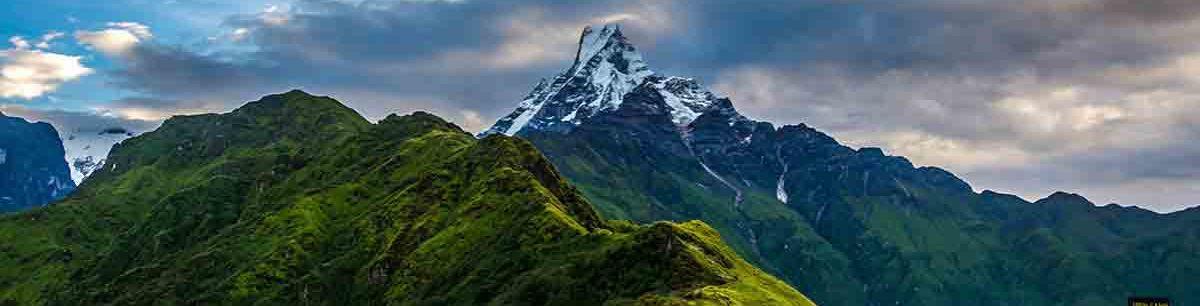
Outside the cities, mountains rise as silent guardians. Many travelers describe the Himalayas not only as beautiful but transformational. Peaks such as Ama Dablam, Machhapuchhre, and Langtang Lirung are worshipped as deities, and visiting them is as much a spiritual experience as a physical journey.


A Cultural Mosaic Unlike Anywhere Else

Nepal’s culture is shaped by more than 125 ethnic groups and over 100 languages. This diversity creates a vibrant mix of:

  • Food traditions (Newari feasts, Thakali meals, Sherpa soups)
  • Festivals (Holi, Dashain, Tihar, Indra Jatra, Lhosar)
  • Traditional music and dances
  • Handicrafts and artisan communities
  • Clothing styles and regional architecture

Travelers who venture beyond the major cities often find incredibly welcoming communities eager to share their stories and heritage.


Epic Landscapes for Every Traveler

Nepal’s landscapes range from lush rice terraces to frozen summits and subtropical forests. Because of this diversity, your journey can be as relaxed or as adventurous as you want.

The Majestic Himalayas

Home to eight of the world’s fourteen highest peaks, the Himalayas attract trekkers, climbers, photographers, and seekers. Popular journeys include:

Each trek offers a different blend of scenery, culture, and challenge.

The Lake City of Pokhara

Pokhara provides a calm counterpoint to Kathmandu. With its lakeside promenade, mountain reflections, and soft breezes, it is a place for rest, adventure, or contemplation. Activities include:

  • Paragliding
  • Boating on Phewa Lake
  • Sunrise views from Sarangkot
  • Caves and waterfalls
  • Yoga and wellness retreats

The Terai: Nepal’s Wild Heart

Further south lies a contrasting landscape of jungle plains and wildlife preserves. In Chitwan and Bardia National Parks, travelers can encounter:

  • One-horned rhinos
  • Bengal tigers
  • Wild elephants
  • Crocodiles
  • Hundreds of bird species

This region is ideal for safari lovers and families.


Planning Your Ultimate Nepal Journey in 2026

Designing a meaningful trip requires understanding Nepal’s seasons, costs, transportation, and routes.

Best Time to Visit Nepal

The ideal months depend on your interests:

  • Autumn (September–November): Clear skies, stable weather, best trekking conditions
  • Spring (March–May): Rhododendron blooms, moderate temperatures
  • Winter (December–February): Quiet trails, crisp views, great for cultural travel
  • Summer/Monsoon (June–August): Green landscapes, fewer travelers, best for Mustang or Tibet-border regions

For treks like Everest, Annapurna, or Langtang, autumn and spring remain unmatched.


How Long Should You Stay?

Most travelers spend between 10 and 21 days in Nepal. Here are recommended durations based on interest:

  • Culture-focused: 7–10 days
  • Short trekking + culture: 10–14 days
  • Classic Everest Base Camp: 12–14 days
  • Annapurna Circuit: 14–18 days
  • Upper Mustang or Manaslu: 14–21 days

A three-week trip allows time to explore both cultural regions and the mountains.


Sample 14-Day “Nepal Soul Journey” Itinerary

Days 1–3: Kathmandu Valley

  • Pashupatinath
  • Boudhanath
  • Patan and Bhaktapur
  • Traditional cooking class or artisan workshop

Days 4–6: Pokhara and Surroundings

  • Phewa Lake
  • Peace Pagoda
  • Sunrise at Sarangkot
  • Optional paragliding

Day 7–12: Himalayan Trekking (choose Annapurna or Everest region)

  • Village teahouses
  • Guided trekking
  • Cultural immersion
  • Mountain panoramas

Day 13–14: Chitwan National Park

  • Jeep safari
  • Canoeing
  • Tharu cultural performance

This itinerary blends spirituality, adventure, relaxation, and wildlife into a balanced journey.


Budget Guide for Nepal Travel in 2026

A comfortable mid-range traveler can expect:

Accommodation

  • Budget guesthouse: $15–$25/night
  • Mid-range hotel: $40–$70/night
  • Upscale boutique: $90–$200/night

Food

  • Local meals: $3–$6
  • Tourist restaurants: $8–$15
  • High-end dining: $25–$40

Transportation

  • Domestic flights: $80–$180
  • Private car hire: $40–$120/day
  • Tourist buses: $15–$30

Trekking Costs

  • Guided trek (per day): $40–$80
  • Permits (varies by region): $30–$100+
  • Equipment (rent/buy): $50–$200

Overall Trip Cost

  • Budget traveler: $800–$1,200 (10 days)
  • Mid-range traveler: $1,500–$2,400 (10–14 days)
  • Luxury traveler: $3,500+

Nepal remains one of the best-value destinations for extended travel.


Choosing the Right Journey: What Kind of Traveler Are You?

The Spiritual Explorer

Seek temples, meditation centers, and sacred mountains.
Ideal route: Kathmandu → Namobuddha → Pokhara → Lumbini

The Adventurer

Goal: trekking, rafting, paragliding, or peak climbing.
Ideal route: Everest or Annapurna trekking + Pokhara

The Cultural Traveler

Focus on heritage towns, artisan workshops, festivals.
Ideal route: Kathmandu Valley + Bandipur + Pokhara

The Wildlife Lover

Head south to Nepal’s jungle parks.
Ideal route: Chitwan or Bardia + Lumbini

The Balanced Traveler

Blend the best of all landscapes.
Ideal route: Kathmandu → Pokhara → short trek → Chitwan


What Makes Nepal a Soul-Stirring Destination?

Travelers often say Nepal gives them:

  • A deeper sense of perspective
  • A connection to nature
  • Space for personal reflection
  • Encounters with warm and generous communities
  • A feeling of being welcomed like family
  • Memories that influence their life long after returning home

This is why so many visitors describe their trip to Nepal not just as a holiday but a transformation.


Final Thoughts: Your 2026 Journey Awaits

Nepal is much more than a destination. It is a place where towering peaks meet ancient temples, where tradition blends with modernity, and where travelers discover something profound within themselves. Whether you seek adventure, culture, spirituality, or personal renewal, Nepal offers a journey that resonates deeply.

In 2026, improved infrastructure, expanded trekking services, and renewed cultural preservation make it the perfect year to experience Nepal’s soul. Plan thoughtfully, travel with intention, and embrace the country’s rhythms. The Himalayas—and the people who live in their shadows—will welcome you with open arms.