
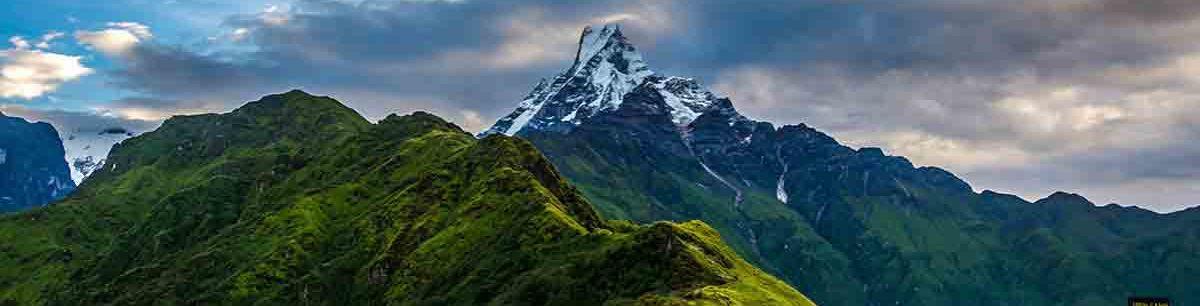

Trekking in Nepal is a dream adventure for travelers from around the world. From peaceful forest walks to extreme high-altitude expeditions, the country offers trails for every skill level. Understanding Nepal trek difficulty levels is essential before choosing a trekking route because the Himalayan terrain varies greatly in altitude, duration, weather, and physical demands.
Whether you are a first-time trekker or an experienced mountaineer, learning about Nepal trek difficulty levels helps you prepare properly, select the right route, and enjoy a safer trekking experience. Some trails are suitable for beginners with moderate fitness, while others require advanced endurance, technical skills, and high-altitude experience.
This guide explains everything about trekking difficulty in Nepal, including trail classifications, fitness requirements, altitude challenges, preparation tips, and examples of beginner, moderate, difficult, and expert-level Himalayan treks.
Why Understanding Nepal Trek Difficulty Levels Matters
Choosing the wrong trek can turn an exciting adventure into an exhausting and risky experience. Many trekkers underestimate the impact of altitude, steep ascents, changing weather, and long walking hours in the Himalayas.
Understanding Nepal trek difficulty levels helps trekkers:
- Select a route that matches their fitness level
- Prepare mentally and physically
- Avoid altitude-related problems
- Pack appropriate gear
- Set realistic expectations
- Enjoy the trekking experience safely
Different trekking companies may describe routes differently, but most Himalayan trails in Nepal can generally be divided into four categories:
- Beginner/Easy Treks
- Moderate Treks
- Difficult Treks
- Expert-Level Treks
Each category has unique characteristics and challenges.
Main Factors That Determine Trek Difficulty in Nepal
Several elements influence the difficulty level of a trek in Nepal. It is not only about distance or walking hours.
Altitude
Altitude is the biggest factor affecting trekking difficulty. Oxygen levels decrease as elevation increases, making breathing harder.
Treks above 3,000 meters often involve:
- Shortness of breath
- Fatigue
- Slower movement
- Risk of altitude sickness
Popular high-altitude trekking regions in Nepal include:
- Everest Base Camp
- Annapurna Circuit
- Manaslu Circuit
Trek Duration
Longer treks require greater endurance. Multi-week trekking adventures can become physically demanding due to continuous walking and limited recovery time.
Short treks of 3–5 days are generally easier than 15–20 day expeditions.
Terrain Conditions
Nepal’s trekking trails vary from:
- Stone staircases
- Rocky mountain paths
- Glacier crossings
- Narrow ridges
- Snow-covered passes
Steep ascents and descents significantly increase trek difficulty.
Daily Walking Hours
Easy treks may involve 4–5 walking hours per day, while expert routes can require 8–10 hours daily in challenging conditions.
Weather and Season
Weather conditions strongly affect trekking experiences. Winter snow, monsoon rain, and strong mountain winds can increase risks and difficulty.
The best trekking seasons in Nepal are:
- Spring (March to May)
- Autumn (September to November)
Remote Conditions
Remote trekking routes have:
- Limited accommodation
- Fewer medical facilities
- Difficult transportation access
- Scarce communication services
Expert-level treks require strong self-management and preparation.
Beginner Trekking Routes in Nepal
Beginner treks are ideal for people with basic fitness and little or no trekking experience. These routes usually stay below extreme altitudes and provide comfortable accommodations.
Features of Beginner Treks
- Lower altitude
- Shorter trekking days
- Well-maintained trails
- Easy access to villages and tea houses
- Minimal technical challenges
Recommended Beginner Treks
Ghorepani Poon Hill Trek
This is one of the most popular beginner-friendly treks in Nepal. The route offers:
- Stunning sunrise views
- Rhododendron forests
- Traditional Gurung villages
- Comfortable tea houses
Maximum altitude: around 3,210 meters
Langtang Valley Trek
This scenic trek provides mountain landscapes without extremely high elevations. It combines:
- Forest trails
- Tamang culture
- River valleys
- Moderate walking distances
Mardi Himal Trek
A short and scenic trekking route suitable for beginners seeking Himalayan views without technical challenges.
Fitness Level for Beginner Treks
You do not need advanced training for beginner trails, but you should:
- Walk regularly
- Improve cardiovascular fitness
- Practice stair climbing
- Carry a light backpack comfortably
Basic preparation helps prevent exhaustion during the trek.
Moderate Trekking Routes in Nepal
Moderate treks are suitable for travelers with some hiking experience and good physical fitness. These routes usually involve higher elevations and longer walking hours.
Features of Moderate Treks
- Higher altitude exposure
- Longer trek duration
- Steeper climbs
- More physically demanding trails
Recommended Moderate Treks
Everest Base Camp
One of the world’s most famous trekking routes, Everest Base Camp offers unforgettable Himalayan scenery and Sherpa culture.
Highlights include:
- Namche Bazaar
- Tengboche Monastery
- Views of Mount Everest
Maximum altitude: 5,364 meters
Although non-technical, altitude makes this trek challenging.
Annapurna Base Camp Trek
This moderate trek combines:
- Mountain panoramas
- Diverse landscapes
- Traditional villages
- Glacier viewpoints
Trekkers must handle multiple steep ascents and descents.
Helambu Trek
A moderate trek close to Kathmandu with beautiful scenery and cultural experiences.
Physical Preparation for Moderate Treks
Trekkers should prepare at least 6–8 weeks before departure.
Recommended activities:
- Hiking
- Running
- Cycling
- Strength training
- Stair workouts
Cardiovascular endurance is especially important.
Difficult Trekking Routes in Nepal
Difficult treks involve high mountain passes, longer durations, and harsh weather conditions. These treks are recommended for experienced trekkers with excellent fitness.
Features of Difficult Treks
- Altitudes above 5,000 meters
- Long trekking days
- Remote environments
- Challenging weather
- Limited facilities
Recommended Difficult Treks
Annapurna Circuit
This legendary trek crosses the famous Thorong La Pass at 5,416 meters.
Challenges include:
- Long trekking duration
- Thin air
- Harsh mountain climate
- Steep terrain
Manaslu Circuit Trek
The Manaslu region is more remote and physically demanding than many popular trekking areas.
Trekkers cross:
- High mountain passes
- Isolated villages
- Rugged trails
Maximum altitude: 5,160 meters at Larkya La Pass
Gokyo Lakes Trek
This challenging route combines high altitude with breathtaking turquoise lakes and glacier views.
Altitude Sickness and Trek Difficulty
Altitude sickness can affect anyone regardless of fitness level. Symptoms may include:
- Headaches
- Nausea
- Dizziness
- Fatigue
- Difficulty sleeping
Understanding Nepal trek difficulty levels also means understanding altitude safety.
Prevention Tips
- Ascend gradually
- Stay hydrated
- Avoid alcohol
- Take acclimatization days
- Listen to your body
Severe altitude sickness can become life-threatening if ignored.
Expert-Level Himalayan Treks
Expert-level treks are extremely demanding and often involve technical climbing, glacier travel, and harsh environmental conditions.
These routes are suitable only for highly experienced trekkers or mountaineers.
Features of Expert Treks
- Extreme altitude
- Technical terrain
- Ice and snow crossings
- Long expedition duration
- Remote wilderness
- Harsh weather conditions
Recommended Expert Treks
Kanchenjunga Base Camp Trek
This remote trek is physically exhausting due to:
- Long isolation
- Difficult terrain
- High altitude
- Limited infrastructure
Upper Dolpo Trek
Upper Dolpo is one of Nepal’s most remote trekking regions.
Challenges include:
- Dry mountainous terrain
- Minimal facilities
- Long trekking days
- Restricted area permits
Makalu Base Camp Trek
This demanding trail includes:
- Steep climbs
- Remote valleys
- Glacier landscapes
- Difficult weather conditions
Mental Challenges of Himalayan Trekking
Physical fitness alone is not enough. Trekking in Nepal also requires strong mental endurance.
Trekkers may face:
- Cold temperatures
- Basic accommodations
- Unpredictable weather
- Fatigue
- Isolation
- Limited internet access
Positive mindset and patience are essential for difficult Himalayan journeys.
How to Choose the Right Trekking Route
Choosing the best trek depends on:
- Fitness level
- Trekking experience
- Available time
- Budget
- Desired scenery
- Comfort preference
Beginners Should Consider
- Short itineraries
- Lower altitude routes
- Popular trekking regions
- Comfortable tea houses
Experienced Trekkers Can Explore
- High passes
- Remote circuits
- Restricted regions
- Expedition-style adventures
Best Seasons for Different Difficulty Levels
Spring Season
Spring offers:
- Stable weather
- Blooming rhododendrons
- Clear mountain views
- Moderate temperatures
Ideal for most trekking routes.
Autumn Season
Autumn is Nepal’s peak trekking season because of:
- Dry weather
- Excellent visibility
- Comfortable temperatures
Best for high-altitude treks.
Winter Trekking
Winter trekking can be beautiful but difficult due to:
- Snow-covered passes
- Extreme cold
- Route closures
Suitable mainly for experienced trekkers.
Monsoon Trekking
Heavy rain increases:
- Landslide risks
- Slippery trails
- Leeches
- Transportation delays
Some rain-shadow regions like Upper Mustang remain accessible.
Essential Trekking Gear for All Difficulty Levels
Regardless of trek difficulty, proper gear is important.
Basic Essentials
- Trekking boots
- Warm clothing
- Waterproof jacket
- Backpack
- Sleeping bag
- Trekking poles
- Water bottles
- First aid kit
Higher difficulty routes require more specialized equipment.
Guided Treks vs Independent Trekking
Guided trekking is highly recommended for difficult and expert-level routes.
Benefits of guides:
- Navigation assistance
- Safety support
- Local knowledge
- Cultural insights
- Emergency management
Porters can also help reduce physical strain by carrying luggage.
Trekking Permits in Nepal
Most trekking routes require permits.
Common permits include:
- TIMS Card
- National park permits
- Restricted area permits
Permit requirements vary depending on the trekking region.
Responsible Trekking in Nepal
Sustainable tourism helps preserve Nepal’s natural beauty and mountain culture.
Responsible trekkers should:
- Avoid plastic waste
- Respect local traditions
- Support local businesses
- Stay on marked trails
- Protect wildlife and forests
Eco-friendly trekking benefits both travelers and local communities.
Final Thoughts on Nepal Trek Difficulty Levels
Understanding Nepal trek difficulty levels is the key to planning a safe and enjoyable Himalayan adventure. Nepal offers incredible trekking opportunities for everyone, from complete beginners to expert mountaineers.
Easy routes provide scenic beauty and cultural experiences without extreme physical demands, while difficult and expert treks test endurance, determination, and high-altitude capability. Choosing the right trek based on your experience and fitness allows you to fully appreciate the magic of the Himalayas.
Whether you dream of standing at Everest Base Camp, crossing Thorong La Pass, or exploring remote valleys in Nepal, proper preparation and realistic expectations will make your trekking experience unforgettable.
With the right planning, training, and mindset, the Himalayas can become one of the most rewarding adventures of your life.
