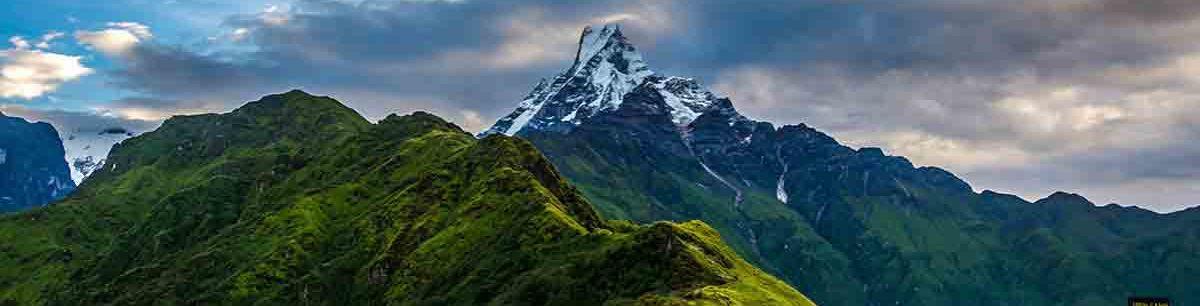
Private vs Group Manaslu Circuit Trek: Which Is Best for You?

The Manaslu Circuit Trek has rapidly become one of Nepal’s most sought-after trekking adventures. Offering breathtaking Himalayan scenery, rich Tibetan-influenced culture, and a quieter alternative to the Everest and Annapurna regions, this restricted-area trek attracts trekkers seeking an authentic mountain experience. However, before booking your journey, one important question arises: Should you choose a private trek or join a group Manaslu Circuit Trek?

Both options provide access to the same spectacular landscapes, including ancient monasteries, remote villages, glacial rivers, alpine forests, and the challenging Larkya La Pass (5,106 m). Yet the trekking experience can differ significantly depending on the type of trip you choose. Your budget, travel style, fitness level, flexibility, and personal preferences all play an important role in making the right decision.

This comprehensive guide compares private vs group Manaslu Circuit Trek experiences, highlighting the advantages, disadvantages, costs, flexibility, safety, and overall value of each option. By the end, you’ll have a clear understanding of which trekking style best suits your Himalayan adventure.


Understanding the Manaslu Circuit Trek

Before comparing trekking styles, it’s helpful to understand what makes the Manaslu Circuit so unique.

Located in western Nepal, the Manaslu region circles Mount Manaslu (8,163 m), the world’s eighth-highest mountain. Unlike Nepal’s more commercial trekking routes, the Manaslu Circuit remains relatively untouched, preserving its natural beauty and cultural heritage.

Trekkers pass through:

  • Traditional Gurung and Tibetan villages
  • Buddhist monasteries and mani walls
  • Suspension bridges over deep river gorges
  • Dense rhododendron and pine forests
  • High alpine meadows
  • Snow-covered mountain passes
  • Spectacular Himalayan panoramas

Since this is a restricted trekking region, Nepal requires all visitors to trek with a licensed guide and obtain special permits. This regulation naturally makes travelers consider whether joining a group or arranging a private trek offers better value.


What Is a Private Manaslu Circuit Trek?

A private trek is organized exclusively for you or your own travel companions.

Your itinerary, accommodation preferences, walking pace, departure date, and daily schedule are customized according to your needs.

A private trek generally includes:

  • Licensed trekking guide
  • Porter(s)
  • Private transportation when available
  • Customized itinerary
  • Flexible acclimatization schedule
  • Personalized support throughout the journey

Whether you’re traveling solo, as a couple, with family, or with friends, a private trek provides complete control over your Himalayan adventure.


What Is a Group Manaslu Circuit Trek?

A group trek combines multiple trekkers into one organized departure.

Participants usually come from different countries and backgrounds but follow the same itinerary under one trekking guide or guide team.

Group departures generally feature:

  • Fixed departure dates
  • Shared transportation
  • Shared logistics
  • Standard itinerary
  • Shared guide and porter services
  • Lower overall cost per participant

Group sizes commonly range from 4 to 12 trekkers, although some operators organize smaller or larger groups depending on demand.


Cost Comparison: Private vs Group Manaslu Circuit Trek

Budget is often the first factor travelers consider.

Group Trek Costs

Group treks are generally more affordable because many expenses are shared among participants.

Shared costs include:

  • Transportation
  • Guide services
  • Permits
  • Administrative expenses
  • Logistics coordination

This makes group treks particularly attractive for:

  • Budget-conscious travelers
  • Backpackers
  • Solo travelers looking for economical options

Although prices vary depending on the trekking company and inclusions, joining a scheduled group departure often reduces the overall cost compared to arranging an individual trip.

Private Trek Costs

Private treks usually cost more because the services are tailored specifically to your group.

Higher costs may include:

  • Dedicated guide
  • Customized logistics
  • Private transportation
  • Flexible scheduling
  • Personalized itinerary planning

However, if you’re traveling with several friends or family members, the price difference becomes much smaller because many expenses are shared within your own group.

Winner for Budget: Group Trek


Flexibility: One of the Biggest Differences

If flexibility matters, private trekking has a clear advantage.

Benefits of Private Trek Flexibility

With a private trek, you can:

  • Choose your own departure date
  • Add extra acclimatization days
  • Spend longer in villages you enjoy
  • Walk faster or slower
  • Modify daily distances
  • Include side trips
  • Adjust the itinerary if weather changes

This flexibility becomes especially valuable at higher elevations where acclimatization is essential.

Group Trek Scheduling

Group departures follow a fixed itinerary.

This means:

  • Daily departure times are predetermined.
  • Walking pace follows the group’s average speed.
  • Rest days cannot usually be adjusted.
  • Extra sightseeing opportunities are limited.

While this structured schedule works well for many trekkers, it may feel restrictive for experienced hikers or photographers who prefer more time at scenic locations.

Winner for Flexibility: Private Trek


Trekking Pace and Comfort

Every trekker has a different hiking rhythm.

Some enjoy long hiking days, while others prefer frequent breaks to photograph landscapes or experience local villages.

Private Trek Pace

Private trekking allows guides to adapt each day according to your:

  • Fitness level
  • Altitude response
  • Photography interests
  • Rest requirements

You never feel pressured to keep up with others.

This greatly improves the overall trekking experience, especially for older trekkers or families.

Group Trek Pace

In a group, guides must balance everyone’s abilities.

This often means:

  • Faster hikers wait.
  • Slower hikers feel pressure.
  • Daily schedules remain fixed.
  • Rest stops follow group consensus.

Professional guides manage these situations well, but the pace may not perfectly suit every participant.

Winner: Private Trek


Social Experience

Not every traveler enjoys trekking alone.

For many people, the friendships formed on the trail become one of the trip’s highlights.

Advantages of Group Trekking

A group trek offers excellent opportunities to:

  • Meet international travelers
  • Share trekking experiences
  • Encourage one another
  • Build lifelong friendships
  • Enjoy evenings together in tea houses

Many solo travelers prefer group departures because they create a supportive community throughout the trek.

Advantages of Private Trekking

Private treks provide a quieter experience.

They’re ideal for:

  • Couples
  • Families
  • Close friends
  • Honeymoon travelers
  • Photographers seeking solitude
  • Travelers who value privacy

Rather than following group dynamics, you enjoy uninterrupted time immersed in nature.

Winner for Social Experience: Group Trek


Safety Considerations

The Manaslu Circuit reaches elevations above 5,000 meters, where weather, altitude, and physical endurance become significant factors.

Fortunately, both private and group treks are safe when organized by experienced trekking companies with licensed guides.

Safety on a Private Trek

Private trekking provides more individualized attention. Your guide can closely monitor your health, pace, hydration, and acclimatization throughout the journey. If you experience symptoms of altitude sickness or fatigue, adjustments can often be made immediately without needing to consider the schedule of a larger group. This personalized approach is especially reassuring for first-time high-altitude trekkers or those with specific health concerns.

Safety on a Group Trek

Group treks offer safety in numbers. Fellow trekkers can provide encouragement and assistance, and established group departures are typically well-coordinated with experienced guides who know the route thoroughly. However, because the guide’s attention is shared among multiple participants, individualized support may be somewhat more limited compared to a private trek.

For both options, choosing a reputable trekking operator, following your guide’s advice, and allowing sufficient time for acclimatization are the most important factors for a safe and enjoyable journey.

Accommodation and Food Experience

One question many trekkers ask is whether accommodation differs between private and group departures.

Private Trek Accommodation

With a private trek, your guide can often secure the best available rooms when tea houses become crowded. During the peak trekking seasons of spring and autumn, popular villages such as Samagaun, Samdo, Dharamsala, and Bimthang can fill quickly.

Benefits may include:

  • Better room selection when available
  • Greater flexibility in choosing tea houses
  • Easier accommodation adjustments during itinerary changes
  • More personalized meal planning

Group Trek Accommodation

Group trekkers typically stay together in the same tea houses. Reputable operators reserve accommodation in advance, but room assignments are usually standardized across the group.

Advantages include:

  • Streamlined logistics
  • Shared meal times
  • Easier coordination with guides
  • Social dining experience

In practice, both private and group trekkers generally stay in similar tea houses along the Manaslu route. The difference lies more in flexibility than in luxury.

Permit Requirements: Important for Every Trekker

The Manaslu region is a restricted area, and permit regulations apply regardless of whether you trek privately or in a group.

Trekkers generally require:

  • Manaslu Restricted Area Permit (RAP)
  • Manaslu Conservation Area Permit (MCAP)
  • Annapurna Conservation Area Permit (ACAP)

Nepal also requires trekkers to travel with a licensed guide, and the permit process is usually handled through a registered trekking agency.

For solo travelers, this is particularly important: you cannot legally complete the Manaslu Circuit completely independently without a guide and permit arrangements through an authorized operator.

Cultural Immersion: Which Option Feels More Authentic?

Many travelers choose the Manaslu Circuit because it offers a deeper cultural experience than some of Nepal’s busier trekking routes.

Private Trek Cultural Experience

A private trek often allows more meaningful interactions with local communities because:

  • You can spend extra time in villages.
  • Your guide can translate conversations.
  • You can visit monasteries at a slower pace.
  • The itinerary can adapt to local events or festivals.
  • You have more opportunities to engage with residents individually.

Group Trek Cultural Experience

Group treks still provide rich cultural exposure, but interactions may be shorter because the group follows a fixed schedule. Larger groups can also be less spontaneous when visiting local homes, monasteries, or community gatherings.

For travelers who prioritize cultural learning and photography, private trekking often feels more immersive.

Winner for Cultural Immersion: Private Trek

Environmental Impact

Responsible trekking matters in fragile Himalayan ecosystems.

Group Trek Environmental Advantages

From a sustainability perspective, group treks can be efficient because transportation and logistics are shared among multiple travelers. This can reduce the environmental footprint per person.

Private Trek Environmental Considerations

Private treks may involve additional transportation or logistics, though the overall impact remains relatively small when using local tea houses and existing trekking infrastructure.

Regardless of trek type, responsible trekkers should:

  • Carry reusable water bottles.
  • Avoid single-use plastics.
  • Respect local customs.
  • Stay on established trails.
  • Support local businesses and tea houses.

Winner for Sustainability: Slight advantage to Group Trek

Who Should Choose a Private Manaslu Circuit Trek?

A private trek is usually the better choice if you:

  • Want maximum flexibility.
  • Prefer a customized itinerary.
  • Travel with a partner, family, or friends.
  • Enjoy a quieter, more personal experience.
  • Have a slower or faster trekking pace than average.
  • Need additional acclimatization flexibility.
  • Are a photographer, filmmaker, or researcher.
  • Value privacy over social interaction.
  • Are comfortable paying a bit more for personalized service.

For many couples and small groups, the extra cost is often outweighed by the comfort and flexibility gained.

Who Should Choose a Group Manaslu Circuit Trek?

A group trek is usually the better choice if you:

  • Want to minimize costs.
  • Are traveling solo.
  • Enjoy meeting new people.
  • Like structured itineraries.
  • Prefer shared experiences and group motivation.
  • Are comfortable adapting to a common pace.
  • Want an easier booking process with fixed departures.
  • Are undertaking your first major Himalayan trek and appreciate group support.

Many solo travelers find that group treks offer an excellent balance of affordability, safety, and companionship.

Side-by-Side Comparison

FactorPrivate TrekGroup Trek
CostHigherLower
FlexibilityExcellentLimited
PacePersonalizedGroup average
Social interactionLowerHigher
PrivacyExcellentLimited
Cultural immersionExcellentGood
Logistics convenienceExcellentExcellent
CustomizationExcellentMinimal
Environmental efficiencyGoodExcellent
Best forCouples, families, small groupsSolo travelers, budget travelers

Frequently Asked Questions

Can I do the Manaslu Circuit Trek completely alone?

No. Nepal requires trekkers in the Manaslu restricted area to travel with a licensed guide and obtain permits through a registered trekking agency.

Is a private trek safer than a group trek?

Both can be very safe when organized by reputable operators. Private treks provide more individualized attention, while group treks offer safety through shared support and established logistics.

Is a group trek always cheaper?

Usually yes, especially for solo travelers. However, when traveling with several friends or family members, the cost difference between private and group options can become much smaller.

Which option is better for altitude acclimatization?

Private treks generally offer greater flexibility to add rest days or adjust the pace, which can be beneficial for acclimatization.

Which option is better for photographers?

Private treks are often preferred because they allow more time for sunrise, sunset, wildlife, and village photography without needing to follow a group schedule.

Final Verdict: Which Is Best for You?

There is no single answer that fits every trekker.

Choose a Private Manaslu Circuit Trek if flexibility, comfort, privacy, personalized pacing, and deeper cultural immersion matter most. It is especially ideal for couples, families, small groups, photographers, and trekkers who want complete control over their Himalayan journey.

Choose a Group Manaslu Circuit Trek if affordability, companionship, and a structured itinerary are your priorities. It is often the smartest choice for solo travelers and budget-conscious adventurers who enjoy sharing the experience with others.

For many trekkers, the decision comes down to one question:

Would you rather optimize for freedom or for shared experience and savings?

If your answer is freedom, go private. If your answer is companionship and value, join a group departure.

Whichever option you choose, the reward is the same: an unforgettable journey through one of the Himalaya’s most spectacular and least crowded trekking routes, beneath the towering presence of Mount Manaslu.

Quick Inquiry Form

How to Spend Extra Days in Kathmandu: 12 Authentic Experiences Every Traveler Should Try

Many travelers treat Kathmandu simply as the gateway to the Himalayas. They arrive, spend one night before their trek or mountain expedition, and leave without realizing that Nepal’s vibrant capital is a destination worthy of exploration in its own right. If you find yourself with extra days in Kathmandu, consider it an opportunity rather than an inconvenience.

Kathmandu offers an extraordinary blend of ancient heritage, living traditions, colorful festivals, hidden courtyards, bustling markets, peaceful monasteries, and unforgettable culinary experiences. Whether your trek has been delayed, you’ve finished exploring the mountains, or you’ve intentionally planned additional time in Nepal, these extra days can become some of the most memorable moments of your journey.

This guide explores 12 authentic experiences that allow you to discover Kathmandu beyond the typical tourist attractions while immersing yourself in the city’s rich culture and warm hospitality.


Why Spend Extra Days in Kathmandu?

Many visitors underestimate Kathmandu because they focus primarily on Nepal’s trekking destinations. However, spending additional time in the valley allows you to:

  • Experience authentic Newari culture
  • Visit UNESCO World Heritage Sites at a relaxed pace
  • Discover hidden neighborhoods
  • Taste traditional Nepali cuisine
  • Participate in local festivals and rituals
  • Support local artisans and family businesses
  • Enjoy short day trips without long travel times

Instead of rushing through the city, slowing down gives you a deeper understanding of Nepal’s history, spirituality, and everyday life.


Explore Kathmandu Durbar Square Beyond the Main Attractions

Kathmandu Durbar Square is much more than a collection of historic temples.

Take time to wander through the narrow alleys surrounding the square, where local residents continue centuries-old traditions. You’ll discover hidden shrines, traditional courtyards (Bahals), artisan workshops, and family-owned tea houses.

Visit early in the morning when locals offer prayers, pigeons gather around temples, and the city slowly comes to life. The peaceful atmosphere provides a completely different experience compared to the busy afternoons.

Don’t rush from monument to monument. Instead, spend several hours appreciating the intricate wood carvings, pagoda architecture, and cultural significance of each structure.


Witness the Evening Aarati at Pashupatinath Temple

One of the most moving experiences in Kathmandu is attending the evening Aarati ceremony at Pashupatinath Temple.

Located on the banks of the sacred Bagmati River, the ceremony features devotional music, chanting, fire rituals, and hundreds of worshippers gathered together.

Even visitors who are not Hindu often describe the experience as deeply spiritual because of its atmosphere and cultural importance.

Plan to arrive before sunset to observe the temple surroundings and watch the evening ceremony unfold.


Discover the Peaceful Side of Boudhanath Stupa

Boudhanath is among the world’s largest Buddhist stupas and one of Nepal’s most iconic landmarks.

Instead of simply taking photographs, spend several hours here.

Walk clockwise around the stupa with pilgrims spinning prayer wheels. Visit nearby monasteries, enjoy rooftop cafés overlooking the monument, and observe monks performing daily rituals.

Morning and evening provide the most peaceful atmosphere while allowing you to experience authentic Buddhist traditions.


Wander Through Patan’s Timeless Streets

Located just across the Bagmati River, Patan feels like an open-air museum.

Although Patan Durbar Square attracts visitors, the real charm lies within its surrounding neighborhoods.

Explore:

  • Traditional brick houses
  • Hidden temples
  • Local metal workshops
  • Ancient courtyards
  • Quiet alleys filled with history

Many craftsmen continue creating bronze statues and religious artwork using techniques passed down for generations.

This makes Patan one of the best places to appreciate Nepal’s living heritage.


Enjoy Authentic Newari Cuisine

Food is one of the best ways to experience Kathmandu’s culture.

Rather than eating only international dishes, seek authentic Newari restaurants where you can sample:

  • Bara
  • Chatamari
  • Yomari
  • Choila
  • Samay Baji
  • Buff Sukuti

These traditional dishes reflect centuries of culinary heritage and offer flavors rarely found outside Nepal.

Consider joining a local food tour for a deeper understanding of Newari cooking traditions.


Visit Swayambhunath at Sunrise

Known as the Monkey Temple, Swayambhunath provides one of Kathmandu’s finest panoramic viewpoints.

Climb the historic stairway before sunrise to watch the city awaken beneath the Himalayan skyline.

Early morning visitors enjoy:

  • Peaceful surroundings
  • Prayer ceremonies
  • Monks chanting
  • Beautiful sunrise photography
  • Cooler temperatures

The combination of spiritual energy and breathtaking scenery makes this an unforgettable experience.


Shop Directly from Local Artisans

Kathmandu is filled with talented craftsmen producing handmade goods.

Instead of purchasing mass-produced souvenirs, visit artisan workshops where you can see products being created.

Popular handmade items include:

  • Singing bowls
  • Thangka paintings
  • Handmade paper
  • Wood carvings
  • Metal statues
  • Pashmina products
  • Traditional jewelry

Buying directly from artisans supports local communities while ensuring authentic craftsmanship.


Take a Scenic Day Trip to Bhaktapur

If you have an additional full day, Bhaktapur is an excellent destination.

This beautifully preserved medieval city showcases:

  • Ancient temples
  • Traditional pottery
  • Historic palaces
  • Brick-paved streets
  • Local festivals
  • Rich Newari culture

Unlike busier parts of Kathmandu, Bhaktapur offers a slower pace that allows visitors to fully appreciate Nepal’s architectural heritage.

Don’t forget to try the city’s famous Juju Dhau (King Curd).


Experience a Traditional Nepali Cooking Class

Learning to cook Nepali food creates memories that last long after your journey ends.

Many local families and cooking schools offer hands-on classes where participants prepare:

  • Dal Bhat
  • Momo
  • Sel Roti
  • Pickles
  • Traditional curries

You’ll also learn about local spices, cooking methods, and cultural traditions surrounding Nepali meals.


Escape to Shivapuri National Park

Nature lovers can spend a refreshing day exploring Shivapuri National Park.

Located just outside Kathmandu, the park offers:

  • Forest hiking trails
  • Bird watching
  • Mountain scenery
  • Peaceful monasteries
  • Fresh mountain air

Depending on weather conditions, visitors may enjoy spectacular views of the Himalayan range.

This excursion provides a welcome contrast to the busy city.


Visit Local Markets Instead of Tourist Shops

To truly understand Kathmandu, spend time in its local markets.

Explore areas such as:

  • Ason Bazaar
  • Indra Chowk
  • Kalimati Market

These lively markets showcase everyday Nepali life.

You’ll find:

  • Fresh spices
  • Seasonal fruits
  • Traditional clothing
  • Religious items
  • Handmade goods
  • Street food

Interacting respectfully with local vendors often leads to memorable cultural exchanges.


Relax in Garden of Dreams Before Your Departure

After days of sightseeing and adventure, the Garden of Dreams offers a peaceful retreat.

Located near the busy Thamel area, this beautifully restored neo-classical garden provides:

  • Quiet reading spaces
  • Beautiful landscaping
  • Historic architecture
  • Small cafés
  • Relaxing atmosphere

Many travelers spend their final afternoon here reflecting on their Nepal journey before heading to the airport.


Hidden Experiences Most Tourists Miss

If you have even more extra days in Kathmandu, consider these lesser-known activities:

  • Attend a local cultural performance
  • Join a meditation session at a monastery
  • Visit community art galleries
  • Explore traditional Newari neighborhoods
  • Participate in seasonal festivals
  • Volunteer for a local community initiative
  • Take a photography walk through historic alleys
  • Enjoy a traditional Nepali music performance

These experiences offer meaningful connections beyond standard sightseeing.


Practical Tips for Spending Extra Days in Kathmandu

To make the most of your stay:

  • Visit major attractions early in the morning to avoid crowds.
  • Dress modestly when entering religious sites.
  • Carry cash for small purchases in local markets.
  • Stay hydrated, especially during warmer months.
  • Respect local customs and ask permission before photographing people.
  • Use comfortable walking shoes, as many historic areas have uneven stone pathways.
  • Keep a flexible itinerary to enjoy unexpected discoveries.

Suggested 4-Day Kathmandu Itinerary

Day 1

  • Kathmandu Durbar Square
  • Ason Market
  • Thamel evening walk

Days 2

  • Pashupatinath Temple
  • Boudhanath Stupa
  • Tibetan cafés

Day 3

  • Patan Durbar Square
  • Local artisan workshops
  • Nepali cooking class

Day 4

  • Swayambhunath
  • Garden of Dreams
  • Souvenir shopping before departure

Sustainable Travel in Kathmandu

Responsible tourism helps preserve Kathmandu’s cultural and historical treasures for future generations. Consider supporting locally owned businesses, staying in family-run accommodations, purchasing handmade products directly from artisans, and minimizing plastic waste during your visit.

Respect religious customs by removing shoes where required, dressing appropriately, and maintaining quiet behavior inside temples and monasteries. Small actions from travelers can have a meaningful positive impact on local communities.


Final Thoughts

Having extra days in Kathmandu is not something to fill with idle sightseeing—it’s an opportunity to discover one of South Asia’s most fascinating cultural capitals. Beyond its famous temples and bustling streets lies a city rich in living traditions, welcoming communities, remarkable cuisine, and unforgettable experiences.

Whether you’re exploring medieval courtyards in Patan, joining pilgrims at Boudhanath, savoring authentic Newari dishes, hiking through Shivapuri National Park, or simply enjoying tea in a hidden courtyard café, every additional day reveals another layer of Kathmandu’s unique character.

Rather than viewing Kathmandu as a stopover before or after your Himalayan adventure, embrace it as a destination in its own right. By slowing down and exploring beyond the usual tourist path, you’ll leave Nepal with a deeper appreciation of its culture, history, and people—and memories that last far longer than any itinerary.

With thoughtful planning, your extra days in Kathmandu may become the highlight of your entire Nepal journey.

Quick Inquiry Form

Annapurna Base Camp Trek: A Life-Changing Himalayan Adventure for Every Trekker

The Annapurna Base Camp Trek is one of Nepal’s most iconic trekking adventures, offering a perfect blend of breathtaking Himalayan scenery, rich cultural experiences, diverse landscapes, and unforgettable moments. Unlike many high-altitude expeditions that demand technical climbing skills, this trek welcomes both experienced hikers and determined beginners who dream of standing beneath some of the world’s highest mountains.

From lush rhododendron forests and cascading waterfalls to charming Gurung and Magar villages, every step of the journey reveals a new perspective of Nepal’s natural and cultural beauty. Reaching Annapurna Base Camp at 4,130 meters is not just about completing a trek—it is about discovering inner strength, embracing simplicity, and creating memories that last a lifetime.

Whether you are planning your first Himalayan adventure or looking to explore another remarkable trail, the Annapurna Base Camp Trek offers an experience that truly transforms the way you see mountains, nature, and yourself.


Why the Annapurna Base Camp Trek Is a Life-Changing Experience

Few trekking routes in the world combine accessibility, breathtaking scenery, and authentic cultural encounters as beautifully as the Annapurna Base Camp Trek. Every day introduces new landscapes and challenges, making the journey as rewarding as the destination itself.

Unlike many famous trekking destinations, Annapurna Base Camp allows trekkers to experience:

  • Towering snow-covered Himalayan peaks
  • Traditional mountain villages
  • Ancient Buddhist and Hindu culture
  • Dense forests filled with wildlife
  • Natural hot springs
  • Glacial rivers and waterfalls
  • Stunning sunrise and sunset mountain views

The journey encourages trekkers to disconnect from modern distractions and reconnect with nature, making it an adventure that goes far beyond sightseeing.


Where Is Annapurna Base Camp?

Annapurna Base Camp (ABC) lies within the Annapurna Conservation Area in central Nepal at an elevation of approximately 4,130 meters (13,550 feet).

The trek begins after driving from Kathmandu to Pokhara and then continuing to the trailhead at locations such as Nayapul, Jhinu Danda, or Siwai, depending on the chosen itinerary.

The base camp is surrounded by some of Nepal’s most magnificent mountains, including:

  • Annapurna I (8,091 m)
  • Annapurna South
  • Machhapuchhre (Fishtail Mountain)
  • Hiunchuli
  • Gangapurna
  • Tent Peak

Standing inside this natural mountain amphitheater is one of the most unforgettable moments for any trekker.


Highlights of the Annapurna Base Camp Trek

Spectacular Himalayan Panorama

One of the greatest rewards of the trek is witnessing uninterrupted views of the Annapurna Massif. As trekkers gain elevation, every turn reveals dramatic snow-capped peaks rising above deep valleys.

The sunrise from Annapurna Base Camp paints the surrounding mountains in brilliant shades of orange, pink, and gold—a sight many describe as once-in-a-lifetime.


Experience Traditional Gurung and Magar Villages

The trail passes through welcoming villages where local communities have preserved their traditions for generations.

Popular villages include:

  • Ghandruk
  • Chhomrong
  • Sinuwa
  • Bamboo
  • Deurali

Visitors can experience:

  • Traditional stone houses
  • Local hospitality
  • Mountain farming lifestyle
  • Handmade crafts
  • Authentic Nepali cuisine
  • Cultural dances during festivals

These cultural interactions make the trek far more meaningful than simply reaching the destination.


Walk Through Diverse Landscapes

One reason the Annapurna Base Camp Trek stands out is the incredible diversity of terrain.

During the journey, trekkers pass through:

Subtropical Forests

The lower elevations are filled with:

  • Rhododendron forests
  • Bamboo groves
  • Oak forests
  • Moss-covered trails

Spring transforms these forests into colorful landscapes with blooming rhododendrons.


River Valleys

Crystal-clear rivers accompany much of the trek.

Trekkers cross numerous suspension bridges spanning rushing glacial rivers, adding excitement to the journey while offering spectacular photography opportunities.


Alpine Terrain

Higher elevations introduce dramatic scenery featuring:

  • Rocky cliffs
  • Snow-covered slopes
  • Glacier-fed streams
  • Wide alpine meadows

The change in environment is gradual yet astonishing.


Relax at Jhinu Natural Hot Springs

One of the unique highlights of the Annapurna Base Camp Trek is relaxing in the natural hot springs at Jhinu Danda after several days of hiking.

Soaking in warm mineral-rich water while surrounded by forests and rivers provides the perfect way to ease tired muscles before returning to Pokhara.


Best Time for the Annapurna Base Camp Trek

Choosing the right season significantly improves the trekking experience.

Spring (March–May)

Spring is considered one of the best seasons because of:

  • Comfortable temperatures
  • Blooming rhododendron forests
  • Clear mountain views
  • Longer daylight hours

This is also one of the busiest trekking seasons.


Autumn (September–November)

Autumn is widely regarded as the most popular trekking season.

Advantages include:

  • Crystal-clear skies
  • Stable weather
  • Excellent visibility
  • Pleasant daytime temperatures

Photographers especially appreciate the sharp mountain views during autumn.


Winter (December–February)

Winter offers quieter trails and snow-covered landscapes.

Trekkers should prepare for:

  • Cold nights
  • Snow near base camp
  • Shorter daylight hours

Despite colder conditions, many experienced trekkers enjoy the peaceful atmosphere.


Monsoon (June–August)

The monsoon season brings:

  • Heavy rainfall
  • Slippery trails
  • Leeches in lower forests
  • Cloud-covered mountains

While trekking is still possible, spring and autumn remain the preferred seasons.


Annapurna Base Camp Trek Route Overview

Although itineraries vary, the classic route generally follows:

Pokhara → Nayapul/Siwai → Ghandruk → Chhomrong → Bamboo → Dovan → Himalaya → Deurali → Machhapuchhre Base Camp (MBC) → Annapurna Base Camp → Bamboo → Jhinu Danda → Pokhara

Most itineraries require between 7 and 12 days, depending on walking pace, acclimatization, and side trips.


Difficulty Level: Is the Annapurna Base Camp Trek Hard?

The Annapurna Base Camp Trek is generally considered a moderate trek.

It does not require technical mountaineering skills, ropes, or climbing equipment. However, it demands good physical fitness and mental determination.

Trekkers can expect:

  • Daily hiking of 5–7 hours
  • Numerous stone staircases
  • Significant elevation gain
  • Variable weather conditions
  • Long uphill and downhill sections

The highest point, Annapurna Base Camp at 4,130 meters, is well below the altitude of many Himalayan expeditions, making it achievable for most healthy individuals with proper preparation.


Accommodation Along the Trail

One of the advantages of the Annapurna Base Camp Trek is the availability of comfortable teahouses.

Most lodges provide:

  • Twin-sharing rooms
  • Comfortable beds
  • Blankets
  • Shared bathrooms
  • Dining halls
  • Charging facilities (often for a small fee)
  • Wi-Fi in selected villages

Accommodation is basic but clean and welcoming.

Staying in locally operated teahouses also supports mountain communities and provides opportunities to interact with fellow trekkers from around the world.


Food During the Trek

The food available along the route is surprisingly varied and nutritious.

Popular meals include:

Traditional Dal Bhat

Often described as the ultimate trekking meal, Dal Bhat consists of:

  • Rice
  • Lentil soup
  • Seasonal vegetables
  • Pickles
  • Curry

Many teahouses even offer free refills, making it a favorite among trekkers.


Other Common Dishes

Trekkers can also enjoy:

  • Fried rice
  • Noodles
  • Momos
  • Pasta
  • Pancakes
  • Tibetan bread
  • Omelets
  • Soups
  • Porridge
  • Tea and coffee

Maintaining a balanced diet and staying hydrated are essential for sustaining energy during the trek.


Physical Preparation for the Annapurna Base Camp Trek

Although the trek is accessible to many people, preparing in advance significantly enhances the experience.

A training routine beginning 6–8 weeks before departure is recommended and should include:

Cardiovascular Training

Focus on activities such as:

  • Hiking
  • Jogging
  • Cycling
  • Swimming
  • Stair climbing

Aim for at least 30–60 minutes of cardio, three to five times per week.

Strength Training

Build endurance in the muscles you’ll rely on most by including:

  • Squats
  • Lunges
  • Step-ups
  • Calf raises
  • Core exercises
  • Light weight training

Practice Hiking

If possible, complete several day hikes carrying a backpack similar in weight to what you’ll bring on the trek. This helps your body adapt to long walking days and uneven terrain.

Mental Preparation

Long trekking days, changing weather, and altitude can be mentally demanding. Developing patience, pacing yourself, and maintaining a positive mindset are just as important as physical fitness.

_______________________________________________

Essential Packing List for the Annapurna Base Camp Trek

Packing wisely can make a significant difference in your trekking experience. Since weather conditions change rapidly as you gain altitude, layering your clothing is the best approach.

Clothing

Carry lightweight, moisture-wicking clothing that keeps you comfortable throughout the trek.

Recommended clothing includes:

  • Moisture-wicking T-shirts
  • Thermal base layers
  • Fleece jacket
  • Down jacket
  • Waterproof shell jacket
  • Waterproof trekking pants
  • Hiking trousers
  • Warm gloves
  • Woolen hat
  • Sun hat or cap
  • Buff or neck gaiter
  • Several pairs of trekking socks
  • Comfortable sleepwear

Footwear

Proper footwear is essential for preventing injuries and maintaining comfort.

Bring:

  • Waterproof trekking boots with ankle support
  • Lightweight sandals or camp shoes
  • Gaiters (during winter or monsoon)

Trekking Equipment

Your backpack should include:

  • 35–45L trekking backpack
  • Rain cover
  • Trekking poles
  • Headlamp with extra batteries
  • Reusable water bottles
  • Hydration bladder
  • Sunglasses with UV protection
  • Sunscreen (SPF 50+)
  • Lip balm
  • Personal first-aid kit
  • Power bank
  • Camera
  • Travel towel
  • Basic toiletries

Packing light while carrying all essential items helps reduce fatigue during long trekking days.


Understanding Altitude and Acclimatization

Although the Annapurna Base Camp Trek reaches an altitude of only 4,130 meters, altitude sickness can still affect trekkers.

Common Symptoms

Watch for:

  • Headache
  • Loss of appetite
  • Nausea
  • Dizziness
  • Fatigue
  • Difficulty sleeping

Ignoring these symptoms can lead to more serious altitude-related illnesses.

Tips to Prevent Altitude Sickness

Follow these simple guidelines:

  • Ascend gradually.
  • Stay well hydrated.
  • Avoid excessive alcohol consumption.
  • Eat nutritious meals.
  • Walk at a comfortable pace.
  • Listen to your guide.
  • Get enough rest.
  • Descend immediately if symptoms become severe.

Remember that no level of physical fitness guarantees immunity from altitude sickness. Proper acclimatization is the key to a safe trek.


Flora and Fauna Along the Trail

The Annapurna Conservation Area is Nepal’s largest protected conservation region and boasts extraordinary biodiversity.

Beautiful Forests

Trekkers pass through forests filled with:

  • Rhododendron
  • Oak
  • Pine
  • Fir
  • Bamboo
  • Birch

Spring transforms these forests into vibrant displays of blooming rhododendrons, Nepal’s national flower.

Wildlife

Lucky trekkers may encounter:

  • Himalayan Monal (Danphe)
  • Musk deer
  • Himalayan tahr
  • Langur monkeys
  • Himalayan griffon vultures
  • Various pheasants
  • Colorful butterflies

Protecting this fragile ecosystem is everyone’s responsibility.


Cultural Experiences That Make the Journey Special

The Annapurna Base Camp Trek is not just about mountains—it is equally a journey through the heart of Nepal’s rich cultural heritage.

The trail passes through villages inhabited primarily by the Gurung and Magar communities, who are known for their warm hospitality and deep connection to the Himalayas.

Visitors often experience:

  • Traditional stone-built homes
  • Buddhist monasteries
  • Prayer wheels
  • Colorful prayer flags
  • Ancient customs
  • Local festivals
  • Authentic mountain cuisine

Many teahouse owners share stories about their families, traditions, and daily life in the mountains, creating meaningful connections that enrich the trekking experience.

Respecting local customs, dressing modestly, and greeting residents with a friendly “Namaste” are simple ways to show appreciation for the local culture.


Cost of the Annapurna Base Camp Trek

The overall cost of the trek depends on factors such as the itinerary, group size, services included, and whether you choose an independent trek or a guided package.

Typical expenses may include:

  • Transportation to and from Pokhara
  • Trekking permits
  • Licensed guide
  • Porter (optional but recommended)
  • Accommodation in teahouses
  • Meals during the trek
  • Drinking water
  • Snacks
  • Travel insurance
  • Personal equipment rental or purchase
  • Tips for guides and porters

Budget-conscious trekkers can keep costs relatively low, while those seeking added comfort can opt for premium packages with private transportation and upgraded accommodation.


Why Hiring a Guide Is Worth It

While experienced hikers may complete the trek independently where regulations allow, hiring a licensed guide offers several benefits.

A professional guide can:

  • Navigate the trail safely
  • Monitor your health and acclimatization
  • Arrange accommodation
  • Explain local culture and history
  • Assist during emergencies
  • Communicate with local communities
  • Enhance your overall experience

Hiring local guides also supports the livelihoods of mountain communities.


Responsible Trekking Practices

The Himalayas are a fragile environment that deserves protection.

Follow these responsible trekking principles:

Leave No Trace

Always carry your waste until proper disposal is available.

Avoid leaving:

  • Plastic bottles
  • Snack wrappers
  • Wet wipes
  • Cigarette butts

Reduce Plastic Waste

Instead of purchasing disposable plastic bottles, carry a reusable bottle and purify drinking water using filters or purification tablets.


Respect Wildlife

Observe animals from a distance.

Never:

  • Feed wildlife
  • Chase animals
  • Damage plants
  • Remove natural objects

Support Local Businesses

Choose:

  • Local guides
  • Local porters
  • Family-run teahouses
  • Handmade souvenirs

This directly benefits mountain communities and promotes sustainable tourism.


Photography Tips for the Annapurna Base Camp Trek

The trek offers endless opportunities for stunning photographs.

Some of the best photography locations include:

  • Ghandruk Village
  • Chhomrong
  • Bamboo Forest
  • Machhapuchhre Base Camp
  • Annapurna Base Camp
  • Sunrise over Annapurna I
  • Suspension bridges
  • Rhododendron forests (spring)

For the best lighting, capture landscapes during early morning and late afternoon when the mountains glow with warm golden hues.


Why Every Trekker Should Experience Annapurna Base Camp

The Annapurna Base Camp Trek is more than reaching a destination—it is a journey of personal growth.

Many trekkers finish the adventure with:

  • Greater self-confidence
  • Improved physical endurance
  • Lasting friendships
  • Deeper appreciation for nature
  • Respect for mountain communities
  • Lifelong memories

Standing beneath Annapurna I, surrounded by towering Himalayan peaks, reminds trekkers how small yet connected we are within the natural world.


Frequently Asked Questions (FAQs)

How many days does the Annapurna Base Camp Trek take?

Most itineraries range between 7 and 12 days, depending on the starting point, walking pace, and acclimatization schedule.

What is the highest point of the trek?

The highest point is Annapurna Base Camp, situated at 4,130 meters (13,550 feet).

Is prior trekking experience necessary?

No. Individuals with good physical fitness, proper preparation, and determination can successfully complete the trek.

When is the best time to do the Annapurna Base Camp Trek?

Spring (March to May) and autumn (September to November) provide the most stable weather, comfortable temperatures, and excellent mountain views.

Is altitude sickness common?

Altitude sickness is possible above 2,500 meters. Trekking gradually, staying hydrated, and following proper acclimatization practices greatly reduce the risk.

Can beginners complete the Annapurna Base Camp Trek?

Yes. Many first-time trekkers complete the route successfully with adequate training and support from experienced guides.


Conclusion

The Annapurna Base Camp Trek is one of Nepal’s most rewarding trekking adventures, offering a remarkable combination of dramatic Himalayan landscapes, welcoming mountain communities, and unforgettable personal achievements. Every stage of the journey—from lush forests and terraced fields to high alpine terrain—reveals the incredible diversity of the Annapurna region.

Whether you are seeking adventure, cultural immersion, stunning photography, or a meaningful escape into nature, this trek delivers an experience that extends far beyond reaching the base camp. With thoughtful preparation, responsible trekking practices, and a spirit of exploration, the Annapurna Base Camp Trek can become one of the most memorable journeys of your life.

If you dream of standing in the heart of the Himalayas, surrounded by some of the world’s highest peaks, the Annapurna Base Camp Trek is an adventure that deserves a place at the top of your bucket list.

Quick Inquiry Form

Dolpo Region Trekking in Nepal: Complete 2027 Guide

When people think of trekking in Nepal, iconic destinations like Everest Base Camp and the Annapurna Circuit usually come to mind. However, hidden deep within Nepal’s far western Himalayas lies one of the country’s most untouched trekking destinations—the Dolpo Region. Known for its dramatic landscapes, ancient Tibetan Buddhist culture, pristine alpine lakes, and remote mountain villages, Dolpo Region Trekking in Nepal offers an extraordinary experience for travelers seeking solitude and authentic Himalayan adventure.

Unlike Nepal’s more crowded trekking routes, Dolpo remains largely untouched by mass tourism. Its isolated valleys, high mountain passes, centuries-old monasteries, and breathtaking wilderness make it one of the most rewarding trekking destinations for experienced hikers and cultural explorers alike.

Whether you are planning your first remote Himalayan expedition or searching for Nepal’s hidden gems, this complete 2027 guide covers everything you need to know before embarking on a Dolpo trek.


Why Choose Dolpo Region Trekking in Nepal?

Dolpo is one of Nepal’s largest and least populated districts. Due to its remoteness, the region has preserved its ancient traditions, unique landscapes, and cultural heritage remarkably well.

Some of the biggest reasons travelers choose Dolpo include:

  • Spectacular Himalayan scenery
  • Crystal-clear alpine lakes
  • Traditional Tibetan villages
  • Ancient Buddhist monasteries
  • Rare wildlife
  • Challenging high mountain passes
  • Minimal tourist crowds
  • Authentic local culture
  • Remote wilderness trekking

Unlike many commercial trekking routes, Dolpo allows visitors to experience Nepal in its purest form.


Where Is Dolpo Located?

Dolpo lies in northwestern Nepal, bordering Tibet. Much of the region falls within Shey Phoksundo National Park, Nepal’s largest national park.

Because of its geographical isolation, Dolpo remained largely inaccessible to outsiders until relatively recently. Even today, reaching the region requires multiple flights and several days of trekking.

The area’s high-altitude desert landscape closely resembles the Tibetan Plateau, making it very different from the greener trekking regions found in central Nepal.


What Makes Dolpo Special?

Shey Phoksundo Lake

One of Nepal’s most beautiful natural attractions is the stunning turquoise waters of Shey Phoksundo Lake.

Surrounded by steep cliffs and snow-capped mountains, the lake’s vivid blue color creates one of the most photographed landscapes in Nepal.

Many trekkers consider visiting the lake the highlight of their Dolpo adventure.


Ancient Tibetan Culture

Dolpo has maintained strong Tibetan cultural traditions for centuries.

Visitors encounter:

  • Prayer flags fluttering in mountain winds
  • Whitewashed monasteries
  • Stone mani walls
  • Chortens
  • Yak caravans
  • Traditional mud-brick villages

Many residents continue practicing Bon and Tibetan Buddhism, preserving customs that have remained unchanged for generations.


Remote Wilderness

Few trekking regions in Nepal feel as wild and untouched as Dolpo.

Days may pass without encountering other trekking groups, allowing visitors to fully immerse themselves in the Himalayan environment.


High Mountain Passes

Dolpo features several spectacular mountain passes exceeding 5,000 meters.

These challenging crossings reward trekkers with panoramic views of the Dhaulagiri range, Kanjiroba Himal, and the Tibetan Plateau.


Best Time for Dolpo Region Trekking in Nepal

One unique advantage of Dolpo is that it lies within Nepal’s rain shadow.

Unlike many trekking destinations affected by the summer monsoon, Dolpo remains relatively dry during much of the rainy season.

Spring (April–May)

Spring offers:

  • Stable weather
  • Comfortable temperatures
  • Blooming alpine flowers
  • Excellent mountain visibility

This is one of the most popular trekking seasons.


Summer (June–August)

Since Dolpo receives little rainfall, summer trekking remains possible.

Advantages include:

  • Green valleys
  • Fewer trekkers
  • Pleasant daytime temperatures

Autumn (September–November)

Autumn provides:

  • Crystal-clear skies
  • Excellent photography
  • Stable weather
  • Comfortable trekking conditions

This is considered the best season overall.


Winter (December–March)

Heavy snowfall closes many high passes, making winter trekking difficult except in lower elevations.


Popular Dolpo Trekking Routes

Several trekking routes allow visitors to explore different parts of the Dolpo region.

Lower Dolpo Trek

Duration:
12–18 days

Highlights:

  • Shey Phoksundo Lake
  • Local villages
  • Moderate altitude
  • Beautiful forests
  • River valleys

This trek is ideal for those wanting to experience Dolpo without venturing into its most remote areas.


Upper Dolpo Trek

Duration:
20–28 days

Highlights:

  • Ancient monasteries
  • High mountain passes
  • Hidden valleys
  • Tibetan culture
  • Remote settlements

Upper Dolpo is one of Nepal’s most challenging and rewarding trekking adventures.


Upper Dolpo with Shey Gompa

Many experienced trekkers extend their journey to visit Shey Gompa, an important monastery surrounded by dramatic Himalayan landscapes.


Trek Difficulty

Dolpo trekking is considered challenging.

Trekkers should prepare for:

  • Daily walks of 6–8 hours
  • High altitude
  • Remote conditions
  • Limited facilities
  • Basic accommodations
  • Long trekking days

Previous trekking experience is highly recommended.


Maximum Altitude

Depending on the chosen route, trekkers may reach elevations above 5,300 meters.

Common high passes include:

  • Kang La Pass
  • Sela La Pass
  • Jeng La Pass

Proper acclimatization is essential to reduce the risk of altitude sickness.


Permits Required

Because much of Dolpo is a restricted area, several permits are mandatory.

These typically include:

  • Restricted Area Permit
  • Shey Phoksundo National Park Entry Permit
  • TIMS requirements (subject to current government regulations)

Permit rules may change, so always verify the latest requirements before traveling.


How to Reach Dolpo

Most trekking itineraries begin from Kathmandu.

A typical journey includes:

  1. Flight to Nepalgunj
  2. Flight to Juphal
  3. Trek begins from Juphal

Weather conditions may affect domestic flight schedules, so travelers should include extra buffer days in their itinerary.


Accommodation During the Trek

Unlike Everest or Annapurna, Dolpo has limited tourist infrastructure.

Accommodation generally consists of:

  • Simple teahouses
  • Basic lodges
  • Homestays
  • Camping during remote sections

Rooms are usually modest, but the warm hospitality of local communities adds greatly to the trekking experience.


Food on the Trail

Despite the remote setting, trekkers can enjoy nourishing meals such as:

  • Dal Bhat
  • Tibetan bread
  • Noodles
  • Rice dishes
  • Potato curry
  • Fried rice
  • Soups
  • Tea
  • Coffee

Camping expeditions often include a professional cook who prepares fresh meals throughout the trek.


Wildlife in Dolpo

The region is home to remarkable Himalayan wildlife, including:

  • Snow leopard (rarely seen)
  • Blue sheep
  • Himalayan tahr
  • Musk deer
  • Himalayan griffon
  • Golden eagle
  • Marmots

Shey Phoksundo National Park is considered one of Nepal’s most important conservation areas.


Culture and Festivals

Dolpo’s unique identity is deeply rooted in Tibetan Buddhism and the ancient Bon religion.

Visitors may witness:

  • Prayer ceremonies
  • Traditional dances
  • Monastery festivals
  • Local harvest celebrations
  • Yak trading traditions

Respecting local customs, dressing modestly, and asking permission before photographing people or religious sites helps ensure a positive cultural exchange.

Suggested 18-Day Dolpo Trekking Itinerary

Although itineraries vary depending on the trekking agency and chosen route, the following outline provides a general idea of what to expect on a classic Dolpo adventure.

Day 1–2: Arrival in Kathmandu

Arrive in Kathmandu, attend a trek briefing, complete permit formalities, and make any last-minute gear purchases.

Day 3: Fly to Nepalgunj

Take a short domestic flight to Nepalgunj and prepare for the mountain flight the following morning.

Day 4: Fly to Juphal and Trek to Dunai

An early flight to Juphal marks the beginning of your trek. Walk through terraced fields and small villages before reaching Dunai.

Day 5–7: Trek Through Tarakot and Laina Odar

Follow scenic river valleys, suspension bridges, and traditional settlements while gradually gaining altitude.

Day 8–10: Reach Shey Phoksundo Lake

One of the highlights of Dolpo Region Trekking in Nepal, the turquoise waters of Shey Phoksundo Lake provide breathtaking scenery and an ideal place for acclimatization.

Day 11–15: Cross High Mountain Passes

Depending on your chosen route, you’ll cross spectacular passes above 5,000 meters, visit ancient monasteries, and explore isolated Tibetan villages.

Day 16–18: Return to Juphal and Fly Back

Complete the trek by returning to Juphal before flying to Nepalgunj and then Kathmandu.


How Much Does Dolpo Region Trekking Cost?

Dolpo is one of Nepal’s more expensive trekking destinations due to its remoteness, restricted-area permits, domestic flights, and logistics.

Estimated costs for 2027 are:

ExpenseEstimated Cost (USD)
Restricted Area Permits$500–$700+
National Park Entry$30–$50
Domestic Flights$250–$450
Guide and Porter$35–$60 per day
Accommodation$10–$25 per night
Meals$20–$35 per day
Full Guided Trek Package$2,000–$4,000+

Prices vary depending on the route, group size, and trekking company.


Essential Packing List

Packing wisely is crucial because supplies become limited once you enter the Dolpo region.

Clothing

  • Waterproof trekking jacket
  • Down jacket
  • Thermal base layers
  • Trekking pants
  • Fleece jacket
  • Waterproof trousers
  • Warm gloves
  • Wool hat
  • Sun hat
  • Hiking socks
  • Comfortable trekking boots
  • Camp shoes

Equipment

  • Sleeping bag (-15°C or lower)
  • Trekking poles
  • Headlamp
  • Sunglasses
  • Reusable water bottles
  • Water purification tablets
  • Backpack
  • Rain cover
  • Dry bags

Personal Items

  • Sunscreen
  • Lip balm
  • Personal medications
  • First aid kit
  • Power bank
  • Camera
  • Snacks
  • Wet wipes
  • Toiletries

Altitude Sickness and Safety

Because many sections of Dolpo exceed 4,000 meters, altitude sickness is a serious consideration.

Symptoms include:

  • Headache
  • Nausea
  • Fatigue
  • Loss of appetite
  • Dizziness
  • Difficulty sleeping

Prevention Tips

  • Ascend gradually.
  • Stay hydrated.
  • Avoid alcohol.
  • Eat nutritious meals.
  • Schedule acclimatization days.
  • Never ignore symptoms.
  • Descend immediately if symptoms worsen.

Traveling with an experienced guide significantly improves safety in remote areas.


Physical Preparation

Preparing several months in advance will make your trek more enjoyable.

Recommended training includes:

  • Long-distance hiking
  • Stair climbing
  • Cardio workouts
  • Strength training
  • Core exercises
  • Practice hikes with a loaded backpack

Good fitness doesn’t eliminate altitude challenges, but it helps you recover faster and enjoy the journey.


Responsible Trekking Practices

Dolpo’s fragile ecosystems and cultural heritage deserve careful protection.

Follow these responsible trekking principles:

  • Carry out all non-biodegradable waste.
  • Avoid single-use plastics.
  • Stay on established trails.
  • Respect wildlife and maintain a safe distance.
  • Support locally owned lodges and guides.
  • Dress respectfully when visiting monasteries and villages.
  • Ask permission before taking photographs of people.
  • Use refillable water bottles instead of disposable plastic bottles.

Responsible travel helps preserve Dolpo for future generations.


Photography Tips

Dolpo offers exceptional opportunities for photographers.

Some of the best subjects include:

  • Sunrise over snow-capped peaks
  • Shey Phoksundo Lake
  • Ancient monasteries
  • Prayer flags
  • Yak caravans
  • Stone villages
  • High mountain passes
  • Traditional festivals (when available)
  • Himalayan wildlife
  • Star-filled night skies

Carry extra batteries, as charging facilities may be limited in remote villages.


Why Hire a Local Guide?

Hiring a licensed local guide enhances both safety and the overall trekking experience.

A knowledgeable guide can:

  • Navigate remote trails
  • Assist with permits and logistics
  • Share local history and culture
  • Communicate with village communities
  • Monitor altitude-related health
  • Respond effectively in emergencies

Local guides also contribute directly to the region’s economy and sustainable tourism.


Frequently Asked Questions

Is Dolpo suitable for beginners?

Dolpo is best suited to trekkers with prior multi-day hiking experience due to its high altitude, long distances, and remote conditions.

How long does a Dolpo trek take?

Most itineraries range from 12 to 28 days, depending on whether you choose Lower Dolpo, Upper Dolpo, or an extended route.

Do I need a guide?

Many restricted routes require trekking with a licensed guide and the necessary permits. Even where not mandatory, hiring a guide is strongly recommended.

Can I trek during the monsoon?

Yes. Because Dolpo lies in Nepal’s rain shadow, it receives much less rainfall than many other trekking regions, making parts of the summer season suitable for trekking.

Is there internet access?

Internet connectivity is limited and often unreliable. Mobile coverage is available only in some villages, so plan to be offline for much of the trek.


Final Thoughts

Dolpo Region Trekking in Nepal is more than just a mountain adventure—it is an opportunity to experience one of the Himalayas’ last great wildernesses. From the shimmering waters of Shey Phoksundo Lake to ancient monasteries perched on rugged hillsides, every day on the trail offers unforgettable scenery and meaningful cultural encounters.

Unlike Nepal’s busier trekking routes, Dolpo rewards travelers with solitude, authenticity, and a deep connection to nature. While the journey demands careful planning, physical preparation, and a spirit of adventure, the rewards are extraordinary. Whether you choose the scenic Lower Dolpo Trek or the more demanding Upper Dolpo expedition, you’ll discover landscapes and traditions that have remained remarkably unchanged for centuries.

If you’re looking for an off-the-beaten-path Himalayan experience in 2027, Dolpo Region Trekking in Nepal deserves a place at the top of your travel list.

Quick Inquiry Form

Why Trust Matters More Than AI in Travel (2027)

Artificial intelligence has transformed the travel industry in remarkable ways. From personalized itineraries and instant booking assistants to predictive pricing and automated customer service, AI has become an essential part of how people research, plan, and experience their journeys. In 2027, travelers can access thousands of recommendations within seconds, compare destinations effortlessly, and receive customized travel suggestions based on their interests.

Yet despite these technological advancements, one factor continues to influence travel decisions more than any algorithm: trust.

Travel is deeply personal. It involves significant financial investments, precious vacation time, family safety, and experiences that often create lifelong memories. While AI can analyze data and generate recommendations, it cannot fully replace the confidence travelers gain from trusted travel experts, transparent businesses, authentic customer experiences, and reliable customer support.

As travelers become increasingly aware of misinformation, fake reviews, misleading advertisements, and automated content, trust has become the defining competitive advantage for travel companies in 2027.

This article explores why trust matters more than AI recommendations, how travelers evaluate credibility today, and what travel businesses can do to build lasting relationships in an AI-driven world.


The Rise of AI in Travel

Artificial intelligence has undoubtedly changed every stage of the traveler’s journey.

Modern AI systems now assist travelers by:

  • Suggesting destinations based on preferences
  • Predicting airfare trends
  • Creating personalized itineraries
  • Translating languages instantly
  • Recommending restaurants and attractions
  • Managing hotel reservations
  • Providing 24/7 chatbot assistance
  • Optimizing travel routes

These innovations save time and improve convenience. Travelers no longer spend weeks planning vacations manually because AI handles much of the research.

However, convenience alone does not guarantee confidence.

When expensive international trips, family vacations, adventure expeditions, or once-in-a-lifetime pilgrimages are involved, travelers often seek reassurance beyond algorithm-generated suggestions.


Why Travel Decisions Are Built on Trust

Unlike shopping for everyday products, travel involves uncertainty.

Travelers cannot “test” a vacation before purchasing it.

They rely on promises.

Questions naturally arise:

  • Will the hotel actually look like the photos?
  • Is the tour operator reliable?
  • Will airport transportation arrive on time?
  • Is the destination safe?
  • What happens if flights are delayed?
  • Who will help during emergencies?

AI may provide statistical answers, but trust provides emotional confidence.

Travelers ultimately choose companies they believe will support them when unexpected situations occur.


AI Can Recommend—Trust Can Reassure

AI excels at analyzing large datasets.

It identifies patterns such as:

  • Popular destinations
  • Average hotel ratings
  • Seasonal trends
  • Budget recommendations
  • Flight combinations

But AI cannot personally stand behind a recommendation.

When problems arise, travelers need real people who accept responsibility.

For example:

Imagine a traveler flying internationally whose connecting flight is canceled.

An AI assistant may suggest alternative flights.

A trusted travel advisor, however, will:

  • Contact airlines
  • Rearrange hotel bookings
  • Inform transportation providers
  • Provide emergency assistance
  • Stay available until the issue is resolved

That level of accountability cannot be fully automated.


Human Experience Still Matters

Experienced travel professionals understand nuances that AI often misses.

They know:

  • Local customs
  • Cultural sensitivities
  • Seasonal weather patterns
  • Hidden attractions
  • Visa complications
  • Transportation reliability
  • Political conditions
  • Regional safety concerns

This knowledge comes from years of practical experience rather than purely data-driven analysis.

Travelers recognize the value of advice from professionals who have personally visited destinations or managed similar travel situations.


Authentic Reviews Are Becoming More Valuable

One challenge in 2027 is the growing presence of AI-generated content.

Many reviews, travel blogs, and destination guides can now be created automatically.

As a result, travelers increasingly look for authentic experiences shared by real people.

They value:

  • Verified customer reviews
  • Original travel photographs
  • Video testimonials
  • Independent recommendations
  • Honest discussions about both positives and negatives

Trust grows when businesses encourage genuine customer feedback rather than relying solely on polished marketing content.


Transparency Builds Long-Term Confidence

Travel companies that communicate openly earn greater customer loyalty.

Transparency includes:

  • Clear pricing
  • Honest cancellation policies
  • Accurate travel requirements
  • Realistic tour descriptions
  • No hidden charges

Travelers appreciate businesses that explain exactly what is included—and what is not.

Unexpected fees are one of the quickest ways to lose customer trust.


Safety Remains the Top Priority

Safety continues to influence travel decisions more than personalized recommendations.

Families, solo travelers, and senior tourists want confidence that their chosen provider prioritizes their well-being.

Trusted travel companies demonstrate safety through:

  • Licensed operations
  • Certified guides
  • Professional drivers
  • Emergency response plans
  • Insurance support
  • Regular vehicle maintenance
  • Health and hygiene standards

AI can display safety ratings, but travelers trust organizations that actively demonstrate their commitment to safety.


Trust During Unexpected Situations

Travel rarely goes exactly as planned.

Unexpected situations may include:

  • Flight cancellations
  • Weather disruptions
  • Political unrest
  • Lost luggage
  • Medical emergencies
  • Natural disasters

During these moments, trust becomes invaluable.

Travelers remember companies that remain responsive during difficult circumstances.

Outstanding customer support often creates stronger loyalty than flawless trips.


Privacy Matters More Than Ever

AI systems rely heavily on personal data.

Travelers now share:

  • Passport information
  • Payment details
  • Travel history
  • Preferences
  • Location data
  • Identification documents

As cyber threats continue to evolve, travelers carefully evaluate how companies handle their information.

Businesses that clearly explain:

  • Data protection practices
  • Privacy policies
  • Secure payment methods
  • Limited data collection

earn significantly more confidence.

Trust extends beyond travel experiences—it includes digital security.


Emotional Decisions Cannot Be Fully Automated

Travel is emotional.

People travel to:

  • Celebrate milestones
  • Reconnect with family
  • Explore cultures
  • Fulfill lifelong dreams
  • Seek adventure
  • Relax
  • Heal after difficult experiences

AI recognizes patterns.

Humans understand emotions.

A travel consultant who listens carefully can recommend experiences that genuinely match a traveler’s goals instead of simply matching keywords.


The Growing Importance of Brand Reputation

Brand reputation now influences bookings more than ever.

Travelers research companies across multiple sources before making decisions.

They examine:

  • Years in business
  • Customer testimonials
  • Google reviews
  • Social media engagement
  • Industry certifications
  • Media mentions
  • Awards
  • Response to complaints

A consistent reputation signals reliability.

Trust develops gradually through repeated positive interactions.


Local Expertise Creates Better Experiences

AI often recommends popular attractions.

Trusted local experts recommend meaningful experiences.

Examples include:

  • Family-owned restaurants
  • Cultural festivals
  • Hidden hiking trails
  • Community markets
  • Authentic neighborhoods
  • Local artisans

These recommendations create memorable journeys that generic algorithms often overlook.

Local knowledge adds depth and authenticity to travel.


Personalized Service Goes Beyond Algorithms

AI personalization depends on available data.

Human personalization depends on relationships.

A trusted travel advisor remembers:

  • Preferred airlines
  • Dietary requirements
  • Accessibility needs
  • Family preferences
  • Previous trips
  • Special celebrations

Returning travelers appreciate businesses that genuinely remember their preferences.

This level of personalized care builds long-term loyalty.


Ethical AI Requires Human Oversight

Responsible travel companies understand that AI should assist—not replace—human decision-making.

Ethical use of AI includes:

  • Fact-checking recommendations
  • Reviewing automated responses
  • Monitoring pricing fairness
  • Protecting customer privacy
  • Eliminating algorithmic bias

Human oversight ensures travelers receive accurate and responsible guidance.


Why Word-of-Mouth Still Wins

Despite advances in AI, personal recommendations remain one of the strongest influences on travel decisions.

People trust advice from:

  • Friends
  • Family
  • Colleagues
  • Previous customers
  • Local communities

Word-of-mouth carries credibility because it reflects real experiences rather than automated suggestions.

Travel businesses that consistently exceed expectations naturally generate referrals.


Building Trust Through Exceptional Customer Service

Excellent customer service remains irreplaceable.

Travelers appreciate businesses that:

  • Answer questions promptly
  • Communicate clearly
  • Resolve problems fairly
  • Respect customer concerns
  • Follow up after trips
  • Remain available before, during, and after travel

These interactions create confidence that extends well beyond a single booking.


Trust Is Essential for Luxury and Adventure Travel

High-value trips require even greater confidence.

Whether booking:

travelers invest significant money and emotions.

In these cases, trust often outweighs price.

Customers willingly pay more for providers known for reliability, expertise, and exceptional support.


How Travel Businesses Can Build Trust in 2027

Travel companies can strengthen customer confidence by focusing on the following practices:

Be Honest

Avoid exaggerated promises.

Provide realistic descriptions and accurate expectations.

Showcase Real Experiences

Share authentic customer stories, photos, and testimonials.

Invest in Human Support

Offer knowledgeable staff who can assist beyond automated chatbots.

Protect Customer Data

Implement strong cybersecurity measures and communicate privacy policies clearly.

Deliver Consistent Quality

Every customer interaction contributes to your reputation.

Respond to Feedback

Address complaints professionally and use customer input to improve services.

Combine AI with Human Expertise

Use AI to improve efficiency while allowing experienced professionals to make final recommendations.


The Future Belongs to Trusted Travel Brands

As AI becomes widely accessible, technology itself is no longer a major competitive advantage.

Nearly every travel company can use AI-powered booking systems, automated marketing, and recommendation engines.

What differentiates successful businesses is trust.

Trusted brands demonstrate:

  • Integrity
  • Reliability
  • Expertise
  • Transparency
  • Accountability
  • Compassion

These qualities create loyal customers who return year after year.


The Perfect Balance: AI Plus Human Trust

The future of travel is not a competition between AI and people.

It is a partnership.

AI enhances efficiency by processing information quickly and identifying useful patterns.

Humans contribute empathy, judgment, accountability, and meaningful relationships.

The most successful travel companies in 2027 embrace both.

They use AI to simplify planning while ensuring experienced professionals remain available whenever travelers need guidance.

This balanced approach delivers convenience without sacrificing confidence.


Conclusion

Artificial intelligence has undoubtedly revolutionized the travel industry, making trip planning faster, smarter, and more personalized than ever before. From itinerary creation to predictive pricing and instant customer support, AI continues to improve the overall travel experience. However, when travelers make decisions involving their safety, finances, and cherished memories, trust remains the most valuable factor.

Trust cannot be generated by algorithms alone. It is earned through honesty, transparency, consistent service, authentic customer experiences, expert guidance, and dependable support during unexpected situations. Travelers want to know that someone will stand behind the promises made before, during, and after their journey.

As we move further into 2027, the travel businesses that thrive will not simply be those with the most advanced AI tools. They will be the ones that combine intelligent technology with genuine human care, ethical practices, and long-term customer relationships.

The future of travel is powered by innovation, but it is sustained by trust. AI may help travelers discover their next destination, but trust is what gives them the confidence to book the journey, embrace new experiences, and travel with peace of mind. In an increasingly automated world, trust remains the one advantage that technology alone cannot replace.

Quick Inquiry Form