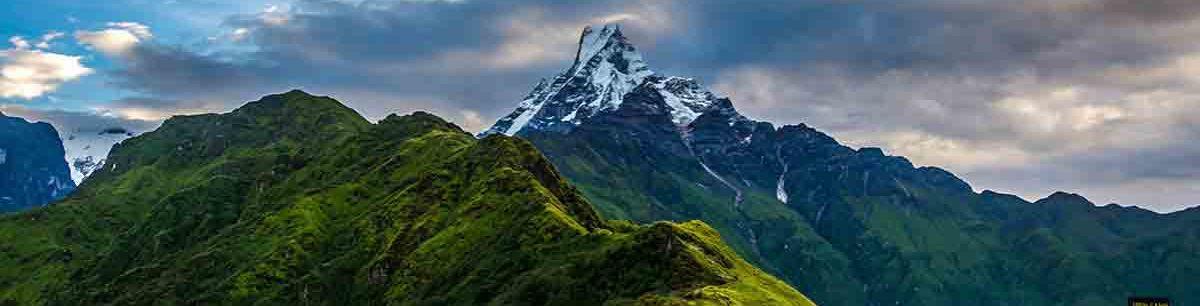
Surprising Truths About the Annapurna Circuit Trek Nobody Tells You

The Annapurna Circuit Trek is often described as one of the most spectacular trekking adventures in the world. Stretching through the diverse Himalayan landscapes of Nepal, this legendary route offers everything from lush forests and traditional mountain villages to high-altitude deserts and breathtaking snow-covered peaks. Thousands of trekkers dream of completing the Annapurna Circuit every year, but many arrive with expectations that are very different from reality.

While guidebooks and social media posts usually focus on the stunning scenery and famous mountain passes, there are many lesser-known aspects of the journey that can completely shape your trekking experience. Some of these truths make the adventure even more rewarding, while others may surprise first-time trekkers who are unprepared for the realities of Himalayan travel.

If you are planning your first Annapurna Circuit Trek, understanding these hidden truths can help you prepare mentally, physically, and emotionally for the journey ahead. Here are 10 surprising truths about the Annapurna Circuit Trek that nobody tells you.


The Annapurna Circuit Trek Is Much More Than a Mountain Trek

Many people assume the Annapurna Circuit Trek is only about walking through snowy mountains. In reality, the trek is a complete cultural and geographical journey across several different regions of Nepal.

You begin in subtropical valleys filled with rice terraces and waterfalls. As the trail climbs higher, the scenery changes dramatically into pine forests, alpine meadows, and dry Tibetan-style landscapes. Along the way, you pass through villages inhabited by Gurung, Thakali, and Manangi communities, each with unique traditions, architecture, and lifestyles.

This incredible diversity is one reason the Annapurna Circuit Trek remains one of the most loved trekking routes in the Himalayas.


The Weather Changes Faster Than You Expect

One of the biggest surprises for trekkers is how quickly the weather can change in the Himalayas. A sunny morning can suddenly become cloudy, windy, or snowy within hours.

Even during the popular trekking seasons of spring and autumn, temperatures can vary greatly between day and night. Lower elevations may feel warm and pleasant, while high-altitude areas such as Thorong La Pass can become freezing cold before sunrise.

Because of these rapid weather shifts, layering your clothing is essential during the Annapurna Circuit Trek. Trekkers who underestimate Himalayan weather often struggle with discomfort during the journey.


Acclimatization Is More Important Than Fitness

Many physically fit trekkers believe they can complete the Annapurna Circuit Trek without difficulty. However, altitude affects everyone differently, regardless of fitness level.

As the trail rises above 3,000 meters, oxygen levels decrease significantly. Symptoms of altitude sickness may include headaches, dizziness, nausea, fatigue, and difficulty sleeping. The climb toward Thorong La Pass at 5,416 meters is especially challenging.

One surprising truth is that slow walking and proper acclimatization are often more important than physical strength. Experienced trekkers know that resting, staying hydrated, and allowing your body time to adjust are key to completing the trek safely.


Teahouse Life Becomes Part of the Adventure

Before arriving in Nepal, many trekkers imagine remote camping experiences. In reality, most people stay in teahouses along the Annapurna Circuit Trek.

Teahouses are small mountain lodges operated by local families. They provide meals, basic rooms, and a warm communal atmosphere where trekkers from around the world gather every evening.

Although the accommodations are simple, teahouse culture becomes one of the most memorable parts of the trek. Sharing stories around a dining room heater, drinking hot tea, and meeting fellow travelers create unforgettable moments that many people do not expect.

At higher elevations, facilities become more basic, and luxuries such as hot showers, charging devices, and Wi-Fi may cost extra or become unavailable.


The Trek Is Emotionally Challenging Too

Most trekking articles focus on physical preparation, but the Annapurna Circuit Trek can also be emotionally demanding.

Long trekking days, cold weather, fatigue, altitude, and limited comforts sometimes affect your mood. There may be moments when you question your decision to continue, especially during steep climbs or difficult weather conditions.

However, these emotional ups and downs are often what make the experience so meaningful. Completing challenging sections of the trek builds confidence, resilience, and a deep sense of accomplishment.

Many trekkers return home saying the Annapurna Circuit Trek changed them mentally as much as physically.


Food Choices in the Mountains Are Surprisingly Good

A common misconception is that food options on the Annapurna Circuit Trek are extremely limited. While menus become simpler at higher altitudes, most teahouses offer a surprisingly wide variety of meals.

You can find dal bhat, noodles, pasta, fried rice, pancakes, soups, momos, eggs, potatoes, and even bakery items in some villages. Dal bhat, Nepal’s traditional meal of rice, lentils, vegetables, and pickles, is especially popular because it provides energy for long trekking days.

One surprising truth is that trekkers often begin craving dal bhat after a few days because it is nutritious, filling, and usually comes with unlimited refills.

Still, food prices increase with altitude since supplies are transported by porters, mules, or helicopters into remote mountain areas.


The Road Construction Changes the Experience

The Annapurna Circuit Trek has changed significantly over the years due to road construction in some sections of the trail. Many trekkers are surprised to encounter roads where they expected completely remote mountain paths.

While some people feel disappointed by these developments, alternative trekking routes and side trails still provide beautiful off-road experiences. Areas such as Upper Pisang, Ngawal, and Tilicho Lake remain incredibly scenic and peaceful.

Road access has also improved transportation, emergency services, and supply delivery for local communities. The modern Annapurna Circuit Trek is now a combination of traditional trekking culture and changing Himalayan infrastructure.

Trekkers who research route variations carefully can still enjoy a highly rewarding wilderness experience.


Thorong La Pass Is Harder Than Most People Imagine

Crossing Thorong La Pass is the highlight of the Annapurna Circuit Trek, but it is also the most physically demanding part of the journey.

Most trekkers begin climbing before sunrise to avoid strong afternoon winds. The thin air, freezing temperatures, steep ascent, and long trekking hours make this crossing much more difficult than many expect.

Even experienced hikers often describe Thorong La as one of the hardest trekking days of their lives. However, standing at the prayer-flag-covered summit surrounded by Himalayan peaks creates an unforgettable feeling of achievement.

The descent toward Muktinath afterward can also be surprisingly exhausting because of the long downhill walk.


The Trek Teaches You to Slow Down

Modern life often revolves around speed, schedules, and constant digital connection. One surprising truth about the Annapurna Circuit Trek is that it forces you to slow down.

Daily life on the trail becomes simple:

  • Wake up early
  • Walk for several hours
  • Eat warm meals
  • Rest
  • Sleep

Without constant distractions, many trekkers begin to appreciate small moments more deeply. Watching sunrise over snowy peaks, listening to mountain rivers, and talking with local villagers create a strong sense of mindfulness.

The Annapurna Circuit Trek is not only a physical journey through the Himalayas but also a mental escape from busy modern routines.


The Memories Stay With You Forever

Many trekkers expect the Annapurna Circuit Trek to be a temporary adventure. What surprises most people is how deeply the experience stays with them long after returning home.

The mountains, friendships, personal challenges, and cultural encounters often leave lasting emotional memories. Some trekkers even describe the journey as life-changing because it reshapes their perspective on simplicity, resilience, and nature.

The Annapurna region has a way of making people feel connected to something much larger than themselves. Months or even years later, many travelers still remember the sound of prayer flags fluttering in the wind, the warmth of teahouse hospitality, and the incredible feeling of walking among the world’s highest mountains.


Best Time for the Annapurna Circuit Trek

Understanding the seasons is important for planning a successful Annapurna Circuit Trek.

Spring (March to May)

Spring offers blooming rhododendron forests, moderate temperatures, and clear mountain views. This is one of the most popular trekking seasons in Nepal.

Autumn (September to November)

Autumn provides stable weather, dry trails, and excellent visibility. Many trekkers consider this the best season for the Annapurna Circuit Trek.

Winter (December to February)

Winter trekking is possible, but heavy snow may block Thorong La Pass. Temperatures become extremely cold at higher elevations.

Monsoon (June to August)

The monsoon season brings rain, slippery trails, landslides, and cloudy mountain views. However, the rain-shadow areas near Manang remain relatively dry.


Essential Tips for First-Time Trekkers

Train Before the Trek

Cardio exercise, hiking practice, and leg-strength training help prepare your body for long trekking days.

Walk Slowly

A slow and steady pace improves acclimatization and reduces fatigue.

Drink Plenty of Water

Hydration is critical at high altitude.

Pack Light but Smart

Bring warm layers, proper trekking boots, sunscreen, and essential medications.

Respect Local Culture

The Annapurna region is home to traditional mountain communities with deep Buddhist and Hindu traditions. Respect local customs and religious sites.

Consider Hiring Guides and Porters

Local guides improve safety, navigation, and cultural understanding while supporting Nepal’s trekking economy.


Why the Annapurna Circuit Trek Remains So Popular

Despite changing trekking routes and increasing tourism, the Annapurna Circuit Trek continues to attract adventurers from around the world because it offers an unmatched combination of:

  • Mountain scenery
  • Cultural diversity
  • High-altitude adventure
  • Traditional villages
  • Himalayan landscapes
  • Personal challenge

Few trekking routes on Earth provide such dramatic variation in both environment and culture within a single journey.

Whether you are an experienced trekker or a first-time Himalayan traveler, the Annapurna Circuit Trek delivers experiences that go far beyond expectations.


Final Thoughts

The Annapurna Circuit Trek is far more complex, emotional, and rewarding than many people realize before arriving in Nepal. Beyond the famous mountain views lies a journey filled with unexpected lessons, personal growth, cultural encounters, and unforgettable memories.

Understanding these 10 surprising truths can help you prepare for the realities of trekking in the Himalayas while allowing you to appreciate the deeper meaning of the experience.

For many travelers, the Annapurna Circuit Trek becomes more than just a trek — it becomes one of the greatest adventures of their lives.

Quick Inquiry Form

Understanding the True Cost of Guided Trekking in Nepal

Nepal is one of the world’s most iconic trekking destinations. From the legendary Mount Everest region to the peaceful trails of Annapurna Circuit, thousands of trekkers arrive every year to experience the Himalayas. However, many travelers are surprised when they discover that a guided trekking experience costs more than they initially expected.

Understanding the true cost of guided trekking in Nepal is important before planning your adventure. A guided trek is not simply about paying for someone to walk beside you. The total price includes permits, transportation, accommodation, guide wages, porter support, food, safety services, logistics, and many behind-the-scenes expenses that ensure a safe and enjoyable journey.

This article explains why guided trekking in Nepal costs what it does, what is included in the price, and why many trekkers still consider it one of the best investments for a Himalayan adventure.


Why Guided Trekking in Nepal Is Popular

Nepal’s trekking routes range from beginner-friendly trails to demanding high-altitude expeditions. While independent trekking is possible in some regions, guided trekking has become increasingly popular because it provides convenience, safety, cultural insight, and local support.

Trekkers exploring routes such as Everest Base Camp, Manaslu Circuit, and Langtang Valley often prefer guided experiences due to difficult terrain, altitude risks, changing weather conditions, and permit requirements.

Guided trekking also supports Nepal’s tourism economy by creating jobs for guides, porters, lodge owners, drivers, and local communities.


What Does the Cost of a Guided Trek Include?

Many travelers focus only on the advertised package price without understanding what is included behind the scenes. A professionally organized trek covers several important services.

Trekking Permits and Entry Fees

Almost every trekking region in Nepal requires permits. These permits help protect conservation areas and regulate tourism.

Common permits include:

  • TIMS (Trekkers’ Information Management System)
  • National park permits
  • Conservation area permits
  • Restricted area permits

For example, trekking in the Annapurna Conservation Area requires an ACAP permit, while the Sagarmatha National Park region has separate entry fees.

Restricted regions such as Upper Mustang or Manaslu can significantly increase trekking costs because special permits are expensive and mandatory.


Professional Trekking Guides

A licensed guide is one of the biggest parts of the trekking cost. Experienced guides provide far more than navigation.

Their responsibilities include:

  • Managing logistics
  • Monitoring altitude sickness symptoms
  • Arranging accommodation
  • Communicating with locals
  • Handling emergencies
  • Explaining culture and history
  • Adjusting itineraries during weather changes

Professional guides often speak multiple languages and receive mountain safety training. Their expertise can make a major difference during difficult conditions.

Hiring skilled trekking guides also ensures trekkers comply with local regulations in restricted trekking regions.


Porter Services

Porters are essential in Nepal’s trekking industry. They carry heavy luggage through steep mountain trails, allowing trekkers to walk more comfortably and safely.

A porter usually carries:

  • Duffel bags
  • Trekking gear
  • Extra clothing
  • Sleeping equipment

Without porter support, many trekkers would struggle at higher elevations where physical energy becomes limited due to reduced oxygen levels.

Ethical trekking agencies also provide porters with:

  • Insurance
  • Proper clothing
  • Fair wages
  • Food and accommodation

Responsible trekking companies include these costs in their package prices.


Accommodation Costs

Accommodation standards vary greatly depending on the trekking region.

In popular trekking areas like Everest Base Camp and Annapurna Base Camp, tea houses offer basic rooms with shared bathrooms. However, prices increase at higher elevations because all supplies must be transported by porters, yaks, or helicopters.

Accommodation costs usually include:

  • Twin-sharing rooms
  • Blankets
  • Dining access
  • Basic charging facilities

Luxury trekking packages may include upgraded lodges with private bathrooms, hot showers, and better amenities.


Food During the Trek

Food prices in the mountains are significantly higher than in cities like Kathmandu or Pokhara.

Everything transported into remote Himalayan villages requires labor or animal transport. As altitude increases, food becomes more expensive.

Typical trekking meals include:

  • Dal bhat
  • Noodles
  • Soups
  • Fried rice
  • Pancakes
  • Tea and coffee

A guided trekking package often includes three meals per day, which adds substantial value and convenience.


Transportation Expenses

Transportation in Nepal can be expensive due to mountainous terrain and limited infrastructure.

Trekkers may need:

  • Domestic flights
  • Jeep transportation
  • Tourist buses
  • Private vehicles

For example, flights between Kathmandu and Lukla are among the most famous and weather-sensitive flights in the world.

Remote trekking regions may require expensive jeep rides on rough mountain roads. These transportation costs are often included in guided trek packages.


Safety and Emergency Support

One major reason guided trekking in Nepal costs more is safety preparation.

Good trekking agencies invest in:

  • First aid training
  • Emergency communication systems
  • Rescue coordination
  • Weather monitoring
  • Altitude sickness response

In mountain environments, emergencies can happen unexpectedly. Having trained professionals nearby can save lives.

Some agencies also include oxygen cylinders, oximeters, and satellite communication devices for high-altitude treks.


Why Trekking Costs Increase at Higher Altitudes

High-altitude trekking regions are more expensive because basic operations become extremely difficult.

Everything must be transported manually or by animals. Weather conditions are unpredictable, and infrastructure is limited.

At elevations above 4,000 meters:

  • Food prices rise sharply
  • Accommodation becomes limited
  • Fuel becomes expensive
  • Porter workloads increase
  • Medical risks become greater

This is why treks like Everest Base Camp typically cost more than lower-altitude treks near Pokhara.


Seasonal Factors That Affect Trekking Costs

The trekking season also influences pricing.

Peak Seasons

The most expensive trekking periods are:

  • Spring (March to May)
  • Autumn (September to November)

These seasons offer:

  • Stable weather
  • Clear mountain views
  • Safer trekking conditions

Because demand is high, flights, guides, accommodation, and transportation become more expensive.


Off-Season Treks

Winter and monsoon trekking packages may cost less, but they come with additional challenges such as:

  • Snow-covered trails
  • Flight delays
  • Heavy rainfall
  • Landslides
  • Reduced lodge availability

While off-season trekking can reduce costs, it may increase logistical difficulties.


Budget Trekking vs Premium Guided Trekking

Not all trekking packages are the same. Prices vary depending on service quality.

Budget Trekking Packages

Budget treks usually include:

  • Basic tea house accommodation
  • Shared transportation
  • Limited support staff
  • Simple meals

These packages are cheaper but may sacrifice comfort and flexibility.


Premium Trekking Packages

Premium guided trekking experiences often include:

  • Experienced licensed guides
  • Better accommodation
  • Domestic flights
  • Private transportation
  • High-quality meals
  • Extra acclimatization days
  • Emergency support systems

Luxury trekking in regions like Everest Base Camp can cost several thousand dollars depending on the level of comfort.


The Hidden Costs Many Trekkers Forget

Many first-time trekkers only calculate the package cost and overlook additional expenses.

Trekking Gear

Quality trekking gear can be expensive.

Important items include:

  • Down jackets
  • Sleeping bags
  • Trekking boots
  • Thermal clothing
  • Backpacks
  • Trekking poles

While some gear can be rented in Kathmandu, premium equipment still adds to the total budget.


Travel Insurance

Comprehensive travel insurance is highly recommended for trekking in Nepal.

Insurance should cover:

  • High-altitude trekking
  • Helicopter evacuation
  • Medical treatment
  • Trip cancellation

Helicopter rescues in remote mountain areas can cost thousands of dollars.


Tips for Guides and Porters

Tipping is a common practice in Nepal’s trekking industry.

Most trekkers provide tips to:

  • Guides
  • Porters
  • Drivers

Although optional, tipping is considered an important part of supporting trekking staff.


Charging and Internet Access

Remote mountain lodges often charge additional fees for:

  • Phone charging
  • Wi-Fi access
  • Hot showers

These small daily expenses can add up during longer treks.


Why Guided Trekking Offers Better Value

Although guided trekking costs more than independent trekking, many travelers consider it worthwhile because of the overall experience and safety benefits.

Better Navigation

Mountain trails can become confusing due to:

  • Snowfall
  • Landslides
  • Poor visibility
  • Route changes

Guides help trekkers avoid getting lost and keep itineraries organized.


Cultural Experience

Local guides offer deep insights into Nepalese traditions, Buddhist culture, mountain villages, and Himalayan lifestyles.

Trekkers often learn more about the region through conversations with guides than through guidebooks.


Reduced Stress

Organizing permits, transportation, accommodation, and meals independently can be time-consuming.

Guided trekking allows travelers to focus entirely on the trekking experience instead of logistics.


Emergency Management

Altitude sickness is a serious concern in the Himalayas.

Guides recognize symptoms such as:

  • Headaches
  • Dizziness
  • Fatigue
  • Nausea

Early intervention can prevent dangerous complications.


Supporting Local Communities Through Guided Trekking

Hiring local trekking agencies directly benefits Nepal’s mountain communities.

Tourism income supports:

  • Families
  • Tea houses
  • Transportation workers
  • Mountain guides
  • Porters
  • Conservation projects

Responsible tourism also encourages sustainable trekking practices in protected Himalayan regions.

Many ethical trekking operators now focus on:

  • Fair porter treatment
  • Eco-friendly trekking
  • Waste management
  • Local employment

Choosing guided trekking helps strengthen Nepal’s mountain economy.


How to Choose the Right Trekking Company

Not all trekking companies provide the same quality of service.

Before booking, trekkers should check:

  • Government registration
  • Guide licenses
  • Reviews and testimonials
  • Safety standards
  • Insurance policies
  • Transparent pricing

A cheap trekking package may hide important exclusions or compromise safety standards.

Reliable agencies clearly explain:

  • What is included
  • What is excluded
  • Cancellation policies
  • Emergency procedures

Researching carefully helps travelers avoid unexpected expenses.


Is Guided Trekking in Nepal Worth the Cost?

For many travelers, the answer is yes.

Guided trekking provides:

  • Professional support
  • Safety management
  • Cultural understanding
  • Easier logistics
  • Local expertise
  • Better overall experience

The Himalayas are remote and physically demanding environments. Paying for trained support often makes the journey safer, smoother, and more enjoyable.

Whether trekking to Everest Base Camp, exploring the trails around Annapurna Base Camp, or visiting remote villages in the Langtang National Park region, understanding the true cost of guided trekking helps travelers plan realistically.


Final Thoughts

Understanding the true cost of guided trekking in Nepal helps travelers appreciate the amount of work, coordination, and expertise required to organize a successful Himalayan adventure.

The price of a guided trek is not simply about accommodation and transportation. It reflects safety preparation, professional guidance, porter support, permits, mountain logistics, and the effort required to operate in remote high-altitude regions.

While guided trekking may initially seem expensive, it often provides excellent value through convenience, cultural experiences, local support, and increased safety. Choosing a reliable trekking company can turn a challenging Himalayan journey into one of the most memorable experiences of a lifetime.

Quick Inquiry Form

How Fit Do I Need to Be for Island Peak Summit?

Reaching the summit of Island Peak is a dream for many trekkers and aspiring climbers visiting Nepal. Standing at 6,189 meters (20,305 feet), Island Peak — also known as Imja Tse — is considered one of the best beginner-friendly Himalayan climbing peaks. However, many people underestimate the physical challenge and assume it is simply a difficult trek. In reality, Island Peak combines high-altitude trekking, glacier travel, and basic mountaineering skills into one demanding adventure.

So, how fit do you really need to be for the Island Peak summit?

The short answer is this: you do not need to be a professional athlete or elite mountaineer, but you must have strong endurance, decent strength, good cardiovascular fitness, and mental resilience. The climb is more about stamina and consistency than raw power.

This detailed guide explains the exact fitness level required, how difficult the climb feels, what kind of training helps most, and how you can realistically prepare yourself for a successful summit.


Understanding the Physical Demands of Island Peak

Island Peak is often described as a “trekking peak,” but that phrase can be misleading. While it is less technical than larger Himalayan expeditions, it still involves real climbing challenges.

During the expedition, climbers usually spend:

  • 10–14 days trekking and acclimatizing
  • 5–7 hours walking daily
  • One summit push lasting 10–14 hours
  • Time climbing on snow, ice, and fixed ropes

The combination of altitude, cold temperatures, fatigue, and technical sections makes Island Peak physically demanding.

Most climbers struggle more with:

  • Thin oxygen levels
  • Long summit day exhaustion
  • Steep icy headwall sections
  • Consecutive trekking days
  • Recovery at altitude

The climb tests endurance far more than explosive strength.


Is Island Peak Suitable for Beginners?

Yes, Island Peak can be suitable for beginners with proper preparation.

Many first-time Himalayan climbers successfully summit Island Peak every year. Guides usually provide training for:

  • Crampon use
  • Ice axe techniques
  • Fixed rope climbing
  • Harness and ascender systems

However, beginners still need good fitness and a willingness to learn mountaineering basics.

If you can comfortably:

  • Hike 6–8 hours per day
  • Handle steep uphill walking
  • Carry a daypack
  • Stay mentally positive when tired
  • Recover well overnight

then you already have a strong foundation for Island Peak.


The Most Important Fitness Requirement: Cardiovascular Endurance

Cardiovascular endurance is the single most important factor for Island Peak success.

At high altitude, your body receives much less oxygen. Even simple movements become exhausting above 5,000 meters. Climbers often feel surprised by how difficult basic walking becomes near the summit.

Your body needs efficient lungs and heart performance to cope with:

  • Long trekking days
  • Continuous uphill movement
  • Cold conditions
  • Reduced oxygen
  • Summit day fatigue

What Level of Cardio Fitness Is Ideal?

A good benchmark is being able to:

  • Hike uphill for 6–8 hours with breaks
  • Carry a 10–15 kg backpack comfortably
  • Recover reasonably well the next day
  • Maintain a steady pace without gasping for air

You do not need marathon-level speed. Slow and steady endurance matters much more.

Best Cardio Exercises for Island Peak

The most effective cardio training includes:

  • Hiking
  • Stair climbing
  • Trail running
  • Cycling
  • Swimming
  • Incline treadmill walking

Hill training is especially valuable because it simulates Himalayan trekking conditions.

Many guides recommend at least 12–16 weeks of cardio preparation before the climb.


Strength Matters — But in the Right Areas

Island Peak does not require bodybuilder-level muscle.

Instead, climbers benefit most from:

  • Strong legs
  • Stable core
  • Functional endurance
  • Good balance

Key Muscle Groups Needed

Legs

Your legs do most of the work during the expedition.

Important exercises include:

  • Squats
  • Lunges
  • Step-ups
  • Stair climbing
  • Weighted walking

These exercises mimic uphill trekking movement.

Core Strength

A strong core improves:

  • Stability on uneven terrain
  • Backpack carrying comfort
  • Rope climbing balance
  • Overall endurance

Helpful exercises:

  • Planks
  • Russian twists
  • Mountain climbers
  • Leg raises

Upper Body

Upper-body strength becomes useful during:

  • Rope ascents
  • Ice axe use
  • Ladder crossings
  • Pulling on fixed lines

Push-ups, pull-ups, rows, and resistance-band training help build adequate strength.


How Difficult Is the Summit Day?

Summit day is the hardest part of Island Peak.

Most climbers begin around midnight or 1 AM and continue climbing for 10–14 hours before returning to camp.

The challenges include:

  • Cold temperatures
  • Darkness
  • Thin oxygen
  • Steep snow slopes
  • Glacier crossings
  • Fatigue accumulation

The famous headwall near the summit can feel intimidating. This steep snow and ice section often reaches angles of 40–60 degrees and requires fixed rope climbing.

Even very fit trekkers sometimes turn back because the altitude amplifies exhaustion.


Altitude Is the Real Challenge

Many people assume fitness alone guarantees success. Unfortunately, altitude changes everything.

Above 5,000 meters:

  • Oxygen drops dramatically
  • Recovery slows down
  • Appetite decreases
  • Sleep becomes difficult
  • Simple tasks feel exhausting

Even extremely fit athletes can suffer from altitude sickness.

That is why acclimatization is critical during Island Peak expeditions.

Signs Altitude Is Affecting You

Watch for:

  • Persistent headaches
  • Nausea
  • Dizziness
  • Extreme fatigue
  • Loss of coordination
  • Confusion

Good guides monitor climbers closely throughout the expedition.


How to Know If You Are Fit Enough

You are likely ready for Island Peak if you can comfortably do the following:

Physical Benchmarks

  • Hike 15–20 km in a day
  • Climb stairs continuously for 1–2 hours
  • Carry a loaded backpack uphill
  • Complete back-to-back hiking days
  • Recover well overnight

Endurance Benchmarks

  • Jog or cycle for 45–60 minutes comfortably
  • Maintain a steady pace for long periods
  • Handle multi-hour physical activity without major exhaustion

Mental Benchmarks

  • Stay calm under pressure
  • Continue moving when tired
  • Maintain motivation in uncomfortable conditions
  • Handle cold weather positively

Mental stamina is often as important as physical conditioning.


A Realistic 12-Week Training Plan

Weeks 1–4: Build the Base

Focus on:

  • Light cardio 4–5 times weekly
  • Basic leg strength exercises
  • Core workouts
  • Flexibility and mobility

Goal:
Develop consistency.

Weeks 5–8: Increase Endurance

Add:

  • Longer hikes
  • Stair climbing sessions
  • Weighted backpack training
  • Higher-intensity cardio

Goal:
Improve sustained endurance.

Weeks 9–12: Simulate Expedition Conditions

Practice:

  • Long uphill hikes
  • Consecutive training days
  • Carrying trekking loads
  • Hiking in cold weather if possible

Goal:
Prepare your body for summit-day fatigue.


Should You Train With a Backpack?

Absolutely.

One of the best ways to prepare is hiking with weight.

Start light and gradually increase to:

  • 8–15 kg

This helps your:

  • Shoulders
  • Core
  • Lower back
  • Leg endurance

Weighted stair climbing is especially effective if you do not have access to mountains.


Technical Skills vs Fitness

Many climbers worry more about technical climbing than physical fitness.

In reality, Island Peak’s technical sections are manageable for most beginners after proper instruction. Guides usually teach:

  • Rope techniques
  • Crampon walking
  • Ice axe handling
  • Ladder crossing methods

The bigger issue is performing those tasks while exhausted and at high altitude.

That is why endurance training matters so much.


Common Mistakes People Make

Underestimating Altitude

Being fit at sea level does not guarantee altitude performance.

Ignoring Recovery

Rest days are essential during training and acclimatization.

Only Doing Gym Training

Treadmills and weights help, but hiking practice is far more valuable.

Starting Training Too Late

Trying to prepare in 2–3 weeks rarely works well.

Neglecting Mental Preparation

Summit day is mentally exhausting.


Does Age Matter?

Age matters less than preparation.

Many climbers in their 40s, 50s, and even 60s successfully summit Island Peak each year. What matters most is:

  • Consistent training
  • Healthy recovery
  • Cardiovascular fitness
  • Determination

A well-trained older climber often performs better than a younger but unprepared climber.


What Fitness Level Is NOT Enough?

You may struggle significantly if:

  • You rarely exercise
  • You cannot hike several hours continuously
  • You become exhausted after small uphill climbs
  • You have never carried a backpack
  • You avoid endurance activities

Island Peak is not impossible, but it rewards preparation.


Best Training Activities for Island Peak

Here are the most effective activities ranked by usefulness:

ActivityBenefit
Hiking with elevationBest overall preparation
Stair climbingBuilds uphill endurance
Trail runningImproves cardio efficiency
CyclingExcellent endurance training
SwimmingGreat low-impact cardio
Strength circuitsFunctional conditioning
Backpack walkingTrek-specific conditioning

Nutrition and Recovery Before the Climb

Fitness training only works properly when combined with recovery.

Focus on:

  • Protein intake
  • Hydration
  • Sleep quality
  • Electrolytes
  • Balanced carbohydrates

Overtraining before the expedition can actually reduce performance.


Mental Fitness for Island Peak

Mental toughness plays a huge role during summit day.

You may face:

  • Strong winds
  • Freezing temperatures
  • Fatigue
  • Fear of exposure
  • Sleep deprivation

Successful climbers usually maintain:

  • Patience
  • Positive thinking
  • Calm decision-making
  • Steady pacing

One of the biggest mistakes is rushing too fast at altitude. Slow, consistent movement is the key to summit success.


Can You Climb Island Peak Without Previous Trekking Experience?

It is possible, but previous trekking experience helps enormously.

If you have already completed:

  • Everest Base Camp Trek
  • Annapurna Circuit
  • Kilimanjaro
  • Multi-day alpine hikes

you will likely adapt more easily.

However, motivated beginners with strong training and proper guidance still succeed regularly.


Final Thoughts

So, how fit do you need to be for the Island Peak summit?

You need to be:

  • Strong enough for long uphill days
  • Fit enough for sustained endurance
  • Mentally prepared for discomfort
  • Disciplined enough to train consistently

You do not need elite athletic ability, but you do need serious preparation.

Island Peak is often described as the perfect bridge between trekking and mountaineering because it challenges both your body and mind. With structured training, proper acclimatization, and realistic expectations, many trekkers successfully stand on the summit each year.

The mountain rewards persistence far more than speed or brute strength.

If you can hike steadily for hours, carry weight comfortably, stay calm under pressure, and keep moving when tired, you already have the foundation needed to climb Island Peak successfully.

Quick Inquiry Form

Understanding Nepal Trek Difficulty Levels: From Beginners to Expert Himalayan Trails

Trekking in Nepal is a dream adventure for travelers from around the world. From peaceful forest walks to extreme high-altitude expeditions, the country offers trails for every skill level. Understanding Nepal trek difficulty levels is essential before choosing a trekking route because the Himalayan terrain varies greatly in altitude, duration, weather, and physical demands.

Whether you are a first-time trekker or an experienced mountaineer, learning about Nepal trek difficulty levels helps you prepare properly, select the right route, and enjoy a safer trekking experience. Some trails are suitable for beginners with moderate fitness, while others require advanced endurance, technical skills, and high-altitude experience.

This guide explains everything about trekking difficulty in Nepal, including trail classifications, fitness requirements, altitude challenges, preparation tips, and examples of beginner, moderate, difficult, and expert-level Himalayan treks.


Why Understanding Nepal Trek Difficulty Levels Matters

Choosing the wrong trek can turn an exciting adventure into an exhausting and risky experience. Many trekkers underestimate the impact of altitude, steep ascents, changing weather, and long walking hours in the Himalayas.

Understanding Nepal trek difficulty levels helps trekkers:

  • Select a route that matches their fitness level
  • Prepare mentally and physically
  • Avoid altitude-related problems
  • Pack appropriate gear
  • Set realistic expectations
  • Enjoy the trekking experience safely

Different trekking companies may describe routes differently, but most Himalayan trails in Nepal can generally be divided into four categories:

  1. Beginner/Easy Treks
  2. Moderate Treks
  3. Difficult Treks
  4. Expert-Level Treks

Each category has unique characteristics and challenges.


Main Factors That Determine Trek Difficulty in Nepal

Several elements influence the difficulty level of a trek in Nepal. It is not only about distance or walking hours.

Altitude

Altitude is the biggest factor affecting trekking difficulty. Oxygen levels decrease as elevation increases, making breathing harder.

Treks above 3,000 meters often involve:

  • Shortness of breath
  • Fatigue
  • Slower movement
  • Risk of altitude sickness

Popular high-altitude trekking regions in Nepal include:

  • Everest Base Camp
  • Annapurna Circuit
  • Manaslu Circuit

Trek Duration

Longer treks require greater endurance. Multi-week trekking adventures can become physically demanding due to continuous walking and limited recovery time.

Short treks of 3–5 days are generally easier than 15–20 day expeditions.


Terrain Conditions

Nepal’s trekking trails vary from:

  • Stone staircases
  • Rocky mountain paths
  • Glacier crossings
  • Narrow ridges
  • Snow-covered passes

Steep ascents and descents significantly increase trek difficulty.


Daily Walking Hours

Easy treks may involve 4–5 walking hours per day, while expert routes can require 8–10 hours daily in challenging conditions.


Weather and Season

Weather conditions strongly affect trekking experiences. Winter snow, monsoon rain, and strong mountain winds can increase risks and difficulty.

The best trekking seasons in Nepal are:

  • Spring (March to May)
  • Autumn (September to November)

Remote Conditions

Remote trekking routes have:

  • Limited accommodation
  • Fewer medical facilities
  • Difficult transportation access
  • Scarce communication services

Expert-level treks require strong self-management and preparation.


Beginner Trekking Routes in Nepal

Beginner treks are ideal for people with basic fitness and little or no trekking experience. These routes usually stay below extreme altitudes and provide comfortable accommodations.

Features of Beginner Treks

  • Lower altitude
  • Shorter trekking days
  • Well-maintained trails
  • Easy access to villages and tea houses
  • Minimal technical challenges

Recommended Beginner Treks

Ghorepani Poon Hill Trek

This is one of the most popular beginner-friendly treks in Nepal. The route offers:

  • Stunning sunrise views
  • Rhododendron forests
  • Traditional Gurung villages
  • Comfortable tea houses

Maximum altitude: around 3,210 meters


Langtang Valley Trek

This scenic trek provides mountain landscapes without extremely high elevations. It combines:

  • Forest trails
  • Tamang culture
  • River valleys
  • Moderate walking distances

Mardi Himal Trek

A short and scenic trekking route suitable for beginners seeking Himalayan views without technical challenges.


Fitness Level for Beginner Treks

You do not need advanced training for beginner trails, but you should:

  • Walk regularly
  • Improve cardiovascular fitness
  • Practice stair climbing
  • Carry a light backpack comfortably

Basic preparation helps prevent exhaustion during the trek.


Moderate Trekking Routes in Nepal

Moderate treks are suitable for travelers with some hiking experience and good physical fitness. These routes usually involve higher elevations and longer walking hours.

Features of Moderate Treks

  • Higher altitude exposure
  • Longer trek duration
  • Steeper climbs
  • More physically demanding trails

Recommended Moderate Treks

Everest Base Camp

One of the world’s most famous trekking routes, Everest Base Camp offers unforgettable Himalayan scenery and Sherpa culture.

Highlights include:

  • Namche Bazaar
  • Tengboche Monastery
  • Views of Mount Everest

Maximum altitude: 5,364 meters

Although non-technical, altitude makes this trek challenging.


Annapurna Base Camp Trek

This moderate trek combines:

  • Mountain panoramas
  • Diverse landscapes
  • Traditional villages
  • Glacier viewpoints

Trekkers must handle multiple steep ascents and descents.


Helambu Trek

A moderate trek close to Kathmandu with beautiful scenery and cultural experiences.


Physical Preparation for Moderate Treks

Trekkers should prepare at least 6–8 weeks before departure.

Recommended activities:

  • Hiking
  • Running
  • Cycling
  • Strength training
  • Stair workouts

Cardiovascular endurance is especially important.


Difficult Trekking Routes in Nepal

Difficult treks involve high mountain passes, longer durations, and harsh weather conditions. These treks are recommended for experienced trekkers with excellent fitness.

Features of Difficult Treks

  • Altitudes above 5,000 meters
  • Long trekking days
  • Remote environments
  • Challenging weather
  • Limited facilities

Recommended Difficult Treks

Annapurna Circuit

This legendary trek crosses the famous Thorong La Pass at 5,416 meters.

Challenges include:

  • Long trekking duration
  • Thin air
  • Harsh mountain climate
  • Steep terrain

Manaslu Circuit Trek

The Manaslu region is more remote and physically demanding than many popular trekking areas.

Trekkers cross:

  • High mountain passes
  • Isolated villages
  • Rugged trails

Maximum altitude: 5,160 meters at Larkya La Pass


Gokyo Lakes Trek

This challenging route combines high altitude with breathtaking turquoise lakes and glacier views.


Altitude Sickness and Trek Difficulty

Altitude sickness can affect anyone regardless of fitness level. Symptoms may include:

  • Headaches
  • Nausea
  • Dizziness
  • Fatigue
  • Difficulty sleeping

Understanding Nepal trek difficulty levels also means understanding altitude safety.

Prevention Tips

  • Ascend gradually
  • Stay hydrated
  • Avoid alcohol
  • Take acclimatization days
  • Listen to your body

Severe altitude sickness can become life-threatening if ignored.


Expert-Level Himalayan Treks

Expert-level treks are extremely demanding and often involve technical climbing, glacier travel, and harsh environmental conditions.

These routes are suitable only for highly experienced trekkers or mountaineers.

Features of Expert Treks

  • Extreme altitude
  • Technical terrain
  • Ice and snow crossings
  • Long expedition duration
  • Remote wilderness
  • Harsh weather conditions

Recommended Expert Treks

Kanchenjunga Base Camp Trek

This remote trek is physically exhausting due to:

  • Long isolation
  • Difficult terrain
  • High altitude
  • Limited infrastructure

Upper Dolpo Trek

Upper Dolpo is one of Nepal’s most remote trekking regions.

Challenges include:

  • Dry mountainous terrain
  • Minimal facilities
  • Long trekking days
  • Restricted area permits

Makalu Base Camp Trek

This demanding trail includes:

  • Steep climbs
  • Remote valleys
  • Glacier landscapes
  • Difficult weather conditions

Mental Challenges of Himalayan Trekking

Physical fitness alone is not enough. Trekking in Nepal also requires strong mental endurance.

Trekkers may face:

  • Cold temperatures
  • Basic accommodations
  • Unpredictable weather
  • Fatigue
  • Isolation
  • Limited internet access

Positive mindset and patience are essential for difficult Himalayan journeys.


How to Choose the Right Trekking Route

Choosing the best trek depends on:

  • Fitness level
  • Trekking experience
  • Available time
  • Budget
  • Desired scenery
  • Comfort preference

Beginners Should Consider

  • Short itineraries
  • Lower altitude routes
  • Popular trekking regions
  • Comfortable tea houses

Experienced Trekkers Can Explore

  • High passes
  • Remote circuits
  • Restricted regions
  • Expedition-style adventures

Best Seasons for Different Difficulty Levels

Spring Season

Spring offers:

  • Stable weather
  • Blooming rhododendrons
  • Clear mountain views
  • Moderate temperatures

Ideal for most trekking routes.


Autumn Season

Autumn is Nepal’s peak trekking season because of:

  • Dry weather
  • Excellent visibility
  • Comfortable temperatures

Best for high-altitude treks.


Winter Trekking

Winter trekking can be beautiful but difficult due to:

  • Snow-covered passes
  • Extreme cold
  • Route closures

Suitable mainly for experienced trekkers.


Monsoon Trekking

Heavy rain increases:

  • Landslide risks
  • Slippery trails
  • Leeches
  • Transportation delays

Some rain-shadow regions like Upper Mustang remain accessible.


Essential Trekking Gear for All Difficulty Levels

Regardless of trek difficulty, proper gear is important.

Basic Essentials

  • Trekking boots
  • Warm clothing
  • Waterproof jacket
  • Backpack
  • Sleeping bag
  • Trekking poles
  • Water bottles
  • First aid kit

Higher difficulty routes require more specialized equipment.


Guided Treks vs Independent Trekking

Guided trekking is highly recommended for difficult and expert-level routes.

Benefits of guides:

  • Navigation assistance
  • Safety support
  • Local knowledge
  • Cultural insights
  • Emergency management

Porters can also help reduce physical strain by carrying luggage.


Trekking Permits in Nepal

Most trekking routes require permits.

Common permits include:

  • TIMS Card
  • National park permits
  • Restricted area permits

Permit requirements vary depending on the trekking region.


Responsible Trekking in Nepal

Sustainable tourism helps preserve Nepal’s natural beauty and mountain culture.

Responsible trekkers should:

  • Avoid plastic waste
  • Respect local traditions
  • Support local businesses
  • Stay on marked trails
  • Protect wildlife and forests

Eco-friendly trekking benefits both travelers and local communities.


Final Thoughts on Nepal Trek Difficulty Levels

Understanding Nepal trek difficulty levels is the key to planning a safe and enjoyable Himalayan adventure. Nepal offers incredible trekking opportunities for everyone, from complete beginners to expert mountaineers.

Easy routes provide scenic beauty and cultural experiences without extreme physical demands, while difficult and expert treks test endurance, determination, and high-altitude capability. Choosing the right trek based on your experience and fitness allows you to fully appreciate the magic of the Himalayas.

Whether you dream of standing at Everest Base Camp, crossing Thorong La Pass, or exploring remote valleys in Nepal, proper preparation and realistic expectations will make your trekking experience unforgettable.

With the right planning, training, and mindset, the Himalayas can become one of the most rewarding adventures of your life.

Quick Inquiry Form

Tales from the Himalayas: The Untold Truth About Trekking Adventures

Tales from the Himalayas: The untold truth about trekking adventures is something every aspiring trekker should explore before setting foot on the world’s highest mountain range. While social media often paints a picture of serene trails, glowing sunrises, and effortless hikes, the reality of trekking in the Himalayas is far more complex, raw, and transformative. From unpredictable weather to mental endurance and cultural immersion, Himalayan trekking is not just a journey through landscapes—it’s a journey within yourself.

This article uncovers the hidden truths, challenges, and lesser-known realities of trekking in the Himalayas while providing practical insights to help you prepare for an authentic adventure.


 The Beauty Is Real—But So Are the Challenges

There’s no denying that the Himalayas offer some of the most breathtaking scenery on Earth. Towering snow-capped peaks, lush valleys, glacial rivers, and remote villages create a dreamlike setting. However, these postcard-perfect views come with physical and environmental challenges.

Trekkers often underestimate the difficulty of high-altitude hiking. Trails can be steep, rocky, and uneven. What looks like a short distance on a map may take hours to complete due to elevation gain and terrain difficulty.

Additionally, the weather can change in minutes. A sunny morning can quickly turn into a snowstorm or heavy rain. This unpredictability is one of the untold truths about trekking adventures that surprises many first-time trekkers.


 Altitude Is Your Biggest Opponent

One of the most critical aspects of Himalayan trekking is altitude. As you ascend, the oxygen level decreases, making it harder for your body to function normally.

Altitude sickness, also known as Acute Mountain Sickness (AMS), can affect anyone regardless of fitness level. Symptoms include headaches, nausea, dizziness, and fatigue. In severe cases, it can become life-threatening.

Proper acclimatization is essential. This means ascending slowly, taking rest days, and staying hydrated. Many experienced trekkers follow the rule: “climb high, sleep low.”

Ignoring altitude is one of the biggest mistakes trekkers make. Respecting it is key to a safe and successful journey.


 Trekking Is More Mental Than Physical

While physical fitness is important, trekking in the Himalayas is equally a mental challenge. Long walking hours, isolation, and harsh conditions can test your patience and resilience.

There will be moments when your body feels exhausted, and your mind starts questioning your decision. These are the moments that define your trekking experience.

Mental strength helps you push through difficult days, adapt to unexpected changes, and stay positive. Many trekkers say the Himalayas teach humility, patience, and inner strength.


 You Don’t Need to Be an Athlete—But Preparation Matters

A common myth is that only highly trained athletes can trek in the Himalayas. This is not entirely true. Many beginner-friendly treks are accessible to people with moderate fitness levels.

However, preparation is non-negotiable. Building stamina through regular walking, cardio exercises, and strength training can make a huge difference.

Simple habits like walking daily, practicing uphill hikes, and improving lung capacity will prepare your body for the demands of trekking.

The untold truth is that lack of preparation often leads to discomfort and even early termination of the trek.


 The Simplicity of Mountain Life

One of the most eye-opening aspects of trekking is experiencing the simplicity of life in the mountains. Accommodation is usually basic, with teahouses or lodges offering minimal amenities.

Expect simple meals, limited electricity, and sometimes no internet. While this may seem inconvenient at first, it often becomes one of the most rewarding parts of the journey.

Disconnecting from modern distractions allows you to connect deeply with nature and yourself. Conversations become more meaningful, and small comforts feel more valuable.


 Food and Nutrition: Fuel for the Journey

Food plays a crucial role in trekking. Most Himalayan trails offer local meals such as rice, lentils, vegetables, noodles, and soups.

While the menu may not be diverse, the food is nourishing and designed to provide energy. Staying hydrated is equally important, as dehydration can worsen altitude sickness.

Carrying energy snacks like nuts, chocolate, and protein bars can help maintain energy levels during long trekking days.

One untold truth is that your appetite may decrease at higher altitudes, making it important to eat regularly even if you don’t feel hungry.


 Cultural Encounters Are Unforgettable

The Himalayas are not just about mountains—they are home to diverse cultures and traditions. Trekking routes often pass through remote villages where people live simple yet rich lives.

You’ll encounter warm hospitality, traditional practices, and unique lifestyles. Interacting with locals provides a deeper understanding of the region beyond its natural beauty.

Respecting local customs, traditions, and beliefs is essential. Simple gestures like greeting locals and learning a few local words can enhance your experience.


 Packing Smart Is More Important Than Packing More

Overpacking is a common mistake among trekkers. Carrying unnecessary weight can make trekking exhausting and uncomfortable.

The key is to pack smart. Essential items include:

  • Layered clothing for varying temperatures
  • Comfortable trekking shoes
  • A good backpack
  • Water bottles and purification tablets
  • Basic first aid kit
  • Trekking poles

Packing light but efficiently ensures mobility and comfort throughout the trek.


 The Role of Guides and Porters

Hiring guides and porters can significantly enhance your trekking experience. Guides provide navigation, safety, and local knowledge, while porters help carry heavy loads.

Supporting local guides and porters also contributes to the local economy. Their expertise can be invaluable, especially in unfamiliar terrain.

Many trekkers underestimate their importance, but they often play a crucial role in ensuring a safe and enjoyable journey.


 Weather Can Change Everything

Weather in the Himalayas is unpredictable and can impact your itinerary. Delays, route changes, and cancellations are common.

Flexibility is essential. Having buffer days in your schedule can help manage unexpected disruptions.

The untold truth is that patience becomes your greatest ally when dealing with mountain weather.


 Environmental Responsibility Matters

The increasing popularity of trekking has led to environmental concerns. Waste management, trail erosion, and pollution are growing issues.

Responsible trekking practices include:

  • Carrying reusable bottles
  • Avoiding plastic waste
  • Respecting wildlife
  • Following “leave no trace” principles

Protecting the Himalayas ensures that future generations can experience their beauty.


 The Emotional Impact of Trekking

Trekking in the Himalayas is not just a physical journey—it’s an emotional one. The vastness of the mountains often brings a sense of perspective and clarity.

Many trekkers return with a renewed outlook on life. The challenges faced during the trek build confidence and resilience.

The untold truth is that the Himalayas have a way of changing you, often in ways you don’t expect.


 Safety Should Always Come First

Safety is a crucial aspect of trekking. Being aware of your limits, following guidelines, and listening to your body can prevent serious issues.

Travel insurance, emergency contacts, and basic medical knowledge are essential. Never ignore warning signs such as severe fatigue or altitude sickness symptoms.

Preparedness can make the difference between a memorable adventure and a risky situation.


 Trekking Seasons Matter

Choosing the right season can greatly impact your experience. The most popular trekking seasons are spring and autumn, offering stable weather and clear views.

Winter treks can be beautiful but challenging due to snow and cold temperatures. Monsoon season brings lush landscapes but also slippery trails and limited visibility.

Understanding seasonal conditions helps in planning a safer and more enjoyable trek.


Conclusion

Tales from the Himalayas: The untold truth about trekking adventures reveals that trekking is far more than scenic beauty—it is a test of endurance, patience, and adaptability. While the mountains offer unmatched rewards, they also demand respect and preparation.

From altitude challenges to cultural experiences and mental resilience, every aspect of trekking contributes to a life-changing journey. The Himalayas are not just a destination; they are a teacher, a challenge, and an inspiration.

If you approach them with the right mindset and preparation, your trekking adventure will become a story worth telling—a true tale from the Himalayas.

Quick Inquiry Form