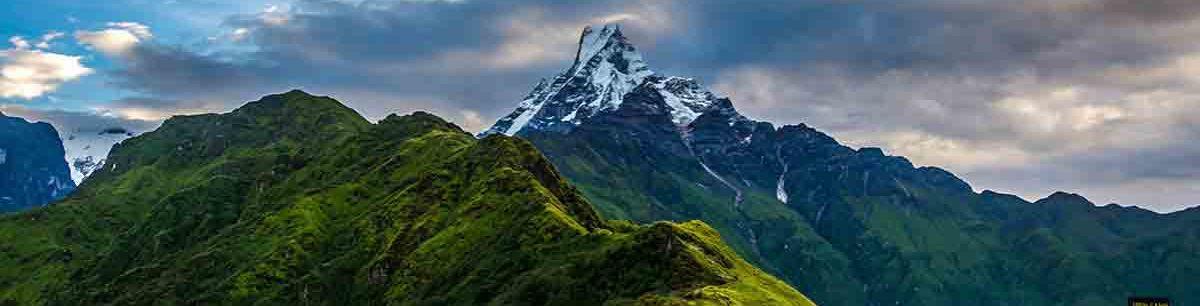
Tales from the Himalayas: The Untold Truth About Trekking Adventures

Tales from the Himalayas: The untold truth about trekking adventures is something every aspiring trekker should explore before setting foot on the world’s highest mountain range. While social media often paints a picture of serene trails, glowing sunrises, and effortless hikes, the reality of trekking in the Himalayas is far more complex, raw, and transformative. From unpredictable weather to mental endurance and cultural immersion, Himalayan trekking is not just a journey through landscapes—it’s a journey within yourself.

This article uncovers the hidden truths, challenges, and lesser-known realities of trekking in the Himalayas while providing practical insights to help you prepare for an authentic adventure.


 The Beauty Is Real—But So Are the Challenges

There’s no denying that the Himalayas offer some of the most breathtaking scenery on Earth. Towering snow-capped peaks, lush valleys, glacial rivers, and remote villages create a dreamlike setting. However, these postcard-perfect views come with physical and environmental challenges.

Trekkers often underestimate the difficulty of high-altitude hiking. Trails can be steep, rocky, and uneven. What looks like a short distance on a map may take hours to complete due to elevation gain and terrain difficulty.

Additionally, the weather can change in minutes. A sunny morning can quickly turn into a snowstorm or heavy rain. This unpredictability is one of the untold truths about trekking adventures that surprises many first-time trekkers.


 Altitude Is Your Biggest Opponent

One of the most critical aspects of Himalayan trekking is altitude. As you ascend, the oxygen level decreases, making it harder for your body to function normally.

Altitude sickness, also known as Acute Mountain Sickness (AMS), can affect anyone regardless of fitness level. Symptoms include headaches, nausea, dizziness, and fatigue. In severe cases, it can become life-threatening.

Proper acclimatization is essential. This means ascending slowly, taking rest days, and staying hydrated. Many experienced trekkers follow the rule: “climb high, sleep low.”

Ignoring altitude is one of the biggest mistakes trekkers make. Respecting it is key to a safe and successful journey.


 Trekking Is More Mental Than Physical

While physical fitness is important, trekking in the Himalayas is equally a mental challenge. Long walking hours, isolation, and harsh conditions can test your patience and resilience.

There will be moments when your body feels exhausted, and your mind starts questioning your decision. These are the moments that define your trekking experience.

Mental strength helps you push through difficult days, adapt to unexpected changes, and stay positive. Many trekkers say the Himalayas teach humility, patience, and inner strength.


 You Don’t Need to Be an Athlete—But Preparation Matters

A common myth is that only highly trained athletes can trek in the Himalayas. This is not entirely true. Many beginner-friendly treks are accessible to people with moderate fitness levels.

However, preparation is non-negotiable. Building stamina through regular walking, cardio exercises, and strength training can make a huge difference.

Simple habits like walking daily, practicing uphill hikes, and improving lung capacity will prepare your body for the demands of trekking.

The untold truth is that lack of preparation often leads to discomfort and even early termination of the trek.


 The Simplicity of Mountain Life

One of the most eye-opening aspects of trekking is experiencing the simplicity of life in the mountains. Accommodation is usually basic, with teahouses or lodges offering minimal amenities.

Expect simple meals, limited electricity, and sometimes no internet. While this may seem inconvenient at first, it often becomes one of the most rewarding parts of the journey.

Disconnecting from modern distractions allows you to connect deeply with nature and yourself. Conversations become more meaningful, and small comforts feel more valuable.


 Food and Nutrition: Fuel for the Journey

Food plays a crucial role in trekking. Most Himalayan trails offer local meals such as rice, lentils, vegetables, noodles, and soups.

While the menu may not be diverse, the food is nourishing and designed to provide energy. Staying hydrated is equally important, as dehydration can worsen altitude sickness.

Carrying energy snacks like nuts, chocolate, and protein bars can help maintain energy levels during long trekking days.

One untold truth is that your appetite may decrease at higher altitudes, making it important to eat regularly even if you don’t feel hungry.


 Cultural Encounters Are Unforgettable

The Himalayas are not just about mountains—they are home to diverse cultures and traditions. Trekking routes often pass through remote villages where people live simple yet rich lives.

You’ll encounter warm hospitality, traditional practices, and unique lifestyles. Interacting with locals provides a deeper understanding of the region beyond its natural beauty.

Respecting local customs, traditions, and beliefs is essential. Simple gestures like greeting locals and learning a few local words can enhance your experience.


 Packing Smart Is More Important Than Packing More

Overpacking is a common mistake among trekkers. Carrying unnecessary weight can make trekking exhausting and uncomfortable.

The key is to pack smart. Essential items include:

  • Layered clothing for varying temperatures
  • Comfortable trekking shoes
  • A good backpack
  • Water bottles and purification tablets
  • Basic first aid kit
  • Trekking poles

Packing light but efficiently ensures mobility and comfort throughout the trek.


 The Role of Guides and Porters

Hiring guides and porters can significantly enhance your trekking experience. Guides provide navigation, safety, and local knowledge, while porters help carry heavy loads.

Supporting local guides and porters also contributes to the local economy. Their expertise can be invaluable, especially in unfamiliar terrain.

Many trekkers underestimate their importance, but they often play a crucial role in ensuring a safe and enjoyable journey.


 Weather Can Change Everything

Weather in the Himalayas is unpredictable and can impact your itinerary. Delays, route changes, and cancellations are common.

Flexibility is essential. Having buffer days in your schedule can help manage unexpected disruptions.

The untold truth is that patience becomes your greatest ally when dealing with mountain weather.


 Environmental Responsibility Matters

The increasing popularity of trekking has led to environmental concerns. Waste management, trail erosion, and pollution are growing issues.

Responsible trekking practices include:

  • Carrying reusable bottles
  • Avoiding plastic waste
  • Respecting wildlife
  • Following “leave no trace” principles

Protecting the Himalayas ensures that future generations can experience their beauty.


 The Emotional Impact of Trekking

Trekking in the Himalayas is not just a physical journey—it’s an emotional one. The vastness of the mountains often brings a sense of perspective and clarity.

Many trekkers return with a renewed outlook on life. The challenges faced during the trek build confidence and resilience.

The untold truth is that the Himalayas have a way of changing you, often in ways you don’t expect.


 Safety Should Always Come First

Safety is a crucial aspect of trekking. Being aware of your limits, following guidelines, and listening to your body can prevent serious issues.

Travel insurance, emergency contacts, and basic medical knowledge are essential. Never ignore warning signs such as severe fatigue or altitude sickness symptoms.

Preparedness can make the difference between a memorable adventure and a risky situation.


 Trekking Seasons Matter

Choosing the right season can greatly impact your experience. The most popular trekking seasons are spring and autumn, offering stable weather and clear views.

Winter treks can be beautiful but challenging due to snow and cold temperatures. Monsoon season brings lush landscapes but also slippery trails and limited visibility.

Understanding seasonal conditions helps in planning a safer and more enjoyable trek.


Conclusion

Tales from the Himalayas: The untold truth about trekking adventures reveals that trekking is far more than scenic beauty—it is a test of endurance, patience, and adaptability. While the mountains offer unmatched rewards, they also demand respect and preparation.

From altitude challenges to cultural experiences and mental resilience, every aspect of trekking contributes to a life-changing journey. The Himalayas are not just a destination; they are a teacher, a challenge, and an inspiration.

If you approach them with the right mindset and preparation, your trekking adventure will become a story worth telling—a true tale from the Himalayas.

Quick Inquiry Form

The Future of Trekking in Nepal: How Climate Change Will Impact Adventure Travel by 2035

Nepal has long been regarded as the global heart of trekking and Himalayan adventure travel. From the legendary Everest Base Camp trek to the culturally rich Annapurna Circuit, the country has attracted millions of trekkers seeking natural beauty, spiritual connection, and physical challenge. However, the future of trekking in Nepal is entering a decisive phase.

Climate change is no longer a future possibility—it is an active force reshaping Nepal’s mountains, ecosystems, trekking seasons, and tourism economy. By 2035, adventure travel in Nepal will look noticeably different from what trekkers experienced even a decade ago.

This article explores in depth how climate change will influence trekking routes, weather patterns, infrastructure, safety, sustainability, and traveler behavior, while also examining how Nepal can adapt to protect its most valuable adventure asset: the Himalayas.


Understanding Climate Change in Nepal’s Himalayan Region

The Himalayas are among the most climate-sensitive regions on Earth. Scientific observations confirm that Nepal’s mountain areas are warming faster than the global average. Even small temperature increases have dramatic consequences at high altitude.

Key climate-related changes already observed include:

  • Accelerated glacier retreat
  • Thinning snow cover and unstable ice formations
  • Increased frequency of landslides and floods
  • Erratic rainfall and delayed monsoons

These changes directly affect the future of trekking in Nepal because trekking depends heavily on stable terrain, predictable seasons, and reliable water sources.

Moreover, fragile alpine ecosystems are struggling to adapt at the same pace as climate shifts, increasing long-term environmental risks.


How Trekking Seasons in Nepal Will Evolve by 2035

Traditionally, trekking in Nepal has followed a predictable seasonal calendar. Spring and autumn have long been considered the best times for trekking. However, climate change is disrupting this balance.

Shortened and Less Predictable Peak Seasons

Autumn trekking seasons are increasingly affected by late monsoons and unexpected storms. Likewise, spring seasons now experience warmer temperatures, rain instead of snow, and unstable trail conditions.

As a result, peak trekking windows may become shorter and less reliable.

Expansion of Shoulder and Winter Trekking

By 2035, winter trekking at lower altitudes and post-monsoon treks may grow in popularity. Regions below 3,500 meters may become more accessible year-round due to warmer temperatures.

However, this shift will require new safety protocols and route planning.

Increased Dependence on Real-Time Weather Forecasting

Trekkers will no longer rely solely on traditional trekking calendars. Instead, real-time forecasts, flexible itineraries, and local expertise will become essential.


Climate Change and Its Impact on Major Trekking Routes

Everest Region and Everest Base Camp Trek

The Everest region is already experiencing visible glacial retreat, especially around the Khumbu Glacier. By 2035, the future of trekking in Nepal’s most famous region will involve:

  • Rerouted trails to avoid unstable ice and rock
  • Increased avalanche and icefall risk
  • Greater reliance on professional guides and fixed safety systems

While Everest Base Camp trekking will continue, it will become more regulated and technologically supported.

Annapurna Region: Annapurna Circuit and ABC Trek

The Annapurna region faces a combination of climate pressure and infrastructure expansion. Climate change has increased landslide risks, while irregular snowfall affects high passes like Thorong La.

Future adaptations may include:

  • Alternative high routes away from erosion zones
  • Stronger trail maintenance systems
  • Increased focus on conservation-based trekking

Langtang, Manaslu, and Remote Trekking Regions

Less crowded regions such as Langtang, Manaslu, and Dolpo may see increased interest as trekkers seek quieter and more sustainable alternatives.

However, these areas are also vulnerable to climate hazards, including glacial lake outburst floods and landslides. Careful development will be critical.


Safety and Risk Management in the Future of Trekking in Nepal

Safety will become a defining factor in adventure travel decisions.

Rising Natural Hazards

Climate change increases the frequency and severity of:

  • Landslides during prolonged rainfall
  • Flash floods in narrow valleys
  • Avalanches due to unstable snowpack
  • Glacial lake outburst floods

These hazards make unguided trekking increasingly risky.

Decline of Independent Trekking

By 2035, independent trekking may decline significantly in high-altitude regions. Instead, licensed guides, trained in climate risk management, will play a central role.

Technology-Driven Safety Solutions

The future of trekking in Nepal will involve widespread use of:

  • Satellite phones and GPS trackers
  • Digital permit and monitoring systems
  • Improved helicopter rescue coordination

Climate-Resilient Trekking Infrastructure

Trekking infrastructure must adapt to survive in a changing climate.

Evolution of Teahouses and Lodges

Teahouses will increasingly adopt:

  • Solar and renewable energy systems
  • Improved insulation for extreme temperature shifts
  • Rainwater harvesting and water conservation

These upgrades will not only improve sustainability but also enhance traveler comfort.

Sustainable Trail Engineering

Future trail development will prioritize:

  • Erosion-resistant construction
  • Safer river crossings
  • Rerouting away from landslide-prone zones

This approach ensures long-term trail viability.


Sustainability and Responsible Trekking: A Core Requirement

The future of trekking in Nepal depends heavily on responsible tourism.

Environmental Regulations and Permit Controls

By 2035, trekking permits may include:

  • Visitor caps in sensitive regions
  • Mandatory environmental fees
  • Strict waste management enforcement

These measures aim to balance tourism growth with environmental protection.

Role of Eco-Conscious Travelers

Trekkers will be expected to:

  • Minimize plastic use
  • Support locally owned lodges
  • Respect wildlife and fragile ecosystems

Responsible trekking will no longer be optional—it will be expected.


Impact of Climate Change on Local Mountain Communities

Mountain communities are on the front lines of climate change.

Economic Vulnerability

Shortened trekking seasons and unpredictable weather can reduce income stability for guides, porters, and lodge owners.

New Opportunities Through Adaptation

However, adaptation also creates opportunities, including:

  • Climate-resilient tourism jobs
  • Community-based eco-lodges
  • Conservation and monitoring roles

The future of trekking in Nepal must prioritize community resilience alongside environmental protection.


How Adventure Travelers Must Prepare for Trekking in Nepal by 2035

Trekkers will need to adjust expectations and preparation.

Flexible Travel Planning

Rigid itineraries will become less practical. Travelers should allow buffer days and alternative routes.

Higher Physical and Mental Readiness

Climate-driven challenges require stronger fitness, improved acclimatization, and mental resilience.

Increased Trekking Costs

Enhanced safety, sustainability measures, and conservation efforts may increase costs. However, these investments ensure long-term trekking viability.


Is the Future of Trekking in Nepal Still Bright?

Despite these challenges, trekking in Nepal will remain one of the world’s most rewarding adventure experiences.

The future of trekking in Nepal is not about decline—it is about transformation. Trekking will become more:

  • Guided and safety-focused
  • Environmentally responsible
  • Community-centered

Those who adapt will continue to experience the Himalayas in meaningful and sustainable ways.


Final Thoughts: Trekking in Nepal Beyond 2035

Climate change is reshaping adventure travel worldwide, and Nepal is no exception. However, with responsible policies, sustainable tourism practices, and informed travelers, Nepal can protect its trekking heritage.

By 2035, trekking in Nepal will demand awareness, respect, and adaptability. In return, it will continue to offer life-changing journeys through one of the planet’s most extraordinary landscapes.

10 Scenic Treks in Nepal: The Ultimate Guide to Nepal’s Most Beautiful Trails

Nepal is one of the most visually breathtaking trekking destinations in the world, and the country’s dramatic landscapes attract trekkers from around the globe. If you love mountain scenery, cultural encounters, alpine lakes, and peaceful nature, then the scenic treks in Nepal should be at the top of your adventure list. Nepal offers treks for every level of hiker, from beginners seeking shorter hikes with big views to experienced adventurers craving high-altitude challenges. This article explores 10 scenic treks in Nepal, each offering its own unique beauty and unforgettable experiences.


 Why Choose Scenic Treks in Nepal?

With eight of the world’s highest mountains, diverse ecosystems, and centuries-old Himalayan culture, Nepal has become a global trekking paradise. The scenic treks in Nepal are known for long stretches of mountain panoramas, charming villages, dramatic glaciers, and pristine natural valleys. Many treks also provide deep cultural immersion as you pass through villages influenced by Tibetan Buddhism, Hindu traditions, and Sherpa heritage.

Whether you prefer lush forests, high-altitude deserts, or snowy alpine passes, Nepal delivers breathtaking scenery at every step.


 Everest Base Camp Trek – The Classic Scenic Trek in Nepal

The Everest Base Camp Trek remains one of the most iconic scenic treks in Nepal, attracting thousands of trekkers who dream of standing at the foot of Mount Everest. This journey offers powerful views of peaks like Everest, Lhotse, Ama Dablam, and Nuptse. Trekkers also explore Sherpa villages, ancient monasteries, and the famous Namche Bazaar.

What Makes It Scenic?

  • Jaw-dropping mountain views throughout the trek
  • Tengboche Monastery overlooking Ama Dablam
  • Scenic suspension bridges and deep river valleys

Highlights

  • Everest Base Camp
  • Kala Patthar viewpoint
  • Khumbu Icefall

 Annapurna Base Camp (ABC) Trek – A Stunning Amphitheater of Mountains

Another one of the most popular scenic treks in Nepal is the Annapurna Base Camp Trek, where trekkers reach the heart of a natural amphitheater surrounded by towering Himalayan peaks. This trek combines lush forests, terraced fields, and snow-covered giants in one journey.

What Makes It Scenic?

  • The Annapurna Sanctuary, ringed by 360° mountains
  • Machhapuchhre (Fishtail), a sacred and iconic peak
  • Bamboo forests and glacial rivers

Highlights

  • Annapurna Base Camp
  • Hot springs at Jhinu Danda
  • Beautiful Gurung culture in Chhomrong and Ghandruk

 Manaslu Circuit Trek – A Remote and Wild Scenic Trek in Nepal

For trekkers who want a quiet trail with dramatic scenery, the Manaslu Circuit Trek is ideal. It is one of the most astonishing scenic treks in Nepal, taking trekkers near Mount Manaslu, the eighth-highest mountain on Earth. This trek feels untouched and peaceful compared to more crowded routes.

What Makes It Scenic?

  • Remote valleys and rugged landscapes
  • Larke La Pass, one of Nepal’s most dramatic high passes
  • Tibetan-influenced cultures and ancient monasteries

Highlights

  • Samagaon Village
  • Birendra Lake
  • Crossing Larke Pass (5,160m)

 Langtang Valley Trek – The Valley of Glaciers

The Langtang Valley Trek is one of the closest scenic treks in Nepal from Kathmandu. In just a few days, trekkers are immersed in spectacular mountain scenery, quaint villages, and glacial valleys. Despite being easily accessible, Langtang offers powerful views comparable to longer treks.

What Makes It Scenic?

  • High-altitude meadows at Kyanjin Gompa
  • Langtang Lirung dominating the skyline
  • Scenic yak pastures and glacial rivers

Highlights

  • Kyanjin Ri and Tsergo Ri viewpoints
  • Langtang National Park wildlife
  • Tamang heritage villages

 Upper Mustang Trek – A Dramatic Desert Landscape

If you’re seeking a completely different environment, the Upper Mustang Trek stands out among the most unique scenic treks in Nepal. This region lies in the rain shadow of the Himalayas, creating desert-like landscapes, colorful cliffs, and ancient cave settlements.

What Makes It Scenic?

  • Colorful rock formations
  • The ancient walled city of Lo Manthang
  • Tibetan Buddhist culture preserved for centuries

Highlights

  • Sky caves of Mustang
  • Monasteries like Thubchen and Choser
  • Windswept desert valleys

 Ghorepani Poon Hill Trek – Short but Extremely Scenic

For beginners or travelers short on time, the Ghorepani Poon Hill Trek is one of the best short scenic treks in Nepal. A sunrise view from Poon Hill is considered one of the best mountain panoramas in the country.

What Makes It Scenic?

  • Stunning sunrise over Dhaulagiri and Annapurna
  • Terraced fields and rhododendron forests
  • Charming villages and short hiking days

Highlights

  • Poon Hill viewpoint
  • Colorful rhododendron blooms (spring season)
  • Beautiful Gurung and Magar communities

 Mardi Himal Trek – Offbeat and Beautiful Scenic Trek in Nepal

The Mardi Himal Trek is gaining popularity as one of the more peaceful and beautiful scenic treks in Nepal. It offers spectacular ridge-top hiking with close-up views of Machhapuchhre and Annapurna South.

What Makes It Scenic?

  • Dramatic ridge walks with clear mountain views
  • Remote forests and alpine cliffs
  • Quiet trails with fewer trekkers

Highlights

  • Mardi Himal Base Camp
  • Forest Camp and High Camp
  • Fishtail Mountain up close

 Gokyo Lakes Trek – Scenic Trek with Sparkling Turquoise Lakes

The Gokyo Lakes Trek is another incredible journey in the Everest region and ranks high among the most visually striking scenic treks in Nepal. The six turquoise lakes of Gokyo are surrounded by dramatic mountains and glaciers.

What Makes It Scenic?

  • Stunning blue high-altitude lakes
  • The giant Ngozumpa Glacier
  • 360° panorama from Gokyo Ri

Highlights

  • Gokyo Ri viewpoint
  • Renjo La Pass (optional)
  • Gokyo’s lake system

Kanchenjunga Base Camp Trek – Remote, Wild, and Magnificent

The Kanchenjunga Base Camp Trek takes you to the remote eastern region of Nepal, home to the world’s third-highest mountain. This trek is considered one of the most stunning scenic treks in Nepal for adventure lovers seeking untouched wilderness.

What Makes It Scenic?

  • Deep forests and wild landscapes
  • Towering Himalayan massifs
  • Remote communities with Tibetan influences

Highlights

  • North and South Kanchenjunga Base Camp
  • Yalung Glacier
  • Rare wildlife such as red pandas

 Helambu Trek – A Peaceful and Accessible Scenic Trek in Nepal

The Helambu Trek is a short but culturally rich route that takes trekkers through Sherpa and Hyolmo villages north of Kathmandu. It is among the most accessible scenic treks in Nepal suitable for beginners and families.

What Makes It Scenic?

  • Peaceful forests and rolling hills
  • Snow-covered mountain backgrounds
  • Traditional monasteries and village life

Highlights

  • Sermathang Village
  • Melamchi Valley
  • Buddhist monasteries and stupas

 Choosing the Best Scenic Trek in Nepal for You

With so many incredible scenic treks in Nepal, choosing the right one may depend on your trekking experience, available time, fitness level, and interest in culture or landscapes.

Best for Beginners

  • Ghorepani Poon Hill
  • Helambu
  • Mardi Himal

Best for Culture Lovers

  • Upper Mustang
  • Langtang Valley
  • Manaslu Circuit

Best for High-Altitude Adventure

  • Everest Base Camp
  • Gokyo Lakes
  • Kanchenjunga

 Tips for Trekking the Scenic Treks in Nepal

To make the most of these beautiful treks:

  • Choose the right season (spring and autumn are ideal).
  • Prepare physically for multi-day trekking.
  • Use local guides and porters for better safety and cultural understanding.
  • Pack proper gear including jackets, layers, and trekking boots.
  • Respect local cultures and natural environments.

The scenic treks in Nepal reward travelers with unforgettable landscapes, cultural immersion, and deep personal satisfaction.


 Final Thoughts on Scenic Treks in Nepal

Nepal is a paradise for trekkers, and its diverse landscapes ensure that every trip becomes memorable. These 10 scenic treks in Nepal offer everything from alpine lakes and dramatic mountain ridges to desert valleys and lush forests. Whichever trek you choose, the Himalayan beauty and cultural richness will stay with you for a lifetime.

Thriving at High Altitude: Expert Gear and Health Tips to Empower Your Trekking Adventure

High-altitude trekking is one of the most rewarding experiences for adventure enthusiasts. From the majestic Himalayas to the rugged Andes, high-altitude trails take trekkers through breathtaking landscapes, remote villages, and dramatic natural settings. Yet, while the views and experiences are unforgettable, trekking at high elevations comes with unique challenges. Reduced oxygen levels, unpredictable weather, and demanding terrain make high-altitude trekking a test of endurance and resilience. Proper preparation—both in terms of gear and health—is critical to ensure not only a successful but also a safe trek. Following essential high altitude trekking tips can help you overcome these challenges effectively.

This article provides a comprehensive guide on how to prepare for high-altitude treks, including the essential gear you need, health tips to stay safe, and strategies to adapt to demanding conditions.


Understanding High Altitude and Its Challenges

High altitude generally refers to elevations above 2,500 meters (8,200 feet). As you ascend, the air pressure decreases, leading to a reduction in the amount of oxygen available. This lower oxygen level can cause the body to struggle with basic physical activity, making acclimatization essential.

Some common challenges include:

  • Altitude Sickness (Acute Mountain Sickness, AMS): Symptoms include headache, nausea, dizziness, and fatigue. Severe cases can develop into high-altitude pulmonary edema (HAPE) or high-altitude cerebral edema (HACE), which are life-threatening.
  • Harsh Weather: High altitudes often bring rapidly changing weather—sun, snow, rain, and wind can all appear within hours.
  • Physical Strain: Steep climbs, long trekking days, and rough terrain require strong physical conditioning.

Understanding these risks before embarking on your trek ensures that you’re mentally prepared and physically equipped to handle them.


Essential Gear for High-Altitude Treks

Having the right equipment can make the difference between an enjoyable trek and a miserable—or even dangerous—experience. Below is a breakdown of the gear you’ll need:

Clothing: Layering System

Layering is key to staying warm, dry, and comfortable.

  • Base Layer (Moisture-Wicking): Synthetic or merino wool tops and bottoms to keep sweat away from your body.
  • Mid Layer (Insulating): Fleece jackets, down sweaters, or synthetic insulation to trap body heat.
  • Outer Layer (Shell): Waterproof and windproof jackets and pants to protect against rain, snow, and wind.
  • Trekking Pants/Shorts: Convertible trekking pants are useful for adapting to variable temperatures.
  • Headgear: A warm hat, sun hat, and buff or neck gaiter for wind and sun protection.
  • Gloves: Lightweight gloves for mild weather and insulated gloves for cold conditions.

Footwear

  • Trekking Boots: High-quality, waterproof, and well-broken-in boots with ankle support are essential.
  • Trekking Socks: Merino wool socks for moisture control and blister prevention.
  • Gaiters: Useful for snowy or muddy conditions.
  • Camp Shoes: Lightweight sandals or slippers for evenings at camp.

Backpack and Storage

  • Backpack: A 40–60 liter backpack for multi-day treks. Ensure it has padded straps, a hip belt, and good weight distribution.
  • Daypack: A smaller pack (20–30 liters) for short side trips or acclimatization hikes.
  • Dry Bags/Stuff Sacks: To keep gear organized and protect it from moisture.

Sleeping Gear

  • Sleeping Bag: A high-quality bag rated for sub-zero temperatures (depending on your trek’s altitude). Down is lighter, but synthetic is more resistant to moisture.
  • Sleeping Pad: Provides insulation from the cold ground and ensures a more restful sleep.

Trekking Poles

Trekking poles reduce strain on knees and provide stability on uneven terrain. Adjustable poles are best, as they can be shortened for uphill climbs and extended for descents.

Hydration System

  • Water Bottles/Hydration Bladder: Staying hydrated is crucial at altitude. Insulated bottles are useful in freezing temperatures.
  • Water Purification: Tablets, filters, or UV purifiers ensure safe drinking water in remote areas.

Navigation and Safety

  • Maps and Compass/GPS Device: Even if you’re with a guide, carrying basic navigation tools is wise.
  • Headlamp: With extra batteries for early starts or emergencies.
  • First-Aid Kit: Including blister care, pain relief, bandages, antiseptic, and altitude sickness medication.
  • Multi-Tool/Knife: Handy for various uses on the trail.

Other Essentials

  • Sunscreen and Lip Balm: UV exposure is stronger at higher altitudes.
  • Sunglasses: High UV protection to guard against snow blindness.
  • Snacks/Energy Bars: Quick fuel for long days.
  • Personal Hygiene Kit: Biodegradable soap, toothbrush, wet wipes, and hand sanitizer.
  • Portable Power Bank: To keep devices like cameras or GPS units charged.

Health Preparation for High-Altitude Treks

Gear alone is not enough—your health and physical readiness are just as important.

Physical Training

A trek at high altitude is physically demanding. Start training at least 8–12 weeks before your trek:

  • Cardiovascular Training: Running, cycling, and swimming improve endurance.
  • Strength Training: Focus on legs (squats, lunges), core, and shoulders to handle long hours with a backpack.
  • Hiking Practice: Carry a loaded backpack on hilly terrain to simulate trek conditions.
  • Flexibility: Incorporate stretching or yoga to reduce injury risk.

Acclimatization

Climbing too quickly is the main cause of altitude sickness. Follow these guidelines:

  • Climb High, Sleep Low: Gain altitude gradually, and if possible, descend slightly to sleep.
  • Rest Days: Schedule acclimatization days every 600–900 meters (2,000–3,000 feet) gained.
  • Hydration: Drink 3–4 liters of water daily. Dehydration worsens altitude sickness.
  • Avoid Alcohol and Sleeping Pills: These can interfere with breathing at altitude.

Recognizing and Responding to Altitude Sickness

  • Mild AMS: Rest, hydrate, and avoid further ascent until symptoms improve.
  • Moderate to Severe AMS: If symptoms worsen, descend immediately. Oxygen or medications like acetazolamide (Diamox) may be required.
  • HAPE/HACE: Both are medical emergencies requiring immediate descent and professional care.

Nutrition

Your body burns more calories at high altitude. Prioritize:

  • Carbohydrates: Easy to digest and provide quick energy.
  • Protein: For muscle recovery.
  • Electrolytes: To replace salts lost through sweat.
  • Frequent Snacks: Eating small amounts regularly helps maintain energy levels.

Vaccinations and Medical Check-Up

Before your trek, consult a doctor for a health assessment. Certain vaccinations (e.g., for hepatitis, typhoid, or tetanus) may be recommended depending on your destination.


Mental Preparation

High-altitude trekking is as much a mental challenge as a physical one. Long days, extreme weather, and fatigue can test your resilience. Keep in mind:

  • Patience is Key: Progress may feel slow due to acclimatization schedules.
  • Stay Positive: Mental attitude influences physical performance.
  • Mindfulness Practices: Meditation or breathing exercises can help manage stress and anxiety.

Common Mistakes to Avoid

  1. Ignoring Acclimatization: Rushing the ascent is the fastest way to develop AMS.
  2. Overpacking or Underpacking: Carrying unnecessary gear adds strain, while forgetting essentials can compromise safety.
  3. New Boots on the Trek: Always break in boots beforehand to prevent blisters.
  4. Poor Hydration Habits: Even mild dehydration reduces performance and increases altitude sickness risk.
  5. Neglecting Sun Protection: UV rays at altitude are intense, and sunburn or snow blindness can end your trek prematurely.

Final Checklist Before You Leave

  • Train for endurance, strength, and flexibility.
  • Pack layered clothing, broken-in boots, and appropriate sleeping gear.
  • Bring safety essentials: first-aid kit, navigation tools, and hydration system.
  • Prepare mentally for the challenges ahead.
  • Allow enough days for acclimatization in your itinerary.

Conclusion

Preparing for a high-altitude trek requires careful planning, both physically and mentally. The right gear ensures you stay warm, dry, and safe, while health preparation helps your body adapt to thinner air and demanding terrain. Remember, high-altitude trekking is not a race—it’s about pacing yourself, respecting nature, and listening to your body. With the right preparation, you’ll not only reach your destination but also enjoy the journey through some of the most beautiful landscapes on Earth.

9 Reasons Nepal’s Trekking Captured the World’s Imagination

High above the lowland jungles and terraced hillsides of Nepal lie paths carved by centuries of pilgrims, traders, monks, and explorers. Today, these trails have become the arteries of some of the world’s most legendary trekking experiences. From the shadow of Mount Everest to the lesser-known valleys of Mustang and Manaslu, Nepal has become synonymous with trekking—not just as a physical challenge, but as a spiritual, cultural, and personal journey.

But why does this small Himalayan nation continue to mesmerize trekkers from around the globe? What is it about Nepal’s trails that lodge themselves into the imagination long after boots have returned home?

Let’s explore the 9 key reasons Nepal’s trekking has captivated the world’s heart and soul.


The Majesty of the Himalayas

Nepal is the crown jewel of the Himalayas. It hosts eight of the world’s fourteen peaks above 8,000 meters—including Everest (8,848 m), the tallest of them all. These snow-clad giants form a natural skyline that defines not only the country’s geography but also its global mystique.

Trekking in Nepal means walking in the presence of awe. The Annapurna Circuit, for instance, provides a kaleidoscope of landscapes, from lush subtropical forests to dry alpine deserts. The Everest Base Camp trek, meanwhile, brings you face-to-face with some of the most iconic mountain views in existence. These trails aren’t just routes—they are living museums of geological grandeur.

Even short treks like Poon Hill offer staggering sunrise views over Dhaulagiri and Annapurna ranges, proving that even moderate trails deliver Himalayan magic.


Living Cultures and Ancient Traditions

What sets Nepal apart from other trekking destinations is not just its natural wonders, but its thriving cultural tapestry. As you trek from village to village, you’re immersed in a living heritage that has remained largely untouched by colonial influence.

In the Khumbu region, Sherpa villages like Namche Bazaar and Tengboche offer a glimpse into Tibetan Buddhist traditions, with colorful prayer flags fluttering over stupas and mani stones etched with sacred chants. In the Annapurna region, Gurung and Magar communities welcome travelers into homes with traditional meals and local hospitality.

Each ethnic group you encounter—from Tamang farmers in Langtang to Thakali traders in Mustang—contributes to a rich mosaic of rituals, dialects, and festivals. For trekkers, the cultural immersion often becomes just as memorable as the mountain scenery.


Legendary Hospitality and Safety

Nepalis are renowned for their warmth and generosity. The guiding principle of Atithi Devo Bhava (“the guest is god”) isn’t just a saying—it’s a lived reality. This cultural ethic makes solo travelers, small groups, and first-timers feel immediately welcomed and looked after.

This hospitality is woven into the very fabric of trekking life. Teahouse owners greet guests with hot dal bhat (rice and lentils) and endless cups of tea. Guides and porters not only carry loads or lead the way—they share their stories, laughter, and support.

Safety has also become a national priority. Since 2023, it’s mandatory for international trekkers to be accompanied by licensed guides on most routes, ensuring both environmental stewardship and emergency readiness. Nepal’s combination of human warmth and structural safety provides trekkers with a sense of comfort unmatched in many other wilderness destinations.


Affordable Yet World-Class Adventures

Despite offering experiences that rival the Alps or Patagonia, trekking in Nepal remains surprisingly affordable. Budget travelers can manage a full trekking itinerary—including guides, meals, lodging, and permits—for a fraction of the cost of equivalent trips elsewhere.

A basic teahouse trek with a local guide can cost between $30–50 per day, while even more comfortable options with upgraded lodging, hot showers, and private transport remain reasonably priced.

This accessibility makes Nepal not only a paradise for backpackers but also for families, students, and retirees looking for transformative travel without emptying their savings.


Trekking Options for Every Experience Level

Nepal’s topography is a wonderland of variety. From low-lying jungle trails in Chitwan to high alpine passes above 5,000 meters, there’s a trek for everyone—regardless of experience, fitness level, or time frame.

New to trekking? The Ghorepani Poon Hill trek is short (4–5 days), manageable, and richly rewarding with panoramic views and cultural stops. Seeking a physical challenge? Try the Everest Three Passes Trek or the Annapurna Circuit.

For those who want solitude, hidden gems like the Tsum Valley, Upper Dolpo, or Makalu Base Camp remain off-the-beaten-path wonders. You can even combine treks with spiritual pilgrimages (e.g., Muktinath Temple), jungle safaris, or meditation retreats.

This diversity is a rare asset, making Nepal not just a single destination but a lifetime’s worth of trekking opportunities.


Strong Infrastructure for Trekkers

Few trekking regions in the world are as well-equipped for long-distance hikers as Nepal. The famed teahouse system allows trekkers to hike for weeks without carrying camping gear or food. These cozy, family-run lodges offer beds, hot meals, charging points, and even Wi-Fi in many cases.

Popular routes like Everest Base Camp, Langtang, and Annapurna are dotted with teahouses spaced every few kilometers, providing rest and sustenance. For more remote treks, guided expeditions with porters and cooks ensure a safe and comfortable experience.

Government regulation and tourism board oversight also ensure that licensed guides and trekking agencies adhere to safety protocols and fair wage practices. Combined with access to evacuation services and satellite communication, Nepal’s infrastructure allows adventurers to focus on the journey, not the logistics.


Challenge and Personal Growth

Trekking in Nepal is not just a physical pursuit—it’s a journey of the soul. Altitude, weather, terrain, and endurance push trekkers to their limits, helping them discover resilience they may not have known they possessed.

Crossing Thorong La Pass (5,416 m) or Gokyo Ri (5,357 m) at sunrise requires stamina, patience, and mental toughness. But the reward is not just in the view—it’s in the transformation that occurs through effort.

For many, trekking in Nepal becomes a rite of passage: a break from modern life, a digital detox, and a chance to reconnect with nature, purpose, and self.


Stunning Biodiversity and Natural Encounters

Nepal may be famous for its mountains, but it’s also home to an incredible range of flora and fauna. The trails often cut through national parks and conservation areas like Sagarmatha (a UNESCO World Heritage Site), Langtang, Manaslu, and Kanchenjunga.

Trekkers can witness blooming rhododendrons in spring, rare orchids in alpine forests, and medicinal herbs used by local shamans. Wildlife sightings may include Himalayan tahr, red panda, langurs, pheasants, and even snow leopards in more remote areas.

The biodiversity enriches the trek at every step, turning a mountain hike into a living classroom for ecology and conservation.


Landscapes Made for Photography

It’s no surprise that Nepal draws travel photographers, documentarians, and influencers in droves. The country offers a visual feast: from golden dawns over Everest to prayer flags whipping in the wind, every frame tells a story.

The ever-changing terrain—stone villages, terraced fields, yak caravans, icy glaciers, monastic ceremonies—means every trekker, regardless of camera skill, returns with postcard-worthy memories.

The light in the Himalayas, especially during sunrise and sunset, is often described as otherworldly. Whether you’re capturing portraits of smiling locals or the dramatic silhouette of Ama Dablam at dusk, Nepal’s photographic potential is unmatched.


Bonus: A Model for Sustainable Trekking

As global tourism trends shift toward sustainability, Nepal is quietly leading by example. Many treks promote eco-lodges, biodegradable supplies, and community-led initiatives. Agencies like World Expeditions run “Trek in Comfort” camps with solar showers and low-impact waste systems.

Efforts like the “Carry Me Back” campaign help remove waste from Everest region trails. Furthermore, the government has opened new peaks to distribute tourism revenue to less-visited regions like Karnali and Far West Nepal, reducing crowding and encouraging equitable development.

Trekking in Nepal isn’t just an adventure—it’s a way to support local livelihoods, protect natural habitats, and engage in responsible travel.


Where Adventure Meets the Soul

Nepal is more than a dot on a map—it is a living invitation. The mountains inspire, the people embrace, the culture humbles, and the experience transforms. Trekking here doesn’t just check a bucket list box; it rewrites the list altogether.

In a world obsessed with speed, Nepal’s trails remind us to slow down. In a time of digital saturation, they offer disconnection. And in a society often divided, the mountains unite.

That’s why Nepal’s trekking has captured—and will continue to capture—the imagination of the world.

Quick Inquiry Form