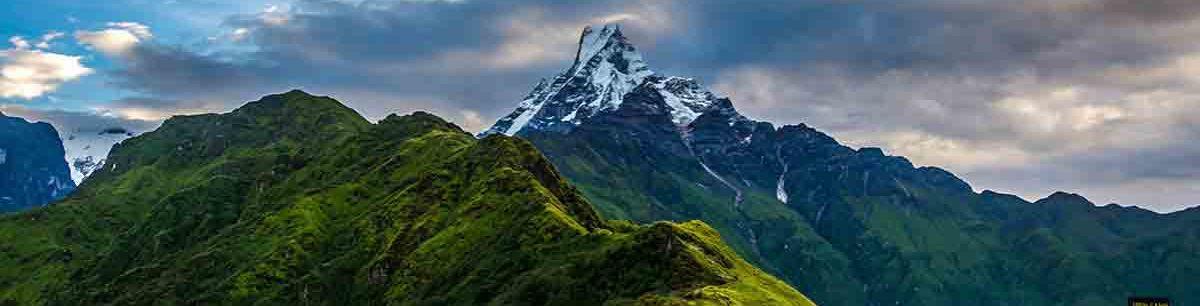
The Importance of Tourism in Nepal: Driving Economic Growth, Cultural Heritage, and Sustainable Development

Tourism is much more than a thriving industry in Nepal—it is a vital part of the country’s identity, economy, and way of life. Every year, travelers from around the world come to experience Nepal’s breathtaking Himalayan landscapes, ancient temples, vibrant festivals, and warm hospitality. Their journeys do more than create unforgettable memories; they help support local families, preserve centuries-old traditions, and contribute to the country’s economic development.

From the bustling streets of Kathmandu to the peaceful villages nestled in the Himalayas, tourism creates opportunities for people from all walks of life. It provides employment, encourages entrepreneurship, supports conservation efforts, and helps showcase Nepal’s rich cultural heritage to the world.

As global travel continues to evolve, Nepal has an incredible opportunity to focus on quality tourism rather than simply increasing visitor numbers. By promoting responsible and sustainable travel, the country can ensure that tourism continues to benefit local communities while protecting the natural beauty and cultural treasures that make Nepal one of the world’s most remarkable destinations.


Tourism’s Contribution to Nepal’s Economy

Tourism is one of Nepal’s most important economic sectors. Every international visitor contributes to the country’s economy by spending money on hotels, restaurants, transportation, trekking permits, tour guides, flights, souvenirs, and local experiences. These expenses generate valuable foreign exchange and contribute directly to Nepal’s Gross Domestic Product (GDP).

However, tourism’s economic impact extends far beyond hotels and trekking companies. Every traveler creates opportunities for countless other industries.

Local farmers supply fresh vegetables, dairy products, and grains to hotels and restaurants. Artisans earn income by selling handmade products such as pashmina shawls, traditional crafts, wood carvings, and carpets. Construction companies benefit from building hotels, trekking lodges, and tourism infrastructure, while transportation providers—from airlines to taxi drivers—serve the growing number of visitors exploring the country.

This ripple effect means that tourism supports thousands of businesses across Nepal, making it one of the country’s strongest engines for economic growth.

For Nepal, where remittances play a significant role in the national economy, tourism provides another sustainable source of income by transforming the country’s natural beauty and cultural heritage into long-term economic opportunities.


Creating Jobs and Supporting Local Livelihoods

One of tourism’s greatest strengths is its ability to create employment throughout Nepal.

Unlike many industries that are concentrated in major cities, tourism generates jobs across both urban centers and remote mountain communities. Popular trekking regions such as Everest, Annapurna, Langtang, and Mustang rely heavily on tourism for employment throughout the year.

The industry creates opportunities for:

  • Trekking and mountain guides
  • Porters
  • Hotel and guesthouse owners
  • Restaurant operators
  • Drivers
  • Tour operators
  • Travel agencies
  • Equipment rental businesses
  • Local artisans
  • Cultural performers

Beyond direct employment, tourism also encourages entrepreneurship. Many families have opened homestays, eco-lodges, cafés, handicraft shops, and community-based tourism businesses that provide stable incomes while allowing them to remain in their hometowns.

For many rural communities, tourism income helps pay for children’s education, healthcare, home improvements, and new business investments. It offers an alternative to migration by creating meaningful employment opportunities close to home.

Perhaps even more importantly, tourism has become a powerful tool for empowering women and marginalized communities. With proper training, equal opportunities, and community-led tourism initiatives, people who previously had limited access to economic opportunities can build successful careers and improve their quality of life.


Preserving Nepal’s Rich Cultural Heritage

Nepal’s unique culture is one of its greatest attractions.

Visitors travel from around the world to admire ancient temples, sacred monasteries, UNESCO World Heritage Sites, colorful festivals, traditional music, dance performances, and centuries-old craftsmanship. Tourism gives local communities a strong reason to preserve these cultural treasures for future generations.

Revenue generated through entrance fees, cultural events, donations, and tourism businesses often supports the restoration and maintenance of important historical sites. Traditional artisans also benefit from growing demand for authentic handmade products, encouraging younger generations to continue learning skills that have been passed down for centuries.

Tourism also helps protect Nepal’s living traditions.

Festivals, local cuisines, religious ceremonies, folk music, and traditional dances remain vibrant because visitors are genuinely interested in experiencing authentic Nepali culture. When managed responsibly, tourism allows communities to celebrate their traditions while earning sustainable income.

Rather than replacing local culture, responsible tourism can strengthen it by creating economic value around heritage preservation.


Driving Regional Development and Reducing Poverty

One of tourism’s greatest advantages is its ability to spread economic benefits beyond major cities.

Many of Nepal’s most popular attractions are located in remote mountain regions where employment opportunities are limited. Trekking routes, community homestays, eco-lodges, and village tourism projects help bring income directly to these rural communities.

When tourists stay in locally owned accommodations, hire local guides, purchase handmade crafts, and eat locally produced food, a much larger portion of tourism revenue remains within the community.

This local spending creates a cycle of economic growth.

Communities can invest tourism income in schools, healthcare facilities, drinking water systems, renewable energy projects, improved roads, and safer trekking trails. These improvements benefit both visitors and local residents, making tourism an effective tool for long-term poverty reduction.

Community-based tourism also helps preserve local ownership, ensuring that residents—not outside investors alone—benefit from Nepal’s growing tourism industry.


Protecting Nepal’s Natural Environment

Nepal’s breathtaking landscapes are among its greatest tourism assets.

From the towering Himalayas and pristine alpine lakes to lush forests, wildlife reserves, and fast-flowing rivers, the country’s natural beauty attracts millions of travelers seeking adventure and tranquility.

Tourism plays an important role in protecting these natural resources.

Revenue generated through national parks, conservation areas, trekking permits, and entrance fees often supports wildlife conservation, trail maintenance, forest protection, biodiversity monitoring, and anti-poaching efforts.

However, growing visitor numbers also bring challenges.

Popular trekking routes can experience overcrowding, waste management problems, trail erosion, and increased pressure on natural resources such as water and firewood.

This is why sustainable tourism is becoming increasingly important. By managing visitor numbers responsibly, improving waste disposal systems, encouraging eco-friendly practices, and educating travelers, Nepal can continue protecting the natural environment while welcoming visitors from around the world.

Sustainable Tourism and Building Climate Resilience

The future of tourism in Nepal depends on finding the right balance between welcoming visitors and protecting the country’s natural and cultural treasures. As one of the world’s most environmentally sensitive mountain regions, Nepal is already experiencing the effects of climate change. Melting glaciers, unpredictable weather, landslides, floods, and changing trekking conditions all affect both local communities and travelers.

Sustainable tourism offers a practical solution. Rather than focusing only on increasing visitor numbers, it encourages responsible travel that benefits people, protects the environment, and supports long-term economic growth.

This means investing in eco-friendly accommodations, promoting renewable energy in mountain lodges, reducing plastic waste, improving waste management systems, and encouraging visitors to respect local cultures and ecosystems.

Communities also play a vital role. By providing training in disaster preparedness, conservation practices, and sustainable business management, local residents become active partners in protecting the destinations they call home.

An emerging concept known as regenerative tourism goes one step further. Instead of simply minimizing environmental impacts, it encourages travelers to leave destinations better than they found them. Visitors can participate in tree-planting initiatives, trail restoration projects, community development programs, or conservation activities that directly benefit local communities.

When tourism becomes part of environmental protection rather than a threat to it, everyone benefits.


Focusing on Quality Rather Than Quantity

For many years, tourism success was measured by the number of visitors arriving each year. Today, many destinations—including Nepal—are realizing that attracting more tourists is not always the best strategy.

A growing number of experts recommend focusing on high-value tourism instead.

High-value tourism encourages longer stays, higher-quality experiences, and responsible travel rather than mass tourism. Visitors who spend more time exploring Nepal often contribute more to local businesses while placing less pressure on overcrowded destinations.

Nepal is well-positioned to attract these travelers through unique experiences such as:

  • Multi-day trekking adventures
  • Mountaineering expeditions
  • Wellness retreats featuring yoga and meditation
  • Spiritual and pilgrimage tourism
  • Cultural immersion programs
  • Wildlife safaris
  • Birdwatching tours
  • Community homestays
  • Local cooking experiences

Promoting lesser-known destinations can also reduce overcrowding on popular routes while spreading tourism income across more regions of the country.

Improving hospitality standards, transportation, digital services, and guide training will further strengthen Nepal’s reputation as a premium travel destination.


Strengthening Tourism Through Better Policies and Investment

A successful tourism industry depends on more than beautiful destinations. It also requires thoughtful planning, effective governance, and long-term investment.

Government agencies, local communities, tourism businesses, and conservation organizations all have important roles to play.

Future investment should focus on improving transportation networks, maintaining trekking trails, enhancing visitor safety, modernizing permit systems, and protecting heritage sites.

Reliable tourism data can also help policymakers understand visitor trends, identify emerging markets, and make informed decisions about infrastructure development.

Supporting local entrepreneurs is equally important. Providing training, access to finance, digital marketing skills, and business development opportunities enables small tourism businesses to grow while keeping more tourism income within local communities.

Public-private partnerships can accelerate these improvements by combining government support with private sector expertise and community participation.


Expanding Nepal’s Global Tourism Appeal

Nepal has long been recognized as one of the world’s premier destinations for trekking and mountaineering. While adventure tourism will always remain a major strength, today’s travelers are seeking a wider variety of experiences.

This presents an exciting opportunity to diversify Nepal’s tourism offerings.

Wellness tourism continues to grow globally, with many visitors seeking peaceful environments for yoga, meditation, Ayurveda, and spiritual retreats. Nepal’s monasteries, mountain landscapes, and rich spiritual traditions make it an ideal destination for this market.

Similarly, cultural tourism, wildlife tourism, birdwatching, agricultural tourism, photography tours, and educational travel are attracting travelers looking for authentic experiences beyond traditional sightseeing.

Digital marketing also plays a crucial role in reaching modern travelers. High-quality storytelling, engaging videos, social media campaigns, and partnerships with international travel influencers can showcase Nepal’s diverse attractions to global audiences.

Highlighting authentic local experiences—from village homestays to traditional craft workshops—helps Nepal stand out in an increasingly competitive tourism market.


Challenges That Must Be Addressed

While tourism creates enormous opportunities, it also brings challenges that require careful management.

Without proper planning, excessive visitor numbers can lead to overcrowding, pollution, damage to fragile ecosystems, and increased pressure on local infrastructure.

Popular destinations may also experience rising living costs, traffic congestion, and commercialization of cultural traditions.

To minimize these risks, Nepal should continue strengthening sustainable tourism practices by:

  • Managing visitor numbers in environmentally sensitive areas.
  • Expanding waste collection and recycling systems.
  • Educating visitors about responsible travel.
  • Enforcing environmental and heritage protection regulations.
  • Ensuring tourism revenue is fairly shared with local communities.
  • Providing regular training for tourism professionals.

Disaster preparedness is equally important. Given Nepal’s vulnerability to earthquakes, landslides, and extreme weather events, strong emergency response systems and visitor safety protocols are essential for building confidence among international travelers.


Practical Recommendations for Sustainable Tourism Growth

Nepal can strengthen its tourism industry by focusing on several long-term priorities:

Diversify Tourism Products

Promote lesser-known destinations alongside famous trekking regions to distribute economic benefits more evenly across the country.

Invest in Human Resources

Provide continuous training for guides, hospitality professionals, entrepreneurs, and community tourism operators to improve service quality.

Support Local Communities

Encourage community-owned tourism businesses, cooperatives, and homestays so that tourism income remains within local economies.

Protect the Environment

Adopt renewable energy, strengthen waste management, reduce plastic use, and establish carrying-capacity guidelines for popular destinations.

Improve Infrastructure

Invest in roads, airports, communication networks, trekking facilities, healthcare services, and visitor safety.

Promote Responsible Travel

Encourage travelers to respect local customs, support local businesses, minimize waste, and contribute positively to conservation efforts.


A Community Tourism Success Story

Imagine a small mountain village located along a trekking route.

Instead of relying solely on agriculture, local families welcome travelers into comfortable homestays. Visitors enjoy traditional Nepali meals prepared with locally grown ingredients, learn about village life, participate in cultural performances, and purchase handmade crafts produced by local artisans.

A portion of tourism revenue is placed into a community development fund that finances trail maintenance, clean drinking water projects, school improvements, and renewable energy installations.

As tourism grows, young people find employment close to home instead of migrating elsewhere for work. Traditional crafts are preserved, forests are protected, and the entire community benefits from sustainable economic development.

This simple example demonstrates how responsible tourism can create lasting value for both visitors and residents.


Conclusion

Tourism is far more than an economic sector in Nepal—it is a bridge connecting people, cultures, nature, and opportunity.

Every visitor who explores Nepal contributes to livelihoods, supports local businesses, preserves ancient traditions, and helps protect some of the world’s most spectacular natural landscapes. When managed responsibly, tourism creates benefits that extend far beyond the travel industry.

The future of Nepal’s tourism lies in quality rather than quantity, sustainability rather than short-term gains, and community participation rather than isolated development.

By investing in people, protecting the environment, preserving cultural heritage, and embracing responsible tourism practices, Nepal can continue to inspire travelers from around the world while ensuring that future generations inherit a country whose mountains, cultures, and communities remain as extraordinary as they are today.

Quick Inquiry Form

From Ocean Waves to Himalayan Peaks: Why Nepal Is the Ultimate Travel Adventure Destination in 2027

Travelers in 2027 are seeking more than traditional vacations. Modern adventurers want authentic experiences, breathtaking landscapes, cultural immersion, and unforgettable memories. If you are searching for the perfect Nepal Travel Adventure Destination 2027, Nepal stands out as one of the world’s most exciting places to visit. Combining majestic Himalayan mountains, rich cultural heritage, thrilling outdoor activities, diverse wildlife, and spiritual experiences, Nepal offers a unique journey that appeals to every type of traveler.

While many destinations focus on beaches, luxury resorts, or urban attractions, Nepal delivers something far more extraordinary. From the towering peaks of the Himalayas to ancient temples, vibrant festivals, and world-famous trekking routes, every corner of the country offers opportunities for discovery and adventure. Whether you are a first-time visitor or a seasoned explorer, Nepal provides experiences that go beyond ordinary tourism.

As global travel trends continue to favor meaningful and immersive experiences, Nepal has earned its reputation as the ultimate travel destination for 2027. This remarkable country invites visitors to step away from crowded tourist hotspots and embrace a world of natural beauty, adventure, and cultural authenticity.

The Growing Popularity of Nepal Travel in 2027

Nepal’s tourism industry has experienced remarkable growth in recent years. Improved infrastructure, expanded trekking facilities, sustainable tourism initiatives, and increased international accessibility have made the country more attractive than ever before.

Travelers are increasingly choosing destinations that provide meaningful experiences rather than simply luxurious accommodations. Nepal perfectly aligns with this trend by offering:

  • World-famous trekking routes
  • Authentic cultural encounters
  • Adventure tourism opportunities
  • Diverse landscapes
  • Affordable travel experiences
  • Spiritual and wellness retreats
  • Wildlife exploration

In 2027, Nepal continues to attract visitors seeking adventure combined with personal growth and cultural discovery.

Home to the World’s Most Spectacular Mountains

One of the biggest reasons travelers choose Nepal is the Himalayas. The country is home to eight of the world’s fourteen highest mountains, including the legendary Mount Everest.

Mount Everest: The Ultimate Adventure Symbol

Standing at 8,848.86 meters, Mount Everest remains one of the most iconic travel destinations on the planet. While not everyone dreams of summiting Everest, many visitors are eager to experience the famous Everest Base Camp Trek.

The journey offers:

  • Stunning mountain views
  • Traditional Sherpa villages
  • Ancient monasteries
  • Unique cultural experiences
  • Incredible photography opportunities

For many travelers, simply witnessing Everest in person becomes a life-changing experience.

Beyond Everest

Nepal offers much more than Everest alone. Other spectacular trekking regions include:

Each destination provides unique landscapes, cultures, and adventure opportunities.

Adventure Tourism at Its Finest

Adventure tourism continues to dominate travel trends in 2027, and Nepal remains one of the world’s leading destinations for thrill-seekers.

Trekking Adventures

Nepal’s trekking network is among the best developed in the world. Popular routes include:

Annapurna Circuit Trek

Known for diverse scenery and cultural experiences, this trek passes through forests, valleys, mountain villages, and high-altitude landscapes.

Everest Base Camp Trek

A bucket-list adventure that attracts thousands of travelers every year.

Langtang Valley Trek

Ideal for travelers seeking fewer crowds while still enjoying spectacular Himalayan scenery.

Mountain Climbing

Nepal attracts climbers from around the world with its extensive range of peaks suitable for beginners and experienced mountaineers alike.

Popular climbing peaks include:

  • Island Peak
  • Mera Peak
  • Lobuche Peak
  • Pisang Peak

These climbs provide a challenging yet achievable introduction to Himalayan mountaineering.

White Water Rafting

Nepal’s rivers originate in the Himalayas, creating exciting rafting opportunities.

Popular rafting rivers include:

  • Trishuli River
  • Bhote Koshi River
  • Seti River
  • Kali Gandaki River

The combination of rapids and stunning scenery creates unforgettable adventures.

Paragliding

Pokhara has become one of Asia’s most popular paragliding destinations. Flying above lakes, forests, and mountain ranges offers breathtaking views that few travelers ever forget.

Bungee Jumping

Adventure lovers can experience one of the world’s most dramatic bungee jumps over deep river gorges near the Nepal-Tibet border.

Nepal’s Incredible Natural Diversity

One of Nepal’s most fascinating features is its remarkable geographic diversity.

Within a relatively small area, travelers can experience:

  • Tropical forests
  • Rolling hills
  • Alpine meadows
  • Snow-covered mountains
  • Glacial lakes
  • River valleys

This diversity allows visitors to experience multiple ecosystems during a single trip.

Sunrise Views Like No Other

Watching the sunrise over the Himalayas is often described as one of the most beautiful travel experiences in the world.

Popular sunrise viewpoints include:

  • Poon Hill
  • Nagarkot
  • Sarangkot
  • Kala Patthar

As the first rays of sunlight illuminate the mountains, the landscape transforms into a stunning display of gold, pink, and orange colors.

Rich Cultural Heritage and Ancient Traditions

Adventure is only part of Nepal’s appeal. The country also offers one of Asia’s richest cultural experiences.

Kathmandu Valley

The Kathmandu Valley is a treasure trove of history, architecture, and spirituality.

Visitors can explore:

  • Ancient temples
  • Historic palaces
  • Traditional courtyards
  • Buddhist stupas
  • Sacred shrines

The valley reflects centuries of artistic achievement and cultural preservation.

Diverse Ethnic Communities

Nepal is home to more than 100 ethnic groups and numerous languages.

Travelers can interact with communities such as:

  • Sherpa
  • Gurung
  • Tamang
  • Tharu
  • Newar
  • Rai

Each group contributes unique traditions, cuisines, festivals, and lifestyles.

Colorful Festivals

Nepal’s vibrant festivals offer unforgettable cultural experiences.

Popular celebrations include:

  • Dashain
  • Tihar
  • Holi
  • Buddha Jayanti
  • Indra Jatra

These festivals provide opportunities to witness authentic local traditions and hospitality.

Spiritual and Wellness Tourism

As wellness travel continues to grow globally, Nepal has become a sought-after destination for spiritual retreats and personal transformation.

Birthplace of Lord Buddha

Lumbini, the birthplace of Lord Buddha, attracts pilgrims and spiritual seekers from around the world.

Visitors can explore:

  • Sacred gardens
  • Monasteries
  • Meditation centers
  • Historical sites

The peaceful atmosphere makes Lumbini a meaningful destination for reflection and self-discovery.

Yoga and Meditation Retreats

Many travelers now combine trekking adventures with wellness experiences.

Popular wellness activities include:

  • Yoga retreats
  • Meditation programs
  • Mindfulness workshops
  • Ayurvedic treatments
  • Nature therapy

The Himalayan environment provides an ideal setting for relaxation and renewal.

Wildlife Adventures in Nepal

Many travelers are surprised to learn that Nepal offers outstanding wildlife experiences alongside its mountain adventures.

Chitwan National Park

One of South Asia’s premier wildlife destinations, Chitwan National Park is home to:

  • One-horned rhinoceroses
  • Bengal tigers
  • Wild elephants
  • Crocodiles
  • Deer species
  • Hundreds of bird species

Safari experiences include jeep tours, canoe rides, and guided jungle walks.

Bardia National Park

For travelers seeking fewer crowds and more remote wildlife encounters, Bardia National Park provides exceptional opportunities to observe rare species in their natural habitat.

Affordable Luxury and Value for Money

Compared to many global adventure destinations, Nepal offers excellent value.

Travelers can enjoy:

  • Comfortable accommodations
  • Guided tours
  • Adventure activities
  • Local transportation
  • Authentic dining experiences

At costs often significantly lower than similar experiences in Europe, North America, or Oceania.

This affordability makes Nepal accessible to backpackers, families, solo travelers, and luxury tourists alike.

Sustainable Tourism Initiatives

Travelers in 2027 increasingly prioritize sustainability when choosing destinations.

Nepal has made significant progress in promoting responsible tourism through:

  • Community-based tourism programs
  • Eco-friendly lodges
  • Conservation projects
  • Waste management initiatives
  • Sustainable trekking practices

Many local communities directly benefit from tourism revenue, creating positive economic and environmental impacts.

Why Nepal Appeals to Every Type of Traveler

One of Nepal’s greatest strengths is its ability to satisfy diverse travel interests.

For Adventure Seekers

  • Trekking
  • Climbing
  • Rafting
  • Paragliding
  • Mountain biking

To Nature Lovers

  • Himalayan landscapes
  • National parks
  • Wildlife safaris
  • Scenic lakes

To Cultural Explorers

  • Ancient temples
  • Historic cities
  • Traditional villages
  • Local festivals

For Spiritual Travelers

  • Buddhist pilgrimage sites
  • Meditation retreats
  • Yoga centers
  • Sacred mountain environments

For Photographers

  • Mountain panoramas
  • Wildlife encounters
  • Cultural festivals
  • Historic architecture

Few destinations offer such a comprehensive range of experiences within a single country.

Travel Tips for Visiting Nepal in 2027

To maximize your Nepal adventure, consider the following recommendations:

Best Seasons to Visit

Spring (March to May)

  • Clear mountain views
  • Blooming rhododendrons
  • Pleasant temperatures

Autumn (September to November)

  • Excellent trekking conditions
  • Stable weather
  • Spectacular visibility

Pack Smart

Essential items include:

  • Layered clothing
  • Quality hiking boots
  • Sunscreen
  • Reusable water bottle
  • Travel insurance
  • Basic first-aid supplies

Respect Local Culture

Visitors should:

  • Dress modestly at religious sites
  • Ask permission before photographing people
  • Follow local customs
  • Support local businesses

These practices help create positive interactions and responsible travel experiences.

Conclusion

From breathtaking Himalayan peaks to ancient cultural treasures, thrilling adventures, diverse wildlife, and transformative spiritual experiences, Nepal truly stands among the world’s most remarkable travel destinations in 2027.

For travelers ready to move beyond ordinary vacations and embrace something extraordinary, Nepal offers an unparalleled journey of discovery. Whether you are transitioning from ocean adventures to mountain exploration or simply seeking your next unforgettable experience, Nepal delivers adventure, inspiration, and authenticity at every turn. As travel trends continue to favor meaningful experiences, sustainable tourism, and immersive cultural encounters, Nepal remains perfectly positioned as the ultimate travel adventure destination. In 2027, there has never been a better time to explore this extraordinary Himalayan nation and create memories that will last a lifetime.

Quick Inquiry Form

Discovering Himalayan Beauty Beyond the Peaks: A Unique Trekking Experience in 2027

The Himalayas have long captivated travelers, adventurers, photographers, and trekkers from around the world. Most people dream of witnessing snow-covered giants rising dramatically above the clouds, creating unforgettable panoramas that define the world’s highest mountain range. Yet, those who spend enough time trekking in the Himalayas quickly learn an important truth: the magic of the mountains extends far beyond the peaks themselves.

In 2027, as sustainable tourism, immersive travel experiences, and cultural exploration continue to shape adventure travel trends, more trekkers are discovering that some of the most memorable Himalayan moments happen when the famous summits are hidden behind clouds. The Himalayas offer a rich tapestry of landscapes, traditions, wildlife, and human connections that reveal themselves regardless of whether the mountains are fully visible.

This unique perspective transforms a trek from a simple mountain-viewing journey into a deeper exploration of nature, culture, and personal growth.

Why the Himalayas Are More Than Just Mountain Views

Many first-time trekkers arrive with expectations shaped by social media photos and travel brochures. They envision crystal-clear skies and uninterrupted views of towering peaks. While those moments certainly exist, the Himalayas offer much more than postcard-worthy vistas.

The beauty of the region lies in its diversity. Every trail passes through vibrant villages, dense forests, high-altitude meadows, ancient monasteries, glacial rivers, and landscapes that change dramatically throughout the journey.

When clouds roll in and hide the summits, trekkers often become more aware of these surrounding details. Instead of focusing solely on distant peaks, they begin to notice the intricate beauty of the environment around them.

This shift in perspective often leads to a richer and more meaningful trekking experience.

The Magic of Walking Through Clouds

One of the most enchanting experiences in the Himalayas is trekking through cloud-covered trails. Mist drifts through forests, valleys, and ridgelines, creating an atmosphere that feels almost dreamlike.

The changing weather adds mystery and excitement to every step. Familiar landscapes appear transformed as clouds move across the terrain, revealing and concealing different features throughout the day.

Walking through the clouds offers several unique experiences:

  • Soft, diffused lighting perfect for photography
  • A peaceful and quiet trekking environment
  • Cooler temperatures during the hike
  • A sense of adventure and discovery
  • Constantly changing scenery

Rather than feeling disappointed by cloud cover, experienced trekkers often embrace these conditions as part of the Himalayan experience.

Discovering Hidden Forests and Alpine Landscapes

The Himalayan region is home to some of the world’s most diverse ecosystems. Many trekking routes pass through lush forests filled with rhododendrons, oak, pine, fir, and bamboo.

In spring, rhododendron forests burst into vibrant colors, creating natural tunnels of red, pink, white, and purple flowers. These forests can be just as breathtaking as any mountain panorama.

Popular trekking regions such as:

offer remarkable biodiversity that often goes unnoticed by travelers focused solely on mountain views.

In 2027, eco-conscious trekking experiences increasingly encourage visitors to appreciate these ecosystems and understand their importance in preserving Himalayan biodiversity.

Experiencing Authentic Himalayan Culture

One of the greatest treasures of Himalayan trekking is the opportunity to connect with local communities.

Throughout Nepal, trekkers encounter villages where traditional lifestyles have remained largely unchanged for generations. Stone houses, terraced farms, prayer flags, monasteries, and community gatherings provide fascinating insights into mountain life.

When the peaks disappear behind clouds, cultural encounters often become the highlight of the journey.

Trekkers can:

  • Visit ancient Buddhist monasteries
  • Observe traditional farming practices
  • Participate in local festivals
  • Learn about mountain traditions
  • Enjoy authentic regional cuisine
  • Share stories with local families

These experiences create lasting memories that often surpass even the most spectacular mountain viewpoints.

Finding Beauty in Himalayan Villages

The villages scattered across the Himalayas possess a charm that deserves equal attention.

Places such as Namche Bazaar, Ghandruk, Manang, Dingboche, and Langtang Village offer unique glimpses into mountain culture and architecture.

Stone pathways lined with colorful flowers, children playing in village squares, yaks grazing nearby, and prayer wheels spinning gently in the wind all contribute to the character of these communities.

Many trekkers discover that spending time in these villages provides a deeper understanding of the Himalayan way of life than simply rushing from viewpoint to viewpoint.

Wildlife Encounters Beyond the Peaks

The Himalayas are home to remarkable wildlife that often becomes more visible during cloudy weather.

Depending on the trekking region, hikers may encounter:

  • Himalayan Monal pheasants
  • Musk deer
  • Himalayan tahr
  • Blue sheep
  • Red pandas
  • Various species of eagles and vultures

Birdwatching has become increasingly popular among trekkers seeking a more immersive nature experience.

Cloud-covered days often encourage travelers to slow their pace, making wildlife observations more frequent and rewarding.

The Emotional Connection of Trekking

The Himalayas offer something that cannot be captured in photographs: emotional transformation.

Long days on the trail create opportunities for reflection, mindfulness, and personal growth. The rhythm of walking allows trekkers to disconnect from daily pressures and reconnect with themselves.

When expectations about perfect mountain views fade away, many people become more present in the moment.

The sounds of rivers, the scent of pine forests, the warmth of tea houses, and the camaraderie among fellow trekkers create experiences that remain meaningful long after the trek ends.

This emotional connection is one reason why many travelers return to the Himalayas again and again.

Photography Beyond Mountain Summits

Cloudy conditions often provide excellent opportunities for creative photography.

Instead of photographing only distant peaks, photographers can focus on:

Forest Landscapes

Mist-covered forests create dramatic and atmospheric images that showcase the mysterious side of the Himalayas.

Village Life

Portraits of local residents, traditional homes, and daily activities tell compelling visual stories.

Monasteries and Spiritual Sites

Prayer flags disappearing into the clouds and ancient monasteries surrounded by mist create powerful compositions.

Wildlife and Nature

Flowers, birds, waterfalls, and forest details often become more prominent when mountain views are obscured.

In many cases, these photographs capture the true spirit of Himalayan trekking more effectively than classic summit shots.

Sustainable Trekking in 2027

The future of Himalayan tourism increasingly focuses on sustainability.

As more travelers seek responsible adventures, trekking operators and local communities are working together to protect fragile mountain ecosystems.

Sustainable trekking practices include:

  • Minimizing plastic waste
  • Supporting local businesses
  • Respecting cultural traditions
  • Using eco-friendly accommodations
  • Following designated trails
  • Conserving natural resources

By appreciating the entire trekking experience rather than focusing solely on mountain views, travelers contribute to a more balanced and sustainable tourism model.

This approach helps preserve the Himalayas for future generations.

Weather Variability Is Part of the Adventure

Many trekkers mistakenly view cloudy weather as a disappointment. However, mountain weather is inherently unpredictable and forms an essential part of the Himalayan experience.

Conditions can change dramatically within minutes. A peak hidden behind clouds in the morning may emerge spectacularly during sunset.

Some of the most memorable moments occur after hours of cloud cover when the mountains suddenly reveal themselves.

These unexpected appearances often feel more rewarding because they are earned through patience and perseverance.

Learning to embrace changing weather helps trekkers develop flexibility and appreciation for the natural rhythms of the mountains.

Lessons the Himalayas Teach Beyond the Views

Every Himalayan trek offers valuable life lessons.

Trekkers often discover:

Patience

Weather cannot be controlled. Waiting for conditions to change teaches acceptance and patience.

Gratitude

Simple comforts such as a warm meal or a comfortable lodge become deeply appreciated after a long day on the trail.

Resilience

Physical challenges and changing conditions build mental strength and confidence.

Presence

The mountains encourage travelers to focus on the present moment rather than constantly seeking the next destination.

These lessons remain valuable long after the trek concludes.

Unexpected Moments Become the Best Memories

Ask experienced trekkers about their favorite Himalayan memories, and many will describe moments unrelated to famous mountain views.

They may remember:

  • Sharing tea with a local family
  • Watching clouds drift through a village
  • Hearing monks chant in a monastery
  • Walking through a blooming rhododendron forest
  • Seeing yaks crossing a mountain trail
  • Laughing with fellow trekkers during a rainstorm

These spontaneous experiences often become the most cherished memories because they feel authentic and personal.

Why 2027 Is the Perfect Year to Explore the Himalayas Differently

Travel trends in 2027 emphasize meaningful experiences over checklist tourism.

Modern trekkers increasingly seek:

  • Cultural immersion
  • Sustainable adventures
  • Authentic local interactions
  • Nature-based wellness experiences
  • Slow and mindful travel

The Himalayas perfectly align with these values.

Instead of focusing solely on reaching viewpoints and photographing peaks, travelers are embracing a more holistic approach that values every aspect of the journey.

This mindset transforms trekking into a richer and more rewarding experience.

Conclusion

The Himalayas have always been famous for their towering peaks, but their true beauty extends far beyond mountain summits. In 2027, travelers are increasingly discovering that cloud-covered trails, vibrant villages, ancient cultures, diverse wildlife, and personal connections often create the most meaningful trekking experiences.

When the mountains play hide and seek behind drifting clouds, they invite us to look deeper. They encourage us to appreciate the forests, rivers, monasteries, communities, and moments that make the Himalayan region extraordinary.

The next time clouds obscure the peaks, remember that the Himalayas are not hiding their beauty. They are simply revealing a different side of it.

For those willing to embrace the journey beyond the views, the Himalayas offer an adventure far richer than any photograph can capture—a unique trekking experience that stays with you for a lifetime.

Quick Inquiry Form

10 Must-Have Experiences on the Annapurna Base Camp Trek

The Annapurna Base Camp Trek is one of Nepal’s most rewarding trekking adventures. Surrounded by towering Himalayan peaks, charming mountain villages, peaceful forests, and rich local culture, this trek offers much more than simply reaching a destination. Every day on the trail brings a new experience that leaves trekkers with unforgettable memories.

Located in the heart of the Annapurna region of Nepal, the Annapurna Base Camp Trek attracts thousands of trekkers every year because of its perfect mix of natural beauty, cultural encounters, and moderate trekking difficulty. Whether you are an experienced hiker or planning your first Himalayan adventure, this trek delivers moments that stay with you for life.

Here are the 10 must-have experiences on the Annapurna Base Camp Trek that every trekker should enjoy.

Watching Sunrise Over Annapurna from Poon Hill

One of the most iconic experiences connected to the Annapurna Base Camp Trek is the sunrise view from Poon Hill. Many trekkers include Ghorepani and Poon Hill in their itinerary because the panoramic mountain scenery is absolutely breathtaking.

Early in the morning, trekkers hike uphill in darkness carrying headlamps. As the sun slowly rises, the golden light touches the snow-covered peaks of Annapurna, Dhaulagiri, Machhapuchhre, and Hiunchuli. The colors changing across the mountains create a magical atmosphere that feels unreal.

The peaceful silence, crisp mountain air, and incredible Himalayan backdrop make this sunrise one of the highlights of the entire journey. It is also one of the best photography spots in Nepal.

Walking Through Beautiful Rhododendron Forests

The Annapurna region is famous for its dense rhododendron forests, especially during spring. Trekking through these colorful forests becomes a memorable experience for nature lovers.

During March and April, the hillsides are covered with blooming red, pink, and white rhododendron flowers. The forests feel vibrant and alive, while birdsong and fresh mountain air create a relaxing trekking environment.

The trail between Tikhedhunga, Ghorepani, and Chhomrong is particularly beautiful. Even outside the flowering season, the forests remain peaceful and scenic with bamboo groves, waterfalls, and moss-covered trees adding to the charm.

For many trekkers, these forest walks become just as memorable as the mountain views themselves.

Experiencing Gurung Culture in Traditional Villages

The Annapurna Base Camp Trek is not only about mountains. It is also an incredible cultural journey through traditional Himalayan communities.

Villages like Ghandruk and Chhomrong are home to the Gurung people, known for their hospitality, bravery, and unique mountain traditions. Staying in local teahouses allows trekkers to experience daily village life up close.

You can explore stone-paved pathways, traditional homes, Buddhist prayer flags, and small monasteries while learning about local customs and lifestyles. Many teahouses serve homemade Nepali meals that provide warmth and energy after long trekking days.

Interacting with local families often becomes one of the most meaningful parts of the trek because it creates a deeper connection to the region and its people.

Reaching Machhapuchhre Base Camp

Before arriving at Annapurna Base Camp, trekkers usually stop at Machhapuchhre Base Camp, commonly known as MBC. This place offers one of the first dramatic close-up views of the surrounding Himalayan giants.

Machhapuchhre, also called Fishtail Mountain, is one of Nepal’s most sacred and beautiful peaks. Its sharp summit stands out against the sky and looks especially stunning during sunrise and sunset.

The landscape around MBC changes noticeably compared to the lower sections of the trek. Dense forests slowly disappear and open alpine terrain takes over. Snow-covered mountains surround the area from every direction, making trekkers feel truly immersed in the Himalayas.

Spending a night at Machhapuchhre Base Camp also helps trekkers acclimatize before continuing higher toward Annapurna Base Camp.

Standing at Annapurna Base Camp Itself

Reaching Annapurna Base Camp is undoubtedly the biggest highlight of the entire trek. Located at an altitude of around 4,130 meters, the base camp sits in a spectacular natural amphitheater surrounded by giant Himalayan peaks.

Standing at the base camp feels surreal because mountains rise dramatically in every direction. Annapurna I, Annapurna South, Hiunchuli, Machhapuchhre, and other peaks create a stunning 360-degree panorama.

The feeling of accomplishment is emotional for many trekkers. After several days of uphill hiking, river crossings, forest trails, and mountain climbs, finally arriving at the base camp feels deeply rewarding.

Sunrise and sunset at Annapurna Base Camp are especially unforgettable. The changing colors on the snowy mountains create a peaceful and powerful atmosphere that words can barely describe.

Relaxing in the Natural Hot Springs at Jhinu Danda

After days of trekking, few experiences feel better than soaking in the natural hot springs at Jhinu Danda.

Located beside the Modi Khola river, the hot springs are a popular stop for trekkers returning from Annapurna Base Camp. The warm mineral-rich water helps relax tired muscles and soothe sore legs after long hiking days.

Trekkers must walk downhill from Jhinu village to reach the springs, but the short effort is completely worth it. Sitting in the warm pools while listening to the sound of the river and enjoying the surrounding forest scenery creates a perfect moment of relaxation.

For many trekkers, the hot springs provide the ideal ending to the physical challenges of the trek.

Enjoying Traditional Nepali Teahouse Hospitality

One of the unique features of the Annapurna Base Camp Trek is the teahouse trekking experience. Instead of camping, trekkers stay in simple mountain lodges run by local families.

These teahouses offer warm meals, cozy dining rooms, and friendly hospitality even in remote mountain locations. Although accommodations are basic at higher elevations, the welcoming atmosphere makes the experience truly special.

Trekkers often gather around wood stoves in the evenings, sharing stories with fellow travelers from around the world. Simple meals like dal bhat, noodle soup, fried rice, pancakes, and tea become comforting highlights after long walking hours.

The kindness and warmth shown by local hosts often leave a lasting impression on visitors.

Crossing Suspension Bridges Above Rushing Rivers

The Annapurna Base Camp Trek includes several thrilling suspension bridge crossings over deep river valleys and fast-flowing mountain rivers.

These bridges connect remote villages and trekking trails throughout the region. Walking across them becomes both exciting and scenic because of the dramatic views below.

Colorful prayer flags flutter in the wind while rivers roar beneath the bridges, creating an adventurous Himalayan atmosphere. Some bridges are long and sway slightly as trekkers cross, adding a fun challenge to the journey.

These crossings may seem simple, but they become memorable moments that capture the adventurous spirit of trekking in Nepal.

Witnessing Diverse Landscapes in One Trek

One reason the Annapurna Base Camp Trek is so popular is the incredible variety of landscapes experienced within a relatively short time.

The journey begins with terraced farmland, green hills, and subtropical forests. As trekkers gain altitude, the scenery gradually changes into bamboo forests, alpine terrain, rocky valleys, and snow-covered mountain landscapes.

Waterfalls, rivers, glaciers, and dramatic cliffs constantly appear along the trail, keeping every trekking day visually exciting. Unlike some high-altitude treks that remain dry and barren, the Annapurna region feels rich in biodiversity and natural beauty.

This constant change in scenery helps make the trek feel dynamic and rewarding from start to finish.

Creating Lifelong Friendships on the Trail

The Annapurna Base Camp Trek naturally brings people together. Trekkers from different countries share the same trails, teahouses, dining rooms, and mountain experiences.

Conversations often begin over tea or dinner and grow into lasting friendships during the journey. Helping each other through difficult climbs, celebrating achievements together, and sharing mountain stories create strong connections among trekkers.

Guides, porters, and local hosts also become important parts of the experience. Their support, knowledge, and encouragement often leave a deep impact on travelers.

Many people finish the trek with not only unforgettable memories but also friendships that continue long after returning home.

Best Time for the Annapurna Base Camp Trek

To fully enjoy these must-have experiences, choosing the right trekking season is important.

Spring Season (March to May)

Spring is one of the best times for the Annapurna Base Camp Trek because the weather is stable, temperatures are comfortable, and rhododendron forests are in full bloom.

Autumn Season (September to November)

Autumn offers clear skies, excellent mountain visibility, and pleasant trekking conditions. This is the most popular trekking season in Nepal.

Winter Season (December to February)

Winter trekking is possible and less crowded, but temperatures can become very cold at higher elevations. Snowfall may affect the trail in some areas.

Monsoon Season (June to August)

Monsoon brings heavy rainfall, slippery trails, and cloudy mountain views. However, the landscapes become incredibly green and lush during this season.

Tips to Make the Most of Your Annapurna Base Camp Trek

Prepare Physically

Although considered a moderate trek, good physical fitness will help you enjoy the experience more comfortably.

Pack Smart

Carry lightweight clothing, warm layers, rain protection, proper trekking shoes, and essential personal items.

Stay Hydrated

Drink plenty of water throughout the trek to reduce the risk of altitude sickness and fatigue.

Walk Slowly

Maintaining a steady pace helps your body adjust to higher altitudes and prevents exhaustion.

Respect Local Culture

Dress modestly, ask permission before taking photos, and support local businesses whenever possible.

Final Thoughts

The Annapurna Base Camp Trek is much more than a mountain hike. It is a complete Himalayan experience filled with natural beauty, cultural encounters, adventure, and personal achievement.

From the golden sunrise at Poon Hill to the peaceful atmosphere of Annapurna Base Camp itself, every part of the journey offers something unforgettable. The warm hospitality of mountain villages, relaxing hot springs, scenic forests, and dramatic Himalayan landscapes combine to create memories that last a lifetime.

Whether you are trekking for adventure, photography, personal growth, or cultural exploration, these 10 must-have experiences on the Annapurna Base Camp Trek will make your journey truly extraordinary.

Quick Inquiry Form

Surprising Truths About the Annapurna Circuit Trek Nobody Tells You

The Annapurna Circuit Trek is often described as one of the most spectacular trekking adventures in the world. Stretching through the diverse Himalayan landscapes of Nepal, this legendary route offers everything from lush forests and traditional mountain villages to high-altitude deserts and breathtaking snow-covered peaks. Thousands of trekkers dream of completing the Annapurna Circuit every year, but many arrive with expectations that are very different from reality.

While guidebooks and social media posts usually focus on the stunning scenery and famous mountain passes, there are many lesser-known aspects of the journey that can completely shape your trekking experience. Some of these truths make the adventure even more rewarding, while others may surprise first-time trekkers who are unprepared for the realities of Himalayan travel.

If you are planning your first Annapurna Circuit Trek, understanding these hidden truths can help you prepare mentally, physically, and emotionally for the journey ahead. Here are 10 surprising truths about the Annapurna Circuit Trek that nobody tells you.


The Annapurna Circuit Trek Is Much More Than a Mountain Trek

Many people assume the Annapurna Circuit Trek is only about walking through snowy mountains. In reality, the trek is a complete cultural and geographical journey across several different regions of Nepal.

You begin in subtropical valleys filled with rice terraces and waterfalls. As the trail climbs higher, the scenery changes dramatically into pine forests, alpine meadows, and dry Tibetan-style landscapes. Along the way, you pass through villages inhabited by Gurung, Thakali, and Manangi communities, each with unique traditions, architecture, and lifestyles.

This incredible diversity is one reason the Annapurna Circuit Trek remains one of the most loved trekking routes in the Himalayas.


The Weather Changes Faster Than You Expect

One of the biggest surprises for trekkers is how quickly the weather can change in the Himalayas. A sunny morning can suddenly become cloudy, windy, or snowy within hours.

Even during the popular trekking seasons of spring and autumn, temperatures can vary greatly between day and night. Lower elevations may feel warm and pleasant, while high-altitude areas such as Thorong La Pass can become freezing cold before sunrise.

Because of these rapid weather shifts, layering your clothing is essential during the Annapurna Circuit Trek. Trekkers who underestimate Himalayan weather often struggle with discomfort during the journey.


Acclimatization Is More Important Than Fitness

Many physically fit trekkers believe they can complete the Annapurna Circuit Trek without difficulty. However, altitude affects everyone differently, regardless of fitness level.

As the trail rises above 3,000 meters, oxygen levels decrease significantly. Symptoms of altitude sickness may include headaches, dizziness, nausea, fatigue, and difficulty sleeping. The climb toward Thorong La Pass at 5,416 meters is especially challenging.

One surprising truth is that slow walking and proper acclimatization are often more important than physical strength. Experienced trekkers know that resting, staying hydrated, and allowing your body time to adjust are key to completing the trek safely.


Teahouse Life Becomes Part of the Adventure

Before arriving in Nepal, many trekkers imagine remote camping experiences. In reality, most people stay in teahouses along the Annapurna Circuit Trek.

Teahouses are small mountain lodges operated by local families. They provide meals, basic rooms, and a warm communal atmosphere where trekkers from around the world gather every evening.

Although the accommodations are simple, teahouse culture becomes one of the most memorable parts of the trek. Sharing stories around a dining room heater, drinking hot tea, and meeting fellow travelers create unforgettable moments that many people do not expect.

At higher elevations, facilities become more basic, and luxuries such as hot showers, charging devices, and Wi-Fi may cost extra or become unavailable.


The Trek Is Emotionally Challenging Too

Most trekking articles focus on physical preparation, but the Annapurna Circuit Trek can also be emotionally demanding.

Long trekking days, cold weather, fatigue, altitude, and limited comforts sometimes affect your mood. There may be moments when you question your decision to continue, especially during steep climbs or difficult weather conditions.

However, these emotional ups and downs are often what make the experience so meaningful. Completing challenging sections of the trek builds confidence, resilience, and a deep sense of accomplishment.

Many trekkers return home saying the Annapurna Circuit Trek changed them mentally as much as physically.


Food Choices in the Mountains Are Surprisingly Good

A common misconception is that food options on the Annapurna Circuit Trek are extremely limited. While menus become simpler at higher altitudes, most teahouses offer a surprisingly wide variety of meals.

You can find dal bhat, noodles, pasta, fried rice, pancakes, soups, momos, eggs, potatoes, and even bakery items in some villages. Dal bhat, Nepal’s traditional meal of rice, lentils, vegetables, and pickles, is especially popular because it provides energy for long trekking days.

One surprising truth is that trekkers often begin craving dal bhat after a few days because it is nutritious, filling, and usually comes with unlimited refills.

Still, food prices increase with altitude since supplies are transported by porters, mules, or helicopters into remote mountain areas.


The Road Construction Changes the Experience

The Annapurna Circuit Trek has changed significantly over the years due to road construction in some sections of the trail. Many trekkers are surprised to encounter roads where they expected completely remote mountain paths.

While some people feel disappointed by these developments, alternative trekking routes and side trails still provide beautiful off-road experiences. Areas such as Upper Pisang, Ngawal, and Tilicho Lake remain incredibly scenic and peaceful.

Road access has also improved transportation, emergency services, and supply delivery for local communities. The modern Annapurna Circuit Trek is now a combination of traditional trekking culture and changing Himalayan infrastructure.

Trekkers who research route variations carefully can still enjoy a highly rewarding wilderness experience.


Thorong La Pass Is Harder Than Most People Imagine

Crossing Thorong La Pass is the highlight of the Annapurna Circuit Trek, but it is also the most physically demanding part of the journey.

Most trekkers begin climbing before sunrise to avoid strong afternoon winds. The thin air, freezing temperatures, steep ascent, and long trekking hours make this crossing much more difficult than many expect.

Even experienced hikers often describe Thorong La as one of the hardest trekking days of their lives. However, standing at the prayer-flag-covered summit surrounded by Himalayan peaks creates an unforgettable feeling of achievement.

The descent toward Muktinath afterward can also be surprisingly exhausting because of the long downhill walk.


The Trek Teaches You to Slow Down

Modern life often revolves around speed, schedules, and constant digital connection. One surprising truth about the Annapurna Circuit Trek is that it forces you to slow down.

Daily life on the trail becomes simple:

  • Wake up early
  • Walk for several hours
  • Eat warm meals
  • Rest
  • Sleep

Without constant distractions, many trekkers begin to appreciate small moments more deeply. Watching sunrise over snowy peaks, listening to mountain rivers, and talking with local villagers create a strong sense of mindfulness.

The Annapurna Circuit Trek is not only a physical journey through the Himalayas but also a mental escape from busy modern routines.


The Memories Stay With You Forever

Many trekkers expect the Annapurna Circuit Trek to be a temporary adventure. What surprises most people is how deeply the experience stays with them long after returning home.

The mountains, friendships, personal challenges, and cultural encounters often leave lasting emotional memories. Some trekkers even describe the journey as life-changing because it reshapes their perspective on simplicity, resilience, and nature.

The Annapurna region has a way of making people feel connected to something much larger than themselves. Months or even years later, many travelers still remember the sound of prayer flags fluttering in the wind, the warmth of teahouse hospitality, and the incredible feeling of walking among the world’s highest mountains.


Best Time for the Annapurna Circuit Trek

Understanding the seasons is important for planning a successful Annapurna Circuit Trek.

Spring (March to May)

Spring offers blooming rhododendron forests, moderate temperatures, and clear mountain views. This is one of the most popular trekking seasons in Nepal.

Autumn (September to November)

Autumn provides stable weather, dry trails, and excellent visibility. Many trekkers consider this the best season for the Annapurna Circuit Trek.

Winter (December to February)

Winter trekking is possible, but heavy snow may block Thorong La Pass. Temperatures become extremely cold at higher elevations.

Monsoon (June to August)

The monsoon season brings rain, slippery trails, landslides, and cloudy mountain views. However, the rain-shadow areas near Manang remain relatively dry.


Essential Tips for First-Time Trekkers

Train Before the Trek

Cardio exercise, hiking practice, and leg-strength training help prepare your body for long trekking days.

Walk Slowly

A slow and steady pace improves acclimatization and reduces fatigue.

Drink Plenty of Water

Hydration is critical at high altitude.

Pack Light but Smart

Bring warm layers, proper trekking boots, sunscreen, and essential medications.

Respect Local Culture

The Annapurna region is home to traditional mountain communities with deep Buddhist and Hindu traditions. Respect local customs and religious sites.

Consider Hiring Guides and Porters

Local guides improve safety, navigation, and cultural understanding while supporting Nepal’s trekking economy.


Why the Annapurna Circuit Trek Remains So Popular

Despite changing trekking routes and increasing tourism, the Annapurna Circuit Trek continues to attract adventurers from around the world because it offers an unmatched combination of:

  • Mountain scenery
  • Cultural diversity
  • High-altitude adventure
  • Traditional villages
  • Himalayan landscapes
  • Personal challenge

Few trekking routes on Earth provide such dramatic variation in both environment and culture within a single journey.

Whether you are an experienced trekker or a first-time Himalayan traveler, the Annapurna Circuit Trek delivers experiences that go far beyond expectations.


Final Thoughts

The Annapurna Circuit Trek is far more complex, emotional, and rewarding than many people realize before arriving in Nepal. Beyond the famous mountain views lies a journey filled with unexpected lessons, personal growth, cultural encounters, and unforgettable memories.

Understanding these 10 surprising truths can help you prepare for the realities of trekking in the Himalayas while allowing you to appreciate the deeper meaning of the experience.

For many travelers, the Annapurna Circuit Trek becomes more than just a trek — it becomes one of the greatest adventures of their lives.

Quick Inquiry Form