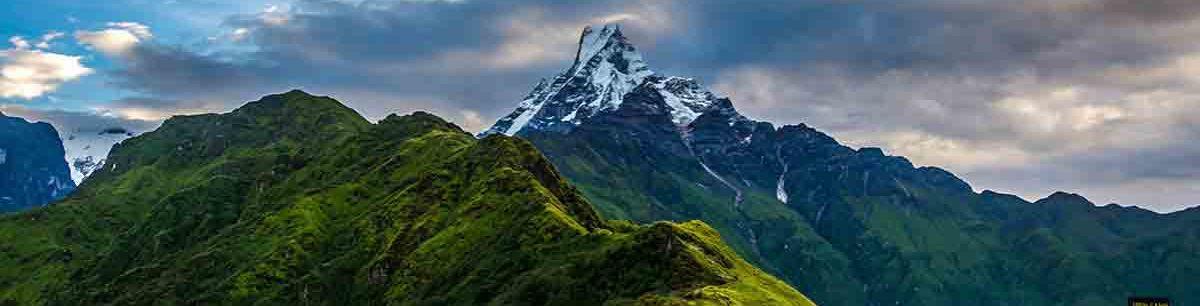
Exploring Nepal’s Hidden Treasures: Culture, Wisdom, and Meaningful Discovery

Exploring Nepal’s hidden treasures is more than just a travel idea—it’s an invitation to experience a country where every journey reveals layers of culture, spiritual wisdom, and meaningful discovery. While many travelers come for the himalayan views and famous trekking routes, Nepal offers far deeper rewards for those willing to look beyond the surface. From ancient temples and vibrant cities like Kathmandu to peaceful villages and sacred landscapes, each step uncovers stories, traditions, and insights that leave a lasting impression.

In this comprehensive guide, we explore Nepal’s hidden treasures—those cultural, spiritual, and experiential gems that make every step in this remarkable country unforgettable.


The Cultural Heartbeat of Nepal

Nepal’s identity is shaped by a rich blend of ethnic groups, languages, and traditions. With over 120 ethnic communities and more than 120 languages spoken across the country, Nepal’s diversity is one of its greatest strengths.

Ancient Cities Filled with Living History

The Kathmandu Valley is home to three historic cities—Kathmandu, Bhaktapur, and Patan—each preserving centuries-old architecture and traditions.

  • In Kathmandu, the vibrant courtyards and temples around Kathmandu Durbar Square showcase royal history and intricate wood carvings.
  • Bhaktapur feels like a step back in time, with its well-preserved palaces and pottery squares.
  • Patan is renowned for its artistic heritage, especially metalwork and stone sculptures.

These cities are not museums—they are living, breathing spaces where rituals continue daily, offering travelers a rare glimpse into authentic Nepalese life.


Spiritual Wisdom Rooted in Everyday Life

Nepal is a spiritual haven where religion is seamlessly woven into daily routines. The coexistence of Hinduism and Buddhism creates a unique atmosphere of harmony and shared belief.

Sacred Sites That Inspire Reflection

Two of the most significant spiritual landmarks in Nepal are:

  • Pashupatinath Temple – one of the holiest Hindu temples dedicated to Lord Shiva.
  • Boudhanath Stupa – a massive stupa that serves as a center for Tibetan Buddhism.

Visitors often describe a sense of calm and introspection when walking around these sacred spaces. Whether it’s the rhythmic chanting of monks or the scent of incense in the air, these experiences foster a deeper connection with oneself.

The Birthplace of Buddha

Nepal is also home to Lumbini, the birthplace of Siddhartha Gautama. This UNESCO World Heritage Site attracts pilgrims and travelers seeking peace and enlightenment. Walking through Lumbini’s monastic zones offers a profound sense of serenity and global spiritual unity.


Hidden Villages and Authentic Experiences

While popular trekking routes draw thousands each year, Nepal’s lesser-known villages provide a more intimate and meaningful travel experience.

Discovering Rural Nepal

In regions like Bandipur and Tansen, visitors can immerse themselves in local life. These towns offer:

  • Traditional Newari and Magar architecture
  • Home-cooked meals prepared with locally sourced ingredients
  • Opportunities to interact with residents and learn about their customs

Such experiences allow travelers to move beyond tourism and engage in genuine cultural exchange.


The Wisdom of the Himalayas

The Himalayas are more than just a geographical marvel—they are a source of spiritual and philosophical inspiration.

Trekking as a Journey Within

Popular routes like the Annapurna Circuit and Everest Base Camp are not only physically rewarding but also mentally enriching.

As trekkers pass through remote monasteries, prayer flags, and quiet mountain paths, they often experience:

  • A sense of humility in the face of nature’s grandeur
  • Clarity through simplicity and detachment from daily distractions
  • A deeper appreciation for resilience and community

The mountains teach lessons that extend far beyond the trail.


Festivals: A Celebration of Life and Belief

Nepal’s festivals are vibrant expressions of its cultural and spiritual richness. These celebrations bring communities together and offer visitors a chance to witness traditions firsthand.

Major Festivals to Experience

  • Dashain – the longest and most important Hindu festival, symbolizing the victory of good over evil.
  • Tihar – a five-day festival honoring animals, siblings, and the goddess of wealth.
  • Holi – a joyful celebration filled with colors, music, and laughter.

Participating in these festivals offers insight into Nepalese values, family bonds, and spiritual beliefs.


Meaningful Discovery Through Responsible Travel

Exploring Nepal’s hidden treasures also comes with a responsibility to preserve its culture and environment.

Travel with Purpose

To make your journey more meaningful:

  • Support local businesses and artisans
  • Choose eco-friendly trekking and tour operators
  • Respect cultural norms and religious practices
  • Minimize environmental impact by reducing waste

Responsible travel ensures that Nepal’s beauty and heritage remain intact for future generations.


Culinary Traditions: A Taste of Nepal

Food in Nepal is deeply tied to culture and community. Traditional dishes reflect the country’s agricultural roots and diverse influences.

Must-Try Nepalese Foods

  • Dal Bhat – a staple dish of lentil soup, rice, and vegetables.
  • Momo – a popular snack filled with meat or vegetables.
  • Sel Roti – a sweet, ring-shaped bread often prepared during festivals.

Sharing meals with locals often becomes one of the most memorable parts of a trip, offering both nourishment and connection.


Art, Craft, and Timeless Skills

Nepalese craftsmanship is a reflection of its cultural depth. From intricate thangka paintings to hand-carved wooden windows, artistry is visible everywhere.

Preserving Heritage Through Craft

In places like Patan and Bhaktapur, artisans continue centuries-old traditions, creating:

  • Metal statues of deities
  • Handwoven textiles
  • Traditional pottery

These crafts are not just souvenirs—they are expressions of identity and heritage passed down through generations.


Why Nepal Is a Destination for Meaningful Discovery

Nepal stands apart from many travel destinations because it offers more than just visual beauty. It provides experiences that enrich the mind and soul.

What Makes Nepal Unique?

  • A harmonious blend of Hindu and Buddhist traditions
  • Genuine hospitality and warmth from locals
  • Opportunities for both adventure and introspection
  • A slower pace of life that encourages mindfulness

Every journey in Nepal becomes a story of discovery—of the land, its people, and oneself.


Conclusion: A Journey Beyond the Ordinary

Exploring Nepal’s hidden treasures is not about ticking destinations off a list—it’s about embracing a deeper way of travel. Whether you’re wandering through ancient temples, sharing tea with villagers, or trekking through the Himalayas, Nepal invites you to pause, reflect, and connect.

In a world that often moves too fast, Nepal offers something rare: the chance to rediscover meaning in simplicity, wisdom in tradition, and joy in genuine human connection.

If you’re seeking a travel experience that goes beyond the ordinary, Nepal is not just a destination—it is a journey into culture, wisdom, and meaningful discovery.

Quick Inquiry Form

Why Travel Makes You Happier: The Science and Psychology Explained

Travel is more than just a break from routine—it’s a powerful tool for improving your mental well-being, emotional resilience, and overall happiness. Whether it’s a short weekend getaway or a long international adventure, the act of exploring new places has profound psychological benefits. But what exactly makes travel such a happiness booster?

In this comprehensive guide, we’ll explore the science and psychology behind why travel makes you happier, how it affects your brain, and why investing in experiences can be more fulfilling than material possessions.


The Link Between Travel and Happiness

At its core, happiness is influenced by a mix of experiences, relationships, and personal growth. Travel touches all three. It introduces novelty, fosters meaningful connections, and pushes you out of your comfort zone—all essential ingredients for long-term happiness.

Unlike routine life, which can often feel repetitive, travel creates moments of excitement and anticipation. From planning your trip to reliving the memories afterward, each stage contributes to a lasting sense of joy.


The Power of Anticipation

One of the most overlooked aspects of travel happiness is the excitement you feel before the trip even begins. Studies in psychology suggest that anticipating a positive experience can boost your mood significantly.

When you plan a trip, your brain releases dopamine—the “feel-good” chemical associated with pleasure and reward. This means that happiness doesn’t just come from the trip itself but also from looking forward to it.

Why anticipation matters:

  • It gives you something to look forward to
  • It breaks the monotony of daily life
  • It enhances overall life satisfaction

Even small trips can create a big emotional uplift simply through anticipation.


Travel Reduces Stress and Anxiety

Modern life is filled with stress—work pressure, deadlines, and digital overload. Travel provides a much-needed mental reset.

When you step away from your usual environment, your brain gets a break from constant stimuli and responsibilities. Natural surroundings, such as beaches, mountains, or forests, can further enhance relaxation and reduce cortisol levels (the stress hormone).

Key stress-reducing benefits:

  • Improved sleep quality
  • Lower blood pressure
  • Reduced anxiety levels
  • Increased mindfulness

Taking time off to travel allows your mind to recharge, making you more productive and focused when you return.


New Experiences Stimulate the Brain

The human brain thrives on novelty. When you travel, you’re constantly exposed to new sights, sounds, cultures, and experiences. This stimulates neural activity and promotes cognitive flexibility.

Trying new foods, learning a few words in a different language, or navigating unfamiliar streets challenges your brain in positive ways. These experiences help build new neural connections, improving memory and creativity.

Brain-boosting effects of travel:

  • Enhanced problem-solving skills
  • Increased creativity
  • Better adaptability
  • Improved cognitive health

In short, travel keeps your brain active and engaged, which contributes to a greater sense of fulfillment.


Travel Encourages Personal Growth

Stepping outside your comfort zone is one of the fastest ways to grow as a person. Travel naturally puts you in unfamiliar situations where you must adapt, learn, and evolve.

Whether it’s navigating a foreign city, trying new activities, or interacting with people from different cultures, these experiences build confidence and independence.

Personal growth through travel:

  • Increased self-confidence
  • Greater resilience
  • Improved decision-making skills
  • Enhanced emotional intelligence

These personal achievements contribute significantly to long-term happiness and life satisfaction.


Strengthening Relationships Through Shared Experiences

Traveling with family, friends, or a partner can deepen relationships in meaningful ways. Shared experiences create lasting memories and strengthen emotional bonds.

Unlike everyday interactions, travel allows you to spend quality time together without the distractions of daily responsibilities.

Relationship benefits of travel:

  • Improved communication
  • Stronger emotional connections
  • Shared memories that last a lifetime
  • Increased empathy and understanding

Even solo travel can enhance your social life by encouraging you to meet new people and build connections across cultures.


Travel Helps You Live in the Present Moment

In our fast-paced world, it’s easy to get caught up in worries about the future or regrets about the past. Travel naturally encourages mindfulness—the practice of being fully present in the moment.

When you’re exploring a new destination, your senses are heightened. You pay more attention to your surroundings, whether it’s the taste of local cuisine or the beauty of a sunset.

Mindfulness benefits:

  • Reduced overthinking
  • Increased appreciation for life
  • Greater emotional balance
  • Improved mental clarity

Being present is a key component of happiness, and travel makes it easier to achieve.


Experiences Bring More Happiness Than Material Things

Psychological research consistently shows that spending money on experiences brings more lasting happiness than spending on material goods.

While material possessions may provide temporary satisfaction, experiences like travel create memories that stay with you for a lifetime.

Why experiences matter more:

  • They become part of your identity
  • They are less likely to be compared with others
  • They provide long-term emotional value
  • They can be relived through memories and stories

Travel, in this sense, is an investment in your happiness rather than just an expense.


Exposure to Different Cultures Broadens Perspective

Traveling exposes you to new ways of thinking, living, and interacting. This cultural immersion helps you develop a broader perspective on life.

Understanding different cultures can increase empathy and reduce prejudice, making you more open-minded and emotionally intelligent.

Cultural benefits of travel:

  • Greater appreciation for diversity
  • Improved communication skills
  • Enhanced global awareness
  • Stronger sense of gratitude

This shift in perspective often leads to a deeper sense of contentment and fulfillment.


Travel Boosts Creativity and Inspiration

Many artists, writers, and innovators draw inspiration from travel. Exposure to new environments can spark creativity and fresh ideas.

Breaking away from routine allows your mind to think differently, leading to innovative solutions and new perspectives.

Creative advantages:

  • Increased inspiration
  • Enhanced imagination
  • Fresh ideas and insights
  • Greater problem-solving ability

Whether you’re in a creative field or not, travel can help you think more freely and creatively.


Physical Activity Improves Mood

Travel often involves physical activity—walking through cities, hiking, swimming, or exploring landmarks. Physical movement is directly linked to improved mental health.

Exercise releases endorphins, which are natural mood boosters. Combined with the excitement of travel, this creates a powerful happiness effect.

Health benefits:

  • Improved fitness
  • Increased energy levels
  • Better mood regulation
  • Reduced symptoms of depression

Staying active while traveling enhances both your physical and mental well-being.


Travel Creates Lasting Memories

One of the most valuable aspects of travel is the memories it creates. Unlike material possessions, memories grow more meaningful over time.

Looking back on your travel experiences can bring joy long after the trip has ended. These memories become stories you share and cherish throughout your life.

Why memories matter:

  • They provide long-term happiness
  • They strengthen identity
  • They connect you with others
  • They serve as a source of inspiration

Travel gives you a collection of moments that continue to enrich your life.


It Helps You Discover Yourself

Travel offers a unique opportunity for self-reflection. Being away from your usual environment allows you to see yourself more clearly.

You may discover new passions, interests, or perspectives that you wouldn’t encounter in your daily routine.

Self-discovery benefits:

  • Better understanding of personal values
  • Increased self-awareness
  • Clarity about life goals
  • Renewed sense of purpose

This deeper connection with yourself is a powerful contributor to happiness.


Practical Tips to Maximize Happiness Through Travel

To fully enjoy the psychological benefits of travel, consider these simple tips:

  • Plan ahead but stay flexible: Balance structure with spontaneity
  • Disconnect from work: Give yourself a true mental break
  • Engage with locals: Authentic interactions enhance experiences
  • Try new things: Step outside your comfort zone
  • Document your journey: Capture memories through photos or journaling
  • Travel mindfully: Focus on the present moment

Final Thoughts

Travel is not just about visiting new places—it’s about transforming how you think, feel, and experience the world. From reducing stress and boosting creativity to strengthening relationships and fostering personal growth, the benefits of travel are deeply rooted in science and psychology.

In a world where happiness often feels elusive, travel offers a powerful and accessible way to reconnect with yourself and find joy in the journey. Whether it’s a nearby destination or a far-off adventure, every trip has the potential to enrich your life in meaningful ways.

So the next time you’re considering a trip, remember—you’re not just planning a vacation. You’re investing in your happiness, your well-being, and your personal growth.

Quick Inquiry Form

How Luxury Hospitality in Nepal Is Revolutionizing Himalayan Travel Experiences

Nepal has long been synonymous with rugged adventure, spiritual exploration, and raw natural beauty. From the towering peaks of the Himalayas to ancient temples and vibrant cultural traditions, the country has traditionally attracted trekkers, backpackers, and pilgrims seeking authentic and often challenging experiences. However, in recent years, a remarkable shift has been taking place—the rise of luxury hospitality in Nepal is redefining how travelers experience the Himalayas.

Today, Nepal is no longer just a destination for budget adventurers. It is rapidly emerging as a premium travel hotspot where comfort meets wilderness, and exclusivity blends seamlessly with tradition. This transformation is not only elevating the tourism industry but also reshaping the expectations of modern travelers.

In this article, we explore how luxury hospitality in Nepal is revolutionizing Himalayan travel experiences and what it means for the future of tourism in the region.


The Evolution of Tourism in Nepal

Historically, tourism in Nepal was centered around trekking routes such as Everest Base Camp and Annapurna Circuit. Accommodation was basic, infrastructure limited, and the focus was primarily on adventure and endurance.

However, with growing global demand for experiential and high-end travel, Nepal has evolved. Affluent travelers now seek immersive journeys without compromising on comfort. This shift has led to the development of:

  • Boutique luxury hotels
  • High-end trekking lodges
  • Wellness retreats
  • Private helicopter tours
  • Curated cultural experiences

The transformation has been gradual but impactful, positioning Nepal as a destination that offers both adventure and indulgence.


What Defines Luxury Hospitality in Nepal?

Luxury in Nepal is not just about five-star amenities—it’s about unique, personalized, and meaningful experiences. The concept of luxury here is deeply tied to nature, culture, and exclusivity.

Boutique Luxury Lodges in Remote Locations

High-end lodges in trekking regions now offer:

  • Heated rooms and comfortable bedding
  • Gourmet dining experiences
  • Stunning panoramic views
  • Personalized service

These lodges allow travelers to explore remote Himalayan regions without sacrificing comfort.

Premium Urban Hotels

Cities like Kathmandu and Pokhara have seen a surge in world-class hotels featuring:

  • Spa and wellness centers
  • Fine dining restaurants
  • Rooftop lounges with mountain views
  • Concierge services for curated travel

Tailor-Made Travel Experiences

Luxury travelers can now enjoy:

  • Private guided treks
  • Cultural immersion programs
  • Helicopter sightseeing tours
  • Exclusive wildlife safaris

This customization ensures every journey is unique and unforgettable.


Luxury Trekking: A Game-Changer in the Himalayas

One of the most significant developments in Nepal’s tourism landscape is luxury trekking. Traditionally, trekking meant long days, basic lodges, and limited comfort. Today, that narrative has changed.

Key Features of Luxury Trekking

1. Comfort at High Altitudes
Luxury lodges provide heated rooms, attached bathrooms, and even electric blankets in some locations.

2. Gourmet Dining
Travelers can enjoy multi-course meals, freshly baked goods, and international cuisine even in remote areas.

3. Personalized Support
Private guides, porters, and flexible itineraries ensure a stress-free experience.

4. Scenic Flights and Helicopter Transfers
Helicopter services reduce travel time and offer breathtaking aerial views of the Himalayas.

Luxury trekking allows travelers of all ages and fitness levels to experience the Himalayas in a more accessible and enjoyable way.


The Rise of Wellness Tourism in Nepal

Another key aspect of luxury hospitality in Nepal is the growing popularity of wellness tourism. The country’s spiritual heritage and natural tranquility make it an ideal destination for rejuvenation.

Wellness Offerings Include:

  • Yoga and meditation retreats
  • Ayurvedic treatments
  • Detox and healing programs
  • Spa therapies inspired by traditional practices

Many luxury resorts are integrating wellness into their offerings, creating holistic experiences that cater to both body and mind.


Cultural Immersion Meets Luxury

Nepal’s rich cultural heritage is a major draw for travelers. Luxury hospitality has elevated cultural experiences by making them more immersive and exclusive.

Examples of Luxury Cultural Experiences:

  • Private tours of heritage sites
  • Traditional Nepali cooking classes
  • Exclusive access to festivals and rituals
  • Guided visits to monasteries and spiritual centers

These experiences allow travelers to connect deeply with Nepal’s culture while enjoying premium services.


Sustainable Luxury: A Responsible Approach

One of the most encouraging aspects of Nepal’s luxury tourism growth is its emphasis on sustainability. Many luxury operators are committed to responsible tourism practices.

Sustainable Initiatives Include:

  • Eco-friendly construction and operations
  • Use of local materials and workforce
  • Community-based tourism programs
  • Conservation efforts in trekking regions

This approach ensures that tourism growth benefits local communities while preserving Nepal’s natural and cultural heritage.


Technology and Innovation in Luxury Travel

Modern luxury travelers expect seamless experiences, and Nepal’s hospitality sector is adapting accordingly.

Innovations in the Industry:

  • Online booking platforms for high-end experiences
  • Digital concierge services
  • Smart room technologies in luxury hotels
  • Improved connectivity in remote regions

These advancements enhance convenience without compromising the authenticity of the travel experience.


The Impact on Nepal’s Economy

The rise of luxury hospitality is significantly contributing to Nepal’s economy.

Economic Benefits:

  • Increased tourism revenue
  • Job creation in hospitality and service sectors
  • Development of infrastructure
  • Promotion of local products and crafts

Luxury tourism attracts high-spending travelers, which boosts overall economic growth and supports sustainable development.


Challenges in the Luxury Hospitality Sector

Despite its rapid growth, the luxury hospitality industry in Nepal faces several challenges:

1. Infrastructure Limitations

Remote areas still lack consistent transportation and connectivity.

2. Environmental Concerns

Increased tourism can strain fragile ecosystems if not managed responsibly.

3. Skill Development

There is a need for trained professionals to meet international luxury standards.

4. Balancing Authenticity and Modernization

Maintaining Nepal’s cultural identity while embracing luxury is a delicate balance.

Addressing these challenges will be crucial for long-term success.


Why Travelers Are Choosing Luxury Nepal Experiences

Modern travelers are increasingly drawn to Nepal’s luxury offerings for several reasons:

  • Unique combination of adventure and comfort
  • Authentic cultural experiences with premium services
  • Less crowded, more exclusive travel options
  • Opportunity for wellness and spiritual growth

Nepal offers something that few destinations can—luxury in the heart of the Himalayas, surrounded by untouched natural beauty.


The Future of Luxury Hospitality in Nepal

The future looks promising for Nepal’s luxury tourism sector. With ongoing investments and government support, the industry is poised for significant growth.

Trends to Watch:

  • Expansion of luxury lodges in new trekking routes
  • Growth of wellness and spiritual tourism
  • Increased international hotel brands entering the market
  • Development of eco-luxury resorts

As Nepal continues to evolve, it is set to become one of the most sought-after luxury travel destinations in Asia.


Conclusion

Luxury hospitality in Nepal is transforming the way travelers experience the Himalayas. What was once a destination primarily for adventurous trekkers is now a hub for high-end, immersive, and meaningful travel experiences.

By combining natural beauty, cultural richness, and modern comfort, Nepal is redefining luxury tourism in a truly unique way. Whether it’s a serene wellness retreat, a luxurious trek through the mountains, or an exclusive cultural journey, Nepal offers unforgettable experiences that cater to the evolving needs of global travelers.

As this trend continues, Nepal is not just keeping pace with global tourism standards—it is setting a new benchmark for luxury travel in remote and culturally rich destinations.

Quick Inquiry Form

Nepal Wellness Tourism 2027: Government Plans to Build a Global Hub for Yoga, Meditation, and Natural Healing

Nepal Wellness Tourism 2027 is emerging as a transformative national vision, positioning Nepal as a global hub for yoga, meditation, and natural healing. With the government prioritizing wellness tourism and announcing plans for a comprehensive strategy, the country is preparing to redefine its tourism identity beyond mountains and adventure. This ambitious initiative, combined with the declaration of “Wellness Year 2027,” signals Nepal’s commitment to integrating Eastern philosophy, holistic health, and sustainable tourism into a unified global offering.


Introduction: A New Era for Tourism in Nepal

For decades, Nepal has been synonymous with trekking in the Himalayas, spiritual journeys to Lumbini, and cultural exploration in Kathmandu. However, the global tourism landscape is evolving. Travelers today are increasingly seeking meaningful experiences that enhance physical health, mental clarity, and spiritual growth.

Recognizing this shift, the Nepalese government has placed wellness tourism at the forefront of its national development strategy. A dedicated wellness tourism framework is expected to be introduced soon, guiding investments, infrastructure, and global promotion efforts.


What Is Wellness Tourism?

Wellness tourism refers to travel aimed at promoting health and well-being through physical, psychological, and spiritual activities. It includes experiences such as:

  • Yoga retreats
  • Meditation programs
  • Ayurveda and natural healing therapies
  • Detox and spa treatments
  • Spiritual pilgrimages

Globally, wellness tourism is one of the fastest-growing travel sectors, driven by increasing stress levels, lifestyle diseases, and a desire for holistic well-being.

Nepal, with its deep-rooted traditions in spirituality and natural healing, is uniquely positioned to benefit from this trend.


Why Nepal Is Ideal for Wellness Tourism

1. Birthplace of Buddha and Spiritual Heritage

Nepal is the birthplace of Gautama Buddha, making it one of the world’s most significant spiritual destinations. Sites like Lumbini attract pilgrims and seekers from across the globe who are interested in meditation and mindfulness.

2. Rich Tradition of Yoga and Meditation

Yoga and meditation have been practiced in Nepal for centuries, deeply intertwined with Hindu and Buddhist philosophies. From monasteries in the mountains to urban wellness centers, Nepal offers authentic experiences rooted in ancient traditions.

3. Natural Healing Environment

The country’s diverse geography—from the Himalayan peaks to lush jungles—provides a serene and pollution-free environment ideal for healing and rejuvenation. Clean air, fresh water, and tranquil landscapes enhance the effectiveness of wellness practices.

4. Ayurveda and Herbal Medicine

Nepal has a strong tradition of Ayurveda, using natural herbs and holistic treatments to promote health. Many wellness centers offer Ayurvedic therapies, detox programs, and personalized treatments.


Government Vision: Nepal Wellness Year 2027

The government has officially recognized wellness tourism as a key pillar of economic growth and tourism diversification. The declaration of “Nepal Wellness Year 2027” reflects a coordinated effort to:

  • Promote Nepal as a global wellness destination
  • Attract high-value international tourists
  • Develop infrastructure for wellness retreats and healing centers
  • Encourage private sector investment

This initiative is expected to involve multiple agencies working together to create a cohesive brand for Nepal’s wellness tourism sector.


Key Features of the Upcoming Wellness Strategy

1. Integrated Policy Framework

The government plans to introduce a comprehensive wellness tourism strategy within a short timeframe. This policy will outline:

  • Standards for wellness centers
  • Certification systems for practitioners
  • Guidelines for sustainable development

2. Promotion of Eastern Philosophy

Nepal’s wellness tourism will emphasize Eastern philosophies such as:

  • Mindfulness and meditation
  • Spiritual healing
  • Harmony between body and mind

These elements differentiate Nepal from Western wellness destinations that often focus more on luxury spa experiences.

3. Infrastructure Development

To support the growth of wellness tourism, Nepal will invest in:

  • Retreat centers and eco-resorts
  • Wellness spas and Ayurveda clinics
  • Improved transportation and accessibility

4. Global Marketing Campaigns

Nepal will promote itself internationally as a wellness destination through digital campaigns, partnerships, and participation in global tourism events.


International Recognition: April 15 as International Wellness Day

Nepal is also taking steps to gain global recognition for wellness tourism by thanking UN member states for supporting April 15 as International Wellness Day. This move aligns Nepal with global wellness initiatives and strengthens its position on the international stage.

Such recognition will help:

  • Increase global awareness
  • Encourage international collaboration
  • Attract wellness travelers worldwide

Popular Wellness Experiences in Nepal

Yoga Retreats in Pokhara

Pokhara is one of the top destinations for yoga retreats, offering stunning views of the Annapurna range and a peaceful lakeside environment. Many retreats combine yoga with meditation, detox programs, and nature walks.

Meditation in Buddhist Monasteries

Monasteries in regions like Mustang and Solukhumbu provide immersive meditation experiences guided by monks.

Ayurveda and Spa Treatments

Cities like Kathmandu and Pokhara host wellness centers offering traditional Ayurvedic therapies, massages, and holistic healing programs.

Nature-Based Healing

Activities such as forest bathing, trekking, and eco-retreats allow visitors to reconnect with nature and improve mental well-being.


Economic Impact of Wellness Tourism

The development of wellness tourism is expected to bring significant economic benefits to Nepal:

1. Increased Tourist Spending

Wellness tourists typically spend more than average travelers, contributing to higher revenue.

2. Job Creation

The sector will create jobs in:

  • Hospitality
  • Healthcare
  • Wellness services
  • Transportation

3. Rural Development

Many wellness retreats are located in rural areas, promoting local economies and reducing urban migration.

4. Sustainable Tourism Growth

Wellness tourism aligns with sustainable practices, minimizing environmental impact while maximizing economic benefits.


Challenges and Opportunities

Challenges

  • Lack of standardized wellness services
  • Limited international marketing
  • Infrastructure gaps in remote areas

Opportunities

  • Growing global demand for wellness travel
  • Nepal’s authentic cultural and spiritual heritage
  • Government support and policy initiatives

By addressing these challenges, Nepal can unlock its full potential as a leading wellness destination.


Sustainable and Responsible Wellness Tourism

Sustainability will be a core component of Nepal’s wellness tourism strategy. This includes:

  • Eco-friendly accommodations
  • Community-based tourism
  • Conservation of natural resources

Travelers are increasingly choosing destinations that prioritize sustainability, making this approach essential for long-term success.


Future Outlook: Nepal as a Global Wellness Hub

With strong government backing, rich cultural heritage, and natural advantages, Nepal is poised to become a global leader in wellness tourism by 2027.

The integration of yoga, meditation, and natural healing into the tourism sector will not only attract international visitors but also promote a healthier lifestyle among locals.

As the world continues to prioritize well-being, Nepal’s vision aligns perfectly with global trends, offering a unique blend of spirituality, nature, and holistic health.


Conclusion

Nepal Wellness Tourism 2027 represents a bold and forward-thinking initiative to transform the country into a global hub for yoga, meditation, and natural healing. By leveraging its spiritual heritage, natural beauty, and government support, Nepal is set to redefine its tourism industry and create a sustainable, high-value sector.

From the peaceful monasteries of Mustang to the serene lakes of Pokhara, Nepal offers an unmatched environment for wellness and rejuvenation. As the country prepares to celebrate Wellness Year 2027, it invites the world to experience healing, balance, and transformation in one of the most spiritually rich destinations on Earth.

Quick Inquiry Form

Nepal Wildlife Safari : A Complete Guide to Thrilling Jungle Experiences

Nepal is globally known for its towering Himalayan peaks, but beyond the mountains lies a completely different world—lush jungles, rare wildlife, and unforgettable safari adventures. A Nepal wildlife safari offers travelers a unique chance to explore subtropical forests, encounter endangered species, and immerse themselves in raw, untamed nature.

From dense riverine forests to vast grasslands, Nepal’s national parks provide some of the best wildlife experiences in Asia. Whether you’re a nature lover, wildlife photographer, or adventure seeker, this guide covers everything you need to plan the ultimate jungle safari in Nepal.


Why Choose a Wildlife Safari in Nepal?

Nepal is one of the few countries where you can see iconic wildlife like the one-horned rhinoceros, Bengal tiger, and Asian elephant in their natural habitat. Unlike crowded safari destinations, Nepal offers a more intimate and eco-conscious experience.

Top reasons to choose Nepal for a wildlife safari:

  • Home to rare and endangered species
  • Affordable compared to African safaris
  • Diverse ecosystems within short travel distances
  • Strong conservation efforts and eco-tourism initiatives
  • Opportunities for cultural interaction with local communities

Nepal’s protected areas are well-managed and provide safe, guided experiences that bring you closer to nature without compromising conservation.


Best National Parks for Wildlife Safaris in Nepal

Chitwan National Park

Located in southern Nepal, Chitwan is the most popular safari destination and a UNESCO World Heritage Site.

What to expect:

  • One-horned rhinoceros sightings
  • Bengal tigers (rare but possible)
  • Sloth bears, deer, and crocodiles
  • Over 500 bird species

Top activities:

  • Jeep safaris through dense jungle
  • Canoe rides along the Rapti River
  • Guided jungle walks
  • Cultural tours in Tharu villages

Chitwan is perfect for first-time visitors looking for a balanced mix of wildlife, comfort, and accessibility.


Bardia National Park

If you want a more remote and less crowded safari experience, Bardia is the place to go.

Why visit Bardia:

  • Higher chances of spotting Bengal tigers
  • Fewer tourists compared to Chitwan
  • Authentic wilderness experience

Wildlife highlights:

  • Wild elephants
  • Gangetic dolphins
  • Leopards and swamp deer

Bardia is ideal for serious wildlife enthusiasts and photographers who prefer off-the-beaten-path adventures.


Koshi Tappu Wildlife Reserve

This reserve is a paradise for bird lovers and wetland enthusiasts.

Best for:

  • Birdwatching (home to 500+ species)
  • Sightings of wild water buffalo (Arna)
  • Peaceful and scenic environment

If you’re visiting during migration season, Koshi Tappu becomes one of the best birdwatching destinations in South Asia.


Shuklaphanta National Park

A hidden gem in western Nepal, Shuklaphanta is known for its vast grasslands.

Highlights:

  • Large herds of swamp deer
  • Grassland ecosystems
  • Fewer crowds and untouched landscapes

This park is perfect for travelers seeking solitude and unique wildlife habitats.


Top Wildlife Species You Can See

Nepal’s jungles are incredibly biodiverse. Here are some of the most exciting animals you might encounter:

  • One-horned rhinoceros – Nepal is one of the last strongholds
  • Bengal tiger – elusive but thrilling to spot
  • Asian elephant – both wild and domesticated
  • Sloth bear – rare and fascinating
  • Crocodiles (mugger and gharial)
  • Leopards and jungle cats
  • Over 800 species of birds across Nepal

Each safari is different, and that unpredictability is what makes the experience so exciting.


Types of Jungle Safari Experiences

Jeep Safari

The most popular option, allowing you to cover large areas quickly. Ideal for spotting bigger animals like rhinos and tigers.

Canoe Safari

A quite and scenic ride along rivers where you can see crocodiles, birds, and sometimes elephants.

Jungle Walk

Guided walking tours offer a more immersive experience but require caution and experienced guides.

Elephant Safari

Traditionally popular, though increasingly debated due to ethical concerns. Many travelers now prefer jeep safaris as a more responsible option.


Best Time for Nepal Wildlife Safari

Timing plays a crucial role in your safari experience.

October to March (Best Season):

  • Pleasant weather
  • Clear visibility
  • High chances of wildlife sightings

April to June:

  • Hot but excellent for spotting animals near water sources

July to September (Monsoon):

  • Lush greenery but limited access
  • Some parks may restrict entry

For the best experience, plan your safari between October and March.


Safari Costs and Budget Guide

Nepal is relatively affordable compared to other safari destinations.

Average costs:

  • Park entry fees: $20–$30 per day
  • Jeep safari: $40–$100 per person
  • Guide fees: $10–$25 per day
  • Accommodation: $15 (budget) to $150+ (luxury lodges)

Packages combining accommodation, meals, and safaris are widely available and often offer better value.


Where to Stay: Lodges and Resorts

You’ll find a wide range of accommodation options near national parks:

Budget lodges:

  • Basic but comfortable
  • Ideal for backpackers

Mid-range hotels:

  • Good balance of comfort and cost

Luxury resorts:

  • Premium jungle lodges with guided tours
  • Great for honeymooners and families

Many lodges also offer cultural programs, nature talks, and guided excursions.


Responsible Wildlife Tourism Tips

As tourism grows, it’s important to travel responsibly:

  • Maintain a safe distance from animals
  • Avoid loud noises and disturbances
  • Choose eco-friendly lodges
  • Support local communities
  • Avoid unethical animal activities

Responsible tourism ensures these ecosystems remain protected for future generations.


Cultural Experiences Beyond the Safari

A Nepal wildlife safari isn’t just about animals—it’s also about people and culture.

Tharu Community Experience

In regions like Chitwan and Bardia, you can interact with the indigenous Tharu people.

Activities include:

  • Traditional dance performances
  • Village tours
  • Local cuisine tasting

This adds a meaningful cultural dimension to your safari journey.


How to Reach Nepal’s Safari Destinations

From Kathmandu

  • To Chitwan: 5–6 hours by road or 25-minute flight to Bharatpur
  • To Bardia: 1-hour flight to Nepalgunj + 2–3 hour drive
  • To Koshi Tappu: Flight to Biratnagar + short drive

Transportation options include tourist buses, private vehicles, and domestic flights.


Sample 3-Day Safari Itinerary (Chitwan)

Day 1:

  • Arrival and hotel check-in
  • Tharu cultural program

Days 2:

  • Early morning canoe ride
  • Jungle walk
  • Afternoon jeep safari

Day 3:

  • Birdwatching tour
  • Departure

You can extend your stay for deeper exploration and better wildlife sightings.


Travel Tips for Visitors

  • Book safari packages in advance during peak seasons
  • Carry lightweight, neutral-colored clothing
  • Bring binoculars and a good camera
  • Use insect repellent and sunscreen
  • Follow your guide’s instructions at all times

Why Nepal Wildlife Safaris Are Truly Unforgettable

What makes Nepal stand out is the combination of raw wilderness, cultural richness, and accessibility. In just a few days, you can go from the bustling streets of Kathmandu to the tranquil jungles filled with wildlife.

Unlike many destinations, Nepal offers a personal and immersive safari experience where every moment feels authentic. Whether it’s spotting a rhino grazing peacefully or hearing the distant call of a tiger, these are memories that stay with you forever.


Final Thoughts

A Nepal wildlife safari in is more than just a trip—it’s an adventure into one of the most diverse and captivating environments in the world. With multiple national parks, rich biodiversity, and unique cultural experiences, Nepal delivers a safari experience that is both thrilling and meaningful.

Whether you choose the popular trails of Chitwan National Park or the remote wilderness of Bardia National Park, one thing is certain—you’ll leave with unforgettable stories and a deeper appreciation for nature. If you’re planning your next adventure, Nepal’s jungles are calling.

Quick Inquiry Form