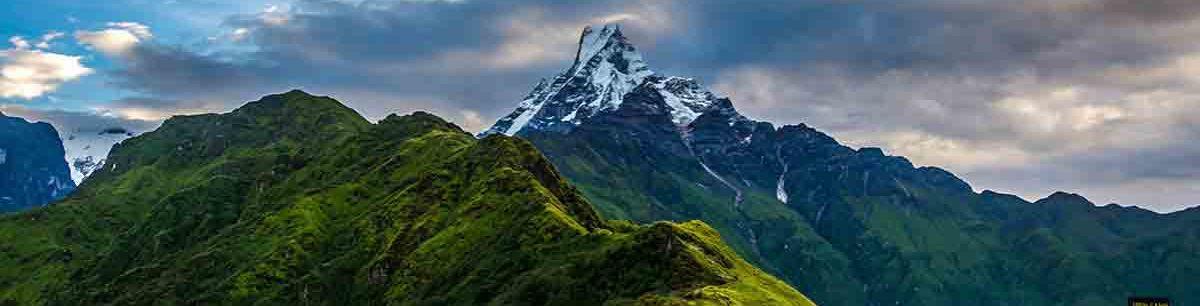
Surprising Truths About the Annapurna Circuit Trek Nobody Tells You

The Annapurna Circuit Trek is often described as one of the most spectacular trekking adventures in the world. Stretching through the diverse Himalayan landscapes of Nepal, this legendary route offers everything from lush forests and traditional mountain villages to high-altitude deserts and breathtaking snow-covered peaks. Thousands of trekkers dream of completing the Annapurna Circuit every year, but many arrive with expectations that are very different from reality.

While guidebooks and social media posts usually focus on the stunning scenery and famous mountain passes, there are many lesser-known aspects of the journey that can completely shape your trekking experience. Some of these truths make the adventure even more rewarding, while others may surprise first-time trekkers who are unprepared for the realities of Himalayan travel.

If you are planning your first Annapurna Circuit Trek, understanding these hidden truths can help you prepare mentally, physically, and emotionally for the journey ahead. Here are 10 surprising truths about the Annapurna Circuit Trek that nobody tells you.


The Annapurna Circuit Trek Is Much More Than a Mountain Trek

Many people assume the Annapurna Circuit Trek is only about walking through snowy mountains. In reality, the trek is a complete cultural and geographical journey across several different regions of Nepal.

You begin in subtropical valleys filled with rice terraces and waterfalls. As the trail climbs higher, the scenery changes dramatically into pine forests, alpine meadows, and dry Tibetan-style landscapes. Along the way, you pass through villages inhabited by Gurung, Thakali, and Manangi communities, each with unique traditions, architecture, and lifestyles.

This incredible diversity is one reason the Annapurna Circuit Trek remains one of the most loved trekking routes in the Himalayas.


The Weather Changes Faster Than You Expect

One of the biggest surprises for trekkers is how quickly the weather can change in the Himalayas. A sunny morning can suddenly become cloudy, windy, or snowy within hours.

Even during the popular trekking seasons of spring and autumn, temperatures can vary greatly between day and night. Lower elevations may feel warm and pleasant, while high-altitude areas such as Thorong La Pass can become freezing cold before sunrise.

Because of these rapid weather shifts, layering your clothing is essential during the Annapurna Circuit Trek. Trekkers who underestimate Himalayan weather often struggle with discomfort during the journey.


Acclimatization Is More Important Than Fitness

Many physically fit trekkers believe they can complete the Annapurna Circuit Trek without difficulty. However, altitude affects everyone differently, regardless of fitness level.

As the trail rises above 3,000 meters, oxygen levels decrease significantly. Symptoms of altitude sickness may include headaches, dizziness, nausea, fatigue, and difficulty sleeping. The climb toward Thorong La Pass at 5,416 meters is especially challenging.

One surprising truth is that slow walking and proper acclimatization are often more important than physical strength. Experienced trekkers know that resting, staying hydrated, and allowing your body time to adjust are key to completing the trek safely.


Teahouse Life Becomes Part of the Adventure

Before arriving in Nepal, many trekkers imagine remote camping experiences. In reality, most people stay in teahouses along the Annapurna Circuit Trek.

Teahouses are small mountain lodges operated by local families. They provide meals, basic rooms, and a warm communal atmosphere where trekkers from around the world gather every evening.

Although the accommodations are simple, teahouse culture becomes one of the most memorable parts of the trek. Sharing stories around a dining room heater, drinking hot tea, and meeting fellow travelers create unforgettable moments that many people do not expect.

At higher elevations, facilities become more basic, and luxuries such as hot showers, charging devices, and Wi-Fi may cost extra or become unavailable.


The Trek Is Emotionally Challenging Too

Most trekking articles focus on physical preparation, but the Annapurna Circuit Trek can also be emotionally demanding.

Long trekking days, cold weather, fatigue, altitude, and limited comforts sometimes affect your mood. There may be moments when you question your decision to continue, especially during steep climbs or difficult weather conditions.

However, these emotional ups and downs are often what make the experience so meaningful. Completing challenging sections of the trek builds confidence, resilience, and a deep sense of accomplishment.

Many trekkers return home saying the Annapurna Circuit Trek changed them mentally as much as physically.


Food Choices in the Mountains Are Surprisingly Good

A common misconception is that food options on the Annapurna Circuit Trek are extremely limited. While menus become simpler at higher altitudes, most teahouses offer a surprisingly wide variety of meals.

You can find dal bhat, noodles, pasta, fried rice, pancakes, soups, momos, eggs, potatoes, and even bakery items in some villages. Dal bhat, Nepal’s traditional meal of rice, lentils, vegetables, and pickles, is especially popular because it provides energy for long trekking days.

One surprising truth is that trekkers often begin craving dal bhat after a few days because it is nutritious, filling, and usually comes with unlimited refills.

Still, food prices increase with altitude since supplies are transported by porters, mules, or helicopters into remote mountain areas.


The Road Construction Changes the Experience

The Annapurna Circuit Trek has changed significantly over the years due to road construction in some sections of the trail. Many trekkers are surprised to encounter roads where they expected completely remote mountain paths.

While some people feel disappointed by these developments, alternative trekking routes and side trails still provide beautiful off-road experiences. Areas such as Upper Pisang, Ngawal, and Tilicho Lake remain incredibly scenic and peaceful.

Road access has also improved transportation, emergency services, and supply delivery for local communities. The modern Annapurna Circuit Trek is now a combination of traditional trekking culture and changing Himalayan infrastructure.

Trekkers who research route variations carefully can still enjoy a highly rewarding wilderness experience.


Thorong La Pass Is Harder Than Most People Imagine

Crossing Thorong La Pass is the highlight of the Annapurna Circuit Trek, but it is also the most physically demanding part of the journey.

Most trekkers begin climbing before sunrise to avoid strong afternoon winds. The thin air, freezing temperatures, steep ascent, and long trekking hours make this crossing much more difficult than many expect.

Even experienced hikers often describe Thorong La as one of the hardest trekking days of their lives. However, standing at the prayer-flag-covered summit surrounded by Himalayan peaks creates an unforgettable feeling of achievement.

The descent toward Muktinath afterward can also be surprisingly exhausting because of the long downhill walk.


The Trek Teaches You to Slow Down

Modern life often revolves around speed, schedules, and constant digital connection. One surprising truth about the Annapurna Circuit Trek is that it forces you to slow down.

Daily life on the trail becomes simple:

  • Wake up early
  • Walk for several hours
  • Eat warm meals
  • Rest
  • Sleep

Without constant distractions, many trekkers begin to appreciate small moments more deeply. Watching sunrise over snowy peaks, listening to mountain rivers, and talking with local villagers create a strong sense of mindfulness.

The Annapurna Circuit Trek is not only a physical journey through the Himalayas but also a mental escape from busy modern routines.


The Memories Stay With You Forever

Many trekkers expect the Annapurna Circuit Trek to be a temporary adventure. What surprises most people is how deeply the experience stays with them long after returning home.

The mountains, friendships, personal challenges, and cultural encounters often leave lasting emotional memories. Some trekkers even describe the journey as life-changing because it reshapes their perspective on simplicity, resilience, and nature.

The Annapurna region has a way of making people feel connected to something much larger than themselves. Months or even years later, many travelers still remember the sound of prayer flags fluttering in the wind, the warmth of teahouse hospitality, and the incredible feeling of walking among the world’s highest mountains.


Best Time for the Annapurna Circuit Trek

Understanding the seasons is important for planning a successful Annapurna Circuit Trek.

Spring (March to May)

Spring offers blooming rhododendron forests, moderate temperatures, and clear mountain views. This is one of the most popular trekking seasons in Nepal.

Autumn (September to November)

Autumn provides stable weather, dry trails, and excellent visibility. Many trekkers consider this the best season for the Annapurna Circuit Trek.

Winter (December to February)

Winter trekking is possible, but heavy snow may block Thorong La Pass. Temperatures become extremely cold at higher elevations.

Monsoon (June to August)

The monsoon season brings rain, slippery trails, landslides, and cloudy mountain views. However, the rain-shadow areas near Manang remain relatively dry.


Essential Tips for First-Time Trekkers

Train Before the Trek

Cardio exercise, hiking practice, and leg-strength training help prepare your body for long trekking days.

Walk Slowly

A slow and steady pace improves acclimatization and reduces fatigue.

Drink Plenty of Water

Hydration is critical at high altitude.

Pack Light but Smart

Bring warm layers, proper trekking boots, sunscreen, and essential medications.

Respect Local Culture

The Annapurna region is home to traditional mountain communities with deep Buddhist and Hindu traditions. Respect local customs and religious sites.

Consider Hiring Guides and Porters

Local guides improve safety, navigation, and cultural understanding while supporting Nepal’s trekking economy.


Why the Annapurna Circuit Trek Remains So Popular

Despite changing trekking routes and increasing tourism, the Annapurna Circuit Trek continues to attract adventurers from around the world because it offers an unmatched combination of:

  • Mountain scenery
  • Cultural diversity
  • High-altitude adventure
  • Traditional villages
  • Himalayan landscapes
  • Personal challenge

Few trekking routes on Earth provide such dramatic variation in both environment and culture within a single journey.

Whether you are an experienced trekker or a first-time Himalayan traveler, the Annapurna Circuit Trek delivers experiences that go far beyond expectations.


Final Thoughts

The Annapurna Circuit Trek is far more complex, emotional, and rewarding than many people realize before arriving in Nepal. Beyond the famous mountain views lies a journey filled with unexpected lessons, personal growth, cultural encounters, and unforgettable memories.

Understanding these 10 surprising truths can help you prepare for the realities of trekking in the Himalayas while allowing you to appreciate the deeper meaning of the experience.

For many travelers, the Annapurna Circuit Trek becomes more than just a trek — it becomes one of the greatest adventures of their lives.

Quick Inquiry Form

Understanding Nepal Trek Difficulty Levels: From Beginners to Expert Himalayan Trails

Trekking in Nepal is a dream adventure for travelers from around the world. From peaceful forest walks to extreme high-altitude expeditions, the country offers trails for every skill level. Understanding Nepal trek difficulty levels is essential before choosing a trekking route because the Himalayan terrain varies greatly in altitude, duration, weather, and physical demands.

Whether you are a first-time trekker or an experienced mountaineer, learning about Nepal trek difficulty levels helps you prepare properly, select the right route, and enjoy a safer trekking experience. Some trails are suitable for beginners with moderate fitness, while others require advanced endurance, technical skills, and high-altitude experience.

This guide explains everything about trekking difficulty in Nepal, including trail classifications, fitness requirements, altitude challenges, preparation tips, and examples of beginner, moderate, difficult, and expert-level Himalayan treks.


Why Understanding Nepal Trek Difficulty Levels Matters

Choosing the wrong trek can turn an exciting adventure into an exhausting and risky experience. Many trekkers underestimate the impact of altitude, steep ascents, changing weather, and long walking hours in the Himalayas.

Understanding Nepal trek difficulty levels helps trekkers:

  • Select a route that matches their fitness level
  • Prepare mentally and physically
  • Avoid altitude-related problems
  • Pack appropriate gear
  • Set realistic expectations
  • Enjoy the trekking experience safely

Different trekking companies may describe routes differently, but most Himalayan trails in Nepal can generally be divided into four categories:

  1. Beginner/Easy Treks
  2. Moderate Treks
  3. Difficult Treks
  4. Expert-Level Treks

Each category has unique characteristics and challenges.


Main Factors That Determine Trek Difficulty in Nepal

Several elements influence the difficulty level of a trek in Nepal. It is not only about distance or walking hours.

Altitude

Altitude is the biggest factor affecting trekking difficulty. Oxygen levels decrease as elevation increases, making breathing harder.

Treks above 3,000 meters often involve:

  • Shortness of breath
  • Fatigue
  • Slower movement
  • Risk of altitude sickness

Popular high-altitude trekking regions in Nepal include:

  • Everest Base Camp
  • Annapurna Circuit
  • Manaslu Circuit

Trek Duration

Longer treks require greater endurance. Multi-week trekking adventures can become physically demanding due to continuous walking and limited recovery time.

Short treks of 3–5 days are generally easier than 15–20 day expeditions.


Terrain Conditions

Nepal’s trekking trails vary from:

  • Stone staircases
  • Rocky mountain paths
  • Glacier crossings
  • Narrow ridges
  • Snow-covered passes

Steep ascents and descents significantly increase trek difficulty.


Daily Walking Hours

Easy treks may involve 4–5 walking hours per day, while expert routes can require 8–10 hours daily in challenging conditions.


Weather and Season

Weather conditions strongly affect trekking experiences. Winter snow, monsoon rain, and strong mountain winds can increase risks and difficulty.

The best trekking seasons in Nepal are:

  • Spring (March to May)
  • Autumn (September to November)

Remote Conditions

Remote trekking routes have:

  • Limited accommodation
  • Fewer medical facilities
  • Difficult transportation access
  • Scarce communication services

Expert-level treks require strong self-management and preparation.


Beginner Trekking Routes in Nepal

Beginner treks are ideal for people with basic fitness and little or no trekking experience. These routes usually stay below extreme altitudes and provide comfortable accommodations.

Features of Beginner Treks

  • Lower altitude
  • Shorter trekking days
  • Well-maintained trails
  • Easy access to villages and tea houses
  • Minimal technical challenges

Recommended Beginner Treks

Ghorepani Poon Hill Trek

This is one of the most popular beginner-friendly treks in Nepal. The route offers:

  • Stunning sunrise views
  • Rhododendron forests
  • Traditional Gurung villages
  • Comfortable tea houses

Maximum altitude: around 3,210 meters


Langtang Valley Trek

This scenic trek provides mountain landscapes without extremely high elevations. It combines:

  • Forest trails
  • Tamang culture
  • River valleys
  • Moderate walking distances

Mardi Himal Trek

A short and scenic trekking route suitable for beginners seeking Himalayan views without technical challenges.


Fitness Level for Beginner Treks

You do not need advanced training for beginner trails, but you should:

  • Walk regularly
  • Improve cardiovascular fitness
  • Practice stair climbing
  • Carry a light backpack comfortably

Basic preparation helps prevent exhaustion during the trek.


Moderate Trekking Routes in Nepal

Moderate treks are suitable for travelers with some hiking experience and good physical fitness. These routes usually involve higher elevations and longer walking hours.

Features of Moderate Treks

  • Higher altitude exposure
  • Longer trek duration
  • Steeper climbs
  • More physically demanding trails

Recommended Moderate Treks

Everest Base Camp

One of the world’s most famous trekking routes, Everest Base Camp offers unforgettable Himalayan scenery and Sherpa culture.

Highlights include:

  • Namche Bazaar
  • Tengboche Monastery
  • Views of Mount Everest

Maximum altitude: 5,364 meters

Although non-technical, altitude makes this trek challenging.


Annapurna Base Camp Trek

This moderate trek combines:

  • Mountain panoramas
  • Diverse landscapes
  • Traditional villages
  • Glacier viewpoints

Trekkers must handle multiple steep ascents and descents.


Helambu Trek

A moderate trek close to Kathmandu with beautiful scenery and cultural experiences.


Physical Preparation for Moderate Treks

Trekkers should prepare at least 6–8 weeks before departure.

Recommended activities:

  • Hiking
  • Running
  • Cycling
  • Strength training
  • Stair workouts

Cardiovascular endurance is especially important.


Difficult Trekking Routes in Nepal

Difficult treks involve high mountain passes, longer durations, and harsh weather conditions. These treks are recommended for experienced trekkers with excellent fitness.

Features of Difficult Treks

  • Altitudes above 5,000 meters
  • Long trekking days
  • Remote environments
  • Challenging weather
  • Limited facilities

Recommended Difficult Treks

Annapurna Circuit

This legendary trek crosses the famous Thorong La Pass at 5,416 meters.

Challenges include:

  • Long trekking duration
  • Thin air
  • Harsh mountain climate
  • Steep terrain

Manaslu Circuit Trek

The Manaslu region is more remote and physically demanding than many popular trekking areas.

Trekkers cross:

  • High mountain passes
  • Isolated villages
  • Rugged trails

Maximum altitude: 5,160 meters at Larkya La Pass


Gokyo Lakes Trek

This challenging route combines high altitude with breathtaking turquoise lakes and glacier views.


Altitude Sickness and Trek Difficulty

Altitude sickness can affect anyone regardless of fitness level. Symptoms may include:

  • Headaches
  • Nausea
  • Dizziness
  • Fatigue
  • Difficulty sleeping

Understanding Nepal trek difficulty levels also means understanding altitude safety.

Prevention Tips

  • Ascend gradually
  • Stay hydrated
  • Avoid alcohol
  • Take acclimatization days
  • Listen to your body

Severe altitude sickness can become life-threatening if ignored.


Expert-Level Himalayan Treks

Expert-level treks are extremely demanding and often involve technical climbing, glacier travel, and harsh environmental conditions.

These routes are suitable only for highly experienced trekkers or mountaineers.

Features of Expert Treks

  • Extreme altitude
  • Technical terrain
  • Ice and snow crossings
  • Long expedition duration
  • Remote wilderness
  • Harsh weather conditions

Recommended Expert Treks

Kanchenjunga Base Camp Trek

This remote trek is physically exhausting due to:

  • Long isolation
  • Difficult terrain
  • High altitude
  • Limited infrastructure

Upper Dolpo Trek

Upper Dolpo is one of Nepal’s most remote trekking regions.

Challenges include:

  • Dry mountainous terrain
  • Minimal facilities
  • Long trekking days
  • Restricted area permits

Makalu Base Camp Trek

This demanding trail includes:

  • Steep climbs
  • Remote valleys
  • Glacier landscapes
  • Difficult weather conditions

Mental Challenges of Himalayan Trekking

Physical fitness alone is not enough. Trekking in Nepal also requires strong mental endurance.

Trekkers may face:

  • Cold temperatures
  • Basic accommodations
  • Unpredictable weather
  • Fatigue
  • Isolation
  • Limited internet access

Positive mindset and patience are essential for difficult Himalayan journeys.


How to Choose the Right Trekking Route

Choosing the best trek depends on:

  • Fitness level
  • Trekking experience
  • Available time
  • Budget
  • Desired scenery
  • Comfort preference

Beginners Should Consider

  • Short itineraries
  • Lower altitude routes
  • Popular trekking regions
  • Comfortable tea houses

Experienced Trekkers Can Explore

  • High passes
  • Remote circuits
  • Restricted regions
  • Expedition-style adventures

Best Seasons for Different Difficulty Levels

Spring Season

Spring offers:

  • Stable weather
  • Blooming rhododendrons
  • Clear mountain views
  • Moderate temperatures

Ideal for most trekking routes.


Autumn Season

Autumn is Nepal’s peak trekking season because of:

  • Dry weather
  • Excellent visibility
  • Comfortable temperatures

Best for high-altitude treks.


Winter Trekking

Winter trekking can be beautiful but difficult due to:

  • Snow-covered passes
  • Extreme cold
  • Route closures

Suitable mainly for experienced trekkers.


Monsoon Trekking

Heavy rain increases:

  • Landslide risks
  • Slippery trails
  • Leeches
  • Transportation delays

Some rain-shadow regions like Upper Mustang remain accessible.


Essential Trekking Gear for All Difficulty Levels

Regardless of trek difficulty, proper gear is important.

Basic Essentials

  • Trekking boots
  • Warm clothing
  • Waterproof jacket
  • Backpack
  • Sleeping bag
  • Trekking poles
  • Water bottles
  • First aid kit

Higher difficulty routes require more specialized equipment.


Guided Treks vs Independent Trekking

Guided trekking is highly recommended for difficult and expert-level routes.

Benefits of guides:

  • Navigation assistance
  • Safety support
  • Local knowledge
  • Cultural insights
  • Emergency management

Porters can also help reduce physical strain by carrying luggage.


Trekking Permits in Nepal

Most trekking routes require permits.

Common permits include:

  • TIMS Card
  • National park permits
  • Restricted area permits

Permit requirements vary depending on the trekking region.


Responsible Trekking in Nepal

Sustainable tourism helps preserve Nepal’s natural beauty and mountain culture.

Responsible trekkers should:

  • Avoid plastic waste
  • Respect local traditions
  • Support local businesses
  • Stay on marked trails
  • Protect wildlife and forests

Eco-friendly trekking benefits both travelers and local communities.


Final Thoughts on Nepal Trek Difficulty Levels

Understanding Nepal trek difficulty levels is the key to planning a safe and enjoyable Himalayan adventure. Nepal offers incredible trekking opportunities for everyone, from complete beginners to expert mountaineers.

Easy routes provide scenic beauty and cultural experiences without extreme physical demands, while difficult and expert treks test endurance, determination, and high-altitude capability. Choosing the right trek based on your experience and fitness allows you to fully appreciate the magic of the Himalayas.

Whether you dream of standing at Everest Base Camp, crossing Thorong La Pass, or exploring remote valleys in Nepal, proper preparation and realistic expectations will make your trekking experience unforgettable.

With the right planning, training, and mindset, the Himalayas can become one of the most rewarding adventures of your life.

Quick Inquiry Form

Tales from the Himalayas: The Untold Truth About Trekking Adventures

Tales from the Himalayas: The untold truth about trekking adventures is something every aspiring trekker should explore before setting foot on the world’s highest mountain range. While social media often paints a picture of serene trails, glowing sunrises, and effortless hikes, the reality of trekking in the Himalayas is far more complex, raw, and transformative. From unpredictable weather to mental endurance and cultural immersion, Himalayan trekking is not just a journey through landscapes—it’s a journey within yourself.

This article uncovers the hidden truths, challenges, and lesser-known realities of trekking in the Himalayas while providing practical insights to help you prepare for an authentic adventure.


 The Beauty Is Real—But So Are the Challenges

There’s no denying that the Himalayas offer some of the most breathtaking scenery on Earth. Towering snow-capped peaks, lush valleys, glacial rivers, and remote villages create a dreamlike setting. However, these postcard-perfect views come with physical and environmental challenges.

Trekkers often underestimate the difficulty of high-altitude hiking. Trails can be steep, rocky, and uneven. What looks like a short distance on a map may take hours to complete due to elevation gain and terrain difficulty.

Additionally, the weather can change in minutes. A sunny morning can quickly turn into a snowstorm or heavy rain. This unpredictability is one of the untold truths about trekking adventures that surprises many first-time trekkers.


 Altitude Is Your Biggest Opponent

One of the most critical aspects of Himalayan trekking is altitude. As you ascend, the oxygen level decreases, making it harder for your body to function normally.

Altitude sickness, also known as Acute Mountain Sickness (AMS), can affect anyone regardless of fitness level. Symptoms include headaches, nausea, dizziness, and fatigue. In severe cases, it can become life-threatening.

Proper acclimatization is essential. This means ascending slowly, taking rest days, and staying hydrated. Many experienced trekkers follow the rule: “climb high, sleep low.”

Ignoring altitude is one of the biggest mistakes trekkers make. Respecting it is key to a safe and successful journey.


 Trekking Is More Mental Than Physical

While physical fitness is important, trekking in the Himalayas is equally a mental challenge. Long walking hours, isolation, and harsh conditions can test your patience and resilience.

There will be moments when your body feels exhausted, and your mind starts questioning your decision. These are the moments that define your trekking experience.

Mental strength helps you push through difficult days, adapt to unexpected changes, and stay positive. Many trekkers say the Himalayas teach humility, patience, and inner strength.


 You Don’t Need to Be an Athlete—But Preparation Matters

A common myth is that only highly trained athletes can trek in the Himalayas. This is not entirely true. Many beginner-friendly treks are accessible to people with moderate fitness levels.

However, preparation is non-negotiable. Building stamina through regular walking, cardio exercises, and strength training can make a huge difference.

Simple habits like walking daily, practicing uphill hikes, and improving lung capacity will prepare your body for the demands of trekking.

The untold truth is that lack of preparation often leads to discomfort and even early termination of the trek.


 The Simplicity of Mountain Life

One of the most eye-opening aspects of trekking is experiencing the simplicity of life in the mountains. Accommodation is usually basic, with teahouses or lodges offering minimal amenities.

Expect simple meals, limited electricity, and sometimes no internet. While this may seem inconvenient at first, it often becomes one of the most rewarding parts of the journey.

Disconnecting from modern distractions allows you to connect deeply with nature and yourself. Conversations become more meaningful, and small comforts feel more valuable.


 Food and Nutrition: Fuel for the Journey

Food plays a crucial role in trekking. Most Himalayan trails offer local meals such as rice, lentils, vegetables, noodles, and soups.

While the menu may not be diverse, the food is nourishing and designed to provide energy. Staying hydrated is equally important, as dehydration can worsen altitude sickness.

Carrying energy snacks like nuts, chocolate, and protein bars can help maintain energy levels during long trekking days.

One untold truth is that your appetite may decrease at higher altitudes, making it important to eat regularly even if you don’t feel hungry.


 Cultural Encounters Are Unforgettable

The Himalayas are not just about mountains—they are home to diverse cultures and traditions. Trekking routes often pass through remote villages where people live simple yet rich lives.

You’ll encounter warm hospitality, traditional practices, and unique lifestyles. Interacting with locals provides a deeper understanding of the region beyond its natural beauty.

Respecting local customs, traditions, and beliefs is essential. Simple gestures like greeting locals and learning a few local words can enhance your experience.


 Packing Smart Is More Important Than Packing More

Overpacking is a common mistake among trekkers. Carrying unnecessary weight can make trekking exhausting and uncomfortable.

The key is to pack smart. Essential items include:

  • Layered clothing for varying temperatures
  • Comfortable trekking shoes
  • A good backpack
  • Water bottles and purification tablets
  • Basic first aid kit
  • Trekking poles

Packing light but efficiently ensures mobility and comfort throughout the trek.


 The Role of Guides and Porters

Hiring guides and porters can significantly enhance your trekking experience. Guides provide navigation, safety, and local knowledge, while porters help carry heavy loads.

Supporting local guides and porters also contributes to the local economy. Their expertise can be invaluable, especially in unfamiliar terrain.

Many trekkers underestimate their importance, but they often play a crucial role in ensuring a safe and enjoyable journey.


 Weather Can Change Everything

Weather in the Himalayas is unpredictable and can impact your itinerary. Delays, route changes, and cancellations are common.

Flexibility is essential. Having buffer days in your schedule can help manage unexpected disruptions.

The untold truth is that patience becomes your greatest ally when dealing with mountain weather.


 Environmental Responsibility Matters

The increasing popularity of trekking has led to environmental concerns. Waste management, trail erosion, and pollution are growing issues.

Responsible trekking practices include:

  • Carrying reusable bottles
  • Avoiding plastic waste
  • Respecting wildlife
  • Following “leave no trace” principles

Protecting the Himalayas ensures that future generations can experience their beauty.


 The Emotional Impact of Trekking

Trekking in the Himalayas is not just a physical journey—it’s an emotional one. The vastness of the mountains often brings a sense of perspective and clarity.

Many trekkers return with a renewed outlook on life. The challenges faced during the trek build confidence and resilience.

The untold truth is that the Himalayas have a way of changing you, often in ways you don’t expect.


 Safety Should Always Come First

Safety is a crucial aspect of trekking. Being aware of your limits, following guidelines, and listening to your body can prevent serious issues.

Travel insurance, emergency contacts, and basic medical knowledge are essential. Never ignore warning signs such as severe fatigue or altitude sickness symptoms.

Preparedness can make the difference between a memorable adventure and a risky situation.


 Trekking Seasons Matter

Choosing the right season can greatly impact your experience. The most popular trekking seasons are spring and autumn, offering stable weather and clear views.

Winter treks can be beautiful but challenging due to snow and cold temperatures. Monsoon season brings lush landscapes but also slippery trails and limited visibility.

Understanding seasonal conditions helps in planning a safer and more enjoyable trek.


Conclusion

Tales from the Himalayas: The untold truth about trekking adventures reveals that trekking is far more than scenic beauty—it is a test of endurance, patience, and adaptability. While the mountains offer unmatched rewards, they also demand respect and preparation.

From altitude challenges to cultural experiences and mental resilience, every aspect of trekking contributes to a life-changing journey. The Himalayas are not just a destination; they are a teacher, a challenge, and an inspiration.

If you approach them with the right mindset and preparation, your trekking adventure will become a story worth telling—a true tale from the Himalayas.

Quick Inquiry Form

The Future of Trekking in Nepal: How Climate Change Will Impact Adventure Travel by 2035

Nepal has long been regarded as the global heart of trekking and Himalayan adventure travel. From the legendary Everest Base Camp trek to the culturally rich Annapurna Circuit, the country has attracted millions of trekkers seeking natural beauty, spiritual connection, and physical challenge. However, the future of trekking in Nepal is entering a decisive phase.

Climate change is no longer a future possibility—it is an active force reshaping Nepal’s mountains, ecosystems, trekking seasons, and tourism economy. By 2035, adventure travel in Nepal will look noticeably different from what trekkers experienced even a decade ago.

This article explores in depth how climate change will influence trekking routes, weather patterns, infrastructure, safety, sustainability, and traveler behavior, while also examining how Nepal can adapt to protect its most valuable adventure asset: the Himalayas.


Understanding Climate Change in Nepal’s Himalayan Region

The Himalayas are among the most climate-sensitive regions on Earth. Scientific observations confirm that Nepal’s mountain areas are warming faster than the global average. Even small temperature increases have dramatic consequences at high altitude.

Key climate-related changes already observed include:

  • Accelerated glacier retreat
  • Thinning snow cover and unstable ice formations
  • Increased frequency of landslides and floods
  • Erratic rainfall and delayed monsoons

These changes directly affect the future of trekking in Nepal because trekking depends heavily on stable terrain, predictable seasons, and reliable water sources.

Moreover, fragile alpine ecosystems are struggling to adapt at the same pace as climate shifts, increasing long-term environmental risks.


How Trekking Seasons in Nepal Will Evolve by 2035

Traditionally, trekking in Nepal has followed a predictable seasonal calendar. Spring and autumn have long been considered the best times for trekking. However, climate change is disrupting this balance.

Shortened and Less Predictable Peak Seasons

Autumn trekking seasons are increasingly affected by late monsoons and unexpected storms. Likewise, spring seasons now experience warmer temperatures, rain instead of snow, and unstable trail conditions.

As a result, peak trekking windows may become shorter and less reliable.

Expansion of Shoulder and Winter Trekking

By 2035, winter trekking at lower altitudes and post-monsoon treks may grow in popularity. Regions below 3,500 meters may become more accessible year-round due to warmer temperatures.

However, this shift will require new safety protocols and route planning.

Increased Dependence on Real-Time Weather Forecasting

Trekkers will no longer rely solely on traditional trekking calendars. Instead, real-time forecasts, flexible itineraries, and local expertise will become essential.


Climate Change and Its Impact on Major Trekking Routes

Everest Region and Everest Base Camp Trek

The Everest region is already experiencing visible glacial retreat, especially around the Khumbu Glacier. By 2035, the future of trekking in Nepal’s most famous region will involve:

  • Rerouted trails to avoid unstable ice and rock
  • Increased avalanche and icefall risk
  • Greater reliance on professional guides and fixed safety systems

While Everest Base Camp trekking will continue, it will become more regulated and technologically supported.

Annapurna Region: Annapurna Circuit and ABC Trek

The Annapurna region faces a combination of climate pressure and infrastructure expansion. Climate change has increased landslide risks, while irregular snowfall affects high passes like Thorong La.

Future adaptations may include:

  • Alternative high routes away from erosion zones
  • Stronger trail maintenance systems
  • Increased focus on conservation-based trekking

Langtang, Manaslu, and Remote Trekking Regions

Less crowded regions such as Langtang, Manaslu, and Dolpo may see increased interest as trekkers seek quieter and more sustainable alternatives.

However, these areas are also vulnerable to climate hazards, including glacial lake outburst floods and landslides. Careful development will be critical.


Safety and Risk Management in the Future of Trekking in Nepal

Safety will become a defining factor in adventure travel decisions.

Rising Natural Hazards

Climate change increases the frequency and severity of:

  • Landslides during prolonged rainfall
  • Flash floods in narrow valleys
  • Avalanches due to unstable snowpack
  • Glacial lake outburst floods

These hazards make unguided trekking increasingly risky.

Decline of Independent Trekking

By 2035, independent trekking may decline significantly in high-altitude regions. Instead, licensed guides, trained in climate risk management, will play a central role.

Technology-Driven Safety Solutions

The future of trekking in Nepal will involve widespread use of:

  • Satellite phones and GPS trackers
  • Digital permit and monitoring systems
  • Improved helicopter rescue coordination

Climate-Resilient Trekking Infrastructure

Trekking infrastructure must adapt to survive in a changing climate.

Evolution of Teahouses and Lodges

Teahouses will increasingly adopt:

  • Solar and renewable energy systems
  • Improved insulation for extreme temperature shifts
  • Rainwater harvesting and water conservation

These upgrades will not only improve sustainability but also enhance traveler comfort.

Sustainable Trail Engineering

Future trail development will prioritize:

  • Erosion-resistant construction
  • Safer river crossings
  • Rerouting away from landslide-prone zones

This approach ensures long-term trail viability.


Sustainability and Responsible Trekking: A Core Requirement

The future of trekking in Nepal depends heavily on responsible tourism.

Environmental Regulations and Permit Controls

By 2035, trekking permits may include:

  • Visitor caps in sensitive regions
  • Mandatory environmental fees
  • Strict waste management enforcement

These measures aim to balance tourism growth with environmental protection.

Role of Eco-Conscious Travelers

Trekkers will be expected to:

  • Minimize plastic use
  • Support locally owned lodges
  • Respect wildlife and fragile ecosystems

Responsible trekking will no longer be optional—it will be expected.


Impact of Climate Change on Local Mountain Communities

Mountain communities are on the front lines of climate change.

Economic Vulnerability

Shortened trekking seasons and unpredictable weather can reduce income stability for guides, porters, and lodge owners.

New Opportunities Through Adaptation

However, adaptation also creates opportunities, including:

  • Climate-resilient tourism jobs
  • Community-based eco-lodges
  • Conservation and monitoring roles

The future of trekking in Nepal must prioritize community resilience alongside environmental protection.


How Adventure Travelers Must Prepare for Trekking in Nepal by 2035

Trekkers will need to adjust expectations and preparation.

Flexible Travel Planning

Rigid itineraries will become less practical. Travelers should allow buffer days and alternative routes.

Higher Physical and Mental Readiness

Climate-driven challenges require stronger fitness, improved acclimatization, and mental resilience.

Increased Trekking Costs

Enhanced safety, sustainability measures, and conservation efforts may increase costs. However, these investments ensure long-term trekking viability.


Is the Future of Trekking in Nepal Still Bright?

Despite these challenges, trekking in Nepal will remain one of the world’s most rewarding adventure experiences.

The future of trekking in Nepal is not about decline—it is about transformation. Trekking will become more:

  • Guided and safety-focused
  • Environmentally responsible
  • Community-centered

Those who adapt will continue to experience the Himalayas in meaningful and sustainable ways.


Final Thoughts: Trekking in Nepal Beyond 2035

Climate change is reshaping adventure travel worldwide, and Nepal is no exception. However, with responsible policies, sustainable tourism practices, and informed travelers, Nepal can protect its trekking heritage.

By 2035, trekking in Nepal will demand awareness, respect, and adaptability. In return, it will continue to offer life-changing journeys through one of the planet’s most extraordinary landscapes.

10 Scenic Treks in Nepal: The Ultimate Guide to Nepal’s Most Beautiful Trails

Nepal is one of the most visually breathtaking trekking destinations in the world, and the country’s dramatic landscapes attract trekkers from around the globe. If you love mountain scenery, cultural encounters, alpine lakes, and peaceful nature, then the scenic treks in Nepal should be at the top of your adventure list. Nepal offers treks for every level of hiker, from beginners seeking shorter hikes with big views to experienced adventurers craving high-altitude challenges. This article explores 10 scenic treks in Nepal, each offering its own unique beauty and unforgettable experiences.


 Why Choose Scenic Treks in Nepal?

With eight of the world’s highest mountains, diverse ecosystems, and centuries-old Himalayan culture, Nepal has become a global trekking paradise. The scenic treks in Nepal are known for long stretches of mountain panoramas, charming villages, dramatic glaciers, and pristine natural valleys. Many treks also provide deep cultural immersion as you pass through villages influenced by Tibetan Buddhism, Hindu traditions, and Sherpa heritage.

Whether you prefer lush forests, high-altitude deserts, or snowy alpine passes, Nepal delivers breathtaking scenery at every step.


 Everest Base Camp Trek – The Classic Scenic Trek in Nepal

The Everest Base Camp Trek remains one of the most iconic scenic treks in Nepal, attracting thousands of trekkers who dream of standing at the foot of Mount Everest. This journey offers powerful views of peaks like Everest, Lhotse, Ama Dablam, and Nuptse. Trekkers also explore Sherpa villages, ancient monasteries, and the famous Namche Bazaar.

What Makes It Scenic?

  • Jaw-dropping mountain views throughout the trek
  • Tengboche Monastery overlooking Ama Dablam
  • Scenic suspension bridges and deep river valleys

Highlights

  • Everest Base Camp
  • Kala Patthar viewpoint
  • Khumbu Icefall

 Annapurna Base Camp (ABC) Trek – A Stunning Amphitheater of Mountains

Another one of the most popular scenic treks in Nepal is the Annapurna Base Camp Trek, where trekkers reach the heart of a natural amphitheater surrounded by towering Himalayan peaks. This trek combines lush forests, terraced fields, and snow-covered giants in one journey.

What Makes It Scenic?

  • The Annapurna Sanctuary, ringed by 360° mountains
  • Machhapuchhre (Fishtail), a sacred and iconic peak
  • Bamboo forests and glacial rivers

Highlights

  • Annapurna Base Camp
  • Hot springs at Jhinu Danda
  • Beautiful Gurung culture in Chhomrong and Ghandruk

 Manaslu Circuit Trek – A Remote and Wild Scenic Trek in Nepal

For trekkers who want a quiet trail with dramatic scenery, the Manaslu Circuit Trek is ideal. It is one of the most astonishing scenic treks in Nepal, taking trekkers near Mount Manaslu, the eighth-highest mountain on Earth. This trek feels untouched and peaceful compared to more crowded routes.

What Makes It Scenic?

  • Remote valleys and rugged landscapes
  • Larke La Pass, one of Nepal’s most dramatic high passes
  • Tibetan-influenced cultures and ancient monasteries

Highlights

  • Samagaon Village
  • Birendra Lake
  • Crossing Larke Pass (5,160m)

 Langtang Valley Trek – The Valley of Glaciers

The Langtang Valley Trek is one of the closest scenic treks in Nepal from Kathmandu. In just a few days, trekkers are immersed in spectacular mountain scenery, quaint villages, and glacial valleys. Despite being easily accessible, Langtang offers powerful views comparable to longer treks.

What Makes It Scenic?

  • High-altitude meadows at Kyanjin Gompa
  • Langtang Lirung dominating the skyline
  • Scenic yak pastures and glacial rivers

Highlights

  • Kyanjin Ri and Tsergo Ri viewpoints
  • Langtang National Park wildlife
  • Tamang heritage villages

 Upper Mustang Trek – A Dramatic Desert Landscape

If you’re seeking a completely different environment, the Upper Mustang Trek stands out among the most unique scenic treks in Nepal. This region lies in the rain shadow of the Himalayas, creating desert-like landscapes, colorful cliffs, and ancient cave settlements.

What Makes It Scenic?

  • Colorful rock formations
  • The ancient walled city of Lo Manthang
  • Tibetan Buddhist culture preserved for centuries

Highlights

  • Sky caves of Mustang
  • Monasteries like Thubchen and Choser
  • Windswept desert valleys

 Ghorepani Poon Hill Trek – Short but Extremely Scenic

For beginners or travelers short on time, the Ghorepani Poon Hill Trek is one of the best short scenic treks in Nepal. A sunrise view from Poon Hill is considered one of the best mountain panoramas in the country.

What Makes It Scenic?

  • Stunning sunrise over Dhaulagiri and Annapurna
  • Terraced fields and rhododendron forests
  • Charming villages and short hiking days

Highlights

  • Poon Hill viewpoint
  • Colorful rhododendron blooms (spring season)
  • Beautiful Gurung and Magar communities

 Mardi Himal Trek – Offbeat and Beautiful Scenic Trek in Nepal

The Mardi Himal Trek is gaining popularity as one of the more peaceful and beautiful scenic treks in Nepal. It offers spectacular ridge-top hiking with close-up views of Machhapuchhre and Annapurna South.

What Makes It Scenic?

  • Dramatic ridge walks with clear mountain views
  • Remote forests and alpine cliffs
  • Quiet trails with fewer trekkers

Highlights

  • Mardi Himal Base Camp
  • Forest Camp and High Camp
  • Fishtail Mountain up close

 Gokyo Lakes Trek – Scenic Trek with Sparkling Turquoise Lakes

The Gokyo Lakes Trek is another incredible journey in the Everest region and ranks high among the most visually striking scenic treks in Nepal. The six turquoise lakes of Gokyo are surrounded by dramatic mountains and glaciers.

What Makes It Scenic?

  • Stunning blue high-altitude lakes
  • The giant Ngozumpa Glacier
  • 360° panorama from Gokyo Ri

Highlights

  • Gokyo Ri viewpoint
  • Renjo La Pass (optional)
  • Gokyo’s lake system

Kanchenjunga Base Camp Trek – Remote, Wild, and Magnificent

The Kanchenjunga Base Camp Trek takes you to the remote eastern region of Nepal, home to the world’s third-highest mountain. This trek is considered one of the most stunning scenic treks in Nepal for adventure lovers seeking untouched wilderness.

What Makes It Scenic?

  • Deep forests and wild landscapes
  • Towering Himalayan massifs
  • Remote communities with Tibetan influences

Highlights

  • North and South Kanchenjunga Base Camp
  • Yalung Glacier
  • Rare wildlife such as red pandas

 Helambu Trek – A Peaceful and Accessible Scenic Trek in Nepal

The Helambu Trek is a short but culturally rich route that takes trekkers through Sherpa and Hyolmo villages north of Kathmandu. It is among the most accessible scenic treks in Nepal suitable for beginners and families.

What Makes It Scenic?

  • Peaceful forests and rolling hills
  • Snow-covered mountain backgrounds
  • Traditional monasteries and village life

Highlights

  • Sermathang Village
  • Melamchi Valley
  • Buddhist monasteries and stupas

 Choosing the Best Scenic Trek in Nepal for You

With so many incredible scenic treks in Nepal, choosing the right one may depend on your trekking experience, available time, fitness level, and interest in culture or landscapes.

Best for Beginners

  • Ghorepani Poon Hill
  • Helambu
  • Mardi Himal

Best for Culture Lovers

  • Upper Mustang
  • Langtang Valley
  • Manaslu Circuit

Best for High-Altitude Adventure

  • Everest Base Camp
  • Gokyo Lakes
  • Kanchenjunga

 Tips for Trekking the Scenic Treks in Nepal

To make the most of these beautiful treks:

  • Choose the right season (spring and autumn are ideal).
  • Prepare physically for multi-day trekking.
  • Use local guides and porters for better safety and cultural understanding.
  • Pack proper gear including jackets, layers, and trekking boots.
  • Respect local cultures and natural environments.

The scenic treks in Nepal reward travelers with unforgettable landscapes, cultural immersion, and deep personal satisfaction.


 Final Thoughts on Scenic Treks in Nepal

Nepal is a paradise for trekkers, and its diverse landscapes ensure that every trip becomes memorable. These 10 scenic treks in Nepal offer everything from alpine lakes and dramatic mountain ridges to desert valleys and lush forests. Whichever trek you choose, the Himalayan beauty and cultural richness will stay with you for a lifetime.