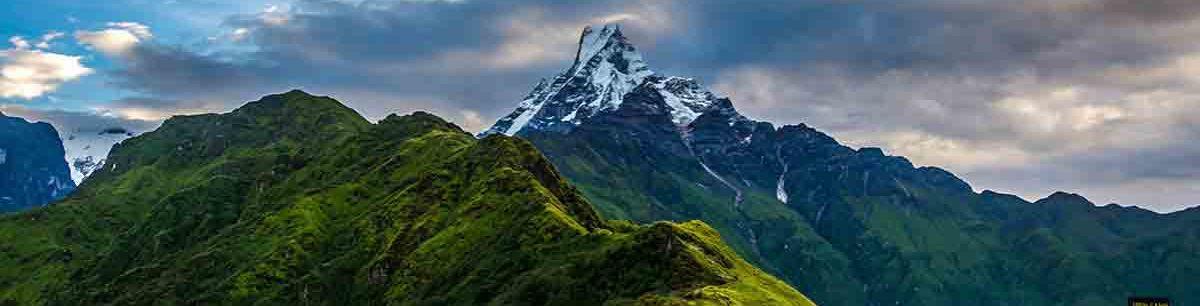
Nepal Unveiled: A Transformational Himalayan Journey Through Culture, Nature, and Spirit in 2026

Travelers searching for a destination that blends breathtaking landscapes, living traditions, and timeless spirituality often find themselves drawn to Nepal. Few places on Earth offer such a powerful meeting point between natural grandeur and human devotion. As soon as you land, towering snow peaks, ancient temples, and warm smiles create an atmosphere where mountains and gods truly meet.

This comprehensive guide explores how you can plan your ultimate Nepal journey in 2026—one that goes beyond sightseeing and becomes an experience of personal meaning. You will learn what makes Nepal spiritually profound, culturally rich, and adventure-ready, along with recommended routes, budgets, itineraries, and travel insights for a life-changing trip.


Nepal in 2026: Why This Is the Perfect Year to Visit

Nepal continues to grow as a global travel destination, yet it maintains an authentic identity that visitors deeply appreciate. In 2026, several developments make it even more appealing:

1. Improved Travel Infrastructure
Upgraded highways, expanded regional airports, and smoother domestic flights are reducing travel time between major destinations.

2. Enhanced Trekking Routes
Communities along popular trails—Everest, Annapurna, Langtang—have invested in safer pathways, better lodges, and digital connectivity.

3. Sustainable Tourism Practices
Eco-lodges, community homestays, and conservation partnerships are reshaping how visitors experience rural Nepal while benefiting local people.

4. Cultural Renaissance
Temple restoration in Kathmandu Valley and investment in heritage preservation ensure travelers can witness Nepal’s past more vividly than ever.

With these improvements, 2026 offers an ideal moment to explore Nepal’s soul.


Where Spirituality and Daily Life Intertwine

Nepal is a rare place where religion is not an isolated practice but part of everyday rhythm. Temples hum with activity from dawn to dusk. Mountains themselves are considered deities. Ancient legends blend seamlessly with the lives of modern communities.

Kathmandu Valley: The Spiritual Heart

The capital region houses seven UNESCO World Heritage Sites. Among them:

  • Pashupatinath Temple – the holiest Hindu Shiva shrine outside India
  • Boudhanath Stupa – a centerpiece of Tibetan Buddhist pilgrimage
  • Swayambhunath Stupa – an ancient hilltop shrine with sweeping valley views
  • Patan Durbar Square – a living museum of Newari art and architecture

Exploring these sites offers a window into continuity—rituals performed in the same manner for centuries, artisans preserving ancestral crafts, and pilgrims walking paths worn by countless generations.

The Sacred Himalayas

Outside the cities, mountains rise as silent guardians. Many travelers describe the Himalayas not only as beautiful but transformational. Peaks such as Ama Dablam, Machhapuchhre, and Langtang Lirung are worshipped as deities, and visiting them is as much a spiritual experience as a physical journey.


A Cultural Mosaic Unlike Anywhere Else

Nepal’s culture is shaped by more than 125 ethnic groups and over 100 languages. This diversity creates a vibrant mix of:

  • Food traditions (Newari feasts, Thakali meals, Sherpa soups)
  • Festivals (Holi, Dashain, Tihar, Indra Jatra, Lhosar)
  • Traditional music and dances
  • Handicrafts and artisan communities
  • Clothing styles and regional architecture

Travelers who venture beyond the major cities often find incredibly welcoming communities eager to share their stories and heritage.


Epic Landscapes for Every Traveler

Nepal’s landscapes range from lush rice terraces to frozen summits and subtropical forests. Because of this diversity, your journey can be as relaxed or as adventurous as you want.

The Majestic Himalayas

Home to eight of the world’s fourteen highest peaks, the Himalayas attract trekkers, climbers, photographers, and seekers. Popular journeys include:

Each trek offers a different blend of scenery, culture, and challenge.

The Lake City of Pokhara

Pokhara provides a calm counterpoint to Kathmandu. With its lakeside promenade, mountain reflections, and soft breezes, it is a place for rest, adventure, or contemplation. Activities include:

  • Paragliding
  • Boating on Phewa Lake
  • Sunrise views from Sarangkot
  • Caves and waterfalls
  • Yoga and wellness retreats

The Terai: Nepal’s Wild Heart

Further south lies a contrasting landscape of jungle plains and wildlife preserves. In Chitwan and Bardia National Parks, travelers can encounter:

  • One-horned rhinos
  • Bengal tigers
  • Wild elephants
  • Crocodiles
  • Hundreds of bird species

This region is ideal for safari lovers and families.


Planning Your Ultimate Nepal Journey in 2026

Designing a meaningful trip requires understanding Nepal’s seasons, costs, transportation, and routes.

Best Time to Visit Nepal

The ideal months depend on your interests:

  • Autumn (September–November): Clear skies, stable weather, best trekking conditions
  • Spring (March–May): Rhododendron blooms, moderate temperatures
  • Winter (December–February): Quiet trails, crisp views, great for cultural travel
  • Summer/Monsoon (June–August): Green landscapes, fewer travelers, best for Mustang or Tibet-border regions

For treks like Everest, Annapurna, or Langtang, autumn and spring remain unmatched.


How Long Should You Stay?

Most travelers spend between 10 and 21 days in Nepal. Here are recommended durations based on interest:

  • Culture-focused: 7–10 days
  • Short trekking + culture: 10–14 days
  • Classic Everest Base Camp: 12–14 days
  • Annapurna Circuit: 14–18 days
  • Upper Mustang or Manaslu: 14–21 days

A three-week trip allows time to explore both cultural regions and the mountains.


Sample 14-Day “Nepal Soul Journey” Itinerary

Days 1–3: Kathmandu Valley

  • Pashupatinath
  • Boudhanath
  • Patan and Bhaktapur
  • Traditional cooking class or artisan workshop

Days 4–6: Pokhara and Surroundings

  • Phewa Lake
  • Peace Pagoda
  • Sunrise at Sarangkot
  • Optional paragliding

Day 7–12: Himalayan Trekking (choose Annapurna or Everest region)

  • Village teahouses
  • Guided trekking
  • Cultural immersion
  • Mountain panoramas

Day 13–14: Chitwan National Park

  • Jeep safari
  • Canoeing
  • Tharu cultural performance

This itinerary blends spirituality, adventure, relaxation, and wildlife into a balanced journey.


Budget Guide for Nepal Travel in 2026

A comfortable mid-range traveler can expect:

Accommodation

  • Budget guesthouse: $15–$25/night
  • Mid-range hotel: $40–$70/night
  • Upscale boutique: $90–$200/night

Food

  • Local meals: $3–$6
  • Tourist restaurants: $8–$15
  • High-end dining: $25–$40

Transportation

  • Domestic flights: $80–$180
  • Private car hire: $40–$120/day
  • Tourist buses: $15–$30

Trekking Costs

  • Guided trek (per day): $40–$80
  • Permits (varies by region): $30–$100+
  • Equipment (rent/buy): $50–$200

Overall Trip Cost

  • Budget traveler: $800–$1,200 (10 days)
  • Mid-range traveler: $1,500–$2,400 (10–14 days)
  • Luxury traveler: $3,500+

Nepal remains one of the best-value destinations for extended travel.


Choosing the Right Journey: What Kind of Traveler Are You?

The Spiritual Explorer

Seek temples, meditation centers, and sacred mountains.
Ideal route: Kathmandu → Namobuddha → Pokhara → Lumbini

The Adventurer

Goal: trekking, rafting, paragliding, or peak climbing.
Ideal route: Everest or Annapurna trekking + Pokhara

The Cultural Traveler

Focus on heritage towns, artisan workshops, festivals.
Ideal route: Kathmandu Valley + Bandipur + Pokhara

The Wildlife Lover

Head south to Nepal’s jungle parks.
Ideal route: Chitwan or Bardia + Lumbini

The Balanced Traveler

Blend the best of all landscapes.
Ideal route: Kathmandu → Pokhara → short trek → Chitwan


What Makes Nepal a Soul-Stirring Destination?

Travelers often say Nepal gives them:

  • A deeper sense of perspective
  • A connection to nature
  • Space for personal reflection
  • Encounters with warm and generous communities
  • A feeling of being welcomed like family
  • Memories that influence their life long after returning home

This is why so many visitors describe their trip to Nepal not just as a holiday but a transformation.


Final Thoughts: Your 2026 Journey Awaits

Nepal is much more than a destination. It is a place where towering peaks meet ancient temples, where tradition blends with modernity, and where travelers discover something profound within themselves. Whether you seek adventure, culture, spirituality, or personal renewal, Nepal offers a journey that resonates deeply.

In 2026, improved infrastructure, expanded trekking services, and renewed cultural preservation make it the perfect year to experience Nepal’s soul. Plan thoughtfully, travel with intention, and embrace the country’s rhythms. The Himalayas—and the people who live in their shadows—will welcome you with open arms.

Nepal Tour FAQs: How Many Days Should I Spend in Nepal? (Complete Travel Guide 2026)

Planning a trip to Nepal often starts with one important question: How many days should I spend in Nepal?
Because Nepal offers everything—from Himalayan trekking to cultural immersion, jungle adventures, spiritual retreats, and short city tours—the ideal trip length depends on your travel style and your goals.

This comprehensive guide explains the best trip durations, itinerary options, cost expectations, travel tips, and frequently asked questions. Whether you want a quick getaway or a full Himalayan expedition, this Nepal travel FAQ will help you choose the perfect itinerary.


Why Trip Duration in Nepal Matters

Nepal may look small on the map, but traveling between destinations takes time. Roads are winding, mountain regions require multiple days of trekking, and cultural cities deserve slow exploration. Because of these factors, deciding how many days you should spend in Nepal has a big impact on your travel quality.

Most travelers underestimate distances and end up rushing their trip. A well-planned duration ensures:

  • Enough time for acclimatization
  • Flexible sightseeing
  • Safer trekking conditions
  • Lower travel stress
  • Smoother transitions between cities

A little planning makes your trip far more enjoyable.


How Many Days Should I Spend in Nepal? (Short Answer)

Here is the simplified guideline:

Trip LengthIdeal ForWhat You Can Do
3–4 daysVery short tripsKathmandu city tour + short nature experience
5–6 daysShort cultural vacationsKathmandu + Pokhara or short trek
7–9 daysBalanced tripCities + Himalayan views + adventure
10–14 daysPopular choiceCultural sightseeing + multi-day trek
15+ daysTrekking holidaysLonger treks like Everest Base Camp or Annapurna Circuit

For most travelers, the best recommendation is:

👉 Spend at least 7–10 days in Nepal for a balanced and fulfilling experience.

But to help you choose precisely, the next sections explain each option in detail.


3–4 Days in Nepal: Best for Transit Travelers & Short Getaways

If you are visiting Nepal on a short break or stopping over en route to another destination, a 3–4 day itinerary gives you a quick introduction to the country.

What You Can Do in 3–4 Days

Kathmandu Valley Highlights

  • Kathmandu Durbar Square
  • Pashupatinath Temple
  • Boudhanath Stupa
  • Swayambhunath (Monkey Temple)
  • Patan Durbar Square

Optional Add-Ons

  • Day trip to Nagarkot for sunrise
  • Chandragiri Hills cable car
  • Short hike around Shivapuri National Park

You will not have enough time for long treks, but you can enjoy great food, ancient temples, vibrant markets, and mountain views.

Best For: Business travelers, regional visitors, solo travelers on a quick break.


5–6 Days in Nepal: Perfect for Short Cultural + Nature Itineraries

With 5–6 days, you can add a second destination beyond Kathmandu or do a light trek.

Popular Options

  1. Kathmandu + Pokhara (5–6 Days)
    • Cultural sightseeing in Kathmandu
    • Scenic flight or drive to Pokhara
    • Boating on Phewa Lake
    • Sarangkot sunrise over the Himalayas
  2. Short Treks (3 Days Trek + City Tour)
    • Ghorepani–Poon Hill trek
    • Nagarkot–Chisapani trek
    • Dhampus/Australian Camp trek
  3. Jungle Adventure in Chitwan
    • Jungle safari
    • Canoeing
    • Tharu cultural program

Best For: Couples, families, group trips, photography lovers.


7–9 Days in Nepal: The Most Balanced & Popular Travel Duration

Many travelers wonder: How many days should I spend in Nepal if I want both culture and Himalayan scenery?
The answer is 7–9 days.

This duration gives you flexibility and a more immersive experience. You can explore two major cities and still add a short trek or adventure activity.

Top 7–9 Day Itineraries

Option 1: Kathmandu + Pokhara + Chitwan

  • UNESCO heritage sites
  • Mountain views and lakes
  • Wildlife safari

Option 2: Short Trek Combination

  • 2 days in Kathmandu
  • 2–3 days trekking
  • 2 days in Pokhara

Great trekking options include:

  • Poon Hill
  • Mardi Himal base viewpoints
  • Helambu trek

Option 3: Cultural + Adventure Combo

  • White-water rafting
  • Paragliding in Pokhara
  • Mountain flight to Everest

This duration is ideal if you want both comfort and adventure without rushing.


10–14 Days in Nepal: Best for Trekkers and Explorers

If your main goal is to trek in the Himalayas, this is the perfect duration. You can complete a classic Nepal trek and still spend a few days exploring cultural cities.

Top Treks You Can Do in 10–14 Days

1. Everest Base Camp Trek (12–14 Days)

  • Fly to Lukla
  • Trek through Namche Bazaar
  • Stand at the foot of Everest

2. Annapurna Base Camp (ABC) Trek (10–12 Days)

  • One of Nepal’s most scenic trekking routes
  • Stunning sunrise at Annapurna Sanctuary

3. Langtang Valley Trek (8–10 Days)

  • Valley of glaciers
  • Shorter alternative to Everest and Annapurna routes

Why 10–14 Days Is Ideal

  • Proper altitude acclimatization
  • Time for cultural sightseeing
  • Lower risk of altitude sickness
  • Enough flexibility for weather delays

Best For: Trekking enthusiasts, adventure lovers, outdoor photographers.


15–21 Days in Nepal: For Long Treks & Deep Cultural Immersion

If you want to experience Nepal in depth, a long trip allows you to combine:

  • Long treks
  • Cultural cities
  • Mountain villages
  • Wildlife experiences
  • Adventure sports

Famous Long Treks

  • Annapurna Circuit (14–18 Days)
  • Manaslu Circuit Trek (14–17 Days)
  • Upper Mustang Trek (10–14 Days but remote)
  • Kanchenjunga Trek (18–21 Days)

This is the ideal duration for travelers who want to explore Nepal beyond the main tourist routes.


How Many Days Should I Spend in Nepal for Trekking?

Here’s a quick guide based on trek difficulty:

Trek LevelRecommended DaysExample Treks
Easy3–5 daysDhampus, Nagarkot, Poon Hill
Moderate6–10 daysMardi Himal, Langtang, ABC short version
Hard12–16 daysEverest Base Camp, Annapurna Circuit
Remote / Expedition Style14–21+ daysManaslu, Upper Dolpo, Kanchenjunga

If trekking is your priority, always choose a trip long enough for acclimatization to avoid altitude sickness.


Cost Expectations Based on Trip Duration

Another factor in deciding how many days to spend in Nepal is your budget.

Per-Day Estimate

  • Budget: $30–$50 per day
  • Mid-range: $60–$120 per day
  • Luxury: $150–$300+ per day

Treks add costs for:

  • Guides
  • Porters
  • Permits
  • Flights (e.g., to Lukla)

Longer treks typically require a higher budget.


Best Time to Visit Nepal (Helps Decide Trip Duration)

Peak Seasons (Ideal)

  • Autumn (Sept–Nov)
  • Spring (Mar–May)

Clear skies, best mountain visibility, comfortable temperatures.

Good Seasons

  • Winter (Dec–Feb)
    Less crowded, ideal for cultural travel and low-altitude treks.

Monsoon (Jun–Aug)

Green landscapes, less crowd, but trekking trails may be affected by rain.

Your travel month may influence how many days you want to spend in Nepal.


Factors That Determine Your Ideal Trip Duration

Still wondering how many days you should spend in Nepal? Your goals matter most.

1. Purpose of Travel

  • Trekking → 10–16 days
  • Cultural tour → 5–7 days
  • Family holiday → 6–9 days
  • Adventure sports → 7–10 days

2. Your Fitness Level (for trekkers)

Higher altitude treks require more days.

3. Budget

Longer trips need higher budgets.

4. Travel Style

  • Slow travelers: 12–20 days
  • Fast travelers: 5–10 days

5. Number of Destinations

More destinations = more days needed because of road conditions.


Frequently Asked Questions (Nepal Tour FAQs)

1. Is 7 days enough for Nepal?

Yes. One week is perfect for Kathmandu + Pokhara, or a short trek.

2. Is 10 days enough for Nepal?

Absolutely. With 10 days, you can do a trek and still have time for cultural sightseeing.

3. How many days do I need for Everest Base Camp?

12–14 days is the standard duration.

4. How many days for Kathmandu alone?

2–3 days is enough for major heritage sites.

5. Should I add Pokhara to my itinerary?

Yes. Pokhara is peaceful, scenic, and perfect for views of Annapurna and Machhapuchhre.

6. Can I visit Nepal for 3 days?

Yes, but it will be a short cultural trip centered around Kathmandu.

7. Is Nepal expensive?

Nepal is one of the most affordable travel destinations in Asia. Trekking packages cost more, but everyday travel is budget friendly.

8. Is Nepal good for family travel?

Yes. Cities like Pokhara and Chitwan are great for families.


Final Recommendation: How Many Days Should You Spend in Nepal?

If you want a simple answer:

👉 Spend 7–10 days in Nepal for the best overall experience.

This duration gives you enough time to explore Kathmandu, enjoy Pokhara, and add a small trek or adventure activity.
For trekking-focused holidays, plan 10–16 days depending on the route.

Nepal Tour and Hair Transplant Services: A Complete Guide 

Nepal, a country renowned for its stunning landscapes, cultural heritage, and vibrant history, is quickly becoming a hub for medical tourism, particularly for hair transplant services. Tourists and locals alike are now able to combine their travel adventures with affordable, high quality medical treatments.  Whether you’re exploring the heights of the Himalayas, visiting ancient  temples, or rejuvenating your appearance, Nepal offers a unique experience for travelers and  medical tourists. 

This article will provide a detailed overview of what to expect from a tour in Nepal, the growing hair transplant industry, and how to combine both for a seamless experience. 

1. Exploring Nepal: A Traveler’s Paradise 

Nepal is a land of contrasts. From the soaring peaks of the Himalayas to the low lying Terai plains, the country offers an unparalleled range of experiences for tourists. Here’s what makes Nepal an unforgettable destination: 

1.1 Trekking in the Himalayas 

Nepal is home to eight of the world’s ten highest peaks, including Mount Everest.  For adventure  seekers, trekking in Nepal offers an opportunity to witness some of the most breathtaking landscapes on Earth. The Annapurna Circuit, Everest Base Camp Trek, and the Langtang Valley Trek are among the most popular trekking routes, attracting hikers from all over the world. 

1.2 Cultural and Historical Experiences 

Nepal’s history dates back thousands of years, and its culture is deeply rooted in Hinduism and Buddhism. In Kathmandu, the capital city, visitors can explore UNESCO World Heritage Sites like Swayambhunath (the Monkey Temple), Boudhanath Stupa, and Pashupatinath Temple. These spiritual and historical landmarks offer a glimpse into Nepal’s religious significance and its rich cultural heritage. 

1.3 Wildlife and Nature 

For nature lovers, Nepal is home to a diverse range of flora and fauna. Chitwan National Park and Bardia National Park are popular spots for jungle safaris, where visitors can see rare species such as the Bengal tiger, one horned rhinoceros, and various exotic birds. 

1.4 Adventure Sports 

If you’re an adrenaline junkie, Nepal won’t disappoint. White-water rafting, paragliding over Pokhara, bungee jumping near the Bhote Koshi River, and mountain biking are just a few of the many adventure sports available. 

1.5 Cuisine and Hospitality 

Nepalese food is a delightful fusion of flavors influenced by India, Tibet, and China. While visiting, you must try traditional dishes like momo (dumplings), dal bhat (lentil soup with rice), and thukpa (noodle soup). The country’s warm and welcoming hospitality ensures that tourists feel at home throughout their stay. 

2. Hair Transplant Services in Nepal: A Growing Industry 

Over the past decade, Nepal has gained a reputation as an affordable destination for medical tourism, particularly for hair transplant procedures. As more and more people seek to restore their hairlines and boost their confidence, the demand for high-quality yet affordable hair transplant services has surged. 

2.1 Why Choose Nepal for a Hair Transplant? 

There are several reasons why Nepal has become a sought-after destination for hair transplants: 

Affordability: Hair transplant procedures in Nepal are significantly less expensive than in Western countries or other medical tourism destinations like Turkey. Patients can save up to 50-70% on the cost of a procedure without compromising on quality. 

Experienced Surgeons: Nepal is home to well trained, experienced hair transplant surgeons who are skilled in the latest techniques , such as Follicular Unit Extraction (FUE) and Follicular Unit Transplantation (FUT). Many of these professionals have trained or practiced abroad, bringing international standards to Nepalese clinics. 

State-of-the Art Facilities: Clinics in Kathmandu and other major cities are equipped with modern technology and facilities that adhere to global standards. Patients can expect a clean, professional environment and excellent aftercare. 

Combined Medical Tourism: Since Nepal is already a popular tourist destination, visitors can combine their hair transplant procedure with sightseeing and relaxation. Patients can recover in serene surroundings, with minimal stress and distractions. 

2.2 Types of Hair Transplant Procedures Available in Nepal 

Hair transplant clinics in Nepal offer several types of hair restoration procedures, tailored to individual needs and preferences. The most common methods include: 

Follicular Unit Extraction (FUE): In this minimally invasive technique, individual hair follicles are extracted from the donor area (usually the back of the scalp) and implanted into the balding or thinning areas. FUE leaves no linear scars and has a faster recovery time than FUT. 

Follicular Unit Transplantation (FUT): Also known as the strip method, FUT involves removing a strip of scalp tissue from the donor area, from which individual follicular units are dissected and transplanted. While this method can leave a linear scar, it is often preferred for larger transplants. 

Platelet-Rich Plasma (PRP) Therapy: Some clinics offer PRP therapy in conjunction with hair transplants. PRP involves drawing the patient’s blood, processing it to concentrate platelets, and then injecting the plasma into the scalp to promote healing and hair growth. 

2.3 The Cost of Hair Transplants in Nepal 

The cost of a hair transplant in Nepal can vary depending on the clinic, the type of procedure, and the number of grafts required. On average, the price for FUE ranges from $1,000 to $3,500, while FUT may cost between $800 and $2,500. These prices are considerably lower than in countries like the United States or the United Kingdom, where similar procedures can cost upwards of $10,000. 

2.4 Top Hair Transplant Clinics in Nepal 

Some of the best hair transplant clinics in Nepal are located in Kathmandu and other major cities. They offer competitive pricing, experienced surgeons, and modern facilities. Some of the most well-known clinics include: 

Kathmandu Skin Hospital and Cosmetic Surgery: This clinic offers both FUE and FUT hair transplant methods. They have a team of experienced dermatologists and cosmetic surgeons who specialize in hair restoration. 

Eden Aesthetics and Hair Transplant Center: Known for offering advanced hair transplant techniques like DHI (Direct Hair Implantation), this clinic in Kathmandu focuses on providing personalized care to each patient. 

Nirvana Aesthetics Clinic: Located in the heart of Kathmandu, this clinic offers a range of cosmetic treatments, including FUE and FUT hair transplants. 

3. Combining a Nepal Tour with a Hair Transplant Procedure 

For those considering a hair transplant in Nepal, combining the procedure with a tour of the country can be a rewarding and memorable experience. Here’s how you can plan your medical tourism trip: 

3.1 Pre-Treatment Exploration 

Before your hair transplant procedure, take some time to explore Nepal. Depending on your interests, you could: 

∙Visit the temples and markets of Kathmandu 

∙Embark on a short trek around the Kathmandu Valley or Pokhara 

∙Experience the tranquility of Buddhist monasteries 

Exploring these destinations before your procedure allows you to enjoy physical activities like trekking without worrying about the post-operative recovery period. 

3.2 The Procedure and Recovery 

Once you’ve enjoyed some sightseeing, it’s time for the hair transplant procedure. Most clinics require only one or two days for the actual treatment, followed by a short recovery period. After the procedure, you’ll need to take care of your scalp and avoid strenuous activities for a few days. 

During the recovery period, you can relax at a serene hotel, guesthouse, or even visit some of Nepal’s more laid-back attractions, such as: 

Pokhara: This lakeside city offers stunning views of the Annapurna range and peaceful surroundings, perfect for posttreatment recovery. Enjoy a boat ride on Phewa Lake or visit the World Peace Pagoda for a calming experience. 

Nagarkot: Known for its panoramic views of the Himalayas, Nagarkot is a hilltop destination that offers tranquility and fresh air. It’s an ideal spot to rest and recover while enjoying the natural beauty of Nepal. 

3.3 Post-Treatment Relaxation 

As you recover from your hair transplant, you can take advantage of Nepal’s wellness retreats and spa facilities. Several hotels in Kathmandu, Pokhara, and other tourist areas offer massage therapy, yoga classes, and Ayurvedic treatments to help you unwind. 

4. Tips for a Successful Hair Transplant and Nepal Tour 

Choose a Reputable Clinic: Research the clinic thoroughly before booking. Look for reviews, check the credentials of the surgeons, and ask for before-and-after photos of previous patients. 

Consultation and Planning: Have an in-depth consultation with the clinic prior to your trip. This will allow you to understand the process, timeline, and post-operative care instructions. 

Plan Recovery Time: Make sure you allocate enough time for recovery. While the procedure is minimally invasive, it’s essential to rest and avoid activities like trekking for at least a few days post-surgery. 

Combine Wellness with Adventure: Balance your trip by mixing adventure activities before your surgery and wellness or cultural experiences afterward. 

Conclusion 

Nepal is not only a dream destination for adventure seekers and cultural enthusiasts but also a growing hub for affordable hair transplant services. By combining a Nepal tour with a hair transplant procedure, you can enjoy the best of both worlds—transformative travel and transformative care. With modern clinics, experienced surgeons, and the backdrop of the majestic Himalayas, Nepal offers a unique experience for those looking to restore their hair and their sense of wonder. 

Nepal Tour Complete Guide and FAQs

Nepal is one of the few nations in the world that provides a well-coordinated package for independent travel. This country gives its guests a sense of “Nirvana” that few other nations can match. Cities in Nepal like Pokhara and Thamel, with their plethora of lively cafés, pizzerias, bakeries, and hiking shops, will transport you to Disneyland, with the exception that you are a traveler seeking adventure.

Nepal tour packages are full of surprises and exploration of the Himalayan Mountains’ wide stretches and lush valleys. It allows you to experience the nation’s wholeness and divine, which is full of calm and harmony.

Nepal Tour Highlights:

  • Visiting Nepal’s most popular tourist attractions in Kathmandu Valley, including Kathmandu, Bhaktapur, and Patan, the country’s three most stunning “medieval kingdoms.”
  • In Kathmandu, visit Buddhist and Hindu religious historical, pilgrimage, and cultural world heritage sites.
  • Elephant back safaris, elephant bathing, canoeing, jungle walks, visits to Elephant Breeding Centers, village walks, bird watching, Tharu cultural programs, and sunset viewing from the riverbank are all popular activities in Chitwan National Park.
  • This trip includes a spectacular sunrise and sunset view of Nepal from Sarangkot Pokhara (City of Lake), as well as boating, a beautiful waterfall, and a cave.
  • Without trekking from Pokhara, you may enjoy panoramic views of Mt. Annapurna, the world’s highest mountain.
  • Sunrise, Sunset, and a Panoramic view of the Himalaya range from Bandipur provide another excellent opportunity to discover green hills, clean and fresh atmosphere.

Nepal Tour Major Attractions:

let us look at the best places to visit in Nepal and the top sites in each city.

Kathmandu:

Kathmandu is a historic city with a variety of cultural heritage monuments dedicated to Hindu and Buddhist spiritual pilgrims.

Pashupatinath temple, Swayambhunath Stupa, and Boudhanath Stupa are among the fascinating heritage monuments. Kathmandu Durbar Square, Patan Durbar Square, and Bhaktapur Durbar Square are among the valley’s historical palaces.

Pokhara:

Pokhara, the City of Lakes, is dominated by several natural attractions such as David Falls, the Seti River Gorge, the steep environs of Fewa Lake, and the scenic Annapurna and Fishtail peaks.

Even cultural sites and visiting centers such as the World Peace Stupa, Matepani Monastery, and others allow you to spend quality time. Pokhara sightseeing trip gives you a wonderful opportunity to see the wonderful city as well as the Himalayan sunrise vista from Sarangkot.

Bandipur:

Bandipur is regarded as one of Nepal’s most picturesque towns, as well as a living museum of Newari culture and traditions that has been charmingly preserved in the community. It is apparent that a great deal of effort has gone into making the town tourism-friendly while keeping its original beauty and mystique.

Temples and other civil structures have been repaired to prevent them from damaging, while abandoned buildings have been converted into eccentric cafes and lodges. This town includes beautiful 18th-century architecture, as well as an exclusive pedestrian zone and cafes and restaurants with outside eating, giving it a European flavor.
It’s a one of a kind town to visit in Nepal, and it’s a must-see on every Nepal holiday package.

Chitwan National Park:

The Royal Bengal Tiger, One-Horn Rhino, crocodile, and musk deer are among the endangered species found in Chitwan National Park. The national park, which was established in 1973 A.D. and was designated as a world heritage site in 1984, encompasses 952.6 km2.

Sal trees, Chir pine, rosewood, axle wood, and meadows are among the riverine forests found there. There are almost 700 different species of wildlife, including 68 animal species and 543 bird species.

Various Tharu indigenous settlements may be found in the Chitwan National Park, and they are known for their ethnic hospitality, unique cultural traditions, rituals, and traditional foods. The Tharu cultural groups are well-known for their stick dance, which they perform.

Lumbini:

Lumbini is the birthplace of Lord Buddha, a pioneer who propagated the teachings of peace and prosperity, who was born around 2500 years ago.

In Lumbini, you may experience the unique scenery of a variety of historic temples, including the Mayadevi temple, Puskarini pond, Ashoka’s Pillar, monasteries from all over the world, a lovely garden, and many other sites to make your day very wonderful.

Tilaurakot, a prominent Buddhist mythological site, is still open for exploration.

Cost/ Package/ Price for Nepal Tour:

The itinerary we have designed is a very affordable and all-inclusive package suitable for solo travelers to group.

As the price/cost totally depends upon the nature of the tour you take and other personal expenses, but the average budgeted trip cost starts from $750/ person to $1100.

The cost may vary upon seasons. There might be some extra costs to enter the restricted and prohibited places during the tour.

Best Season for Nepal Tour:

The best months to visit are March to May in the spring season, and October to February in the fall and winter seasons.

Much longer daylight hours between March and May, when green hills are bright and lovely with wild flowers in full bloom, particularly rhododendron of many varieties, making the walk more intriguing and unique.

Most days are clear from early morning to late afternoon, but there is a chance of snow in the morning and evening at higher elevations. From mid-September to mid-February, most days are crystal clear from morning to mid-afternoon, days are shorter, as are sunlight hours, and it is significantly colder, with freezing temperatures in the morning and night in the shade.

Nepal Tour Faqs:

Is Nepal a safe country to travel to?

Yes, Nepal is one of the safest country to travel solo or with family even during the night time. The people there respects the tourist and show the greatest gratitude.

How much does a Nepal trip cost?

A 7-day vacation to Nepal costs an average of $999 for a single traveler, $1800 for a couple, and $1850 for a family of four. Hotels in Nepal cost between $25 and $135 per night on average, whereas most vacation rentals cost between $25 and $240 per night for the entire house.

Is Bandipur Nepal worth visiting?

Not only is the village worthwhile, but the climb to Ramkot is also lovely. You stroll around mountain ridges with views of green rice fields, lowlands, and the white Himalayan peaks in the distance.

How do I get from Kathmandu to Bandipur?

The distance from Kathmandu is 91 miles (147 kilometers), and the only method to get there is by road, but there are a few possibilities. The fastest and most practical alternative is to arrange a private shuttle, but buses are also available—either way, the route is slow-going on a motorway prone to traffic.

How long is the drive from Kathmandu to Chitwan?

The overland travel from Kathmandu to Chitwan National Park takes roughly five hours on a good day. It’s a beautiful trip that follows the Trisuli Valley for much of the way, with its steep, forested hills and farming communities, before turning south at Mugling and heading for the plains.

How long is the bus ride from Kathmandu to Pokhara?

The bus from Kathmandu to Pokhara should take roughly 8 to 9 hours on average.

How do I get from Pokhara to Chitwan?

Take a direct flight from Pokhara to Chitwan, which takes about 20 minutes. Only Buddha Air flies directly from Pokhara to Bharatpur on a regular basis. Or you could also take roadway which takes about 5 hours on average.

What is the best season for this tour?

The best season to visit Pokhara, Kathmandu and Chitwan are during Spring (March May) and Autumn (September October).

What is the cost for the trip?

The cost varies upon the type of tour you take; on an average it ranges from $850- $1100 per person.

Feel Free To Contact Us: