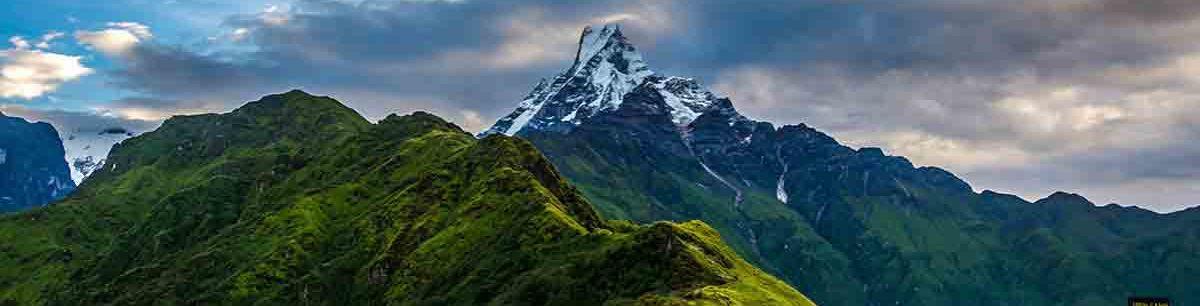
Nepal Trekking Budget 2026: How Much Does It Cost to Go on a Trek in Nepal?

Trekking in Nepal remains one of the world’s most inspiring travel experiences. Every year, thousands of trekkers arrive in Kathmandu seeking Himalayan scenery, cultural immersion, and unforgettable adventure. Yet one question consistently comes up during trip planning: How much does it cost to go on a trek in Nepal in 2026?

Because Nepal’s trekking environment changes each year—permit fees, accommodation standards, transportation costs, and guide regulations—travelers need updated budgeting guidance. This 2026 real budget guide explains Nepal trekking costs in detail, including average daily expenses, cost breakdown by region, and how pricing differs for guided and independent trekkers. You will also learn how seasonal variations, new rules, and personal comfort preferences affect your overall trekking budget.

This comprehensive resource is designed to help you plan wisely and enjoy the Himalayas with clarity and confidence.


Why Trekking Costs in Nepal Matter More in 2026

Trekking in Nepal used to be one of the most inexpensive adventure experiences on earth. While it still offers excellent value, several cost factors have shifted:

  1. Mandatory guide requirement for popular trekking regions (introduced in 2023 and continuing into 2026).
  2. Increased transportation prices, especially for long-distance routes.
  3. Higher permit fees in specific restricted areas.
  4. Accommodation rates rising in regions such as Everest and Annapurna.
  5. Greater demand for comfortable lodges and better meals among modern trekkers.

Understanding these shifts helps trekkers prepare realistic budgets and avoid unwelcome surprises during the journey.


How Much Does It Cost to Go on a Trek in Nepal? (2026 Budget Overview)

Your total trekking cost in Nepal depends on where you trek, how long you trek, and the service level you expect. However, most travelers fall into three spending categories:

Budget Trekker (Independent-style with mandatory guide): $35–$60 per day

  • Basic teahouse rooms
  • Simple meals (dal bhat, noodles, soups)
  • Shared transport (buses)
  • A local guide at minimum cost
  • No luxury items

Standard Trekker (Most popular choice): $60–$120 per day

  • Mid-range lodges
  • Wider meal selection
  • Domestic flights (Lukla, Pokhara)
  • Experienced guide + porter
  • Hot showers and occasional Wi-Fi

Comfortable / Luxury Trekker: $150–$350+ per day

  • Luxury lodges in Everest/Annapurna
  • Private transportation
  • Highly trained guides
  • Better meals, heating, and Western-style amenities

These ranges do not include permits or travel insurance, which can add $100–$300 depending on the trek.


Major Cost Components of Trekking in Nepal (2026 Breakdown)

To create an accurate 2026 trekking budget, you need to understand each cost element. Below is a comprehensive analysis.

Trekking Permits and Entry Fees (2026)

Everest Region

  • Sagarmatha National Park: $30 + VAT
  • Khumbu Pasang Lhamu Entry Fee: $20
    Total: ~$50

Annapurna Region

  • ACAP Permit: $30
  • TIMS Card: $20
    Total: ~$50

Langtang Region

  • Langtang National Park Permit: $30
  • TIMS Card: $20
    Total: ~$50

Restricted Areas (2026 updated structure)

Restricted regions are more expensive because they require a special permit and a registered guide.

RegionPermit Cost (2026)
Upper Mustang$50 per day (new rule replacing old $500 flat fee)
Manaslu$100 first week + $15/day afterward
Dolpo$20 per week (Lower), $50 per day (Upper)
Nar Phu$100 per week

They are the most expensive places to trek, but the cultural and natural rewards are unmatched.


Guide and Porter Fees (Mandatory in 2026)

Guide Costs

A certified guide typically costs:

  • $25–$40 per day (standard)
  • $40–$70 per day (highly experienced or specialty guide)

Porter Costs

A porter costs:

  • $20–$28 per day and carries 20–25 kg

Why Guides Are Now Mandatory

Nepal’s Tourism Board confirmed mandatory guide requirements to:

  • Improve safety
  • Support local employment
  • Reduce cases of missing trekkers
  • Increase environmental protection

This rule affects popular routes like Everest Base Camp, Annapurna Circuit, and Langtang Valley.


Accommodation Costs (Teahouses and Lodges)

Teahouse lodging varies greatly by region and elevation.

Low Elevation (Below 3,500 m)

  • $5–$10 per night

Mid-Elevation (3,500 m–4,500 m)

  • $7–$15 per night

High Elevation (Over 4,500 m)

  • $10–$20 per night

Luxury Lodges (Everest & Annapurna only)

  • $120–$400+ per night

Accommodations are basic: wooden beds, shared bathrooms, and limited heating. Expect to pay extra for:

  • Hot showers: $2–$5
  • Wi-Fi: $2–$5
  • Device charging: $2–$5 per hour

Food and Drinks Costs

Food becomes a major cost on longer treks.

Meal Prices (Typical)

  • Breakfast: $4–$8
  • Lunch: $5–$10
  • Dinner: $6–$12

Dal bhat is the best value because refills are free in most areas.

Extras

  • Tea/coffee: $2–$5
  • Bottled water: $1–$4 (much more at altitude)
  • Snacks: $3–$8

Average food cost per day:

  • $20–$30 standard
  • $40+ for more variety or high-elevation routes

Transportation Costs (2026 Overview)

Transportation is one of the most variable cost categories.

Domestic Flights

  • Kathmandu–Lukla: $180–$220 (one way)
  • Pokhara–Jomsom: $100–$130
  • Kathmandu–Pokhara: $60–$90

Private Jeep / Car

  • Kathmandu–Pokhara: $120–$160
  • Kathmandu–Syabrubesi (Langtang): $130–$180
  • Pokhara–Nayapul: $25–$35

Public Bus / Shared Transport

  • Kathmandu–Pokhara (tourist bus): $12–$25
  • Kathmandu–Syabrubesi (local bus): $10–$15

Flights shorten schedules but increase cost dramatically.


Trekking Equipment Costs

If you already own outdoor gear, this may be minimal. If not, you may need to invest in essentials:

  • Down jacket: $80–$200
  • Boots: $80–$250
  • Sleeping bag: $60–$180
  • Clothing layers: $50–$150

Renting is possible in Kathmandu:

  • Down jacket: $1–$2 per day
  • Sleeping bag: $1–$2 per day

Travel Insurance

Himalayan trekking insurance is mandatory for most guided treks. It must cover:

  • High-altitude trekking
  • Helicopter evacuation

Typical cost:

  • $100–$200 for 2–4 weeks

Total Cost of Popular Treks in Nepal (2026 Estimates)

Below are realistic total cost ranges for the most popular trekking routes.


Everest Base Camp Trek (12–14 Days)

  • Budget: $900–$1,250
  • Standard: $1,400–$2,100
  • Luxury: $3,000–$6,000

The Lukla flight is a major cost driver.


Annapurna Circuit (12–18 Days)

  • Budget: $600–$900
  • Standard: $1,000–$1,500
  • With side trips (Tilicho Lake): extra costs apply.

Annapurna Base Camp (7–10 Days)

  • Budget: $500–$750
  • Standard: $750–$1,200

One of the most affordable high-altitude treks.


Langtang Valley Trek (7–10 Days)

  • Budget: $450–$650
  • Standard: $700–$1,100

No flights required, keeping costs low.


Upper Mustang Trek (10–14 Days)

  • Standard: $1,500–$2,200
  • Comfort: $2,500–$3,500+

Permit costs are based on daily fees in 2026.


Factors That Influence Trekking Costs in Nepal

1. Time of Year

  • High season (spring & autumn): higher prices
  • Winter & monsoon: cheaper but riskier

2. Altitude

Higher altitude means more expensive food, lodging, and services.

3. Transportation Choices

Flights significantly increase your budget.

4. Personal Comfort Level

Hot showers, Wi-Fi, better meals, and private rooms all add to total cost.

5. Trek Duration

Longer treks = more money spent daily.


How to Reduce Your Trekking Cost in 2026

Here are practical tips:

  1. Travel in groups to share guide and porter fees.
  2. Choose treks closer to Kathmandu (Langtang, Helambu).
  3. Eat dal bhat to avoid expensive menus.
  4. Use shared jeeps instead of private vehicles.
  5. Bring your own snacks and water-purifying tablets.
  6. Rent equipment in Thamel instead of buying new gear.

These strategies can reduce your budget by 20–40 percent.


Is Trekking in Nepal Worth the Cost?

Absolutely. Nepal offers:

  • Affordable high-altitude trekking
  • Immersive cultural experiences
  • Some of the most iconic mountains on Earth
  • Professional guides
  • Diverse trekking routes for every experience level

Even with rising costs, Nepal remains one of the best-value adventure destinations in the world.


Final Verdict: How Much Does It Cost to Go on a Trek in Nepal in 2026?

A realistic budget for most trekkers in 2026 is:

  • $600–$1,200 for budget-friendly routes
  • $1,400–$2,100 for standard comfort and popular trails
  • $3,000+ for luxury or restricted-region trekking

The final amount depends on your comfort expectations, route choice, and length of travel. This detailed 2026 budget guide enables you to plan without confusion and start your Himalayan adventure with confidence.

Top Trekking Challenges and How to Overcome Them: Five Common Difficulties You Might Face on the Trail

Trekking is one of the most rewarding outdoor adventures. It offers breathtaking landscapes, cultural encounters, and an unmatched sense of achievement. However, the trails also present obstacles that can catch beginners and even experienced trekkers off guard. Understanding the top trekking challenges in advance helps you plan better, stay safer, and enjoy the journey without unnecessary stress.

In this guide, you will learn about five common challenges you might encounter during trekking, why they happen, and the most effective ways to manage them. As you prepare for your trek, this knowledge will support your confidence and elevate your overall experience.


Altitude Sickness and Breathing Difficulties

One of the most frequent issues trekkers face, especially on high-altitude routes, is altitude sickness. When you move to elevations above 2,500 meters, the oxygen level in the air begins to drop. Because of this change, your body may struggle to adapt. Some people feel mild discomfort, while others experience severe symptoms.

Why Altitude Sickness Happens

Your body works harder to take in oxygen at higher elevations. If the ascent is too quick, it cannot adjust. This leads to symptoms like:

  • Headache
  • Nausea or vomiting
  • Difficulty sleeping
  • Loss of appetite
  • Fatigue
  • Shortness of breath

These symptoms can worsen if ignored. In extreme cases, they may develop into life-threatening conditions such as High Altitude Pulmonary Edema (HAPE) or High Altitude Cerebral Edema (HACE).

How to Manage and Prevent Altitude Sickness

You can reduce risk by planning your ascent wisely.

Choose a gradual itinerary.
Staying at the same altitude for at least two nights helps your body acclimatize. Treks like Everest Base Camp or Annapurna Circuit include structured acclimatization days for this reason.

Hydrate consistently.
Water helps regulate bodily functions and improves oxygen flow.

Avoid alcohol and smoking.
Both slow down the acclimatization process and weaken your breathing capacity.

Walk slowly.
A steady pace keeps your oxygen levels stable.

Consider medication.
Some trekkers take acetazolamide (Diamox) after consulting a doctor.

Recognizing early symptoms is crucial. If your headache worsens or you feel extremely dizzy, descend immediately. The mountain will always be there; your safety must come first.


Physical Fatigue and Muscle Strain

Another one of the most common trekking challenges is physical exhaustion. Long walking hours, steep ascents, rocky trails, and unpredictable terrain all place stress on the body. Trekkers who are not physically prepared often find the journey more tiring than expected.

Why Physical Fatigue Happens

Many trekkers underestimate the intensity of multi-day hikes. Even if you walk regularly at home, trekking at altitude with a backpack feels completely different. Carrying extra weight, navigating uneven ground, and trekking for several hours daily increases fatigue.

Muscle strain typically comes from:

  • Overexertion
  • Improper warm-up
  • Poor posture
  • Heavy backpacks
  • Inadequate rest

How to Overcome Fatigue and Build Endurance

Train at least 6–8 weeks before your trek.
Include cardio, stair climbing, hiking practice, and strength workouts. Your legs, core, and back must be strong.

Use proper trekking gear.
A comfortable backpack with waist support reduces pressure on your shoulders. Lightweight shoes with good grip help you walk safely and efficiently.

Take short breaks during the hike.
Your muscles need time to recover during long days on the trail.

Eat energy-boosting meals.
Foods rich in carbohydrates and protein keep your stamina steady.

Stretch regularly.
Stretching prevents muscle stiffness and reduces injury risk.

When you stay consistent with preparation and self-care, you minimize fatigue and increase your chance of finishing the trek comfortably.


Unpredictable Weather and Environmental Conditions

Trekking routes—especially in mountainous regions—are known for rapid weather changes. Clear skies can turn into snowfall or rain within minutes. Because of these shifts, trekkers must be mentally and physically prepared for environmental challenges.

Common Weather-Related Problems

  • Heavy rain that makes trails slippery
  • Strong winds in open high-altitude areas
  • Sudden snowfall blocking paths
  • Intense heat causing dehydration
  • Extremely cold nights
  • Fog that reduces visibility

Weather can influence your pace, safety, and overall trekking experience.

How to Stay Safe in Changing Weather

Check weather forecasts regularly.
Guides and local authorities monitor conditions on the trail. Listen to their advice.

Carry layered clothing.
Layering allows you to adjust your temperature quickly. A moisture-wicking base, insulated mid-layer, and waterproof jacket are essential.

Use waterproof gear.
Rain covers for backpacks, dry bags, and water-resistant shoes protect your belongings.

Start your trek early in the morning.
Weather is usually more stable before afternoon.

Be flexible.
Your itinerary may change because of unsafe conditions. Safety should always guide your decisions.

With the right gear and awareness, weather becomes manageable rather than overwhelming.


Navigation Difficulties and Trail Confusion

Not all trekking routes are clearly marked. Some sections may lack signboards or visible paths, especially in remote areas. Fog, snowfall, or landslides can also obscure the trail. For beginners, this can be one of the most stressful trekking challenges.

Why Navigation Problems Occur

  • Poorly marked trails
  • Washed-out paths
  • Snow cover hiding footsteps
  • Dense forest areas
  • No GPS signal in remote regions
  • Inexperienced hikers

Getting lost on a trail increases anxiety and may put you in danger if night approaches.

How to Avoid Navigation Errors

Always trek with a licensed guide.
Their local knowledge helps you avoid wrong turns and dangerous areas.

Carry a map and compass.
Technology can fail, but a physical map is reliable.

Download offline GPS maps.
Apps like MapsMe or Gaia GPS work without internet once downloaded.

Follow established footsteps.
Fresh tracks often indicate the correct route.

Stay with your group.
Solo detours or attempts to take shortcuts are extremely risky.

Proper navigation keeps your trek smooth and prevents unnecessary delays or safety concerns.


Mental Challenges and Emotional Stress

Trekking is not just a physical activity. It is also mentally demanding. Long walking hours, cold nights, unfamiliar environments, and unpredictable conditions can affect your emotional state.

Mental Challenges You May Face

  • Fear of heights or narrow paths
  • Anxiety due to altitude or weather
  • Homesickness during multi-day treks
  • Loss of motivation
  • Stress from slow progress
  • Uncertainty about reaching the destination

Even experienced trekkers sometimes feel overwhelmed, especially when the trail becomes tougher than expected.

How to Build Mental Strength for Trekking

Break the journey into smaller goals.
Instead of thinking about the entire trek, focus on reaching the next village or rest point.

Practice mindfulness.
Breathing exercises help you stay calm and grounded.

Walk at your own pace.
Pushing too hard increases frustration and reduces enjoyment.

Stay positive and celebrate small achievements.
Every step forward is progress.

Trekkers’ companionship helps.
Talking to fellow hikers or guides boosts morale.

Your mindset shapes your experience. With the right attitude, even the toughest parts of trekking feel achievable.


Additional Minor Trekking Challenges to Expect

While the five issues above are the most common, a few other obstacles may appear as well.

Blisters and Foot Pain

Poorly fitted shoes or socks cause friction and discomfort. Wearing broken-in boots, using blister pads, and keeping feet dry helps prevent this.

Lack of Proper Nutrition

Sometimes food options are limited. Carry lightweight snacks, energy bars, nuts, and hydration salts.

Limited Accommodation or Overcrowding

Busy seasons can mean fewer rooms in tea houses. Advance booking or flexible timing helps.

Heavy Backpacks

Pack only essentials. A heavy load affects balance, speed, and energy.

Though these are smaller challenges, managing them effectively improves your comfort and safety.


Why Understanding Trekking Challenges Matters

Knowing these common problems during trekking prepares you both mentally and physically. Preparation reduces risk, boosts confidence, and helps you enjoy the trail with fewer interruptions. Whether you are trekking for fitness, adventure, or cultural immersion, awareness is your strongest tool.


Conclusion: Overcome Your Trekking Challenges with Confidence

Trekking tests your endurance, determination, and adaptability. However, every challenge comes with a practical solution. When you understand the five common challenges you might encounter during trekking—altitude sickness, physical fatigue, unpredictable weather, navigation difficulties, and mental stress—you are already one step closer to completing your journey successfully.

With proper preparation, the right gear, guidance, and a positive mindset, trekking becomes not just possible but deeply rewarding. The mountains are full of breathtaking scenery, inspiring moments, and memories you will carry throughout your life. When you take the time to prepare well, you will find that even the most demanding trails feel achievable.

Short Hiking Trails for Couples in Nepal: Romantic Escapes in the Himalayas

Nepal, with its breathtaking Himalayan landscapes, lush valleys, and rich cultural heritage, is one of the most romantic destinations for couples who love adventure. Whether you are newlyweds, longtime partners, or friends seeking a memorable getaway, exploring short hiking trails for couples in Nepal allows you to experience stunning mountain vistas, charming villages, and cozy teahouses without committing to long, strenuous treks. These short trails are perfect for couples who want to combine nature, adventure, and romance in one unforgettable trip.

From panoramic sunrise views to intimate evenings in traditional teahouses, Nepal offers a variety of experiences for couples of all ages and fitness levels. In this guide, we’ll explore the best short trekking routes, day hikes, cultural experiences, romantic highlights, and practical advice to make your Himalayan adventure safe, comfortable, and unforgettable.


Why Couples Should Choose Short Hiking Trails in Nepal

Choosing short hiking trails for couples in Nepal comes with several advantages:

  1. Romantic Mountain Views – Short treks like Ghorepani Poon Hill and Mardi Himal offer stunning Himalayan vistas perfect for sunrise and sunset moments. Holding hands while watching golden peaks glow is a memory you will cherish forever.
  2. Cultural Immersion – Many trails pass through traditional villages of Gurung, Newar, and Magar communities. Couples can experience local customs, festivals, and cuisines, making the journey more meaningful.
  3. Cozy Accommodation – Teahouses and lodges along short trails provide intimate settings for couples. Enjoy warm dinners, shared rooms with mountain views, and quiet evenings by the fire.
  4. Accessibility and Convenience – Short treks are easier to plan and manage. Couples can enjoy the Himalayan experience without long travel times or extreme physical strain.
  5. Adventure Without Overwhelm – Whether you’re beginners or moderately experienced hikers, short trails allow you to enjoy Nepal’s natural beauty while keeping the trek relaxing and romantic.

Best Short Hiking Trails for Couples in Nepal

Here are the most popular short hiking trails for couples in Nepal, carefully chosen for their scenic beauty, cultural experience, and romantic atmosphere.

Ghorepani Poon Hill Trek

  • Duration: 5–7 days
  • Difficulty: Moderate
  • Highlights: Ghorepani Poon Hill is one of the most iconic short treks in Nepal. It provides panoramic views of Annapurna and Dhaulagiri ranges. Couples can hike through rhododendron forests, encounter waterfalls, and stay in cozy teahouses in villages like Ghorepani, Tadapani, and Chomrong.

Romantic Moment: Wake up at 4 a.m. to witness the sunrise over snow-capped peaks. Sharing this magical moment while sipping hot tea in Poon Hill is truly unforgettable.

Mini Itinerary for Couples:

  • Day 1: Drive to Nayapul, trek to Tikhedhunga (5 km)
  • Day 2: Tikhedhunga to Ghorepani (12 km)
  • Day 3: Early hike to Poon Hill, then trek to Tadapani (10 km)
  • Day 4: Tadapani to Ghandruk (8 km), explore village culture
  • Day 5: Ghandruk to Nayapul, drive back to Pokhara

Mardi Himal Trek

  • Duration: 4–5 days
  • Difficulty: Moderate
  • Highlights: Mardi Himal is less crowded, offering privacy and tranquility for couples. The trail passes through dense forests, charming villages, and alpine meadows with views of Machhapuchhre (Fishtail) and Annapurna South.

Romantic Moment: Share quiet moments on a ridge overlooking snow-capped peaks or enjoy a serene sunset at the base camp.

Mini Itinerary for Couples:

  • Day 1: Pokhara to Kande, trek to Deurali (12 km)
  • Day 2: Deurali to Forest Camp (10 km)
  • Day 3: Forest Camp to High Camp (8 km), enjoy panoramic views
  • Day 4: High Camp to Mardi Himal Base Camp, return to Siding village
  • Day 5: Trek back to Pokhara, enjoy lakeside dinner

Australian Camp & Dhampus Village Trek

  • Duration: 2–3 days
  • Difficulty: Easy
  • Highlights: Starting from Phedi near Pokhara, this trek is ideal for couples with limited time. It passes through terraced fields, local villages, and scenic viewpoints. Australian Camp offers a panoramic view of the Annapurna and Machhapuchhre ranges.

Romantic Moment: Enjoy a quiet sunset together at Australian Camp or a candlelit dinner in a small teahouse with mountain vistas.

Mini Itinerary for Couples:

  • Day 1: Drive to Phedi, trek to Dhampus village (6 km)
  • Day 2: Dhampus to Australian Camp (4 km), sunset view
  • Day 3: Trek back to Phedi, drive to Pokhara

Nagarkot to Dhulikhel Trek

  • Duration: 2–3 days
  • Difficulty: Easy
  • Highlights: Near Kathmandu, this trail offers Himalayan views and cultural experiences. Couples can visit temples, traditional Newar villages, and enjoy panoramic vistas of the Himalayas from Nagarkot.

Romantic Moment: Watching the sunrise together in Nagarkot and then trekking hand-in-hand through centuries-old villages.

Mini Itinerary for Couples:

  • Day 1: Drive to Nagarkot, sunrise view
  • Day 2: Trek from Nagarkot to Dhulikhel (8–10 km), explore the village
  • Day 3: Return to Kathmandu

Khopra Ridge Trek

  • Duration: 5–6 days
  • Difficulty: Moderate
  • Highlights: This trail is less crowded, providing intimacy and tranquility for couples. Pass through rhododendron forests and alpine meadows, reaching Khopra Ridge for stunning views of Annapurna and Dhaulagiri.

Romantic Moment: Camping under the stars or staying in a quiet lodge with a private mountain view.

Mini Itinerary for Couples:

  • Day 1: Pokhara to Nayapul, trek to Dhikurpokhari (10 km)
  • Day 2: Dhikurpokhari to Tadapani (12 km)
  • Day 3: Tadapani to Ghorepani (8 km)
  • Day 4: Ghorepani to Khopra Ridge (10 km)
  • Day 5: Khopra Ridge to Sikha, return to Pokhara

Day Hikes Around Kathmandu Valley

For couples with limited time, short hiking trails for couples in Nepal around Kathmandu provide quick, rewarding experiences:

Nagarkot to Changunarayan

  • Duration: 1 day
  • Difficulty: Easy
  • Highlights: This short trek offers sunrise views and a visit to Changunarayan Temple, a UNESCO World Heritage site, combining natural beauty with cultural heritage.

Shivapuri National Park

  • Duration: 1 day
  • Difficulty: Easy to moderate
  • Highlights: Explore forested trails, waterfalls, and wildlife. Couples can enjoy quiet walks and beautiful views of the Kathmandu Valley.

Chandragiri Hill

  • Duration: 1 day
  • Difficulty: Easy
  • Highlights: Take a cable car to the top for panoramic Himalayan views. Walk the trails, visit temples, and enjoy a romantic picnic together.

Romantic Experiences Along Short Hiking Trails for Couples in Nepal

Couples can enhance their Himalayan adventure with the following romantic experiences:

  1. Sunrise and Sunset Moments – Trails like Poon Hill and Mardi Himal provide unforgettable sunrise and sunset experiences.
  2. Cozy Teahouse Stays – Enjoy warm meals, candlelit dinners, and intimate evenings.
  3. Nature and Wildlife Watching – Observe birds, mountain goats, and alpine scenery together.
  4. Cultural Interaction – Experience Nepali festivals, dance, music, and traditional cuisine.
  5. Photography Opportunities – Capture your journey with Himalayan backdrops and village life.
  6. Picnics in Meadows – Alpine meadows along Mardi Himal or Australian Camp are perfect for quiet picnics.

Practical Tips for Couples Hiking in Nepal

  1. Hire a Licensed Guide – Solo trekking is restricted; guides ensure safety and provide local insights.
  2. Choose Trails According to Fitness Level – Discuss preferences and abilities with a trekking agency.
  3. Pack Smart – Lightweight clothing, trekking shoes, water bottles, snacks, and first aid kit.
  4. Respect Local Culture – Ask before photographing, support local businesses, and follow local customs.
  5. Check the Weather – Spring (March–May) and Autumn (September–November) are ideal.
  6. Stay Hydrated and Rested – Take regular breaks and acclimatize properly.
  7. Travel Insurance – Essential for trekking and adventure activities.

Choosing the Perfect Trail for Your Relationship

  • For Scenic Views – Ghorepani Poon Hill, Mardi Himal, Khopra Ridge
  • For Cultural Immersion – Nagarkot to Dhulikhel, Australian Camp
  • For Privacy – Mardi Himal, Khopra Ridge
  • For Short Getaways – Shivapuri National Park, Chandragiri Hill

Planning Your Nepal Hiking Trip as a Couple

  • Select the Right Season – Clear skies and mild temperatures make spring and autumn ideal.
  • Book in Advance – Ensure guide and accommodation availability.
  • Flexible Itinerary – Leave room for rest, village exploration, or spontaneous romantic moments.
  • Pack Essentials – Trekking shoes, layered clothing, sunscreen, hats, and camera.
  • Health Precautions – Stay hydrated, carry basic medicines, and plan for mild altitude changes.

Conclusion

Exploring short hiking trails for couples in Nepal is a perfect way to combine adventure, romance, and cultural experiences. From sunrise at Poon Hill to quiet alpine meadows of Mardi Himal, every trail offers intimate moments and spectacular scenery. Cozy teahouses, panoramic views, and cultural encounters make Nepal one of the most romantic destinations for couples. Whether you are a beginner or an experienced trekker, these short trails offer unforgettable Himalayan experiences that will stay in your hearts forever.

Kori Trek Nepal: Discover the Hidden Beauty of Sikles, Kori Danda and Peaceful Kahphuche Lake

The Kori Trek is one of Nepal’s hidden treasures, combining breathtaking landscapes, vibrant culture, and peaceful alpine settings. Starting in the Gurung village of Sikles, the journey passes through terraced fields, rhododendron forests, and high ridges before opening up to the vast meadows of Kori Danda. At nearly 3,800 meters, this viewpoint offers sweeping panoramas of Annapurna II, Lamjung Himal, and the striking peak of Machhapuchhare.

Adding to its charm is Kahphuche Lake, a glacial jewel known for its turquoise waters and calm atmosphere, often described as one of the most peaceful natural sites in the Annapurna region. For trekkers seeking an alternative to crowded trails, this route provides both adventure and serenity in perfect balance.


Why Choose This Trek?

What makes this route special is the combination of cultural depth and natural beauty. Sikles village is one of the largest Gurung settlements in Nepal, where visitors can stay in traditional homes, taste local food, and experience vibrant customs. The ridges above the village lead to open alpine meadows, offering expansive views that rival better-known treks. Finally, Kahphuche Lake stands out as one of Nepal’s lowest glacial lakes, sitting at around 2,450 meters, where icy reflections mirror towering peaks. Together, these highlights create an experience that is both authentic and scenic, making it a memorable choice for those seeking something different.


Quick Facts

  • Starting point: Pokhara, with a jeep ride to Sikles.
  • Sikles elevation: 1,980 m.
  • Kori Danda elevation: Around 3,800 m.
  • Kahphuche Lake elevation: ~2,450 m.
  • Duration: 5–7 days, extendable to 9 days.
  • Difficulty: Moderate, with steep climbs in some sections.

Best Time to Go

The most favorable times are autumn (September–November) and spring (March–May). Autumn offers crystal-clear skies and striking views of the Himalayan range, while spring brings rhododendrons in full bloom. Winter (December–February) can be beautiful but cold, with snow covering high ridges. Monsoon (June–August) is the least ideal season due to heavy rain, slippery trails, and potential landslides.


Difficulty and Fitness Level

This trek is considered moderate. The main challenge comes from the altitude gain between Sikles (1,980 m) and Kori Danda (3,800 m). Trekkers will face steep ascents, narrow ridges, and long walking days. While no technical climbing skills are required, good fitness is important. Those who prepare with regular walking or hiking will find the trek manageable and rewarding.


Permits Required

Since the trail lies inside the Annapurna Conservation Area, two permits are necessary:

  • ACAP (Annapurna Conservation Area Permit).
  • TIMS card (Trekkers’ Information Management System).

Both can be obtained in Pokhara or Kathmandu, and are essential for legal entry and conservation support.


Suggested 6-Day Itinerary

Day 1: Drive from Pokhara to Sikles (3–4 hrs). Explore Gurung culture and spend the night in a homestay.
Day 2: Trek from Sikles to Hugu Goth (5–6 hrs) through terraced landscapes.
Day 3: Climb to Nohtha (around 3,000 m). Trail passes through dense rhododendron and oak forests.
Day 4: Ascend to Kori Danda (3,800 m). Enjoy wide Himalayan views.
Day 5: Sunrise at Kori Danda, then descend via Kapuche route to visit Kahphuche Lake. Overnight nearby or return to Sikles.
Day 6: Return to Pokhara by jeep.

This plan can be adjusted based on pace, weather, and interest in spending more time at the lake or Sikles.


Getting to Sikles

From Pokhara, a 3–4 hour jeep ride leads to Sikles. The road is rugged and often affected by weather, so private jeeps are recommended for comfort and reliability. Local buses are available but take longer and may not run regularly.


Accommodation and Food

  • In Sikles: Comfortable homestays and guesthouses run by Gurung families.
  • On the trail: Basic tea-houses and simple lodges. Some higher sections may require camping.
  • Meals: Traditional Nepali dal-bhat, noodles, soups, and tea. Options become simpler with altitude, so carrying snacks is advisable.

Packing Essentials

To enjoy this trek comfortably, bring:

  • Warm layers, waterproof jacket, and trekking boots.
  • Sleeping bag for cold nights above 3,000 m.
  • Water purifier or tablets.
  • Trekking poles, gloves, hat, and sunglasses.
  • Headlamp, first-aid kit, and sunscreen.
  • Reusable bottle and light snacks.

Altitude and Safety Tips

Although Kori Danda is not extremely high compared to Everest or Annapurna Base Camp, it still reaches nearly 3,800 meters. Altitude sickness is possible. Trekkers should ascend gradually, drink water regularly, and descend if symptoms such as headache or nausea appear. Hiring a local guide can add safety and enrich the experience with cultural knowledge.


Cultural Highlights in Sikles

Sikles is the cultural heart of this trek. Stone-roofed houses, narrow paths, and communal courtyards define the village. The Gurung community is known for hospitality, music, and traditional dress. Visitors may witness cultural dances or local rituals, making the stay both educational and memorable. Respecting customs and asking before taking photos helps foster genuine connections.


Scenic Highlights

  • Sikles village: Cultural immersion with Gurung traditions.
  • Kori Danda: Alpine ridge with stunning Himalayan views.
  • Kahphuche Lake: A turquoise glacial lake offering peace and reflection.
  • Forests and meadows: Seasonal beauty, especially during rhododendron bloom.
  • Quiet trails: Far less crowded than Annapurna Base Camp or Ghorepani.

Responsible Trekking

Preserving the beauty of this trail is essential. Trekkers are encouraged to:

  • Avoid single-use plastics.
  • Stick to marked paths to protect fragile terrain.
  • Support local guides, porters, and homestays.
  • Leave no waste behind, especially near Kahphuche Lake and high meadows.

Cost Overview

Independent trekkers spend less, covering permits, food, accommodation, and jeep rides. Guided packages from Pokhara typically include all logistics: transport, permits, guide, and meals. Overall, the trek is more affordable compared to longer Annapurna routes, making it attractive for travelers on a budget.


Final Thoughts

This trek blends adventure, culture, and tranquility into a single journey. From the lively Gurung village of Sikles to the wide-open meadows of Kori Danda, and finally the calm turquoise waters of Kahphuche Lake, the route delivers an experience that feels both intimate and awe-inspiring. For anyone searching for an alternative to crowded Himalayan trails, the Kori Trek is a hidden path worth discovering.

Top 35 Trekking FAQs About Nepal – Expert Answers for Your Himalayan Adventure

If you are planning an adventure in the Himalayas, you might have many questions about routes, permits, costs, and safety. This guide on the 35 Most Frequently Asked Questions About Trekking in Nepal provides all the essential details you need to prepare for your journey. From the best trekking seasons to what to pack, we cover everything that first-time and experienced trekkers should know before setting foot on Nepal’s trails.


Why Nepal is the World’s Top Trekking Destination

Nepal is known worldwide as the home of the Himalayas, boasting eight of the world’s 14 highest peaks, including Mount Everest. Beyond mountains, trekking in Nepal offers cultural encounters with diverse ethnic groups, Buddhist monasteries, Hindu temples, and picturesque villages. This combination of natural beauty and cultural richness makes it a dream destination for adventurers.


Why is Nepal famous for trekking?

Nepal is the ultimate trekking paradise because of its Himalayan landscapes, cultural diversity, and variety of trails. Whether you want to attempt the Everest Base Camp trek or enjoy a short scenic walk in the Annapurna foothills, Nepal caters to every level of trekker.


What are the most popular trekking regions in Nepal?

The most trekked regions include:

  • Everest Region (Khumbu) – Known for Everest Base Camp and Sherpa culture.
  • Annapurna Region – Famous for Annapurna Circuit, Annapurna Base Camp, and Ghorepani Poon Hill.
  • Langtang Region – Close to Kathmandu, ideal for short treks.
  • Manaslu Region – Remote and adventurous.
  • Mustang and Dolpo – Restricted, culturally Tibetan, and less crowded.

When is the best time for trekking in Nepal?

The two prime trekking seasons are:

  • Spring (March–May): Blooming rhododendrons and mild temperatures.
  • Autumn (September–November): Clear skies, stable weather, and excellent mountain views.

Treks are also possible in winter (colder, with snow at higher altitudes) and during the monsoon (lush landscapes but muddy trails).


Do I need a trekking permit in Nepal?

Yes, most treks require permits such as:

  • TIMS Card (Trekkers’ Information Management System)
  • National Park or Conservation Area permits
  • Restricted Area Permits for areas like Upper Mustang and Manaslu.

How difficult is trekking in Nepal?

Difficulty depends on the route:

  • Easy: Ghorepani Poon Hill, Langtang Valley.
  • Moderate: Annapurna Base Camp, Mardi Himal.
  • Challenging: Everest Base Camp, Annapurna Circuit, Manaslu Circuit.

Do I need prior trekking experience?

Not always. Many treks in Nepal are beginner-friendly, though good fitness is recommended. High-altitude treks require stamina and acclimatization.


How can I prevent altitude sickness?

  • Ascend gradually.
  • Stay hydrated.
  • Take rest/acclimatization days.
  • Avoid alcohol and smoking.
  • Consider preventive medication like Diamox after consulting your doctor.

Can I trek solo in Nepal?

Yes, solo trekking is possible on popular trails like Annapurna and Everest. However, restricted regions such as Upper Mustang and Manaslu require licensed guides.


Should I hire a guide or porter?

  • Guide: Helps with navigation, safety, and cultural insights.
  • Porter: Carries your load, making trekking easier.
  • Many trekkers hire both for a more comfortable experience.

How much does trekking in Nepal cost?

  • Budget treks: $25–40/day
  • Mid-range: $40–70/day
  • Luxury lodge treks: $100+ per day

Costs vary depending on route, permits, meals, and accommodation.


What accommodation is available during treks?

Most treks use teahouses – small lodges offering meals and basic rooms. Remote treks may require camping treks with tents and cooks.


What food is served on treks?

  • Dal Bhat (rice, lentils, curry, vegetables)
  • Noodles, fried rice, momos, pasta, soups
    Meals are filling but simple. Vegetarian options are widely available.

Is drinking water safe?

Tap water is unsafe. Safer options:

  • Bottled water (not eco-friendly).
  • Boiled water from teahouses.
  • Water purification tablets or filters.

Do I need travel insurance for trekking?

Yes, you must have travel insurance covering high-altitude trekking and emergency helicopter evacuation.


How long do treks in Nepal usually last?

  • Short treks: 3–7 days (e.g., Ghorepani Poon Hill).
  • Medium treks: 8–14 days (e.g., Annapurna Base Camp).
  • Long treks: 15–25+ days (e.g., Everest Base Camp, Manaslu Circuit).

Can I charge electronics while trekking?

Yes, teahouses offer charging (often with extra fees). Carrying a power bank or solar charger is highly recommended.


Is there internet and mobile network during treks?

Wi-Fi is available in many teahouses (paid). Mobile networks like Ncell and NTC work in some areas, but connectivity decreases with altitude.


What gear do I need for trekking in Nepal?

Essential items include:

  • Sturdy trekking boots
  • Layered clothing (base, mid, down jacket, waterproof outer)
  • Sleeping bag, trekking poles, gloves, hat
  • Water purification kit
  • First aid kit, sunscreen, and headlamp

Can I rent trekking gear in Nepal?

Yes, Kathmandu and Pokhara have many shops renting or selling trekking gear at reasonable prices.


What fitness level is required?

Moderate fitness is enough for most treks. Training with cardio exercises, stair climbing, and hiking practice helps prepare your body.


How important is acclimatization?

Very important. Popular treks like Everest Base Camp include planned rest days in Namche Bazaar and Dingboche to adapt to altitude.


What altitude will I reach on popular treks?

  • Everest Base Camp: 5,364 m
  • Annapurna Circuit (Thorong La Pass): 5,416 m
  • Manaslu Circuit (Larke Pass): 5,106 m

Is trekking safe in Nepal?

Yes, trekking is generally safe if you follow acclimatization guidelines, hire guides in remote regions, and monitor weather conditions.


What vaccinations should I get?

Commonly recommended: Hepatitis A & B, Typhoid, Tetanus, Japanese Encephalitis, Rabies (for rural travel).


Can I trek with children?

Yes, family-friendly treks like Ghorepani Poon Hill, Langtang Valley, and Lower Mustang are suitable for kids with proper planning.


What cultural etiquette should I follow?

  • Greet locals with “Namaste.”
  • Dress modestly.
  • Ask before taking photos.
  • Respect temples and monasteries.

What are restricted area treks?

Regions like Upper Mustang, Dolpo, Manaslu, Kanchenjunga require special permits and licensed guides due to their sensitive locations.


What is teahouse trekking?

Teahouse trekking means staying in local lodges, the most common and budget-friendly way to trek in Nepal.


What is camping trekking?

Camping treks use tents, cooks, and support staff, suitable for remote regions without teahouses.


Is trekking in Nepal vegetarian-friendly?

Yes, Nepal offers plenty of vegetarian meals such as dal bhat, vegetable curries, noodles, and momos.


What is the average daily trekking distance?

Trekkers usually walk 10–15 km per day, which takes around 5–7 hours.


Do I need a visa for Nepal?

Yes, most travelers can get a visa on arrival at Kathmandu Airport or border points. Tourist visas are available for 15, 30, or 90 days.


How do I reach trekking trailheads?


Can I combine trekking with other activities in Nepal?

Absolutely. Options include:

  • Jungle safari in Chitwan National Park
  • Paragliding in Pokhara
  • White-water rafting
  • Cultural tours of Kathmandu Valley

Why should I trek in Nepal at least once?

Because trekking in Nepal is more than just hiking – it’s about experiencing majestic Himalayan peaks, vibrant local culture, and warm hospitality. Every trek is a journey of discovery that leaves lasting memories.


Final Thoughts

These 35 Most Frequently Asked Questions About Trekking in Nepal cover everything from permits and costs to safety and cultural etiquette. Whether you’re heading to Everest Base Camp, Annapurna Circuit, or a hidden valley in Mustang, proper planning ensures a safe and unforgettable experience. Nepal remains the world’s premier trekking destination, where every trail leads to both breathtaking views and meaningful cultural encounters.