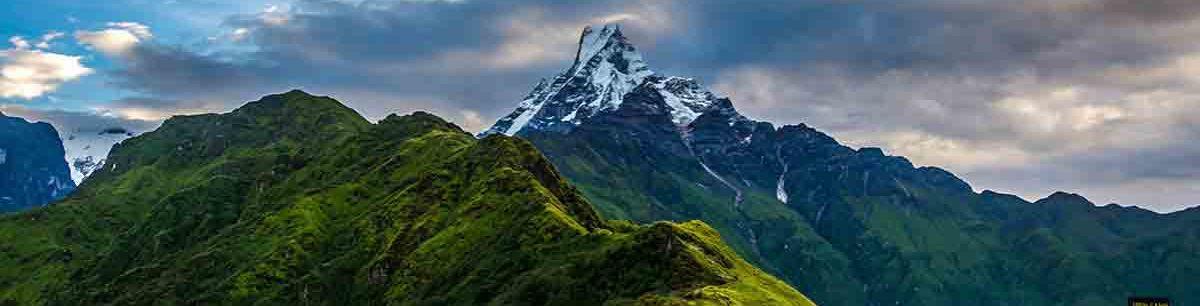
Family-Friendly Treks in Nepal: Exploring the Himalayas with Kids

Nepal, the land of the majestic Himalayas, is often associated with adventurous expeditions to towering peaks like Everest or Annapurna. While these high-altitude climbs are designed for seasoned trekkers, Nepal also offers an incredible selection of family-friendly treks that are perfect for parents traveling with children. These routes combine gentle walking trails, breathtaking mountain views, rich cultural encounters, and manageable elevations. Trekking with kids in Nepal can be both safe and rewarding when the right preparation, planning, and routes are chosen.

This guide explores everything you need to know about family-friendly treks in Nepal, including why Nepal is a fantastic destination for families, the best treks suited for children, essential preparation tips, and how to make the experience fun, safe, and memorable for all ages.


Why Choose Nepal for Family Treks?

Nepal is not only a trekking paradise for adventurers but also a destination that caters beautifully to families. Here are a few reasons why it’s ideal:

  • Scenic Trails: Many trekking routes pass through lush forests, terraced fields, waterfalls, and villages that fascinate children and adults alike.
  • Cultural Experiences: Nepal offers opportunities to interact with local communities, learn about unique traditions, and introduce kids to a rich cultural heritage.
  • Accessibility: Several short treks are located close to Kathmandu and Pokhara, requiring minimal travel time before starting the adventure.
  • Gradual Ascents: Family-friendly treks usually avoid extreme altitudes, ensuring children can walk comfortably without high risk of altitude sickness.
  • Hospitality: Nepali culture values hospitality, and families are often warmly welcomed in guesthouses and teahouses along the trails.

Best Family-Friendly Treks in Nepal

Not every trek in Nepal is suitable for children, but some routes are perfect for introducing kids to trekking while offering stunning Himalayan views. Below are some of the best options:

Ghorepani Poon Hill Trek

  • Duration: 4–6 days
  • Maximum Altitude: 3,210 meters (Poon Hill viewpoint)
  • Why It’s Great for Families:
    This trek is short, scenic, and one of the most popular family-friendly treks in Nepal. Starting near Pokhara, the trail passes through rhododendron forests, charming villages like Tikhedhunga and Ghorepani, and culminates at Poon Hill. The viewpoint offers one of the best panoramic sunrise views of Annapurna, Dhaulagiri, and Machapuchare. The gradual ascents and well-paved stone steps make it manageable for children, while frequent teahouses allow for comfortable overnight stays.

Nagarkot to Dhulikhel Trek

  • Duration: 2–3 days
  • Maximum Altitude: 2,195 meters (Nagarkot)
  • Why It’s Great for Families:
    Just an hour’s drive from Kathmandu, this trek is ideal for families with young kids or limited time. Nagarkot is famous for its sunrise and sunset views over the Himalayas. The trek to Dhulikhel is relatively easy, with gentle trails passing through forests, small villages, and viewpoints. It allows families to enjoy the Himalayas without committing to longer hikes.

Dhampus Village Trek

  • Duration: 2–3 days
  • Maximum Altitude: 1,750 meters
  • Why It’s Great for Families:
    The Dhampus trek is one of the shortest and easiest options in Nepal, starting from Phedi near Pokhara. The trail offers beautiful views of Annapurna South, Hiunchuli, and Machapuchare. It’s perfect for families who want a quick escape into nature while staying close to Pokhara’s amenities. Children will enjoy the traditional Gurung village life and the gentle terrain.

Langtang Valley Trek (Short Version)

  • Duration: 5–7 days
  • Maximum Altitude: 3,870 meters (Kyanjin Gompa, optional for families)
  • Why It’s Great for Families:
    Though Langtang Valley can be more challenging, families with older children or teenagers will find this trek incredibly rewarding. The route passes through bamboo forests, yak pastures, and monasteries. Trekkers can enjoy views of Langtang Lirung and experience Tamang culture. The trek is flexible, so families can adjust distances based on children’s endurance levels.

Australian Camp Trek

  • Duration: 2 days
  • Maximum Altitude: 2,100 meters
  • Why It’s Great for Families:
    This is another short trek near Pokhara that’s highly suitable for children. The walk to Australian Camp is gentle, and the views of Annapurna and Machapuchare are breathtaking. Families can easily combine this trek with visits to Phewa Lake or Sarangkot for a well-rounded experience.

Preparing for Family Treks in Nepal

Trekking with children requires more planning than a solo or adult trek. Preparation ensures the journey remains enjoyable and stress-free.

Physical Preparation

Even short treks can be physically demanding for kids. Families should:

  • Take regular hikes at home to build stamina.
  • Encourage children to walk with small backpacks.
  • Practice walking on hilly or uneven terrain.

Packing Essentials for Families

Packing light but smart is the key to family treks. Must-haves include:

  • Clothing Layers: Quick-dry shirts, fleece jackets, warm hats, and rain gear.
  • Footwear: Comfortable trekking shoes or boots for both adults and kids.
  • Health Supplies: First-aid kit, child-safe medicines, insect repellent, and sunscreen.
  • Snacks: Familiar snacks from home can keep children motivated on the trail.
  • Entertainment: Small games, coloring books, or cards for evenings in teahouses.

Health and Safety

  • Altitude Awareness: Choose treks below 3,500 meters to reduce risk of altitude sickness in kids.
  • Hydration: Encourage children to drink regularly.
  • Breaks: Plan frequent rest stops for snacks, water, and relaxation.
  • Insurance: Travel insurance covering trekking and medical emergencies is essential.

Choosing the Right Trekking Season

  • Autumn (September–November): The most popular trekking season with clear skies and stable weather.
  • Spring (March–May): Offers warmer temperatures and blooming rhododendrons, making trails more colorful and kid-friendly.
  • Winter (December–February): Lower routes can be fine for families, but higher trails may be too cold.
  • Summer/Monsoon (June–August): Best avoided due to heavy rains, slippery trails, and leeches.

Making the Trek Fun for Kids

Children enjoy trekking more when it feels like an adventure, not a chore. Parents can use these strategies:

  • Storytelling on the Trail: Share tales of Himalayan legends, animals, or mountaineering heroes.
  • Wildlife Spotting: Encourage kids to look for monkeys, birds, or yaks along the way.
  • Cultural Interaction: Let kids try local food, learn greetings in Nepali, or play with local children.
  • Games and Rewards: Create small challenges like spotting landmarks, with treats as rewards.

Cultural and Educational Benefits

Trekking in Nepal is not just about walking; it’s an educational journey for children:

  • Learning Geography: Kids can witness the world’s highest mountains and understand concepts like altitude.
  • Cultural Exchange: Exposure to different languages, religions, and traditions fosters open-mindedness.
  • Resilience and Teamwork: Trekking teaches patience, problem-solving, and the value of working together.

Tips for Parents Trekking with Kids

  • Hire a Guide or Porter: Guides enhance safety and cultural understanding, while porters reduce the load for parents.
  • Stay Flexible: Adjust daily distances based on your child’s mood and energy.
  • Choose Family-Friendly Lodges: Many teahouses are accustomed to hosting families and provide kid-friendly meals.
  • Keep Expectations Realistic: Focus on the journey and bonding experience rather than reaching a specific destination.

Common Mistakes to Avoid

  1. Overestimating Children’s Endurance: Keep daily walking hours short and manageable.
  2. Skipping Acclimatization Days: Even at lower altitudes, rest days help children adapt.
  3. Poor Packing Choices: Forgetting essentials like snacks or warm layers can make kids uncomfortable.
  4. Pushing for a Strict Itinerary: Flexibility is crucial when trekking with kids.

Conclusion

Trekking in Nepal with children is not only possible but also deeply rewarding. The country’s variety of family-friendly treks ensures that parents and kids alike can enjoy the beauty of the Himalayas without unnecessary strain. From the iconic sunrise at Poon Hill to the gentle trails of Dhampus and Nagarkot, families can choose routes that balance adventure with comfort.

By preparing well, keeping safety in mind, and focusing on making the journey enjoyable, families can create unforgettable memories together in the Himalayas. Ultimately, family-friendly treks in Nepal are about more than walking trails—they are about bonding, cultural discovery, and introducing children to the wonders of nature in one of the most spectacular landscapes on Earth.

Sustainable Trekking in Nepal: How to Reduce Your Environmental Impact

Nepal is a premier destination for trekking enthusiasts eager to explore the world’s tallest mountains and vibrant local cultures. However, the increasing popularity of trekking tourism in Nepal brings significant environmental and social challenges. Sustainable trekking in Nepal is essential for protecting its fragile ecosystems, supporting local communities, and preserving its natural beauty for future generations.

This detailed guide explores how you can practice sustainable trekking in Nepal by reducing your environmental impact, respecting local cultures, and choosing eco-friendly trekking options. By understanding and adopting responsible trekking habits, every traveler can ensure their adventure contributes positively to Nepal’s conservation efforts and community welfare.

Why Sustainable Trekking in Nepal Matters

Nepal’s trekking regions, including the Annapurna Conservation Area, Everest Region, Langtang National Park, and Manaslu Circuit, are globally renowned for stunning landscapes and unique biodiversity. However, these high-altitude ecosystems are sensitive and vulnerable to damage.

Unregulated trekking tourism has created several environmental problems:

  • Waste Pollution: Single-use plastics, food wrappers, and other garbage left by trekkers accumulate, polluting trails and waterways. Nepal’s remote trekking areas often lack adequate waste disposal or recycling systems.
  • Forest Degradation: The demand for firewood for cooking and heating in tea houses leads to deforestation, resulting in soil erosion and habitat loss.
  • Water Contamination: Improper disposal of human and lodge waste contaminates rivers and streams that communities rely on.
  • Wildlife Disturbance: Off-trail walking, feeding wildlife, and loud noises disrupt natural behaviors of animals and birds.
  • Cultural Impacts: Rising tourism can dilute or alter local traditions and cultural practices if not managed respectfully.

Sustainable trekking in Nepal promotes practices that minimize these impacts, ensuring the protection of Nepal’s mountains, flora, fauna, and cultural heritage. It is about trekking responsibly—leaving no trace that harms the environment or local lives.

Key Practices to Reduce Environmental Impact in Nepal Treks

Avoid Single-Use Plastics and Pack Sustainably

Plastic waste is the biggest threat in Nepal’s trekking regions. Avoid buying bottled water by carrying a reusable bottle and using water purification systems like UV filters or boiling. Bring food in reusable containers and refuse plastic bags. Make sure to pack out all your rubbish; do not leave trash behind.

Many trekking companies and national parks now enforce zero-plastic policies or encourage carrying out plastic waste. Biodegradable toiletries, natural soaps, and detergents reduce pollution when washing in rivers or trailside.

Choose Responsible and Eco-Friendly Trekking Companies

Responsible trekking companies ensure your journey supports sustainability by:

  • Hiring local guides and porters with fair wages.
  • Educating trekkers on eco-friendly practices.
  • Minimizing their own operational environmental footprint.
  • Supporting community development and conservation projects.

By selecting these operators, trekkers help empower communities and conserve Nepal’s natural beauty.

Respect Local Cultures and Traditions

Nepal’s trekking regions are home to diverse ethnic groups such as Sherpas, Gurungs, and Tamangs with rich cultural heritage. Respect their customs and social norms by:

  • Always asking permission before taking photographs.
  • Learning about local festivals and practices.
  • Purchasing handicrafts and food directly from local owners.
  • Engaging respectfully with local people and their environments.

This respectful behavior helps preserve cultural identity and enhances your trekking experience.

Stick to Established Trails and Practice Leave No Trace

To protect the fragile Himalayan environment:

  • Always follow designated trekking trails and avoid shortcuts to prevent soil erosion and plant damage.
  • Pack out all waste including biodegradable items.
  • Do not pick flowers, plants, or disturb wildlife.
  • Avoid making loud noises that disturb animals.

Leave No Trace principles help maintain pristine trails and habitats for future visitors and wildlife.

Use Sustainable Trekking Gear and Equipment

Choosing eco-friendly gear reduces waste and environmental impact. Consider:

  • Clothing made from organic or recycled fibers.
  • Solar-powered chargers and reusable batteries.
  • Biodegradable soaps and shampoos.
  • Durable, high-quality equipment that lasts multiple treks.

These choices promote sustainability from preparation to the trail.

Manage Human Waste Properly

Use toilet facilities provided by lodges or designated sites. In remote areas, carry portable toilet kits (“wag bags”) to pack out human waste. Avoid polluting water sources or natural areas with waste.

Proper sanitation prevents waterborne diseases and maintains the quality of trekking environments.

Monitor Your Health Responsibly

Altitude sickness and emergencies may require helicopter rescues, which increase carbon emissions and costs. Trek responsibly by acclimatizing properly, listening to your body, and seeking help early. Successful on-foot returns from treks reduce environmental burdens and support sustainable tourism.

Sustainable Trekking Routes to Explore in Nepal

Many trekking routes in Nepal have embraced sustainability through community-led tourism and environmental protection.

Annapurna Conservation Area

The Annapurna Conservation Area Project (ACAP) is Nepal’s largest protected area where sustainable trekking thrives. ACAP encourages well-managed trekking with enforcement of waste disposal rules, community-run lodges, and biodiversity conservation initiatives.

Langtang National Park

Langtang is known for well-preserved natural habitats and community conservation efforts. Trekking here adheres to strict environmental norms, including waste management, plastic bans, and cultural respect.

Everest Region

The iconic Everest region supports sustainable trekking with permits funding clean-up campaigns and local welfare. Trekking operators emphasize waste carry-out policies and cultural respect with Sherpa communities.

Manaslu Circuit

Less crowded and heavily regulated, Manaslu Circuit promotes low-impact trekking through controlled group sizes and environmental guidelines, making it ideal for eco-conscious trekkers.

Best Seasons for Sustainable Trekking in Nepal

The prime trekking seasons are spring (March to May) and autumn (September to November). In these windows, wildlife activity is high, weather is stable, and local waste management services operate effectively to reduce environmental stress. Avoid trekking during the monsoon (June-August) as heavy rains cause trail erosion and flora damage.

Winter trekking is possible but demands extra care to avoid environmental harm due to fragile frozen conditions.

How Sustainable Trekking Benefits Nepal’s Communities

Sustainable trekking empowers mountain communities by:

  • Providing fair employment for guides, porters, and lodge owners.
  • Funding education, health, and conservation via tourism revenues.
  • Supporting local handicraft markets.
  • Encouraging community pride and cultural retention.

By choosing sustainability, trekkers contribute directly to Nepal’s socioeconomic development while conserving its unique heritage.

Technology and Innovation in Sustainable Trekking

Technology aids sustainable trekking through:

  • GPS apps and digital maps that ensure trekkers follow established trails.
  • Eco-friendly gear innovations reducing waste from materials to packaging.
  • Solar power and energy-efficient lodges.
  • Data collection by NGOs for monitoring environmental health and waste management.

These tools help maintain sustainable trekking standards and inform travelers about responsible behaviour.

Conclusion: Commitment to Sustainable Trekking in Nepal

Sustainable trekking in Nepal is vital for preserving its extraordinary landscapes, wildlife, and cultures. By minimizing plastic waste, respecting local communities, following Leave No Trace practices, choosing responsible trekking operators, and managing human waste properly, trekkers can significantly reduce their environmental footprint.

The Annapurna Conservation Area, Langtang, Everest, and Manaslu routes showcase successful sustainable trekking models. Practical preparation, mindful trekking, and support for community initiatives transform your adventure into a positive force for preservation.

By trekking sustainably in Nepal, travelers help safeguard one of the world’s most spectacular regions while enjoying a rewarding, responsible, and unforgettable hiking experience.

Thriving at High Altitude: Expert Gear and Health Tips to Empower Your Trekking Adventure

High-altitude trekking is one of the most rewarding experiences for adventure enthusiasts. From the majestic Himalayas to the rugged Andes, high-altitude trails take trekkers through breathtaking landscapes, remote villages, and dramatic natural settings. Yet, while the views and experiences are unforgettable, trekking at high elevations comes with unique challenges. Reduced oxygen levels, unpredictable weather, and demanding terrain make high-altitude trekking a test of endurance and resilience. Proper preparation—both in terms of gear and health—is critical to ensure not only a successful but also a safe trek. Following essential high altitude trekking tips can help you overcome these challenges effectively.

This article provides a comprehensive guide on how to prepare for high-altitude treks, including the essential gear you need, health tips to stay safe, and strategies to adapt to demanding conditions.


Understanding High Altitude and Its Challenges

High altitude generally refers to elevations above 2,500 meters (8,200 feet). As you ascend, the air pressure decreases, leading to a reduction in the amount of oxygen available. This lower oxygen level can cause the body to struggle with basic physical activity, making acclimatization essential.

Some common challenges include:

  • Altitude Sickness (Acute Mountain Sickness, AMS): Symptoms include headache, nausea, dizziness, and fatigue. Severe cases can develop into high-altitude pulmonary edema (HAPE) or high-altitude cerebral edema (HACE), which are life-threatening.
  • Harsh Weather: High altitudes often bring rapidly changing weather—sun, snow, rain, and wind can all appear within hours.
  • Physical Strain: Steep climbs, long trekking days, and rough terrain require strong physical conditioning.

Understanding these risks before embarking on your trek ensures that you’re mentally prepared and physically equipped to handle them.


Essential Gear for High-Altitude Treks

Having the right equipment can make the difference between an enjoyable trek and a miserable—or even dangerous—experience. Below is a breakdown of the gear you’ll need:

Clothing: Layering System

Layering is key to staying warm, dry, and comfortable.

  • Base Layer (Moisture-Wicking): Synthetic or merino wool tops and bottoms to keep sweat away from your body.
  • Mid Layer (Insulating): Fleece jackets, down sweaters, or synthetic insulation to trap body heat.
  • Outer Layer (Shell): Waterproof and windproof jackets and pants to protect against rain, snow, and wind.
  • Trekking Pants/Shorts: Convertible trekking pants are useful for adapting to variable temperatures.
  • Headgear: A warm hat, sun hat, and buff or neck gaiter for wind and sun protection.
  • Gloves: Lightweight gloves for mild weather and insulated gloves for cold conditions.

Footwear

  • Trekking Boots: High-quality, waterproof, and well-broken-in boots with ankle support are essential.
  • Trekking Socks: Merino wool socks for moisture control and blister prevention.
  • Gaiters: Useful for snowy or muddy conditions.
  • Camp Shoes: Lightweight sandals or slippers for evenings at camp.

Backpack and Storage

  • Backpack: A 40–60 liter backpack for multi-day treks. Ensure it has padded straps, a hip belt, and good weight distribution.
  • Daypack: A smaller pack (20–30 liters) for short side trips or acclimatization hikes.
  • Dry Bags/Stuff Sacks: To keep gear organized and protect it from moisture.

Sleeping Gear

  • Sleeping Bag: A high-quality bag rated for sub-zero temperatures (depending on your trek’s altitude). Down is lighter, but synthetic is more resistant to moisture.
  • Sleeping Pad: Provides insulation from the cold ground and ensures a more restful sleep.

Trekking Poles

Trekking poles reduce strain on knees and provide stability on uneven terrain. Adjustable poles are best, as they can be shortened for uphill climbs and extended for descents.

Hydration System

  • Water Bottles/Hydration Bladder: Staying hydrated is crucial at altitude. Insulated bottles are useful in freezing temperatures.
  • Water Purification: Tablets, filters, or UV purifiers ensure safe drinking water in remote areas.

Navigation and Safety

  • Maps and Compass/GPS Device: Even if you’re with a guide, carrying basic navigation tools is wise.
  • Headlamp: With extra batteries for early starts or emergencies.
  • First-Aid Kit: Including blister care, pain relief, bandages, antiseptic, and altitude sickness medication.
  • Multi-Tool/Knife: Handy for various uses on the trail.

Other Essentials

  • Sunscreen and Lip Balm: UV exposure is stronger at higher altitudes.
  • Sunglasses: High UV protection to guard against snow blindness.
  • Snacks/Energy Bars: Quick fuel for long days.
  • Personal Hygiene Kit: Biodegradable soap, toothbrush, wet wipes, and hand sanitizer.
  • Portable Power Bank: To keep devices like cameras or GPS units charged.

Health Preparation for High-Altitude Treks

Gear alone is not enough—your health and physical readiness are just as important.

Physical Training

A trek at high altitude is physically demanding. Start training at least 8–12 weeks before your trek:

  • Cardiovascular Training: Running, cycling, and swimming improve endurance.
  • Strength Training: Focus on legs (squats, lunges), core, and shoulders to handle long hours with a backpack.
  • Hiking Practice: Carry a loaded backpack on hilly terrain to simulate trek conditions.
  • Flexibility: Incorporate stretching or yoga to reduce injury risk.

Acclimatization

Climbing too quickly is the main cause of altitude sickness. Follow these guidelines:

  • Climb High, Sleep Low: Gain altitude gradually, and if possible, descend slightly to sleep.
  • Rest Days: Schedule acclimatization days every 600–900 meters (2,000–3,000 feet) gained.
  • Hydration: Drink 3–4 liters of water daily. Dehydration worsens altitude sickness.
  • Avoid Alcohol and Sleeping Pills: These can interfere with breathing at altitude.

Recognizing and Responding to Altitude Sickness

  • Mild AMS: Rest, hydrate, and avoid further ascent until symptoms improve.
  • Moderate to Severe AMS: If symptoms worsen, descend immediately. Oxygen or medications like acetazolamide (Diamox) may be required.
  • HAPE/HACE: Both are medical emergencies requiring immediate descent and professional care.

Nutrition

Your body burns more calories at high altitude. Prioritize:

  • Carbohydrates: Easy to digest and provide quick energy.
  • Protein: For muscle recovery.
  • Electrolytes: To replace salts lost through sweat.
  • Frequent Snacks: Eating small amounts regularly helps maintain energy levels.

Vaccinations and Medical Check-Up

Before your trek, consult a doctor for a health assessment. Certain vaccinations (e.g., for hepatitis, typhoid, or tetanus) may be recommended depending on your destination.


Mental Preparation

High-altitude trekking is as much a mental challenge as a physical one. Long days, extreme weather, and fatigue can test your resilience. Keep in mind:

  • Patience is Key: Progress may feel slow due to acclimatization schedules.
  • Stay Positive: Mental attitude influences physical performance.
  • Mindfulness Practices: Meditation or breathing exercises can help manage stress and anxiety.

Common Mistakes to Avoid

  1. Ignoring Acclimatization: Rushing the ascent is the fastest way to develop AMS.
  2. Overpacking or Underpacking: Carrying unnecessary gear adds strain, while forgetting essentials can compromise safety.
  3. New Boots on the Trek: Always break in boots beforehand to prevent blisters.
  4. Poor Hydration Habits: Even mild dehydration reduces performance and increases altitude sickness risk.
  5. Neglecting Sun Protection: UV rays at altitude are intense, and sunburn or snow blindness can end your trek prematurely.

Final Checklist Before You Leave

  • Train for endurance, strength, and flexibility.
  • Pack layered clothing, broken-in boots, and appropriate sleeping gear.
  • Bring safety essentials: first-aid kit, navigation tools, and hydration system.
  • Prepare mentally for the challenges ahead.
  • Allow enough days for acclimatization in your itinerary.

Conclusion

Preparing for a high-altitude trek requires careful planning, both physically and mentally. The right gear ensures you stay warm, dry, and safe, while health preparation helps your body adapt to thinner air and demanding terrain. Remember, high-altitude trekking is not a race—it’s about pacing yourself, respecting nature, and listening to your body. With the right preparation, you’ll not only reach your destination but also enjoy the journey through some of the most beautiful landscapes on Earth.

Post-Monsoon Magic: Hike Through Revived Wilderness Trails

Monsoon—the mere word conjures images of thunderous rain, green awakenings, and nature’s dramatic renewal. For those willing to venture outside when the rains subside, the world transforms: familiar hills and forests don new cloaks, waterfalls thunder down from hidden crags, and silent, dew-jeweled trails beckon the adventurous. Step out after the showers, and you’ll discover a different kind of wilderness—one reborn by the rains, bursting with life, color, and stories waiting to be written under dripping canopies. This is the magic of trekking and hiking after the monsoon, where each step is a testament to nature’s unending cycle of death and rebirth.

The Monsoon Miracle: How Rains Revive the Wild

Monsoon showers are not simply about rain; they’re nature’s reset button. Brown grasslands transform into lush carpets, parched rivers surge with vigor, and the forests reverberate with the hum of cicadas and the scent of wet earth. Each droplet carries with it new life. Mosses and lichens cling to ancient trees. Wildflowers, dormant for months, rocket from the ground. Birds and animals emerge from their refuges, responding to rhythms older than memory. Trails, which might lie dusty or barren through summer, host a symphony of change.

Why Nature Feels So Alive

  • Waterfall glory: Post-monsoon, every trickle becomes a tempest. Waterfalls, silent much of the year, are now wild and roaring, a magnet for the eyes and soul.
  • Emerald explosion: The rains trigger an explosion of greenery—old forests sprout new leaves, neglected paths become mossy tunnels, and distant mountains glow a surreal shade of green.
  • Wildlife theatre: Animals become more active. You might see peacocks dancing in the clearings, deer grazing in forgotten meadows, or birds celebrating with song in the wake of the storm.

Trails Transformed: Where to Witness the Renewal

Across the world—especially in regions shaped by monsoon, like the Indian subcontinent, Southeast Asia, and parts of Africa—the post-monsoon landscape offers a unique trekking experience.

The Himalayas: Nepal’s Rejuvenated Paths

During the monsoon, the high mountain trails of Nepal transform.

  • Ghorepani Poon Hill: Blanketed by mist, rhododendron forests burst with color, waterfalls become furious cascades, and sunrise from Poon Hill sets the snow-capped peaks ablaze.
  • Annapurna Circuit: Waterfalls stream over cliffs, wildflowers bloom, and the diminished crowds offer peaceful communion with nature. Mountain villages take on a tranquil, introspective charm.
  • Nar-Phu Valley, Upper Mustang, Dolpo: Semi-arid rain-shadow regions remain accessible and are at their most vibrant, thanks to the rain cleansing the air and dust, leaving crystalline vistas and blooming meadows.

“Monsoon trek typically begins in Chame, surrounded by lush forests and gushing rivers. As you ascend, the environment shifts to alpine meadows and dry highlands. After Thorong La, the descent through the Kali Gandaki Gorge is a breathtaking experience.”

India’s Western Ghats and Beyond: Karnataka & Goa’s Green Secrets

  • Karnataka: Trails such as Kudremukh, Agumbe, and Coorg’s lush valleys become adventure playgrounds. Rolling hills are carpeted with ferns, cloud forests swirl with mists, and streams sparkle at every turn.
  • Goa: Trekking beyond the beaches reveals hidden waterfalls, ancient ruins covered in new growth, and quiet villages rediscovering age-old rhythms. Spots like Butterfly Beach, Cabo De Rama Fort, and Tambdi Surla waterfall come alive with monsoon vitality.

Monsoon Magic Worldwide

Regions across Africa, Southeast Asia, and South America experience similar revivals after their rainy seasons, each offering unique flora, fauna, and trails reborn by the rains.

The Healing Power of Monsoon Wilderness

Ayurvedic wisdom and traditional cultures have recognized for centuries the health benefits of monsoon rejuvenation. The rains purify the air, refresh the soil, and mark the ideal time for mental and physical resets.

  • Ayurveda’s perspective: According to Ayurveda, the monsoon is perfect for seasonal purification. The humid, dust-free air enhances the body’s receptivity to herbs and therapies, increases skin absorbency, and soothes the mind, making it a traditional period for “cleansing” and building immunity.
  • Emotional reset: The sight, sound, and scent of post-monsoon forests have been linked to reduced stress and improved moods. Walking these green corridors—alone or with fellow wanderers—offers solace, clarity, and deep connection with nature.

Pristine Trail Experiences: Risks, Rewards, and Responsible Trekking

What Makes Post-Monsoon Trekking Unique

  • Fewer crowds: With the masses wary of lingering rains, the trails are quieter, giving an intimate wilderness experience.
  • Unpredictable beauty: The interplay of sun, mist, and rain shapes each day anew—valleys open in sudden brilliance, forests glisten, panoramas appear between drifting clouds.
  • Local culture: Forest-dwelling communities, farmers, and monks often mark the post-rain period with festivals and rituals, celebrating nature’s rebirth.

Challenges to Consider

  • Slippery, muddy terrain: Trails can still be waterlogged or washed out. Hikers must tread carefully, using proper shoes and walking sticks.
  • Leeches, insects: Warm, wet conditions bring out bugs and leeches. Insect repellent and protective clothing are essential.
  • Weather swings: Sun and rain alternate quickly—packing a poncho, quick-dry clothes, and layered clothing is wise.

Responsible Adventure

Monsoon trails are fragile. The new growth is delicate and the risk of erosion or damage is high. Walk only on marked trails, avoid trampling fresh undergrowth, and ensure all litter is carried out. Purposeful, sustainable tourism is vital.

Stories from the Trail: The Human Side of Wilderness Reborn

No two treks after the monsoon are the same. Hikers speak of encounters with unexpected wildlife, accidental dips in swollen streams, and the joy of discovering a sunbeam breaking through the clouds atop a lonely ridge. Here, every sense is heightened:

  • The scent of petrichor (“rain on earth”) lingers.
  • The music of waterfalls and the call of awakening birds accompany each step.
  • The sight of local children playing by restored rivers, elders gathering mushrooms, and fellow travelers wide-eyed at the wilderness renewed.

“Trekking in Goa isn’t just about trails—it’s about discovering a land reborn under the spell of the monsoon… Hidden waterfalls roar with renewed life, and untouched villages invite you into their authentic rhythm. This adventure delivers Goa’s best trekking places in the most extraordinary season.”

Preparing for the Journey: Practical Tips

  • Choose your trail: Research post-monsoon trekking routes in your region—verify trail conditions, accommodation availability, and local guidelines.
  • Gear up: Waterproof boots, quick-dry clothes, trekking poles, and a reliable rain jacket are imperative.
  • Safety first: Trek with companions, inform someone of your route, and keep emergency contacts handy.
  • Respect local customs: Many communities hold special post-monsoon events; observe or join if invited, but always tread with cultural sensitivity.

Embracing Nature’s New Chapter

In the quiet after the storm, the wilderness truly shines. Trails, rivers, and forests—once dulled by heat or drought—are animated by a power that both humbles and inspires. Trekking after the monsoon is not just about adventure or athleticism; it’s a living lesson in resilience, hope, and the regenerative force of the earth itself. Embrace the call of these pristine trails—the wilderness, newly reborn, is waiting for you.

Let the rains wash away the dust of routine. Find solitude on green paths and rediscover not just the wild, but also a wilder, gentler part of yourself.

Why Autumn Is the Best Time to Visit Nepal: Weather, Festivals & Adventures

Nestled at the crossroads of the Himalayas and the Indian plains, Nepal is a land of staggering natural beauty and vibrant cultural traditions. While the country attracts travelers year-round, autumn—spanning mid-September through November—stands out as the prime season to visit. Drawing trekkers, cultural enthusiasts, and adventurers alike, autumn in Nepal promises an unparalleled experience thanks to its ideal weather, captivating festivals, and an array of thrilling outdoor activities.

Autumn in Nepal: An Overview

Nepal experiences five distinct seasons: spring, summer, monsoon, autumn, and winter. Among these, autumn provides the most pleasant conditions for travel, exploration, and immersion in local culture. During this period, the monsoon rains have subsided, skies clear to a deep azure, temperatures become comfortably moderate, and the country bursts into life with some of its grandest festivals and adventure opportunities.

The Weather Advantage: Clear Skies and Comfortable Temperatures

Post-Monsoon Clarity

Autumn begins as the monsoon season exits, washing away dust and haze from the air. This results in weeks of crystal-clear skies, vivid mountain vistas, and excellent visibility for both short excursions and high-altitude treks. The air is fresh and the landscapes are lush, freshly scrubbed by the rains.

  • Average Temperatures
    • In key destinations such as Kathmandu, daytime temperatures generally range from 20°C to 25°C, dropping to 10°C to 13°C at night. In valleys and hill regions, the weather is warm and pleasant, never too hot or cold for day excursions or city walks.
    • Mountain regions can dip to freezing points at night and early morning, but days are generally sunny and inviting—perfect for trekking.
LocationDay Temp (°C)Night Temp (°C)Notes
Kathmandu Valley20-2510-13Temperate, ideal for travel
Pokhara20-2510-15Lake views, clear skies
Everest Region5-15-3 to 5Chilly at high altitudes

Stable Weather for Outdoor Activities

Unlike spring and summer, when occasional rain or clouds can obscure vistas, autumn weather is consistently dry and predictable. Adventurers planning long treks or multi-day tours benefit from this reliability—a critical factor when exploring remote or high-altitude regions. Trails remain dry and accessible, and even Nepal’s notoriously rugged dirt roads are at their best after the monsoon’s end.

A Season of Festivity: Nepal’s Vibrant Autumn Festivals

Autumn is synonymous with celebration in Nepal. The country commemorates several of its most important cultural and religious festivals during this period. For travelers, these offer unique opportunities to witness and participate in living traditions.

Dashain: The Grandest Festival

  • Timing: Late September to early October
  • Significance: Dashain is Nepal’s longest and most cherished festival, spanning fifteen days. It celebrates the triumph of goddess Durga over evil.
  • Traditions:
    • Families unite, elders bless younger generations with “tika” and jamara (sacred grass).
    • Homes are cleaned and decorated, and elaborate rituals are performed. The entire nation gears down for communal feasts, animal sacrifices, and public gatherings.
    • Kite flying, fairs, and floral displays energize the streets.
  • Traveler’s Experience: Visitors are often welcomed into local homes, invited to observe or join the festivities, and can witness grand temple processions and masked dances.

Tihar: The Festival of Lights

  • Timing: October or November, about a fortnight after Dashain
  • Significance: Known as Deepawali in India, Tihar is a five-day celebration honoring different animals (crows, dogs, cows), the goddess of wealth (Laxmi), and the bond between brothers and sisters through “Bhai Tika”.
  • Traditions:
    • Homes and public spaces twinkle with candles, oil lamps, and colorful “rangoli” designs.
    • Unique animal worship rituals are performed, and families gather for music, sweets, and blessings.
  • Traveler’s Experience: Cultural events, musical performances, and illuminated sights abound. Foreigners can engage in community celebrations and enjoy the magical nighttime atmosphere.

Indra Jatra and Chhath

  • Indra Jatra: Celebrated in Kathmandu with masked dances, chariot processions, and public display of the living goddess Kumari.
  • Chhath: Especially in the Terai region, this festival honors the Sun God with riverside rituals, prayer, and offerings.

Why Autumn Festivals Enhance Travel

  • Cultural Immersion: Festivals offer a window into Nepal’s deeply spiritual and communal way of life. Travelers can actively participate rather than just observe.
  • Photography & Memories: Streets and temples are adorned with lights, flowers, and color, providing a vibrant backdrop for unforgettable photos and cultural insight.
  • Culinary Delights: Festival periods bring a wealth of traditional foods, sweets, and beverages—many unique to the celebration.

Adventures Abound: Trekking and Outdoor Sports

Autumn is undoubtedly the peak season for adventure tourism in Nepal. The stable weather, clear skies, and breathtaking landscapes attract thrill-seekers and nature lovers from around the world.

World-Famous Treks

Everest Base Camp Trek

  • Highlights:
    • Panoramic views of Everest, Lhotse, Ama Dablam, and neighboring giants.
    • Autumn offers crisp visibility, vibrant mountain foliage, and the energy of many fellow trekkers.

Annapurna Circuit & Base Camp Trek

  • Highlights:
    • Traverse from subtropical forests to alpine meadows, through remote villages and high-altitude passes.
    • Clear skies reveal Annapurna, Dhaulagiri, Manaslu, and Machapuchare peaks in their full splendor.

Manaslu, Langtang, and Upper Mustang

  • Why Visit in Autumn:
    • Improved trail conditions, open tea houses, and a lively atmosphere in villages along these routes.
    • The dry climate reduces the risk of landslides and makes river crossings safer.

Wildlife Safaris

  • Chitwan and Bardia National Parks
    • Autumn is the best period for wildlife viewing, with rivers running clear and grasslands open after the monsoon’s growth spurt.
    • Visitors might spot rhinos, elephants, crocodiles, Bengal tigers, and an array of birdlife on jeep safaris, canoe rides, or guided walks.

Adventure Sports

  • Paragliding: Pokhara, with its gentle thermals and clear skies, is ranked as one of the world’s top spots for tandem paragliding.
  • White-water Rafting: Rivers like the Trishuli, Seti, and Bhote Koshi run at exhilarating—but safer—levels in autumn. Rafting journeys offer both adrenaline and scenic beauty.
  • Bungee Jumping/Rock Climbing: Dry trails and warm days make for ideal conditions near the Bhote Koshi gorge and other adventure hotspots.

Stunning Scenery, Lively Cities, and Accessible Travel

Picture-Perfect Landscapes

With post-monsoon clarity, the autumn landscape of Nepal is at its most photogenic. Fields in the Terai and mid-hills glow with ripening crops, forests display diverse autumn colors, and the mountains stand starkly against bright blue skies. Sunrise and sunset views over the Himalayas from iconic vantage points like Nagarkot and Sarangkot are especially breathtaking.

Visitor-Friendly Infrastructure

  • Open Trails and Teahouses: Most trekking routes, especially in the Annapurna and Everest regions, are fully open with teahouses in operation and local guides at hand.
  • Festive Atmosphere in Cities: Kathmandu, Bhaktapur, and Pokhara buzz with market fairs, cultural events, and street performances linked to the season’s festivals.
  • Comfortable Urban Exploration: The cool but not chilly climate is ideal for tourists exploring UNESCO sites, museums, and ancient alleyways.

Practical Considerations

When Exactly to Visit

  • Mid-September to Late November: This window maximizes your chances for perfect trekking weather, clear mountain vistas, and participation in key festivals.

Preparation Tips

  • Book in Advance: This is peak tourism season; reserve accommodation and trekking packages early.
  • Pack for Varied Conditions: Bring layers, sun protection, and sturdy trekking boots. Evenings can be cold, especially in the mountains.
  • Respect Local Customs: Take the opportunity to learn about Nepalese culture and etiquette, especially if invited to festival activities or home visits.

Conclusion

Autumn in Nepal is much more than a simple tourist season; it’s a spectacular convergence of perfect weather, living traditions, and world-class adventure. The sky clears to reveal the world’s highest peaks, the spirit of celebration infuses daily life, and every step—whether on a mountain trail or down a city alley—reveals a new facet of this extraordinary country. Whether your interests lie in trekking, festival-hopping, wildlife-spotting, or simply soaking in the serene beauty, no other season matches the vibrancy and vibrance of autumn in Nepal.