Nepal Tour FAQs: How Many Days Should I Spend in Nepal? (Complete Travel Guide 2026)

Planning a trip to Nepal often starts with one important question: How many days should I spend in Nepal?
Because Nepal offers everything—from Himalayan trekking to cultural immersion, jungle adventures, spiritual retreats, and short city tours—the ideal trip length depends on your travel style and your goals.

This comprehensive guide explains the best trip durations, itinerary options, cost expectations, travel tips, and frequently asked questions. Whether you want a quick getaway or a full Himalayan expedition, this Nepal travel FAQ will help you choose the perfect itinerary.


Why Trip Duration in Nepal Matters

Nepal may look small on the map, but traveling between destinations takes time. Roads are winding, mountain regions require multiple days of trekking, and cultural cities deserve slow exploration. Because of these factors, deciding how many days you should spend in Nepal has a big impact on your travel quality.

Most travelers underestimate distances and end up rushing their trip. A well-planned duration ensures:

  • Enough time for acclimatization
  • Flexible sightseeing
  • Safer trekking conditions
  • Lower travel stress
  • Smoother transitions between cities

A little planning makes your trip far more enjoyable.


How Many Days Should I Spend in Nepal? (Short Answer)

Here is the simplified guideline:

Trip LengthIdeal ForWhat You Can Do
3–4 daysVery short tripsKathmandu city tour + short nature experience
5–6 daysShort cultural vacationsKathmandu + Pokhara or short trek
7–9 daysBalanced tripCities + Himalayan views + adventure
10–14 daysPopular choiceCultural sightseeing + multi-day trek
15+ daysTrekking holidaysLonger treks like Everest Base Camp or Annapurna Circuit

For most travelers, the best recommendation is:

👉 Spend at least 7–10 days in Nepal for a balanced and fulfilling experience.

But to help you choose precisely, the next sections explain each option in detail.


3–4 Days in Nepal: Best for Transit Travelers & Short Getaways

If you are visiting Nepal on a short break or stopping over en route to another destination, a 3–4 day itinerary gives you a quick introduction to the country.

What You Can Do in 3–4 Days

Kathmandu Valley Highlights

  • Kathmandu Durbar Square
  • Pashupatinath Temple
  • Boudhanath Stupa
  • Swayambhunath (Monkey Temple)
  • Patan Durbar Square

Optional Add-Ons

  • Day trip to Nagarkot for sunrise
  • Chandragiri Hills cable car
  • Short hike around Shivapuri National Park

You will not have enough time for long treks, but you can enjoy great food, ancient temples, vibrant markets, and mountain views.

Best For: Business travelers, regional visitors, solo travelers on a quick break.


5–6 Days in Nepal: Perfect for Short Cultural + Nature Itineraries

With 5–6 days, you can add a second destination beyond Kathmandu or do a light trek.

Popular Options

  1. Kathmandu + Pokhara (5–6 Days)
    • Cultural sightseeing in Kathmandu
    • Scenic flight or drive to Pokhara
    • Boating on Phewa Lake
    • Sarangkot sunrise over the Himalayas
  2. Short Treks (3 Days Trek + City Tour)
    • Ghorepani–Poon Hill trek
    • Nagarkot–Chisapani trek
    • Dhampus/Australian Camp trek
  3. Jungle Adventure in Chitwan
    • Jungle safari
    • Canoeing
    • Tharu cultural program

Best For: Couples, families, group trips, photography lovers.


7–9 Days in Nepal: The Most Balanced & Popular Travel Duration

Many travelers wonder: How many days should I spend in Nepal if I want both culture and Himalayan scenery?
The answer is 7–9 days.

This duration gives you flexibility and a more immersive experience. You can explore two major cities and still add a short trek or adventure activity.

Top 7–9 Day Itineraries

Option 1: Kathmandu + Pokhara + Chitwan

  • UNESCO heritage sites
  • Mountain views and lakes
  • Wildlife safari

Option 2: Short Trek Combination

  • 2 days in Kathmandu
  • 2–3 days trekking
  • 2 days in Pokhara

Great trekking options include:

  • Poon Hill
  • Mardi Himal base viewpoints
  • Helambu trek

Option 3: Cultural + Adventure Combo

  • White-water rafting
  • Paragliding in Pokhara
  • Mountain flight to Everest

This duration is ideal if you want both comfort and adventure without rushing.


10–14 Days in Nepal: Best for Trekkers and Explorers

If your main goal is to trek in the Himalayas, this is the perfect duration. You can complete a classic Nepal trek and still spend a few days exploring cultural cities.

Top Treks You Can Do in 10–14 Days

1. Everest Base Camp Trek (12–14 Days)

  • Fly to Lukla
  • Trek through Namche Bazaar
  • Stand at the foot of Everest

2. Annapurna Base Camp (ABC) Trek (10–12 Days)

  • One of Nepal’s most scenic trekking routes
  • Stunning sunrise at Annapurna Sanctuary

3. Langtang Valley Trek (8–10 Days)

  • Valley of glaciers
  • Shorter alternative to Everest and Annapurna routes

Why 10–14 Days Is Ideal

  • Proper altitude acclimatization
  • Time for cultural sightseeing
  • Lower risk of altitude sickness
  • Enough flexibility for weather delays

Best For: Trekking enthusiasts, adventure lovers, outdoor photographers.


15–21 Days in Nepal: For Long Treks & Deep Cultural Immersion

If you want to experience Nepal in depth, a long trip allows you to combine:

  • Long treks
  • Cultural cities
  • Mountain villages
  • Wildlife experiences
  • Adventure sports

Famous Long Treks

  • Annapurna Circuit (14–18 Days)
  • Manaslu Circuit Trek (14–17 Days)
  • Upper Mustang Trek (10–14 Days but remote)
  • Kanchenjunga Trek (18–21 Days)

This is the ideal duration for travelers who want to explore Nepal beyond the main tourist routes.


How Many Days Should I Spend in Nepal for Trekking?

Here’s a quick guide based on trek difficulty:

Trek LevelRecommended DaysExample Treks
Easy3–5 daysDhampus, Nagarkot, Poon Hill
Moderate6–10 daysMardi Himal, Langtang, ABC short version
Hard12–16 daysEverest Base Camp, Annapurna Circuit
Remote / Expedition Style14–21+ daysManaslu, Upper Dolpo, Kanchenjunga

If trekking is your priority, always choose a trip long enough for acclimatization to avoid altitude sickness.


Cost Expectations Based on Trip Duration

Another factor in deciding how many days to spend in Nepal is your budget.

Per-Day Estimate

  • Budget: $30–$50 per day
  • Mid-range: $60–$120 per day
  • Luxury: $150–$300+ per day

Treks add costs for:

  • Guides
  • Porters
  • Permits
  • Flights (e.g., to Lukla)

Longer treks typically require a higher budget.


Best Time to Visit Nepal (Helps Decide Trip Duration)

Peak Seasons (Ideal)

  • Autumn (Sept–Nov)
  • Spring (Mar–May)

Clear skies, best mountain visibility, comfortable temperatures.

Good Seasons

  • Winter (Dec–Feb)
    Less crowded, ideal for cultural travel and low-altitude treks.

Monsoon (Jun–Aug)

Green landscapes, less crowd, but trekking trails may be affected by rain.

Your travel month may influence how many days you want to spend in Nepal.


Factors That Determine Your Ideal Trip Duration

Still wondering how many days you should spend in Nepal? Your goals matter most.

1. Purpose of Travel

  • Trekking → 10–16 days
  • Cultural tour → 5–7 days
  • Family holiday → 6–9 days
  • Adventure sports → 7–10 days

2. Your Fitness Level (for trekkers)

Higher altitude treks require more days.

3. Budget

Longer trips need higher budgets.

4. Travel Style

  • Slow travelers: 12–20 days
  • Fast travelers: 5–10 days

5. Number of Destinations

More destinations = more days needed because of road conditions.


Frequently Asked Questions (Nepal Tour FAQs)

1. Is 7 days enough for Nepal?

Yes. One week is perfect for Kathmandu + Pokhara, or a short trek.

2. Is 10 days enough for Nepal?

Absolutely. With 10 days, you can do a trek and still have time for cultural sightseeing.

3. How many days do I need for Everest Base Camp?

12–14 days is the standard duration.

4. How many days for Kathmandu alone?

2–3 days is enough for major heritage sites.

5. Should I add Pokhara to my itinerary?

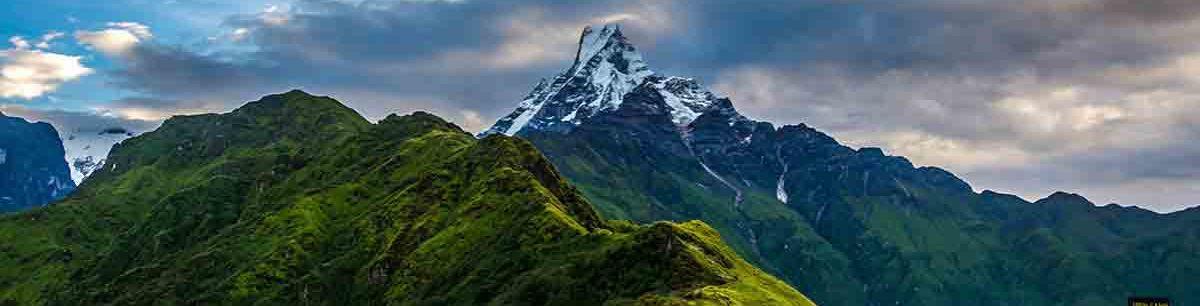
Yes. Pokhara is peaceful, scenic, and perfect for views of Annapurna and Machhapuchhre.

6. Can I visit Nepal for 3 days?

Yes, but it will be a short cultural trip centered around Kathmandu.

7. Is Nepal expensive?

Nepal is one of the most affordable travel destinations in Asia. Trekking packages cost more, but everyday travel is budget friendly.

8. Is Nepal good for family travel?

Yes. Cities like Pokhara and Chitwan are great for families.


Final Recommendation: How Many Days Should You Spend in Nepal?

If you want a simple answer:

👉 Spend 7–10 days in Nepal for the best overall experience.

This duration gives you enough time to explore Kathmandu, enjoy Pokhara, and add a small trek or adventure activity.
For trekking-focused holidays, plan 10–16 days depending on the route.

Who Are the Top Travelers Excited to Explore Nepal in 2026?

Who Are the Top Travelers Excited to Explore Nepal in 2026? is an increasingly relevant question as the country continues to attract travelers from every corner of the world. With its majestic Himalayan peaks, spiritual ambiance, cultural richness, and adventure opportunities, Nepal is emerging as one of the top travel destinations for diverse groups. In 2026, changing travel trends, improved infrastructure, and global interest in sustainable tourism are influencing the types of visitors drawn to Nepal. This article explores the key traveler segments Who Are the Top Travelers Excited to Explore Nepal in 2026? and why they find the country so captivating.


Adventure Seekers: A Key Group Who Are the Top Travelers Excited to Explore Nepal in 2026?

One of the primary groups Who Are the Top Travelers Excited to Explore Nepal in 2026? are adventure seekers. Nepal has always been a haven for thrill-seekers, but in recent years, there’s been a noticeable rise in interest due to improved trekking routes, new climbing expeditions, and better safety measures.

Trekking Enthusiasts

Trekking enthusiasts are at the heart of Nepal’s adventure tourism. Classic trails like the Everest Base Camp, Annapurna Circuit, and Langtang Valley continue to be popular, while lesser-known treks such as the Manaslu Circuit and Kori Trek are drawing those looking for quieter paths. These visitors mostly enjoy Nepal for its challenging terrains, breathtaking scenery, and authentic encounters with local communities.

Mountaineers and Climbers

In 2026, Nepal remains the world’s top mountaineering destination. Mount Everest, Lhotse, and Makalu are just some of the iconic peaks attracting climbers. Additionally, beginner-friendly peaks such as Island Peak and Mera Peak have made high-altitude climbing more accessible to international visitors. Climbers mostly enjoy visiting Nepal for the unparalleled Himalayan experience, professional guides, and the sense of accomplishment that comes with summiting these legendary mountains.

Adventure Sports Enthusiasts

Beyond trekking and climbing, adventure lovers also enjoy activities like white-water rafting on the Trishuli River, bungee jumping in Pokhara, and paragliding over Phewa Lake. With Nepal investing in infrastructure and safety standards, more thrill-seekers from around the globe are visiting in 2026.


Cultural Travelers: Those Who Are the Top Travelers Excited to Explore Nepal in 2026? for Heritage and Traditions

Another key group Who Are the Top Travelers Excited to Explore Nepal in 2026? are cultural travelers. Nepal is a mosaic of ethnicities, languages, festivals, and traditions that continue to fascinate global tourists.

Spiritual and Pilgrimage Visitors

Nepal holds immense spiritual significance, being the birthplace of Lord Buddha in Lumbini and home to countless Hindu temples, monasteries, and meditation centers. Travelers from countries like India, Sri Lanka, Japan, and Thailand mostly enjoy visiting Nepal for pilgrimage, meditation retreats, and spiritual learning. In 2026, the popularity of mindfulness tourism has further boosted this segment.

Heritage Enthusiasts

Kathmandu Valley’s UNESCO World Heritage Sites—Pashupatinath Temple, Swayambhunath Stupa, Boudhanath, and the Durbar Squares of Kathmandu, Patan, and Bhaktapur—draw heritage lovers year after year. These visitors mostly enjoy Nepal for its living history, ancient architecture, and vibrant festivals. Events like Indra Jatra, Dashain, and Tihar are becoming major attractions for cultural tourists in 2026.

Festival Tourists

Festival tourism is on the rise. Many international visitors plan their trips to coincide with unique cultural events. They mostly enjoy visiting Nepal during these vibrant times to experience the communal celebrations, traditional dances, music, and food that showcase the country’s rich identity.


Nature Lovers and Eco-Tourists: People Who Are the Top Travelers Excited to Explore Nepal in 2026? for Its Biodiversity

With increasing awareness of environmental conservation, nature lovers and eco-tourists make up another significant group Who Are the Top Travelers Excited to Explore Nepal in 2026?.

Wildlife Enthusiasts

Chitwan National Park and Bardia National Park are home to rare species like the Bengal tiger, one-horned rhinoceros, elephants, and gharials. Visitors from Europe, the USA, and Australia mostly enjoy visiting Nepal to experience responsible wildlife safaris, birdwatching tours, and nature walks in pristine ecosystems.

Eco-Tourists and Sustainable Travelers

In 2026, Nepal’s growing focus on sustainable tourism is attracting eco-conscious travelers who prefer eco-lodges, community homestays, and minimal-impact trekking. These travelers mostly enjoy Nepal because it aligns with their values of protecting nature while exploring it. Destinations like Ilam for tea gardens, Rara Lake for untouched beauty, and Upper Mustang for unique landscapes are gaining popularity.


Digital Nomads and Remote Workers: A Growing Segment Who Are the Top Travelers Excited to Explore Nepal in 2026?

A newer but rapidly expanding group Who Are the Top Travelers Excited to Explore Nepal in 2026? are digital nomads and remote workers. With the global shift toward flexible work arrangements, Nepal has started positioning itself as a peaceful, affordable, and inspiring work-travel destination.

Why Digital Nomads Enjoy Nepal

Nepal offers affordable living, breathtaking scenery, and a welcoming culture. Cities like Kathmandu and Pokhara have improved Wi-Fi infrastructure, co-working spaces, and comfortable accommodations catering to long-term stays. Digital nomads mostly enjoy visiting Nepal for the slower pace of life, opportunities for weekend adventures, and the ability to work remotely while being surrounded by nature.


Retirees and Slow Travelers: People Who Are the Top Travelers Excited to Explore Nepal in 2026? for Long Stays

Another demographic Who Are the Top Travelers Excited to Explore Nepal in 2026? includes retirees and slow travelers. This group prefers extended stays to immerse themselves in local culture, nature, and community life.

Retirees Seeking Peace and Wellness

Nepal is increasingly viewed as a peaceful retreat for retirees from countries such as Japan, Germany, and Canada. Many come for yoga retreats, meditation programs, and health-focused travel. They mostly enjoy visiting Nepal because of its serene environment, friendly communities, and low cost of living.

Slow Travelers Exploring Beyond the Usual Routes

Slow travelers prefer authentic experiences over rushed sightseeing. In 2026, many are exploring areas beyond Kathmandu and Pokhara—such as Palpa, Dolpa, or the Terai plains. These travelers mostly enjoy Nepal because they can connect with local people, learn traditional skills, and witness everyday rural life.


Students, Volunteers, and Researchers: A Meaningful Group Who Are the Top Travelers Excited to Explore Nepal in 2026?

Educational travelers, volunteers, and researchers also make up a large portion of those Who Are the Top Travelers Excited to Explore Nepal in 2026?.

Student Travelers

Students from universities around the world travel to Nepal for cultural exchange programs, language studies, and field research. They mostly enjoy visiting Nepal for its safe environment, affordability, and diverse learning opportunities.

Volunteers and NGO Workers

Many people visit Nepal to volunteer in education, health, environmental projects, or community development. They mostly enjoy Nepal because it offers a meaningful way to contribute while experiencing local life.

Academic and Scientific Researchers

Nepal’s unique geography, culture, and biodiversity make it an excellent location for research. Scientists studying glacial melt, anthropologists exploring ethnic communities, and botanists documenting Himalayan flora all mostly enjoy visiting Nepal for its rich research opportunities.


Families and Group Travelers: Who Are the Top Travelers Excited to Explore Nepal in 2026? for Shared Experiences

Family travel is another rising trend in Nepal. Families from Asia, Europe, and North America mostly enjoy visiting Nepal in 2026 for educational and bonding experiences.

Family Treks and Tours

Family-friendly treks like Ghorepani-Poon Hill and cultural tours of Kathmandu and Pokhara are ideal for travelers with children. Families mostly enjoy Nepal because the experiences are safe, enriching, and unforgettable.

Group Adventure Tours

Group tours are also becoming popular among friends and communities who want to explore together. Whether it’s a group yoga retreat, a guided trek, or a cultural festival tour, these travelers mostly enjoy visiting Nepal because of the shared sense of discovery and connection.


Why These Groups Mostly Enjoy Visiting Nepal in 2026

All these visitor segments share common reasons why they mostly enjoy visiting Nepal in 2026:

  • Affordability – Nepal remains budget-friendly compared to many destinations.
  • Authentic Cultural Experiences – Travelers experience living traditions, not staged shows.
  • Natural Beauty – The Himalayas, wildlife, and diverse landscapes appeal to a wide range of interests.
  • Warm Hospitality – Nepali people are known for their kindness and welcoming nature.
  • Adventure and Spirituality – Few countries offer both extreme adventure and deep spiritual experiences in the same trip.

Conclusion: Who Are the Top Travelers Excited to Explore Nepal in 2026?

In conclusion, Who Are the Top Travelers Excited to Explore Nepal in 2026? includes a broad spectrum of travelers—adventure seekers, cultural enthusiasts, nature lovers, digital nomads, retirees, students, volunteers, families, and groups. Each segment finds unique value in Nepal, whether it’s for trekking among the world’s highest peaks, immersing in spiritual traditions, observing rare wildlife, working remotely with stunning backdrops, or experiencing slow, meaningful travel.

Nepal’s diversity, authenticity, and evolving tourism infrastructure ensure that in 2026, it remains a top destination enjoyed by people from all walks of life. Whether you’re planning an adventure-filled trip or a peaceful retreat, Nepal offers experiences that resonate with every kind of traveler.

Why Nepal is a Top Choice for Retirement Travel

Retirement opens the door to new possibilities. It is the time when people look for places that offer peace, affordability, cultural richness, and access to basic comforts. For many retirees around the world, Nepal has emerged as a unique destination that combines all these elements in one setting. From breathtaking mountain views to tranquil lakes and ancient spiritual sites, Nepal provides the right balance between leisure, discovery, and well-being. Understanding why Nepal is a top choice for retirement travel requires exploring its lifestyle benefits, cost advantages, and cultural experiences.


The Allure of Retirement Travel

Travel after retirement has a different purpose than during earlier years. It is less about rushing from one site to another and more about settling into a slower rhythm. Retirees often seek destinations where they can enjoy scenic beauty, access health services, and live affordably. Nepal meets these expectations while offering something extra—genuine cultural depth and welcoming communities.


Natural Beauty that Inspires Calm

One of the strongest reasons why Nepal is a top choice for retirement travel lies in its natural surroundings.

  • Mountains and Hills: Snowcapped peaks like Annapurna and Everest create stunning backdrops. Even those who do not trek can enjoy mountain views from cities and hill stations.
  • Lakes and Rivers: Pokhara’s Phewa Lake, Begnas Lake, and tranquil rivers provide peaceful settings for boating or meditation.
  • Green Valleys and Forests: Retirees who enjoy walking or gentle hikes find endless opportunities to stay active while surrounded by nature.

The variety of landscapes ensures that retirees can find the right environment for relaxation and rejuvenation.


Affordability and Cost of Living

When considering why Nepal is a top choice for retirement travel, affordability becomes a central factor.

  • Housing: Apartments, guesthouses, or small cottages can be rented at far lower prices compared to Western countries.
  • Food: Fresh vegetables, fruits, and local meals are inexpensive. International restaurants in larger cities also offer affordable dining options.
  • Healthcare: Private clinics and hospitals provide quality care at reasonable costs, making healthcare accessible even on a fixed retirement income.

This cost-friendly lifestyle allows retirees to focus more on experiences and less on financial stress.


Rich Cultural Experiences

Culture plays a huge role in defining why Nepal is a top choice for retirement travel.

  • Temples and Monasteries: Kathmandu Valley alone houses hundreds of historic temples and Buddhist monasteries.
  • Festivals: Retirees can immerse themselves in colorful celebrations such as Dashain, Tihar, and Buddha Jayanti.
  • Daily Life: Simple acts like visiting local markets, sipping tea in roadside cafés, or learning a few Nepali phrases create meaningful engagement with the community.

Unlike tourist-only destinations, Nepal allows retirees to blend into the cultural rhythm of daily life.


Wellness and Spirituality

For many retirees, wellness is as important as comfort. Nepal offers both.

  • Yoga and Meditation: Cities like Pokhara, Kathmandu, and Lumbini are home to yoga studios, meditation centers, and holistic retreats.
  • Ayurveda and Healing: Traditional therapies, herbal medicine, and massage services are widely available.
  • Spiritual Retreats: The spiritual atmosphere of Nepal, especially in Lumbini and monasteries across the country, supports inner peace and reflection.

This focus on mental and physical well-being strengthens the case for why Nepal is a top choice for retirement travel.


Accessibility and Connectivity

While Nepal may seem remote, retirees find that it is more accessible than expected. Tribhuvan International Airport in Kathmandu connects to major Asian hubs, while Pokhara’s regional airport expands travel options within the country. Road connections between popular towns have improved in recent years, making it easier to move around.

Digital connectivity is another plus. Internet services are affordable, and cafés and hotels often provide Wi-Fi. Retirees who wish to stay connected with family and friends abroad can easily do so.


Top Retirement-Friendly Destinations in Nepal

To fully understand why Nepal is a top choice for retirement travel, it helps to look at the specific destinations where retirees thrive.

Pokhara: A Lakeside Retreat

Pokhara is perhaps the most popular retirement-friendly city in Nepal. With its calm lake, mountain views, and well-developed healthcare, it balances comfort with natural beauty. Retirees enjoy lakeside strolls, yoga classes, and community events.

Kathmandu Valley: Tradition and Comfort

The capital city and its surrounding towns offer modern amenities alongside heritage. Retirees can live in quieter areas like Bhaktapur or Patan while still having access to advanced hospitals, international markets, and cultural attractions.

Lumbini: Spiritual Peace

The birthplace of Lord Buddha is ideal for retirees who value meditation and inner calm. Its monasteries, meditation centers, and peaceful gardens create an environment suited for reflection.

Chitwan: Warm Climate and Wildlife

Retirees who enjoy a warmer climate and love nature often choose Chitwan. Gentle safaris, riverside walks, and village life create a relaxing yet active lifestyle.

Bandipur and Tansen: Historic Hill Towns

These towns provide old-world charm, panoramic views, and peaceful surroundings. They are perfect for retirees who wish to live outside crowded cities but still enjoy cultural depth.


Healthcare Considerations

Healthcare is a key element in deciding why Nepal is a top choice for retirement travel. Larger cities like Kathmandu and Pokhara offer private hospitals with modern equipment and English-speaking doctors. Smaller towns may not have advanced facilities, but they are close enough to cities for medical care. Health insurance options are also available for foreigners, making long-term stays more secure.


Community and Expat Networks

Another reason why Nepal is a top choice for retirement travel is its growing expat community. Retirees find it easier to settle in when there are others who share similar experiences.

  • Social Groups: In Pokhara and Kathmandu, groups organize events, language classes, and cultural exchanges.
  • Volunteering: Many retirees contribute their time to schools, NGOs, or local communities, creating meaningful bonds.
  • Friendly Locals: Nepali culture is known for hospitality, making integration smoother for international retirees.

These networks create a sense of belonging, which is essential during retirement.


Visa and Long-Term Stay Options

For retirees thinking long term, visas play an important role. Nepal offers tourist visas that can be extended, and some retirees apply for residential visas under special categories. While rules may change, staying informed helps retirees plan a more permanent lifestyle in Nepal.


Safety and Comfort

Safety is often a concern when considering retirement abroad. Nepal is known for being relatively safe, with low crime rates compared to many other countries. Retirees feel comfortable walking in most areas, and communities are generally welcoming.

The climate is another factor. Those who prefer cooler mountain air can choose hill stations, while others who enjoy warmer weather may prefer the southern Terai region. The diversity in climate is yet another reason why Nepal is a top choice for retirement travel.


Tips for Retirees Planning to Live in Nepal

  1. Research Locations Carefully: Different towns offer different lifestyles.
  2. Check Healthcare Facilities Nearby: Access to hospitals and clinics should be a priority.
  3. Engage with Local Communities: Learning basic Nepali and joining social groups enhances the experience.
  4. Budget Wisely: While affordable, costs can vary depending on lifestyle.
  5. Stay Legally Updated: Keep track of visa requirements and renewals.

Conclusion

Retirement is about more than just slowing down; it is about finding meaningful ways to enjoy life. Nepal offers a rare combination of natural beauty, cultural richness, affordability, and community warmth. Whether it’s watching the sunrise over the Himalayas, meditating in a peaceful monastery, or strolling through historic towns, every moment brings fulfillment.

It is easy to see why Nepal is a top choice for retirement travel. For retirees seeking peace, affordability, and enriching experiences, Nepal stands out as a destination where retirement is not just restful, but rewarding.