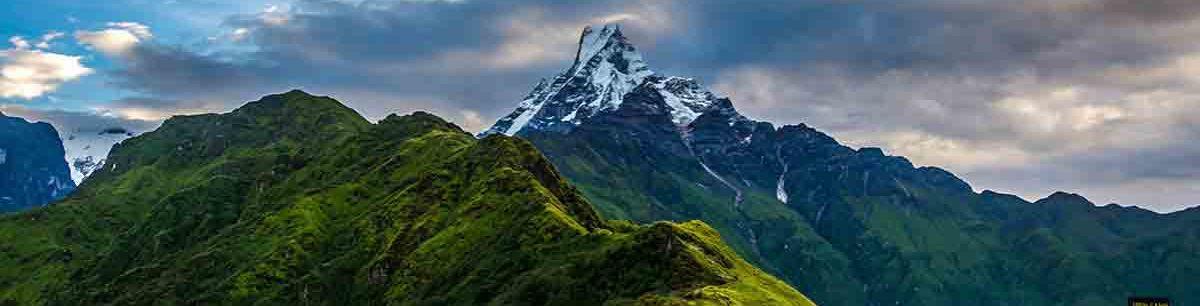
Nepal Tour FAQs: How Many Days Should I Spend in Nepal? (Complete Travel Guide 2026)

Planning a trip to Nepal often starts with one important question: How many days should I spend in Nepal?
Because Nepal offers everything—from Himalayan trekking to cultural immersion, jungle adventures, spiritual retreats, and short city tours—the ideal trip length depends on your travel style and your goals.

This comprehensive guide explains the best trip durations, itinerary options, cost expectations, travel tips, and frequently asked questions. Whether you want a quick getaway or a full Himalayan expedition, this Nepal travel FAQ will help you choose the perfect itinerary.


Why Trip Duration in Nepal Matters

Nepal may look small on the map, but traveling between destinations takes time. Roads are winding, mountain regions require multiple days of trekking, and cultural cities deserve slow exploration. Because of these factors, deciding how many days you should spend in Nepal has a big impact on your travel quality.

Most travelers underestimate distances and end up rushing their trip. A well-planned duration ensures:

  • Enough time for acclimatization
  • Flexible sightseeing
  • Safer trekking conditions
  • Lower travel stress
  • Smoother transitions between cities

A little planning makes your trip far more enjoyable.


How Many Days Should I Spend in Nepal? (Short Answer)

Here is the simplified guideline:

Trip LengthIdeal ForWhat You Can Do
3–4 daysVery short tripsKathmandu city tour + short nature experience
5–6 daysShort cultural vacationsKathmandu + Pokhara or short trek
7–9 daysBalanced tripCities + Himalayan views + adventure
10–14 daysPopular choiceCultural sightseeing + multi-day trek
15+ daysTrekking holidaysLonger treks like Everest Base Camp or Annapurna Circuit

For most travelers, the best recommendation is:

👉 Spend at least 7–10 days in Nepal for a balanced and fulfilling experience.

But to help you choose precisely, the next sections explain each option in detail.


3–4 Days in Nepal: Best for Transit Travelers & Short Getaways

If you are visiting Nepal on a short break or stopping over en route to another destination, a 3–4 day itinerary gives you a quick introduction to the country.

What You Can Do in 3–4 Days

Kathmandu Valley Highlights

  • Kathmandu Durbar Square
  • Pashupatinath Temple
  • Boudhanath Stupa
  • Swayambhunath (Monkey Temple)
  • Patan Durbar Square

Optional Add-Ons

  • Day trip to Nagarkot for sunrise
  • Chandragiri Hills cable car
  • Short hike around Shivapuri National Park

You will not have enough time for long treks, but you can enjoy great food, ancient temples, vibrant markets, and mountain views.

Best For: Business travelers, regional visitors, solo travelers on a quick break.


5–6 Days in Nepal: Perfect for Short Cultural + Nature Itineraries

With 5–6 days, you can add a second destination beyond Kathmandu or do a light trek.

Popular Options

  1. Kathmandu + Pokhara (5–6 Days)
    • Cultural sightseeing in Kathmandu
    • Scenic flight or drive to Pokhara
    • Boating on Phewa Lake
    • Sarangkot sunrise over the Himalayas
  2. Short Treks (3 Days Trek + City Tour)
    • Ghorepani–Poon Hill trek
    • Nagarkot–Chisapani trek
    • Dhampus/Australian Camp trek
  3. Jungle Adventure in Chitwan
    • Jungle safari
    • Canoeing
    • Tharu cultural program

Best For: Couples, families, group trips, photography lovers.


7–9 Days in Nepal: The Most Balanced & Popular Travel Duration

Many travelers wonder: How many days should I spend in Nepal if I want both culture and Himalayan scenery?
The answer is 7–9 days.

This duration gives you flexibility and a more immersive experience. You can explore two major cities and still add a short trek or adventure activity.

Top 7–9 Day Itineraries

Option 1: Kathmandu + Pokhara + Chitwan

  • UNESCO heritage sites
  • Mountain views and lakes
  • Wildlife safari

Option 2: Short Trek Combination

  • 2 days in Kathmandu
  • 2–3 days trekking
  • 2 days in Pokhara

Great trekking options include:

  • Poon Hill
  • Mardi Himal base viewpoints
  • Helambu trek

Option 3: Cultural + Adventure Combo

  • White-water rafting
  • Paragliding in Pokhara
  • Mountain flight to Everest

This duration is ideal if you want both comfort and adventure without rushing.


10–14 Days in Nepal: Best for Trekkers and Explorers

If your main goal is to trek in the Himalayas, this is the perfect duration. You can complete a classic Nepal trek and still spend a few days exploring cultural cities.

Top Treks You Can Do in 10–14 Days

1. Everest Base Camp Trek (12–14 Days)

  • Fly to Lukla
  • Trek through Namche Bazaar
  • Stand at the foot of Everest

2. Annapurna Base Camp (ABC) Trek (10–12 Days)

  • One of Nepal’s most scenic trekking routes
  • Stunning sunrise at Annapurna Sanctuary

3. Langtang Valley Trek (8–10 Days)

  • Valley of glaciers
  • Shorter alternative to Everest and Annapurna routes

Why 10–14 Days Is Ideal

  • Proper altitude acclimatization
  • Time for cultural sightseeing
  • Lower risk of altitude sickness
  • Enough flexibility for weather delays

Best For: Trekking enthusiasts, adventure lovers, outdoor photographers.


15–21 Days in Nepal: For Long Treks & Deep Cultural Immersion

If you want to experience Nepal in depth, a long trip allows you to combine:

  • Long treks
  • Cultural cities
  • Mountain villages
  • Wildlife experiences
  • Adventure sports

Famous Long Treks

  • Annapurna Circuit (14–18 Days)
  • Manaslu Circuit Trek (14–17 Days)
  • Upper Mustang Trek (10–14 Days but remote)
  • Kanchenjunga Trek (18–21 Days)

This is the ideal duration for travelers who want to explore Nepal beyond the main tourist routes.


How Many Days Should I Spend in Nepal for Trekking?

Here’s a quick guide based on trek difficulty:

Trek LevelRecommended DaysExample Treks
Easy3–5 daysDhampus, Nagarkot, Poon Hill
Moderate6–10 daysMardi Himal, Langtang, ABC short version
Hard12–16 daysEverest Base Camp, Annapurna Circuit
Remote / Expedition Style14–21+ daysManaslu, Upper Dolpo, Kanchenjunga

If trekking is your priority, always choose a trip long enough for acclimatization to avoid altitude sickness.


Cost Expectations Based on Trip Duration

Another factor in deciding how many days to spend in Nepal is your budget.

Per-Day Estimate

  • Budget: $30–$50 per day
  • Mid-range: $60–$120 per day
  • Luxury: $150–$300+ per day

Treks add costs for:

  • Guides
  • Porters
  • Permits
  • Flights (e.g., to Lukla)

Longer treks typically require a higher budget.


Best Time to Visit Nepal (Helps Decide Trip Duration)

Peak Seasons (Ideal)

  • Autumn (Sept–Nov)
  • Spring (Mar–May)

Clear skies, best mountain visibility, comfortable temperatures.

Good Seasons

  • Winter (Dec–Feb)
    Less crowded, ideal for cultural travel and low-altitude treks.

Monsoon (Jun–Aug)

Green landscapes, less crowd, but trekking trails may be affected by rain.

Your travel month may influence how many days you want to spend in Nepal.


Factors That Determine Your Ideal Trip Duration

Still wondering how many days you should spend in Nepal? Your goals matter most.

1. Purpose of Travel

  • Trekking → 10–16 days
  • Cultural tour → 5–7 days
  • Family holiday → 6–9 days
  • Adventure sports → 7–10 days

2. Your Fitness Level (for trekkers)

Higher altitude treks require more days.

3. Budget

Longer trips need higher budgets.

4. Travel Style

  • Slow travelers: 12–20 days
  • Fast travelers: 5–10 days

5. Number of Destinations

More destinations = more days needed because of road conditions.


Frequently Asked Questions (Nepal Tour FAQs)

1. Is 7 days enough for Nepal?

Yes. One week is perfect for Kathmandu + Pokhara, or a short trek.

2. Is 10 days enough for Nepal?

Absolutely. With 10 days, you can do a trek and still have time for cultural sightseeing.

3. How many days do I need for Everest Base Camp?

12–14 days is the standard duration.

4. How many days for Kathmandu alone?

2–3 days is enough for major heritage sites.

5. Should I add Pokhara to my itinerary?

Yes. Pokhara is peaceful, scenic, and perfect for views of Annapurna and Machhapuchhre.

6. Can I visit Nepal for 3 days?

Yes, but it will be a short cultural trip centered around Kathmandu.

7. Is Nepal expensive?

Nepal is one of the most affordable travel destinations in Asia. Trekking packages cost more, but everyday travel is budget friendly.

8. Is Nepal good for family travel?

Yes. Cities like Pokhara and Chitwan are great for families.


Final Recommendation: How Many Days Should You Spend in Nepal?

If you want a simple answer:

👉 Spend 7–10 days in Nepal for the best overall experience.

This duration gives you enough time to explore Kathmandu, enjoy Pokhara, and add a small trek or adventure activity.
For trekking-focused holidays, plan 10–16 days depending on the route.

Upper Mustang Permit 2025: Nepal Replaces the $500 Fee With a New $50/Day Rule

The Government of Nepal has introduced a major update to its trekking regulations for the restricted region of Upper Mustang. The longtime flat permit fee of US$500 for the first 10 days has been replaced with a new, flexible US$50 per day charge. This transformation marks one of the biggest changes in Upper Mustang travel policy in years.

The updated rule directly affects foreign trekkers planning to explore this ancient Himalayan kingdom. It also signals a shift in how Nepal wants to boost tourism, support local communities, and manage sensitive border regions.

This article explains the new system in detail. It also covers why the change was made, what trekkers need to know, and how this update reshapes the future of travel in Upper Mustang.


Understanding Upper Mustang: A Restricted Cultural Treasure

Upper Mustang, often referred to as the “Last Forbidden Kingdom,” sits deep in Nepal’s northern Himalayan zone. The region borders Tibet and holds strong cultural and historic ties to Tibetan Buddhism. Dramatic desert landscapes, walled cities like Lo Manthang, ancient caves, and centuries-old monasteries make it one of Nepal’s most unique destinations.

Because of its cultural value and geographic sensitivity, Upper Mustang is classified as a restricted area. Travelers cannot simply enter with a standard trekking permit. Instead, they require a Restricted Area Permit (RAP) issued by Nepal’s Department of Immigration.

For decades, this system enforced strict control of tourism while generating significant permit revenue.


The Old Permit System: A High-Cost Barrier

Before the new rule, all foreign trekkers paid:

  • US$500 for the first 10 days
  • US$50 per day beyond 10 days

This structure kept visitor numbers manageable. However, it also discouraged travelers looking for shorter treks. Many believed the upfront US$500 fee was too expensive for a journey lasting fewer than 10 days.

Local leaders and tour operators voiced concerns for years. They argued that tourism growth was being held back by the high fixed fee.

These concerns helped pave the way for the recently introduced update.


Upper Mustang Permit 2025: What’s New?

The new rule is simple: US$50 per day.

The government has officially removed the old flat-rate system. Now, instead of paying US$500 upfront, trekkers pay only for the number of days they spend in Upper Mustang.

This change applies to all foreign nationals.

Key points of the updated permit

  • US$50 per person, per day
  • Fee applies for all days spent inside Upper Mustang
  • No minimum 10-day requirement
  • Digital permit tracking continues under Nepal’s electronic immigration system

The new system eliminates the steep initial cost. This makes shorter treks and flexible itineraries more appealing to travelers.


Why Nepal Introduced the New Permit Structure

The decision to revise the Upper Mustang permit was influenced by several factors. The shift reflects economic goals, regional diplomacy, and evolving tourism strategies. No single reason explains the change; instead, multiple forces shaped the policy.

1. Attracting More Tourists

The high US$500 threshold discouraged thousands of potential trekkers each year. Many travelers wanted to experience Upper Mustang but could not justify the cost. By reducing the entry price, Nepal aims to increase visitor numbers without removing necessary travel controls.

2. Supporting Local Economies

Communities in Mustang rely heavily on trekking. More visitors mean more business for:

  • Lodges
  • Restaurants
  • Guides
  • Porters
  • Transportation services

Local leaders consistently advocated for a more tourist-friendly permit system. Their voices played an important role in pushing for the new policy.

3. Improving Cross-Border Tourism Relations

China has occasionally encouraged Nepal to lower Mustang’s entry fees to support travel flow through the Korala border. A more flexible fee structure may help improve regional tourism cooperation.

4. Creating a Fairer System

The new “pay for the days you stay” policy is more equitable. Trekkers on shorter itineraries pay less, while longer stay visitors contribute proportionately more.

5. Strengthening Digital Permit Management

Nepal’s shift to digital trekking permits makes it easier to track daily entries and stays. This modernization supports flexible pricing and stricter oversight.


Who Benefits from the Upper Mustang Permit 2025 Update?

Short-term Trekkers

Visitors planning 4- to 7-day itineraries will save significantly. Short exploratory trips, festival visits, and cultural tours are now more accessible.

Budget Travelers

Many trekkers who previously avoided Upper Mustang due to cost will now consider it. The region becomes more appealing to mid-range backpackers.

Local Businesses

More visitors naturally means more economic activity. Mustang’s rural communities could see improved income opportunities.

Trekking Agencies

Tour operators now have more flexibility in designing itineraries. They can promote shorter treks without worrying about high permit costs.


Potential Challenges of the New Pricing System

Although the new system has clear advantages, it also brings challenges. Sustainable management is essential for keeping Upper Mustang’s unique heritage intact.

1. Risk of Overtourism

A lower price can increase foot traffic. Without proper planning, this could stress:

  • Fragile desert landscapes
  • Water resources
  • Monastic sites
  • Waste disposal systems

2. Revenue Reduction

Short-term trekkers will pay less than before. If most visitors choose short itineraries, total permit revenue may decline.

3. Enforcement Difficulties

Daily permit systems require precise tracking. Authorities must ensure trekkers:

  • Do not overstay
  • Do not bypass checkpoints
  • Follow restricted-area rules

4. Infrastructure Pressure

More visitors require better infrastructure. Roads, accommodation, and trails may need upgrades to handle increased demand.


Permit Application: What Trekkers Must Know

Applying for the Upper Mustang permit remains straightforward. The new system only changes the pricing—not the documentation requirements.

Required documents

  • Valid passport
  • Licensed trekking agency guarantee
  • Detailed itinerary
  • Guide information
  • Travel insurance
  • Insurance for Nepali staff (if applicable)

Important rules

  • Independent trekking is not allowed
  • A licensed guide is mandatory
  • Permits are issued through registered trekking agencies
  • Trekkers must follow designated routes
  • Daily tracking requires reliable itinerary planning

Choosing your itinerary carefully

Because cost now depends on the number of days, planning becomes even more important. Trekkers should consider:

  • Altitude acclimatization
  • Festival seasons
  • Weather patterns
  • Rest days
  • Side trips (Yara, Luri Gompa, Choser caves)

A realistic plan helps avoid unexpected fees.


How the New Permit Affects Trekking Itineraries

With the new US$50/day rule, several types of itineraries become more attractive:

Short Cultural Visit (4–6 days)

Perfect for travelers who want to explore Lo Manthang without a long trek.

Standard Upper Mustang Trek (10–12 days)

Costs remain similar to before, but trekkers can customize their pace more easily.

Extended Mustang Exploration (14+ days)

Long trips become slightly more expensive, but the flexibility allows deeper exploration of remote villages.

Festival Treks

Visitors can plan entry and exit precisely around:

  • Tiji Festival
  • Yartung Horse Festival

This flexibility was not possible under the old system.


Local Voices and Perspectives

Many locals support the new system. They anticipate an increase in visitors, especially during the spring and autumn seasons. Hotels, homestays, and guides may see improved business.

However, conservation groups warn against unregulated expansion. They urge the government to reinvest permit revenue in:

  • Waste management programs
  • Heritage site preservation
  • Road and trail improvements
  • Community development projects

Balancing tourism growth with environmental protection remains crucial.


Comparing Upper Mustang to Other Restricted Areas

Nepal has several restricted trekking zones. The new Upper Mustang permit 2025 structure aligns more closely with other regions.

RegionOld FeeNew Fee
Upper Mustang$500/10 days$50/day
Upper Dolpa$500/10 days$50/day
ManasluSeasonal weekly feesUnchanged
HumlaLower feesUnchanged

This adjustment makes Upper Mustang competitively priced among premium restricted areas.


How the New Permit Impacts Nepal’s Tourism Strategy

The new fee structure represents more than a pricing update. It reflects Nepal’s broader tourism goals:

  • Encourage sustainable growth
  • Boost local economies
  • Strengthen border-area tourism
  • Modernize permit systems
  • Provide fairer pricing for trekkers

If managed responsibly, the change could significantly increase Mustang’s global appeal.


Final Thoughts: A New Era for Upper Mustang Tourism

The Upper Mustang permit 2025 rule marks a meaningful shift in Nepal’s approach to restricted-area tourism. Travelers now enjoy greater flexibility and lower upfront costs. Local communities may benefit from increased economic activity. Meanwhile, Nepal’s tourism sector gains an opportunity to rebrand Upper Mustang as both accessible and exclusive.

However, success depends on responsible implementation. Proper monitoring, conservation planning, and reinvestment will determine whether the new policy leads to sustainable long-term growth.

For trekkers, the region is now more inviting than ever. With thoughtful planning and respect for local culture, Upper Mustang offers a rare and unforgettable Himalayan experience.

Top Reasons to Visit Nepal in 2026/27: Ultimate Destination for Adventure and Culture

Nepal has become one of the most desirable travel destinations in the world, and the years 2026/27 are expected to bring even more reasons to explore this remarkable Himalayan nation. Known for its breathtaking landscapes, warm hospitality, and deep-rooted traditions, Nepal offers experiences that appeal to adventure seekers, cultural explorers, nature lovers, and spiritual travelers alike. If you are planning your next vacation, here are the top reasons to visit Nepal in 2026/27 and why it truly remains the ultimate destination for adventure and culture.


Unmatched Himalayan Adventure

One of the biggest reasons travelers visit Nepal is the unrivaled adventure available in the Himalayas. From trekking and mountaineering to mountain flights and off-road expeditions, Nepal offers adventure for every level.

Everest Region Treks

The Everest region attracts thousands of trekkers every year. In 2026/27, improved trekking trails, upgraded teahouses, and better transportation access will make the journey even more enjoyable.

Annapurna Circuit & Base Camp

Considered one of the world’s greatest trekking routes, the Annapurna region offers diverse landscapes—from high mountains to subtropical forests—and remains accessible for both experienced trekkers and beginners.

Adventure Activities on the Rise

Nepal continues to expand its adventure offerings:

  • Paragliding above the Pokhara Valley
  • Ultra-light flights with panoramic Himalayan views
  • White-water rafting in the Trishuli and Bhote Koshi rivers
  • Zip-flying and bungee jumping for adrenaline lovers

For those visiting Nepal in 2026/27, these adventure sports are expected to be even more popular with enhanced safety standards and improved visitor services.


Rich Cultural Heritage and Traditions

Nepal’s cultural richness is one of the main reasons travelers fall in love with the country. The nation is home to more than 100 ethnic groups, each with its own language, customs, and festivals.

UNESCO World Heritage Sites

Nepal boasts several UNESCO sites, including:

  • Kathmandu Durbar Square
  • Patan Durbar Square
  • Bhaktapur Durbar Square
  • Swayambhunath (Monkey Temple)
  • Boudhanath Stupa
  • Pashupatinath Temple
  • Lumbini, the birthplace of Lord Buddha

Visiting these heritage sites in 2026/27 offers an opportunity to witness centuries-old architecture, art, and religious tradition.

Festivals and Rituals

Nepalese festivals are vibrant, spiritual, and incredibly unique:

  • Dashain & Tihar (victory and light)
  • Holi (festival of colors)
  • Buddha Jayanti (birth of Buddha)
  • Teej (women’s festival)

Travelers in 2026/27 can experience these cultural celebrations with better tourism infrastructure and guided cultural tours.


Nepal’s Growing Tourism Infrastructure

Over the past few years, Nepal has made significant upgrades to its tourism facilities. These will be even more refined by 2026/27, making travel smoother and more convenient.

Improved Airports

  • Tribhuvan International Airport upgrades
  • Gautam Buddha International Airport in Bhairahawa
  • Pokhara International Airport

These airports make accessing major destinations faster and more comfortable.

Better Roads and Travel Services

Highways and regional roads are being improved, making travel between cities like Kathmandu, Pokhara, Lumbini, and Chitwan easier. Travelers can expect more reliable transportation and better accommodation options during their visit in 2026/27.


Affordable Travel Experience

Nepal remains one of the most affordable travel destinations in Asia. Even in 2026/27, travelers can enjoy budget-friendly accommodations, meals, transportation, and guided tours without sacrificing quality.

Why Nepal Is Budget-Friendly

  • Affordable trekking permits
  • Wide range of lodging options
  • Low-cost meals everywhere
  • Reasonable pricing for adventure activities

Whether you’re travelling solo, with family, or in a group, Nepal offers excellent value for money.


Wildlife and Nature Experiences

Beyond the mountains, Nepal is rich in natural wildlife and lush forests. The Terai region is home to dense jungles and impressive biodiversity.

Chitwan National Park

Chitwan offers:

  • Jungle safaris
  • Elephant encounters
  • Bird watching
  • Canoe rides

Here, you can see rhinos, crocodiles, deer, and even Bengal tigers.

Bardia National Park

Bardia is less crowded but equally thrilling, especially for those hoping to spot tigers in the wild.

Travelers in 2026/27 will enjoy better eco-lodges, guided tours, and conservation-focused safaris.


Spiritual and Wellness Tourism

One of the top reasons to visit Nepal in 2026/27 is the growing interest in wellness tourism. Nepal offers peaceful surroundings ideal for meditation, yoga retreats, and spiritual exploration.

Lumbini – The Birthplace of Buddha

Lumbini continues to evolve as a center for global peace and spiritual learning. New monastic zones, meditation gardens, and walking trails make it a transformative experience for visitors.

Yoga & Meditation Retreats

Kathmandu Valley, Pokhara, and the Himalayan foothills offer numerous retreats focused on:

  • Yoga
  • Ayurveda therapy
  • Meditation courses
  • Sound healing

These retreats are expected to grow in popularity in 2026/27 as more travelers seek mental and physical wellness.


Warm Hospitality and Cultural Immersion

Nepalese hospitality is legendary. Visitors often describe the people of Nepal as warm, humble, and welcoming. The cultural immersion found in Nepal—from homestays to traditional meals to local festivals—enhances every travel experience.

Homestays in remote villages offer a deeper understanding of Nepalese life, while community-based tourism initiatives ensure that your travel supports local families.


Stunning Landscapes Beyond the Mountains

Although the Himalayas often steal the spotlight, Nepal is full of natural beauty in every corner.

Pokhara Valley

With serene lakes, green hills, and mountain views, Pokhara is one of Nepal’s most relaxing destinations.

Bandipur & Gorkha

These picturesque towns offer colonial-style architecture, mountain vistas, and peaceful village life.

Mustang and Dolpo

These regions provide desert-like landscapes, ancient monasteries, and deep Tibetan cultural influence. They remain among the most unique places to visit in Nepal in 2026/27.


Perfect Destination for All Types of Travelers

One of the top reasons to visit Nepal in 2026/27 is its versatility. Nepal is ideal for:

  • Solo travelers
  • Couples
  • Adventure seekers
  • Cultural explorers
  • Families with kids
  • Budget travelers
  • Luxury travelers

Whether you want a spiritual retreat, a thrilling expedition, or a peaceful getaway, Nepal has something for everyone.


A Safe and Welcoming Travel Environment

Nepal is known as a safe travel destination. The country continues to improve its tourism safety standards, trekking regulations, and emergency services. By 2026/27, Nepal’s tourism sector aims to offer even stronger visitor safety programs and trained local guides.


Final Thoughts: Why Nepal Should Be Your Top Destination in 2026/27

Nepal is a land of timeless culture, majestic Himalayan scenery, and unforgettable adventure. With improved infrastructure, expanded wellness tourism, rich heritage, and warm hospitality, Nepal offers a travel experience unlike any other.

If you’re planning your next journey, the top reasons to visit Nepal in 2026/27 clearly show why this nation remains the ultimate destination for adventure and culture.

Accessible Tourism in Nepal – Complete Travel Guide for Disabled Travelers

Accessible tourism in Nepal is evolving rapidly, opening new opportunities for Disabled travelers who want to explore the country’s mountains, cultural heritage, wildlife, and spiritual landmarks. Once known primarily as a destination for adventure trekkers, Nepal is now investing in inclusive travel infrastructure, barrier-free attractions, and specialized tour services for travelers with mobility, visual, hearing, or cognitive challenges. As the country steps into 2026/27, accessibility in tourism has become a priority for both the government and private sectors.

This complete guide will help Disabled travelers plan a fully accessible, safe, and enjoyable trip to Nepal in 2026/27. It highlights best destinations, accessible accommodations, wheelchair-friendly attractions, transportation options, health and safety tips, support services, and inclusive tour packages designed for travelers with diverse needs.


 Why Accessible Tourism in Nepal Matters More in 2026/27

Nepal welcomes travelers from all over the world regardless of physical capability, age, or mobility. In recent years, Nepal has:

  • Increased wheelchair accessibility in UNESCO sites like Pashupatinath, Patan Durbar Square, and Swayambhunath (lower section).
  • Improved road networks and ramps in major tourist cities like Kathmandu, Pokhara, and Chitwan.
  • Expanded accessibility-focused hotels with elevators, wide rooms, roll-in bathrooms, and barrier-free designs.
  • Encouraged travel agencies to provide specialized guides trained for Disabledtravelers.
  • Launched accessible trekking concepts like short, wheelchair-friendly nature trails in Pokhara and Chitwan.

With these improvements, travelers with disabilities can experience Nepal’s beauty comfortably and confidently.


 Is Nepal Suitable for Disabled Travelers in 2026/27?

Absolutely—especially if your travel plan focuses on accessible routes, supported travel services, and friendly accommodations. While some rural or high-altitude areas remain challenging, many major destinations now offer:

  • Smooth pavements
  • Wheelchair ramps
  • Disability-friendly restrooms
  • Reserved room types in hotels
  • Accessible vehicles
  • Trained helpers and caregivers
  • Guided tours tailored by disability type

Whether you want a cultural journey, wildlife safari, spiritual trip, or scenic sightseeing experience, Nepal has accessible options available.


 Best Accessible Destinations in Nepal (2026/27 Edition)

 Kathmandu – Culture, Heritage & Spiritual Exploration

Kathmandu Valley, home to UNESCO World Heritage Sites, is the most accessible region for Disabledtravelers.

Accessible attractions include:

  • Pashupatinath Temple (outer premises) – wheelchair-friendly paths
  • Patan Durbar Square – improved paving & ramp access
  • Garden of Dreams – flat surfaces and calm environment
  • Boudhanath Stupa – circular flat pathway, wheelchair accessible
  • Narayanhiti Museum – accessible entrance with guides

Kathmandu also offers many hotels with elevators, accessible bathrooms, and adapted rooms.


 Pokhara – Lakeside Leisure & Adventure (Wheelchair Friendly Areas)

Pokhara is one of the most disability-friendly cities in Nepal.

Popular accessible spots:

  • Phewa Lakeside – long, flat walkway suitable for wheelchairs
  • World Peace Pagoda (viewpoint area) – accessible by vehicle
  • Lakeside Cafés and shops – barrier-free entry in most
  • Paragliding for Disabledtravelers – tandem with trained pilots

You can also opt for:

  • Accessible boat rides
  • Short nature walks
  • Scenic helicopter flights to Annapurna Base Camp

 Chitwan – Accessible Jungle Safari

Chitwan National Park offers barrier-free safari experiences, including:

  • Jeep safaris with side-step access
  • Elephant viewing from raised, accessible platforms
  • Wheelchair-friendly eco-lodges
  • Cultural shows with seating arrangements

Perfect for travelers who want nature and wildlife without long physical exertion.


 Lumbini – Accessible Pilgrimage Destination

As the birthplace of Lord Buddha, Lumbini has wide pathways, wheelchair ramps, and accessible rest areas.

You can easily visit:

  • Maya Devi Temple (outer premises)
  • Monastic zone with flat trails
  • Sacred Garden

It is one of Nepal’s most peaceful and accessible spiritual destinations.


 Accessible Activities for Disabled Travelers in Nepal

Cultural Heritage Tours

Kathmandu Valley and surrounding areas offer accessible transportation and sightseeing routes.

Scenic Helicopter Tours

A great option for travelers who cannot trek but want to see mountains like:

  • Everest
  • Annapurna
  • Langtang
  • Mardi Himal

Helicopters are wheelchair-friendly during boarding with staff assistance.

Paragliding in Pokhara

Special tandem paragliding for disabled travelers includes:

  • Secure harness setup
  • Specialized trained pilots
  • Smooth takeoff support from staff

Wildlife Safaris

Chitwan and Bardia provide:

  • Accessible jeeps
  • Trained naturalists
  • Easy boarding support

Spiritual & Pilgrimage Visits

Pashupatinath, Boudhanath, Lumbini, and Swargadwari are especially accommodating.


 Best Accessible Hotels in Nepal (2026/27)

Kathmandu

  • Accessible elevators
  • Wide doorways
  • Wheelchair-friendly bathrooms
  • Rooms on lower floors

Pokhara

  • Lakeside hotels with ramps
  • Garden-level rooms
  • Accessible restaurants

Chitwan & Lumbini

  • Eco-lodges with accessible pathways
  • Accessible bathrooms
  • Rooms close to reception

Before booking, always check:

  • Elevator availability
  •  Roll-in showers
  •  Grab bars
  •  Stair-free entrances
  •  Room width for wheelchairs

 Accessible Transportation Options in Nepal

 Wheelchair-Friendly Vehicles

Tour operators provide:

  • Modified vans
  • Ramps for wheelchairs
  • Low-floor vehicles
  • Trained drivers and helpers

 Domestic Flights

Major airlines assist with:

  • Wheelchair boarding
  • Pre-boarding services
  • Extra seating assistance

 Helicopter Access

Private helicopter companies offer easy boarding solutions for:

  • Senior travelers
  • Wheelchair users
  • People with limited mobility

 City Transportation

Taxis and private cars are more reliable than public buses for Disabledtravelers.


 Accessible Trekking in Nepal (light & beginner-friendly)

While high-altitude trekking may be physically demanding, Nepal now offers accessible trekking alternatives, including:

1. Sarangkot Accessible Viewpoint

Drive to the top and enjoy panoramic Annapurna views.

2. Australian Camp Accessible Drive

Reach the viewpoint area by jeep (depending on road condition).

3. Nagarkot Viewpoint by Car

Accessible sunrise views near Kathmandu.

4. Accessible Nature Trails

Short, flat, and scenic paths around Pokhara and Chitwan.

These options allow Disabled travelers to enjoy the Himalayan scenery without physical strain.


 Essential Tips for Disabled Travelers Visiting Nepal

  Hire an Accessible Tour Specialist

They provide support like:

  • Wheelchair-friendly vehicles
  • Accessible hotel booking
  • Caregivers or helpers
  • Guided assistance

  Bring Necessary Medical Supplies

Nepal has pharmacies, but specialized items may be limited.

  Consider Travel Insurance

Choose a policy that covers:

  • Mobility devices
  • Medical emergencies
  • Air evacuation (optional)

  Plan Extra Time for Travel

Traffic and road conditions may cause delays.

  Carry a Portable Wheelchair or Mobility Aid

Useful for uneven surfaces.

  Communicate Your Needs Clearly

Most Nepali guides and hotel staff are helpful and accommodating.


 Recommended Accessible Tour Itinerary (7 Days)

Day 1 – Arrival in Kathmandu

Airport wheelchair assistance → Accessible hotel → Relax.

Day 2 – Kathmandu Heritage Tour

Boudhanath → Patan Durbar Square → Garden of Dreams.

Day 3 – Scenic Drive or Flight to Pokhara

Settle at Lakeside → Wheelchair-accessible lakeside walk.

Day 4 – Accessible Adventure Day

Paragliding (optional) → Lakeside boat ride → Peace Pagoda viewpoint.

Day 5 – Drive to Chitwan

Evening village tour and Tharu cultural show.

Day 6 – Accessible Jungle Safari

Jeep safari → Birdwatching tower (accessible area).

Day 7 – Return to Kathmandu

Shopping & departure.

This itinerary balances comfort, accessibility, and Nepal’s best cultural and natural experiences.


Why Choose an Accessible Tour Company in Nepal?

An experienced accessible tour operator will provide:

  • Accessible vehicles
  • Helper or caregiver service
  • Disability-friendly hotel selection
  • Customized itinerary
  • Support during sightseeing
  • Emergency medical assistance

This ensures peace of mind and a safe, enjoyable journey.


 Conclusion

Accessible tourism in Nepal in 2026/27 is not only possible—it is rapidly improving and becoming more inclusive every year. Disabled travelers can now enjoy Nepal’s top attractions, wildlife experiences, scenic views, spiritual sites, and cultural richness with confidence and comfort.

Whether you’re a wheelchair user, visually impaired traveler, senior tourist, or anyone with mobility challenges, Nepal offers inspiring experiences, hospitable people, and supportive travel systems designed to make your journey memorable.

10 Scenic Treks in Nepal: The Ultimate Guide to Nepal’s Most Beautiful Trails

Nepal is one of the most visually breathtaking trekking destinations in the world, and the country’s dramatic landscapes attract trekkers from around the globe. If you love mountain scenery, cultural encounters, alpine lakes, and peaceful nature, then the scenic treks in Nepal should be at the top of your adventure list. Nepal offers treks for every level of hiker, from beginners seeking shorter hikes with big views to experienced adventurers craving high-altitude challenges. This article explores 10 scenic treks in Nepal, each offering its own unique beauty and unforgettable experiences.


 Why Choose Scenic Treks in Nepal?

With eight of the world’s highest mountains, diverse ecosystems, and centuries-old Himalayan culture, Nepal has become a global trekking paradise. The scenic treks in Nepal are known for long stretches of mountain panoramas, charming villages, dramatic glaciers, and pristine natural valleys. Many treks also provide deep cultural immersion as you pass through villages influenced by Tibetan Buddhism, Hindu traditions, and Sherpa heritage.

Whether you prefer lush forests, high-altitude deserts, or snowy alpine passes, Nepal delivers breathtaking scenery at every step.


 Everest Base Camp Trek – The Classic Scenic Trek in Nepal

The Everest Base Camp Trek remains one of the most iconic scenic treks in Nepal, attracting thousands of trekkers who dream of standing at the foot of Mount Everest. This journey offers powerful views of peaks like Everest, Lhotse, Ama Dablam, and Nuptse. Trekkers also explore Sherpa villages, ancient monasteries, and the famous Namche Bazaar.

What Makes It Scenic?

  • Jaw-dropping mountain views throughout the trek
  • Tengboche Monastery overlooking Ama Dablam
  • Scenic suspension bridges and deep river valleys

Highlights

  • Everest Base Camp
  • Kala Patthar viewpoint
  • Khumbu Icefall

 Annapurna Base Camp (ABC) Trek – A Stunning Amphitheater of Mountains

Another one of the most popular scenic treks in Nepal is the Annapurna Base Camp Trek, where trekkers reach the heart of a natural amphitheater surrounded by towering Himalayan peaks. This trek combines lush forests, terraced fields, and snow-covered giants in one journey.

What Makes It Scenic?

  • The Annapurna Sanctuary, ringed by 360° mountains
  • Machhapuchhre (Fishtail), a sacred and iconic peak
  • Bamboo forests and glacial rivers

Highlights

  • Annapurna Base Camp
  • Hot springs at Jhinu Danda
  • Beautiful Gurung culture in Chhomrong and Ghandruk

 Manaslu Circuit Trek – A Remote and Wild Scenic Trek in Nepal

For trekkers who want a quiet trail with dramatic scenery, the Manaslu Circuit Trek is ideal. It is one of the most astonishing scenic treks in Nepal, taking trekkers near Mount Manaslu, the eighth-highest mountain on Earth. This trek feels untouched and peaceful compared to more crowded routes.

What Makes It Scenic?

  • Remote valleys and rugged landscapes
  • Larke La Pass, one of Nepal’s most dramatic high passes
  • Tibetan-influenced cultures and ancient monasteries

Highlights

  • Samagaon Village
  • Birendra Lake
  • Crossing Larke Pass (5,160m)

 Langtang Valley Trek – The Valley of Glaciers

The Langtang Valley Trek is one of the closest scenic treks in Nepal from Kathmandu. In just a few days, trekkers are immersed in spectacular mountain scenery, quaint villages, and glacial valleys. Despite being easily accessible, Langtang offers powerful views comparable to longer treks.

What Makes It Scenic?

  • High-altitude meadows at Kyanjin Gompa
  • Langtang Lirung dominating the skyline
  • Scenic yak pastures and glacial rivers

Highlights

  • Kyanjin Ri and Tsergo Ri viewpoints
  • Langtang National Park wildlife
  • Tamang heritage villages

 Upper Mustang Trek – A Dramatic Desert Landscape

If you’re seeking a completely different environment, the Upper Mustang Trek stands out among the most unique scenic treks in Nepal. This region lies in the rain shadow of the Himalayas, creating desert-like landscapes, colorful cliffs, and ancient cave settlements.

What Makes It Scenic?

  • Colorful rock formations
  • The ancient walled city of Lo Manthang
  • Tibetan Buddhist culture preserved for centuries

Highlights

  • Sky caves of Mustang
  • Monasteries like Thubchen and Choser
  • Windswept desert valleys

 Ghorepani Poon Hill Trek – Short but Extremely Scenic

For beginners or travelers short on time, the Ghorepani Poon Hill Trek is one of the best short scenic treks in Nepal. A sunrise view from Poon Hill is considered one of the best mountain panoramas in the country.

What Makes It Scenic?

  • Stunning sunrise over Dhaulagiri and Annapurna
  • Terraced fields and rhododendron forests
  • Charming villages and short hiking days

Highlights

  • Poon Hill viewpoint
  • Colorful rhododendron blooms (spring season)
  • Beautiful Gurung and Magar communities

 Mardi Himal Trek – Offbeat and Beautiful Scenic Trek in Nepal

The Mardi Himal Trek is gaining popularity as one of the more peaceful and beautiful scenic treks in Nepal. It offers spectacular ridge-top hiking with close-up views of Machhapuchhre and Annapurna South.

What Makes It Scenic?

  • Dramatic ridge walks with clear mountain views
  • Remote forests and alpine cliffs
  • Quiet trails with fewer trekkers

Highlights

  • Mardi Himal Base Camp
  • Forest Camp and High Camp
  • Fishtail Mountain up close

 Gokyo Lakes Trek – Scenic Trek with Sparkling Turquoise Lakes

The Gokyo Lakes Trek is another incredible journey in the Everest region and ranks high among the most visually striking scenic treks in Nepal. The six turquoise lakes of Gokyo are surrounded by dramatic mountains and glaciers.

What Makes It Scenic?

  • Stunning blue high-altitude lakes
  • The giant Ngozumpa Glacier
  • 360° panorama from Gokyo Ri

Highlights

  • Gokyo Ri viewpoint
  • Renjo La Pass (optional)
  • Gokyo’s lake system

Kanchenjunga Base Camp Trek – Remote, Wild, and Magnificent

The Kanchenjunga Base Camp Trek takes you to the remote eastern region of Nepal, home to the world’s third-highest mountain. This trek is considered one of the most stunning scenic treks in Nepal for adventure lovers seeking untouched wilderness.

What Makes It Scenic?

  • Deep forests and wild landscapes
  • Towering Himalayan massifs
  • Remote communities with Tibetan influences

Highlights

  • North and South Kanchenjunga Base Camp
  • Yalung Glacier
  • Rare wildlife such as red pandas

 Helambu Trek – A Peaceful and Accessible Scenic Trek in Nepal

The Helambu Trek is a short but culturally rich route that takes trekkers through Sherpa and Hyolmo villages north of Kathmandu. It is among the most accessible scenic treks in Nepal suitable for beginners and families.

What Makes It Scenic?

  • Peaceful forests and rolling hills
  • Snow-covered mountain backgrounds
  • Traditional monasteries and village life

Highlights

  • Sermathang Village
  • Melamchi Valley
  • Buddhist monasteries and stupas

 Choosing the Best Scenic Trek in Nepal for You

With so many incredible scenic treks in Nepal, choosing the right one may depend on your trekking experience, available time, fitness level, and interest in culture or landscapes.

Best for Beginners

  • Ghorepani Poon Hill
  • Helambu
  • Mardi Himal

Best for Culture Lovers

  • Upper Mustang
  • Langtang Valley
  • Manaslu Circuit

Best for High-Altitude Adventure

  • Everest Base Camp
  • Gokyo Lakes
  • Kanchenjunga

 Tips for Trekking the Scenic Treks in Nepal

To make the most of these beautiful treks:

  • Choose the right season (spring and autumn are ideal).
  • Prepare physically for multi-day trekking.
  • Use local guides and porters for better safety and cultural understanding.
  • Pack proper gear including jackets, layers, and trekking boots.
  • Respect local cultures and natural environments.

The scenic treks in Nepal reward travelers with unforgettable landscapes, cultural immersion, and deep personal satisfaction.


 Final Thoughts on Scenic Treks in Nepal

Nepal is a paradise for trekkers, and its diverse landscapes ensure that every trip becomes memorable. These 10 scenic treks in Nepal offer everything from alpine lakes and dramatic mountain ridges to desert valleys and lush forests. Whichever trek you choose, the Himalayan beauty and cultural richness will stay with you for a lifetime.