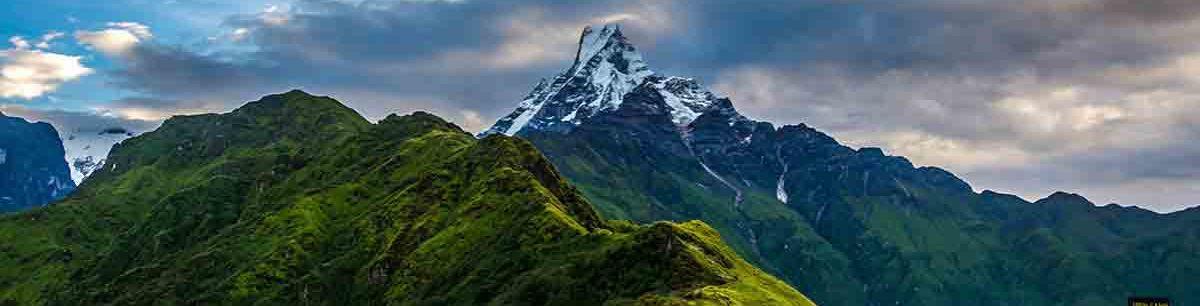
Climbing Lobuche Peak: 7 Brutal Challenges You Shouldn’t Underestimate

Climbing Lobuche Peak is one of the most thrilling and rewarding mountaineering experiences in Nepal’s Everest region. Standing at an impressive 6,119 meters, this Himalayan giant attracts trekkers and climbers looking to step beyond trekking into real alpine climbing. While often categorized as a “trekking peak,” Lobuche Peak is far from easy. It combines high altitude, technical terrain, and unpredictable weather—making it a serious challenge even for experienced adventurers.

Many climbers underestimate Lobuche Peak, assuming it is similar to other trekking peaks like Island Peak or Mera Peak. However, the reality is quite different. The climb tests not only your physical endurance but also your technical skills, mental strength, and ability to adapt to extreme environments.

In this article, we’ll explore the 7 brutal challenges of climbing Lobuche Peak that you should never underestimate—and how to prepare for each one.


 Extreme High Altitude and Thin Air

The first and most significant challenge of climbing Lobuche Peak is its altitude. At over 6,100 meters, oxygen levels are roughly half of what they are at sea level, making even simple movements exhausting.

At such heights, your body struggles to function normally. Breathing becomes difficult, your heart rate increases, and fatigue sets in quickly. Even basic tasks like putting on gloves or drinking water can feel like a major effort.

Altitude sickness is a real danger here. Symptoms such as headaches, nausea, dizziness, and shortness of breath can escalate into life-threatening conditions if ignored.

How to prepare:

  • Follow a proper acclimatization schedule
  • Stay hydrated and maintain a slow pace
  • Listen to your body and descend if symptoms worsen

 Technical Climbing Sections

Despite being labeled a trekking peak, Lobuche involves technical climbing—especially near the summit. Climbers must navigate steep snow and ice slopes, often at angles of 45–50 degrees.

The final section before the summit includes a challenging ice wall where fixed ropes are used for safety. This requires knowledge of equipment like crampons, ice axes, harnesses, and jumars.

For beginners, this can be intimidating and physically demanding. Without proper technique, even a small mistake can be dangerous.

How to prepare:

  • Take a basic mountaineering course
  • Practice using climbing gear before the expedition
  • Always follow your guide’s instructions

 Long and Exhausting Summit Day

Summit day on Lobuche Peak is not just challenging—it’s brutal. Climbers typically start around midnight and spend 8–10 hours ascending and descending.

The climb from high camp to the summit involves a significant elevation gain, and every step feels heavier due to the altitude. By the time you reach the summit ridge, exhaustion can be overwhelming.

Descending is equally dangerous because fatigue increases the risk of slips and mistakes.

How to prepare:

  • Build strong cardiovascular endurance
  • Train with long hikes carrying a backpack
  • Focus on stamina rather than just strength

 Steep and Rocky Terrain

The route to Lobuche Peak is filled with steep, rocky, and uneven terrain. From the approach to base camp to the climb toward high camp, the trail demands careful footing and balance.

Loose rocks, moraine paths, and glacier crossings make the journey physically taxing. Even before the technical climbing begins, the trek itself can drain your energy.

How to prepare:

  • Train on uneven and rocky trails
  • Improve balance and leg strength
  • Use trekking poles for stability

 Harsh Weather Conditions

The Himalayan weather is unpredictable and often extreme. Temperatures on Lobuche Peak can drop to -20°C or lower, with wind chills making it feel even colder.

Strong winds, sudden snowstorms, and rapidly changing conditions can turn a manageable climb into a dangerous situation. Exposure to cold can lead to frostbite and hypothermia.

How to prepare:

  • Pack high-quality cold-weather gear
  • Monitor weather forecasts closely
  • Be flexible with your schedule

 Mental and Psychological Challenges

Climbing Lobuche Peak is not just a physical test—it’s a mental battle. The exposure on narrow ridges, steep drops, and the constant risk of falling can create intense fear and anxiety.

Fatigue, cold, and altitude can also affect your decision-making and motivation. Many climbers struggle with self-doubt, especially during the final push to the summit.

How to prepare:

  • Build mental resilience through training
  • Stay focused and calm under pressure
  • Break the climb into small, manageable goals

 Risk of Altitude-Related Illness and Injuries

Beyond general altitude sickness, Lobuche Peak poses risks of severe conditions like HAPE (High Altitude Pulmonary Edema) and HACE (High Altitude Cerebral Edema).

Additionally, the combination of ice, snow, and rock increases the risk of slips, falls, and injuries. Glacier sections may also contain hidden crevasses, adding another layer of danger.

How to prepare:

  • Carry a first aid kit and essential medications
  • Travel with experienced guides
  • Ensure proper insurance and emergency plans

Why Lobuche Peak Is More Challenging Than It Looks

Lobuche Peak is often misunderstood as an “easy Himalayan climb.” In reality, it is graded PD to AD in alpine difficulty, meaning it requires both physical endurance and technical ability.

Unlike simple trekking peaks, Lobuche combines:

  • High altitude exposure
  • Technical climbing sections
  • Harsh environmental conditions

This combination makes it one of the most demanding trekking peaks in Nepal.


Essential Tips for a Successful Lobuche Peak Climb

To overcome these brutal challenges, preparation is key. Here are some essential tips:

1. Physical Training

Focus on cardio, strength, and endurance training for at least 2–3 months before your climb.

2. Gain Prior Experience

Climb smaller peaks or complete high-altitude treks like Everest Base Camp to build confidence.

3. Acclimatize Properly

Never rush your ascent. Proper acclimatization can make the difference between success and failure.

4. Use Professional Guides

Experienced guides provide safety, technical support, and local knowledge.

5. Invest in Quality Gear

Good equipment is essential for safety and comfort in extreme conditions.


Final Thoughts

Climbing Lobuche Peak is an unforgettable adventure that offers breathtaking views of Everest, Lhotse, Nuptse, and Ama Dablam. But behind its beauty lies a series of brutal challenges that demand respect, preparation, and determination.

From the thin air at extreme altitude to the steep technical sections and unpredictable weather, Lobuche Peak pushes climbers to their limits. It is not just a climb—it’s a test of endurance, skill, and mental strength.

If you approach it with the right mindset and preparation, Lobuche Peak can be one of the most rewarding achievements of your life.

Quick Inquiry Form

Women Trekkers Leading Himalayan Adventures : From Dream to Summit in 2026

The towering peaks of the Himalayas have long symbolized adventure, resilience, and the pursuit of dreams. In recent years, a powerful shift has taken place in the trekking and mountaineering world—women trekkers are increasingly leading Himalayan adventures in Nepal. What was once considered a male-dominated field has transformed into an inspiring landscape where women guide expeditions, conquer high passes, and motivate others to follow their dreams.

In 2026, this movement is stronger than ever. Women from Nepal and across the globe are setting records, organizing treks, and redefining leadership in the mountains. From beginner trails to challenging expeditions, women trekkers are proving that determination, skill, and passion can take anyone from dream to summit.

This article explores how women are leading Himalayan adventures in Nepal, why more female trekkers are joining expeditions, and how the trekking industry is evolving to support and empower them.


The Rise of Women Trekkers in Nepal

Over the past decade, women trekkers have become a significant force in Nepal’s trekking industry. Many women now work as guides, porters, expedition leaders, and travel entrepreneurs.

Historically, trekking in the Himalayas required intense physical endurance and was often associated with male adventurers. However, with improved training programs, international exposure, and growing support networks, women have increasingly stepped into leadership roles.

Several factors have contributed to this rise:

  • Greater global awareness about gender equality in adventure sports
  • Training opportunities for female trekking guides
  • Support from local trekking companies and organizations
  • Growing communities of women travelers seeking safe and empowering experiences

Today, female-led trekking groups are becoming common in many Himalayan regions.


Why Nepal Is the Perfect Destination for Women Trekkers

Nepal offers one of the most diverse and inspiring trekking environments in the world. With eight of the world’s highest mountains and countless scenic trails, the country provides opportunities for both beginner and advanced trekkers.

Diverse Trekking Routes

Nepal features a variety of trekking routes that cater to different skill levels. Some of the most popular trails include:

These routes offer breathtaking landscapes, cultural immersion, and unique challenges that appeal to adventurous women worldwide.

Safe and Supportive Trekking Culture

Nepal’s trekking culture is known for its hospitality. Tea houses along major trekking routes provide safe accommodations, meals, and social interaction for trekkers.

Many trekking companies now offer female-only treks, ensuring comfort and security for women travelers.

Inspiring Role Models

Women pioneers in mountaineering have inspired many new trekkers to follow their dreams. Legendary climbers like Pasang Lhamu Sherpa and Junko Tabei have demonstrated that determination can break barriers.

Their achievements continue to motivate women to explore the Himalayas.


How Women Are Leading Himalayan Adventures in 2026

In 2026, women are not just participating in treks—they are leading them.

Female Trek Leaders and Guides

More Nepalese women are becoming certified trekking guides. These professionals lead groups across challenging terrain while ensuring safety and environmental responsibility.

Female guides bring unique strengths to expeditions, including strong communication skills, empathy, and leadership.

Women-Only Trekking Expeditions

Women-only trekking groups are gaining popularity worldwide. These expeditions create supportive environments where participants feel comfortable pushing their limits.

Such trips often emphasize:

  • Personal growth
  • Cultural exchange
  • Community building

For many women, these treks represent a powerful journey of self-discovery.

Adventure Entrepreneurship

Many female adventurers are now running trekking companies and travel startups. They design unique trekking experiences that focus on sustainability, cultural immersion, and responsible tourism.

Their leadership is transforming Nepal’s trekking industry.


Popular Treks Women Are Leading in Nepal

Several trekking routes have become favorites among women leaders and adventure groups.

Everest Base Camp Trek

The Everest Base Camp Trek is one of the most iconic journeys in the Himalayas. Trekkers pass through Sherpa villages, suspension bridges, and glaciers while enjoying views of Mount Everest.

Women-led expeditions on this route have increased significantly in recent years.

Annapurna Circuit Trek

The Annapurna Circuit offers a diverse experience with lush forests, alpine landscapes, and high mountain passes. It is an excellent route for women seeking a longer and more challenging trek.

Langtang Valley Trek

The Langtang Valley Trek is perfect for trekkers who want spectacular scenery without extremely high altitude challenges. Female guides often recommend it for beginners and solo women travelers.


Challenges Women Trekkers Still Face

Despite significant progress, female trekkers still encounter certain challenges.

Cultural Barriers

In some communities, traditional gender roles may discourage women from pursuing trekking careers. However, education and awareness are gradually changing these attitudes.

Physical Demands

High-altitude trekking requires endurance and preparation. Proper training, acclimatization, and equipment are essential for success.

Limited Representation

While the number of female guides is increasing, they still represent a small percentage of the trekking workforce.

Continued support and training programs are essential for growth.


Training and Preparation for Women Trekkers

Preparation is key for any Himalayan adventure.

Physical Training

Before trekking in Nepal, women should focus on:

  • Cardio workouts
  • Strength training
  • Hiking practice with backpacks

Mental Preparation

High-altitude trekking requires resilience and patience. Mental preparation helps trekkers overcome fatigue and unexpected challenges.

Proper Gear

Essential gear includes:

  • Waterproof hiking boots
  • Thermal clothing
  • Trekking poles
  • Quality backpacks
  • Sleeping bags designed for cold temperatures

Having the right equipment ensures comfort and safety during the trek.


The Role of Local Communities

Local communities play an important role in supporting female trekkers and guides.

Many villages along trekking routes now encourage women to work in tourism. Training programs teach guiding skills, hospitality, and environmental conservation.

These initiatives empower women economically while strengthening Nepal’s tourism industry.


Sustainable and Responsible Trekking

Women-led expeditions often emphasize sustainability and environmental responsibility.

Responsible trekking practices include:

  • Minimizing plastic waste
  • Respecting local culture and traditions
  • Supporting local businesses and tea houses
  • Protecting fragile mountain ecosystems

These practices ensure that the Himalayas remain pristine for future generations.


Inspiring Stories From Women Trekkers

Every year, countless women embark on life-changing journeys in Nepal.

Some trek to celebrate personal achievements, while others seek healing, adventure, or spiritual growth. Many return home with newfound confidence and lifelong friendships.

From first-time trekkers to professional guides, women are rewriting the narrative of Himalayan exploration.


Tips for Women Planning a Trek in Nepal

If you are planning your first Himalayan trek, consider these tips:

  1. Choose a reputable trekking company
  2. Train physically several months before the trip
  3. Pack light but bring essential gear
  4. Travel with supportive companions or guided groups
  5. Respect local culture and customs

Following these tips will make your trekking experience safer and more enjoyable.


The Future of Women in Himalayan Trekking

The future of trekking in Nepal looks incredibly promising for women. As more female adventurers enter the field, the industry will continue evolving toward inclusivity and equality.

By 2026 and beyond, women trekkers will likely:

  • Lead more high-altitude expeditions
  • Establish adventure travel companies
  • Mentor the next generation of female explorers

Their leadership will inspire countless others to chase their dreams in the mountains.


Conclusion: From Dream to Summit

The story of women trekkers leading Himalayan adventures in Nepal is a story of courage, determination, and transformation.

From the foothills to the world’s highest peaks, women are proving that adventure has no gender limits. Their journeys symbolize empowerment—not just for themselves but for future generations of explorers.

In 2026, the Himalayas continue to witness an inspiring movement: women turning dreams into reality, step by step, trail by trail, all the way to the summit. For anyone seeking adventure, inspiration, and personal growth, the message is clear—the mountains are calling, and women are answering with strength and leadership

Quick Inquiry Form

7 Stunning Flower Trail Treks in Nepal: Adventure in Full Bloom

Nepal is widely known for its towering Himalayan peaks, legendary trekking routes, and rich cultural heritage. Yet, beyond the snow-covered mountains lies another spectacular natural wonder—flower-filled trekking trails that burst into vibrant color every spring. From red rhododendron forests to rare Himalayan wildflowers, these trails transform the landscape into a breathtaking floral paradise.

Spring (March to May) is considered the best season for flower trekking in Nepal, when hillsides and forests come alive with blooms of rhododendrons, magnolias, orchids, and alpine flowers. During this period, the national flower of Nepal, Laliguras (rhododendron), blossoms in brilliant shades of red, pink, white, and purple across mid-hill forests.

For nature lovers, photographers, and adventure seekers, trekking through Nepal’s flower trails offers a magical experience—where every step reveals new colors, scents, and views of the Himalayas.

In this guide, we explore 7 stunning flower trail treks in Nepal that promise an unforgettable adventure in full bloom.


Why Trek Flower Trails in Nepal?

Before diving into the best flower trails, it’s worth understanding why Nepal is such a unique destination for floral trekking.

Nepal’s dramatic elevation range—from subtropical forests at 500 meters to alpine terrain above 4,000 meters—creates diverse ecosystems that support thousands of plant species. This variation allows trekkers to see a wide variety of flowers within a single trek.

Key highlights include:

  • Over 30 species of rhododendron growing in Nepal’s forests
  • Seasonal alpine flowers such as the Himalayan blue poppy
  • Forests bursting with blossoms from March to May
  • Scenic trekking routes through protected national parks and conservation areas

When spring arrives, many trails become natural botanical gardens, making trekking not just an adventure but also a visual and sensory experience.


Ghorepani Poon Hill Trek – Nepal’s Most Famous Flower Trail

The Ghorepani Poon Hill Trek is perhaps the most famous flower trekking route in Nepal. Located in the Annapurna region, it is renowned for its dense rhododendron forests, which are among the largest in the Himalayas.

During spring, the trail from Tikhedhunga to Ghorepani transforms into a tunnel of colorful blooms. Bright red rhododendrons dominate the forest, while pink and white varieties add contrast to the scenery.

Highlights

  • Sunrise view from Poon Hill (3,210 m)
  • Vast rhododendron forests in bloom
  • Views of the Annapurna and Dhaulagiri ranges
  • Cultural encounters in Gurung and Magar villages

The trek typically takes 4–5 days, making it ideal for beginners who want to experience Nepal’s floral landscapes without committing to a long expedition.


Annapurna Base Camp Trek – A Journey Through Blooming Forests

The Annapurna Base Camp (ABC) Trek is one of Nepal’s most iconic trekking adventures. While it is famous for its dramatic mountain amphitheater, the trail also passes through lush forests filled with seasonal flowers.

In spring, the lower sections of the trail—especially around Ghandruk, Chhomrong, and Bamboo—are covered in blooming rhododendrons and other wildflowers.

Highlights

  • Rhododendron forests along the trekking route
  • Stunning views of Annapurna South and Machapuchare
  • Rich biodiversity within the Annapurna Conservation Area
  • Traditional Gurung villages and cultural experiences

The trek usually lasts 7–12 days, offering a perfect mix of floral beauty, Himalayan scenery, and cultural immersion.


Mardi Himal Trek – A Hidden Floral Paradise

The Mardi Himal Trek is a relatively newer trekking route in the Annapurna region that has quickly gained popularity among nature lovers.

During spring, the section between Forest Camp and Low Camp becomes a magical pathway lined with blooming rhododendrons and moss-covered trees. The vibrant red, pink, and white blossoms create one of the most picturesque forest walks in the region.

Highlights

  • Quiet trails compared to other Annapurna routes
  • Spectacular rhododendron forests
  • Close views of Machapuchare (Fishtail Mountain)
  • Peaceful nature experience

The trek usually takes 5–7 days, making it perfect for travelers seeking a less crowded flower trail.


Langtang Valley Trek – Flower Trails Near Kathmandu

If you’re looking for a beautiful flower trek close to Kathmandu, the Langtang Valley Trek is an excellent choice.

Located north of the capital within Langtang National Park, this trek passes through forests filled with rhododendrons, magnolias, and orchids during spring. As trekkers climb higher, the scenery shifts to alpine meadows dotted with colorful wildflowers.

Highlights

  • Diverse flora and wildlife
  • Stunning views of Langtang Lirung
  • Cultural encounters with the Tamang community
  • Access to glaciers and alpine landscapes

The trek usually takes 7–10 days, offering both floral beauty and dramatic Himalayan scenery.


Milke Danda Trek – The Rhododendron Capital of Nepal

For serious flower enthusiasts, the Milke Danda Trek in eastern Nepal is often considered the ultimate destination.

This remote ridge is widely known as the “Rhododendron Capital of Nepal”, boasting over 25 different varieties of rhododendrons.

The trail stretches through thick forests that burst into vibrant color during April and May.

Highlights

  • One of the richest rhododendron habitats in the world
  • Stunning views of Everest, Makalu, and Kanchenjunga
  • Remote and uncrowded trekking experience
  • Unique biodiversity and wildlife

Milke Danda is ideal for trekkers who want a less commercial and more immersive nature experience.


Manaslu Circuit Trek – Alpine Flowers and Himalayan Wilderness

The Manaslu Circuit Trek is a spectacular route circling Mount Manaslu, the eighth-highest mountain in the world.

Besides dramatic mountain views, the trail also features diverse Himalayan flora. Between 2,000 and 3,800 meters, trekkers encounter rhododendron forests and rare alpine flowers such as the Himalayan blue poppy.

Highlights

  • Wild and remote Himalayan landscapes
  • Diverse flora including rhododendrons and alpine flowers
  • Authentic Tibetan-influenced villages
  • Crossing the famous Larkya La Pass

The trek typically takes 14–16 days, making it perfect for adventurous trekkers seeking a longer journey.


Mundum Trail (Eastern Nepal) – Cultural and Floral Adventure

The Mundum Trail is an emerging trekking route in eastern Nepal that combines natural beauty, cultural heritage, and vibrant rhododendron forests.

The trail runs along ridges overlooking the Everest, Makalu, and Kanchenjunga ranges while passing through colorful forests and traditional Rai villages.

Highlights

  • Rhododendron forests covering hill ridges
  • Authentic Rai culture and traditions
  • Spectacular Himalayan viewpoints
  • Quiet trails far from mainstream tourism

The trek usually takes 5–7 days, making it an excellent choice for travelers seeking a unique and culturally rich flower trail.


Best Time for Flower Trail Treks in Nepal

The best time to experience Nepal’s flower trails is spring, particularly from mid-March to early May. During this period, rhododendrons bloom across different altitude zones, covering the hillsides in vibrant colors.

Seasonal Flower Highlights

MonthFlower Highlights
MarchEarly rhododendron blooms
AprilPeak flowering season
MayHigh-altitude alpine flowers

Spring also offers clear skies, moderate temperatures, and excellent mountain visibility, making it one of the most popular trekking seasons in Nepal.


Tips for Trekking Flower Trails in Nepal

If you plan to explore these stunning floral routes, keep these tips in mind:

1. Choose the Right Season

Spring is ideal for flowers, while autumn offers clearer mountain views.

2. Bring a Camera

Flower trails provide incredible photography opportunities.

3. Trek with a Guide

Local guides can help identify different plant species and enhance the experience.

4. Pack Layers

Mountain weather can change quickly, even during spring.

5. Respect Nature

Avoid picking flowers or disturbing wildlife in protected areas.


Final Thoughts: A Himalayan Garden in Bloom

Nepal’s flower trails offer a unique trekking experience that blends adventure, biodiversity, and breathtaking scenery. Walking through forests filled with blooming rhododendrons while the snow-capped Himalayas rise in the background is a truly magical experience.

Whether you choose the popular Ghorepani Poon Hill trek, the remote Milke Danda ridge, or the scenic Mardi Himal trail, each route promises unforgettable landscapes and vibrant natural beauty.

If you love trekking, photography, or simply being surrounded by nature’s colors, exploring Nepal’s flower trail treks is an adventure you should not miss.

Spring in the Himalayas is more than just a season—it’s nature’s grand festival of flowers.

Quick Inquiry Form

Understanding Trekking Risks in the Himalayas: Complete Safety and Risk Management Guide

Trekking in the Himalayas is one of the most extraordinary travel experiences in the world. Towering snow-capped peaks, ancient mountain villages, breathtaking valleys, and diverse cultures attract thousands of adventure seekers every year. However, while the beauty of the Himalayan region is unmatched, trekkers must also understand the trekking risks in the Himalayas before planning their journey.

From unpredictable weather conditions to altitude sickness and remote terrain, trekking in this region requires careful planning, proper training, and awareness of potential hazards. A well-prepared trekker can enjoy the adventure safely while minimizing risks. This comprehensive guide explains the major trekking risks in the Himalayas and provides professional risk management strategies to ensure a safe and memorable trekking experience.


Why Understanding Trekking Risks in the Himalayas Is Important

The Himalayan mountain range stretches across several countries including Nepal, India, Bhutan, Tibet (China), and Pakistan. Many trekking routes pass through remote areas where medical facilities, transportation, and communication networks are limited.

Understanding trekking risks in the Himalayas is essential for several reasons:

  • Ensures safety in high-altitude environments
  • Helps trekkers prepare physically and mentally
  • Reduces chances of accidents or health emergencies
  • Improves decision-making during challenging conditions

Even experienced hikers can face difficulties in the Himalayas due to the region’s extreme altitude and weather conditions. Therefore, proper risk awareness is the first step toward a safe adventure.


Major Trekking Risks in the Himalayas

Although trekking is generally safe with proper preparation, certain risks are common in the Himalayan environment. Being aware of these risks allows trekkers to take preventive measures.

Altitude Sickness

Altitude sickness, also known as Acute Mountain Sickness (AMS), is one of the most significant risks in Himalayan trekking. As trekkers ascend to higher elevations, the oxygen level decreases, which can cause various health problems.

Common symptoms include:

  • Headaches
  • Nausea or vomiting
  • Dizziness
  • Fatigue
  • Difficulty sleeping
  • Loss of appetite

Severe forms of altitude sickness include High Altitude Pulmonary Edema (HAPE) and High Altitude Cerebral Edema (HACE), both of which require immediate medical attention.

Risk Management Tips

  • Ascend gradually and follow the “climb high, sleep low” principle
  • Take regular acclimatization days
  • Drink plenty of water
  • Avoid alcohol and smoking
  • Descend immediately if symptoms worsen

Proper acclimatization significantly reduces the risk of altitude sickness during Himalayan treks.


Unpredictable Weather Conditions

Weather in the Himalayas can change dramatically within a short time. A clear morning can quickly turn into heavy snowfall, rain, or strong winds. Such sudden weather changes are common, particularly at higher altitudes.

Potential weather-related risks include:

  • Hypothermia
  • Snowstorms
  • Reduced visibility
  • Slippery trails
  • Cold-related illnesses

Risk Management Tips

  • Always check weather forecasts before starting a trek
  • Carry proper clothing layers
  • Avoid trekking during extreme weather conditions
  • Start trekking early in the morning
  • Always carry emergency gear

Planning your trek during the spring (March–May) or autumn (September–November) seasons can reduce weather-related risks.


Difficult Terrain and Trail Conditions

Himalayan trekking routes often include steep climbs, narrow trails, rocky terrain, and high mountain passes. Some trails also cross suspension bridges, glaciers, or landslide-prone areas.

Trekkers may face:

  • Slips and falls
  • Loose rocks
  • Steep descents
  • River crossings
  • Snow-covered paths

These conditions require good balance, stamina, and proper trekking techniques.

Risk Management Tips

  • Use trekking poles for stability
  • Wear high-quality trekking boots
  • Walk at a steady pace
  • Avoid rushing on steep or slippery trails
  • Hire experienced local guides when trekking in unfamiliar regions

Careful navigation and proper equipment can greatly reduce accidents on Himalayan trails.


Remote Locations and Limited Medical Facilities

Many Himalayan trekking routes pass through isolated villages where modern healthcare facilities are limited. In case of serious illness or injury, evacuation may require helicopter rescue, which can be expensive.

Common issues include:

  • Delayed medical assistance
  • Limited pharmacies
  • Lack of advanced treatment facilities

Risk Management Tips

  • Purchase comprehensive travel insurance covering helicopter evacuation
  • Carry a personal first aid kit
  • Trek with experienced guides or trekking agencies
  • Inform someone about your trekking itinerary

Being prepared for emergencies is crucial when trekking in remote mountain areas.


Physical Exhaustion and Fatigue

Trekking in the Himalayas demands high physical endurance. Long walking hours, steep ascents, heavy backpacks, and high altitude can lead to exhaustion.

Physical fatigue may increase the risk of:

  • Injuries
  • Poor decision-making
  • Dehydration
  • Reduced stamina

Risk Management Tips

  • Train before your trek with hiking or cardio exercises
  • Maintain a steady walking pace
  • Take regular rest breaks
  • Eat nutritious meals and stay hydrated

Proper physical preparation helps trekkers maintain energy levels throughout the journey.


Navigation and Getting Lost

While many popular trekking routes are well-marked, some remote trails can be confusing, especially during fog, snowfall, or landslides.

Trekkers may face risks such as:

  • Losing the main trail
  • Poor visibility during storms
  • Incorrect route decisions

Risk Management Tips

  • Carry offline maps or GPS devices
  • Use reliable trekking guidebooks
  • Trek with experienced guides
  • Avoid trekking alone in remote regions

Navigation awareness plays an important role in reducing trekking risks in the Himalayas.


Landslides and Natural Hazards

Certain Himalayan regions are prone to landslides, avalanches, and rockfalls. These natural hazards are often triggered by heavy rain, earthquakes, or melting snow.

Trekkers should remain cautious when passing through:

  • Steep slopes
  • Narrow mountain trails
  • Landslide-prone valleys
  • Glacier zones

Risk Management Tips

  • Follow local guide instructions
  • Avoid trekking during monsoon season
  • Move quickly but carefully through landslide zones
  • Stay updated on local conditions

Understanding regional hazards can help trekkers make safer route choices.


Essential Trekking Safety Equipment

Having the right gear is critical for minimizing trekking risks in the Himalayas. Proper equipment ensures comfort, safety, and preparedness for emergencies.

Important trekking gear includes:

  • Waterproof trekking boots
  • Thermal clothing layers
  • Down jacket
  • Sleeping bag for cold temperatures
  • Trekking poles
  • Headlamp or flashlight
  • First aid kit
  • Water purification tablets
  • GPS or offline map applications
  • Emergency whistle

Investing in quality trekking gear can make a significant difference in safety and comfort during high-altitude adventures.


The Role of Professional Guides and Porters

Hiring professional trekking guides and porters is strongly recommended for Himalayan expeditions. Local guides have extensive knowledge of the terrain, weather patterns, and emergency procedures.

Benefits of trekking with guides include:

  • Better route navigation
  • Cultural insights and local knowledge
  • Faster emergency response
  • Assistance with logistics and accommodations

Professional guides also monitor trekkers for symptoms of altitude sickness and help maintain a safe trekking pace.


Best Seasons for Safe Himalayan Trekking

Choosing the right trekking season is one of the most effective ways to reduce trekking risks in the Himalayas.

Spring (March–May)

Spring is one of the best seasons for trekking due to:

  • Mild temperatures
  • Clear mountain views
  • Blooming rhododendron forests
  • Stable weather conditions

Autumn (September–November)

Autumn is another popular trekking season because:

  • Skies are generally clear
  • Trails are dry and stable
  • Mountain visibility is excellent

Seasons to Avoid

  • Monsoon (June–August): heavy rain, landslides, slippery trails
  • Winter (December–February): extreme cold and heavy snowfall in high passes

Selecting the right season significantly improves safety and trekking enjoyment.


Mental Preparation and Responsible Trekking

Physical preparation is important, but mental readiness also plays a crucial role in safe trekking. High-altitude journeys can be mentally challenging due to long walking days, cold temperatures, and unpredictable conditions.

Responsible trekking practices include:

  • Respecting local culture and traditions
  • Avoiding environmental damage
  • Following “Leave No Trace” principles
  • Supporting local communities

A responsible mindset enhances both safety and sustainability in the Himalayas.


Emergency Preparedness in the Himalayas

Even with careful planning, emergencies can occur during trekking. Knowing how to respond quickly can save lives.

Essential emergency preparation includes:

  • Learning basic first aid skills
  • Carrying emergency contacts
  • Using satellite communication devices in remote regions
  • Having evacuation insurance coverage

Many trekking companies also provide satellite phones and emergency response systems for remote expeditions.


Conclusion

Trekking in the Himalayas offers breathtaking scenery, cultural encounters, and unforgettable adventure. However, the region’s extreme altitude, challenging terrain, and unpredictable weather conditions make it essential to understand the trekking risks in the Himalayas.

By preparing properly, choosing the right season, hiring experienced guides, and following professional risk management strategies, trekkers can safely explore some of the world’s most spectacular mountain landscapes.

Awareness, preparation, and responsible decision-making are the keys to minimizing risks and maximizing the rewards of Himalayan trekking. With the right approach, your journey through these majestic mountains can become a safe, inspiring, and life-changing experience.

Quick Inquiry Form

Is Kailash Mansarovar Yatra Safe for Heart Patients? A Complete Medical & Safety Guide

The question “Is Kailash Mansarovar Yatra safe for heart patients?” is one of the most critical concerns for pilgrims planning this sacred Himalayan journey. The pilgrimage to Mount Kailash and Lake Mansarovar, widely known as the Kailash Mansarovar Yatra, takes devotees to extreme altitudes in a remote and oxygen-deficient environment. While spiritually transformative, the journey can place significant strain on the cardiovascular system — especially for individuals with pre-existing heart conditions.

This comprehensive medical and safety guide explains the altitude risks, physiological impact on heart patients, medical eligibility criteria, and expert recommendations to help you make an informed decision.


Understanding the Altitude Factor

The Kailash Mansarovar Yatra takes place in the Tibet Autonomous Region, where elevations typically range from:

  • 4,500 meters (14,764 ft) at Lake Mansarovar
  • 5,630 meters (18,471 ft) at Dolma La Pass (during Mount Kailash Parikrama)

At these elevations, oxygen levels drop to nearly 50–60% of sea-level concentration. This condition is known as hypobaric hypoxia, and it significantly increases cardiovascular workload.

For heart patients, this means:

  • Increased heart rate (tachycardia)
  • Elevated blood pressure
  • Reduced oxygen saturation
  • Greater strain on coronary circulation

The body must work harder to deliver oxygen to tissues, which can aggravate underlying heart conditions.


Why High Altitude Is Risky for Heart Patients

High-altitude environments affect the cardiovascular system in several ways:

Increased Cardiac Output

The heart pumps faster to compensate for low oxygen levels. In patients with coronary artery disease or heart failure, this can trigger chest pain (angina) or breathlessness.

Pulmonary Pressure Rise

Low oxygen causes constriction of pulmonary vessels, increasing pulmonary artery pressure. This may worsen conditions like pulmonary hypertension.

Dehydration & Blood Thickening

Cold weather and dry air increase dehydration risk, making blood thicker and potentially increasing clot formation risk.

Risk of High-Altitude Illness

Heart patients are more vulnerable to:

  • Acute Mountain Sickness (AMS)
  • High-Altitude Pulmonary Edema (HAPE)
  • High-Altitude Cerebral Edema (HACE)

These conditions can become life-threatening without rapid descent and medical care.


Can Heart Patients Do Kailash Mansarovar Yatra?

The answer depends on the type and severity of the heart condition.

Generally NOT Recommended For:

  • Recent heart attack (within last 6–12 months)
  • Unstable angina
  • Severe coronary artery disease
  • Congestive heart failure (NYHA Class III or IV)
  • Severe arrhythmias
  • Uncontrolled hypertension
  • Severe valvular heart disease

May Be Considered With Strict Medical Clearance:

  • Mild, stable coronary artery disease
  • Controlled hypertension
  • Successfully treated heart conditions with stable status
  • Post-angioplasty or bypass surgery (after full recovery and cardiologist approval)

A cardiologist must evaluate:

  • Stress test results
  • Echocardiogram findings
  • Oxygen tolerance
  • Exercise capacity

Without formal clearance, undertaking the yatra can be dangerous.


Medical Tests Required Before Planning the Yatra

If you are a heart patient considering Kailash Mansarovar Yatra, undergo the following tests:

  1. Treadmill Stress Test (TMT)
  2. Echocardiogram
  3. ECG
  4. Blood pressure evaluation
  5. Oxygen saturation testing
  6. Lipid profile and blood sugar screening

Many official yatra organizers require a medical fitness certificate. Even if not mandatory, it is medically essential.


Physical Demands of the Mount Kailash Parikrama

The Mount Kailash Parikrama involves:

  • 3 days of trekking
  • Walking 15–22 km per day
  • Steep ascents and rocky terrain
  • Crossing Dolma La Pass at 5,630 meters

For heart patients, even moderate exertion at this altitude can feel extremely strenuous. The oxygen deficit combined with cold temperatures amplifies cardiac stress.

Pilgrims unable to trek sometimes use horses or porters, but altitude stress still remains.


Warning Symptoms Heart Patients Must Watch For

During the yatra, seek immediate medical attention or descend if you experience:

  • Persistent chest pain
  • Severe breathlessness at rest
  • Dizziness or fainting
  • Irregular heartbeat
  • Swelling in legs
  • Oxygen saturation below 80%
  • Severe headache with confusion

Ignoring symptoms at high altitude can be fatal due to limited emergency medical facilities in remote Tibetan regions.


Safety Measures for Heart Patients (If Cleared to Travel)

If your cardiologist gives clearance, follow strict precautions:

1. Gradual Acclimatization

Choose routes that allow gradual altitude gain, such as Nepal-overland routes rather than rapid helicopter ascents.

2. Slow Pace

Walk slowly and avoid sudden exertion.

3. Stay Hydrated

Drink 3–4 liters of fluids daily.

4. Carry Essential Medicines

Bring:

  • Prescribed heart medications
  • Nitroglycerin (if advised)
  • Blood pressure medicines
  • Portable pulse oximeter
  • Oxygen cylinder (if recommended)

5. Travel with Reputed Operator

Choose operators providing:

  • Medical support staff
  • Oxygen cylinders
  • Emergency evacuation backup

Best Route for Heart Patients

There are multiple routes to Kailash Mansarovar:

  1. Nepal Overland Route
  2. Helicopter Route via Simikot
  3. Government-organized route via India

For heart patients, the gradual ascent route from Nepal is generally safer because it allows better acclimatization compared to rapid helicopter access.

However, even gradual routes involve significant altitude exposure.


Age Factor and Cardiac Risk

Advanced age increases cardiovascular vulnerability. Pilgrims above 55–60 years with heart disease face:

  • Reduced physiological reserve
  • Slower acclimatization
  • Higher complication risk

Age combined with heart disease significantly elevates overall risk.


Psychological & Emotional Considerations

The Kailash Mansarovar Yatra is emotionally powerful. Some pilgrims feel compelled to undertake it despite health risks. However, spirituality should never override medical safety.

Consult:

  • Cardiologist
  • High-altitude medicine specialist
  • Family members

A medically unsafe pilgrimage can lead to long-term complications or emergency evacuation.


Alternative Spiritual Options

If your doctor advises against the journey, consider:

  • Virtual darshan experiences
  • Visiting nearby sacred Himalayan destinations at lower altitude
  • Participating in local religious rituals

Spiritual fulfillment does not require risking your life.


Emergency Medical Limitations in Tibet

Remote areas of the Tibet Autonomous Region have:

  • Limited ICU facilities
  • Restricted emergency evacuation
  • Weather-dependent helicopter rescue
  • Communication delays

Cardiac emergencies require immediate advanced care, which may not always be available.


Insurance & Medical Evacuation

Heart patients must purchase:

  • High-altitude travel insurance
  • Emergency evacuation coverage
  • Coverage for pre-existing conditions

Without insurance, evacuation costs can be extremely high.


Final Medical Verdict: Is Kailash Mansarovar Yatra Safe for Heart Patients?

In medical terms:

  • Severe or unstable heart disease → Not safe
  • Stable, mild, well-controlled condition → Possible with strict medical clearance
  • No cardiac history → Still requires fitness evaluation

High altitude remains inherently risky for cardiovascular patients. Safety depends on individual medical status, acclimatization, preparation, and risk tolerance.


Key Takeaways

  • Kailash Mansarovar Yatra reaches altitudes above 5,600 meters.
  • Oxygen levels are significantly lower than sea level.
  • Heart patients face increased cardiovascular stress.
  • Cardiologist clearance is mandatory.
  • Emergency care is limited in remote regions.
  • Careful planning and risk assessment are essential.

Conclusion

The spiritual magnetism of Mount Kailash and Lake Mansarovar attracts thousands of pilgrims every year. However, for heart patients, the question “Is Kailash Mansarovar Yatra safe?” must be answered with medical realism, not emotion.

If you have any cardiovascular condition, consult your cardiologist and undergo comprehensive evaluation before committing to this journey. High altitude can turn manageable heart conditions into medical emergencies.

Spiritual devotion is meaningful — but your health and life are irreplaceable.