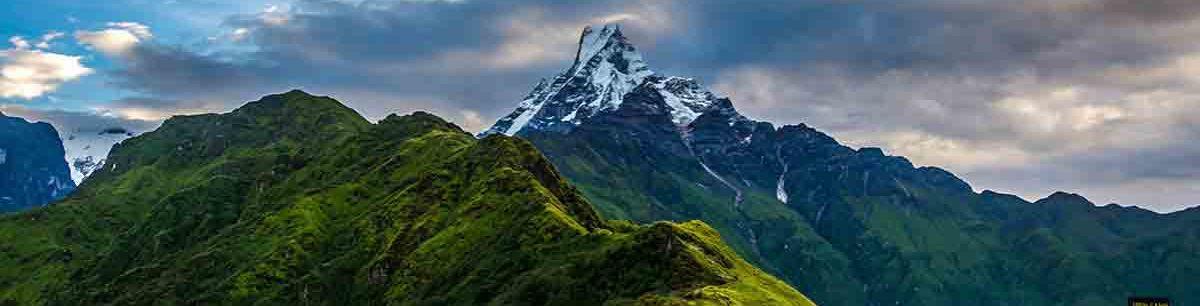
Nepal Wellness Tourism 2027: Government Plans to Build a Global Hub for Yoga, Meditation, and Natural Healing

Nepal Wellness Tourism 2027 is emerging as a transformative national vision, positioning Nepal as a global hub for yoga, meditation, and natural healing. With the government prioritizing wellness tourism and announcing plans for a comprehensive strategy, the country is preparing to redefine its tourism identity beyond mountains and adventure. This ambitious initiative, combined with the declaration of “Wellness Year 2027,” signals Nepal’s commitment to integrating Eastern philosophy, holistic health, and sustainable tourism into a unified global offering.


Introduction: A New Era for Tourism in Nepal

For decades, Nepal has been synonymous with trekking in the Himalayas, spiritual journeys to Lumbini, and cultural exploration in Kathmandu. However, the global tourism landscape is evolving. Travelers today are increasingly seeking meaningful experiences that enhance physical health, mental clarity, and spiritual growth.

Recognizing this shift, the Nepalese government has placed wellness tourism at the forefront of its national development strategy. A dedicated wellness tourism framework is expected to be introduced soon, guiding investments, infrastructure, and global promotion efforts.


What Is Wellness Tourism?

Wellness tourism refers to travel aimed at promoting health and well-being through physical, psychological, and spiritual activities. It includes experiences such as:

  • Yoga retreats
  • Meditation programs
  • Ayurveda and natural healing therapies
  • Detox and spa treatments
  • Spiritual pilgrimages

Globally, wellness tourism is one of the fastest-growing travel sectors, driven by increasing stress levels, lifestyle diseases, and a desire for holistic well-being.

Nepal, with its deep-rooted traditions in spirituality and natural healing, is uniquely positioned to benefit from this trend.


Why Nepal Is Ideal for Wellness Tourism

1. Birthplace of Buddha and Spiritual Heritage

Nepal is the birthplace of Gautama Buddha, making it one of the world’s most significant spiritual destinations. Sites like Lumbini attract pilgrims and seekers from across the globe who are interested in meditation and mindfulness.

2. Rich Tradition of Yoga and Meditation

Yoga and meditation have been practiced in Nepal for centuries, deeply intertwined with Hindu and Buddhist philosophies. From monasteries in the mountains to urban wellness centers, Nepal offers authentic experiences rooted in ancient traditions.

3. Natural Healing Environment

The country’s diverse geography—from the Himalayan peaks to lush jungles—provides a serene and pollution-free environment ideal for healing and rejuvenation. Clean air, fresh water, and tranquil landscapes enhance the effectiveness of wellness practices.

4. Ayurveda and Herbal Medicine

Nepal has a strong tradition of Ayurveda, using natural herbs and holistic treatments to promote health. Many wellness centers offer Ayurvedic therapies, detox programs, and personalized treatments.


Government Vision: Nepal Wellness Year 2027

The government has officially recognized wellness tourism as a key pillar of economic growth and tourism diversification. The declaration of “Nepal Wellness Year 2027” reflects a coordinated effort to:

  • Promote Nepal as a global wellness destination
  • Attract high-value international tourists
  • Develop infrastructure for wellness retreats and healing centers
  • Encourage private sector investment

This initiative is expected to involve multiple agencies working together to create a cohesive brand for Nepal’s wellness tourism sector.


Key Features of the Upcoming Wellness Strategy

1. Integrated Policy Framework

The government plans to introduce a comprehensive wellness tourism strategy within a short timeframe. This policy will outline:

  • Standards for wellness centers
  • Certification systems for practitioners
  • Guidelines for sustainable development

2. Promotion of Eastern Philosophy

Nepal’s wellness tourism will emphasize Eastern philosophies such as:

  • Mindfulness and meditation
  • Spiritual healing
  • Harmony between body and mind

These elements differentiate Nepal from Western wellness destinations that often focus more on luxury spa experiences.

3. Infrastructure Development

To support the growth of wellness tourism, Nepal will invest in:

  • Retreat centers and eco-resorts
  • Wellness spas and Ayurveda clinics
  • Improved transportation and accessibility

4. Global Marketing Campaigns

Nepal will promote itself internationally as a wellness destination through digital campaigns, partnerships, and participation in global tourism events.


International Recognition: April 15 as International Wellness Day

Nepal is also taking steps to gain global recognition for wellness tourism by thanking UN member states for supporting April 15 as International Wellness Day. This move aligns Nepal with global wellness initiatives and strengthens its position on the international stage.

Such recognition will help:

  • Increase global awareness
  • Encourage international collaboration
  • Attract wellness travelers worldwide

Popular Wellness Experiences in Nepal

Yoga Retreats in Pokhara

Pokhara is one of the top destinations for yoga retreats, offering stunning views of the Annapurna range and a peaceful lakeside environment. Many retreats combine yoga with meditation, detox programs, and nature walks.

Meditation in Buddhist Monasteries

Monasteries in regions like Mustang and Solukhumbu provide immersive meditation experiences guided by monks.

Ayurveda and Spa Treatments

Cities like Kathmandu and Pokhara host wellness centers offering traditional Ayurvedic therapies, massages, and holistic healing programs.

Nature-Based Healing

Activities such as forest bathing, trekking, and eco-retreats allow visitors to reconnect with nature and improve mental well-being.


Economic Impact of Wellness Tourism

The development of wellness tourism is expected to bring significant economic benefits to Nepal:

1. Increased Tourist Spending

Wellness tourists typically spend more than average travelers, contributing to higher revenue.

2. Job Creation

The sector will create jobs in:

  • Hospitality
  • Healthcare
  • Wellness services
  • Transportation

3. Rural Development

Many wellness retreats are located in rural areas, promoting local economies and reducing urban migration.

4. Sustainable Tourism Growth

Wellness tourism aligns with sustainable practices, minimizing environmental impact while maximizing economic benefits.


Challenges and Opportunities

Challenges

  • Lack of standardized wellness services
  • Limited international marketing
  • Infrastructure gaps in remote areas

Opportunities

  • Growing global demand for wellness travel
  • Nepal’s authentic cultural and spiritual heritage
  • Government support and policy initiatives

By addressing these challenges, Nepal can unlock its full potential as a leading wellness destination.


Sustainable and Responsible Wellness Tourism

Sustainability will be a core component of Nepal’s wellness tourism strategy. This includes:

  • Eco-friendly accommodations
  • Community-based tourism
  • Conservation of natural resources

Travelers are increasingly choosing destinations that prioritize sustainability, making this approach essential for long-term success.


Future Outlook: Nepal as a Global Wellness Hub

With strong government backing, rich cultural heritage, and natural advantages, Nepal is poised to become a global leader in wellness tourism by 2027.

The integration of yoga, meditation, and natural healing into the tourism sector will not only attract international visitors but also promote a healthier lifestyle among locals.

As the world continues to prioritize well-being, Nepal’s vision aligns perfectly with global trends, offering a unique blend of spirituality, nature, and holistic health.


Conclusion

Nepal Wellness Tourism 2027 represents a bold and forward-thinking initiative to transform the country into a global hub for yoga, meditation, and natural healing. By leveraging its spiritual heritage, natural beauty, and government support, Nepal is set to redefine its tourism industry and create a sustainable, high-value sector.

From the peaceful monasteries of Mustang to the serene lakes of Pokhara, Nepal offers an unmatched environment for wellness and rejuvenation. As the country prepares to celebrate Wellness Year 2027, it invites the world to experience healing, balance, and transformation in one of the most spiritually rich destinations on Earth.

Quick Inquiry Form

Nepal Wildlife Safari : A Complete Guide to Thrilling Jungle Experiences

Nepal is globally known for its towering Himalayan peaks, but beyond the mountains lies a completely different world—lush jungles, rare wildlife, and unforgettable safari adventures. A Nepal wildlife safari offers travelers a unique chance to explore subtropical forests, encounter endangered species, and immerse themselves in raw, untamed nature.

From dense riverine forests to vast grasslands, Nepal’s national parks provide some of the best wildlife experiences in Asia. Whether you’re a nature lover, wildlife photographer, or adventure seeker, this guide covers everything you need to plan the ultimate jungle safari in Nepal.


Why Choose a Wildlife Safari in Nepal?

Nepal is one of the few countries where you can see iconic wildlife like the one-horned rhinoceros, Bengal tiger, and Asian elephant in their natural habitat. Unlike crowded safari destinations, Nepal offers a more intimate and eco-conscious experience.

Top reasons to choose Nepal for a wildlife safari:

  • Home to rare and endangered species
  • Affordable compared to African safaris
  • Diverse ecosystems within short travel distances
  • Strong conservation efforts and eco-tourism initiatives
  • Opportunities for cultural interaction with local communities

Nepal’s protected areas are well-managed and provide safe, guided experiences that bring you closer to nature without compromising conservation.


Best National Parks for Wildlife Safaris in Nepal

Chitwan National Park

Located in southern Nepal, Chitwan is the most popular safari destination and a UNESCO World Heritage Site.

What to expect:

  • One-horned rhinoceros sightings
  • Bengal tigers (rare but possible)
  • Sloth bears, deer, and crocodiles
  • Over 500 bird species

Top activities:

  • Jeep safaris through dense jungle
  • Canoe rides along the Rapti River
  • Guided jungle walks
  • Cultural tours in Tharu villages

Chitwan is perfect for first-time visitors looking for a balanced mix of wildlife, comfort, and accessibility.


Bardia National Park

If you want a more remote and less crowded safari experience, Bardia is the place to go.

Why visit Bardia:

  • Higher chances of spotting Bengal tigers
  • Fewer tourists compared to Chitwan
  • Authentic wilderness experience

Wildlife highlights:

  • Wild elephants
  • Gangetic dolphins
  • Leopards and swamp deer

Bardia is ideal for serious wildlife enthusiasts and photographers who prefer off-the-beaten-path adventures.


Koshi Tappu Wildlife Reserve

This reserve is a paradise for bird lovers and wetland enthusiasts.

Best for:

  • Birdwatching (home to 500+ species)
  • Sightings of wild water buffalo (Arna)
  • Peaceful and scenic environment

If you’re visiting during migration season, Koshi Tappu becomes one of the best birdwatching destinations in South Asia.


Shuklaphanta National Park

A hidden gem in western Nepal, Shuklaphanta is known for its vast grasslands.

Highlights:

  • Large herds of swamp deer
  • Grassland ecosystems
  • Fewer crowds and untouched landscapes

This park is perfect for travelers seeking solitude and unique wildlife habitats.


Top Wildlife Species You Can See

Nepal’s jungles are incredibly biodiverse. Here are some of the most exciting animals you might encounter:

  • One-horned rhinoceros – Nepal is one of the last strongholds
  • Bengal tiger – elusive but thrilling to spot
  • Asian elephant – both wild and domesticated
  • Sloth bear – rare and fascinating
  • Crocodiles (mugger and gharial)
  • Leopards and jungle cats
  • Over 800 species of birds across Nepal

Each safari is different, and that unpredictability is what makes the experience so exciting.


Types of Jungle Safari Experiences

Jeep Safari

The most popular option, allowing you to cover large areas quickly. Ideal for spotting bigger animals like rhinos and tigers.

Canoe Safari

A quite and scenic ride along rivers where you can see crocodiles, birds, and sometimes elephants.

Jungle Walk

Guided walking tours offer a more immersive experience but require caution and experienced guides.

Elephant Safari

Traditionally popular, though increasingly debated due to ethical concerns. Many travelers now prefer jeep safaris as a more responsible option.


Best Time for Nepal Wildlife Safari

Timing plays a crucial role in your safari experience.

October to March (Best Season):

  • Pleasant weather
  • Clear visibility
  • High chances of wildlife sightings

April to June:

  • Hot but excellent for spotting animals near water sources

July to September (Monsoon):

  • Lush greenery but limited access
  • Some parks may restrict entry

For the best experience, plan your safari between October and March.


Safari Costs and Budget Guide

Nepal is relatively affordable compared to other safari destinations.

Average costs:

  • Park entry fees: $20–$30 per day
  • Jeep safari: $40–$100 per person
  • Guide fees: $10–$25 per day
  • Accommodation: $15 (budget) to $150+ (luxury lodges)

Packages combining accommodation, meals, and safaris are widely available and often offer better value.


Where to Stay: Lodges and Resorts

You’ll find a wide range of accommodation options near national parks:

Budget lodges:

  • Basic but comfortable
  • Ideal for backpackers

Mid-range hotels:

  • Good balance of comfort and cost

Luxury resorts:

  • Premium jungle lodges with guided tours
  • Great for honeymooners and families

Many lodges also offer cultural programs, nature talks, and guided excursions.


Responsible Wildlife Tourism Tips

As tourism grows, it’s important to travel responsibly:

  • Maintain a safe distance from animals
  • Avoid loud noises and disturbances
  • Choose eco-friendly lodges
  • Support local communities
  • Avoid unethical animal activities

Responsible tourism ensures these ecosystems remain protected for future generations.


Cultural Experiences Beyond the Safari

A Nepal wildlife safari isn’t just about animals—it’s also about people and culture.

Tharu Community Experience

In regions like Chitwan and Bardia, you can interact with the indigenous Tharu people.

Activities include:

  • Traditional dance performances
  • Village tours
  • Local cuisine tasting

This adds a meaningful cultural dimension to your safari journey.


How to Reach Nepal’s Safari Destinations

From Kathmandu

  • To Chitwan: 5–6 hours by road or 25-minute flight to Bharatpur
  • To Bardia: 1-hour flight to Nepalgunj + 2–3 hour drive
  • To Koshi Tappu: Flight to Biratnagar + short drive

Transportation options include tourist buses, private vehicles, and domestic flights.


Sample 3-Day Safari Itinerary (Chitwan)

Day 1:

  • Arrival and hotel check-in
  • Tharu cultural program

Days 2:

  • Early morning canoe ride
  • Jungle walk
  • Afternoon jeep safari

Day 3:

  • Birdwatching tour
  • Departure

You can extend your stay for deeper exploration and better wildlife sightings.


Travel Tips for Visitors

  • Book safari packages in advance during peak seasons
  • Carry lightweight, neutral-colored clothing
  • Bring binoculars and a good camera
  • Use insect repellent and sunscreen
  • Follow your guide’s instructions at all times

Why Nepal Wildlife Safaris Are Truly Unforgettable

What makes Nepal stand out is the combination of raw wilderness, cultural richness, and accessibility. In just a few days, you can go from the bustling streets of Kathmandu to the tranquil jungles filled with wildlife.

Unlike many destinations, Nepal offers a personal and immersive safari experience where every moment feels authentic. Whether it’s spotting a rhino grazing peacefully or hearing the distant call of a tiger, these are memories that stay with you forever.


Final Thoughts

A Nepal wildlife safari in is more than just a trip—it’s an adventure into one of the most diverse and captivating environments in the world. With multiple national parks, rich biodiversity, and unique cultural experiences, Nepal delivers a safari experience that is both thrilling and meaningful.

Whether you choose the popular trails of Chitwan National Park or the remote wilderness of Bardia National Park, one thing is certain—you’ll leave with unforgettable stories and a deeper appreciation for nature. If you’re planning your next adventure, Nepal’s jungles are calling.

Quick Inquiry Form

Solo Trekking in Restricted Areas of Nepal: What’s New in 2026?

Nepal has long been a dream destination for trekkers, offering everything from accessible hill trails to some of the most remote and culturally preserved Himalayan regions. However, in recent years, trekking regulations—especially regarding solo trekking and restricted areas—have undergone major changes. The 2026 update has introduced new flexibility while still maintaining strict safety and administrative requirements.

This article provides a comprehensive guide to understanding what’s new in 2026, how the rules have evolved, and what trekkers need to know before planning a solo adventure in Nepal’s restricted regions.


Understanding Restricted Areas in Nepal

Before diving into the 2026 updates, it’s important to understand what “restricted areas” actually mean in Nepal.

Restricted areas are specific regions—mostly located along Nepal’s northern border with Tibet—where access is controlled by the government. These include:

  • Upper Mustang
  • Upper Dolpa
  • Manaslu Region
  • Tsum Valley
  • Nar–Phu Valley
  • Kanchenjunga Region
  • Parts of Humla, Mugu, and Darchula

These areas are regulated primarily for:

  • Border security concerns
  • Cultural preservation of indigenous communities
  • Environmental protection
  • Safety due to remoteness and lack of infrastructure

To enter these regions, trekkers must obtain a Restricted Area Permit (RAP), which comes with stricter requirements than standard trekking permits.


Solo Trekking in Nepal: A Quick Background

The 2023 Rule: Mandatory Guide Policy

In April 2023, Nepal introduced a controversial rule requiring all foreign trekkers to hire a licensed guide. This effectively ended traditional solo trekking for foreigners across most trekking routes.

The reasons behind this policy included:

  • Increasing safety concerns (lost trekkers, altitude sickness)
  • Reducing rescue costs
  • Creating employment for local guides

As a result, solo trekking—especially in restricted areas—became nearly impossible under the old system.


What’s New in 2026?

A Major Policy Shift

In 2026, Nepal has partially relaxed its trekking rules, especially concerning restricted areas. According to recent updates:

  • Solo trekkers can now apply for permits to enter restricted areas
  • However, they must still be accompanied by a licensed guide
  • Permits must be processed through a registered trekking agency

This means that while “solo trekking” is technically allowed again, it does not mean completely independent trekking.

Key Change Explained

👉 Before 2026:

  • Minimum group size (usually 2 trekkers) required
  • Solo permits not issued

👉 After 2026 update:

  • Individual trekkers can apply
  • No need to form a group
  • But a guide remains mandatory

This is a significant shift that makes restricted areas more accessible for independent travelers.


Can You Really Trek Solo in Restricted Areas?

The short answer: Yes—but not independently.

In 2026, solo trekking means:

  • You can travel without joining a group
  • But you must:
    • Hire a licensed guide
    • Go through a trekking agency
    • Follow a fixed itinerary

Even with the new flexibility, trekking alone without any support is still not allowed in restricted zones.

Additionally, enforcement has become stricter. Trekkers found without proper permits or guides may face fines or penalties.


Permit Rules for Restricted Areas (2026)

Restricted Area Permit (RAP)

This is mandatory for all restricted regions and must be obtained via a registered agency.

General requirements:

  • Valid passport and visa
  • Licensed guide
  • Trekking itinerary
  • Agency application (no self-application)

Cost of Permits

Permit fees vary by region. Examples:

  • Upper Mustang: approx. USD 500 (first 10 days)
  • Manaslu: USD 75–100 per week depending on season
  • Tsum Valley: USD 30–40 per week
  • Kanchenjunga: USD 20 per week

Some regions have shifted toward daily pricing models, making shorter trips more flexible.


Why Nepal Still Requires Guides

Even with the 2026 update, Nepal has retained the mandatory guide rule. Here’s why:

1. Safety in Remote Terrain

Restricted areas are extremely isolated, with:

  • No proper signage
  • Limited rescue infrastructure
  • High-altitude risks

2. Cultural Sensitivity

Many restricted regions preserve ancient Tibetan-influenced cultures. Guides help:

  • Facilitate respectful interactions
  • Prevent cultural disruption

3. Border Security

These areas lie near international borders, requiring controlled access.

4. Economic Benefits

Tourism supports local livelihoods. The guide requirement ensures income for:

  • Guides
  • Porters
  • Local communities

Restricted Areas vs. Non-Restricted Areas

Understanding the difference is crucial when planning a trek.

Restricted Areas

  • Special permits required
  • Guide mandatory
  • Agency booking required
  • Previously required minimum group size

Non-Restricted Areas (e.g., Everest, Annapurna, Langtang)

  • Easier permits (national park/conservation permits)
  • Guide still required in most cases
  • Some flexibility remains in practice

Even in non-restricted areas, Nepal continues to enforce the no independent trekking policy for foreigners in 2026.


Popular Restricted Area Treks in 2026

With the new rules, these treks are becoming more accessible to solo travelers:

Upper Mustang Trek

  • Desert-like landscape
  • Ancient Tibetan culture
  • Lo Manthang kingdom

Manaslu Circuit Trek

  • Less crowded alternative to Annapurna
  • Rich cultural villages
  • High mountain passes

Tsum Valley Trek

  • Sacred Himalayan valley
  • Buddhist monasteries
  • Unique traditions

Kanchenjunga Circuit Trek

  • Remote wilderness
  • Diverse ecosystems
  • Close views of the third-highest mountain

Upper Dolpa Trek

  • One of Nepal’s most isolated regions
  • Rare wildlife and pristine landscapes

Pros and Cons of the 2026 Update

Advantages

✅ Easier access for solo travelers
✅ No need to find trekking partners
✅ More flexible itineraries
✅ Boost to tourism in remote regions

Disadvantages

❌ Still not fully independent trekking
❌ Additional cost for guide and agency
❌ Limited spontaneity
❌ Administrative process remains complex


Practical Tips for Solo Trekkers in 2026

If you’re planning to trek solo in restricted areas, keep these tips in mind:

Choose a Reliable Trekking Agency

Since permits must go through agencies, pick one with:

  • Government registration
  • Good reviews
  • Transparent pricing

Hire an Experienced Guide

A knowledgeable guide enhances:

  • Safety
  • Cultural understanding
  • Navigation

Plan Your Itinerary Carefully

Restricted area permits are often:

  • Date-specific
  • Route-specific

Changes can be difficult once issued.

Budget Accordingly

Costs include:

  • Permit fees
  • Guide salary
  • Accommodation and food

Prepare for Remote Conditions

Expect:

  • Limited connectivity
  • Basic lodges
  • Harsh weather

Is Solo Trekking Worth It in 2026?

The 2026 update strikes a balance between freedom and regulation.

While true solo trekking (completely independent travel) is still restricted, the new policy offers:

  • Greater accessibility
  • More flexibility
  • Improved safety

For many trekkers, this hybrid model—solo travel with guided support—is actually ideal.


Final Thoughts

The question “Can you trek solo in Nepal’s restricted areas in 2026?” has a nuanced answer.

Yes, Nepal now allows solo trekkers to enter restricted areas—but only under controlled conditions:

  • Through a registered agency
  • With a licensed guide
  • With proper permits

This change marks a significant evolution in Nepal’s trekking policies, making remote Himalayan regions more accessible while maintaining safety and sustainability. For adventurers seeking solitude without compromising security, 2026 is one of the best times to explore Nepal’s restricted trekking destinations.

Quick Inquiry Form

Why Nepal Is Called the Land of Peace: Meaning, History, and Spiritual Significance

Nepal, a small yet profoundly influential country nestled in the heart of the Himalayas, is often referred to as the “Land of Peace.” This title is not just a poetic label—it reflects the nation’s deep-rooted spiritual heritage, harmonious cultural diversity, and enduring message of nonviolence. From being the birthplace of Gautama Buddha in Lumbini to its long-standing traditions of tolerance and coexistence, Nepal embodies peace in ways that resonate globally.

In this comprehensive guide, we explore the meaning, historical background, and spiritual significance behind why Nepal is known as the Land of Peace.


Understanding the Meaning of “Land of Peace”

The phrase “Land of Peace” goes beyond the absence of conflict. In the context of Nepal, it symbolizes:

  • Inner peace and spiritual awakening
  • Religious harmony and coexistence
  • Cultural tolerance and unity
  • Connection between humans and nature

Peace in Nepal is deeply intertwined with everyday life. Whether it’s through meditation in ancient monasteries, chanting in temples, or simply the calm presence of the Himalayas, peace is both a philosophy and a lived experience.


The Birthplace of Buddha: A Global Symbol of Peace

One of the strongest reasons Nepal is called the Land of Peace is its association with Gautama Buddha, who was born in Lumbini around the 6th century BCE.

Why This Matters

  • Buddha’s teachings revolve around nonviolence (Ahimsa), compassion, and mindfulness
  • Millions of people worldwide follow his philosophy of peace
  • Lumbini has become a major pilgrimage site promoting global peace

Lumbini Today

Lumbini is recognized as a UNESCO World Heritage Site and attracts visitors from across the globe. The sacred garden, monasteries built by different countries, and the Maya Devi Temple create an environment dedicated entirely to reflection and tranquility.


A History Rooted in Spiritual Harmony

Unlike many regions marked by prolonged conflict, Nepal has historically been a land where multiple religions and ethnic groups coexist peacefully.

Religious Diversity in Harmony

Nepal is home to several religions, including:

  • Hinduism
  • Buddhism
  • Islam
  • Christianity
  • Indigenous beliefs

What makes Nepal unique is not just this diversity, but the blending of traditions. It’s common to see Hindu and Buddhist practices overlapping, especially in places like:

  • Pashupatinath Temple
  • Swayambhunath Stupa
  • Boudhanath Stupa

These sacred sites serve followers of multiple faiths and stand as living symbols of peaceful coexistence.


Cultural Diversity and Unity

Nepal is home to over 120 ethnic groups and languages, yet it remains unified. This diversity contributes significantly to its identity as a peaceful nation.

Key Aspects of Cultural Peace

  • Mutual respect among ethnic communities
  • Shared festivals celebrated across religions
  • Strong community values and family structures

Festivals such as Dashain and Tihar are celebrated nationwide, often involving people from different cultural backgrounds, strengthening unity and harmony.


The Role of the Himalayas in Inspiring Peace

Nepal is home to eight of the world’s ten highest peaks, including Mount Everest. The Himalayas are not just geographical features—they are deeply spiritual landscapes.

How Nature Contributes to Peace

  • Provides a sense of calm and perspective
  • Attracts meditation practitioners and yogis
  • Encourages a slower, mindful lifestyle

Trekking routes like those in the Everest and Annapurna regions offer not only adventure but also spiritual rejuvenation, drawing thousands seeking peace and clarity.


Nepal’s Contribution to Global Peace

Nepal’s identity as the Land of Peace extends beyond its borders.

Peacekeeping Efforts

Nepal is one of the largest contributors to the United Nations Peacekeeping Forces. Nepali soldiers are respected worldwide for their dedication to maintaining peace in conflict zones.

International Recognition

Nepal’s peaceful image has made it a hub for:

  • International conferences on peace and spirituality
  • Meditation retreats and yoga programs
  • Pilgrimages for global travelers

Spiritual Practices That Define Nepal

Peace in Nepal is not just symbolic—it is actively practiced through daily rituals and traditions.

Meditation and Mindfulness

Many monasteries and retreat centers across Nepal teach:

  • Vipassana meditation
  • Buddhist mindfulness practices
  • Yoga and breathing techniques

These practices attract people from around the world seeking mental clarity and emotional balance.


The Influence of Religion on Daily Life

Religion in Nepal plays a vital role in shaping peaceful behavior.

Hinduism and Peace

As a predominantly Hindu country, Nepal embraces teachings such as:

  • Dharma (duty and righteousness)
  • Karma (actions and consequences)
  • Ahimsa (nonviolence)

Buddhism and Compassion

Buddhist teachings emphasize:

  • Compassion for all living beings
  • Detachment from material desires
  • The pursuit of enlightenment

Together, these philosophies create a society rooted in tolerance and empathy.


Nepal’s Political Journey Toward Peace

Although Nepal experienced political challenges, including a civil conflict in the late 20th century, it has made significant strides toward peace.

Key Milestone

  • The Comprehensive Peace Accord ended a decade-long civil war and marked the beginning of a new era of stability.

This transition reflects Nepal’s resilience and commitment to peace, reinforcing its global image.


Tourism and the Peace Experience

Tourism in Nepal is deeply connected to its peaceful identity.

Why Travelers Visit Nepal

  • Spiritual retreats and meditation
  • Pilgrimages to sacred sites
  • Trekking in serene natural environments

Popular destinations include:

  • Kathmandu
  • Pokhara
  • Lumbini

Visitors often describe Nepal as a place where they can disconnect from stress and reconnect with themselves.


Why the Title Still Matters Today

In a world facing increasing conflict and stress, Nepal’s identity as the Land of Peace holds more relevance than ever.

Modern-Day Significance

  • Promotes global awareness of peace and mindfulness
  • Encourages sustainable and harmonious living
  • Serves as a model for cultural coexistence

Nepal continues to inspire individuals and nations to embrace peace as a way of life.


Challenges to Maintaining Peace

Despite its reputation, Nepal faces challenges that could impact its peaceful identity:

  • Urbanization and environmental issues
  • Economic disparities
  • Political instability in certain periods

However, the country’s strong cultural and spiritual foundations help it navigate these challenges with resilience.


Conclusion: A Living Symbol of Peace

Nepal’s title as the Land of Peace is deeply earned and richly meaningful. From the birth of Gautama Buddha in Lumbini to its harmonious blend of cultures, religions, and natural beauty, Nepal represents peace in its truest form.

It is not just a destination—it is an experience, a philosophy, and a reminder that peace begins within. Whether through spiritual exploration, cultural immersion, or simply witnessing the serene Himalayas, Nepal continues to offer the world a timeless message:

Peace is possible, and it starts with us.

Quick Inquiry Form

10 Must Read Nepal Travel Blogs for 2026: Plan Your Perfect Nepal Tour

Planning a trip to Nepal in 2026? This guide to Nepal travel blogs 2026 will help you discover the most valuable insights for organizing an unforgettable journey. From breathtaking Himalayan treks to rich cultural experiences in places like Kathmandu and adventure hubs such as Pokhara, Nepal offers something for every traveler. By exploring the right travel blogs, you can gain practical tips, avoid common mistakes, and confidently plan every aspect of your Nepal tour.

However, planning such a diverse trip requires more than just booking flights. One of the smartest ways to prepare is by reading detailed travel blogs that offer real insights, practical tips, and firsthand experiences. This guide highlights 10 must-read Nepal travel blog topics that will help you plan a smooth, safe, and unforgettable journey in 2026.


Why Read Nepal Travel Blogs Before Your Trip?

Travel blogs provide valuable, experience-based information that goes beyond typical guidebooks. They help you understand:

  • Trek difficulty levels and real conditions
  • Cultural norms and etiquette
  • Accommodation standards on trekking routes
  • Food options and costs
  • Seasonal travel considerations

For instance, many blogs explain how teahouses provide basic but comfortable lodging and how meals like dal bhat are widely available and ideal for trekkers. These insights help you set realistic expectations and prepare effectively.


Solo Female Travel in Nepal: A Complete Guide

Solo travel—especially for women—is growing in popularity in Nepal. Informative blogs on this topic typically cover:

  • Safety tips and cultural awareness
  • Recommended trekking routes
  • How to interact confidently with locals
  • Tips for hiring guides or porters

Nepal is generally considered safe, but understanding local customs—such as dressing modestly and respecting traditions—can significantly enhance your experience.

👉 Why read it: Essential for building confidence and ensuring safety while traveling solo.


Island Peak Climbing Guide for Beginners

If you’re ready to take your adventure beyond trekking, Island Peak is one of the best beginner-friendly climbing options.

Blogs on this topic usually include:Complete Guide to Climbing Island Peak (6,189 m) in Nepal — An Honest, Practical Handbook

  • Fitness and training requirements
  • Equipment and gear checklists
  • Permits and climbing routes
  • High-altitude preparation

Island Peak offers a mix of trekking and mountaineering, making it ideal for those seeking a first Himalayan summit experience.

👉 Best for: Adventure seekers stepping into mountaineering.


Everest Base Camp Trek: Complete Planning Guide

The Everest Base Camp trek is one of the most iconic adventures in the world.

Travel blogs provide insights into:

  • Detailed itineraries and route breakdowns
  • Altitude sickness prevention
  • Packing essentials
  • Budget planning

This trek combines stunning mountain views with the rich culture of the Sherpa community.

👉 Pro tip: Always prioritize acclimatization days to reduce altitude risks.


Annapurna Region Treks: Which One Should You Choose?

The Annapurna region offers a variety of trekking options suitable for different experience levels.

Popular choices include:

  • Annapurna Base Camp Trek
  • Annapurna Circuit Trek
  • Ghorepani Poon Hill Trek

Blogs comparing these treks often highlight differences in scenery, duration, and difficulty, helping you choose the best route for your trip.

👉 Ideal for: Both beginners and experienced trekkers.


Honey Hunting in Nepal: A Rare Cultural Experience

One of Nepal’s most unique traditions is honey hunting, practiced by indigenous communities in remote regions.

Blogs explain:

  • The process of collecting honey from cliffside hives
  • Cultural rituals and traditions
  • Best times and places to witness it

This centuries-old practice involves climbing steep cliffs using handmade rope ladders, making it both fascinating and dangerous.

👉 Why read it: Perfect for travelers interested in authentic cultural experiences.


Where to Stay in Kathmandu

Your journey will likely begin and end in Kathmandu, Nepal’s capital.

Travel blogs guide you through:

  • Budget guesthouses and boutique hotels
  • Areas like Thamel, Patan, and Lazimpat
  • Facilities such as Wi-Fi, hot showers, and gear storage

Choosing the right accommodation can make a big difference in your comfort and recovery before or after trekking.

👉 Best for: Trip preparation and relaxation.


Teahouse Experience in Nepal: Expectation vs Reality

Teahouses are an essential part of trekking in Nepal.

Blogs covering this topic provide details on:

  • Room conditions and shared facilities
  • Food menus and pricing
  • Availability of electricity and Wi-Fi

Prices generally increase with altitude due to transportation challenges, and simple meals like dal bhat remain a staple for trekkers.

👉 Why it matters: Helps set realistic expectations for mountain accommodation.


Adventure Travel in Nepal: Beyond Trekking

Nepal is not just about hiking. It’s also a hub for adrenaline-filled activities.

Popular experiences include:

  • Paragliding in Pokhara
  • White-water rafting in Himalayan rivers
  • Bungee jumping near the Tibetan border

Travel blogs highlight how Nepal is evolving into a multi-adventure destination with improved infrastructure and safety standards.

👉 Best for: Travelers seeking variety and excitement.


Best Time to Visit Nepal in 2026

Timing your trip can greatly impact your experience.

Blogs consistently recommend:

  • Spring (March–May): Ideal for trekking and climbing
  • Autumn (September–November): Clear skies and stable weather

Each season offers unique advantages, from blooming rhododendrons to crisp mountain views.

👉 Tip: Avoid the monsoon season unless focusing on cultural tours or rafting.


Sustainable Travel and Responsible Tourism in Nepal

Sustainable tourism is becoming increasingly important in Nepal.

Blogs discuss:

  • Supporting local communities
  • Minimizing environmental impact
  • Choosing ethical trekking practices

Tourism plays a crucial role in supporting rural livelihoods, education, and conservation efforts.

👉 Why it matters: Travel responsibly while preserving Nepal’s natural beauty.


Key Takeaways for Planning Your Nepal Tour

After exploring these essential blog topics, here’s how to plan effectively:

1. Choose the Right Trek

Match your fitness level and time availability with the appropriate route.

2. Prepare for Altitude

Acclimatization is key to avoiding altitude sickness.

3. Pack Smart

Layered clothing, proper footwear, and essential gear are must-haves.

4. Respect Local Culture

Simple gestures like greeting locals with “Namaste” go a long way.

5. Travel Responsibly

Support local businesses and minimize environmental impact.


Why Nepal in 2026 Is Worth Visiting

Nepal continues to improve its tourism infrastructure while maintaining its authenticity. In 2026, travelers can expect:

  • Better trekking facilities
  • Improved safety and communication systems
  • Easier permit processes
  • Increased focus on sustainable tourism

Despite these developments, Nepal still offers raw, untouched beauty and deeply immersive cultural experiences.


Final Thoughts

Planning your Nepal adventure becomes much easier when you rely on well-written travel blogs. From trekking guides and accommodation tips to cultural insights and seasonal advice, these blog topics provide everything you need to prepare.

Whether you’re heading to Everest Base Camp, exploring the Annapurna region, or enjoying adventure sports in Pokhara, Nepal in 2026 promises a journey filled with discovery, challenge, and unforgettable memories.

Quick Inquiry Form