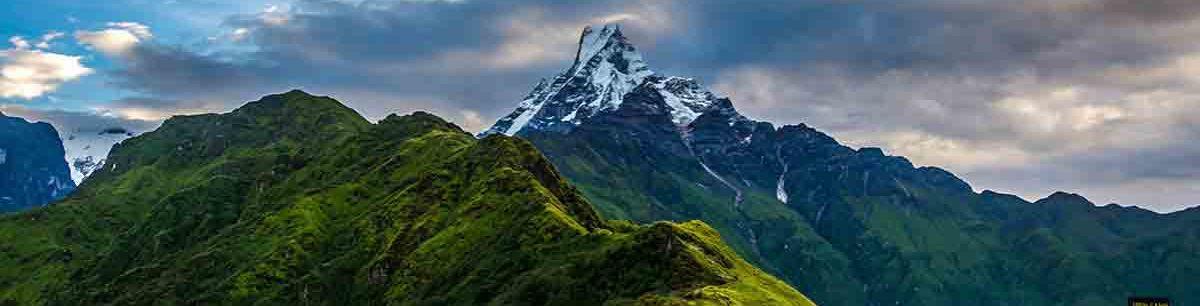
Nepal Tour Packages From Malaysia

Rating: 5 out of 5.

Nepal, known as the land of the Himalayas, offers breathtaking landscapes, rich cultural heritage, and a warm hospitality that attracts travelers from around the world. For travelers from Malaysia seeking an unforgettable holiday experience, Nepal tour packages provide a perfect opportunity to explore this enchanting country. With its diverse range of attractions, including majestic mountains, ancient temples, vibrant cities, and wildlife reserves, Nepal promises a remarkable journey for adventure enthusiasts, nature lovers, and those interested in immersing themselves in a unique cultural experience.

A Nepal tour from Malaysia is an opportunity to discover a land of natural beauty, cultural richness, and spiritual enlightenment. Whether you seek adventure, cultural exploration, or a spiritual retreat, Nepal will captivate your senses and leave you with cherished memories of an extraordinary journey. So pack your bags, embrace the spirit of adventure, and let Nepal’s wonders unfold before you.

Contact us for Nepal tour package

Highlights and Features of Nepal tour from Malaysia

Here are some key features and highlights of Nepal tour packages from Malaysia:

  • Comprehensive Itineraries: Nepal tour packages from Malaysia typically include well-planned itineraries that cover the country’s major highlights. These itineraries often encompass visits to popular destinations such as Kathmandu, Pokhara, Chitwan National Park, and Lumbini, along with optional extensions for trekking in the Himalayas or exploring other off-the-beaten-path locations. The itineraries are carefully curated to provide a well-rounded experience of Nepal’s diverse attractions, ensuring that you make the most of your trip.
  • Accommodation and Transportation: Tour packages usually include comfortable accommodations ranging from budget-friendly guesthouses to luxury hotels. Depending on your preferences and budget, you can choose the type of accommodation that suits you best. Transportation within Nepal, including airport transfers and intercity travel, is also taken care of, ensuring a seamless journey throughout your stay. This allows you to focus on enjoying the sights and experiences without the hassle of arranging logistics.
  • Guided Tours and Cultural Experiences: Nepal’s rich cultural heritage and historical landmarks are best explored with the help of experienced guides. Nepal tour packages from Malaysia often include the services of knowledgeable guides who provide insightful commentary and ensure that you gain a deeper understanding of the country’s traditions, history, and religious significance. Guided tours to UNESCO World Heritage Sites, such as the Kathmandu Durbar Square, Boudhanath Stupa, and Pashupatinath Temple, are commonly included in these packages, allowing you to delve into the fascinating cultural tapestry of Nepal.
  • Adventure Activities: Nepal is renowned for its adventure offerings, and tour packages cater to thrill-seekers by including various activities. Depending on your interests, you can opt for white-water rafting, paragliding, jungle safaris, zip-lining, mountain biking, or even bungee jumping. Adventure enthusiasts can also choose trekking packages that range from relatively easy routes, like the Ghorepani Poon Hill Trek, to more challenging and iconic trails like the Everest Base Camp Trek or Annapurna Circuit Trek. These adventure activities are carefully organized and supervised by experienced guides and instructors to ensure safety and enjoyment.
  • Customization and Flexibility: Tour operators understand that every traveler has unique preferences and interests. Therefore, many Nepal tour packages from Malaysia offer customization options, allowing you to tailor your itinerary according to your needs. Whether you want to extend your stay, add specific activities, or focus on specific regions, tour operators can work with you to create a personalized itinerary that aligns with your travel goals and preferences.

Check Nepal Tour Package itinerary

Experiencing the Himalayan Majesty:

Nepal is home to some of the world’s highest peaks, including Mount Everest, making it a dream destination for mountaineers and trekkers. Nepal tour packages offer various options to explore the Himalayas, ranging from trekking adventures to scenic helicopter tours. Whether you’re a seasoned climber or an amateur trekker, you can embark on trails like the Everest Base Camp Trek, Annapurna Circuit Trek, or Langtang Valley Trek, which provide unparalleled views of snow-capped mountains, charming villages, and serene landscapes.

Exploring Kathmandu Valley:

Kathmandu, the capital city of Nepal, is a cultural hub and a treasure trove of architectural wonders. The Nepal tour packages often include visits to UNESCO World Heritage Sites in the Kathmandu Valley. Durbar Square, Swayambhunath Stupa, Boudhanath Stupa, and Pashupatinath Temple are among the must-visit landmarks that showcase Nepal’s rich history, intricate art, and spiritual significance.

Check Nepal Tour Package itinerary

Adventure Sports and Wildlife Encounters:

Nepal offers a plethora of adventure activities for adrenaline junkies. Rafting down the roaring rivers, paragliding over stunning landscapes, zip-lining through dense forests, and bungee jumping from towering suspension bridges are just a few of the thrilling experiences available. Furthermore, Nepal boasts a diverse range of wildlife, and nature enthusiasts can visit national parks like Chitwan or Bardia to spot rare animals such as tigers, rhinos, elephants, and numerous bird species.

Check Nepal Tour Package itinerary

Cultural Immersion:

The cultural diversity of Nepal is remarkable, with over 125 ethnic groups and a harmonious blend of Hinduism and Buddhism. Travelers can engage in cultural experiences like visiting traditional villages, witnessing local festivals, partaking in meditation or yoga retreats, or even learning to cook Nepali cuisine. Engaging with locals and immersing oneself in their customs and traditions is an enriching aspect of Nepal tours.

Check Nepal Tour Package itinerary

Pilgrimage and Spiritual Journeys:

For those seeking spiritual solace, Nepal is a sacred land with countless pilgrimage sites. The famous Muktinath Temple, located at the foot of the Thorong La mountain pass, holds immense religious significance for both Hindus and Buddhists. Similarly, the birthplace of Lord Buddha in Lumbini is a revered destination for Buddhists worldwide. Nepal tour packages often include these spiritual sites, providing a unique opportunity for introspection and enlightenment.

Check Nepal Tour Package itinerary

Conclusion:

Nepal, with its natural beauty, cultural richness, and spiritual heritage, offers an unforgettable holiday experience for travelers from Malaysia. The diverse range of Nepal tour packages caters to various interests and budgets, ensuring that every traveler can find their ideal itinerary. Whether it’s conquering the Himalayas, exploring ancient temples, indulging in adventure sports, or immersing oneself in local traditions, Nepal promises a memorable journey that will leave a lasting impression. Embark on a Nepal tour from Malaysia and discover the magic of this enchanting country that truly has something for everyone.

Feel Free To contact Us.

Nepal’s Ethnic Groups: The Scenic Beauty of Nepal

Rating: 5 out of 5.

An ethnic group refers to a community of people who share a common cultural background, language, religion, history, and traditions. Members of an ethnic group typically identify with one another and have a sense of belonging to the group. Ethnic groups can be based on various factors such as race, language, religion, geography, and history. In many cases, an ethnic group may have its own unique customs, beliefs, and practices that differentiate it from other groups. In Nepal, there are over 100 ethnic groups, each with their own distinct cultural identity. Nepal is a country of diverse ethnic groups, each with their own unique cultures, traditions, and lifestyles. These ethnic groups are a major tourist attraction, offering visitors a chance to experience the rich cultural heritage of Nepal. In this article, we will discuss some of Nepal’s ethnic groups and their cultural attractions.

Newars: The Newar community is an indigenous group of the Kathmandu Valley. They have their own distinct culture, architecture, and cuisine. The Newar community is famous for their intricate woodcarvings, metalwork, and pottery. The traditional Newar feast, known as a ‘bhoj,’ is a popular attraction for tourists.

Sherpas: The Sherpas are a mountainous ethnic group from eastern Nepal. They are renowned for their mountaineering skills and have helped many climbers reach the summit of Mount Everest. The Sherpa culture is based on Buddhism, and many Sherpa villages have ancient monasteries that are open to tourists.

Tharus: The Tharu community is an indigenous group from the Terai region of Nepal. They have their own unique language, cuisine, and cultural practices. The Tharu culture is closely linked to the environment, and their traditional dance forms are inspired by the wildlife and vegetation of the region. The Tharu village tours are a popular attraction for tourists.

Tamangs: The Tamangs are an indigenous group from the hills of central Nepal. They have their own language, religion, and cultural practices. The Tamang culture is centered around agriculture, and many Tamang villages have terraced farms and beautiful orchards. The Tamang Heritage Trail is a popular trekking route that takes visitors through Tamang villages and offers a chance to experience the Tamang culture.

Gurungs: The Gurungs are an indigenous group from the central and western regions of Nepal. They are renowned for their hospitality and bravery. The Gurung culture is based on agriculture and animal husbandry, and many Gurung villages have beautiful terraced farms and pastures. The Gurkha Museum in Pokhara is a popular attraction for tourists interested in learning about Gurkha history.

Magars: The Magars are an indigenous group from the western regions of Nepal. They have their own language, religion, and cultural practices. The Magar culture is centered around agriculture and animal husbandry, and many Magar villages have beautiful terraced farms and pastures. The Magar village tours are a popular attraction for tourists.

Nepal’s ethnic groups are a major tourist attraction, offering visitors a chance to experience the rich cultural heritage of the country. Each ethnic group has its own unique traditions, practices, and lifestyle, making them an exciting and diverse tourist attraction. By visiting these ethnic communities and experiencing their culture, tourists can gain a deeper appreciation for the rich cultural diversity of Nepal.

How is Ethnic Groups a Scenic Beauty of Nepal

Ethnic groups in Nepal are not only a cultural attraction but also a scenic beauty. Many ethnic groups in Nepal have unique traditional houses, festivals, and attire that are a feast for the eyes of tourists. The architecture and art forms of these communities are also visually stunning and offer visitors a glimpse into the rich cultural heritage of Nepal. Here are some ways that ethnic groups add to the scenic beauty of Nepal:

Traditional Houses: Many ethnic groups in Nepal have unique traditional houses made of local materials like wood, mud, and stone. The designs of these houses are often based on the region’s climate, culture, and traditions. The Newar community, for example, has beautiful traditional houses in the Kathmandu Valley that are made of brick and wood and have intricate wood carvings on the windows and doors. The Tharu community in the Terai region of Nepal has traditional houses made of mud and straw that are adorned with beautiful patterns and designs.

Festivals: Ethnic festivals are an important part of Nepal’s cultural heritage and are celebrated with great enthusiasm and zeal. Many festivals involve colorful processions, dances, and music, which are a visual treat for tourists. The Bisket Jatra festival of the Newar community, for example, involves a procession of chariots, and the colorful Holi festival celebrated by various ethnic groups involves throwing colored powder and water on one another.

Attire: Traditional attire is another way that ethnic groups in Nepal add to the scenic beauty of the country. Many ethnic groups have unique costumes made of colorful fabrics and intricate embroidery. The Tamang community, for example, has traditional attire made of woolen fabrics and adorned with colorful embroidery and jewelry. The Gurung community has a distinct attire made of colorful silk and cotton fabrics.

In conclusion, ethnic groups in Nepal are not only a cultural attraction but also a scenic beauty. The traditional houses, festivals, and attire of these communities are visually stunning and offer tourists a glimpse into the rich cultural heritage of Nepal. By experiencing the scenic beauty of ethnic groups in Nepal, tourists can gain a deeper appreciation for the country’s diversity and cultural richness.

Feel Free To Contact

Biska Jatra in Nepal- Festival of Bhaktapur

Rating: 5 out of 5.

Biska Jatra, also known as Bisket Jatra, is one of the most important festivals celebrated in Bhaktapur, a city located in the Kathmandu Valley of Nepal. It is a nine-day long festival that takes place during the Nepali New Year (mid-April) and is celebrated with much fanfare and enthusiasm by the locals. The origin of the Biska Jatra festival dates back to the medieval era when Bhaktapur was ruled by the Malla Kings. Legend has it that a serpent was wreaking havoc in the city and killing its inhabitants. The king of Bhaktapur, in order to appease the serpent, offered a young virgin girl as a sacrifice. However, a young man named Siddhi Narsingh, disguised as a girl, volunteered to be sacrificed instead. He killed the serpent and saved the city from its wrath. The Biska Jatra festival is said to be a celebration of this event.

The festival begins with the raising of a tall wooden pole called “lingo” in the city’s main square, Taumadhi Square. This pole is decorated with colorful flags, flowers, and small statues. It is believed that the pole represents the serpent that was killed by Siddhi Narsingh. The raising of the pole is accompanied by the playing of traditional music, dancing, and singing. The highlight of the festival is the chariot procession, where two large chariots, one carrying the image of the god Bhairava and the other carrying the goddess Bhadrakali, are pulled through the streets of Bhaktapur by devotees. The chariots are adorned with intricate carvings and decorations and are accompanied by music, dancing, and singing. The chariot procession is a highly anticipated event, and thousands of people gather to watch it every year.

Another important aspect of the Biska Jatra festival is the playing of the “yohshin” game. This is a tug-of-war game played between two teams, one from the upper part of the city and the other from the lower part of the city. The game is played using a long rope that is tied to the lingo pole. The winning team is believed to have good luck for the coming year. Throughout the festival, various other cultural and religious events take place in different parts of Bhaktapur. These include processions, mask dances, street plays, and various other performances.

How is Biska Jatra Celebrated?

Biska Jatra, also known as Bisket Jatra, is celebrated with great pomp and enthusiasm in Bhaktapur, a city located in the Kathmandu Valley of Nepal. The festival is a nine-day-long celebration that takes place during the Nepali New Year (mid-April). Here are some of the ways in which the festival is celebrated:

  • Raising of the Lingo Pole: The festival begins with the raising of a tall wooden pole called the “lingo” in the city’s main square, Taumadhi Square. The lingo pole is decorated with colorful flags, flowers, and small statues. It is believed that the pole represents the serpent that was killed by Siddhi Narsingh, and the raising of the pole symbolizes the victory of good over evil.
  • Chariot Procession: The highlight of the festival is the chariot procession, where two large chariots, one carrying the image of the god Bhairava and the other carrying the goddess Bhadrakali, are pulled through the streets of Bhaktapur by devotees. The chariots are adorned with intricate carvings and decorations and are accompanied by music, dancing, and singing.
  • Playing of Yohshin Game: Another important aspect of the Biska Jatra festival is the playing of the “yohshin” game. This is a tug-of-war game played between two teams, one from the upper part of the city and the other from the lower part of the city. The game is played using a long rope that is tied to the lingo pole. The winning team is believed to have good luck for the coming year.
  • Masked Dances and Street Plays: Throughout the festival, various cultural and religious events take place in different parts of Bhaktapur. These include processions, mask dances, street plays, and various other performances. One of the most popular performances is the “Bhairava dance,” where dancers wear masks and perform a traditional dance in honor of the god Bhairava.
  • Offering of Puja: The festival is also a time for people to offer prayers and puja (worship) to their gods and goddesses. People visit various temples and shrines in and around Bhaktapur to offer their prayers and seek blessings.

Overall, the Biska Jatra festival is a time for the people of Bhaktapur to come together, celebrate their traditions and customs, and honor their gods and goddesses. The festival is a must-see for anyone visiting Nepal during the Nepali New Year.

Things to consider before visiting Biska Jatra

If you are planning to visit Bhaktapur to witness the Biska Jatra festival, here are some things to consider:

Accommodation: Bhaktapur can get very crowded during the festival, so it is important to book your accommodation in advance. You can find a variety of options, including hotels, guesthouses, and homestays.

Clothing: Bhaktapur is a conservative city, and it is important to dress modestly while visiting. It is also a good idea to wear comfortable clothing and shoes as you may be walking around a lot during the festival.

Respect Local Customs: During the festival, there may be certain customs and traditions that you are not familiar with. It is important to respect these customs and be mindful of the local culture.

Be Prepared for Crowds: Biska Jatra is a very popular festival, and thousands of people visit Bhaktapur to witness it. Be prepared for large crowds, especially during the chariot procession and other major events.

Stay Safe: While Bhaktapur is generally a safe city, it is important to be aware of your surroundings and take precautions to keep yourself safe. Keep your valuables close to you, especially in crowded areas, and avoid walking alone at night.

Respect the Environment: During the festival, the city can get quite messy, with litter and debris left behind. It is important to respect the environment and dispose of your trash properly.

Overall, visiting Bhaktapur during the Biska Jatra festival can be an exciting and memorable experience. By considering these tips, you can ensure that you have a safe and enjoyable trip.

Feel Free To Contact Us.

Top places to visit and things to do in Patan

Rating: 5 out of 5.

The majority of activities listed on lists of things to do in Patan, Nepal, appear to be limited to visiting each temple in the well-known Durbar Square. Certainly, Patan has some fantastic temples, but it also has a lot more to offer. Lalitpur, whose name combines the words “art” and “city,” is the second-largest city in the Kathmandu Valley in Nepali. According to its name, this city is particularly abundant in Newari sculpture and arts, with many masterpiece embellishments carved in stones, metals, and wood sculptures. In addition to being called “Patan,” this time is also known as “Yala” in the Newari language. The ancient temples, courtyards, and monuments constructed during the Malla period, the golden age of art, may be seen in Lalitpur, which has about 600 Stupas and 185 Bahals. The Patan Durbar Square, which is recognized by UNESCO as a world historic site, is evidence of the superb workmanship and arts created by the Malla civilization.

Patan Durbar Square

The most well-liked tourist destination in Lalitpur is Patan Durbar Square. A UNESCO World Heritage Site, it is. One of the wonders of Newari architecture is the Darbar square. The entire floor of Darbar Square is tiled in typical Newari fashion with red brick. Throughout the square, there are numerous temples and idols. Beside the palace are the principal temples. Beside the main temple is a large bell. The palace has three main courtyards. Three courtyards are known as MulChowk, SundariChowk, and Keshav Narayan Chowk. Trishahiti, a Royal bath, is the Sundarichowk’s central work of stone building. The palace is now accessible to everyone as a museum.

Unique bronze statues and historic and religious items can be seen in the Patan Museum. It is regarded as one of Asia’s top museums. Krishna temple is a prominent temple erected in the 17th century devoted to Hindu Deity Krishna. With 21 shrines and being entirely made of stone, it is the only temple in Nepal. The three interconnected golden windows at the Bhimsen Temple are its most famous feature, but visitors are not permitted inside. Lord Bhimsen is revered as the god of commerce and business. Lord Siva is honored at the Vishwanatha Temple. Two stone elephants are there to protect it. The TalejuBhawani Temple is devoted to TalejuBhawani, the Malla king’s personal deity.

Sundari Chowk

The Sundari Chowk, one of many courtyards within Patan Durbar Square, is famed for its excellent woodcarvings and handicrafts. This courtyard is referred to as the “Tusa Hiti” in Newari. A waterspout in the center of the courtyard is surrounded by gorgeous idols of various gods and goddesses. A roughly four-foot-tall copy of the Krishna Temple is perched above the faucet. The duplicate of Krishna Mandir is thought to have served as a scale model for the main temple’s construction. A sizable stone bed is close to the stone tap. According to legend, King Siddhi Narsingh Malla used to practise penance by spending the freezing winters sleeping naked on this stone bed and the hot summers building a bonfire around it.

Golden Temple

At the Kwabahal Tole in Patan, which is about 200 meters north of Patan Durbar Square, is where you’ll find the Golden Temple. Other names for this temple are Suwarna Mahavihar and Hiranya Varna. In the 12th century, King Bhaskardav constructed it. The temple with a copper-plated front is encircled by a courtyard and its entrance is guarded by two stone elephants. An exquisite statue of Shakyamuni Buddha can be found inside this temple. There is a tiny shrine with a Swayambhunath Chaitya facing the main temple. Lokeshwor Gumba is located inside the courtyard of this temple, which is a remarkable example of courtyard temple architecture.

Pimbahal Pond

Even though it’s a little off the usual road, this pond is worth visiting. The temple behind it, Chandeswari Temple, was built in 1663. It’s a wonderful spot to unwind and feed ducks. As locals enter and exit the shrine, it’s also the ideal spot to observe them. It’s best to go early in the day before it becomes too hot outside so you may rest on a bench and take in Patan daily life.

Red Machhindranath Temple

The Rato (red) Machhindranath Temple is situated 200 meters to the west of the Mananath Temple in the Tabaha courtyard. This temple has metal roofing and is built in the form of a three-story pagoda. Ten stone columns depicting different gods, goddesses, and animals stand at the temple’s entrance. The god is also referred to as Bunga Deow in Newari. It is said that Rato Machhindranath is the god of abundance, rain, and harvest. This temple serves as the starting point for Rato Machhindranath’s two-month chariot festival. Every six months, the Rato Machhindranath idol is moved to Bungmati.

Gallery Mcube

A beautiful tiny regional gallery called Gallery Mcube is situated close to Patan Dhoka (the entryway to Patan). Local painters from Nepal are displayed in the gallery. When we arrived, most of the artwork was modern, which was a wonderful break from the traditional artwork that is frequently sold on the sidewalks of tourist destinations. As the artwork is for sale, this would be a great location to locate some lovely things to take home that are distinctive and a little less conventional.

Jawalakhel Handicraft Center

The Tibetan rugs made by the Jawalakhel Handicraft Center are renowned. Nearby Tibetan Refugee Camp, which is connected to the center, is situated across the street. If you’re interested in buying one, you can see the collection and watch the women weave the carpets by hand. A tiny community building with handcrafted trinkets is also there. There is also a section filled with exquisite scarves and shawls made of yak wool. As the proceeds from souvenir sales support refugee aid, even small donations go a long way.

Visiting Mangal Bazar

A street lined with regional goods may be found on the southeast corner of Patan Durbar Square. Everything is available, from traditional attire and spices to metal dining sets. The street is lively and lovely, with locals buying whatever they require for their homes. Also, it’s a fantastic place to find unique items like genie lamps, Buddha statues, and vibrant fabrics. The rates aren’t as expensive as in popular tourist destinations, which is the best part.

Feel Free To Contact Us.

Major Airports in Nepal

Rating: 5 out of 5.

Nepal, known as the “Land of Sherpa,” is a destination that all travelers should visit. Nepal provides a wide variety of breathtaking sights, including views of Mount Everest, snowy landscapes, historic temples, and bright blue skies. Nepal has a lot to offer, whether it’s trekking or discovering the area’s regal vibe. Nepal draws a sizable number of visitors from all over the world and is always crowded with travelers. Travelers now have an easier time experiencing Nepal’s unmatched beauty because to the country’s several airports. The several airports in Nepal make a significant contribution to tourism there. For your convenience, we have covered every aspect of Nepal’s airports.

Facts about Airports in Nepal

  • Tribhuvan International Airport (TIA) in Kathmandu, Gautam Buddha International Airport (GBIA) in Lumbini, and Pokhara International Airport (PIA) in Pokhara are the three international airports in Nepal.
  • Additionally, there are 54 airports nationwide, including 34 operational international and domestic airports.
  • The biggest and busiest airport in Nepal is called TIA. Over 90,000 passengers can be handled each day by a fully operational TIA.

Tribhuvan International Airport:

There is only one international airport in Nepal, and it is in Kathmandu, the country’s capital. The seven world heritage sites are located here, which is regarded as the entrance to the Nepalese Himalayas. The airport was opened in 1955 by King Mahendra of Nepal, and in 1964 it received its current name. In honor of King Mahendra’s father, the airport’s original name, Gaucher Airport, was changed to Tribhuvan International Airport a few years later. The airport features a single terminal for both domestic and international travel. Additionally, 30 airlines currently connect Nepal with a number of locations in Asia and the Middle East via this airport.

Operating Airlines:

For International flights – Air Arabia, Air China, Air India,Bhutan Airlines, Biman Bangladesh Airlines, Cathay Dragon,China Eastern Airlines, China Southern Airlines, Druk AirEtihad Airways, FlyDubai, Himalaya Airlines, IndiGo, Korean Air, Malaysia Airlines, Malindo Air, Oman Air, Qatar Airways, Regent Airways, SalamAir, Saurya Airlines, Shree Airlines, Sichuan Airlines, Silk Air, Thai Airways, Thai Lion Air, Tibet Airlines Turkish Airlines, Yeti Airlines

For Domestic flights – Nepal Airlines, Himalaya Airlines, Buddha Air, Shree Airlines, Saurya Airlines, Simrik Airlines, Sita Air, Tara Airlines, Yeti Airlines.

Lukla Airport:

Lukla, which only has a 1729-foot-long runway, is one of Nepal’s busiest domestic airports due to its reputation as being the closest airport to Mount Everest. It was built under the direction of Tenzing Norgay and Edmund Hillary in the 1960s and is now known officially as Tenzing-Hillary Airport. It is widely acknowledged as the most dangerous airport in the world, and for good reason. In addition to having a short runway, it is also elevated by around 9500 feet, which causes two additional issues: thin air and slower landing times. The landings must also be completed all at once due to the airport’s mountainous surroundings.

Operating Airlines: Nepal Airlines, Sita Airlines, Tara Airlines, Summit Airlines

Simara Airport:

Simara Airport opened for business on July 4th, 1958. Since it is not reliant on any particular weather, the airport is open all year round. For the residents of Simara and the Bara District, the airport serves as a crucial conduit to supplies and services. The Simara Airport is one of Nepal’s busiest airports as well. Since it is connected to Raxaual, Nepal’s commercial center, it is possible to import and export commodities from India. Located near Birjung, 20 kilometers from the Simara airport, is the business town.

Operating Airlines: Buddha Air, Nepal Airlines.

Pokhara Airport:

The airport, which opened way back in 1958, serves the tiny town of Pokhara, which has a meager population of just a few thousand. Despite being a tiny town’s airport, Kathmandu International Airport benefits much from its presence. The Nepali government has started a large refurbishment to make it into an international airport due to the country’s rising reputation as a tourist destination. The new runways have a length of 8200 feet and a width of 147 feet. There will be numerous parallel taxiways as well. It is a project of the Civil Aviation Authority of Nepal, connecting Kathmandu and Jomsom with sporadic flights to Manang.

Operating Airlines: Buddha Air, Sita Airlines, Nepal Airlines, Tara Air, Simrik Airlines, Yeti Airlines.

Biratnagar Airport:

The Biratnagar airport has served all domestic travelers’ needs since it opened its doors in 1958. The airport, which is situated at a height of 236 feet, is one of the busiest in Nepal. The Nepalese Air Force previously utilized the airfield in Biratnagar. Soon, there are plans to launch international flights out of the airport.

Operating Airlines: Buddha Air, Nepal Airlines, Sita Airlines, Yeti Airlines.

Bharatpur Airport:

The first passenger flight to land at Bharatpur Airport, which had been built in 1958, did so on March 5th, 1965. A few miles to the southwest of the heart of Bharatpur’s city is where the airport is located. All of Nepal’s major domestic airlines operate out of the 4th busiest airport in the nation, the Bharatpur Airport. The airport is capable of handling more challenging aircraft, such as three ATR-42, two Jetstream J-41, one Beech 1900, or any other STOL aircraft. The airport has a single runway and was built at 650 feet above sea level. Operating Airlines: Buddha Air, Yeti Airlines, Simrik Airlines.

Jomsom Airport:

In the Nepalese district of Mustang in the Gandaki Province is Jomsom Airport, a public airport. It serves as both the district airport and the entrance to the Upper Mustang region. The airport’s elevation is 2736 meters (8976 feet). The airport has a single asphalt-paved runway that measures 810 m by 20 m. Tara Air and Summit Air provide service, and it can accommodate light planes. In a remote and mountainous area, the airport is situated. The Nepalese Army is stationed at the Jomson airfield, which is close to the Tibetan border.

Gautam Buddha Airport:

The Bhairahawa Airport is another name for the Gautam Buddha Airport. The Gautam Buddha Airport has begun offering international service to the Siddharthnagar and Lumbini regions of Nepal. Additionally, it is suggested that the airport be entirely solar-powered. One asphalt concrete (bituminous paved) runway with the designation 10/28 measures 3,000 by 45 meters (9,843 feet 148 ft) in the airport. It is designated 10/28 and faces east-west. On either side, there is a 200-meter Runway End Safety Area (RESA). It has a parallel taxiway (10-28) of 1,500 meters by 23 meters, which was originally used by domestic aircraft.

Nepalgunj Airport:

The Nepalgunj airport opened for business in the early 1960s and serves the surrounding area. The third-largest airport in the nation is the Nepalgunj airport, which is situated at a height of 540 feet. Visitors can also take a quick excursion to some of Nepal’s neighboring cities, like Birendranagar, Kohalpur, and others. The Nepalgunj Airport will also be transformed into an international airport, similar to many other airports in Nepal. Operating Airlines: Buddha Air, Nepal Airlines, Shaurya Airlines, Shree Airlines, Sita Air, Summit Air, Tara Air, Yeti Airlines

Feel Free To Contact Us.