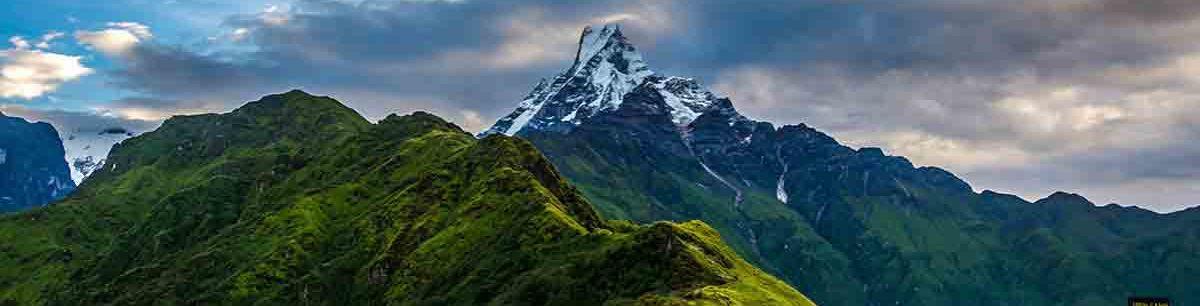
Honey Hunting in Nepal 2026: Complete Guide to the World’s Most Dangerous Cliff Harvesting Tradition

Honey hunting in Nepal is one of the world’s last surviving high-risk ancestral traditions. Practiced for centuries by indigenous communities in the Himalayan foothills, this extreme activity involves harvesting wild honey from towering cliffs using handmade rope ladders, smoke, and extraordinary courage. As interest in authentic adventure travel continues to rise, honey hunting in Nepal 2026 is gaining global attention among explorers, photographers, and cultural travelers.

This complete guide explains everything you need to know—history, locations, best season, safety, cost, and how travelers can responsibly witness this rare experience.


What Is Honey Hunting in Nepal?

Honey hunting in Nepal is the traditional method of collecting wild honey produced by Apis laboriosa, the world’s largest honeybee species. These giant bees build enormous hives on sheer Himalayan cliffs, often hundreds of meters above river valleys.

Unlike modern beekeeping, Nepalese honey hunting is:

  • Performed without protective gear
  • Conducted on vertical cliffs
  • Guided by spiritual rituals
  • Passed down through generations

As a result, it remains one of the most dangerous forms of food harvesting on Earth.


Cultural and Historical Significance

The Gurung and Magar Communities

The practice is primarily carried out by the Gurung and Magar ethnic groups of central and western Nepal. For these communities, honey hunting is not merely an occupation—it is a sacred cultural event.

Before the hunt begins, elders perform rituals to appease forest spirits and mountain deities. Therefore, honey hunting represents a deep connection between humans, nature, and spirituality.

A Tradition Under Threat

However, modernization, migration, and environmental change are putting this tradition at risk. Consequently, controlled tourism in 2026 plays a critical role in preserving honey hunting while providing income to local communities.


Where Does Honey Hunting Take Place in Nepal?

Some of the most famous honey hunting regions include:

1. Annapurna Foothills

  • Near Lamjung and Kaski districts
  • Most accessible and well-documented area
  • Ideal for guided cultural tours

2. Manaslu Region

  • Remote and less commercialized
  • Authentic tribal participation
  • Best for serious adventure travelers

3. Bhairabsthan & Rolpa

  • Rugged terrain
  • Rarely visited by tourists
  • Strong shamanic traditions

Each location offers a different level of accessibility, risk, and cultural immersion.


Best Time for Honey Hunting in Nepal 2026

The best season for honey hunting in Nepal is:

✅ Spring (April–May)

  • Primary honey harvesting season
  • High cliff activity
  • Mild weather conditions

⚠️ Autumn (September–October)

  • Secondary harvest
  • Less intense but still impressive
  • Clear mountain views

Winter and monsoon seasons are avoided due to safety concerns and lack of bee activity.


Why Is Nepal Honey Hunting So Dangerous?

Honey hunting is extremely risky due to several factors:

  • Vertical cliffs with no safety harnesses
  • Aggressive giant Himalayan bees
  • Exposure to smoke and falling debris
  • Rope ladders made from natural fibers

Despite these dangers, experienced hunters rely on skill, teamwork, and ancestral knowledge rather than modern equipment.


Mad Honey: Nepal’s Most Famous Harvest

What Is Mad Honey?

A portion of the harvest includes red or mad honey, produced from rhododendron nectar. This honey contains natural psychoactive compounds and has been traditionally used for:

  • Medicinal purposes
  • Pain relief
  • Spiritual rituals

Important Note for Travelers

Although mad honey is legal in Nepal, consumption should be minimal and supervised. Overconsumption can cause dizziness, nausea, and low blood pressure.


Can Tourists Join a Honey Hunting Trip in Nepal?

Observation vs. Participation

In 2026, tourists are not permitted to climb cliffs or harvest honey. However, travelers can:

  • Observe honey hunting from safe viewpoints
  • Participate in rituals and preparation
  • Photograph and document the event
  • Learn directly from the hunters

This approach ensures safety while respecting cultural integrity.


Cost of a Honey Hunting Trip in Nepal (2026)

Average costs depend on region, duration, and services included:

Package TypeDurationEstimated Cost
Basic Cultural Visit2–3 daysUSD 300–600
Guided Honey Hunting Tour4–6 daysUSD 800–1,500
Photography Expedition7–10 daysUSD 1,800–3,000

Costs typically include guides, permits, accommodation, meals, and community contributions.


Safety Guidelines for Travelers

Although tourists remain observers, safety is still essential.

Key Safety Tips

  • Always follow local guides
  • Maintain distance from cliff edges
  • Wear protective clothing
  • Avoid bee-attracting scents
  • Respect instructions during rituals

Most importantly, never attempt to climb or interfere with the harvest.


Ethical and Responsible Tourism

Responsible honey hunting tourism in Nepal focuses on:

  • Fair payment to local communities
  • Cultural respect and consent
  • Environmental protection
  • Small group sizes

By choosing ethical operators, travelers help preserve this endangered tradition.


Photography and Filmmaking Opportunities

Honey hunting is one of Nepal’s most photogenic cultural events. However, permission is required before filming or photographing individuals.

Best Tips for Photographers

  • Use telephoto lenses
  • Avoid flash photography
  • Capture rituals, not just action
  • Share content respectfully

Many documentary filmmakers consider honey hunting among the most visually dramatic cultural practices in the Himalayas.


How Honey Hunting Supports Local Communities

Tourism income from honey hunting trips helps communities by:

  • Funding education
  • Supporting healthcare
  • Preserving cultural knowledge
  • Reducing out-migration

Therefore, visiting responsibly in 2026 contributes directly to sustainable rural development.


Why Honey Hunting in Nepal 2026 Is Worth Experiencing

In an era of mass tourism, honey hunting remains raw, real, and deeply human. It offers:

  • A rare glimpse into ancient survival practices
  • Genuine cultural immersion
  • Extreme adventure without artificial elements
  • A powerful connection to nature

For travelers seeking authenticity, honey hunting in Nepal 2026 stands apart from conventional trekking or sightseeing experiences.


Frequently Asked Questions (FAQ)

Is honey hunting safe for tourists?

Yes, when observed under professional guidance and from designated safe zones.

Can I buy wild honey locally?

Yes, communities sell sustainably harvested honey directly to visitors.

Is mad honey legal?

Yes, but consumption should be limited and guided.

Do I need permits?

Most trips include community permissions arranged by tour operators.


Final Thoughts

Honey hunting in Nepal is not a spectacle—it is a living heritage. As 2026 approaches, responsible travelers have a unique opportunity to witness one of humanity’s most daring traditions while contributing to its survival.

If you are searching for an experience that combines adventure, culture, and authenticity, few journeys compare to honey hunting in Nepal.

Nepal Adventure Travel in 2026: Why Trekking, Peak Climbing, and Adventure Sports Make It Asia’s Top Destination

Nepal adventure travel in 2026 is set to reach a new peak. As global travelers increasingly seek authentic, physically engaging, and nature-driven experiences, Nepal stands out as Asia’s most compelling adventure destination. Home to the world’s highest mountains, ancient trekking routes, and a rapidly growing extreme sports scene, Nepal offers a rare combination of challenge, culture, and accessibility.

From iconic Himalayan treks and beginner-friendly peak climbing to adrenaline-pumping activities like paragliding, white-water rafting, and bungee jumping, Nepal continues to evolve while preserving its raw appeal. In 2026, improved infrastructure, sustainable tourism initiatives, and renewed global interest in outdoor travel are positioning Nepal at the forefront of adventure tourism in Asia.

This article explores why trekking, peak climbing, and adventure sports make Nepal the top adventure travel destination in 2026, and what travelers can expect when planning their journey.


Why Nepal Is Asia’s Leading Adventure Travel Destination in 2026

Several factors contribute to Nepal’s dominance in the adventure travel sector. First and foremost is geography. Nepal is home to eight of the world’s fourteen 8,000-meter peaks, including Mount Everest, Lhotse, and Annapurna I. However, Nepal’s appeal extends far beyond high-altitude mountaineering.

In recent years, the government and private sector have worked together to diversify adventure offerings, promote lesser-known regions, and improve safety standards. As a result, Nepal now caters to a wide spectrum of travelers, from first-time trekkers to seasoned climbers and thrill-seekers.

Moreover, post-pandemic travel trends emphasize meaningful experiences, sustainability, and outdoor activities. Nepal aligns perfectly with these priorities, making 2026 an ideal year to explore the country.


Trekking in Nepal: The Backbone of Adventure Travel

Trekking remains the cornerstone of Nepal adventure travel. In 2026, trekking in Nepal continues to attract travelers from all over the world due to its variety, accessibility, and cultural depth.

Popular Trekking Routes in Nepal

Nepal offers trekking routes suitable for beginners, intermediate hikers, and experienced adventurers. Some of the most popular treks include:

In 2026, these treks benefit from better trail maintenance, digital permit systems, and improved lodge facilities.

Why Trekking in Nepal Is Still Unmatched

Unlike many trekking destinations, Nepal combines natural beauty with living culture. Trekkers pass through villages, monasteries, prayer wheels, and terraced farmland. This cultural immersion, combined with dramatic Himalayan scenery, creates an experience that few countries can replicate.

Additionally, Nepal offers exceptional value. Compared to other global trekking destinations, costs for guides, accommodation, and permits remain relatively affordable.


Peak Climbing in Nepal: Accessible Himalayan Summits

Peak climbing in Nepal bridges the gap between trekking and full-scale mountaineering. In 2026, interest in climbing trekking peaks continues to grow, particularly among adventure travelers seeking a physical challenge without extreme technical difficulty.

Popular Trekking Peaks in Nepal

Some of the most climbed peaks include:

  • Island Peak (Imja Tse) – Ideal for beginners with basic mountaineering training.
  • Mera Peak – Nepal’s highest trekking peak, offering panoramic views of Everest, Makalu, and Kanchenjunga.
  • Lobuche East Peak – A more technical option for climbers with prior experience.
  • Pisang Peak – Often combined with the Annapurna Circuit.

These peaks typically range from 5,800 to 6,500 meters and are accessible with proper acclimatization and guidance.

Why Peak Climbing Is Booming in 2026

Several factors drive the popularity of peak climbing in Nepal:

  • Increased interest in personal challenge and skill-based travel
  • Improved training programs and safety standards
  • Government initiatives promoting lesser-known peaks
  • Availability of experienced local guides and Sherpa support

For many travelers, peak climbing represents a once-in-a-lifetime achievement that combines adventure, endurance, and Himalayan exploration.


Extreme Sports in Nepal: Beyond Trekking and Climbing

While trekking and peak climbing dominate Nepal’s adventure identity, extreme sports are rapidly gaining popularity. In 2026, Nepal is no longer just a trekking destination—it is a multi-adventure playground.

Top Extreme Adventure Activities in Nepal

Paragliding in Pokhara
Pokhara is considered one of the world’s best paragliding destinations. Flights offer views of Phewa Lake, the Annapurna range, and lush valleys.

White-Water Rafting and Kayaking
Rivers like the Trishuli, Bhote Koshi, and Sun Koshi provide rafting options ranging from beginner to expert level.

Bungee Jumping and Swing
The Bhote Koshi Gorge hosts some of the highest bungee jumps and canyon swings in Asia.

Mountain Biking
From Mustang’s high-altitude trails to Kathmandu Valley routes, mountain biking is gaining international recognition.

Ultralight Flights
Short scenic flights over lakes, hills, and mountains offer a unique aerial perspective of Nepal’s landscapes.

Why Extreme Sports Are Expanding in Nepal

Adventure travelers in 2026 want variety. Nepal’s ability to combine trekking, climbing, and adrenaline sports in one trip is a major competitive advantage. Furthermore, improved safety protocols and international certifications have increased confidence among travelers.


Sustainable Adventure Tourism in Nepal

Sustainability is a growing focus in Nepal adventure travel. In 2026, eco-friendly practices are no longer optional—they are expected.

Key initiatives include:

  • Promotion of community-based trekking routes
  • Waste management policies in high-altitude regions
  • Use of local guides and porters to support rural economies
  • Restrictions on over-crowding in sensitive areas

These efforts ensure that adventure tourism benefits both travelers and local communities while preserving Nepal’s fragile mountain ecosystems.


Best Time for Adventure Travel in Nepal in 2026

Choosing the right season is essential for a successful adventure trip.

  • Spring (March to May) – Ideal for trekking, peak climbing, and mountaineering
  • Autumn (September to November) – Best weather and visibility for trekking and climbing
  • Winter (December to February) – Suitable for lower-altitude treks and cultural tours
  • Monsoon (June to August) – Best for rafting and lush landscapes, but limited trekking

For most adventure activities, spring and autumn remain the preferred seasons.


Why 2026 Is the Perfect Year to Visit Nepal for Adventure

Nepal in 2026 represents a balance between tradition and progress. Trails are better managed, safety standards are higher, and travelers have access to a wider range of experiences than ever before.

At the same time, Nepal has retained its authenticity. The mountains remain wild, the culture deeply spiritual, and the adventure genuine. For travelers seeking more than just sightseeing, Nepal offers transformation through challenge and discovery.


Final Thoughts: Nepal’s Adventure Future Is Stronger Than Ever

Nepal adventure travel in 2026 is not defined by a single activity. Instead, it is the seamless combination of trekking, peak climbing, and extreme sports that makes the country Asia’s top adventure destination.

Whether you dream of walking to Everest Base Camp, standing on a Himalayan summit, or flying above lakes and mountains, Nepal delivers experiences that are both powerful and personal. For adventure travelers looking ahead to 2026, Nepal is not just an option—it is the benchmark.

20 Best Adventure Activities in Nepal for Thrill Seekers

Nepal is a paradise for adventure enthusiasts. Nestled between the towering Himalayas and lush lowlands, the country offers a playground for adrenaline-pumping activities in some of the most stunning natural landscapes on earth. Whether you are drawn to the challenge of climbing snow-capped peaks, the rush of white-water rapids, or the thrill of flying above valleys, Nepal has something for every kind of adventurer. This article explores the 20 best adventure activities in Nepal that you should not miss if you crave unforgettable outdoor experiences.


Trekking in the Himalayas

Trekking is the most iconic adventure activity in Nepal. From the legendary Everest Base Camp Trek to the picturesque Annapurna Circuit, trekking here lets you walk among towering peaks, encounter remote villages, and experience the beauty of Himalayan culture. Routes range from easy to extremely challenging, making trekking in Nepal accessible to all levels of hikers.


Peak Climbing

For those who want more than trekking, Nepal offers accessible peaks known as “trekking peaks,” such as Island Peak (Imja Tse) and Mera Peak. Peak climbing combines trekking with mountaineering, requiring basic climbing skills and allowing adventurers to stand on summits that rise above 6,000 meters.


Mountaineering Expeditions

Nepal is home to eight of the world’s 14 highest mountains, including Mount Everest (8,848m). Mountaineering here is the ultimate adventure, drawing climbers from across the globe. While Everest is the crown jewel, other expeditions like Manaslu, Lhotse, and Dhaulagiri offer equally challenging and rewarding experiences for seasoned climbers.


White-Water Rafting

The rivers of Nepal, fed by Himalayan glaciers, create thrilling rapids perfect for rafting. Popular rivers such as the Trishuli, Bhote Koshi, and Seti provide options for beginners and experts alike. Rafting in Nepal offers not just adventure but also a chance to float through scenic valleys and pristine wilderness.


Kayaking and Canoeing

For those who want more control on the water, kayaking and canoeing are excellent choices. Nepal’s rivers offer everything from calm paddles to extreme rapids. Beginners can take training courses, while experts can challenge themselves on rivers like the Sun Koshi and Karnali, known as some of the world’s best for kayaking.


Paragliding in Pokhara

Few experiences compare to paragliding over Pokhara’s Phewa Lake with the Annapurna Range as a backdrop. Pokhara is one of the world’s top paragliding destinations, offering tandem flights for beginners and solo flying opportunities for trained adventurers.


Ultra-Light Flight

If you want a bird’s-eye view of the Himalayas without the effort of trekking, an ultra-light flight in Pokhara is a great choice. Flying in a small, lightweight aircraft gives you stunning panoramic views of mountains, valleys, and lakes.


Bungee Jumping

Bungee jumping in Nepal is not for the faint-hearted. The famous Last Resort bungee jump takes you 160 meters above the Bhote Koshi River, making it one of the highest bungee jumps in the world. Pokhara also offers a spectacular tower bungee jump with mountain views.


Zip Flying

For a unique thrill, try the world’s steepest zip line in Pokhara, which stretches over 1.8 kilometers and reaches speeds of up to 140 km/h. Zip flying gives you an adrenaline rush while treating you to views of lush hills and Himalayan peaks.


Rock Climbing

With natural cliffs and artificial walls, rock climbing in Nepal is gaining popularity. Sites near Kathmandu, like Nagarjun and Hattiban, are popular among climbers. Pokhara also offers natural rock climbing opportunities surrounded by stunning landscapes.


Mountain Biking

Nepal’s rugged terrain and diverse landscapes make it a dream for mountain biking enthusiasts. Popular trails include Kathmandu Valley rim rides, the Annapurna Circuit by bike, and challenging routes in Mustang and Manang.


Jungle Safari in Chitwan

Adventure in Nepal isn’t only about mountains. The Chitwan National Park offers jungle safaris where you can spot endangered species like Bengal tigers, one-horned rhinoceroses, and gharials. Safaris can be done on foot, jeep, or even by canoe on the Rapti River.


Wildlife Safari in Bardia

For a wilder, less crowded safari experience, Bardia National Park in western Nepal is the place to go. It’s home to elephants, crocodiles, and rare river dolphins. Tracking wildlife in their natural habitat adds a different kind of thrill to your Nepal adventure.


Skydiving in Everest Region

Imagine jumping out of a plane with Mount Everest as your backdrop. Skydiving in the Everest region is considered one of the most extreme adventure activities in the world. Though expensive, it is a once-in-a-lifetime experience for true thrill seekers.


Canyoning

Nepal’s waterfalls and gorges make it an ideal destination for canyoning. This activity involves abseiling down waterfalls, sliding through natural rock formations, and jumping into pools. The Sundarijal canyon near Kathmandu and spots in Pokhara are popular for this adventure.


Helicopter Tours

For those who want to experience the Himalayas without trekking, helicopter tours to Everest Base Camp, Annapurna Base Camp, or Langtang offer a luxurious adventure. These tours provide aerial views of the majestic mountains and remote landscapes in just a few hours.


Camping Treks

While many treks now have tea houses, camping treks are still an adventure in themselves. You trek through remote areas where there are no lodges, carrying everything you need. This experience connects you with nature in its purest form.


Snowboarding and Skiing

Though not as developed as other destinations, skiing and snowboarding in Nepal are growing in popularity. The Manang and Mustang regions are being explored as backcountry skiing areas, offering fresh powder slopes beneath Himalayan giants.


Hot Air Ballooning

In Pokhara, hot air balloon rides provide a unique and peaceful adventure. Floating above lakes, villages, and fields with the Annapurna range in view offers a breathtaking experience for those who prefer a gentler form of adventure.


Cultural Adventure Tours

Adventure in Nepal isn’t limited to physical activities. Exploring ancient temples, monasteries, and heritage cities like Kathmandu, Bhaktapur, and Patan offers cultural adventures. Festivals, traditional homestays, and rural village tours immerse travelers in Nepal’s diverse culture while still delivering adventure of a different kind.


Why Choose Nepal for Adventure Activities?

Nepal stands out because of its unique geography, cultural diversity, and affordability. From the highest peaks on earth to lush jungles, Nepal packs an incredible variety of landscapes into a small area. Moreover, adventure activities in Nepal are often more affordable compared to other countries, making it a budget-friendly destination for thrill seekers.


Tips for Adventure Travelers in Nepal

  • Acclimatize properly when trekking or climbing in high-altitude regions.
  • Always book with reputable operators for safety in activities like rafting, paragliding, or bungee jumping.
  • Travel insurance that covers adventure activities is essential.
  • Respect local customs and communities while on cultural or rural adventures.
  • Pack the right gear and be prepared for unpredictable weather, especially in the mountains.

Conclusion

From the towering Himalayas to lush national parks and adrenaline-filled rivers, Nepal is an ultimate destination for adventure lovers. Whether you want to conquer high peaks, soar above valleys, dive into rivers, or immerse yourself in cultural exploration, Nepal has it all. With these 20 best adventure activities in Nepal, your journey will be filled with memories of excitement, beauty, and discovery that last a lifetime.

Top 11 Thrill-Seeking Adventure Trips in Nepal

Are you a traveler who seeks out new experiences? If so, Nepal should be at the top of your list.

Nepal has a wide range of adventure opportunities, and you will be blown away by the variety.

The experiences range from mild to intense, and they involve all three ways of travel: land, water, and air.

These adrenaline-pumping, heart-racing adventure sports are also accompanied by proper safety precautions.

From the high peaks of northern Nepal to the dark virgin jungles, Nepal offers hundreds of adventure sports activities that you must experience if you want to satisfy your adrenaline urges.

So, we’ve compiled a list of adventure destinations in Nepal that offer absolutely great adventure activities that will provide you with a memorable and exhilarating experience. Let’s get this party started!

White Water River Rafting:

What a sensation it is to be whisked away by a fast-moving river’s wild white waters. River rafting provides an adrenaline rush that is hard to describe.

When you float in Nepal’s Sun Koshi river, you get this sense. The river boasts class V rapids and is rated as one of the top ten white-water rafting trips in the world by National Geographic.

You’ll travel past white river banks, villages, and woodland areas on this incredible tour.

Other than this, you can even try out the the amazing watersport in Seti River, Bhote Koshi River, Kali Gandaki River, Marsyangdi River, Sunkoshi River, Arun River, Karnali River, Tamur River.

For this spectacular water adventure, plan your vacation between September and early December or March and June, when the weather is at its best and the water is at its warmest, making it ideal for rafting.

Jungle Safari:

Nepal’s first national park, Chitwan, is a famous tourist destination. The park is a deciduous forest with silk cotton, Sisam, acacia, and elephant grass that covers the Shivalik Range.

Since 1984, the park has been listed as a UNESCO World Heritage Site. Nature walks, bird observation paths, boating/canoeing trips, visits to elephant breeding centers, elephant bathing, Tharu village excursions, sunset vistas, and more are all included in a Chitwan jungle safari tour.

Taking a Jungle Safari allows you to quietly view beautiful species in their native habitat and monitor their behavior, which is nothing short of fascinating.

Nepal boasts a number of National Parks, all of which excel in preserving the best wildlife and offering a variety of safaris to select from.

If you want to go on a jungle safari, Chitwan National Park or Bardia National Park would be the best places to go.

Bungee Jumping:

Dropping from a height of 160 meters is a terrifying experience. On a suspension bridge built spanning the Bhote Kosi River and Tato pani, the world’s third highest bungee jumping location is placed.

While falling down, the canyon through which the fast-flowing river rushes provides an incredible perspective.

The thrilling exercise is a must-try that will give you shivers at first but will leave you feeling conquered once you’ve completed it.

If you want to go bungee jumping, visit these locations between November and February.

Paragliding:

Traveling to Nepal as an adventure enthusiast would allow you to experience paragliding in Pokhara, which is an experience not to be missed.

So, if flying high in the fresh air of Nepal is something you want to do on your vacation, try paragliding in Pokhara, which will allow you to see the most magnificent scenery from above.

The sensation of floating with the wind is indescribable, yet it is something that must be experienced to be appreciated for a lifetime. Paragliding here is a great experience because to the proper take-off and landing zones, a large lake that gives additional safety, and the mesmerizing mountain vistas.

Mountain Biking:

Mountain biking is quickly becoming Nepal’s most popular sport. The country’s criss-cross historic walking pathways make for a fantastic bike route.

There are rough roads that pass through villages and woodlands, and there are other highways that pass through towns that are considerably smoother.

The variety makes for an enjoyable mountain bike trail. Mustang, especially the lower Mustang, is a biker’s destination since it is more accessible.

The trail is pricey since the upper mustang is secluded and restricted. However, the path is well worth the extra money.

You ride through the Tibetan Plateau and descend the “deepest gorge on the planet.” When you reach the highest point on the Mustang trail, you will arrive at Muktinath’s hallowed temple (3800m).

Consider going between February and April, when mountain biking is said to be at its peak in one of Asia’s most popular tourist destinations.

Zipline:

One of the most unique zip-lining experiences may be found at Sarangkot, Nepal.

You’ll be flying down from an elevation of 5400 meters (17716 feet) for a distance of 1800 meters (5905 feet) in a gorgeous alpine wonderland.

As you zipline, you’ll be astounded by the breathtaking views of Pokhara Lake. Sarangkot zip-lines are popular with travelers because of the safe and pleasant sitting.

Because the trainers are highly qualified, you can feel secure about your safety.

Ultralight Flight:

Why not try floating in the breeze after you’ve risen from the ground? Taking the Ultralight Flight experience would allow foreign adventure travelers to enjoy the serenity of being high above the lush nature.

Taking an Ultralight Flight is an incredible experience in and of itself, as it allows you to see the entire world underneath you and witness nature’s virgin beauty.

You will be ecstatic after participating in this thrilling activity. This activity is best done during the months of early autumn and early spring.

Mountain Flight:

Consider taking a mountain flight by plane or helicopter, which will allow you to see the summit from hundreds of feet above.

Trying this sport will be a lot of fun since you will be able to sit back, relax, and comfortably take in the entire view while soaring near to massifs of rock, Great Mountains and ice.

So prepare to obtain a bird’s-eye view of the magnificent beauty that your mind and spirit may hold. If you want to experience mountain flight, visit Kathmandu between September and May.

Canyoning:

Prepare to be wowed by a combination of adrenaline rush and natural beauty.

Canyoning in Lekhnath, Jalbire and Bhotekoshi will allow you to explore the deep ravines and immerse yourself in a thrilling experience that will leave you with some of the most unforgettable memories of your life.

When you’re finished with the action, you’ll feel a magnificent sensation of mind and body. Canyoning is best done during the winter months of November and December.

Hunting:

Nepal is well-known for being an excellent hunting destination for a variety of wildlife.

However, except in the Dhorpatan hunting area, it is presently forbidden to hunt animals throughout Nepal.

In Dhorpatan, you can hunt blue sheep, Himalayan Thars, and other wildlife only after obtaining a licence during specific seasons.

Wildlife hunting is one of Nepal’s most unique activities. Many hunting fans travel to Nepal each year to enjoy hunting in this reserve since the animals are actually wild and not canned (animals reared in captivity for hunting).

If you want to practice your aim while hunting down some wildlife, then Dhorpatan Hunting Reserve is the place to go.

Skydiving:

Skydiving is one of the most thrilling activities available in Nepal.

Diving straight down from a helicopter above the Everest region is not for everyone.

In Nepal, there are two skydiving locations: one in Pokhara and one in Everest. Everest’s skydiving area is brand new and unexplored.

As a result, it offers additional thrills and adventures. The towering mountains will smile back at you as you ride in a helicopter, ready to dive. It’s a once-in-a-lifetime opportunity to feel as if you’ve just scaled the world’s highest peaks. The Everest Skydiving drop zone is on Kalapatthar or Gokyo Shep.

Feel Free To Contact Us.