9 Reasons Nepal’s Trekking Captured the World’s Imagination

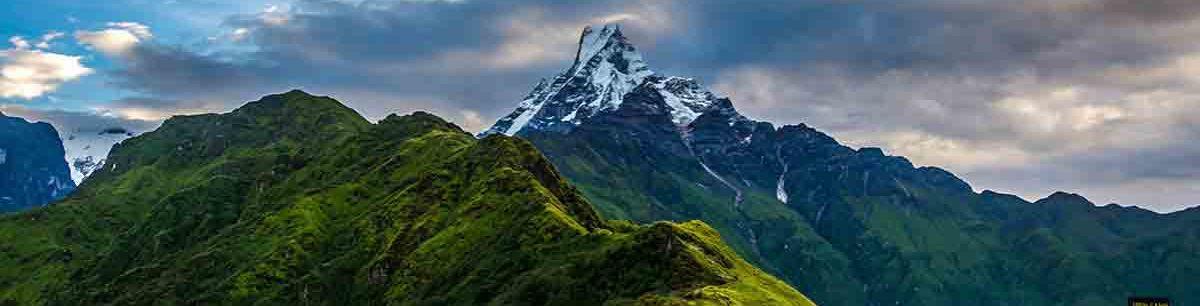
High above the lowland jungles and terraced hillsides of Nepal lie paths carved by centuries of pilgrims, traders, monks, and explorers. Today, these trails have become the arteries of some of the world’s most legendary trekking experiences. From the shadow of Mount Everest to the lesser-known valleys of Mustang and Manaslu, Nepal has become synonymous with trekking—not just as a physical challenge, but as a spiritual, cultural, and personal journey.

But why does this small Himalayan nation continue to mesmerize trekkers from around the globe? What is it about Nepal’s trails that lodge themselves into the imagination long after boots have returned home?

Let’s explore the 9 key reasons Nepal’s trekking has captivated the world’s heart and soul.


The Majesty of the Himalayas

Nepal is the crown jewel of the Himalayas. It hosts eight of the world’s fourteen peaks above 8,000 meters—including Everest (8,848 m), the tallest of them all. These snow-clad giants form a natural skyline that defines not only the country’s geography but also its global mystique.

Trekking in Nepal means walking in the presence of awe. The Annapurna Circuit, for instance, provides a kaleidoscope of landscapes, from lush subtropical forests to dry alpine deserts. The Everest Base Camp trek, meanwhile, brings you face-to-face with some of the most iconic mountain views in existence. These trails aren’t just routes—they are living museums of geological grandeur.

Even short treks like Poon Hill offer staggering sunrise views over Dhaulagiri and Annapurna ranges, proving that even moderate trails deliver Himalayan magic.


Living Cultures and Ancient Traditions

What sets Nepal apart from other trekking destinations is not just its natural wonders, but its thriving cultural tapestry. As you trek from village to village, you’re immersed in a living heritage that has remained largely untouched by colonial influence.

In the Khumbu region, Sherpa villages like Namche Bazaar and Tengboche offer a glimpse into Tibetan Buddhist traditions, with colorful prayer flags fluttering over stupas and mani stones etched with sacred chants. In the Annapurna region, Gurung and Magar communities welcome travelers into homes with traditional meals and local hospitality.

Each ethnic group you encounter—from Tamang farmers in Langtang to Thakali traders in Mustang—contributes to a rich mosaic of rituals, dialects, and festivals. For trekkers, the cultural immersion often becomes just as memorable as the mountain scenery.


Legendary Hospitality and Safety

Nepalis are renowned for their warmth and generosity. The guiding principle of Atithi Devo Bhava (“the guest is god”) isn’t just a saying—it’s a lived reality. This cultural ethic makes solo travelers, small groups, and first-timers feel immediately welcomed and looked after.

This hospitality is woven into the very fabric of trekking life. Teahouse owners greet guests with hot dal bhat (rice and lentils) and endless cups of tea. Guides and porters not only carry loads or lead the way—they share their stories, laughter, and support.

Safety has also become a national priority. Since 2023, it’s mandatory for international trekkers to be accompanied by licensed guides on most routes, ensuring both environmental stewardship and emergency readiness. Nepal’s combination of human warmth and structural safety provides trekkers with a sense of comfort unmatched in many other wilderness destinations.


Affordable Yet World-Class Adventures

Despite offering experiences that rival the Alps or Patagonia, trekking in Nepal remains surprisingly affordable. Budget travelers can manage a full trekking itinerary—including guides, meals, lodging, and permits—for a fraction of the cost of equivalent trips elsewhere.

A basic teahouse trek with a local guide can cost between $30–50 per day, while even more comfortable options with upgraded lodging, hot showers, and private transport remain reasonably priced.

This accessibility makes Nepal not only a paradise for backpackers but also for families, students, and retirees looking for transformative travel without emptying their savings.


Trekking Options for Every Experience Level

Nepal’s topography is a wonderland of variety. From low-lying jungle trails in Chitwan to high alpine passes above 5,000 meters, there’s a trek for everyone—regardless of experience, fitness level, or time frame.

New to trekking? The Ghorepani Poon Hill trek is short (4–5 days), manageable, and richly rewarding with panoramic views and cultural stops. Seeking a physical challenge? Try the Everest Three Passes Trek or the Annapurna Circuit.

For those who want solitude, hidden gems like the Tsum Valley, Upper Dolpo, or Makalu Base Camp remain off-the-beaten-path wonders. You can even combine treks with spiritual pilgrimages (e.g., Muktinath Temple), jungle safaris, or meditation retreats.

This diversity is a rare asset, making Nepal not just a single destination but a lifetime’s worth of trekking opportunities.


Strong Infrastructure for Trekkers

Few trekking regions in the world are as well-equipped for long-distance hikers as Nepal. The famed teahouse system allows trekkers to hike for weeks without carrying camping gear or food. These cozy, family-run lodges offer beds, hot meals, charging points, and even Wi-Fi in many cases.

Popular routes like Everest Base Camp, Langtang, and Annapurna are dotted with teahouses spaced every few kilometers, providing rest and sustenance. For more remote treks, guided expeditions with porters and cooks ensure a safe and comfortable experience.

Government regulation and tourism board oversight also ensure that licensed guides and trekking agencies adhere to safety protocols and fair wage practices. Combined with access to evacuation services and satellite communication, Nepal’s infrastructure allows adventurers to focus on the journey, not the logistics.


Challenge and Personal Growth

Trekking in Nepal is not just a physical pursuit—it’s a journey of the soul. Altitude, weather, terrain, and endurance push trekkers to their limits, helping them discover resilience they may not have known they possessed.

Crossing Thorong La Pass (5,416 m) or Gokyo Ri (5,357 m) at sunrise requires stamina, patience, and mental toughness. But the reward is not just in the view—it’s in the transformation that occurs through effort.

For many, trekking in Nepal becomes a rite of passage: a break from modern life, a digital detox, and a chance to reconnect with nature, purpose, and self.


Stunning Biodiversity and Natural Encounters

Nepal may be famous for its mountains, but it’s also home to an incredible range of flora and fauna. The trails often cut through national parks and conservation areas like Sagarmatha (a UNESCO World Heritage Site), Langtang, Manaslu, and Kanchenjunga.

Trekkers can witness blooming rhododendrons in spring, rare orchids in alpine forests, and medicinal herbs used by local shamans. Wildlife sightings may include Himalayan tahr, red panda, langurs, pheasants, and even snow leopards in more remote areas.

The biodiversity enriches the trek at every step, turning a mountain hike into a living classroom for ecology and conservation.


Landscapes Made for Photography

It’s no surprise that Nepal draws travel photographers, documentarians, and influencers in droves. The country offers a visual feast: from golden dawns over Everest to prayer flags whipping in the wind, every frame tells a story.

The ever-changing terrain—stone villages, terraced fields, yak caravans, icy glaciers, monastic ceremonies—means every trekker, regardless of camera skill, returns with postcard-worthy memories.

The light in the Himalayas, especially during sunrise and sunset, is often described as otherworldly. Whether you’re capturing portraits of smiling locals or the dramatic silhouette of Ama Dablam at dusk, Nepal’s photographic potential is unmatched.


Bonus: A Model for Sustainable Trekking

As global tourism trends shift toward sustainability, Nepal is quietly leading by example. Many treks promote eco-lodges, biodegradable supplies, and community-led initiatives. Agencies like World Expeditions run “Trek in Comfort” camps with solar showers and low-impact waste systems.

Efforts like the “Carry Me Back” campaign help remove waste from Everest region trails. Furthermore, the government has opened new peaks to distribute tourism revenue to less-visited regions like Karnali and Far West Nepal, reducing crowding and encouraging equitable development.

Trekking in Nepal isn’t just an adventure—it’s a way to support local livelihoods, protect natural habitats, and engage in responsible travel.


Where Adventure Meets the Soul

Nepal is more than a dot on a map—it is a living invitation. The mountains inspire, the people embrace, the culture humbles, and the experience transforms. Trekking here doesn’t just check a bucket list box; it rewrites the list altogether.

In a world obsessed with speed, Nepal’s trails remind us to slow down. In a time of digital saturation, they offer disconnection. And in a society often divided, the mountains unite.

That’s why Nepal’s trekking has captured—and will continue to capture—the imagination of the world.

Quick Inquiry Form

Nepal Cultural Tour in Autumn: Temples, Rituals, and Colorful Celebrations

Nepal, nestled in the lap of the Himalayas, is a treasure trove of cultural heritage, sacred rituals, ancient temples, and colorful festivals. While the country’s towering peaks draw trekkers and mountaineers from around the globe, its soul lies in its deep-rooted traditions and spiritual vibrance.

If you’re seeking a journey that goes beyond landscapes to explore Nepal’s heart and heritage, there is no better time to visit than autumn (September to November). Not only is this the season of clear skies and pleasant weather, but it also hosts the biggest and most meaningful festivals in Nepali culture, making it a perfect time for a cultural tour.

In this article, we guide you through Nepal’s cultural highlights in autumn, exploring vibrant celebrations, ancient temples, and time-honored traditions that come alive during this sacred season.


Why Autumn is Ideal for Cultural Travel in Nepal

Autumn in Nepal brings more than just favorable weather and scenic beauty; it marks the spiritual and cultural high point of the year. Key reasons to plan a cultural tour during this time include:

  • Major festivals: Dashain and Tihar, Nepal’s biggest religious festivals, fall in this season.
  • Pleasant climate: Clear skies and cool temperatures make it ideal for sightseeing and walking tours.
  • Harvest season: Rural life is vibrant with music, rituals, and community gatherings.
  • Temples and towns come alive: Pilgrimage sites and cities are illuminated and adorned with flowers, lights, and offerings.

Dashain: The Festival of Victory and Blessings

 When: Late September to mid-October (dates vary by lunar calendar)

 Duration: 15 days

 Significance: Victory of good over evil, family reunions, blessings from elders

Dashain is Nepal’s most important and widely celebrated festival. It commemorates the victory of the Hindu goddess Durga over the demon Mahishasura, symbolizing the triumph of good over evil.

During Dashain:

  • Families clean and decorate their homes.
  • Elaborate rituals are performed in temples and homes.
  • People return to their ancestral homes to receive “tika” (a mixture of yogurt, rice, and vermillion) and jamara (sacred barley shoots) from elders.
  • Kite flying, animal sacrifices, and traditional feasting mark the celebrations.

 Cultural Hotspots:

  • Hanuman Dhoka Durbar Square (Kathmandu): The royal Dashain festival is performed here, especially at Kumari Ghar, home of the Living Goddess.
  • Gorkha Durbar: Historically significant as the home of King Prithvi Narayan Shah, it’s a powerful Dashain pilgrimage site.

Tihar: The Festival of Lights and Brotherhood

 When: October or early November (5 days after Dashain)

 Duration: 5 days

 Significance: Honoring animals, wealth, and relationships; similar to Diwali in India

Known as the festival of lights, Tihar is perhaps the most colorful festival in Nepal. Each day is dedicated to a different element of life:

  • Day 1 (Kaag Tihar): Crows are fed as messengers of the underworld.
  • Day 2 (Kukur Tihar): Dogs are honored for loyalty and protection.
  • Day 3 (Gai Tihar & Laxmi Puja): Cows are worshipped, and homes are lit up to invite Goddess Laxmi, deity of wealth.
  • Day 4 (Govardhan Puja or Mha Puja): Oxen are venerated; Newars perform rituals for inner purification.
  • Day 5 (Bhai Tika): Sisters bless their brothers with tika, garlands, and sweets.

Tihar transforms cities into a realm of lights, music, and devotion. Streets and homes are adorned with oil lamps (diyas), candles, and colorful rangoli designs.

 Cultural Highlight: Deusi-Bhailo, a traditional form of group singing and dancing performed by children and youths, fills neighborhoods with joy.


Indra Jatra: The Living Goddess and Ancient Rituals

When: September (based on lunar calendar)

 Location: Kathmandu Durbar Square

 Significance: Honoring Lord Indra, god of rain and heaven

Indra Jatra is the biggest street festival in Kathmandu, known for its dramatic rituals, mask dances, and chariot processions. A central feature is the Kumari Jatra, where the Kumari, Nepal’s Living Goddess, is paraded through the city on a wooden chariot.

 Highlights:

  • Lakhey dances: Masked demons dance through the streets to ward off evil spirits.
  • Raising of the Yosin pole: A ceremonial pole is erected to mark the beginning of the festival.
  • Bhairab masks: Large masks of Bhairab (Shiva’s fierce form) are displayed and offer sacred alcohol to devotees.

Indra Jatra is a unique blend of Hindu and Buddhist traditions and gives visitors a rare chance to witness Nepal’s Living Deity in a public setting.


Temples to Visit During Autumn

Autumn is the perfect time to explore Nepal’s temples, which become spiritual and social hubs during festival season.

 Pashupatinath Temple (Kathmandu)

  • One of the holiest Hindu temples dedicated to Lord Shiva.
  • Located on the banks of the Bagmati River.
  • Witness evening aarati ceremonies, with music, fire, and chanting.

 Swayambhunath (Monkey Temple)

  • A UNESCO World Heritage Site and one of the oldest stupas in Nepal.
  • Offers panoramic views of Kathmandu Valley.
  • Blend of Hindu and Buddhist symbolism.

 Boudhanath Stupa

  • The largest stupa in Nepal and a focal point of Tibetan Buddhism.
  • Monks in maroon robes chant prayers while pilgrims walk around the stupa spinning prayer wheels.
  • Especially active during Lhabab Duchen (Buddha’s descent from heaven), often celebrated in autumn.

 Manakamana Temple (Gorkha)

  • A sacred wish-fulfilling goddess temple accessible by cable car.
  • Autumn offers clear views of the Himalayas during the journey.

Traditional Art, Music & Dance

Autumn is not just a time of prayer but also one of performance. During festivals, towns and villages host traditional music and dances passed down for generations.

 Key Traditions:

  • Lakhey dance: Performed by masked dancers during Indra Jatra.
  • Newar bhajan and dapa groups: Chant devotional music in Kathmandu Valley neighborhoods.
  • Deusi and Bhailo songs: Sung during Tihar by groups collecting blessings and donations.

 Local Crafts:

Visit traditional artisans in Bhaktapur and Patan to witness:

  • Thangka painting (Buddhist spiritual art)
  • Metal casting (Buddha and deity statues)
  • Wood carving on temples and doors

Autumn is a great time to buy local, handmade souvenirs and support Nepal’s cultural heritage.


Cultural Towns and Villages to Explore

Beyond temples and cities, Nepal’s towns and rural villages offer immersive cultural experiences.

 Bandipur

  • A beautifully preserved hill town with Newar architecture and traditional hospitality.
  • Offers sweeping views of the Himalayas.
  • Hosts local festivals and cultural walks.

 Tansen (Palpa)

  • A charming hill town with cobbled streets and Rana-era buildings.
  • Known for its Dhaka fabric, used in traditional Nepali hats (topi).
  • Visit during local fairs and religious celebrations in autumn.

 Gorkha

  • The birthplace of King Prithvi Narayan Shah.
  • Offers historical and spiritual insights into Nepal’s unification.
  • Home to Gorkha Durbar and Gorkha Museum.

Combine Culture with Nature

Cultural tours in Nepal don’t have to exclude natural beauty. Autumn offers a unique opportunity to combine temple visits with scenic experiences:

  • Visit Poon Hill for sunrise over Annapurna, then explore nearby Ghandruk, a Gurung village rich in culture.
  • Explore Namobuddha, a sacred Buddhist site in the hills near Kathmandu, surrounded by monasteries and forests.
  • Attend full-moon pujas at Kopan Monastery, followed by quiet time in the Himalayan foothills.

Travel Tips for a Cultural Tour in Autumn

  • Dress respectfully: Cover shoulders and knees when entering temples.
  • Plan around festivals: Book accommodation in advance, especially during Dashain and Tihar.
  • Respect rituals: Ask before photographing religious ceremonies.
  • Use local guides: For deeper understanding and access to hidden gems.
  • Participate respectfully: Join in singing, dancing, or receiving tika when invited.

Conclusion: A Season of Soul and Celebration

Autumn in Nepal is more than just a season—it’s a sacred time when the country’s cultural identity shines at its brightest. From ancient temples to bustling festivals, from age-old dances to timeless traditions, every corner of Nepal radiates spiritual energy and communal joy.

Whether you walk through Kathmandu’s old quarters, light lamps during Tihar, or receive tika from a village elder, your autumn cultural tour in Nepal will be filled with moments that nourish the heart and soul.

So come with an open mind and a respectful spirit—Nepal’s autumn awaits to share its wisdom, beauty, and light.

Souvenirs to Buy from a Nepal Tour: A Complete Guide to Unique Treasures

Nepal is a land of diverse cultures, ancient traditions, spiritual depth, and awe-inspiring landscapes. When visiting this Himalayan gem, bringing back a piece of its charm in the form of souvenirs can be one of the most fulfilling parts of your journey. Whether you’re wandering through the bustling streets of Thamel in Kathmandu, exploring the serene alleys of Bhaktapur, or relaxing by the lakeside markets in Pokhara, Nepal offers a rich variety of authentic and meaningful items perfect for keepsakes and gifts.

This article presents a comprehensive guide to the best souvenirs to buy in Nepal, including cultural significance, where to find them, and tips for ethical shopping.

1. Pashmina Shawls and Scarves

Why Buy:

Pashmina, also known as cashmere, is one of Nepal’s most prized exports. Made from the wool of Himalayan mountain goats (locally called Chyangra), pashmina shawls are incredibly soft, warm, and lightweight.

Types:

  • 100% Pure Pashmina – Expensive but luxurious
  • Blended Pashmina (Pashmina-Silk mix) – Affordable and still high quality

Where to Buy:

  • Thamel (Kathmandu): Countless boutiques
  • Lalitpur and Pokhara: Artisanal stores with certified labeling

Price Range:

  • Blended pashmina scarves: NPR 1000–3000
  • Pure pashmina shawls: NPR 5000 and above

Tip: Look for the “Chyangra Pashmina” trademark for authenticity.

2. Singing Bowls

Why Buy:

Singing bowls, traditionally used in Tibetan Buddhist meditation and healing, produce soothing, harmonic sounds. They’re believed to promote relaxation, balance chakras, and aid in sound therapy.

Materials:

  • Hand-hammered bronze (traditional)
  • Machine-made brass (cheaper, more decorative)

Where to Buy:

  • Thamel and Boudhanath (Kathmandu)
  • Lakeside Pokhara
  • Specialty shops in Patan

Price Range:

  • Small machine-made bowls: NPR 1000–2500
  • Large hand-hammered bowls: NPR 5000–20,000+

Tip: Test different bowls to find one with a sound that resonates with you. The larger and thicker the bowl, the deeper the tone.

3. Handmade Paper (Lokta Paper) Products

Why Buy:

Made from the bark of the Lokta bush found in the Himalayan forests, Lokta paper is eco-friendly, durable, and uniquely textured. It’s used to make beautiful journals, lamp shades, photo albums, and gift wrap.

Cultural Significance:

Used historically for religious scriptures and government documents in Nepal.

Where to Buy:

  • Paper factories in Bhaktapur and Patan
  • Stationery and craft stores in Kathmandu

Price Range:

  • Journals: NPR 300–1000
  • Lamps and wall art: NPR 1000–4000

4. Thangka Paintings

Why Buy:

Thangkas are intricate Buddhist scroll paintings, often depicting deities, mandalas, or scenes from the life of the Buddha. These sacred artworks are created using natural pigments and hold deep spiritual value.

Types:

  • Printed Thangkas (inexpensive)
  • Hand-painted Thangkas (authentic and expensive)

Where to Buy:

Boudhanath and Patan: Authentic Thangka schools and art galleries

Price Range:

  • Prints: NPR 500–1500
  • Hand-painted: NPR 5000–100,000+ (based on size and detail)

Tip: Make sure the artist signs the painting. Ask if the work follows traditional iconography and materials.

5. Prayer Flags and Wheels

Why Buy:

Prayer flags are colored cloth strips printed with sacred mantras, intended to spread goodwill and compassion when the wind blows. Prayer wheels, when spun, release prayers into the universe.

Cultural Insight:

  • Colors represent five elements: blue (sky), white (air), red (fire), green (water), yellow (earth)
  • Best hung outdoors or near a meditation space

Where to Buy:

  • Boudhanath, Swayambhunath
  • Souvenir markets in Kathmandu and Pokhara

Price Range:

  • Small prayer flags: NPR 100–300
  • Large sets or wheels: NPR 1000–3000

6. Traditional Nepali Clothing

Why Buy:

Take home a piece of Nepalese tradition with Dhaka fabric garments, topis (Nepali caps), and saris or kurtas for women.

Cultural Use:

  • Dhaka topi is worn during formal events and festivals
  • Many Nepali men wear Daura Suruwal, the national dress, on special occasions

Where to Buy:

Asan Bazaar, Patan, and local tailoring shops

Price Range:

  • Dhaka topi: NPR 300–1000
  • Hand-stitched kurtas or daura suruwal sets: NPR 2000–6000

7. Statues and Metal Crafts

Why Buy:

Nepalese artisans, especially the Newars of Patan, are masters in metalwork, particularly of bronze and copper statues of Hindu and Buddhist deities.

What to Look For:

  • Lost-wax (cire-perdue) technique crafted statues
  • Intricate, antique-finish deities like Buddha, Tara, or Shiva

Where to Buy:

  • Patan Durbar Square area (metalwork workshops)
  • Basantapur and Thamel markets

Price Range:

  • Small brass statues: NPR 1000–5000
  • Larger, artisan-crafted statues: NPR 10,000+

8. Handcrafted Jewelry

Why Buy:

Nepal is known for its ethnic, tribal, and silver jewelry adorned with turquoise, lapis lazuli, coral, and amber. Each piece often has spiritual meaning or is inspired by Tibetan designs.

Popular Items:

  • Silver rings, bracelets, pendants with mantras
  • Turquoise necklaces (often worn by Sherpa women)

Where to Buy:

  • Patan, Thamel, Bhaktapur
  • Fair-trade stores and co-ops

Price Range:

  • Simple earrings: NPR 300–1000
  • Handmade silver and stone necklaces: NPR 3000–10,000+

9. Wood Carvings

Why Buy:

Nepalese woodworkers have centuries-old traditions of creating intricate designs, especially seen in temple doors and window frames.

Best For:

  • Decorative wall hangings
  • Miniature temple replicas
  • Traditional Newari window frames

Where to Buy:

Bhaktapur and Patan wood-carving shops

Price Range:

  • Small carvings: NPR 500–2000
  • Larger works: NPR 5000–30,000+

10. Tea and Spices

Why Buy:

Nepal produces some of the world’s finest orthodox teas, particularly from the Ilam and Terai regions. Spices such as timur (Szechuan pepper), cardamom, ginger, and turmeric are aromatic and high-quality.

Where to Buy:

  • Asan Bazaar, Kathmandu
  • Local supermarkets and tea shops in Pokhara

Price Range:

  • Pack of tea: NPR 300–800
  • Spice sets: NPR 200–500

Tip: Choose vacuum-sealed packages for freshness and easy transport.

11. Musical Instruments

Why Buy:

Bring home the sound of Nepal with traditional instruments like the madal (drum), sarangi (stringed instrument), or bansuri (bamboo flute).

Where to Buy:

  • Patan and Bhaktapur for handmade instruments
  • Music stores in Kathmandu and Pokhara

Price Range:

  • Flutes: NPR 200–500
  • Madals or sarangis: NPR 1000–3000

12. Books and Literature

Why Buy:

Nepal’s literary scene is growing, with many great titles on trekking, Buddhism, Himalayan culture, and fiction by local authors.

Recommended:

  • “Into Thin Air” by Jon Krakauer
  • “The Snow Leopard” by Peter Matthiessen
  • Books by Nepali authors like Samrat Upadhyay or Manjushree Thapa

Where to Buy:

Support Local Artisans: Choose cooperatives or fair-trade shops over mass-market tourist stalls.

  • Pilgrims Book House (Thamel)
  • Mandala Book Point (Lalitpur)

Ethical Shopping Tips

  • Avoid Wildlife Products: Never buy souvenirs made from endangered species (e.g., ivory, tiger skin).
  • Negotiate Politely: Bargaining is common, but be respectful.
  • Check for Authenticity: Especially with Thangkas, pashmina, and statues.

Conclusion

Shopping in Nepal isn’t just about picking up trinkets—it’s an opportunity to connect with the country’s heritage, support local communities, and bring meaningful memories back home. Whether you’re a culture enthusiast, a spiritual seeker, or an art lover, Nepal’s souvenir markets offer something for everyone.

Make sure your chosen mementos reflect the beauty, spirituality, and craftsmanship of this extraordinary country. Happy travels—and happy treasure hunting!

How to Plan an Incredible Family Trip to Nepal in 2025/2026: A Complete Guide

Nepal is a land of towering mountains, vibrant culture, wildlife safaris, ancient temples, and welcoming people—a destination that offers something for every traveler. While it’s famed for adrenaline-filled adventures, Nepal is also one of the most enriching and diverse countries for a family vacation. Planning a family trip to Nepal for 2025 or 2026 can be the start of a journey your loved ones will never forget.

Whether you’re traveling with toddlers, teenagers, or a mix of all ages, this guide will help you organize an unforgettable trip. From choosing the right destinations to understanding logistics, safety tips, and family-friendly activities, here’s everything you need to know.

Why Nepal is Perfect for a Family Vacation

Nepal blends natural beauty, cultural experiences, and interactive learning in a safe and relatively affordable package. Your children can marvel at Mount Everest, visit UNESCO World Heritage Sites, ride elephants in the jungle, take part in cooking classes, or experience a peaceful stay in rural villages.

Other reasons why Nepal is family-friendly:

  • English is widely spoken in tourist areas.
  • Nepalese culture is naturally welcoming to children.
  • There’s a wide range of accommodation, from basic guesthouses to luxury resorts.

Best Time to Visit Nepal for Families

The best seasons are:

  • Spring (March–May): Pleasant temperatures, blooming rhododendrons, and major festivals like Holi and Nepali New Year.
  • Autumn (September–November): Clear skies, cool evenings, and important cultural events like Dashain and Tihar (in October/November).

Avoid:

  • Monsoon season (June–August): Heavy rains, slippery roads, and leeches in the hills.
  • Winter (December–February): Can be chilly, especially in the mountains and at night.

Entry Requirements and Travel Documents

Visa:

Most travelers can get a visa on arrival at Kathmandu’s airport or apply online beforehand. Costs range from:

  • 15 days: $30 USD
  • 30 days: $50 USD
  • 90 days: $125 USD

Ensure passports are valid for at least 6 months from your date of entry.

Health and Safety Tips

Vaccinations:

Recommended vaccines include:

  • Hepatitis A & B
  • Typhoid
  • Tetanus
  • Measles-Mumps-Rubella (MMR)
  • Polio

If trekking at altitude, consult your doctor about altitude sickness prevention, such as acetazolamide (Diamox).

Food & Water:

  • Stick to bottled or filtered water.
  • Eat cooked food and avoid unwashed fruits or vegetables.
  • Carry hand sanitizer and wet wipes.

Safety Notes:

  • Nepal is politically stable and generally very safe.
  • Petty theft is rare, but use money belts and lock valuables in your hotel.
  • Roads can be bumpy—book private transfers for comfort and safety.

Family-Friendly Places to Visit in Nepal

1. Kathmandu Valley

Duration: 3–4 days

Nepal’s bustling capital is chaotic but captivating. It’s home to seven UNESCO World Heritage Sites and is great for cultural immersion.

Top Family Activities:

  • Visit Swayambhunath (Monkey Temple)—kids love the playful monkeys and hilltop views.
  • Explore Patan Durbar Square and try a traditional cooking class.
  • Watch a live puppet show or visit The Natural History Museum in Swayambhu.

Where to Stay:

  • Dwarika’s Hotel (luxury)
  • Traditional Comfort (mid-range)
  • Hotel Heranya (budget-friendly)

2. Pokhara

Duration: 4–5 days

Pokhara is Nepal’s adventure capital, but it’s also serene and scenic—ideal for families with children of all ages.

Highlights:

  • Boating on Phewa Lake
  • Visit The International Mountain Museum
  • Paragliding for teens (age 10+)
  • Caves and waterfalls like Gupteshwor Mahadev and Devi’s Fall
  • Cable car ride to Sarangkot for sunrise over the Annapurna range

Where to Stay:

  • Temple Tree Resort (family-friendly)
  • Bar Peepal Resort (great views and pool)
  • Hotel Middle Path (excellent location)

3. Chitwan National Park

Duration: 2–3 days

This UNESCO World Heritage site is home to rhinos, tigers, elephants, and crocodiles. It’s perfect for a short wildlife break with the kids.

Top Experiences:

  • Jeep safaris through the jungle
  • Tharu cultural dance performances
  • Elephant bathing (ethical interactions only)
  • Canoe rides on the Rapti River

Where to Stay:

  • Meghauli Serai (Taj Group) – luxury with a riverside setting
  • Barahi Jungle Lodge – eco-friendly and family-oriented
  • Green Park Resort – great mid-range option

4. Nagarkot or Dhulikhel

Duration: 1–2 days

Located just 1–2 hours from Kathmandu, these hill stations are peaceful getaways with spectacular Himalayan views. Ideal for rest before or after a long journey.

Activities:

  • Sunrise hike to viewpoints
  • Easy village walks with older children
  • Visit local farms and schools

Where to Stay:

  • Mystic Mountain Resort (Nagarkot)
  • Dhulikhel Lodge Resort

5. Bandipur

Duration: 1–2 days

A beautifully preserved hilltop village between Kathmandu and Pokhara—car-free and peaceful, with old Newari architecture.

Great for:

  • Experiencing rural life
  • Light hikes and picnics
  • Interacting with local children

Suggested 12-Day Family Itinerary (Sample)

Day 1–3: Arrive in Kathmandu – explore temples, markets, and family activities

Day 4–7: Fly to Pokhara – lakes, mountain views, light trekking, caves

Day 8–10: Drive to Chitwan – jungle safari and wildlife activities

Day 11: Return to Kathmandu via flight or private transport

Day 12: Depart Nepal

Trekking with Kids – Is It Possible?

Absolutely! Choose short, low-altitude treks that are scenic and accessible.

Best Treks for Families:

  • Ghandruk Loop (3–4 days) – Annapurna region
  • Australian Camp Trek (2–3 days) – Easy and beautiful
  • Shivapuri Hike (1 day) – Close to Kathmandu
  • Poon Hill (5 days) – Suitable for older children (8+)

Make sure to:

  • Take it slow and stay hydrated
  • Hire a guide/porter to help carry your bags and assist with safety
  • Avoid treks above 3,000m with small children due to altitude risks

Budget Planning: What to Expect

Nepal is incredibly budget-friendly, but you can scale up for luxury.

Average Daily Costs (Mid-Range Family of 4):

  • Accommodation: $60–120/night
  • Meals: $25–50/day
  • Transport: $30–50/day
  • Activities/Guides: $50–100/day

Estimated Cost for 12-Day Trip: $2,500–$4,500 depending on the level of comfort.

Travel Tips for Families

  • Pack light but strategically: Layers, sunscreen, medications, reusable water bottles.
  • Bring entertainment: Coloring books, tablets, games for downtime and drives.
  • Respect local culture: Teach children about temple etiquette—shoes off, no loud voices.
  • Wi-Fi and SIMs: Hotels offer Wi-Fi; SIM cards (Ncell, NTC) are cheap and useful.

Final Thoughts

Planning a family trip to Nepal in 2025 or 2026 means introducing your loved ones to a world of mountain majesty, ancient temples, and friendly culture. With thoughtful preparation, your family will enjoy an inspiring, safe, and adventure-filled journey.

From boating in Pokhara to wildlife spotting in Chitwan and learning about Hindu-Buddhist traditions in Kathmandu, Nepal’s blend of experiences can enrich young minds and create unforgettable family memories.

So start researching, pack those bags, and get ready for the journey of a lifetime in the heart of the Himalayas!

Nepal Tour from Dubai: A Comprehensive Guide

Nepal, a land of stunning Himalayan vistas, rich cultural heritage, and spiritual serenity, is a bucket-list destination for many travelers worldwide. For residents of Dubai, the allure of Nepal’s majestic landscapes and ancient traditions offers an exciting and affordable escape. This guide will provide detailed insights into planning a memorable Nepal tour from Dubai, covering everything from visa requirements and flight options to must-visit destinations and travel tips.

Why Choose Nepal for Your Next Vacation?

Nepal’s appeal lies in its unique combination of natural beauty and cultural depth. Whether you’re an adventurer looking to trek in the Himalayas, a spiritual seeker visiting ancient temples, or a family seeking a serene getaway, Nepal offers something for everyone. Key attractions include:

The Himalayas: Home to Mount Everest and other towering peaks, Nepal is a haven for trekking and mountaineering enthusiasts.

Rich Cultural Heritage: With UNESCO World Heritage sites like Kathmandu Durbar Square, Bhaktapur, and Swayambhunath (Monkey Temple), Nepal boasts an unparalleled cultural tapestry.

Adventure Sports: Activities such as paragliding, white-water rafting, and bungee jumping draw thrill-seekers from around the globe.

Spiritual Retreats: Nepal is a spiritual haven, with iconic sites like Lumbini (the birthplace of Buddha) and numerous meditation retreats.

Planning Your Trip from Dubai to Nepal

1. Visa Requirements

Nepal offers a visa-on-arrival service for UAE residents and most nationalities. Here’s what you need:

Valid Passport: Your passport must have at least six months of validity.

Visa Application Form: You can fill this out online or upon arrival at Tribhuvan International Airport in Kathmandu.

Passport Photos: Bring two recent passport-sized photos.

Visa Fee: The fee depends on the duration of your stay (e.g., USD 30 for 15 days, USD 50 for 30 days).

2. Flight Options

Direct flights from Dubai to Kathmandu are offered by airlines such as Flydubai and Nepal Airlines. The flight duration is approximately 4 hours and 30 minutes. Book your tickets in advance to secure the best deals, especially during peak seasons (March-May and September-November).

3. Best Time to Visit

Spring (March-May): Ideal for trekking, with blooming rhododendrons and clear skies.

Autumn (September-November): Perfect for cultural exploration and trekking, thanks to pleasant weather and vibrant festivals like Dashain and Tihar.

Winter (December-February): Suitable for lower-altitude treks and cultural tours.

Monsoon (June-August): While trekking is challenging due to rain, this season offers lush landscapes and fewer crowds.

Must-Visit Destinations in Nepal

1. Kathmandu Valley

The cultural heart of Nepal, Kathmandu Valley, is home to ancient temples, bustling markets, and historic palaces. Highlights include:

Pashupatinath Temple: A sacred Hindu temple on the banks of the Bagmati River.

Boudhanath Stupa: One of the largest stupas in the world, it’s a significant site for Tibetan Buddhism.

Thamel: A vibrant area with shops, restaurants, and cafes catering to tourists.

2. Pokhara

Known as the gateway to the Annapurna Circuit, Pokhara is a serene city offering breathtaking views of the Annapurna range. Must-see attractions include:

Phewa Lake: Enjoy boating while soaking in views of the Himalayas.

Sarangkot: A popular spot for sunrise views and paragliding.

Devi’s Fall: A fascinating waterfall with an underground tunnel.

3. Chitwan National Park

A UNESCO World Heritage site, Chitwan is perfect for wildlife enthusiasts. Activities include:

Jungle Safari: Spotting rhinos, tigers, and other wildlife.

Canoeing: A tranquil experience on the Rapti River.

Cultural Programs: Witness traditional Tharu dance performances.

4. Lumbini

The birthplace of Lord Buddha, Lumbini is a spiritual destination with monasteries and meditation centers. Don’t miss the Maya Devi Temple and the Ashokan Pillar.

5. Everest Region

For trekking enthusiasts, the Everest region offers unparalleled experiences, from the Everest Base Camp trek to scenic helicopter tours.

Budgeting for Your Nepal Tour

Nepal is an affordable destination. Here’s a breakdown of estimated costs:

Flights: AED 1,200 – AED 2,000 (round trip)

Accommodation: Budget hotels start at AED 50 per night, while mid-range hotels cost AED 150 – AED 300.

Food: AED 15 – AED 30 per meal for local cuisine.

Transportation: Local taxis and buses are economical, costing AED 10 – AED 50 per ride.

Activities: Trekking permits (TIMS and ACAP) cost around AED 200, while adventure sports vary between AED 300 – AED 600.

Travel Tips for a Smooth Journey

Health Precautions: Carry a first-aid kit, drink bottled water, and consider altitude sickness medication for high-altitude treks.

Currency Exchange: The local currency is the Nepalese Rupee (NPR). Exchange money at authorized counters or ATMs.

Packing Essentials: Pack layers for varying weather, trekking gear if needed, and comfortable walking shoes.

Respect Local Culture: Dress modestly, especially at religious sites, and follow local customs.

Stay Connected: Purchase a local SIM card for internet and calls. Major providers like Ncell and Nepal Telecom offer affordable packages.

Conclusion

A Nepal tour from Dubai is an enriching experience filled with adventure, culture, and natural beauty. With direct flights, affordable travel options, and diverse attractions, Nepal is an accessible and rewarding destination for Dubai residents. Whether you’re trekking through the Himalayas, exploring ancient temples, or simply relaxing by a serene lake, Nepal promises unforgettable memories.

Plan your trip today and immerse yourself in the charm of this Himalayan gem!